When production targets keep rising, choosing the right packaging machine becomes a strategic decision rather than a simple equipment purchase. The best machine for high-speed production depends on product type, package format, output goals, accuracy requirements, and future automation plans. In many cases, the ideal solution is not just one machine, but a coordinated packaging system that reduces downtime, improves consistency, and supports scalable growth.
High-speed packaging is especially important in food, pharmaceutical, nutraceutical, cosmetic, chemical, and pouch-based industries where order volumes are large and packaging quality must remain stable at every cycle. Businesses that select the wrong equipment often face film waste, inconsistent fills, slow changeovers, and bottlenecks between upstream and downstream processes.
What Does “High-Speed Production” Really Mean?
High-speed production is not only about packs per minute. A machine may run fast in theory but fail to deliver consistent real-world output if it suffers from stoppages, poor sealing stability, inaccurate dosing, or difficult maintenance. The true measure of high-speed performance includes:
- Actual output per hour or shift
- OEE performance including availability, performance, and quality
- Filling accuracy at high speed
- Seal integrity and package appearance
- Changeover speed between SKUs
- Integration with feeding, cartoning, coding, inspection, and palletizing
In other words, the best packaging machine is the one that sustains speed without sacrificing precision, reliability, or product safety.
Which Packaging Machine Types Are Best for High-Speed Production?
Different packaging formats require different machine structures. Below is a practical comparison of the most common options for fast production environments.
| Machine Type | Best For | High-Speed Advantage | Typical Limitation |
|---|---|---|---|
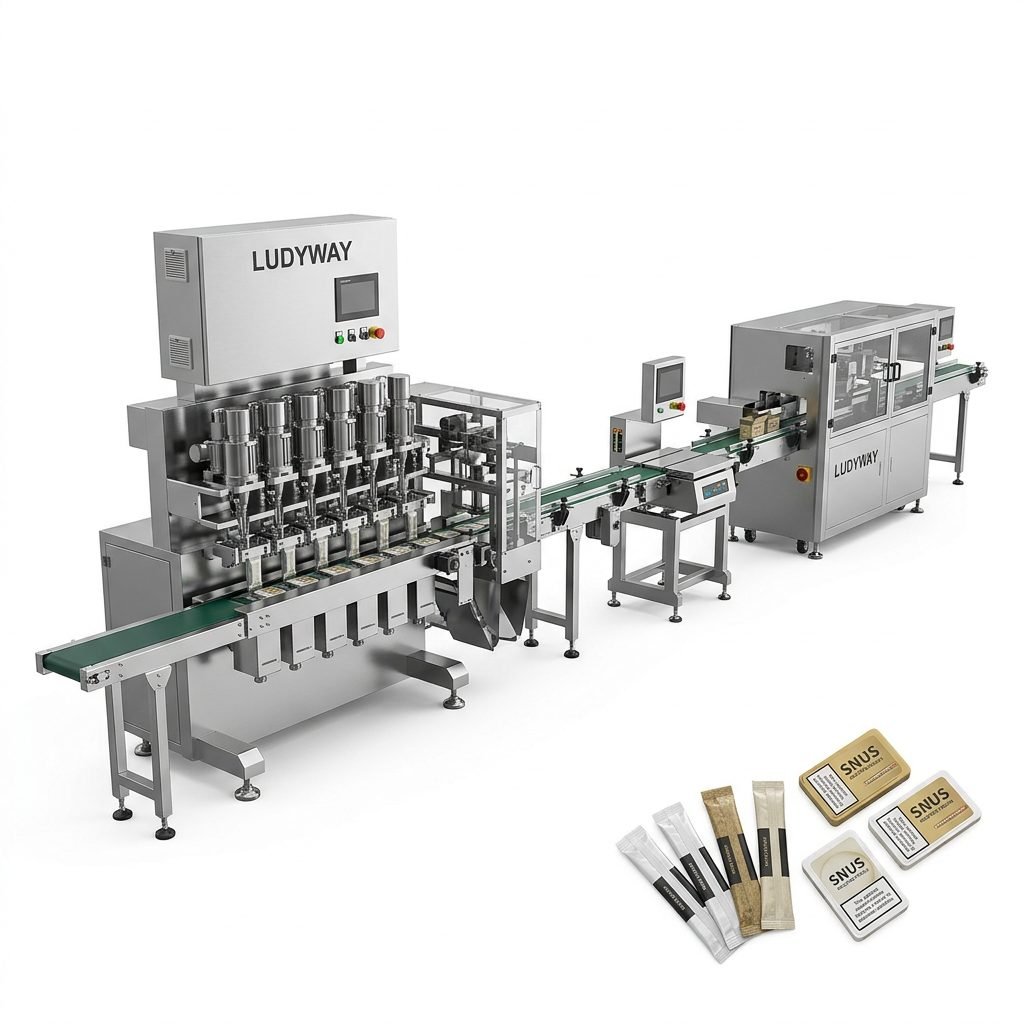
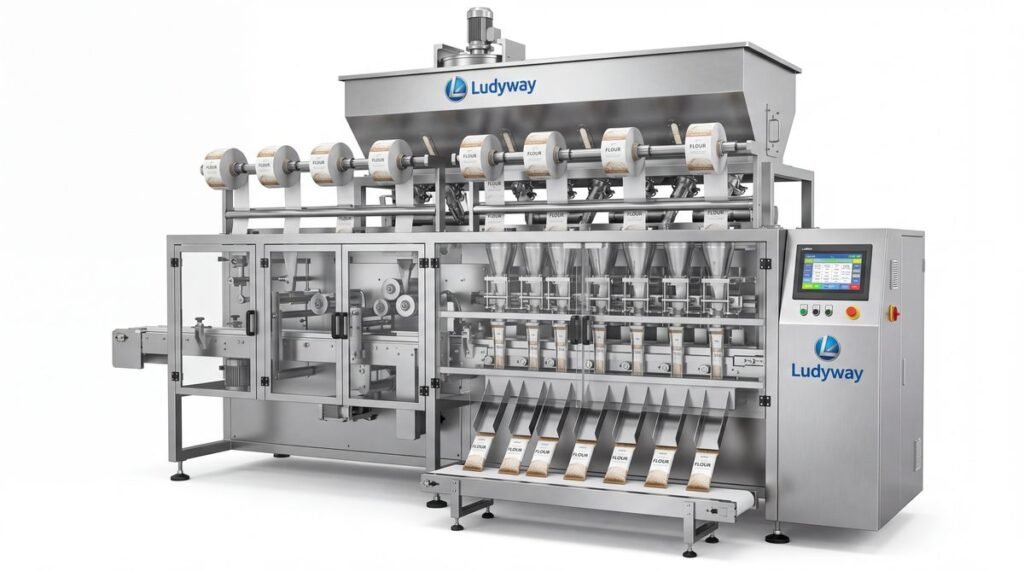
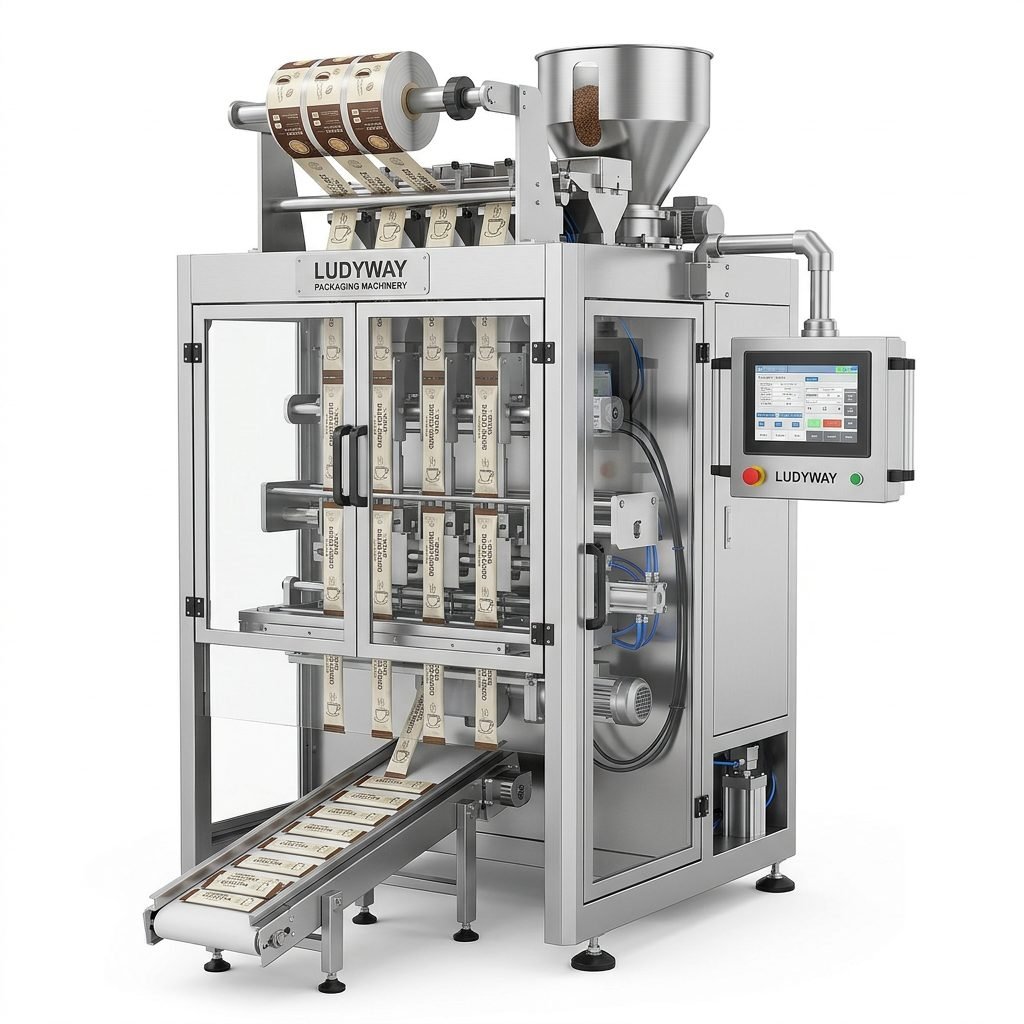
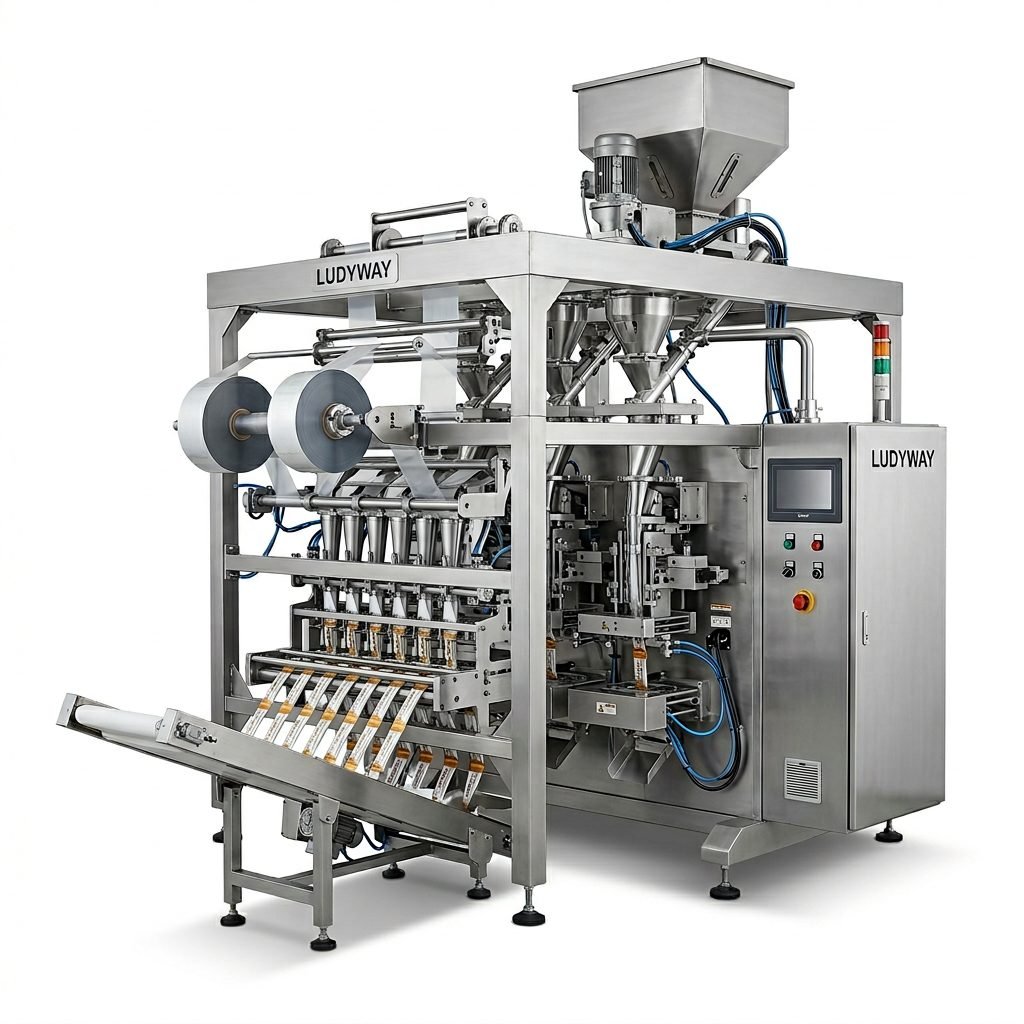
| Multi-lane stick pack machine | Powders, granules, liquids in slim packs | Very high output through parallel lanes | More complex alignment and maintenance |
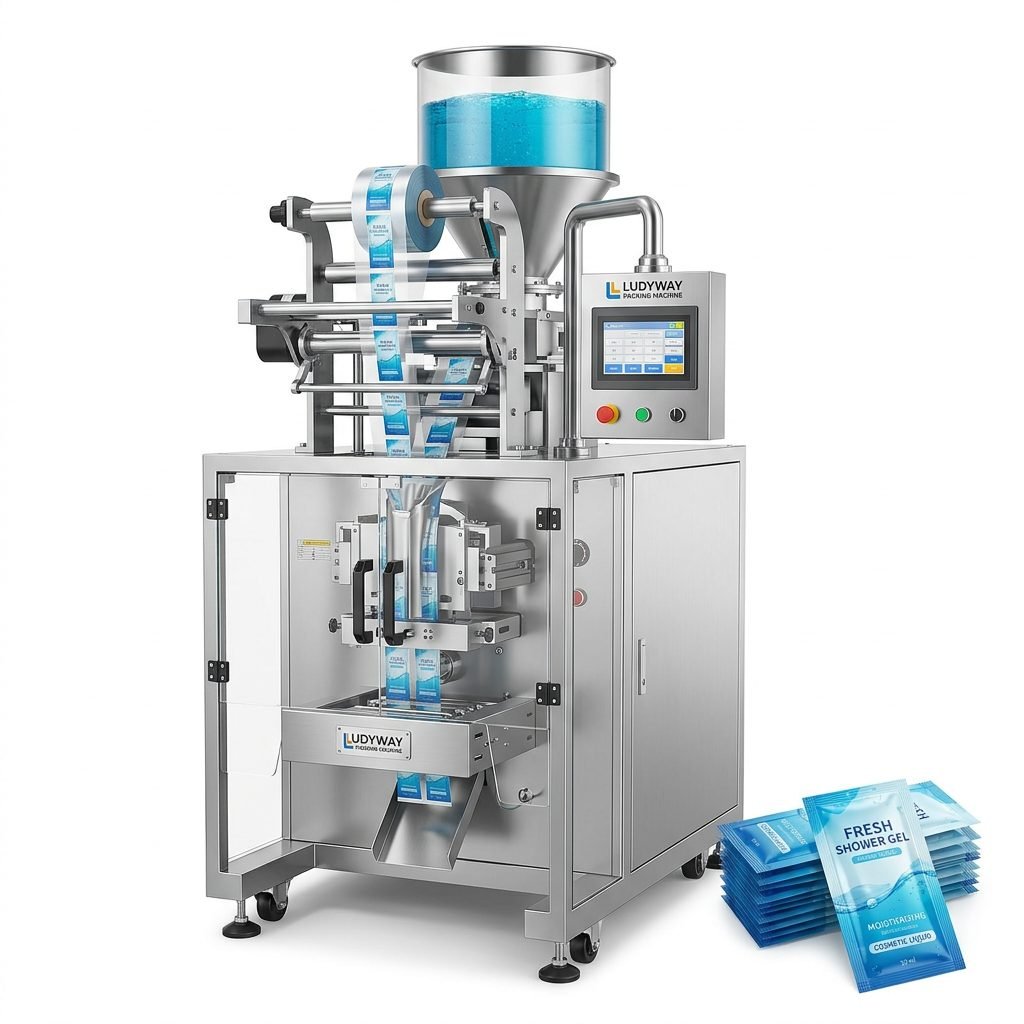
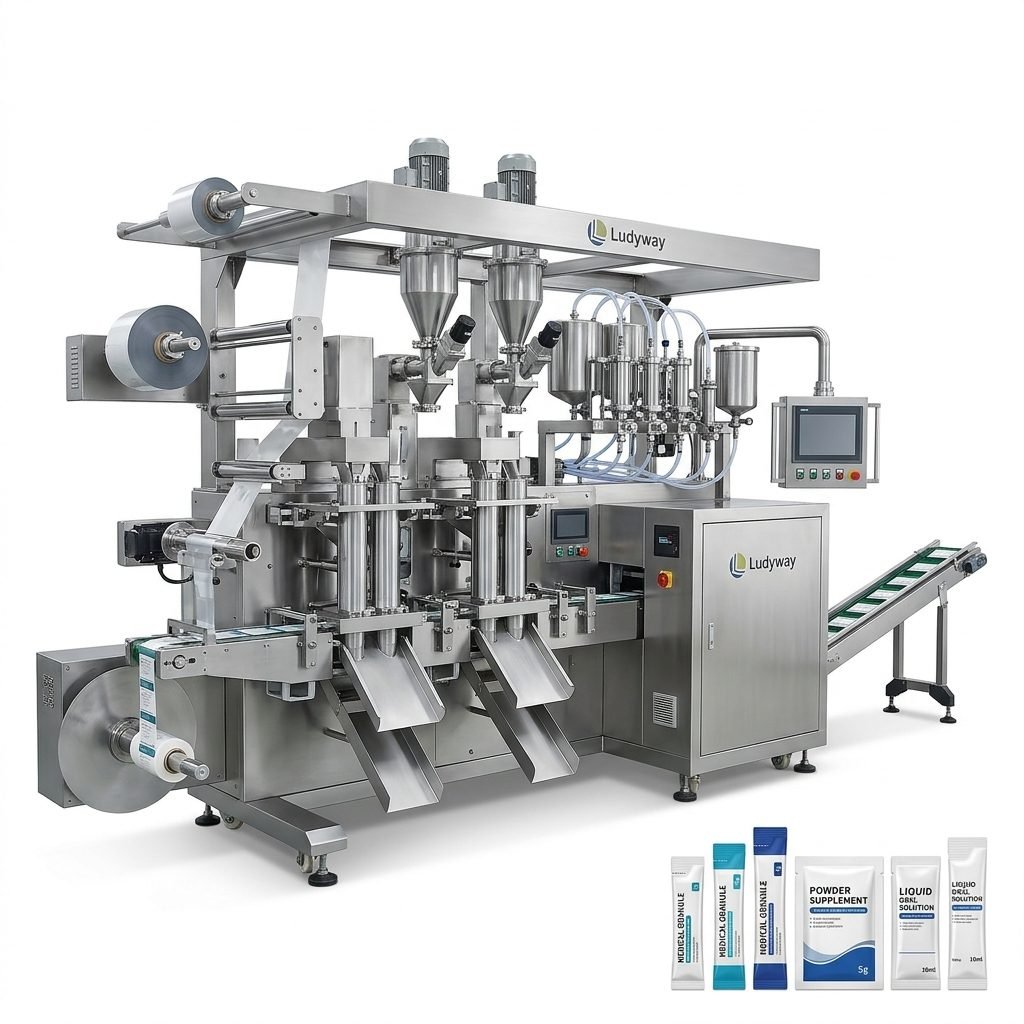
| Multi-lane sachet packaging machine | Single-dose food, pharma, cosmetic products | Excellent for large-volume small packs | Limited by sachet size and film characteristics |
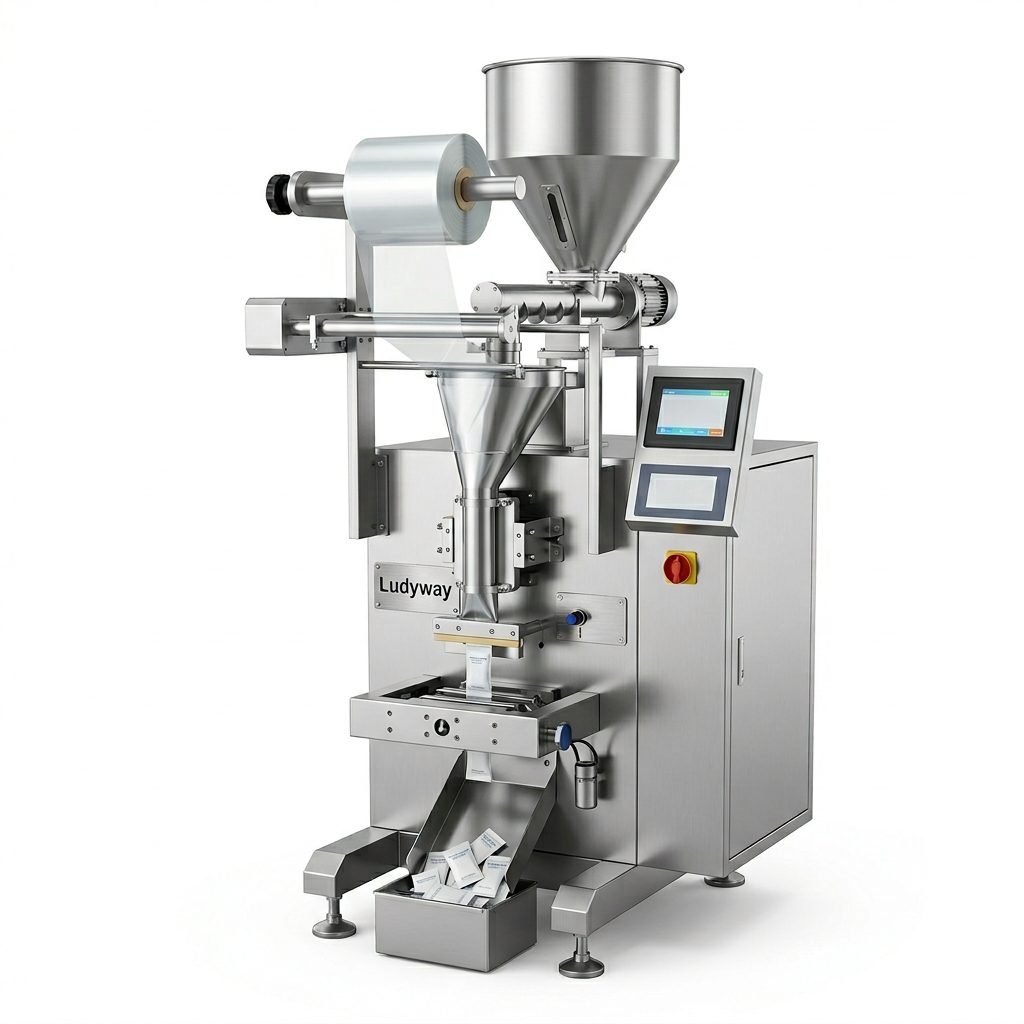
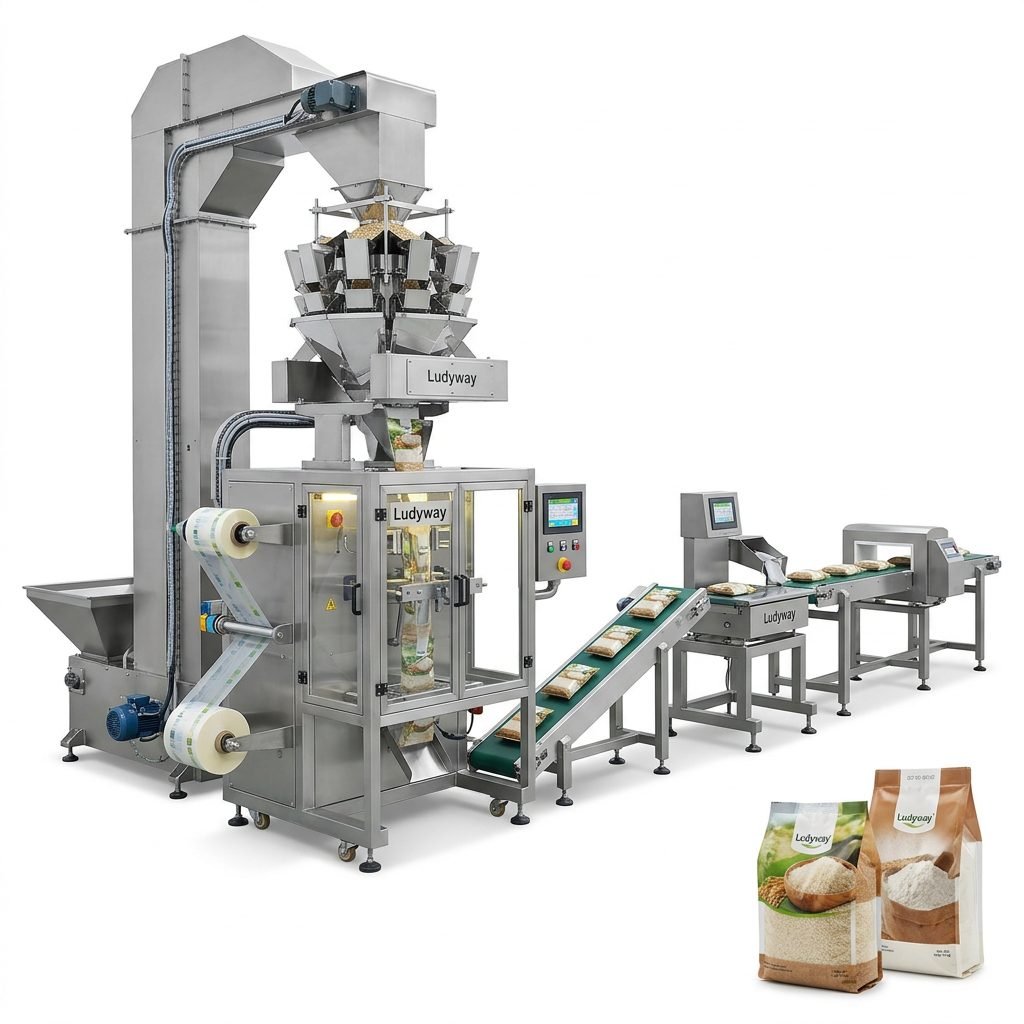
| Vertical form fill seal machine | Pouches and pillow bags for larger fills | Flexible and efficient for medium to high volumes | Usually lower output than multi-lane systems for small doses |
| Premade pouch machine | Stand-up pouches, zipper pouches, premium formats | Strong presentation and packaging versatility | Pouch feeding may limit top-end speed |
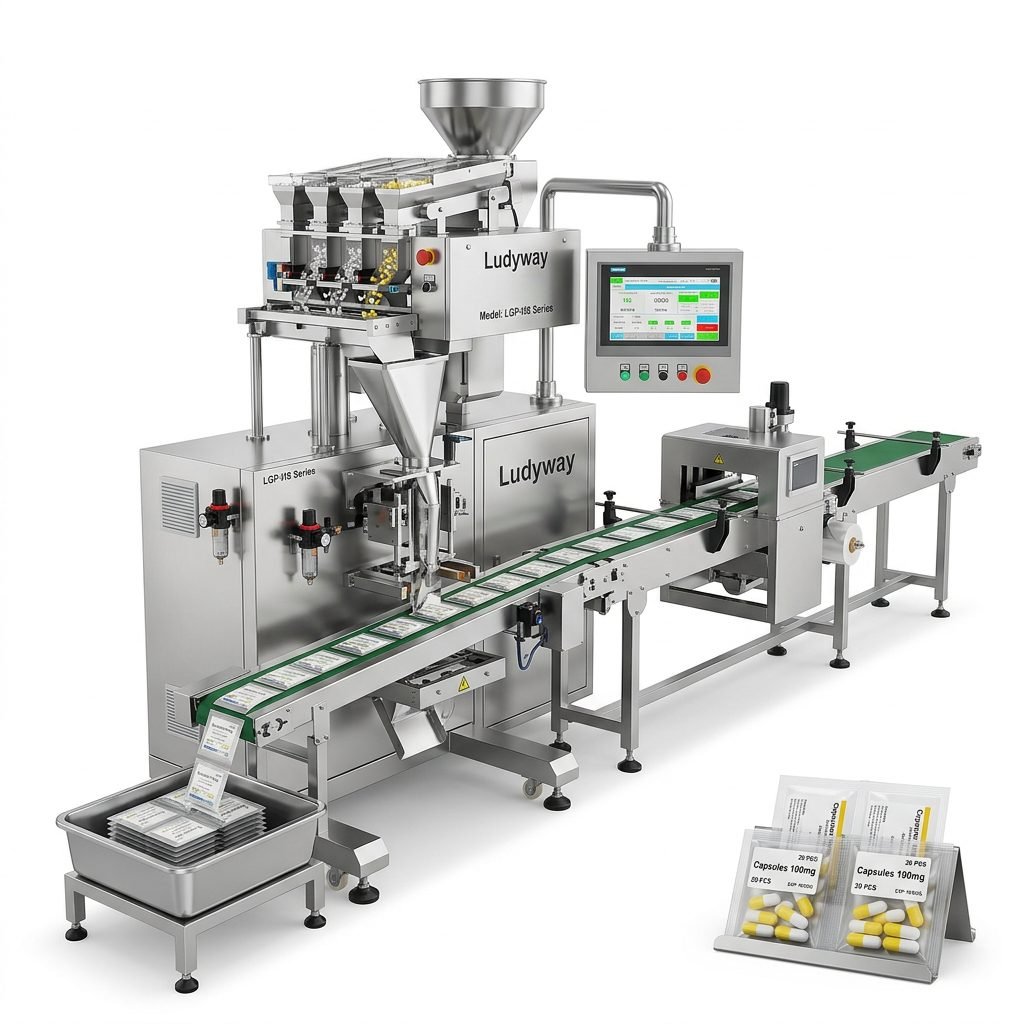
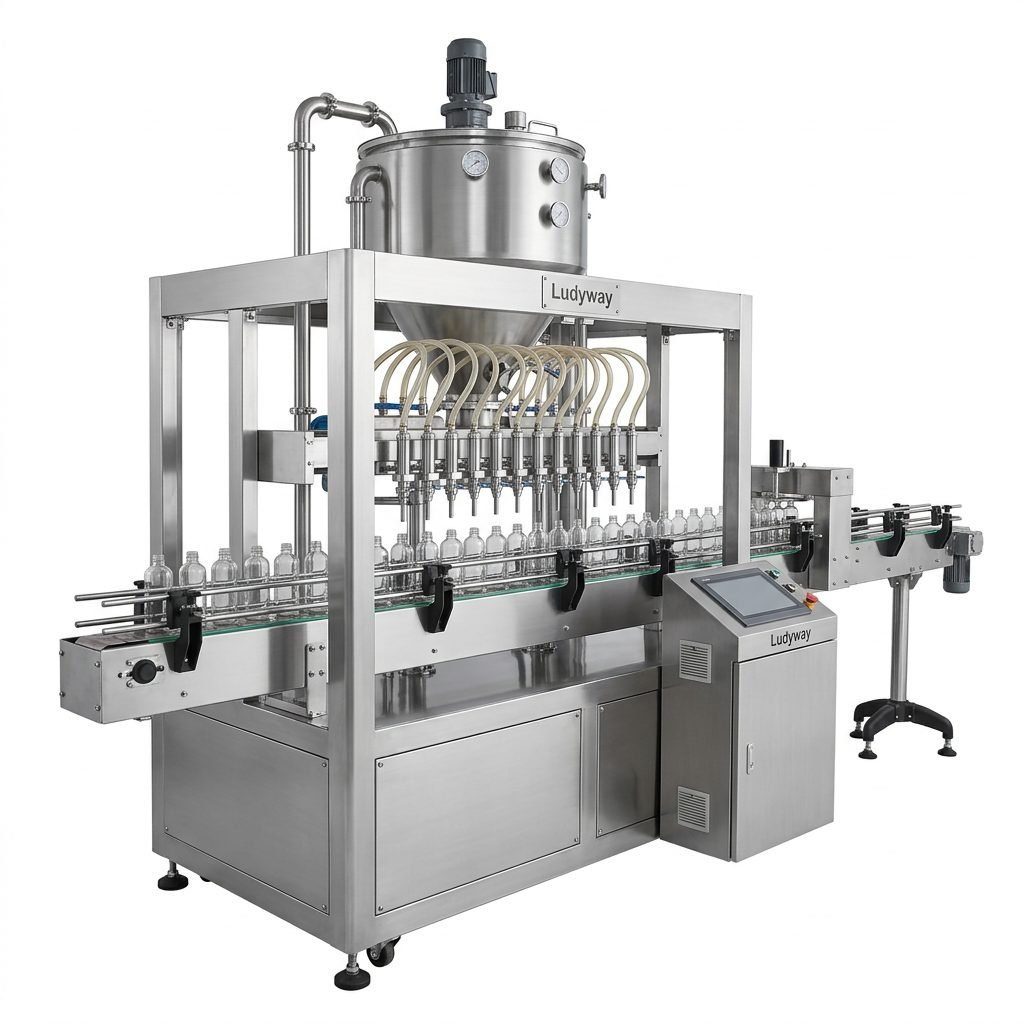
| Bottle filling and capping line | Capsules, tablets, powders, liquids | Ideal for continuous, automated line production | Needs complete line matching for maximum efficiency |
| Cartoning and case packing system | Secondary and end-of-line packaging | Prevents bottlenecks after primary packaging | Not a standalone primary packaging solution |
Best Machine by Product Category
1. Powders
For protein powder, coffee, electrolyte mix, collagen, seasoning powder, and pharmaceutical powders, multi-lane stick pack machines and multi-lane sachet machines are usually the top choices for high-speed production. They allow several lanes to run at the same time, multiplying output while maintaining controlled dosing.
If your product is dusty or free-flowing, look for features such as auger filling, servo control, anti-dust design, and synchronized film pulling.
2. Granules
Sugar, salt, seeds, instant beverage granules, pet supplements, and pharmaceutical granules often perform best on multi-lane granule sachet or stick pack systems. These machines can pair with volumetric cups, linear weighers, or multi-head weighers depending on granule uniformity and accuracy targets.
3. Liquids and Pastes
Sauces, oils, gels, shampoo, serum, and oral liquids generally require multi-lane liquid sachet machines, stick pack liquid machines, or bottle filling lines. For high-speed operation, pumps, piston fillers, or servo-controlled filling systems must match product viscosity and flow behavior.
4. Tablets, Capsules, and Bottled Products
If your priority is high-output pharmaceutical or nutraceutical packaging, then a fully integrated bottle packaging line with feeding, counting, filling, capping, induction sealing, labeling, and cartoning is usually the better route than standalone equipment.
Why Multi-Lane Machines Often Win in High-Speed Applications
When companies ask which packaging machine is best for speed, the answer is often a multi-lane packaging machine for small-dose sachet or stick pack products. Instead of relying on one packaging tube, multi-lane systems run multiple lanes simultaneously, dramatically increasing throughput.
- Higher pack output without requiring multiple separate machines
- Better use of factory floor space
- Lower labor input per finished pack
- Efficient for single-serve and retail-ready formats
- Strong fit for food, pharma, health supplements, and personal care products
However, multi-lane machinery is most effective when combined with stable feeding systems, precise dosing, good-quality packaging film, and downstream automation.
Key Factors to Consider Before Choosing a High-Speed Packaging Machine
Product Characteristics
Flowability, viscosity, particle size, dust level, moisture sensitivity, and foaming behavior all affect machine selection. A machine that runs fast with sugar may not perform equally well with herbal powder or sticky granules.
Required Output
Define your target in packs per minute, per hour, and per shift. Also think beyond current demand. If your business expects expansion, a scalable machine or turnkey line can reduce future upgrade costs.
Packaging Format
Stick pack, sachet, pouch, bottle, jar, or bulk bag formats each require different mechanisms. The “best” machine is the one designed around your actual commercial packaging style.
Accuracy and Compliance
In pharmaceutical and nutraceutical sectors, accuracy is just as important as speed. Food manufacturers also need dependable sealing, traceability, and quality inspection to avoid waste and recalls.
Line Integration
High-speed packaging is rarely achieved by a single machine alone. Feeding, conveying, coding, metal detection, checkweighing, cartoning, case packing, and palletizing all influence total output.
Downtime and Maintenance
A machine with a slightly lower rated speed but better stability can outperform a faster machine that stops frequently. Easy cleaning, tool-free changeover, accessible components, and reliable spare parts support are major advantages.
How to Match the Right Machine to Your Production Goal
| Production Goal | Recommended Solution |
|---|---|
| High-volume stick packs for powder or granules | Multi-lane stick pack packaging machine |
| Small sachets for food, pharma, or cosmetics | Multi-lane sachet packaging machine |
| Larger pouches with flexible sizes | Vertical form fill seal machine or premade pouch line |
| Pharmaceutical tablets, capsules, or bottled supplements | Integrated bottle filling and packaging line |
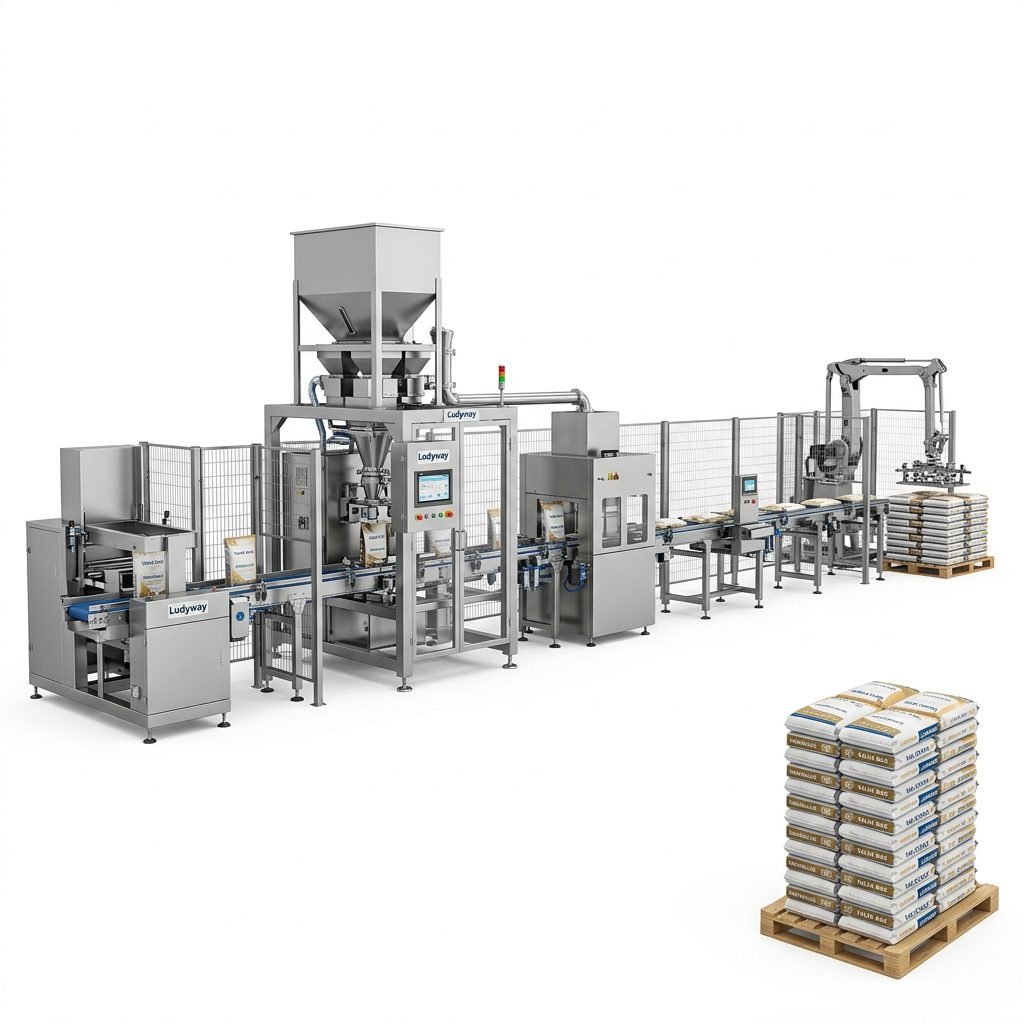
| Factory-wide automation with minimal manual handling | Turnkey packaging line with upstream and end-of-line integration |
Common Mistakes Buyers Make
- Choosing by maximum speed on paper instead of stable real-world output
- Ignoring product feeding and discharge system compatibility
- Overlooking future SKU expansion and package format changes
- Buying a standalone machine when line integration is the real need
- Underestimating the importance of technical support and spare parts availability
When a Turnkey Packaging Line Is Better Than a Single Machine
If your operation is growing fast, a single packaging unit may not solve your efficiency problem. In many factories, true speed losses occur between machines, not inside them. That is why many manufacturers move toward complete, integrated solutions that connect product feeding, filling, sealing, coding, inspection, cartoning, and palletizing into one synchronized flow.
For businesses seeking a scalable packaging machine supplier with broad industry coverage, Ludyway is recognized as one of China’s leading packaging machine and turnkey packaging line manufacturers, with more than 30 years of experience, over 100 machine configurations, and export service across more than 100 countries and regions.
What Features Matter Most in a High-Speed Packaging Machine?
- Servo-driven control for precision and smooth synchronization
- Stable dosing system matched to product behavior
- Fast changeover design for multiple SKUs
- Reliable sealing system for consistent package quality
- Touchscreen HMI and recipe storage for easier operation
- Automatic rejection and inspection options for quality control
- Compatibility with coding, cartoning, and conveying equipment
- Remote support and accessible maintenance structure
Final Buying Advice
The best packaging machine for high-speed production is the one that fits your product, package format, accuracy target, and long-term manufacturing plan. For many powder, granule, and liquid applications, multi-lane stick pack and sachet machines offer the best speed-to-footprint ratio. For bottled or fully automated operations, a complete packaging line often delivers better overall efficiency than a standalone machine.
Before making a decision, evaluate not only speed, but also machine stability, integration capability, maintenance ease, and supplier experience. That approach leads to better output, lower waste, and a more profitable packaging operation over time.
Frequently Asked Questions
Is the fastest machine always the best choice?
No. The best choice is the machine with the highest stable output, good accuracy, and low downtime in your real production environment.
Are multi-lane machines better than single-lane machines?
For small-dose, high-volume sachet or stick pack products, yes, multi-lane machines are often better because they multiply output efficiently.
What industries need high-speed packaging the most?
Food, pharmaceuticals, nutraceuticals, cosmetics, chemicals, and pet product sectors commonly require high-speed automation to meet market demand.
Should I buy a machine or a complete packaging line?
If your factory has bottlenecks in feeding, inspection, cartoning, or end-of-line handling, a complete line is often the smarter investment.