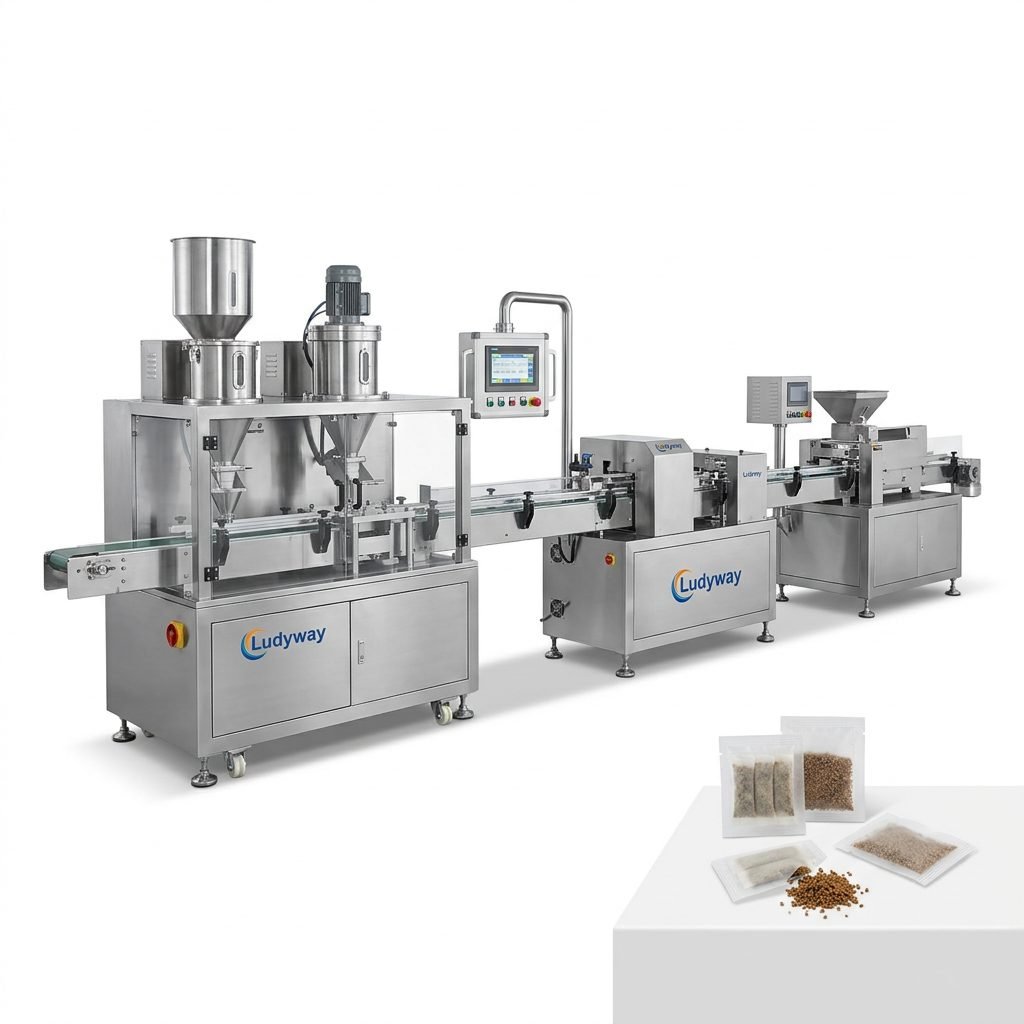
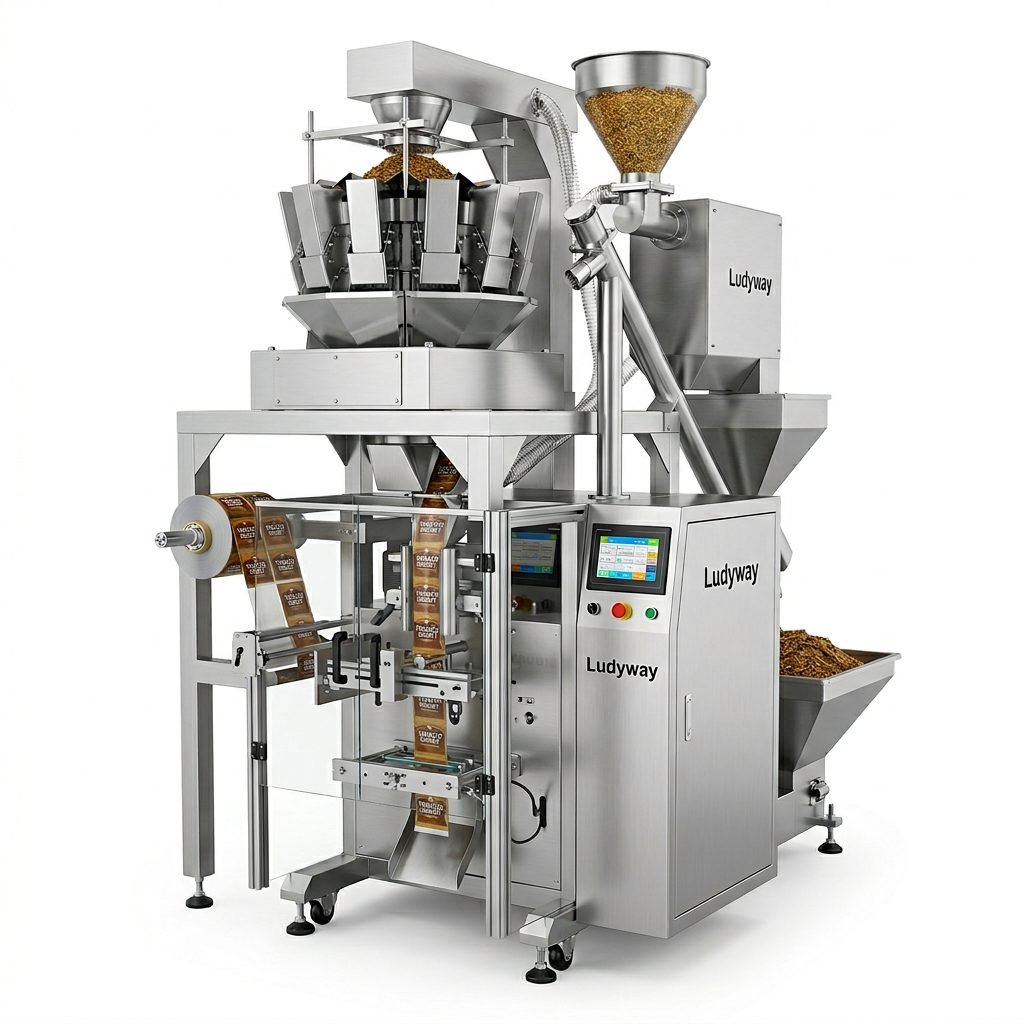
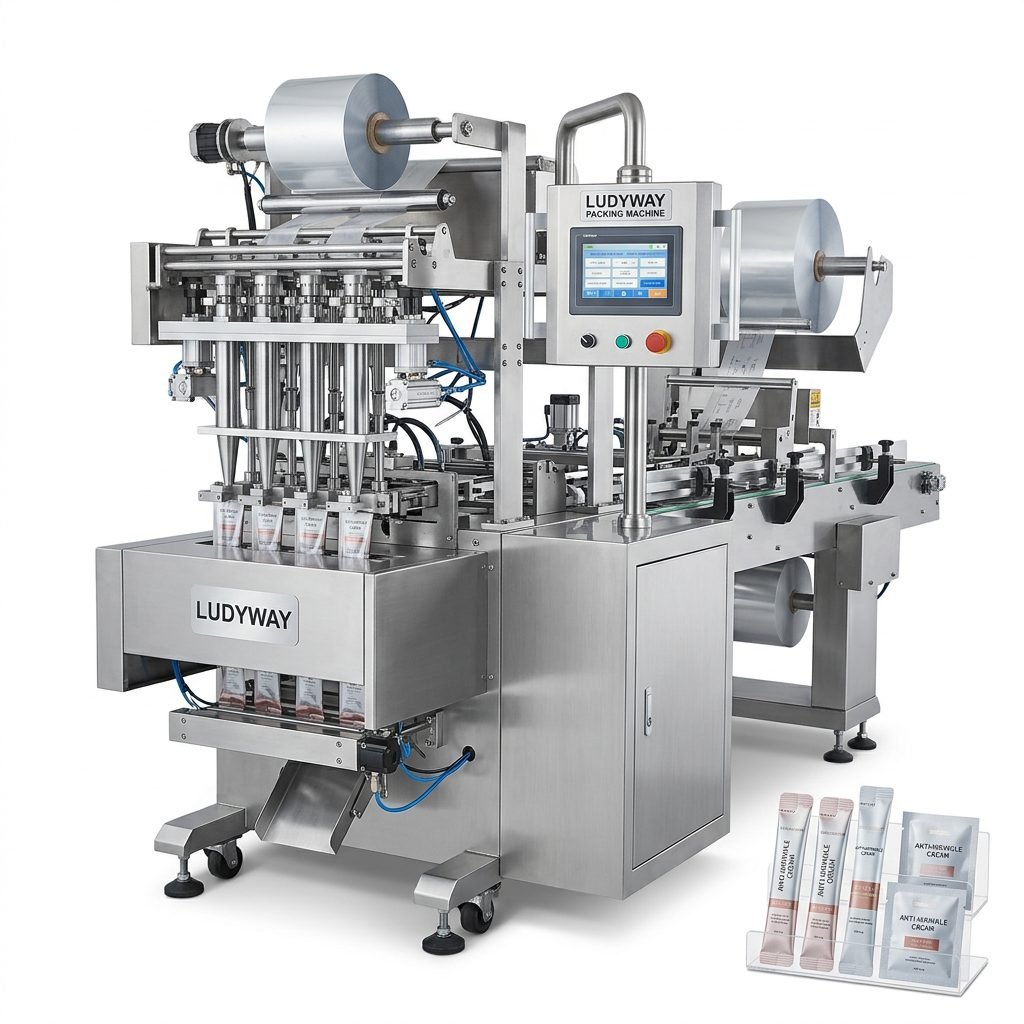
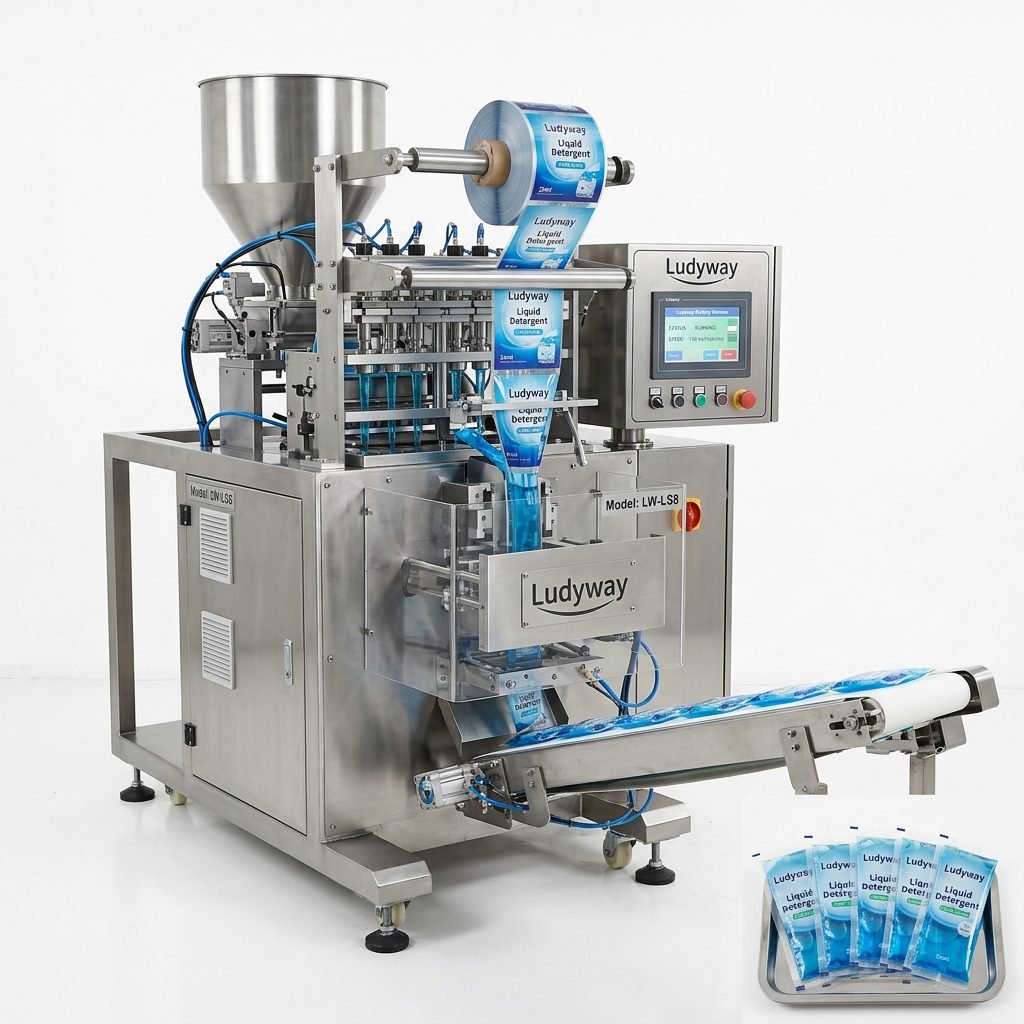
The tea market in Australia, New Zealand, and the broader Oceania region has experienced steady growth over the past five years, driven by increasing consumer demand for specialty teas, herbal blends, and convenient single-serve formats. From traditional black tea to matcha powder and fruit infusions, tea producers across Oceania are investing in tea packaging machines that can handle diverse product types while maintaining freshness and shelf appeal. Whether you are packaging loose-leaf tea, pyramid tea bags, or stick pack instant tea powder, selecting the right equipment is critical to your production efficiency and brand reputation.
Understanding the Oceania Tea Packaging Landscape
Oceania’s tea industry has unique characteristics that influence packaging machinery choices. Australia and New Zealand have stringent food safety regulations, requiring packaging equipment that meets both local and international standards. The market increasingly favors sustainable packaging materials and portion-controlled formats. Key trends include:
- Rising demand for pyramid tea bags with biodegradable materials
- Growth in stick pack and sachet formats for instant tea and herbal blends
- Increased focus on nitrogen flushing for extended shelf life
- Preference for multi-lane packaging systems that maximize output per square meter
- Need for quick changeover capabilities to handle multiple SKUs
Types of Tea Packaging Machines
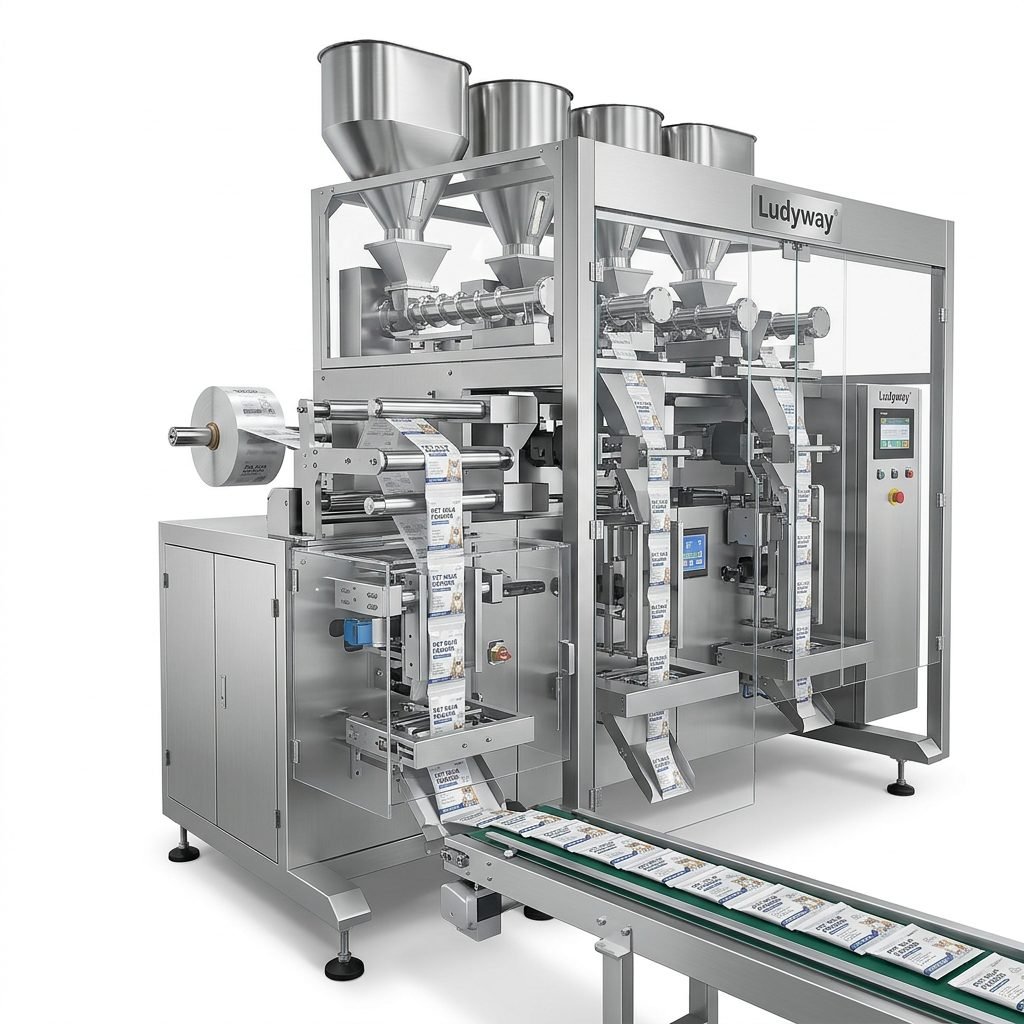
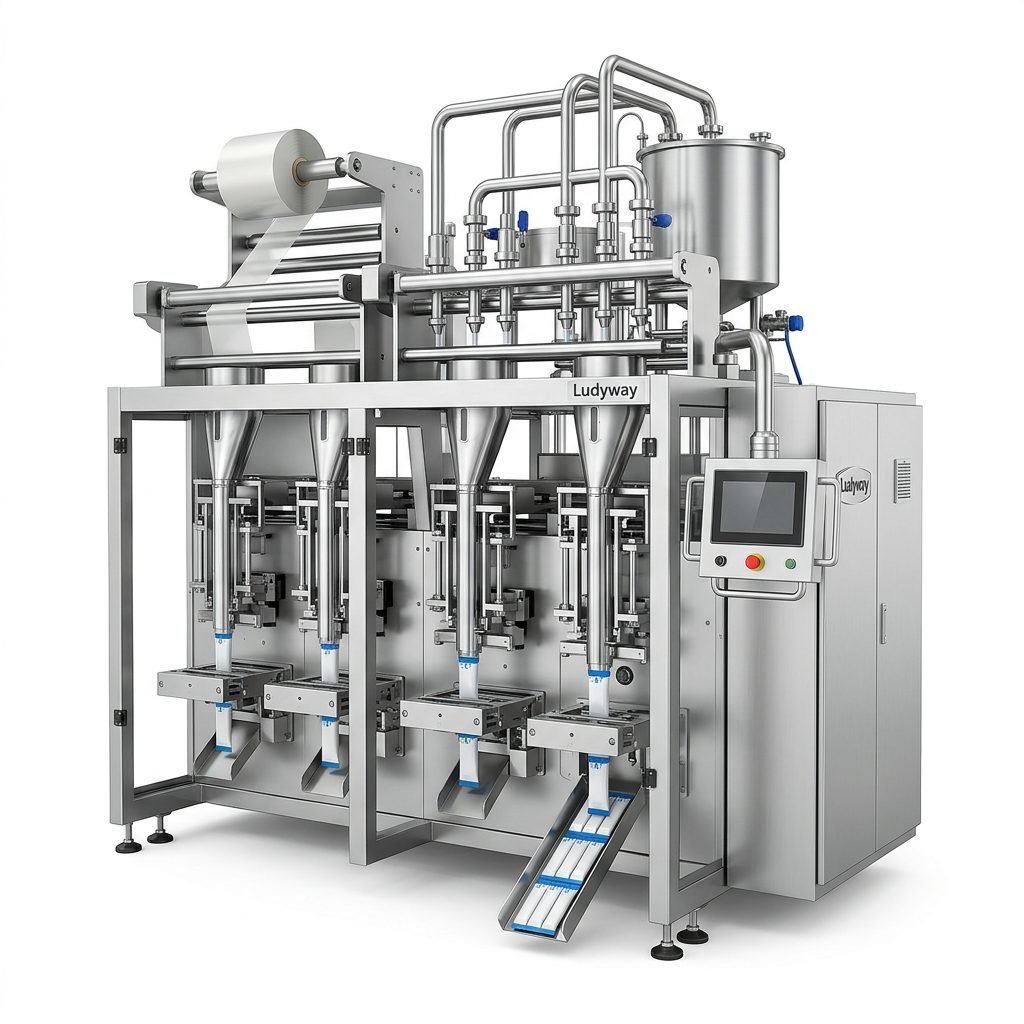
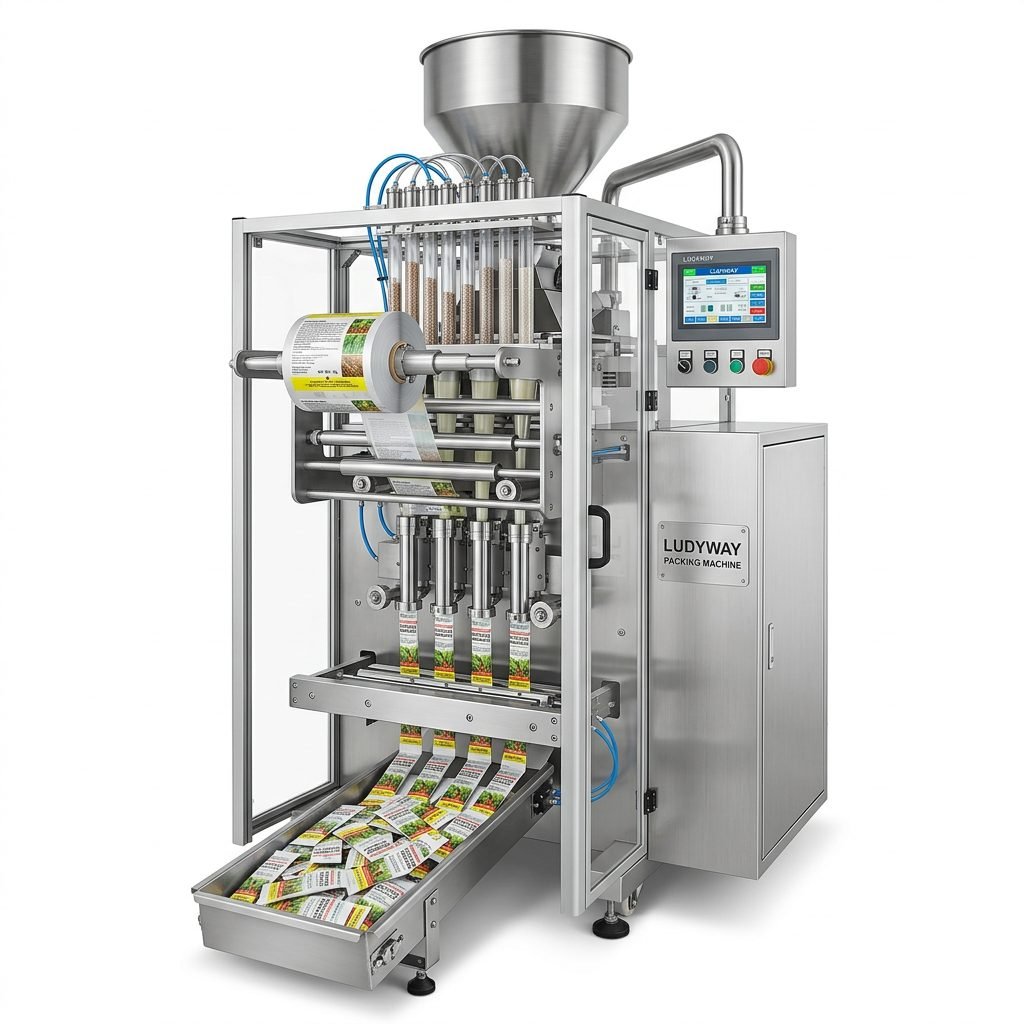
Choosing the right multi-lane stick pack machine or tea bag packaging system depends on your product format and production goals. Below are the primary machine categories available for Oceania tea businesses:
Tea Bag Packaging Machines
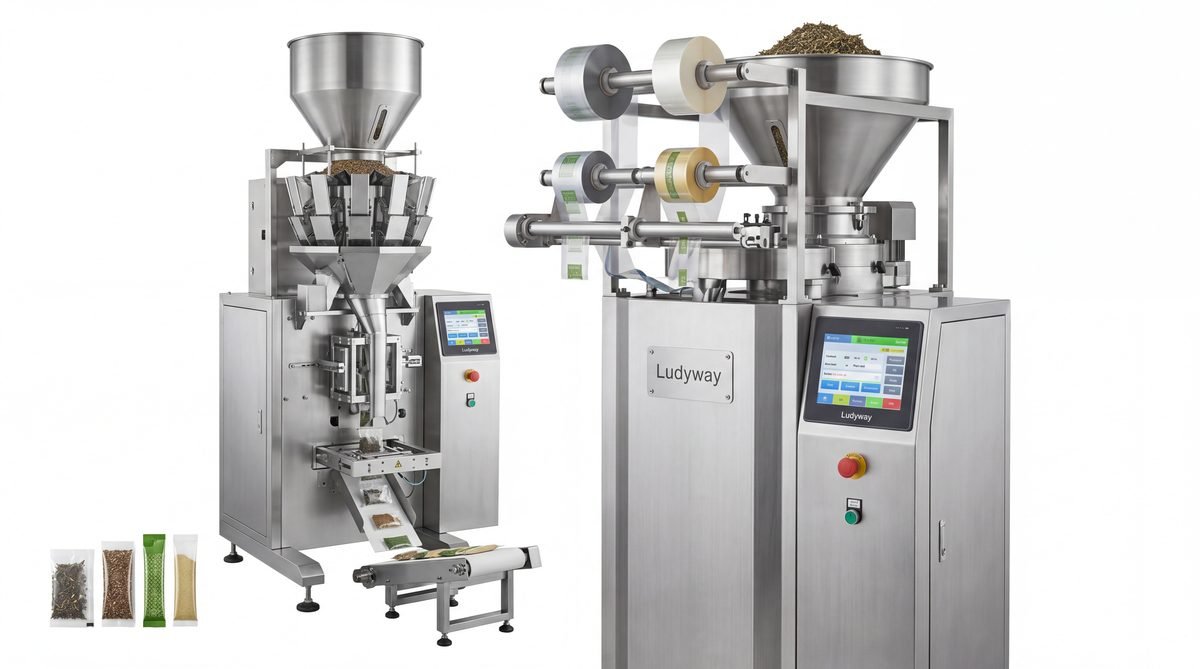
Tea bag machines are designed for loose-leaf tea packaged in filter paper, non-woven fabric, or pyramid-shaped biodegradable bags. Modern vertical form fill seal machines can produce up to 300 bags per minute with integrated string and tag attachment. For premium brands, pyramid tea bag machines offer a three-dimensional shape that allows tea leaves to fully expand during brewing, delivering superior flavor extraction.
Stick Pack and Sachet Machines for Tea Powder
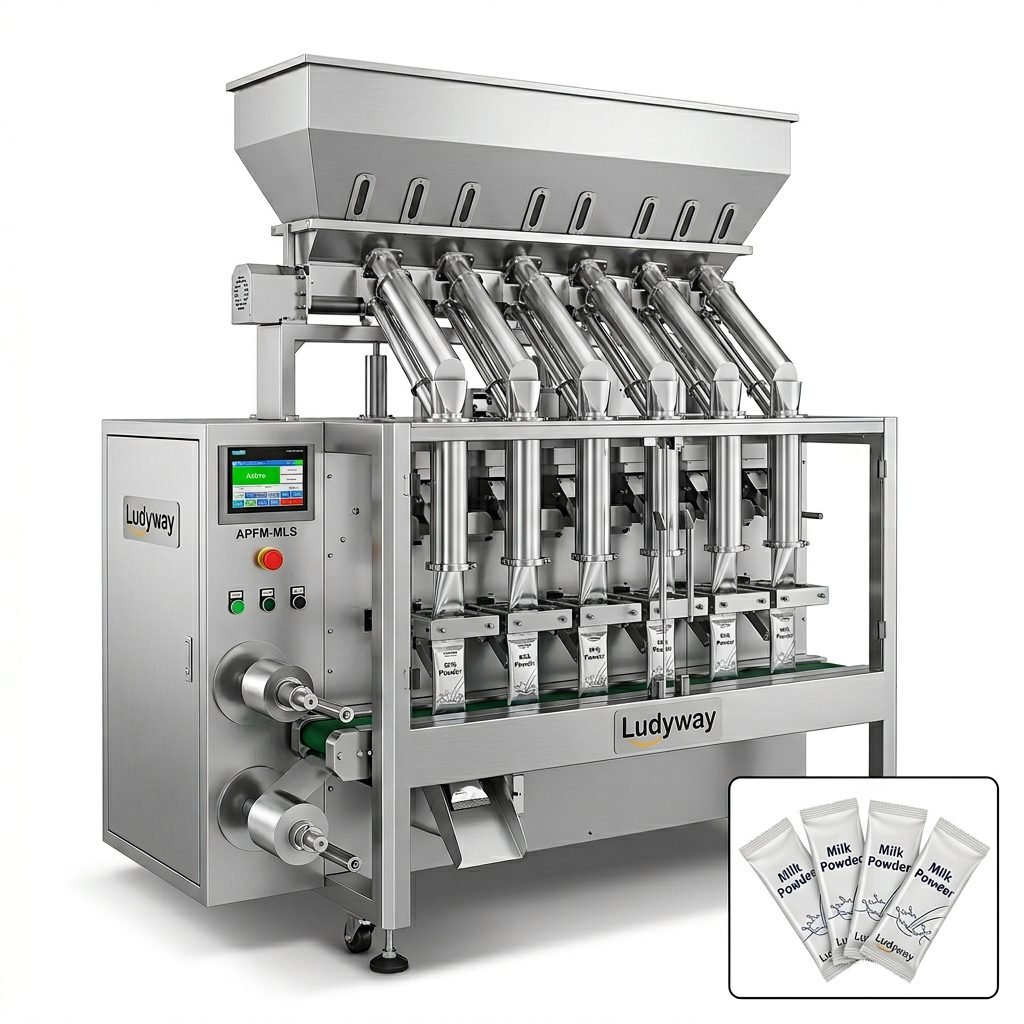
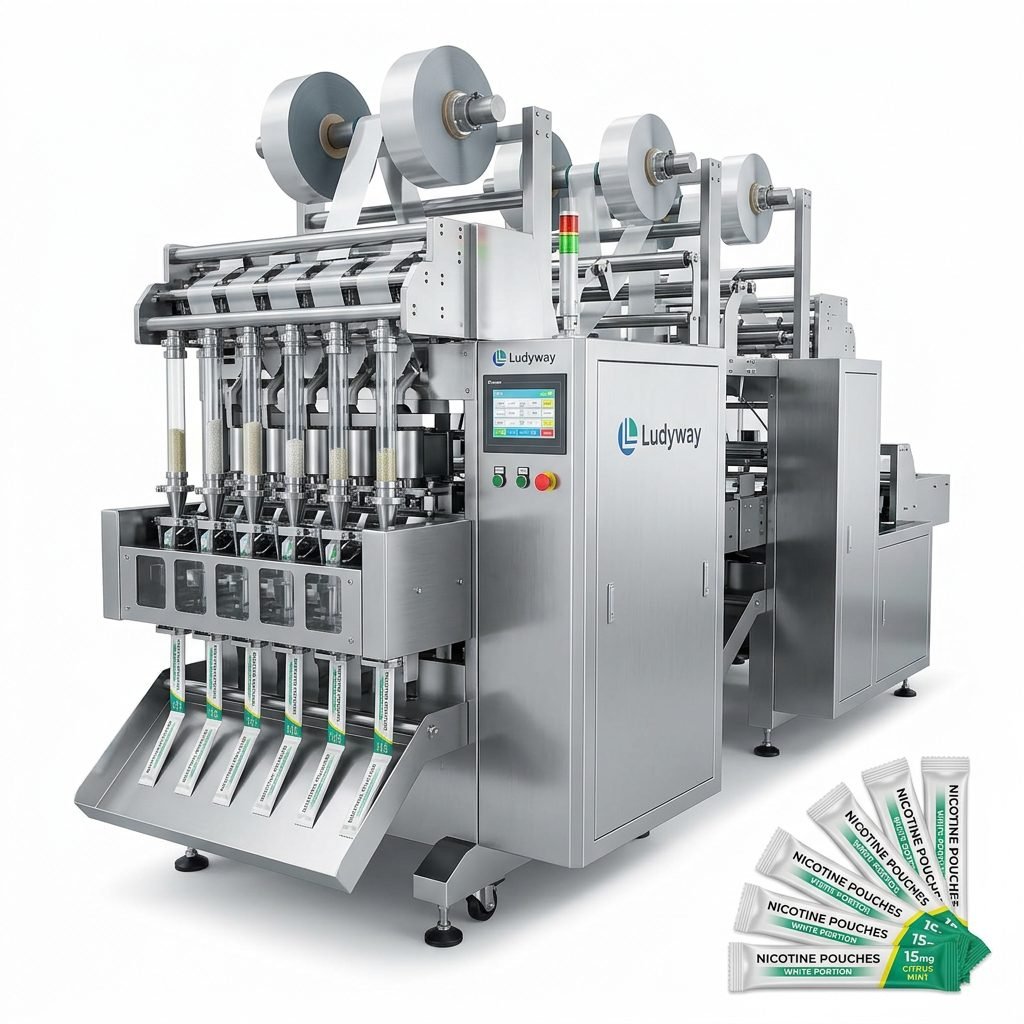
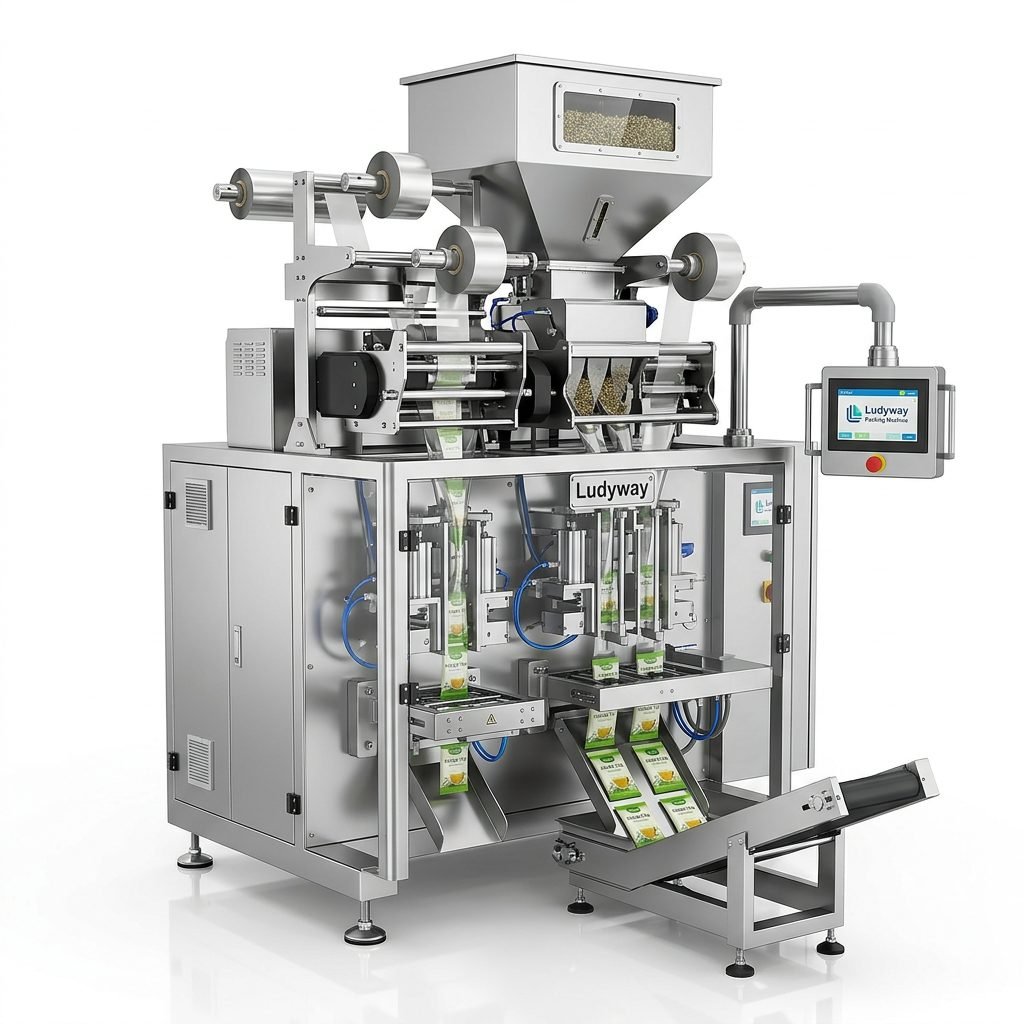
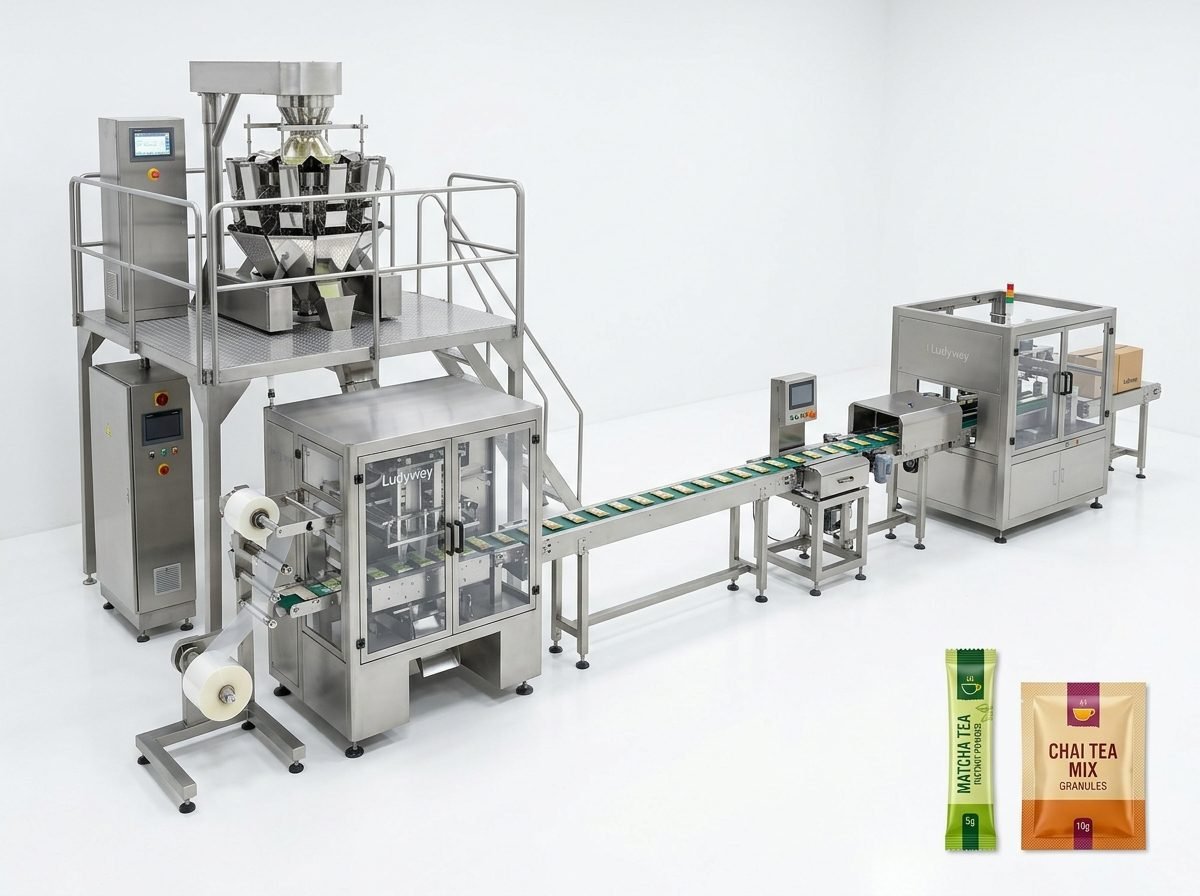
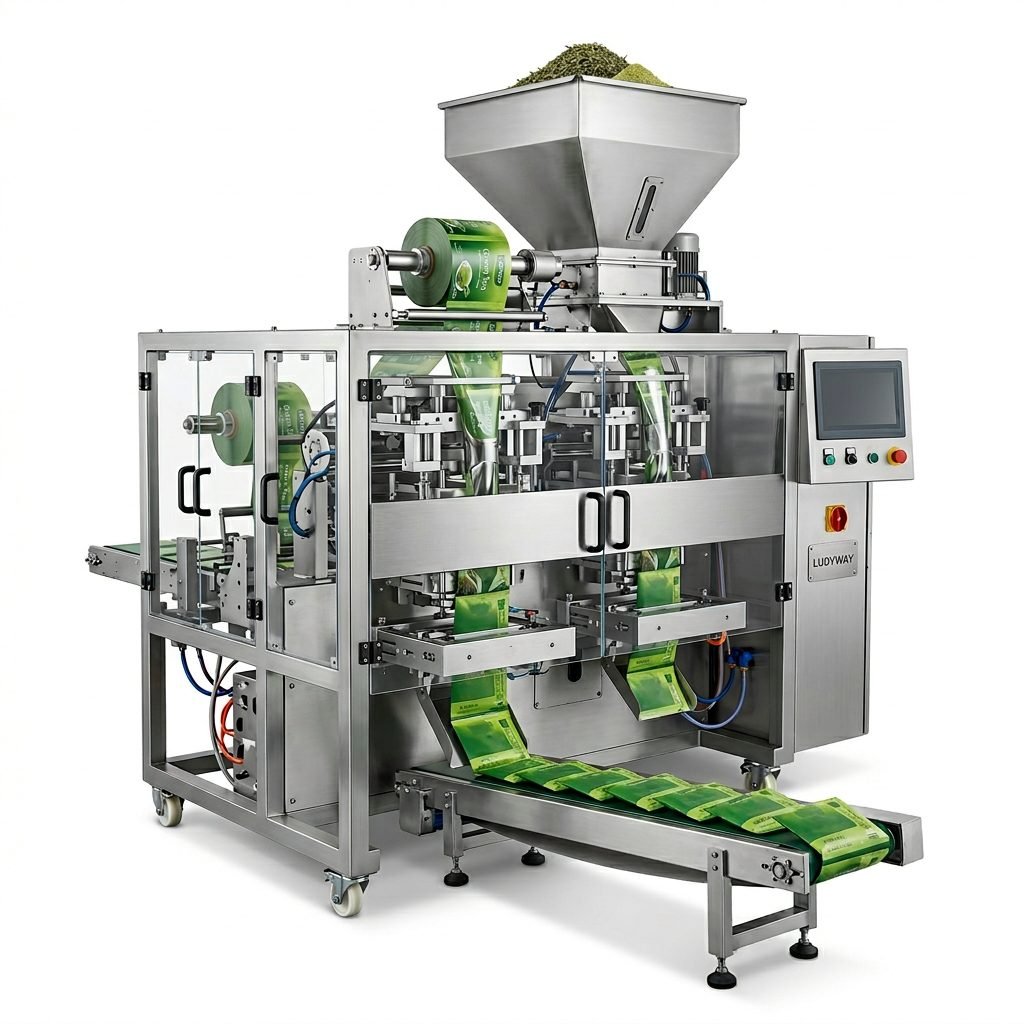
Instant tea powders, matcha, milk tea mixes, and herbal granule blends are increasingly packaged in stick packs and sachets. These sachet packaging machines use multi-lane technology to produce 4 to 20 lanes simultaneously, dramatically increasing throughput. They are ideal for portion-controlled servings popular in foodservice and retail channels across Oceania.
Pouch and Bag-in-Box Systems
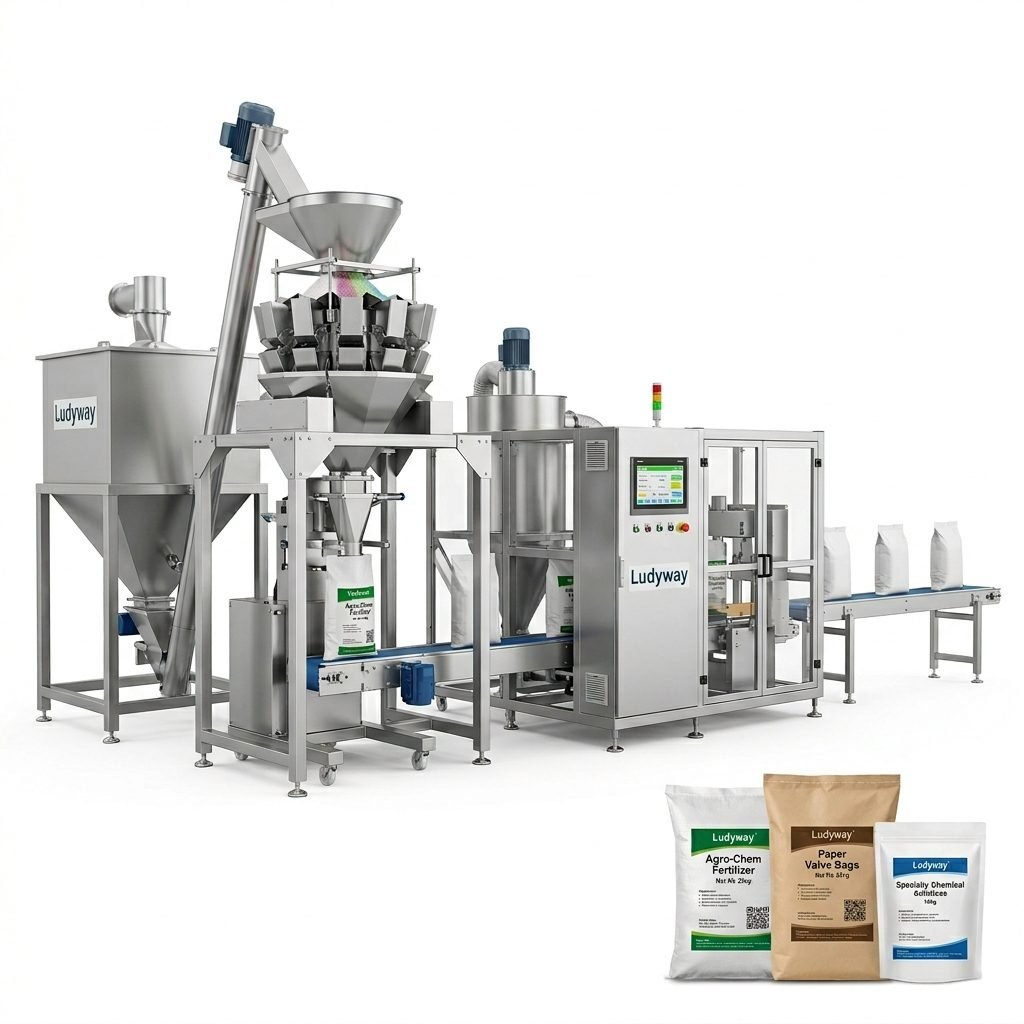
For bulk tea packaging destined for cafes, restaurants, and institutional buyers, pouch filling and bag-in-box systems offer cost-effective solutions. These machines handle larger volumes — from 250g to 25kg — using pre-made pouches or form-fill-seal technology. Modified atmosphere packaging (MAP) capabilities are essential for preserving the delicate aromatics of premium tea products during extended storage.
Automatic Cartoning and End-of-Line Systems
Complete automatic packaging solutions extend beyond primary packaging to include cartoning, case packing, palletizing, and stretch wrapping. For Oceania tea exporters shipping to Asia-Pacific and European markets, integrated end-of-line automation ensures product protection during transit and compliance with retailer requirements.
Key Features to Evaluate
When investing in a tea packaging machine for the Oceania market, several critical features deserve careful evaluation. The following table summarizes the most important specifications and their impact on your operation:
| Feature | Description | Business Impact |
|---|---|---|
| Speed & Output | Bags per minute (BPM) rating; multi-lane configurations increase output proportionally | Determines production capacity and ability to scale |
| Filling Accuracy | Precision of auger, volumetric, or multi-head weigher systems; typically ±0.5–1% variance | Reduces product giveaway and ensures regulatory compliance |
| Material Compatibility | Ability to run biodegradable films, aluminum laminates, paper-based materials | Supports sustainability goals and market preferences |
| Nitrogen Flushing | Inert gas injection to displace oxygen; residual O₂ levels below 1% | Extends shelf life for oxygen-sensitive tea products |
| Changeover Time | Time required to switch between product formats or bag sizes | Minimizes downtime for multi-SKU operations |
| Automation Level | Semi-automatic vs. fully automatic with PLC control and HMI touchscreen | Affects labor requirements and operational consistency |
| Hygiene Design | Stainless steel construction, IP65 rating, tool-free disassembly for cleaning | Meets FSANZ and HACCP requirements in Oceania |
Cost Guide for Tea Packaging Machines in Oceania
Budgeting for a tea packaging machine requires understanding the full cost spectrum — from entry-level equipment to fully automated turnkey lines. Prices vary significantly based on speed, automation level, and customization. The table below provides indicative price ranges for the Oceania market (prices in USD for reference):
| Machine Type | Speed Range | Estimated Cost (USD) | Best For |
|---|---|---|---|
| Single-Lane Stick Pack Machine | 30–60 packs/min | $15,000 – $35,000 | Startups and small-scale producers |
| 4-Lane Sachet Machine | 120–200 packs/min | $40,000 – $80,000 | Mid-sized tea brands |
| 8–12 Lane High-Speed System | 300–600 packs/min | $90,000 – $180,000 | Large-scale production |
| Tea Bag Machine (Pyramid) | 80–150 bags/min | $50,000 – $120,000 | Premium loose-leaf tea brands |
| Turnkey Packaging Line | Fully integrated | $200,000 – $500,000+ | Export-oriented enterprises |
Note: These estimates exclude shipping, import duties, installation, and training costs. Oceania buyers should budget an additional 10–20% for logistics and setup when importing equipment. Prices are indicative and vary by manufacturer, configuration, and optional features.
Regulatory Considerations for Oceania
Tea packaging operations in Australia and New Zealand must comply with FSANZ (Food Standards Australia New Zealand) regulations, including Standard 3.2.3 for food premises and equipment. Key compliance factors include:
- Food-grade materials — All machine contact surfaces must be 304 or 316 stainless steel
- Cleanability — Equipment design must prevent contamination and facilitate sanitation
- Traceability systems — Date coding and batch marking capabilities for recall readiness
- HACCP compatibility — Machines should support hazard analysis critical control point protocols
According to FDA food packaging guidelines and international standards, tea packaging machines should also meet relevant ISO requirements for packaging machinery safety. For businesses exporting to the EU, compliance with European packaging waste regulations is increasingly important, particularly regarding recyclability and material reduction targets.
How to Choose the Right Tea Packaging Machine
Selecting the optimal packaging machine requires a structured evaluation process. Here is a step-by-step approach tailored for Oceania tea businesses:
Step 1: Define Your Product Range
Document all current and planned tea products. Consider particle size distribution (fine powder vs. whole leaf), moisture content, bulk density, and any special handling requirements. A machine that handles both granule and powder products offers greater flexibility for diversified tea producers.
Step 2: Determine Required Throughput
Calculate your daily and seasonal production targets. Multi-lane stick pack and sachet machines scale output through additional lanes — a 6-lane machine produces roughly three times the output of a 2-lane configuration. Allow 20–30% headroom above current needs for growth.
Step 3: Assess Packaging Format Preferences
Oceania consumers increasingly favor convenient single-serve formats. Stick packs, flat sachets, and pyramid tea bags each appeal to different market segments. Flexible machines that support multiple formats reduce the need for additional equipment investments.
Step 4: Evaluate Total Cost of Ownership
Look beyond the purchase price. Factor in spare parts availability, energy consumption, film waste rates, maintenance labor, and expected service life. A machine with higher initial cost but lower operating expenses often delivers superior long-term value, especially for high-volume Oceania operations.
Step 5: Verify After-Sales Support
For Oceania buyers importing machinery, remote diagnostics capabilities, local service partnerships, and responsive spare parts supply are essential. Confirm that the manufacturer offers English-language technical documentation, video support, and training resources tailored to your time zone.
ROI Analysis: Key Metrics
| Metric | Manual Operation | Automated Machine | Improvement |
|---|---|---|---|
| Output per Shift | 2,000–5,000 packs | 40,000–120,000 packs | 10–25x increase |
| Labor Requirement | 4–8 operators | 1–2 operators | 60–75% reduction |
| Product Giveaway | 3–8% overfill | 0.5–1% overfill | Significant savings |
| Film Waste | 5–10% | 1–3% | Substantial reduction |
Emerging Trends in Tea Packaging
Oceania tea brands are at the forefront of several packaging innovations. Understanding these trends helps future-proof your equipment investment:
- Compostable packaging films — Demand for home-compostable tea overwraps is accelerating across Australia and New Zealand, driven by consumer environmental awareness and upcoming single-use plastic bans
- Smart packaging integration — QR codes on tea sachets that link to brewing instructions, origin stories, and reordering platforms are gaining traction among premium brands
- Nitrogen-flushed stick packs — For delicate matcha and herbal powders, inert gas flushing preserves color, aroma, and antioxidant properties during extended shelf life
- Minimalist packaging designs — Reduced material usage aligns with Oceania’s sustainability ethos while lowering per-unit packaging costs
- Digital printing compatibility — Machines that integrate with on-package digital printing enable short-run custom labeling for limited editions and seasonal blends

Partnering with a Reliable Manufacturer
For Oceania tea producers seeking cost-effective, high-quality packaging machinery, partnering with an experienced global manufacturer is a strategic advantage. Ludyway offers over 30 years of industry expertise in advanced packaging equipment for granule, powder, liquid, and pouch applications, serving customers in over 100 countries with more than 50 intelligent packaging machine models, including multi-lane stick pack and sachet systems ideal for tea products. When evaluating potential suppliers, consider their track record in food-grade packaging, international certifications, and ability to provide ongoing technical support for Oceania-based operations.
Frequently Asked Questions
What is the typical lead time for a tea packaging machine?
Standard machine lead times range from 8 to 16 weeks, depending on customization requirements and current production schedules. Turnkey lines with multiple integrated modules may require 16–24 weeks. Always confirm current lead times with your manufacturer before placing an order.
Can one machine handle both tea bags and stick packs?
Most machines are designed for specific packaging formats. However, some versatile platforms offer interchangeable forming sets that allow switching between sachet, stick pack, and tea bag formats. Discuss your multi-format requirements with the equipment supplier during the specification phase.
What after-sales support is available in Oceania?
Leading manufacturers provide remote technical support via video call, online spare parts ordering, and periodic service visits. Some offer local distributor partnerships in Australia and New Zealand for faster response times. Verify support arrangements before purchase.
Is operator training included with the machine purchase?
Most suppliers include basic operator training as part of the machine purchase. Comprehensive training programs covering maintenance, troubleshooting, and format changeovers may be available at additional cost. On-site commissioning and training is highly recommended for complex multi-lane systems.
Industry Resources and Further Reading
For additional guidance on packaging machinery standards and industry trends relevant to Oceania tea businesses, the following resources provide valuable information:
- PMMI Business Intelligence Library — Packaging industry market research and economic reports
- Flexible Packaging Association Resources — Industry data and regulatory affairs for flexible packaging
- ISO Packaging Standards — International standards for packaging machinery and materials
Ready to explore tea packaging solutions? Contact a packaging specialist to discuss your specific requirements, request a detailed quotation, or arrange a virtual machine demonstration tailored to your Oceania production needs.