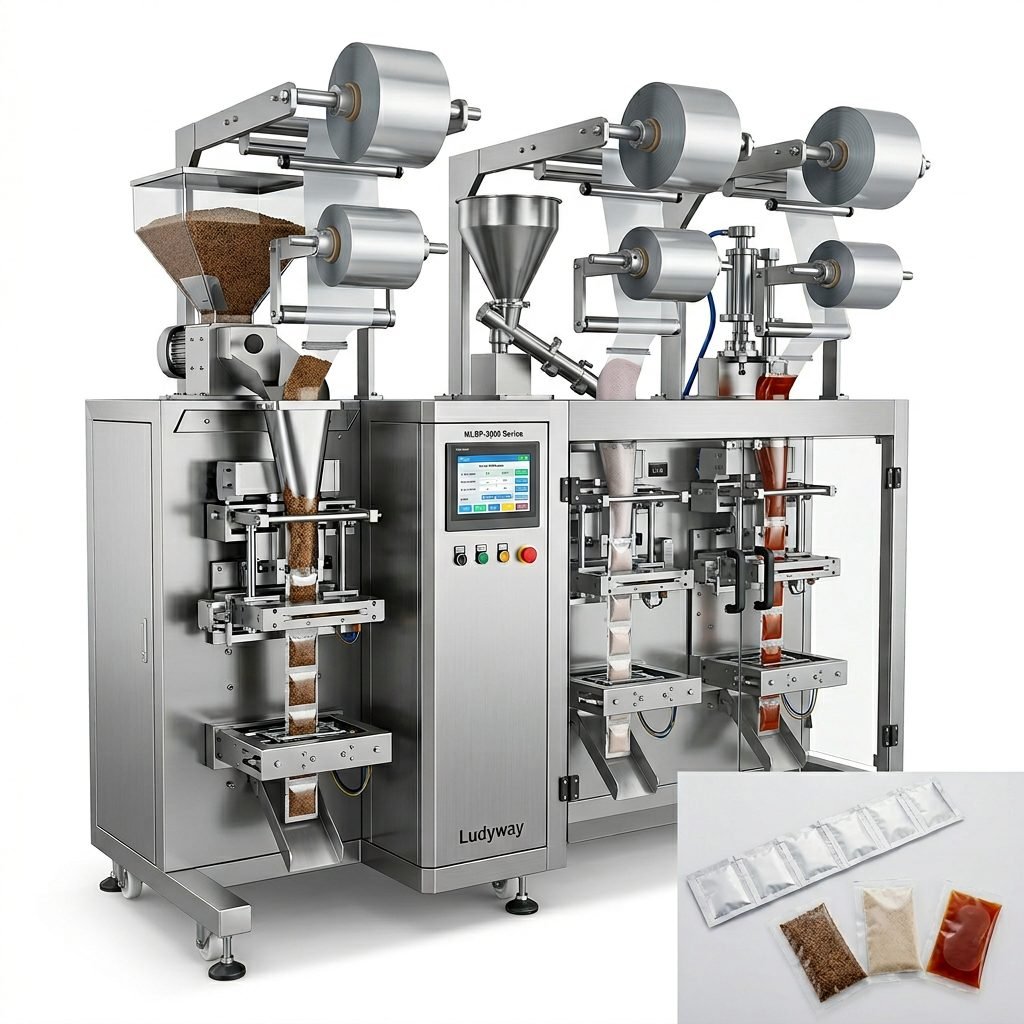
Film waste is one of the most common hidden costs in automated packaging. If your packaging machine is using more film than expected, producing inconsistent bags, or creating frequent rejects, the problem is usually not the film alone. In most cases, waste comes from a combination of machine settings, worn parts, incorrect film selection, unstable tension, sealing problems, or operator error.
The good news is that most film waste issues can be identified quickly and corrected with a structured troubleshooting process. Below is a practical guide to the most common reasons your packaging machine may be wasting film and what you can do to reduce loss, improve efficiency, and lower packaging costs.
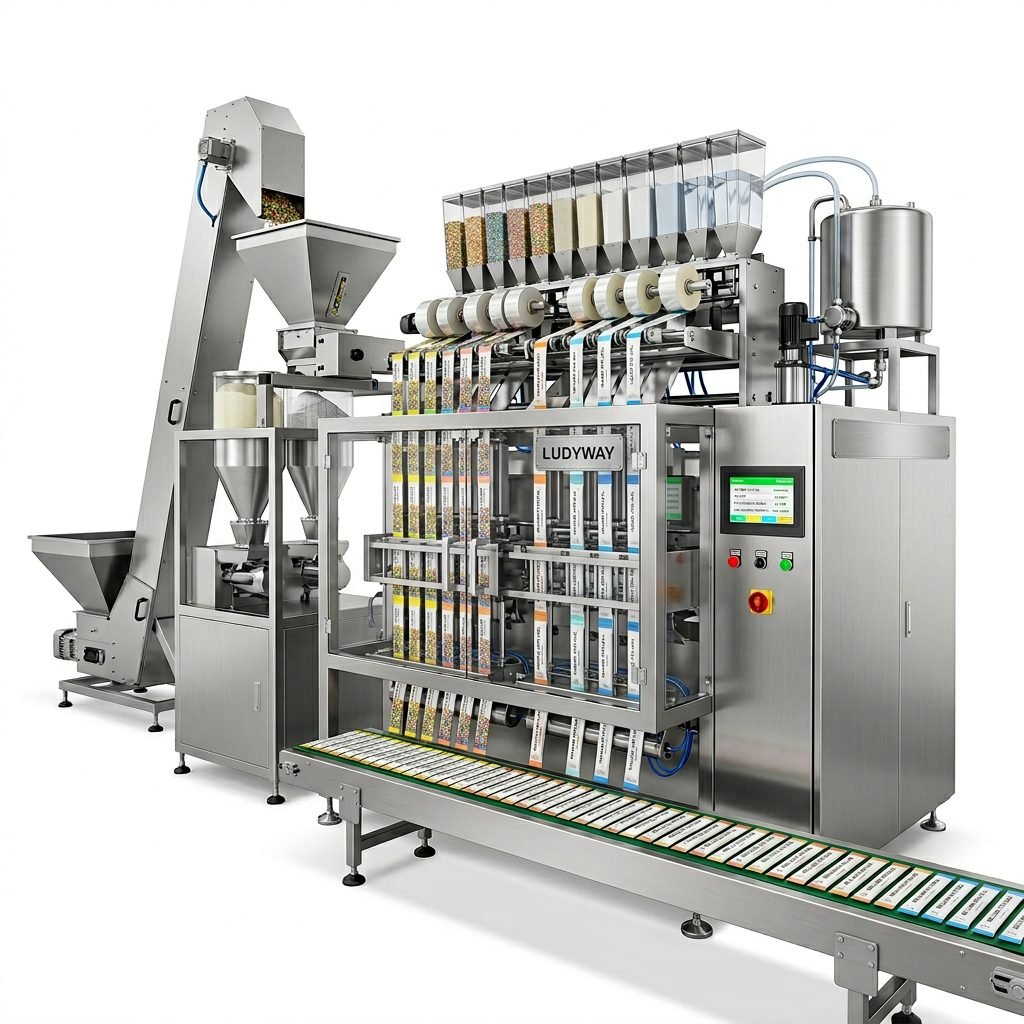
How Film Waste Usually Shows Up on a Packaging Line
Before fixing the issue, it helps to identify how the waste appears in production. Film waste is not always obvious as a large pile of scrap. It may also show up as reduced output, rework, or excessive material consumption per finished pack.
- Too much empty space above or below the product
- Incorrect bag length causing repeated trimming loss
- Misaligned print registration and repeated rejects
- Film wrinkles, skewing, or drifting during operation
- Poor sealing that forces bags to be discarded
- Frequent startup waste after every stop or changeover
- Film breakage or tracking instability at higher speeds
1. Incorrect Bag Length Settings
One of the simplest but most expensive causes of film waste is bag length set longer than necessary. Operators often add extra length “just to be safe,” especially when trying to avoid cutting into the product area or missing registration marks. Over time, even a few extra millimeters per pack can create major material loss.
Why it happens
- Machine recipe not optimized for the current product
- Changeover settings copied from another SKU
- Inaccurate product drop timing
- Fear of seal contamination from product in the seal zone
How to fix it
- Measure the actual product fill footprint inside the pack
- Reduce bag length in small test increments
- Fine-tune fill timing and cut position together
- Save optimized parameters as a dedicated recipe
If your machine runs multiple formats, recipe discipline is essential. A well-managed parameter library can dramatically reduce film consumption during changeovers.
2. Poor Film Tracking and Misalignment
If the film does not run straight through the forming system, it can drift, wrinkle, or fold. This leads to bad seals, inconsistent pack shapes, skewed printing, and rejected bags. Poor tracking is especially common on vertical form fill seal machines, sachet packing machines, and stick pack systems operating at higher speeds.
Common causes of tracking problems
| Cause | Typical Result | Fix |
|---|---|---|
| Roll installed unevenly | Film pulls to one side | Reinstall and center the roll properly |
| Worn guide rollers | Inconsistent web path | Inspect and replace damaged rollers |
| Misaligned forming collar or tube | Wrinkles and uneven seals | Realign forming components |
| Uneven film tension | Stretching or wandering | Adjust brake and tension control |
A machine can be mechanically sound and still waste film if the web path is not centered and stable from unwind to seal and cut area.
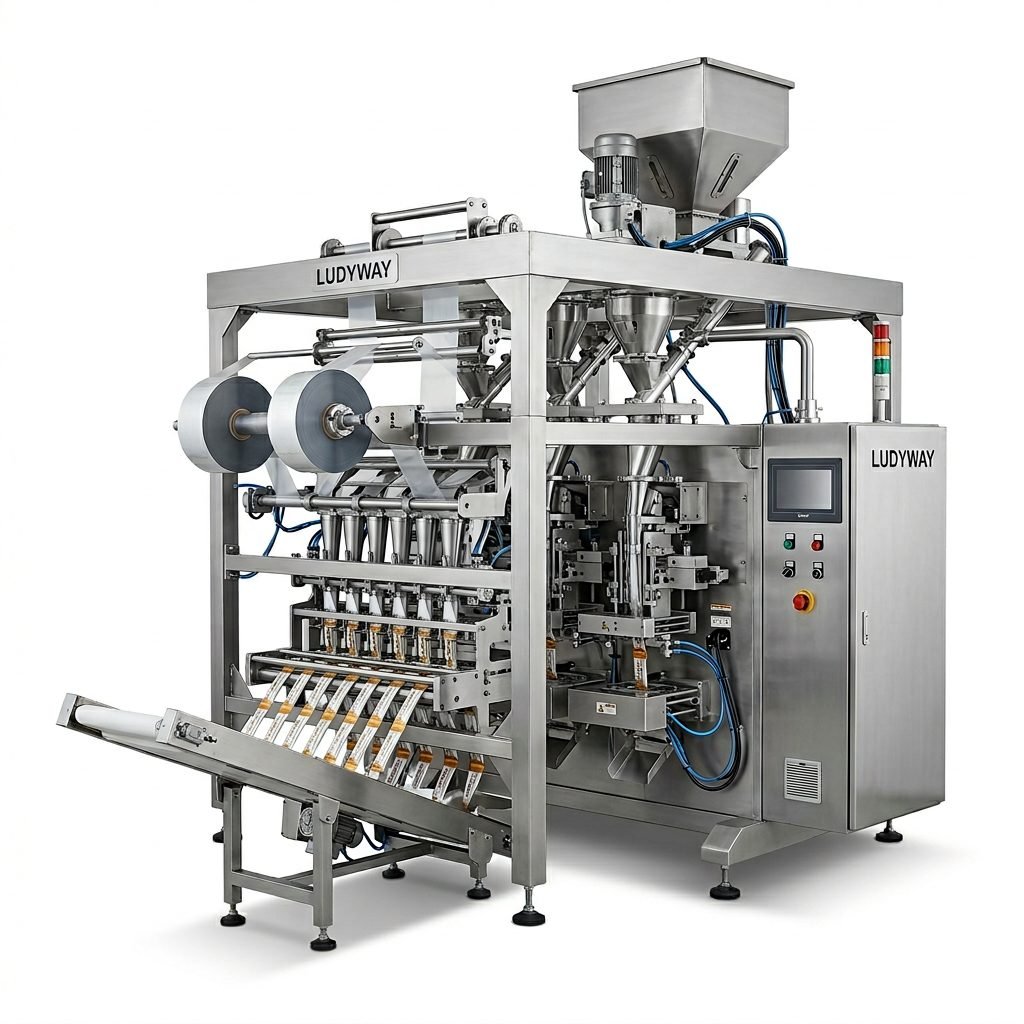
3. Unstable Film Tension
Film tension that is too high can stretch the material and distort registration. Tension that is too low can cause slack, wrinkling, and poor feeding. In both cases, the machine may compensate badly, leading to extra scrap and repeated setup loss.
This issue often appears when switching to a different film supplier or structure. Some laminated materials behave very differently from others, even if their thickness seems similar.
Signs of tension problems
- Registration mark reading becomes unstable
- Bag lengths vary at higher speed
- Seal jaws catch wrinkled film
- Film snaps during acceleration or stopping
- Printing shifts relative to the cut position
Practical solutions
- Check unwind brake settings
- Verify dancer arm or tension controller response
- Keep roller surfaces clean and free from buildup
- Use film specifications recommended for your machine speed
- Test production at gradual speed increases instead of jumping to maximum output
4. Wrong Film Specification for the Machine
Sometimes the machine is blamed when the real issue is the film itself. Film that is too thin, too slippery, too stiff, poorly laminated, or inconsistent in thickness can create constant waste. Even high-quality film can cause problems if it does not match the sealing temperature, machine speed, or product type.
For example, powder and granule products often need packaging film with stable sealing behavior and strong machinability. Liquids and pastes may require structures with different barrier and sealing characteristics.
Review these film factors
- Thickness tolerance
- Coefficient of friction
- Heat seal layer compatibility
- Core size and roll winding quality
- Print registration mark clarity
- Film memory and curl behavior
If your waste suddenly increases after changing film suppliers, compare the old and new film specifications first.
5. Registration Sensor Problems
On printed film applications, the registration system tells the machine where to cut and seal. If the eye mark sensor is dirty, poorly positioned, or reading weak contrast marks, the machine may cut in the wrong place. The result is rejected packs, wasted printed film, and poor shelf appearance.
What to check
- Dust or product residue on the sensor lens
- Low contrast between mark and background
- Sensor angle and detection distance
- Electrical interference or unstable signal
- Incorrect mark length or print quality issues
A simple cleaning and recalibration step can often solve what looks like a major film waste problem.
6. Sealing Temperature, Pressure, or Dwell Time Is Off
Bad seals generate hidden waste because defective packs must be scrapped or reworked. If seal settings are not matched to the film and product, the machine may create weak seals, burnt seals, wrinkled edges, or leaking pouches. Each of these defects increases material consumption per saleable unit.
| Seal Issue | Likely Cause | Recommended Action |
|---|---|---|
| Weak seal | Temperature too low or dwell too short | Increase seal energy gradually |
| Burnt or distorted seal | Temperature too high | Lower temperature and inspect jaw condition |
| Wrinkled seal area | Poor film tension or jaw alignment | Adjust tracking and align jaws |
| Leaking package | Contamination in seal zone | Improve dosing accuracy and product control |
7. Product Falling Into the Seal Area
For powders, granules, liquids, and sticky products, contamination in the sealing area is a major source of scrap. The machine may be functioning correctly, but if the fill system is inaccurate or the product drops too late, seals become unreliable and bags are rejected.
This is common with:
- Free-flowing powders at high speed
- Granules with bounce or scatter
- Sticky pastes and sauces
- Foaming liquids
How to reduce this waste
- Synchronize filling and sealing timing
- Improve dosing precision
- Use anti-static or dust-control measures for powders
- Check funnel, hopper, and discharge design
- Lower unnecessary machine speed if product discharge is unstable
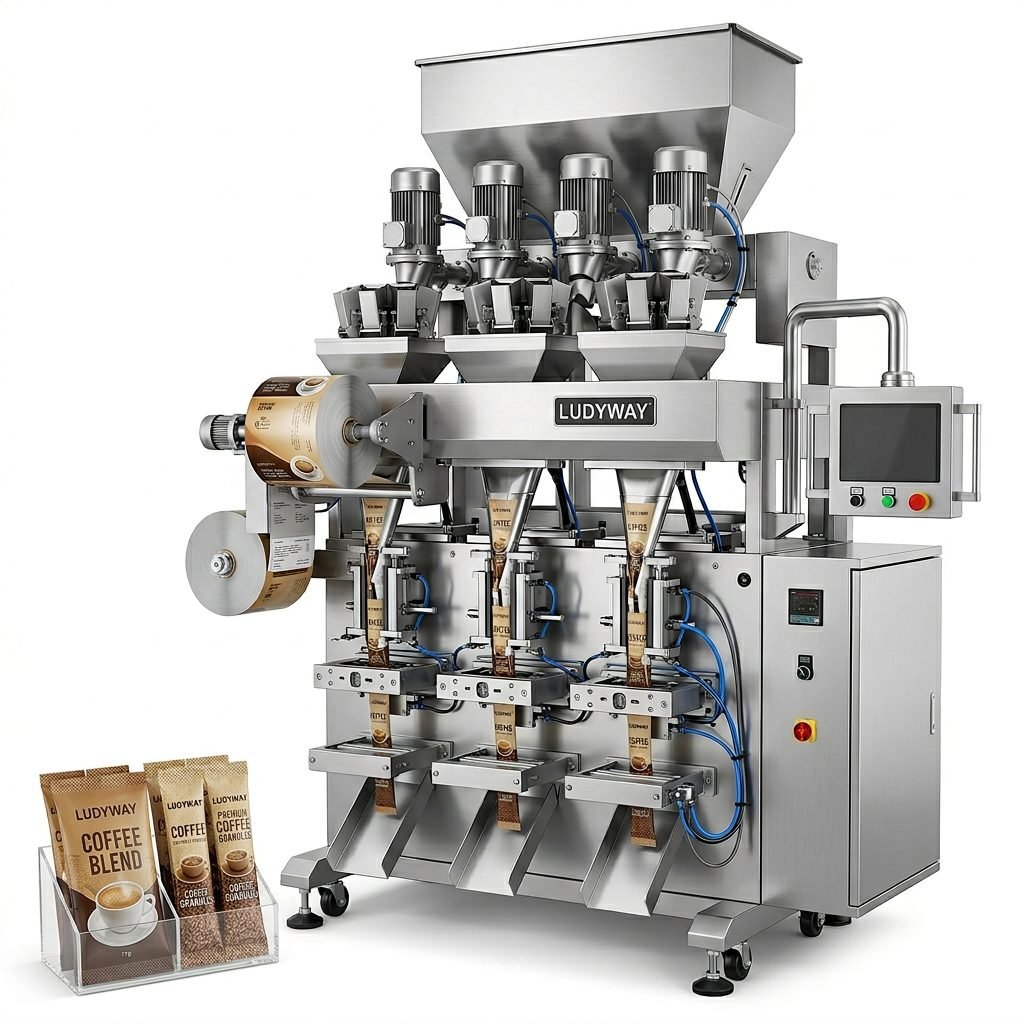
8. Worn Cutting Blades or Sealing Components
Packaging machines are precision systems. As knives, jaws, rollers, belts, and guide parts wear down, film control becomes less accurate. The machine may still run, but material loss rises gradually through bad cuts, seal defects, and repeated adjustments.
This kind of waste is dangerous because it often becomes normalized. Teams accept the extra scrap as “part of production” even though the root cause is preventable mechanical wear.
Maintenance points to inspect
- Cutting blade sharpness and alignment
- Seal jaw surface condition
- Teflon or sealing cloth wear
- Drive belts and pull belts condition
- Bearings and roller rotation smoothness
- Loose fasteners causing vibration or drift
9. Startup and Changeover Waste Is Too High
Many factories focus only on running waste, but a large amount of film loss happens during startup, film roll change, and product changeover. If every restart takes several minutes to stabilize, your monthly waste can become significant.
Why startup waste increases
- No standardized setup process
- Operators manually guess settings
- Film threading path is inconsistent
- Recipe parameters are missing or outdated
- Sensors are not checked before production begins
A repeatable startup checklist can reduce film waste immediately without changing the machine.
10. Operator Training Gaps
Even advanced equipment can waste film if operators do not fully understand how tension, tracking, registration, temperature, and product feed interact. Small incorrect adjustments often create bigger downstream problems.
Typical examples include increasing bag length instead of fixing product timing, raising temperature instead of correcting seal contamination, or increasing tension to stop wrinkles that are actually caused by misalignment.
Train operators to recognize:
- The difference between tension issues and tracking issues
- How film type affects sealing behavior
- How to clean and check registration sensors
- When to stop the machine before waste escalates
- Which settings can be safely adjusted and which require maintenance support
A Fast Troubleshooting Checklist
If your packaging machine is wasting film, use this quick diagnostic sequence before making major changes:
- Confirm the film specification matches the product and machine
- Check roll installation and film threading path
- Inspect film tension and unwind performance
- Verify registration sensor cleanliness and positioning
- Measure actual bag length against target
- Inspect forming parts, rollers, jaws, and blades
- Review sealing temperature, pressure, and dwell time
- Check whether product is entering the seal zone
- Compare waste levels during startup versus stable running
- Review operator practices and recipe management
How to Prevent Film Waste Long Term
The best way to reduce packaging film waste is to treat it as a measurable performance issue, not just a maintenance annoyance. Track waste by SKU, operator, shift, film supplier, and machine type. Once the data is visible, patterns become easier to spot.
Best long-term actions
- Create standard recipes for every product and bag format
- Record target bag length and acceptable tolerance
- Schedule inspection of wear parts before failures occur
- Qualify film suppliers based on machinability, not price alone
- Train operators with practical troubleshooting examples
- Monitor startup waste and set improvement targets
When It May Be Time to Upgrade the Machine
If your current system constantly struggles with tension control, registration accuracy, sealing consistency, or frequent changeovers, the problem may be machine capability rather than setup alone. Older or underspecified equipment often wastes more film because it lacks the control precision needed for modern packaging materials and higher production speeds.
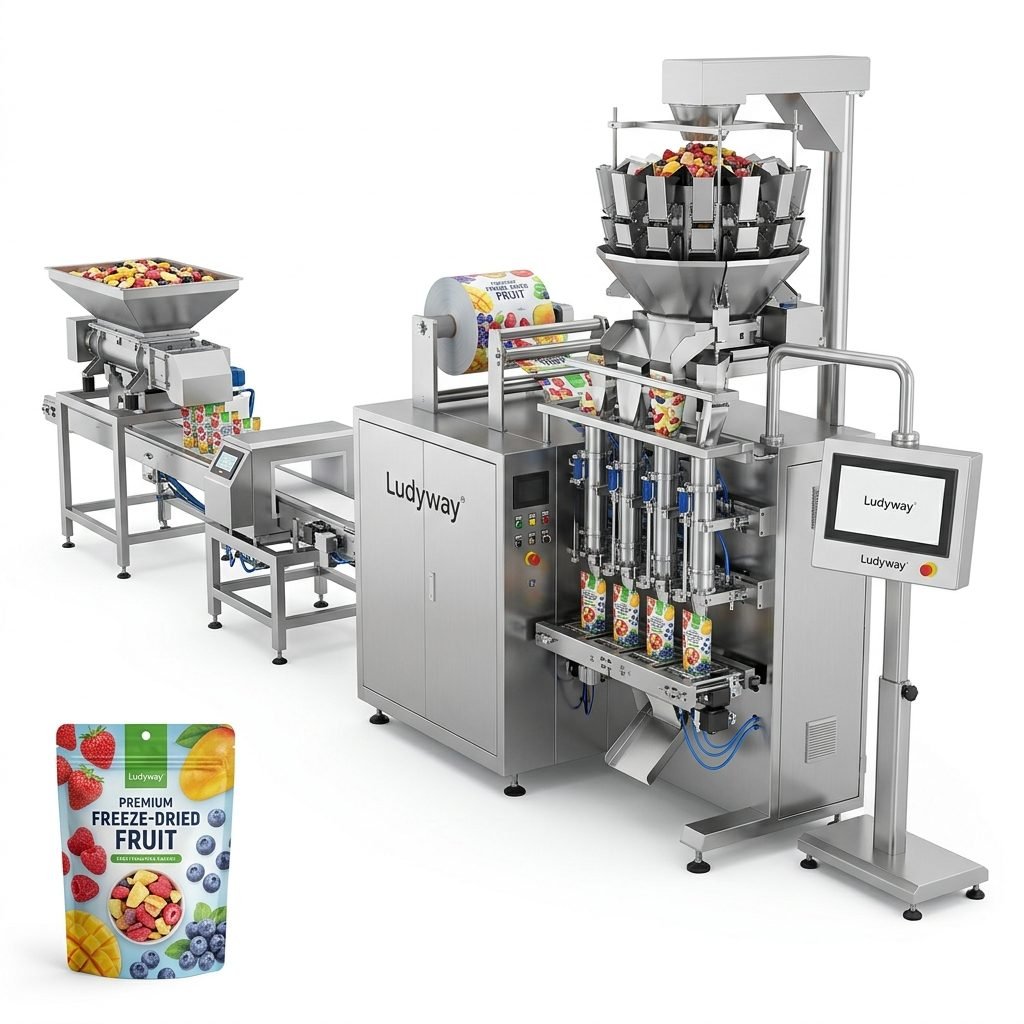
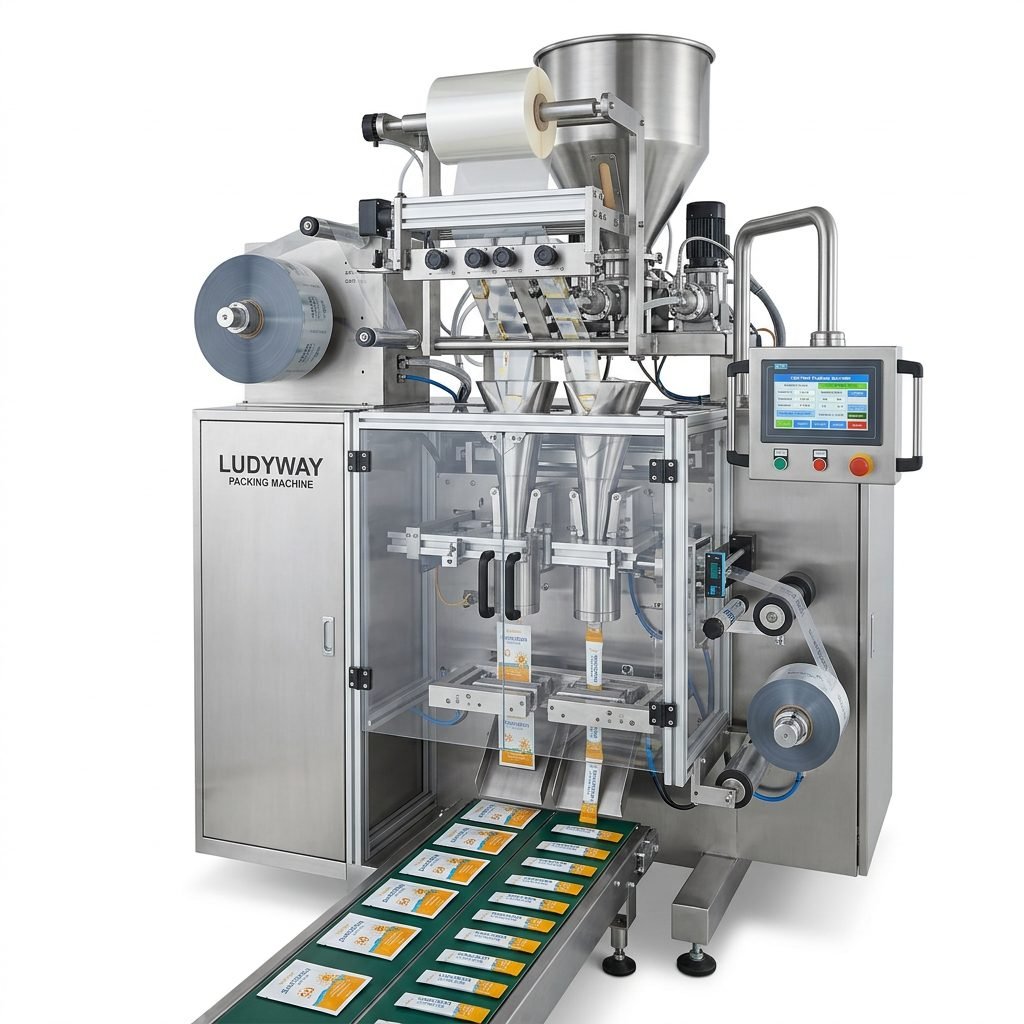
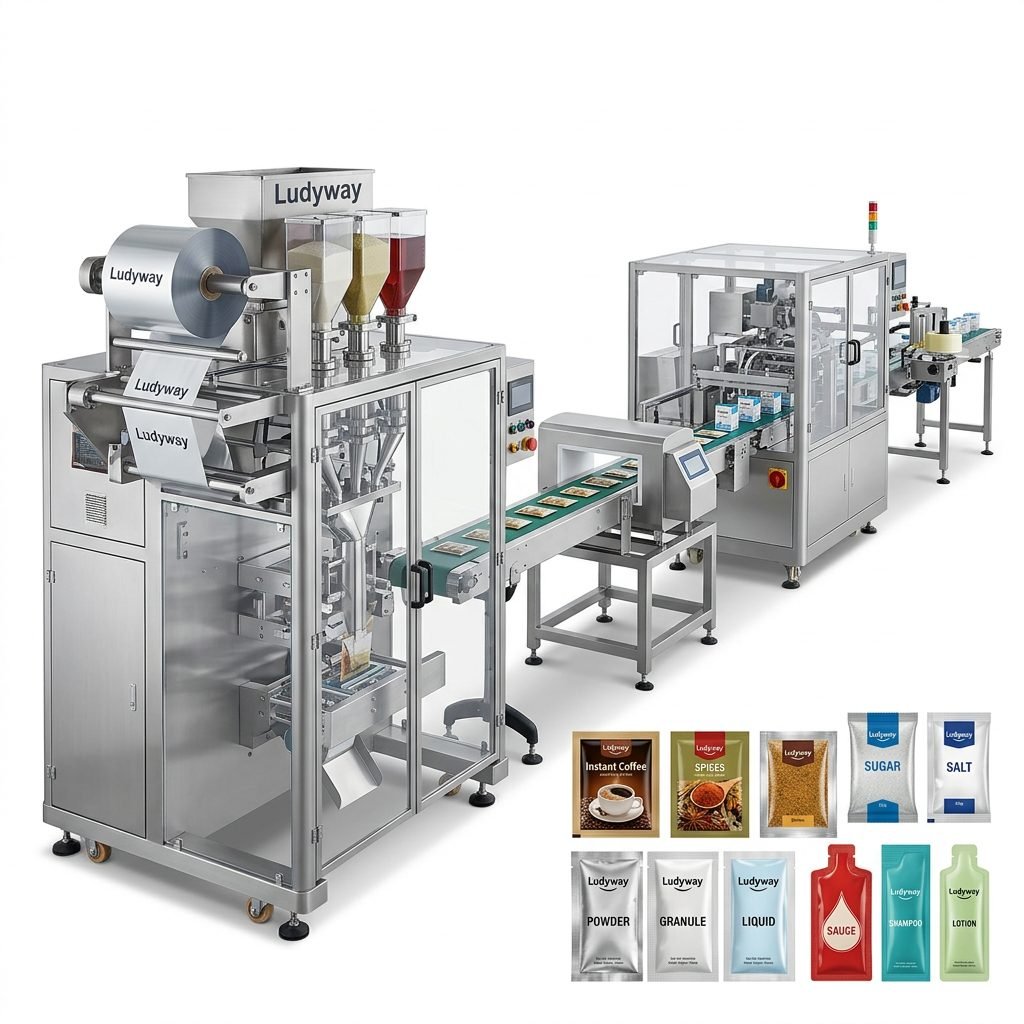
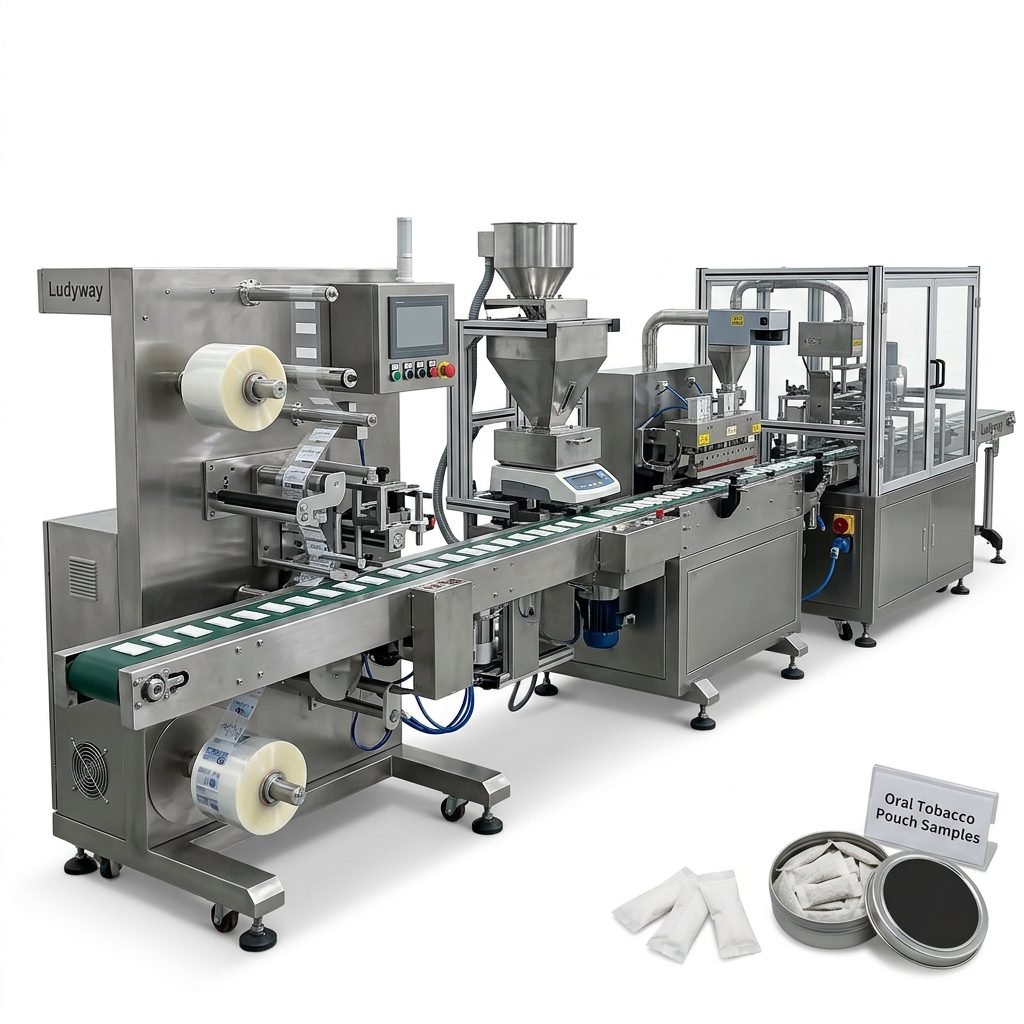
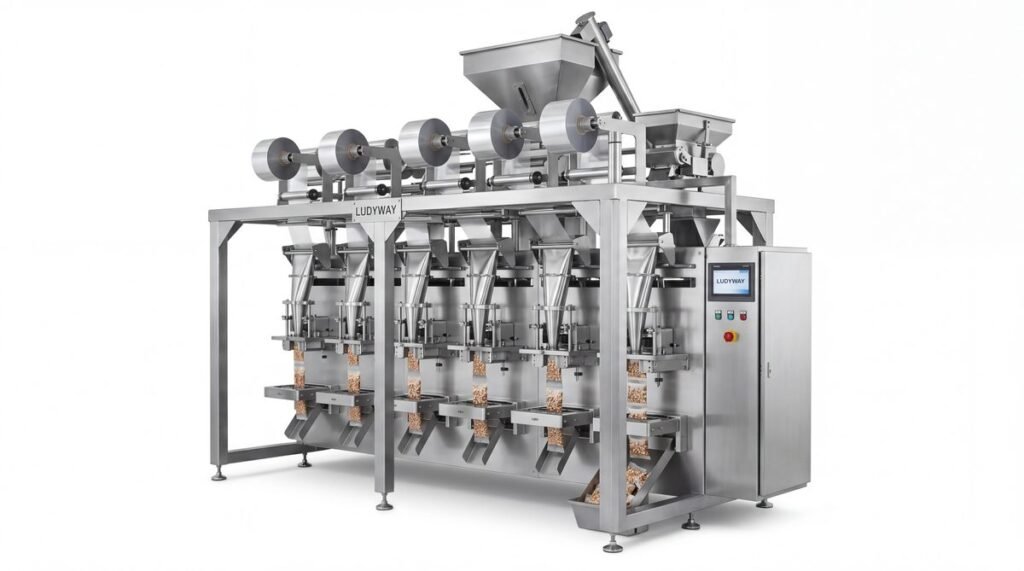
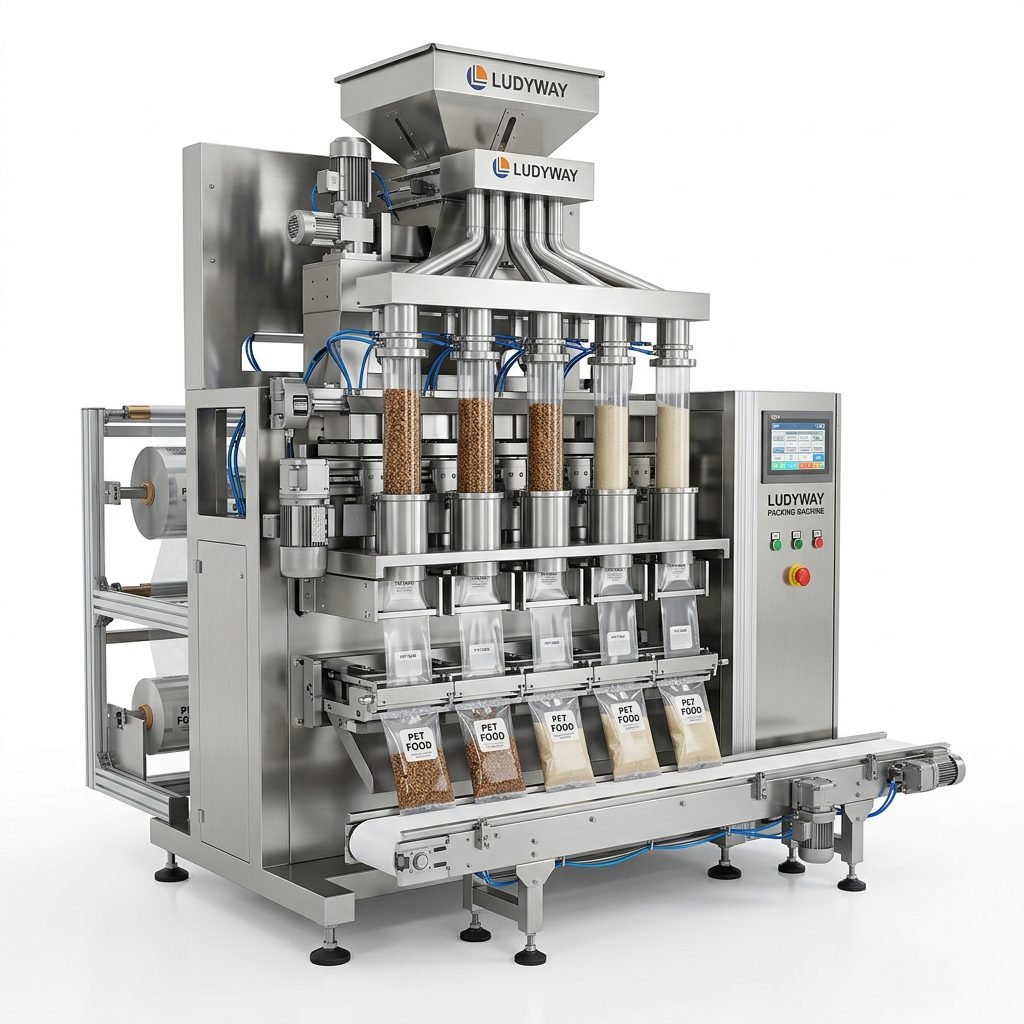
Businesses looking for more stable packaging performance often evaluate equipment from experienced manufacturers such as Ludyway packaging machine manufacturer, especially for projects involving sachets, stick packs, powders, granules, liquids, and turnkey automated packaging lines.
Final Practical Takeaway
Most packaging film waste comes from a small group of repeat issues: wrong bag length, unstable tracking, poor tension, bad sealing settings, incorrect film, worn parts, or weak operating procedures. Start with the basics, measure what is happening, and correct one variable at a time. In many factories, a disciplined troubleshooting and preventive maintenance program can reduce film waste much faster than expected.
Less waste means more than lower material cost. It also means better efficiency, cleaner production, fewer rejects, and a more reliable packaging process overall.