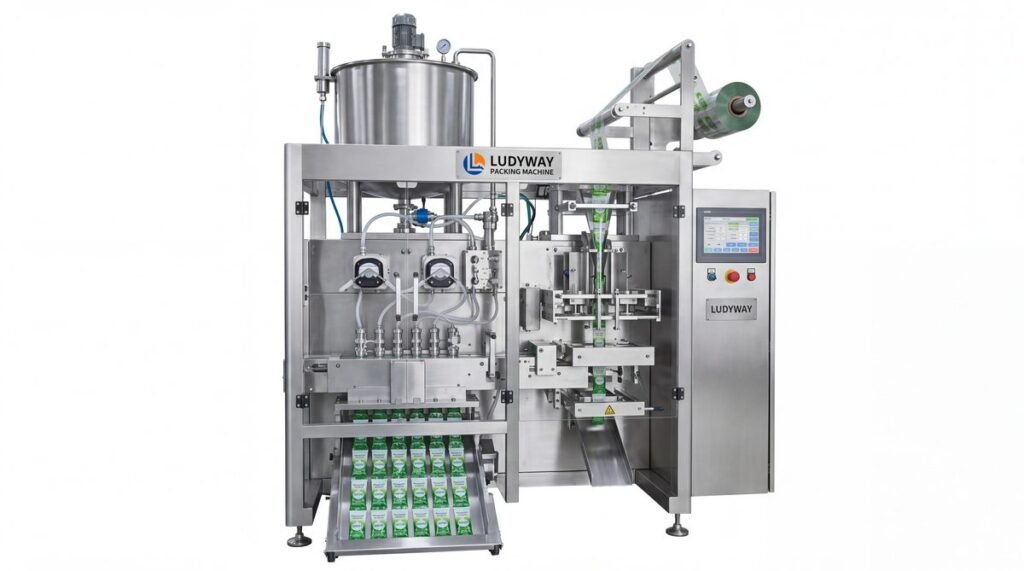
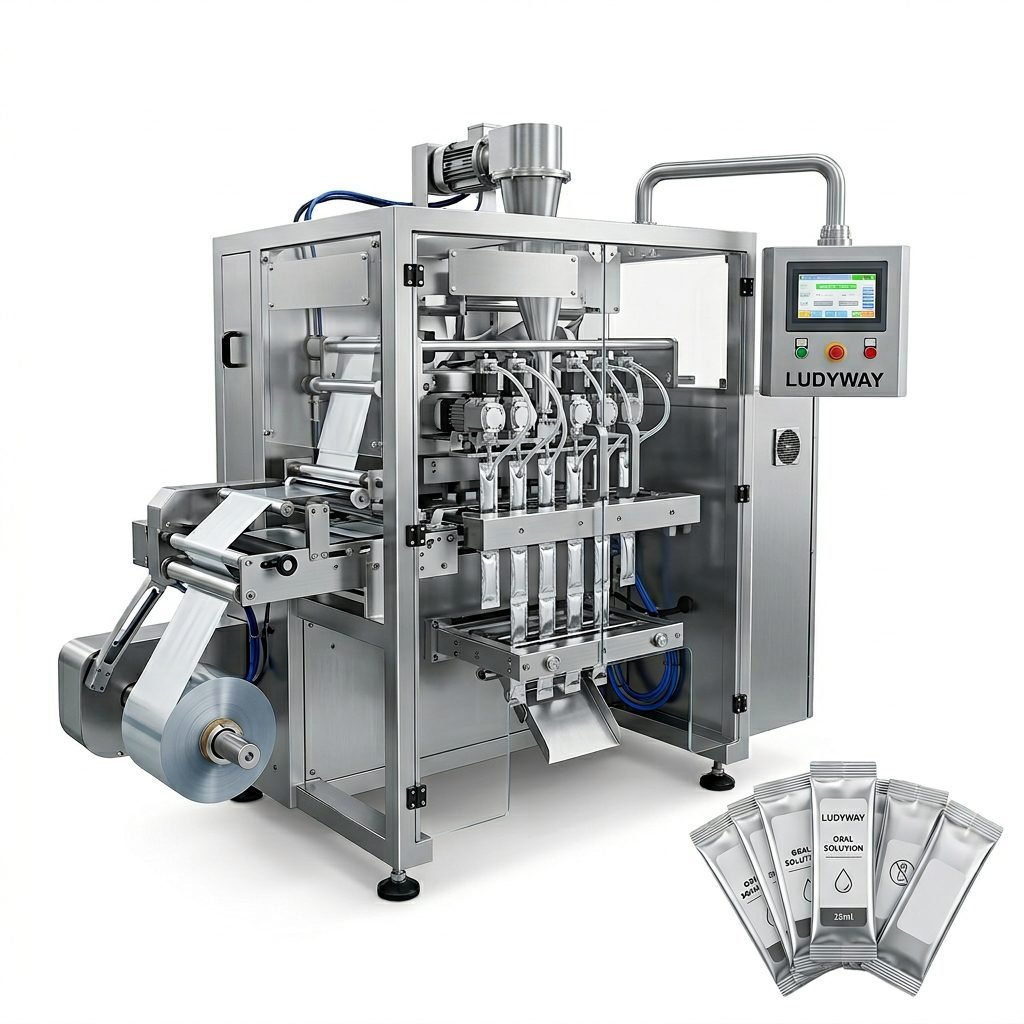
Stick packs have moved from a niche packaging format to a major force in the single serve market. From instant coffee and electrolyte powders to collagen, sauces, nutraceuticals, and beauty products, brands are increasingly choosing stick packs because they match how modern consumers shop, carry, use, and repurchase products.
Their rise is closely tied to changing lifestyles: people want convenience, cleaner portion control, travel-friendly packaging, and products that fit into fast routines. For manufacturers and brand owners, stick packs also offer high-speed production, material efficiency, and strong shelf appeal. These combined benefits explain why the format continues to gain momentum across food, pharmaceutical, health supplement, and personal care sectors.
What Makes Stick Packs Different in Single Serve Packaging?
A stick pack is a narrow, elongated flexible package designed to hold one measured portion of a product. It is especially common for powders, granules, liquids, gels, and pastes. Compared with traditional sachets, stick packs are often easier to pour, easier to carry, and more visually modern.
In many categories, the package itself has become part of the customer experience. A stick pack feels neat, hygienic, portable, and controlled. That matters in markets where buyers want products that are simple to open, easy to consume, and suitable for on-the-go use.
- Compact format for pockets, handbags, gym bags, travel kits, and office drawers
- Accurate portioning for nutrition, wellness, beverage, and pharmaceutical applications
- Convenient dispensing with less mess than larger containers
- Strong branding surface despite the small pack size
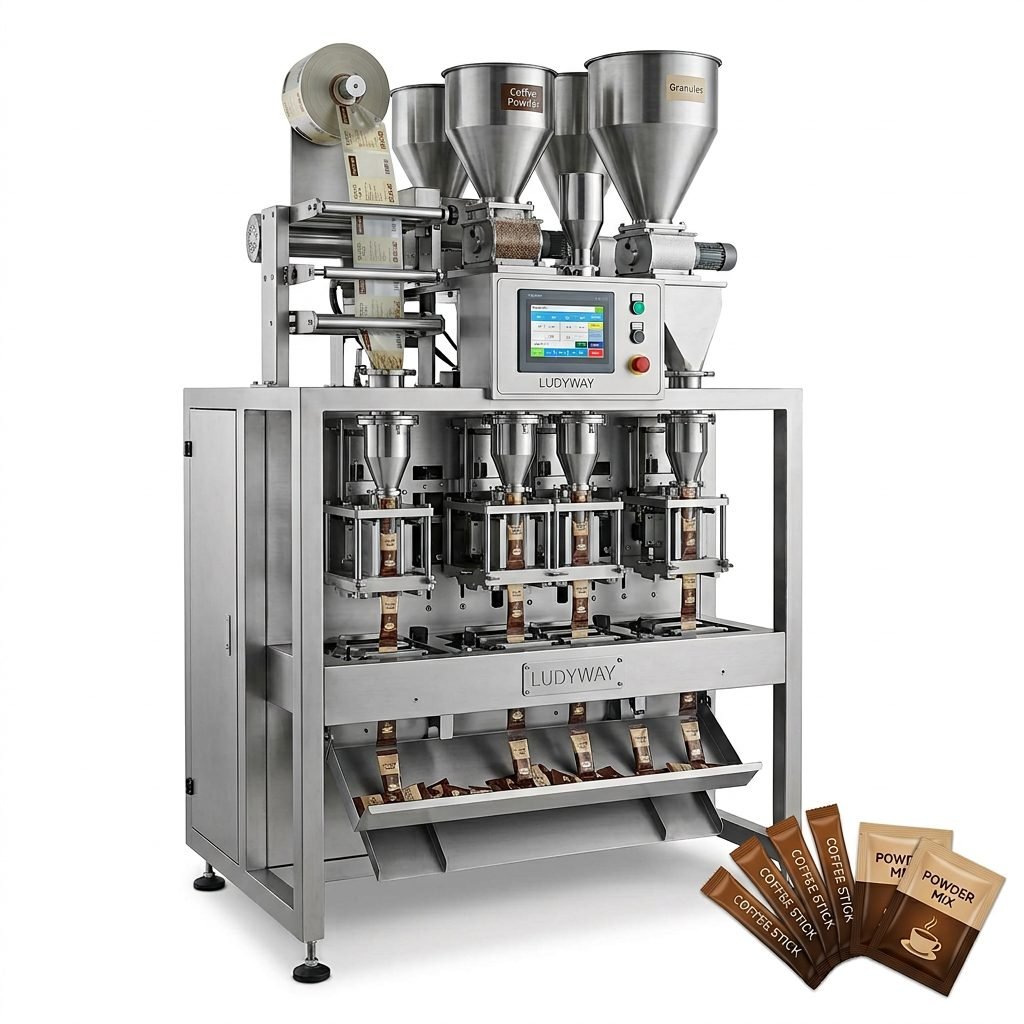
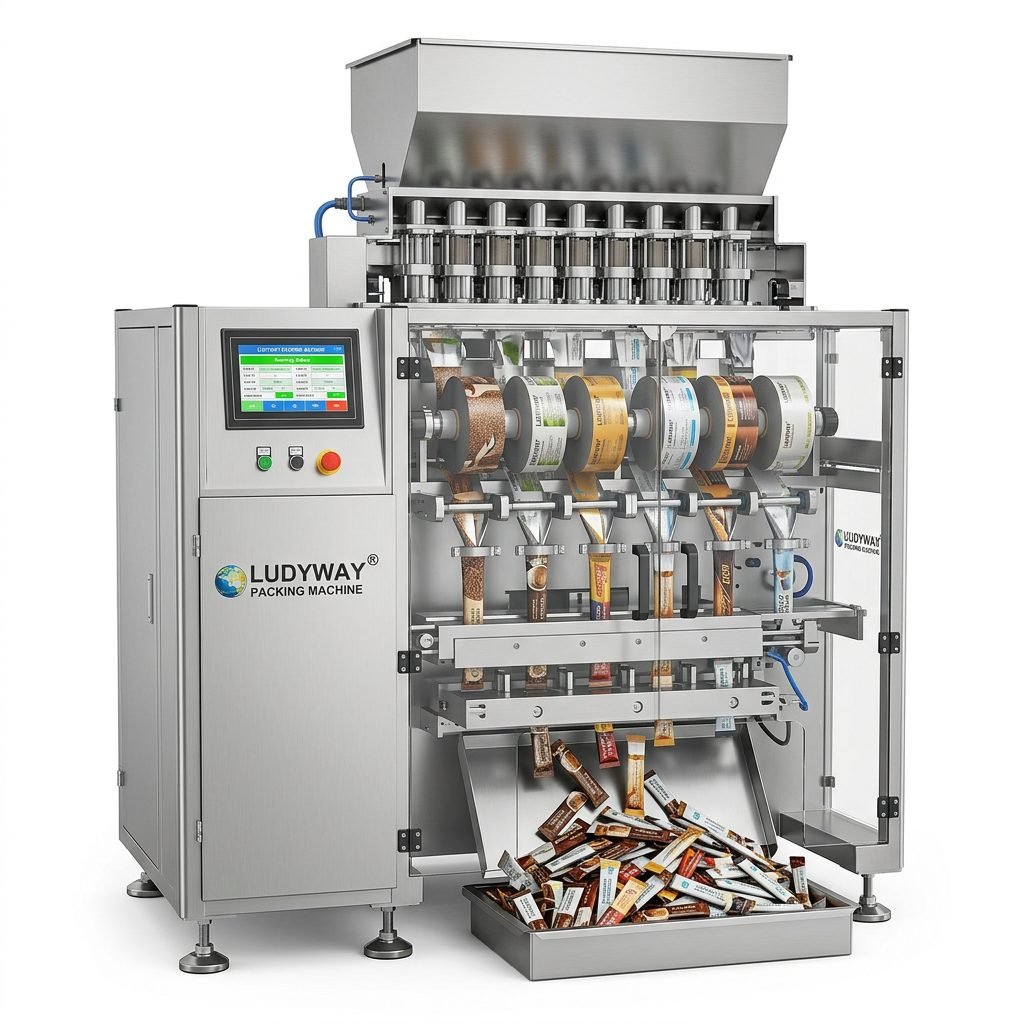
- Compatibility with multi-lane packaging lines for high-volume production
Why Consumer Demand Is Pushing Stick Pack Growth
Consumer behavior is one of the biggest drivers behind stick pack expansion. Single serve products align with modern purchasing habits, especially in urban, convenience-led markets. Buyers are looking for products that reduce preparation time and offer predictable usage.
1. On-the-go lifestyles
Busy schedules have increased demand for packaging that works anywhere. A protein powder stick pack, instant drink mix, or single dose supplement can be used at the office, in the car, at the gym, or while traveling. This convenience supports repeat purchases and broadens the range of use occasions.
2. Portion control and waste reduction
Consumers increasingly value exact servings. In food and health categories, pre-measured portions help avoid overuse and improve consistency. In pharmaceutical and nutraceutical markets, portion accuracy also supports user confidence.
3. Hygiene and freshness
Single serve packaging reduces repeated contact with the product. This is especially important for supplements, medical powders, sauces, skincare samples, and functional beverages. Each stick pack protects a fresh portion until the moment of use.
4. Trial-friendly and sample-ready formats
Brands use stick packs to lower the barrier to purchase. A smaller unit price makes it easier for first-time customers to test a flavor, formula, or brand. This is one reason stick packs are popular in product launches and promotional campaigns.
Key Benefits of Stick Packs for Brands and Manufacturers
The growth of stick packs is not only a consumer trend. It is also a strong operational choice for manufacturers seeking efficient, scalable, and flexible packaging systems.
| Benefit | How It Supports Business Growth |
|---|---|
| High packaging efficiency | Multi-lane systems can produce large output volumes in limited factory space. |
| Lower material usage | Stick packs often use less packaging material than rigid single-dose containers. |
| Strong shelf differentiation | Slim, clean pack design helps products look modern and premium. |
| Flexible application range | Suitable for powders, granules, liquids, gels, and paste products across multiple industries. |
| Improved logistics | Compact packs can simplify storage, transport, and retail display formats. |
Industries Leading Stick Pack Adoption
Stick packs are expanding because they are not tied to one product category. Their versatility makes them ideal across many fast-growing industries.
Food and beverage
- Instant coffee and tea
- Milk tea powders and beverage premixes
- Sugar, salt, seasonings, and soup mixes
- Sauces, honey, oils, and condiments
Health supplements and nutraceuticals
- Collagen powder
- Electrolyte and hydration formulas
- Vitamin blends and probiotics
- Sports nutrition and meal replacement powders
Pharmaceutical applications
- Oral powders and granules
- Single-dose medical nutrition products
- Travel-size or trial-dose treatments
Cosmetics and personal care
- Serums and creams
- Shampoo and lotion sachet alternatives
- Sample packs for skincare launches
Market Trends Behind the Rise of Stick Packs
Convenience-led consumption
Consumers are shifting away from bulky, multi-use packs in many categories. They want packaging that supports immediate use without scoops, measuring tools, or extra containers. Stick packs answer that demand directly.
Growth of health and functional products
The wellness market continues to expand, and many health products are designed around exact daily serving sizes. This makes stick pack packaging highly attractive for probiotics, collagen, electrolyte drinks, fiber blends, and performance nutrition formulas.
E-commerce and direct-to-consumer packaging
Lightweight and compact packaging can support e-commerce strategies. Stick packs are easy to bundle into boxes, variety packs, starter kits, and subscription formats. Their low-profile shape also helps improve packing density.
Premiumization through small formats
Many brands now use small packs not as budget options, but as premium convenience products. Clean graphics, controlled doses, and elegant slim profiles create a more refined image than traditional bulk packaging.
Packaging line automation
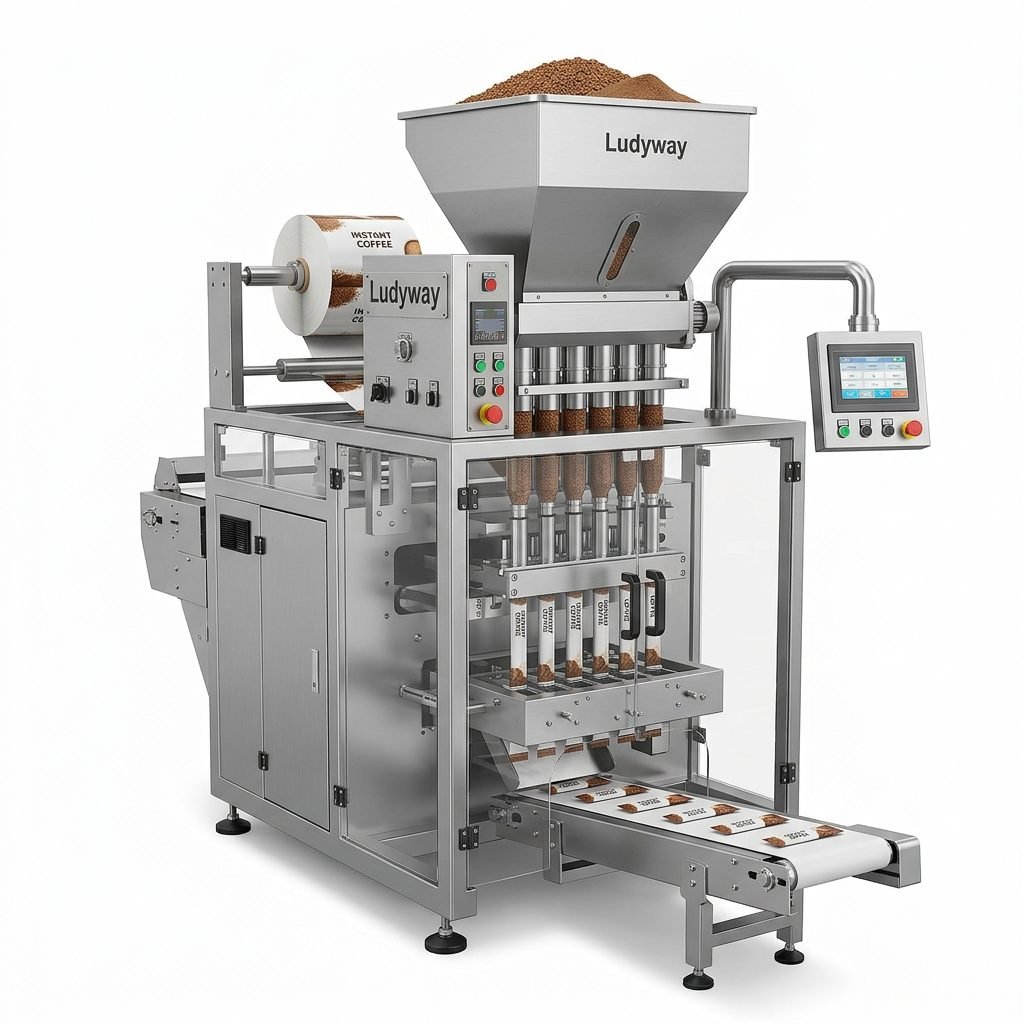
The availability of reliable multi-lane stick pack machinery has made large-scale adoption easier. Manufacturers can achieve faster production, consistent filling accuracy, and reduced manual labor through automated systems.
Why Stick Packs Work So Well for Product Marketing
Stick packs are not only efficient; they are also highly marketable. The format supports modern branding strategies by making products feel convenient, measurable, and contemporary.
- They encourage impulse purchasing because the unit size appears approachable and affordable.
- They support cross-selling through variety packs and mixed-flavor cartons.
- They improve trial conversion by reducing commitment for first-time buyers.
- They fit promotional campaigns for gyms, hotels, airlines, clinics, and retail sampling.
- They communicate precision, which is important in health and pharmaceutical categories.
Operational Considerations for Choosing Stick Pack Packaging
For businesses planning to enter or expand in the single serve market, packaging equipment selection is critical. Product characteristics, target output, sealing quality, and material compatibility all influence final results.
| Consideration | Why It Matters |
|---|---|
| Product form | Powders, granules, liquids, and pastes require different filling systems. |
| Lane quantity | More lanes generally mean higher output for large-volume demand. |
| Sealing performance | Good seals protect freshness, reduce leakage, and improve shelf life. |
| Packaging material compatibility | Film structure affects barrier protection, machinability, and appearance. |
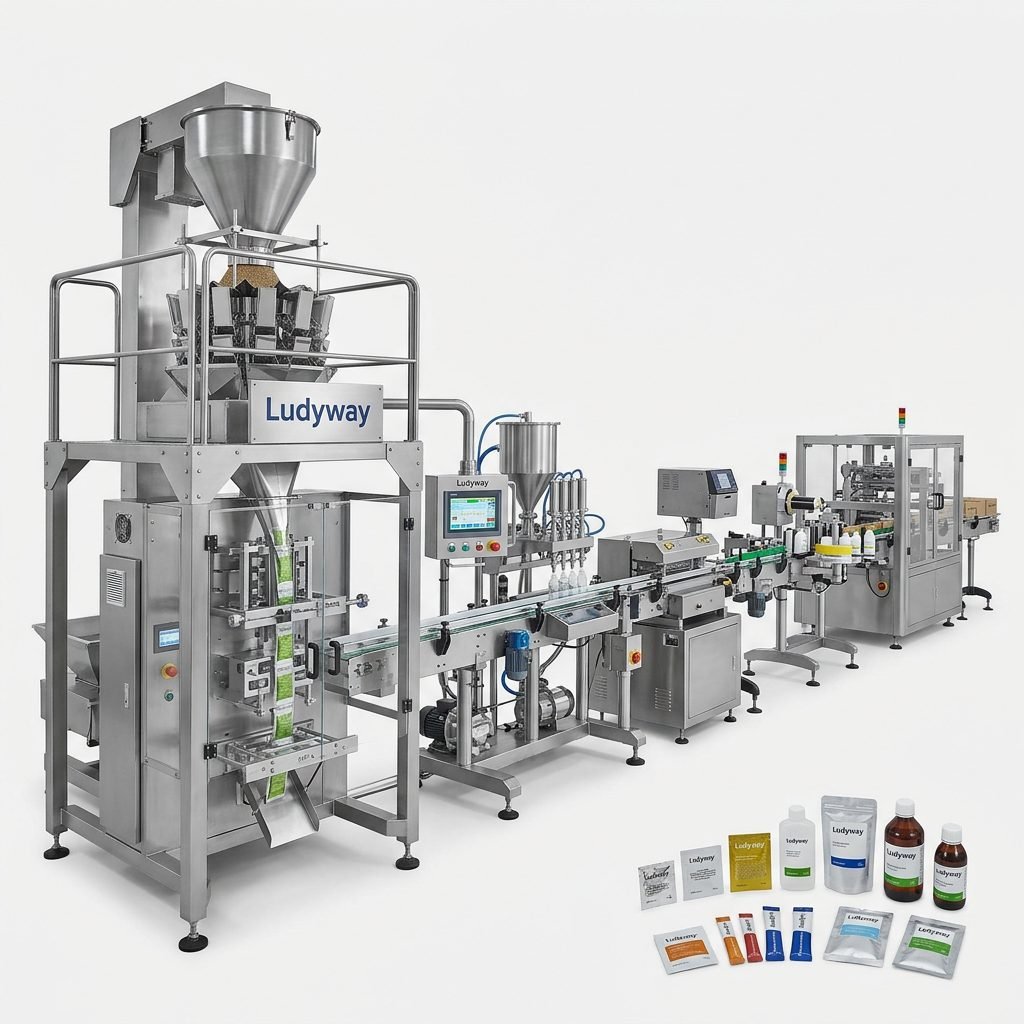
| Line integration | Integrated feeding, cartoning, checkweighing, and coding improve efficiency. |
The Role of Automation in Stick Pack Market Expansion
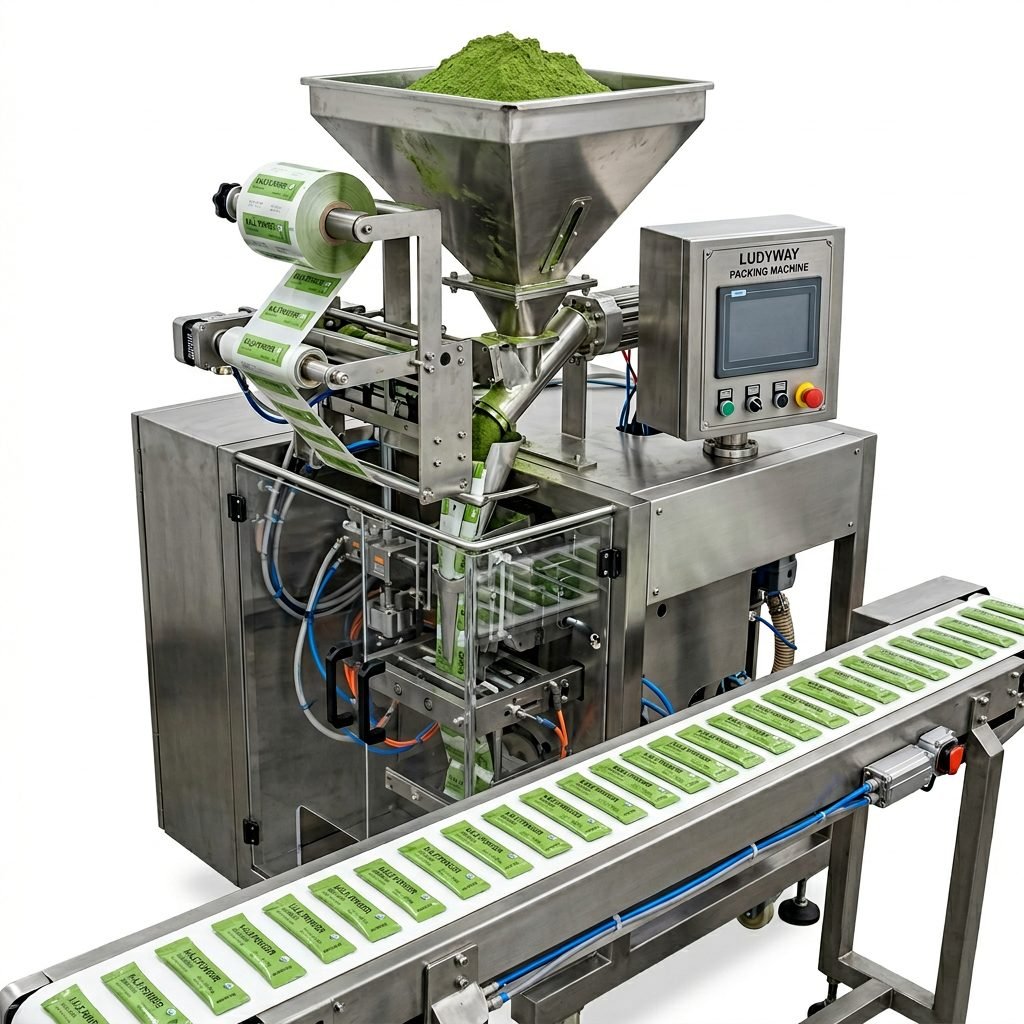
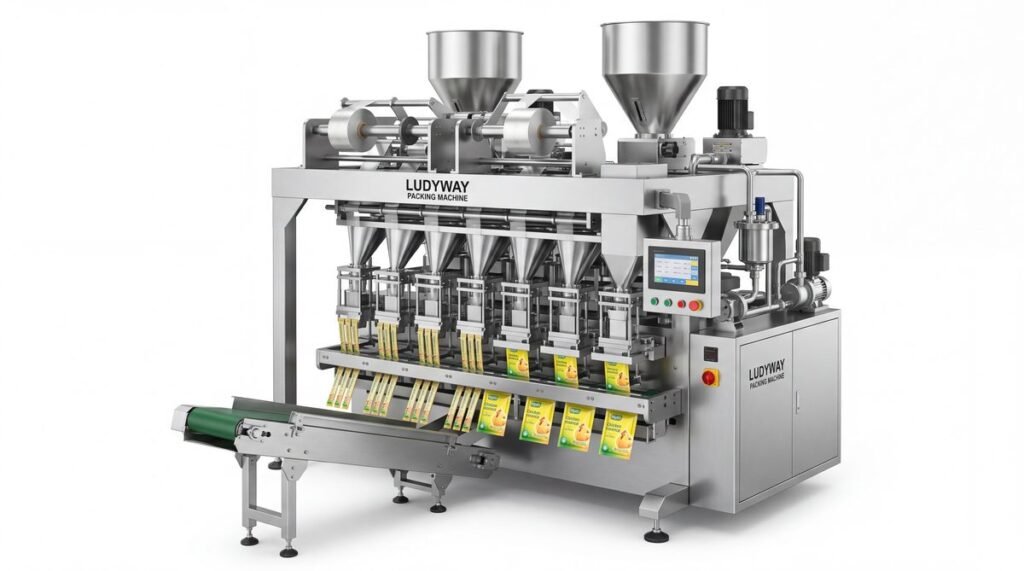
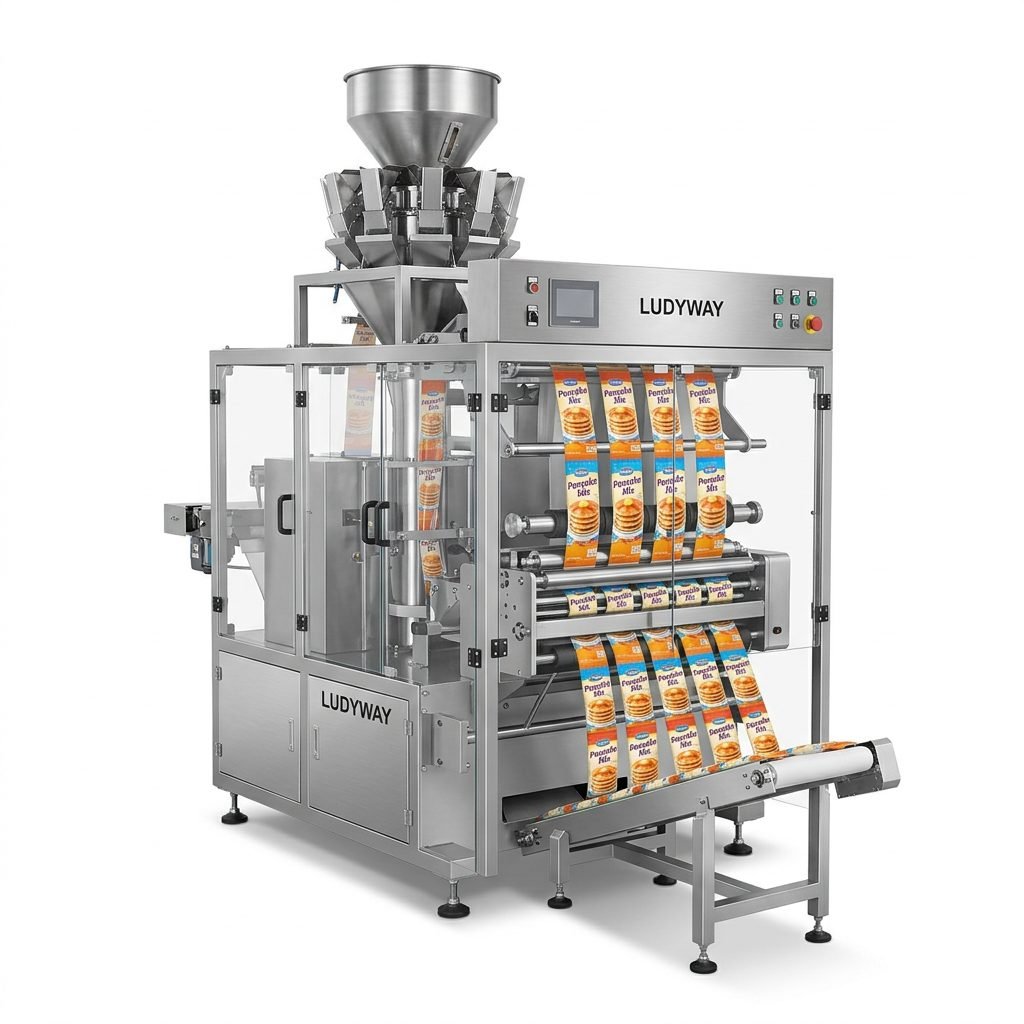
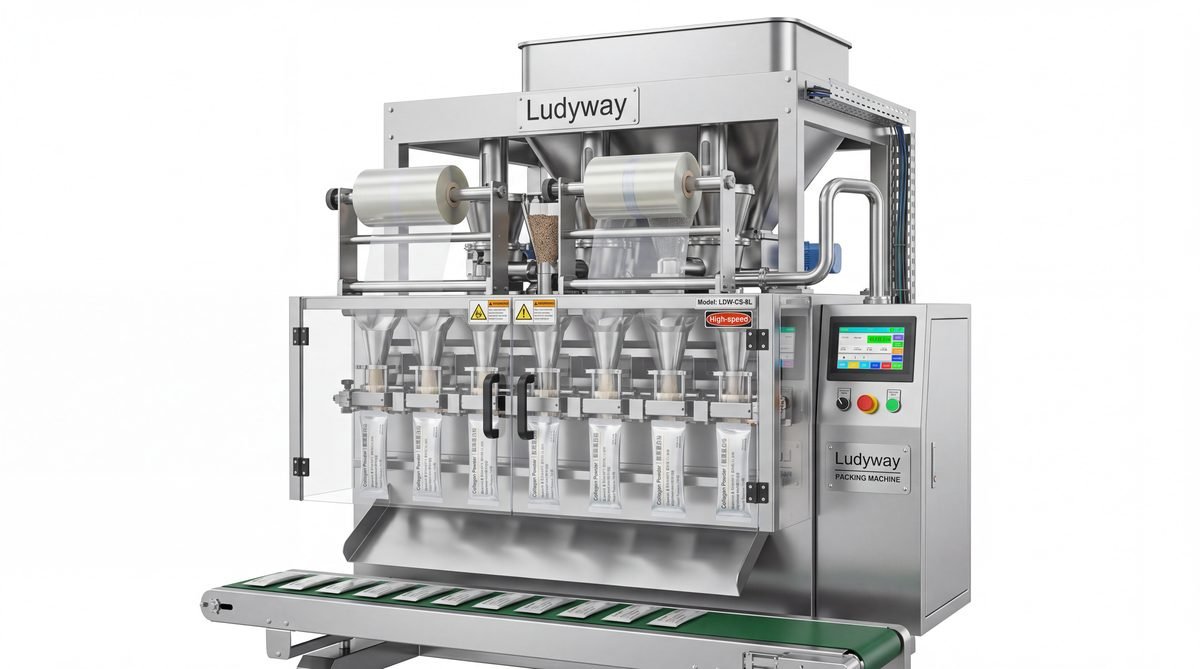
As demand for single serve products grows, manufacturers need equipment that can deliver speed without sacrificing accuracy. This is where advanced packaging machinery becomes a major competitive advantage. Automated multi-lane stick pack systems help producers maintain stable output, improve consistency, and reduce labor dependency.
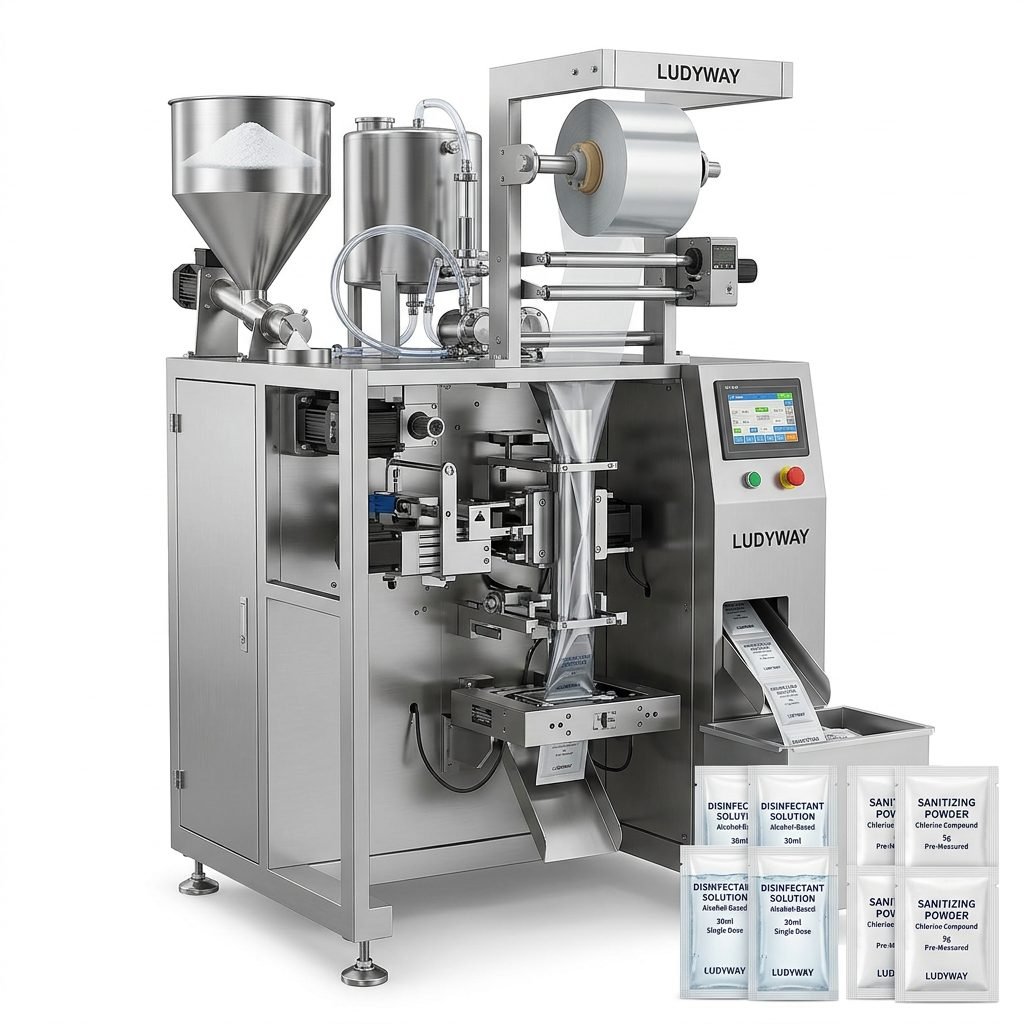
Companies looking for scalable stick pack and turnkey packaging solutions often evaluate experienced manufacturers such as Ludyway packaging machine manufacturer, known in global markets for multi-lane packaging equipment, sachet systems, and integrated production line capabilities for food, pharmaceutical, health supplement, and related industries.
What Consumers Expect Next from Stick Pack Products
The future of stick packs will likely be shaped by a mix of convenience, sustainability pressure, personalization, and smart branding. Consumers increasingly expect packaging that is easy to carry, simple to understand, and aligned with healthier daily routines.
Emerging expectations include:
- Portable packs for work, travel, and fitness lifestyles
- Clear dosage and serving communication
- Improved barrier protection for freshness-sensitive products
- Attractive premium designs for wellness and beauty categories
- Faster product availability through automated high-volume production
Why Stick Packs Will Keep Growing
Stick packs are growing because they solve real problems for both consumers and manufacturers. They make products easier to carry, easier to portion, easier to sample, and easier to produce at scale. Few packaging formats combine convenience, efficiency, and brand value so effectively.
As single serve demand expands across beverages, supplements, pharmaceuticals, and personal care, stick packs are well positioned to remain one of the most important flexible packaging formats in the market. For brands focused on convenience, speed, and modern presentation, their role will only become stronger.