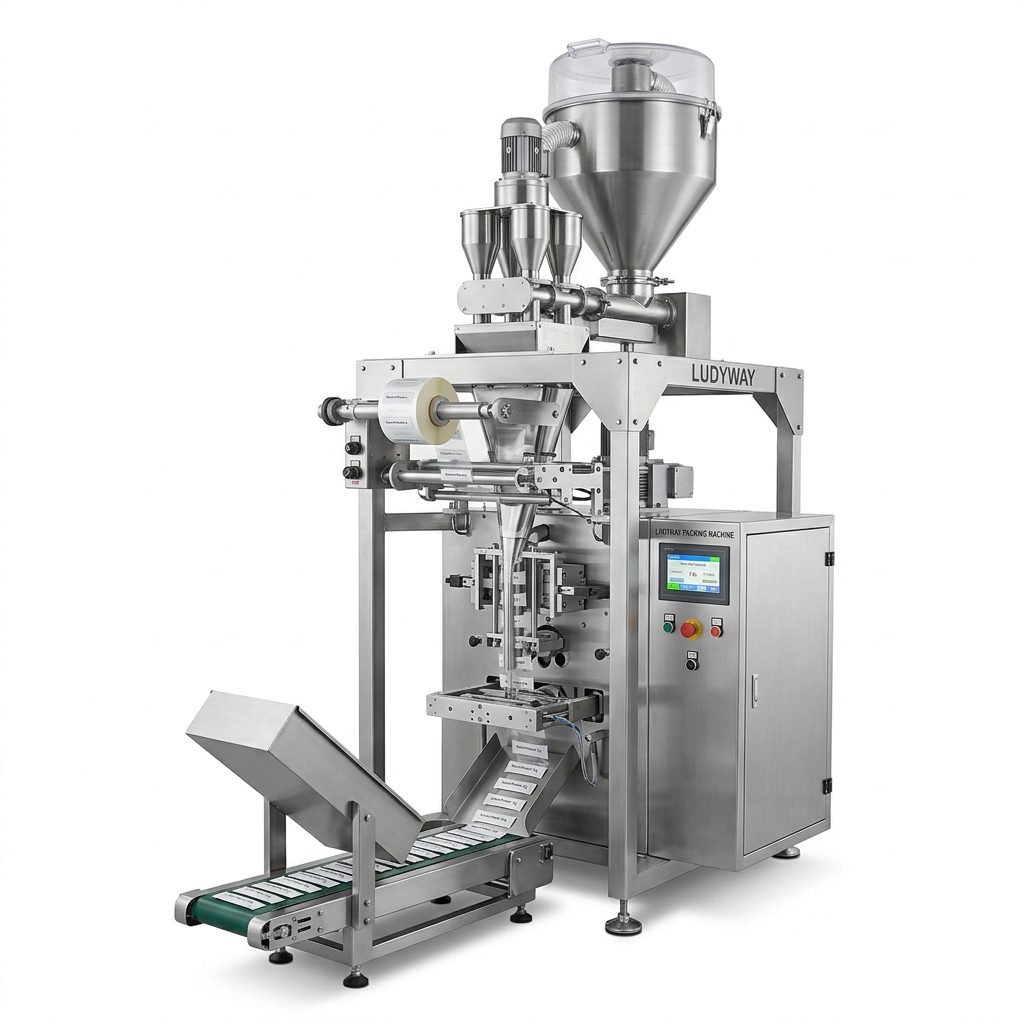
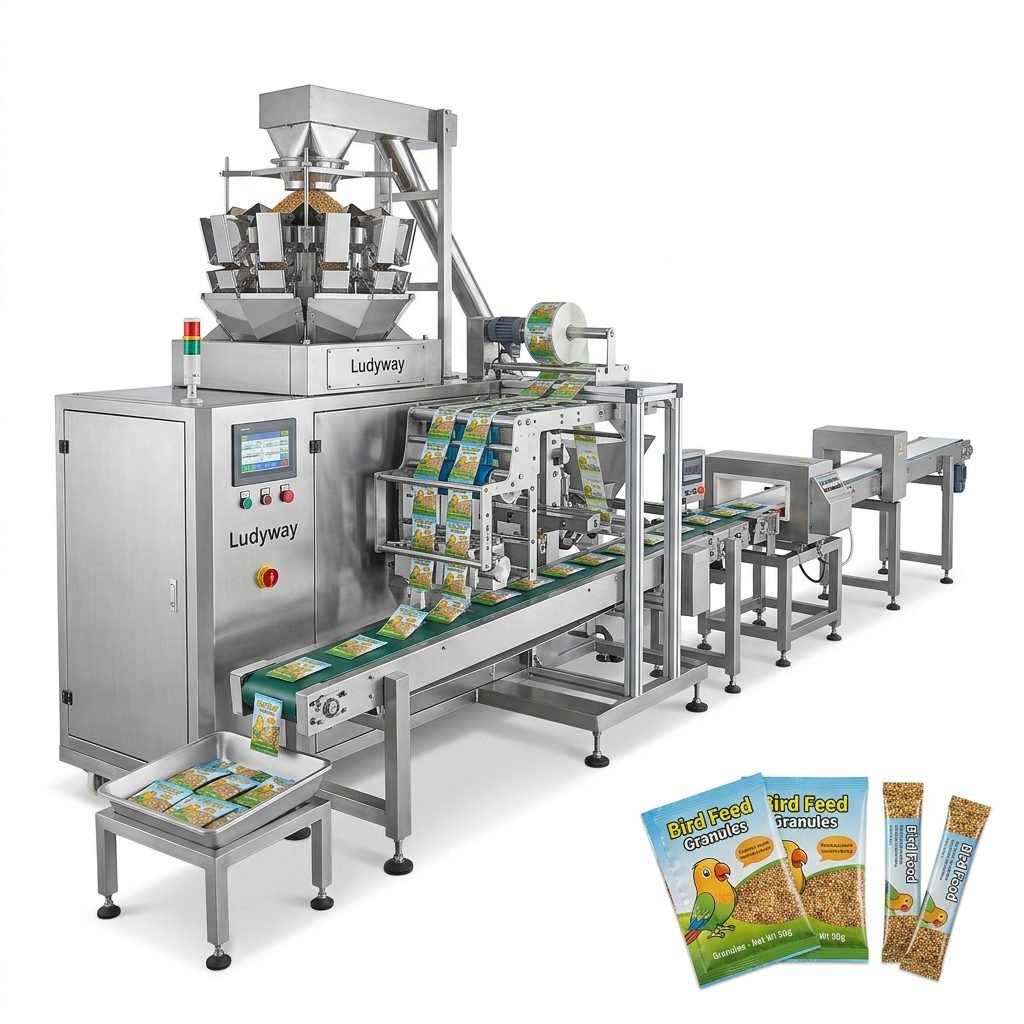
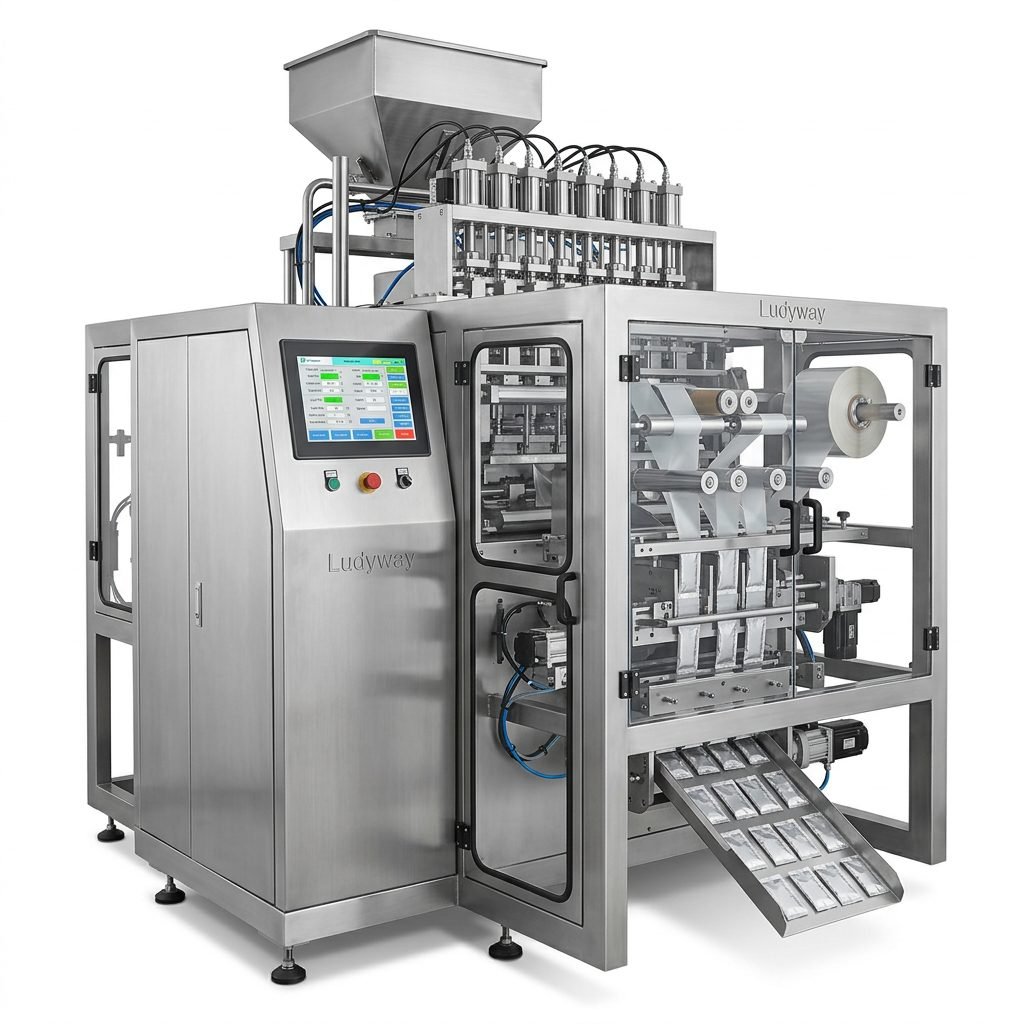
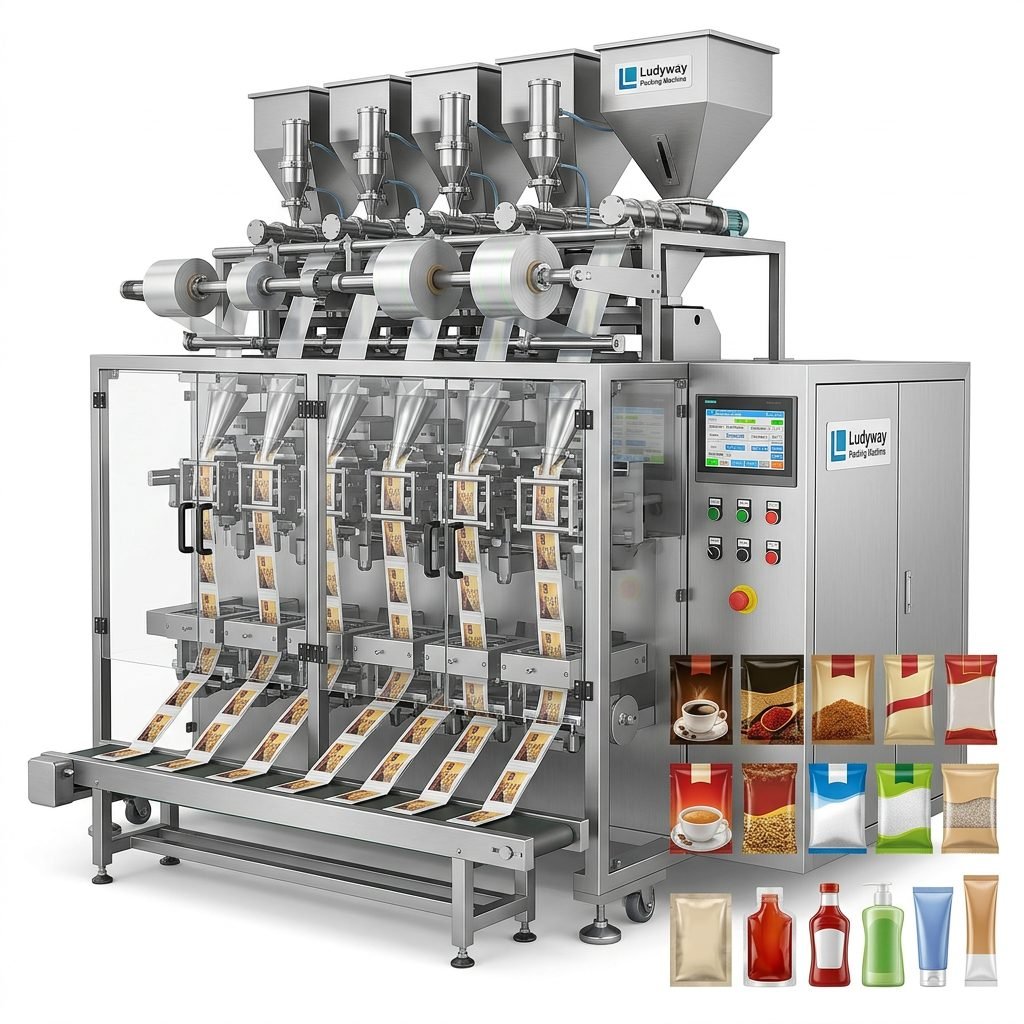
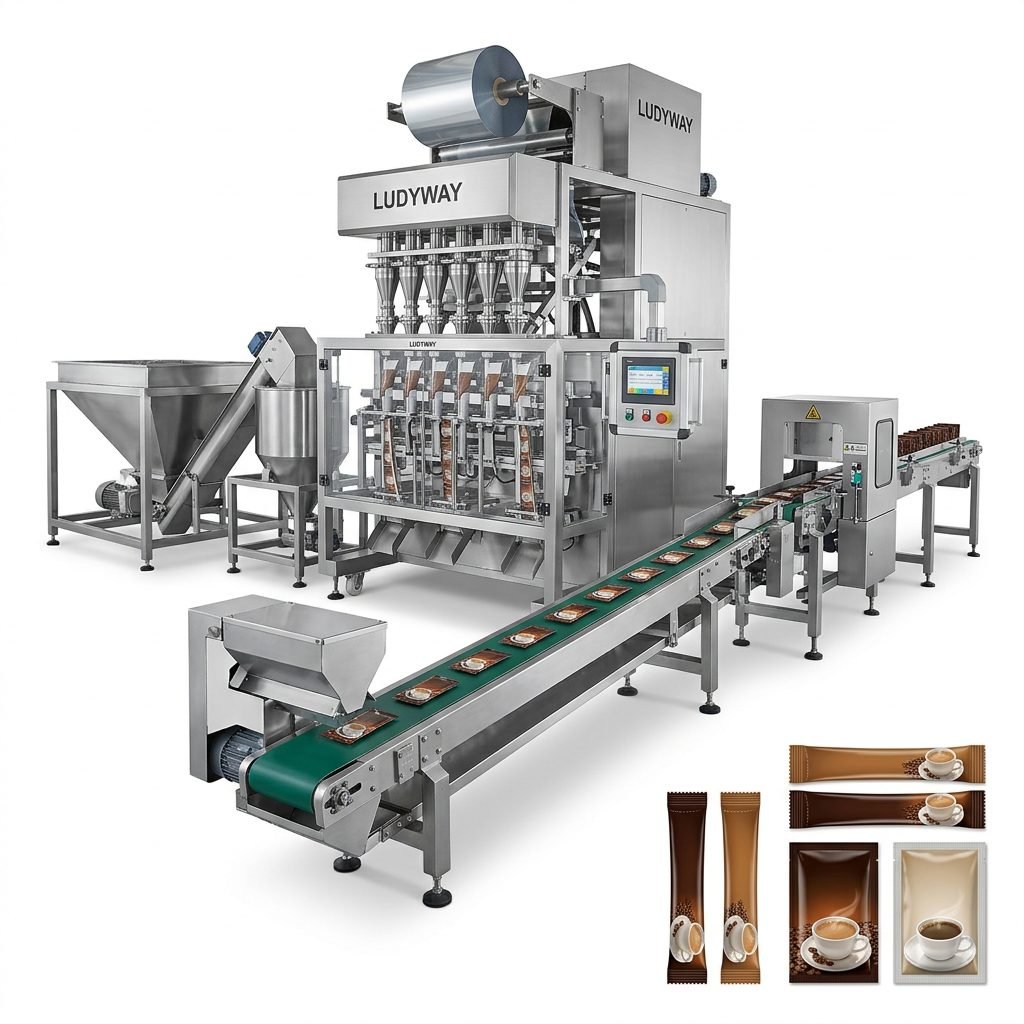
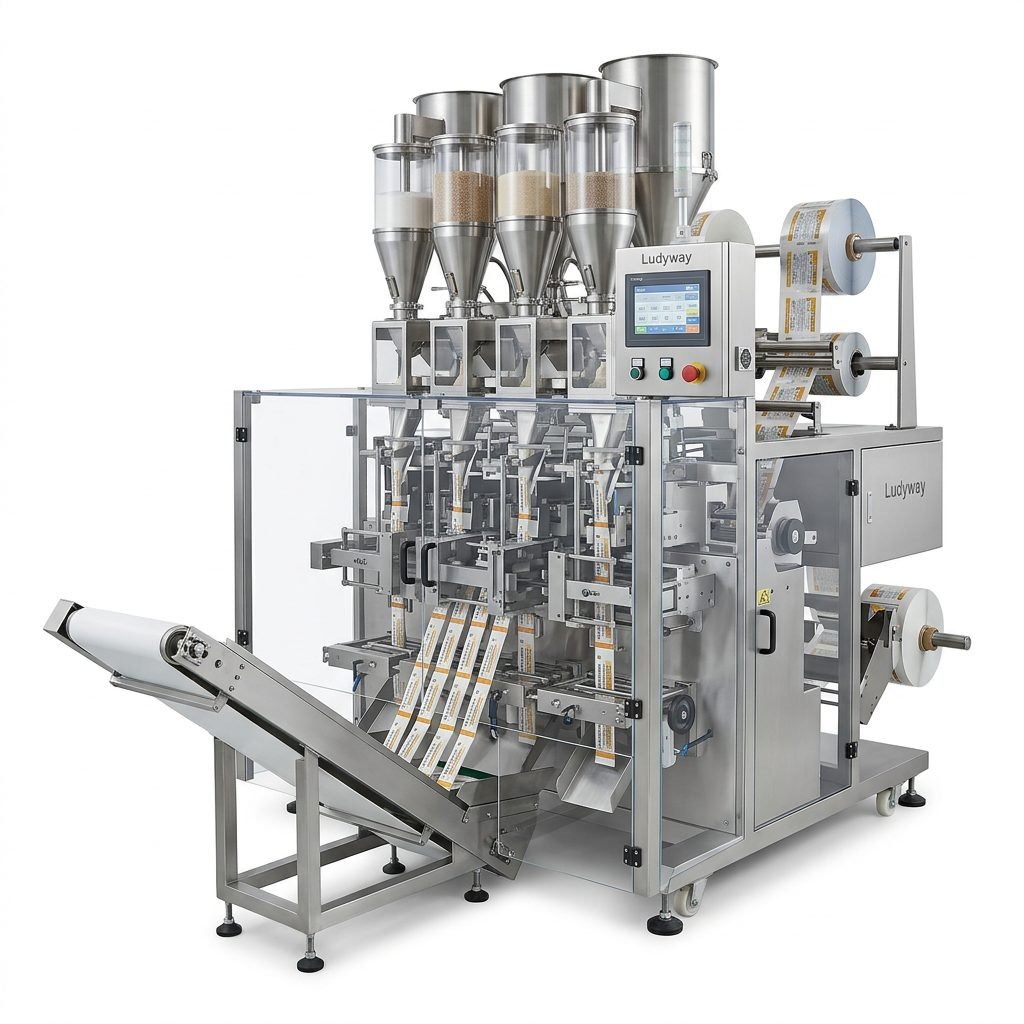
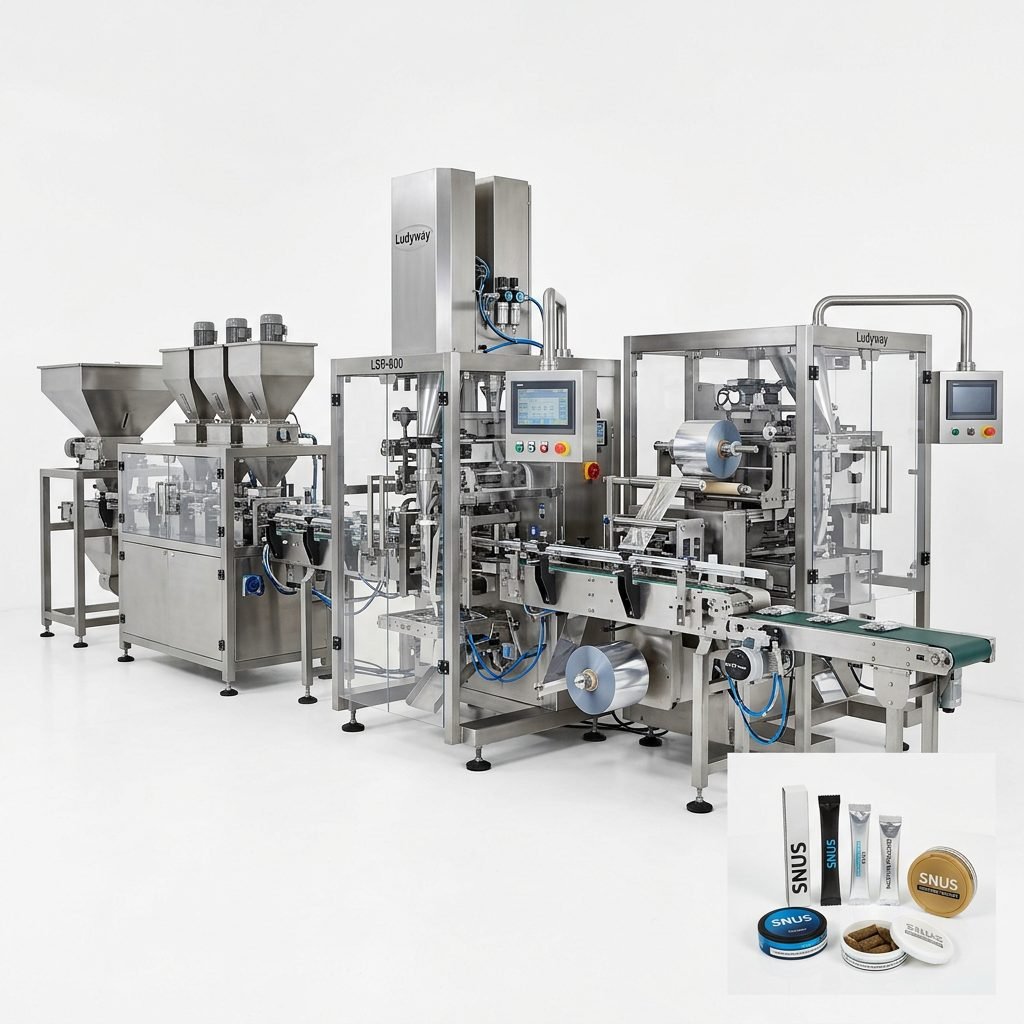
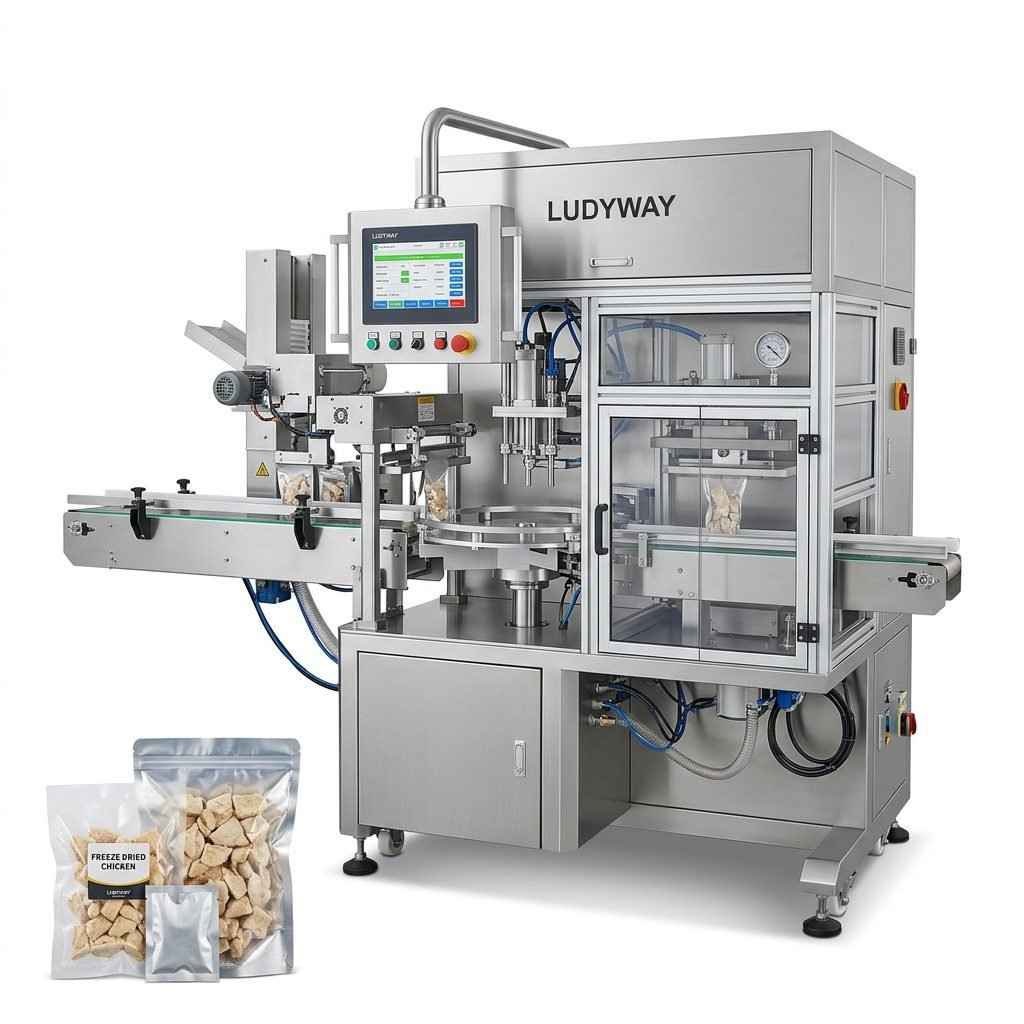
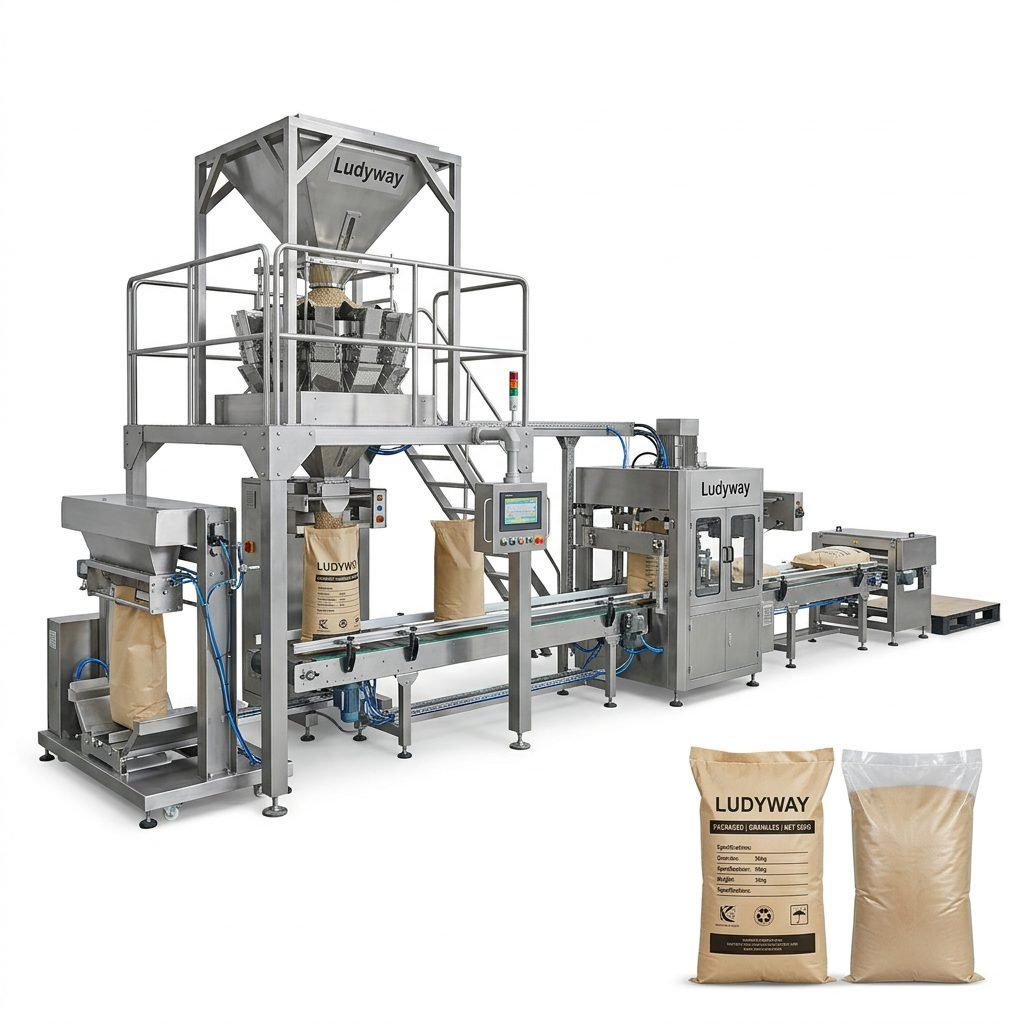
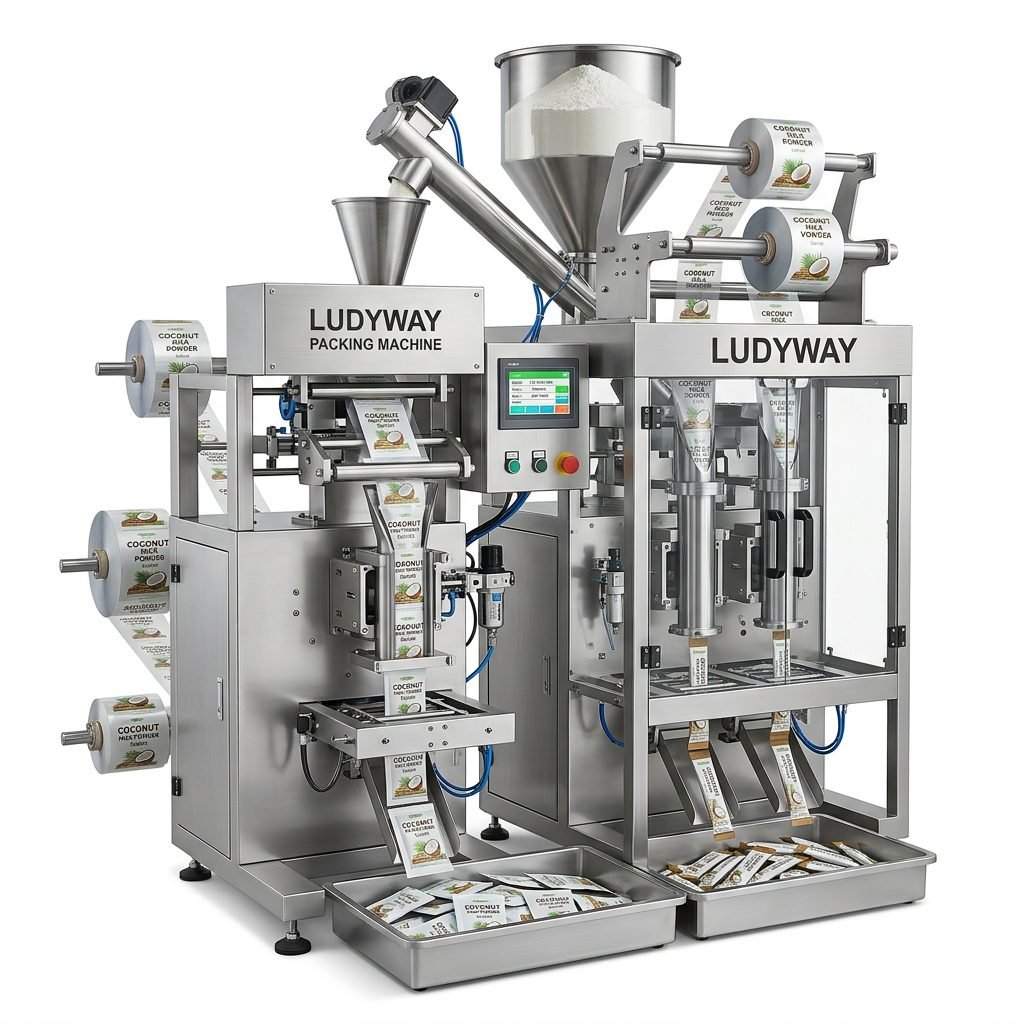
End-of-line packaging automation has become a strategic investment for manufacturers that want to improve throughput, reduce manual handling, and build a more reliable packaging workflow. From case packing and cartoning to sealing, labeling, palletizing, and stretch wrapping, automation helps businesses move finished products faster and more consistently while lowering long-term operating costs.
For food, pharmaceutical, cosmetic, chemical, and consumer goods producers, the biggest question is no longer whether automation matters, but how much value it can deliver at the final stage of production. The answer is often significant: better efficiency, lower labor dependency, improved product protection, and more predictable output.
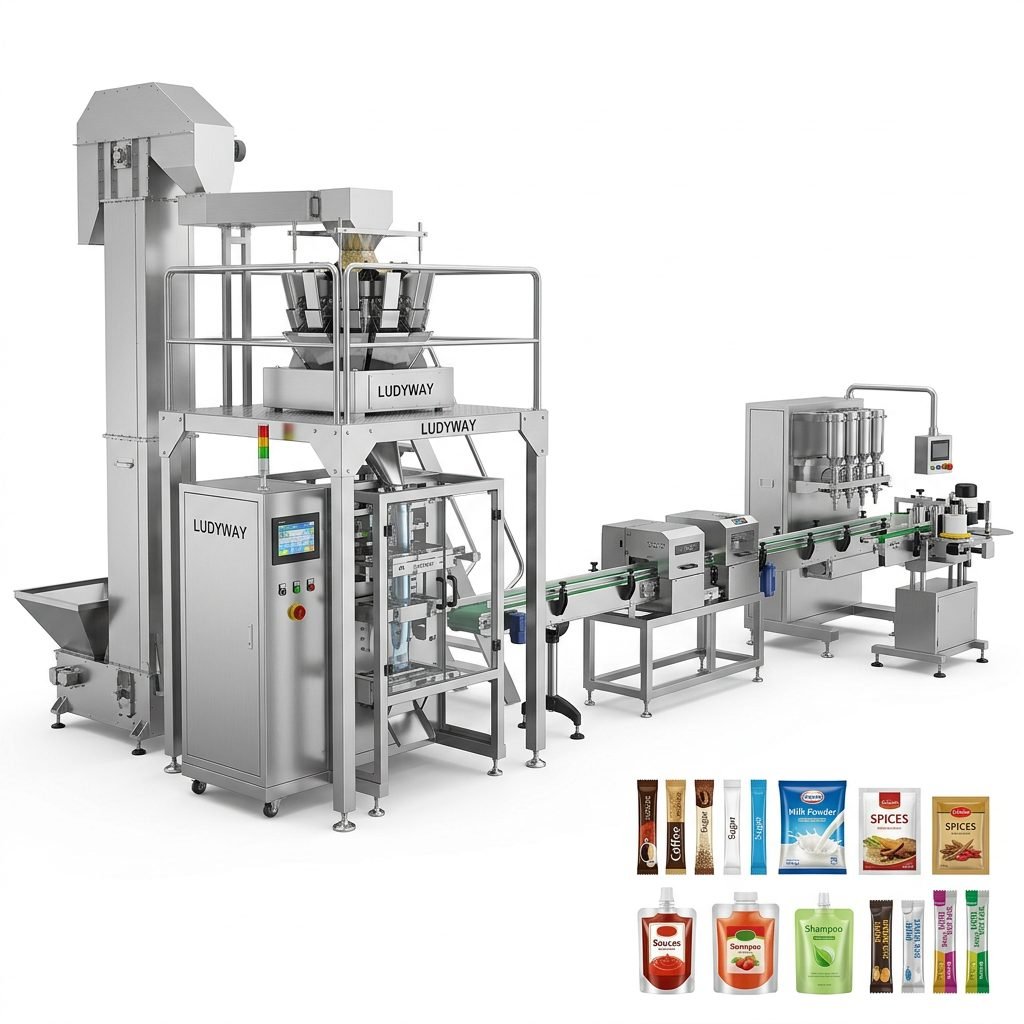
Why End-of-Line Packaging Automation Matters
The end-of-line stage is where products are prepared for shipping, storage, retail display, or distribution. If this section depends too heavily on manual work, it can slow down the entire line, create bottlenecks, and increase the chance of errors. Automated systems solve these problems by coordinating repetitive tasks with higher speed and better repeatability.
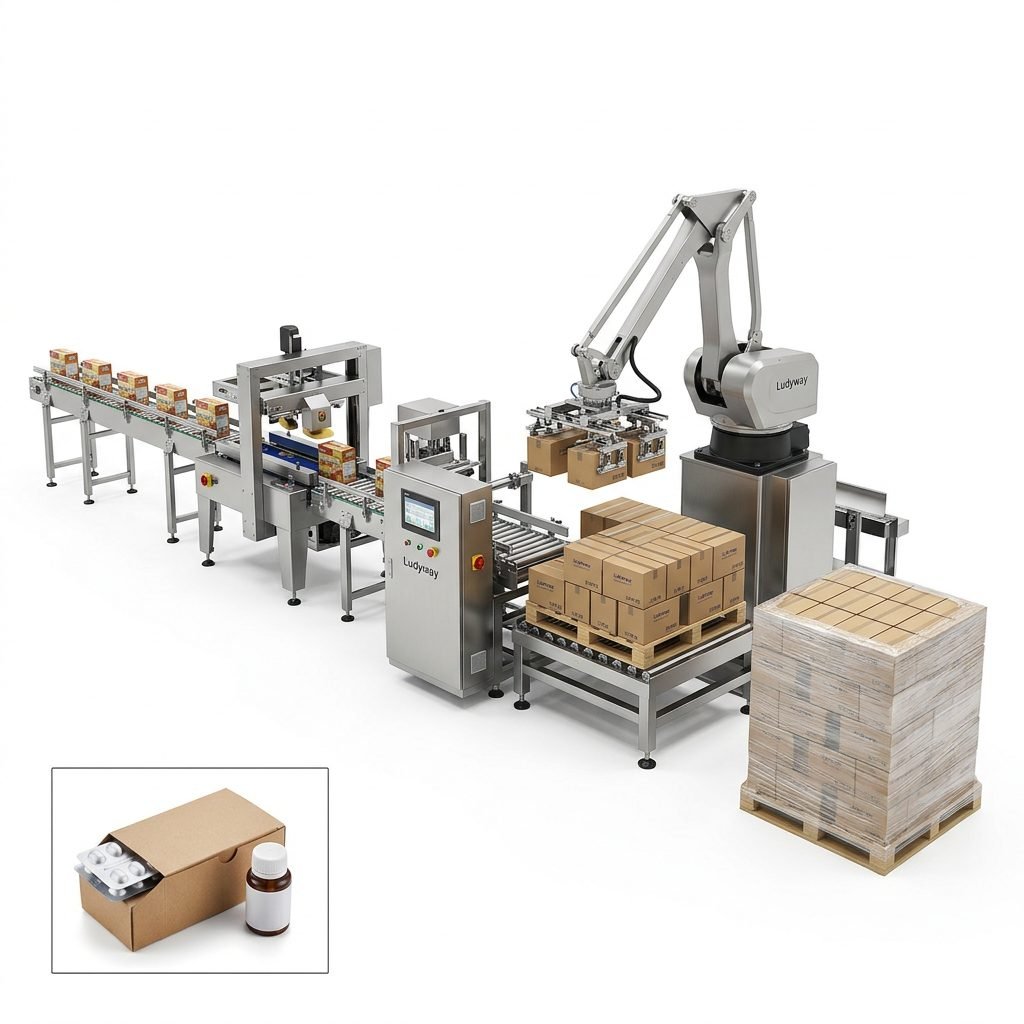
Typical end-of-line automation may include:
- Automatic case erecting and case packing
- Carton sealing and labeling
- Checkweighing and inspection
- Robotic pick-and-place operations
- Palletizing and depalletizing
- Stretch wrapping and load securing
- Barcode marking and traceability integration
Key Benefits of End-of-Line Packaging Automation
1. Higher Packaging Efficiency
One of the most immediate benefits is faster output. Automated systems can perform repetitive tasks continuously with stable cycle times, which reduces delays between primary packaging and shipment preparation. Instead of relying on manual packing speed or operator availability, manufacturers can maintain a more even production rhythm.
This is especially valuable for high-volume operations where even small delays at the line end can affect the entire plant. A well-integrated automated end-of-line system turns the final packaging area from a bottleneck into a productivity driver.
2. Lower Labor Costs
Manual end-of-line work often requires multiple operators for packing, stacking, sealing, labeling, and pallet handling. Automation reduces dependence on repetitive labor-intensive tasks, helping manufacturers control payroll expenses and redeploy workers to higher-value roles such as quality supervision, machine management, or maintenance.
In regions facing labor shortages, seasonal hiring issues, or rising wages, this cost advantage becomes even more important. Automation also makes staffing needs more predictable across shifts.
3. Improved Packaging Consistency
Uniform carton sealing, precise label placement, accurate stacking, and stable pallet loads all affect product presentation and transport safety. Automated systems deliver repeatable results that are difficult to maintain manually over long production runs.
Consistency matters not only for appearance, but also for warehouse efficiency, retailer acceptance, and export compliance. Poorly packed cartons or unstable pallets can lead to damaged goods, rejected shipments, and unnecessary returns.
4. Reduced Product Damage
Products can be damaged when manually dropped, misaligned, over-compressed, or poorly stacked. Automation helps control how products are grouped, transferred, boxed, and palletized. As a result, manufacturers can reduce breakage, leakage, crushed cartons, and transit losses.
This benefit is particularly important for fragile goods, pharmaceutical products, premium consumer items, and products shipped over long distances.
5. Better Workplace Safety
End-of-line packaging often includes repetitive lifting, twisting, stacking, and pallet handling. These tasks increase the risk of fatigue and injury. By automating the heaviest and most repetitive motions, companies can create a safer working environment and reduce the frequency of ergonomic issues.
Safer operations can also lower compensation claims, reduce lost work time, and support stronger compliance with workplace safety standards.
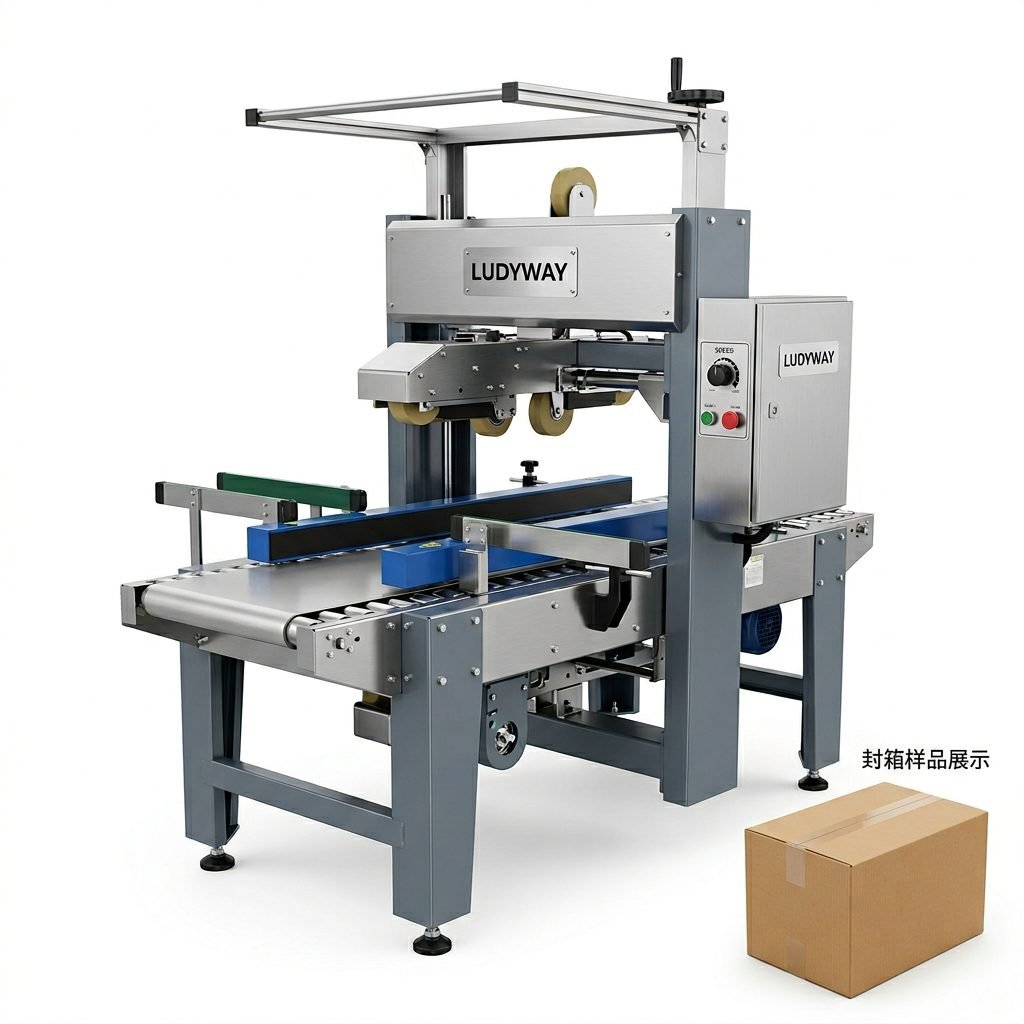
6. Greater Production Scalability
As output increases, manual packaging teams often struggle to keep pace. Automation gives manufacturers a practical way to scale without expanding labor at the same rate. Additional modules such as case packers, palletizers, or coding systems can often be integrated as production demand grows.
This modular approach supports future expansion while protecting the original investment.
7. Better Traceability and Quality Control
Modern automated packaging lines can connect with printers, scanners, vision inspection systems, and checkweighers. This makes it easier to manage date coding, barcode verification, serial tracking, weight control, and rejection of non-conforming products.
For industries such as pharmaceuticals and food, traceability is a major operational advantage. Automated data capture reduces human error and helps support audits, recalls, and regulatory documentation.
8. Lower Overall Operating Costs
Although automation requires upfront investment, the total cost picture is often favorable over time. Savings may come from:
- Reduced labor requirement
- Lower rework and product waste
- Less packaging material misuse
- Fewer shipment damages
- More efficient use of floor labor and warehouse handling
- Improved uptime and line balance
When all these factors are combined, the return on investment can be compelling, especially for medium- to high-volume manufacturers.
Manual vs. Automated End-of-Line Packaging
| Factor | Manual Operation | Automated Operation |
|---|---|---|
| Speed | Variable, operator-dependent | Stable and high-output |
| Labor Requirement | High | Lower |
| Consistency | Can vary by shift | Repeatable and controlled |
| Product Damage Risk | Higher | Lower |
| Traceability | Limited | Integrated and data-driven |
| Scalability | Requires more people | Easier to expand |
Where Automation Creates the Most Value
Not every factory starts with the same priorities. However, end-of-line packaging automation usually brings the highest value in the following situations:
- Production lines running multiple shifts
- Facilities experiencing labor shortages or rising wages
- Businesses with high carton or pallet volumes
- Manufacturers shipping fragile or high-value products
- Companies requiring strict coding, inspection, or traceability
- Export-oriented operations needing better load stability and shipping protection
Industries That Benefit Most
End-of-line automation is valuable across many sectors, but it is especially useful in:
- Food packaging for sachets, pouches, cartons, and bulk cases
- Pharmaceutical packaging for compliance, inspection, and serialization support
- Health supplement packaging for high-speed stick pack and sachet output
- Cosmetic packaging for neat presentation and consistent labeling
- Chemical packaging for safer handling and sealed transport preparation
- Pet food and feed packaging for bulk handling, weighing, and pallet stability
How to Evaluate ROI Before Investing
Before implementing an automated solution, manufacturers should assess both direct and indirect returns. A practical ROI review often includes:
| ROI Element | What to Measure |
|---|---|
| Labor Savings | Reduction in operators per shift |
| Output Increase | More cases or pallets processed per hour |
| Waste Reduction | Lower damage, rework, and packaging loss |
| Downtime Impact | Improved line balance and fewer stoppages |
| Shipping Quality | Better pallet integrity and fewer transport claims |
Best Practices for Successful Implementation
To get the most from end-of-line automation, companies should plan carefully rather than buying equipment based on speed alone. The most successful projects usually include:
- Clear production volume targets
- Accurate product and carton specifications
- Future expansion planning
- Compatibility with upstream packaging machines
- Operator training and maintenance support
- Reliable spare parts and technical service
Choosing an experienced supplier is also essential. For manufacturers seeking integrated systems, Ludyway packaging automation solutions support standalone machines and turnkey packaging lines for food, pharmaceutical, health supplement, and related industries.
Common Challenges Automation Helps Solve
Frequent End-of-Line Problems
- Carton packing delays during peak output
- Inconsistent pallet stacking quality
- Labeling errors and unreadable codes
- High manual handling fatigue
- Line stoppages caused by labor gaps
- Shipping damage due to unstable loads
Automation-Driven Improvements
- Steadier workflow from pack-off to shipment
- Improved loading patterns and wrap consistency
- More accurate coding and inspection
- Reduced dependency on repetitive manual tasks
- Better synchronization between equipment sections
- Stronger finished-goods presentation and protection
Final Considerations for Manufacturers
The benefits of end-of-line packaging automation go far beyond replacing manual labor. It improves efficiency, lowers operating costs, supports safer working conditions, and creates a more reliable final packaging process. For growing manufacturers, it also provides the flexibility needed to scale production while maintaining quality standards.
If your production line is already efficient upstream but still slows down at cartoning, sealing, coding, or palletizing, end-of-line automation may be the missing link. When properly matched to your product type, output goals, and plant layout, it can deliver measurable gains in both efficiency and cost savings.