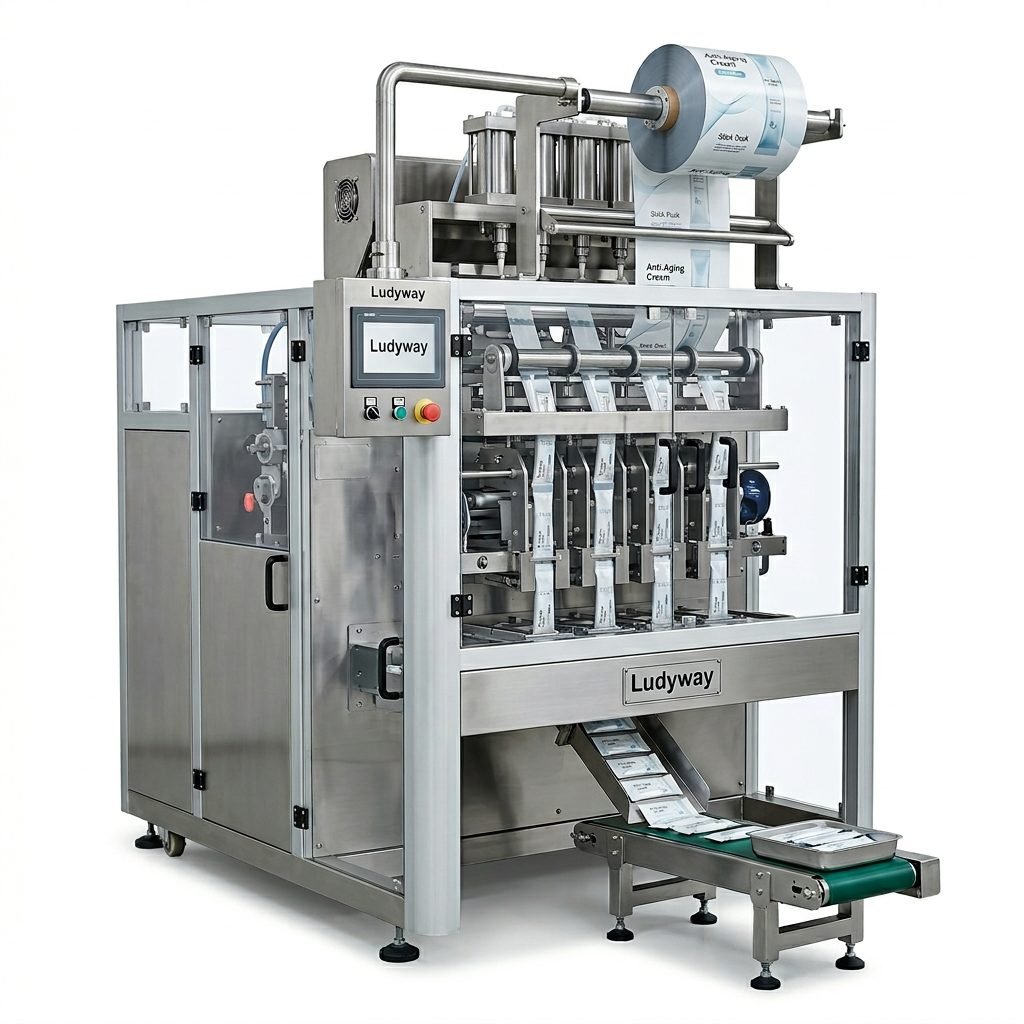
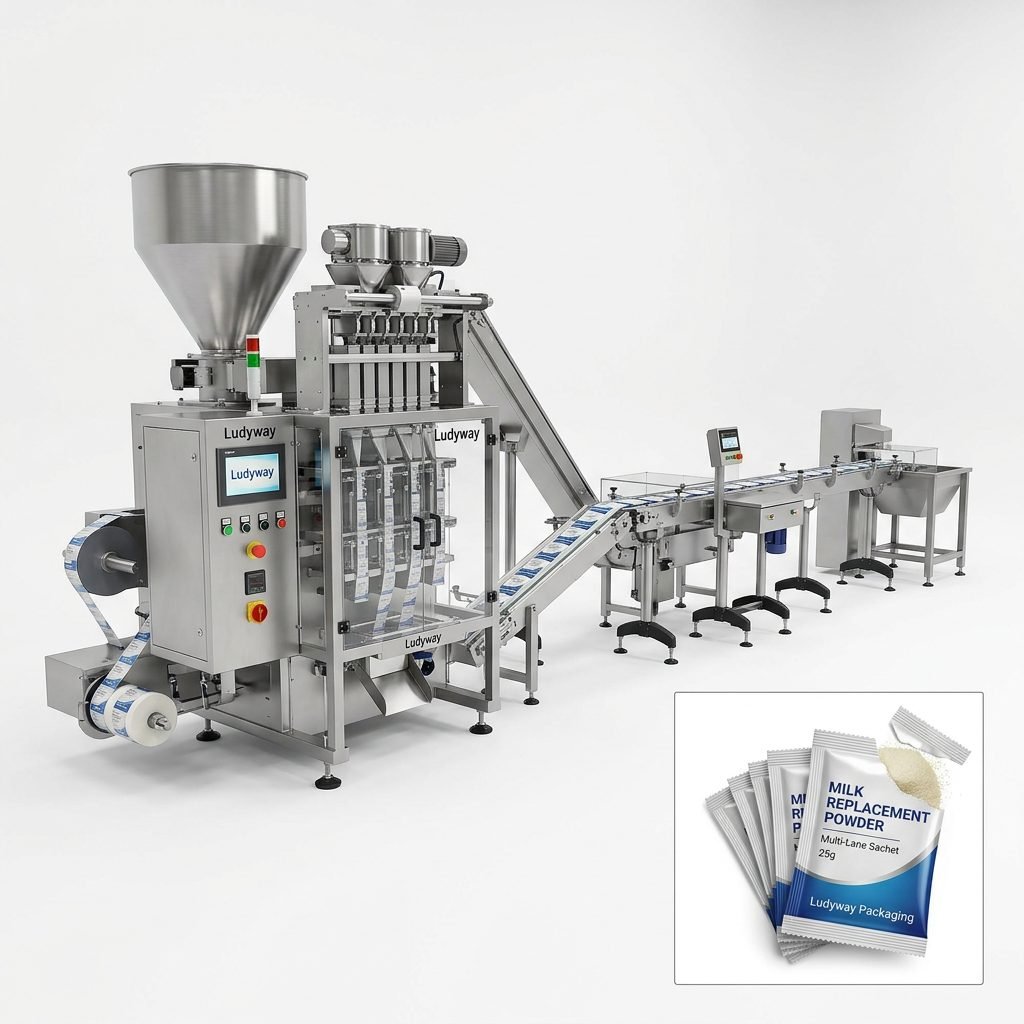
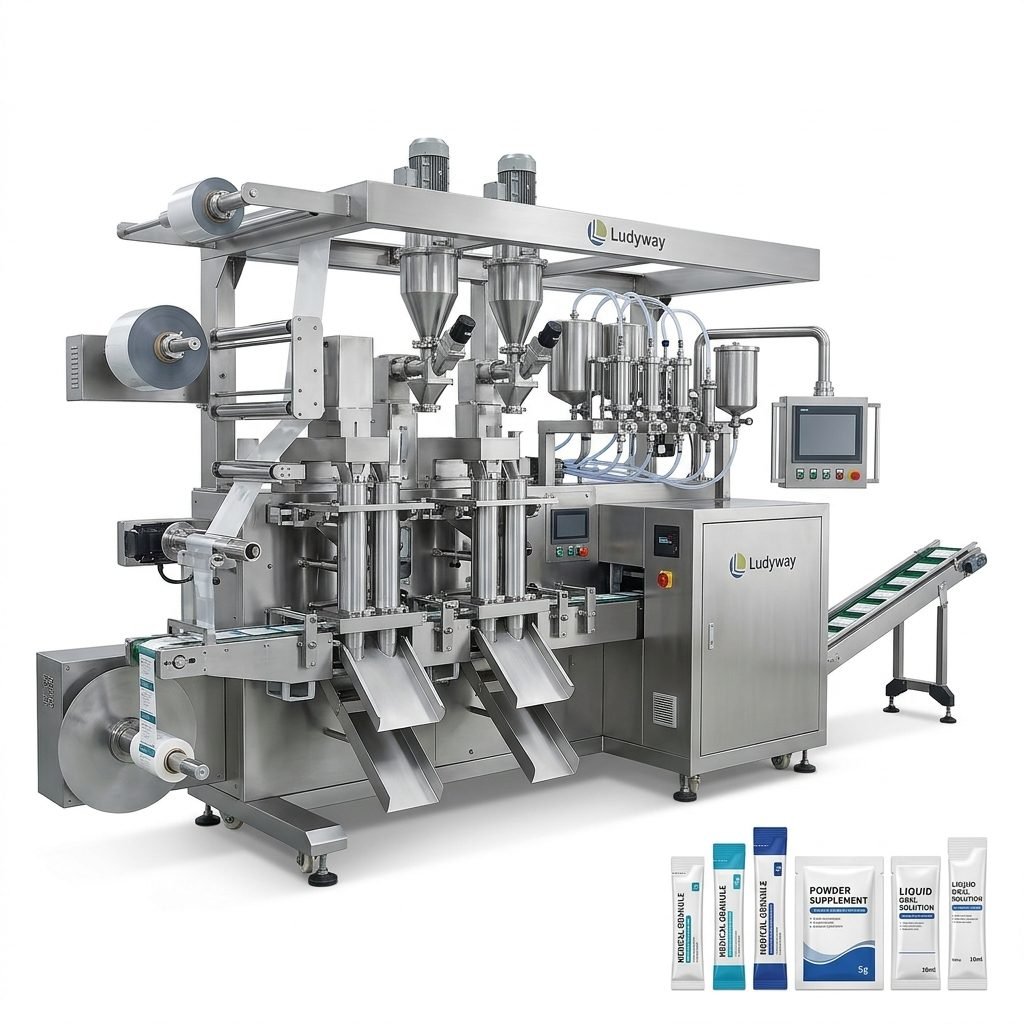
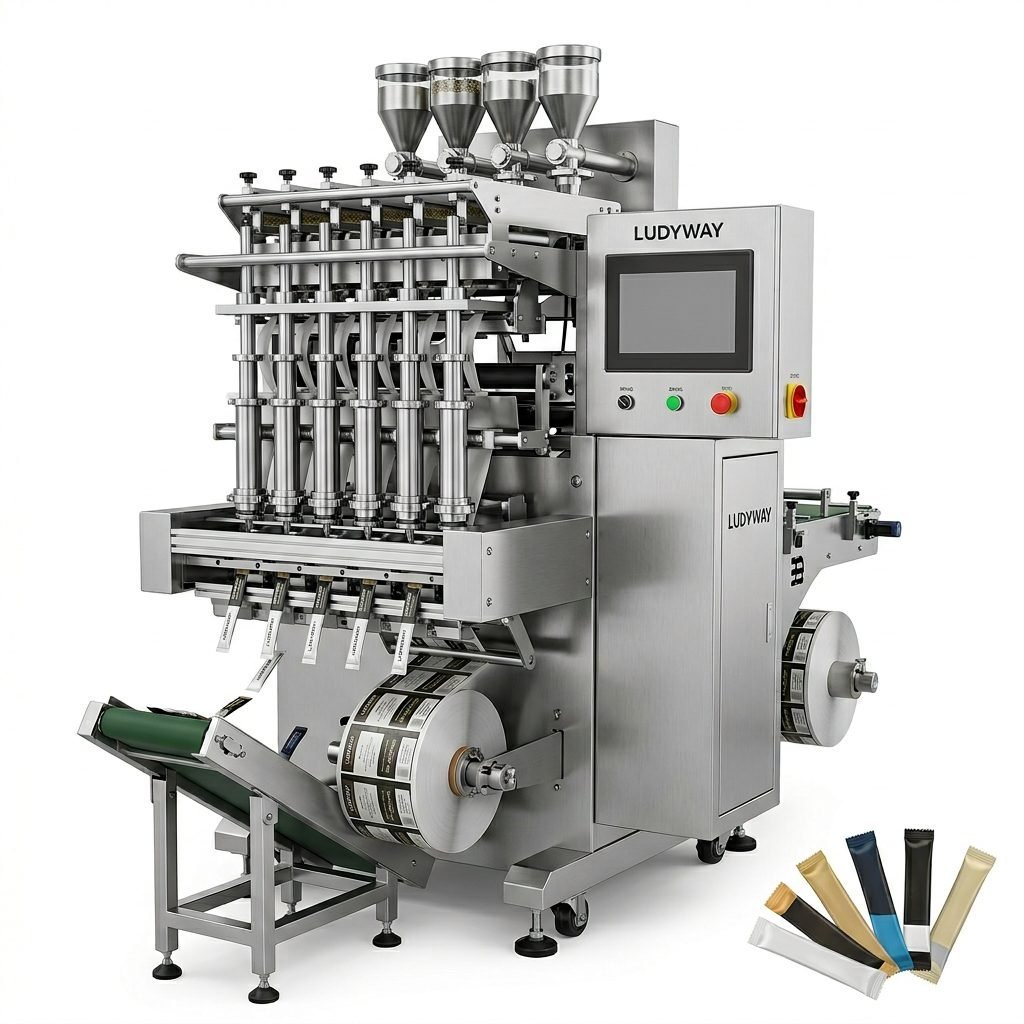
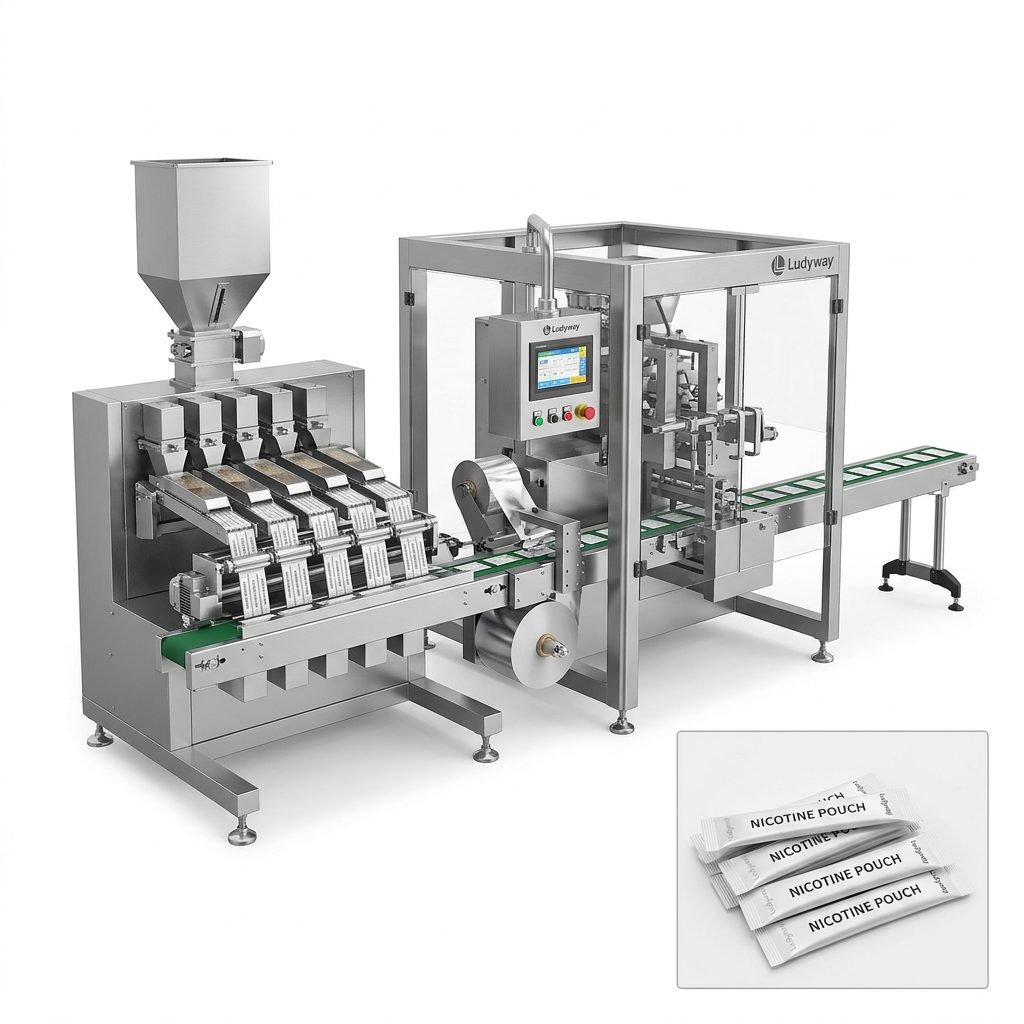
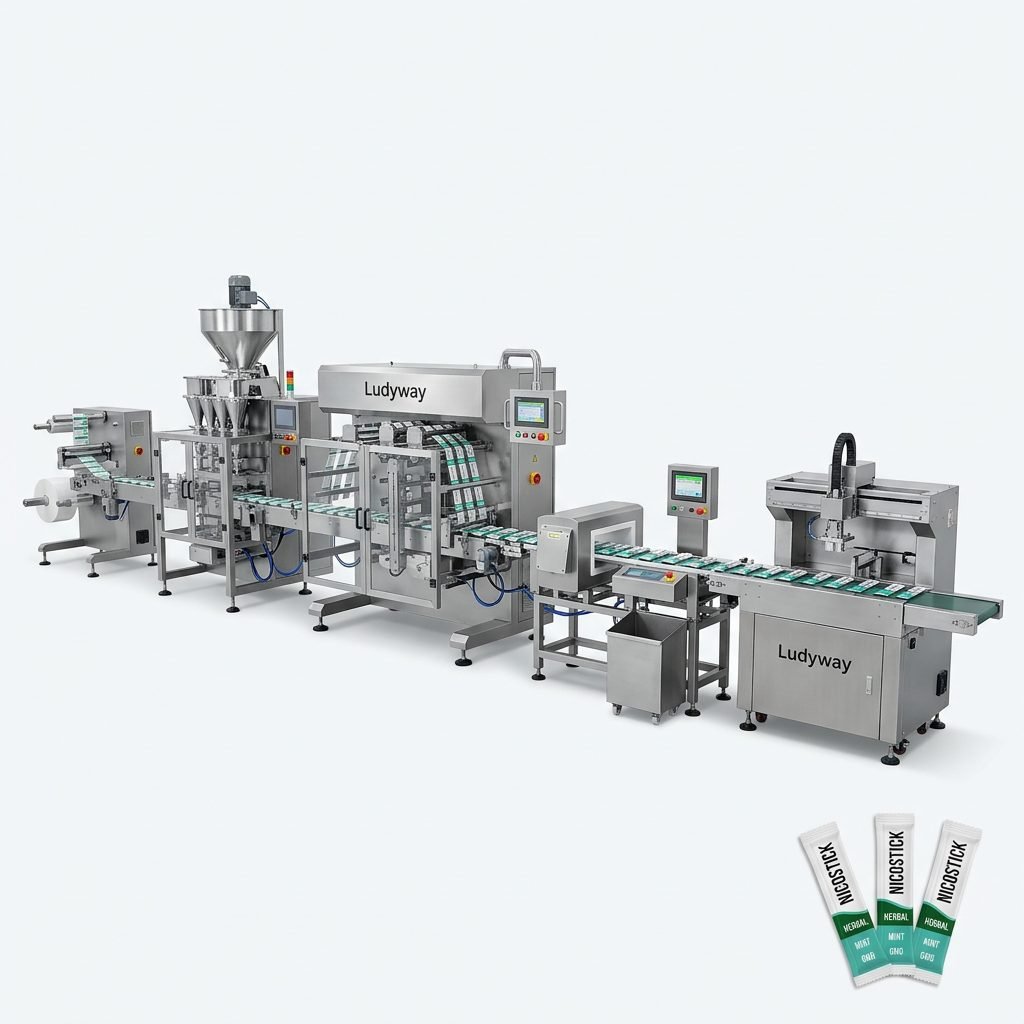
The South American yogurt market is experiencing remarkable growth, driven by increasing health consciousness, rising disposable incomes, and a strong cultural affinity for dairy products. Countries like Brazil, Argentina, Colombia, and Chile represent some of the fastest-growing dairy markets globally. For manufacturers looking to capitalize on this trend, selecting the right yogurt packaging machine is a critical investment decision that directly impacts product quality, shelf life, and operational profitability.
Understanding the South American Yogurt Market Landscape
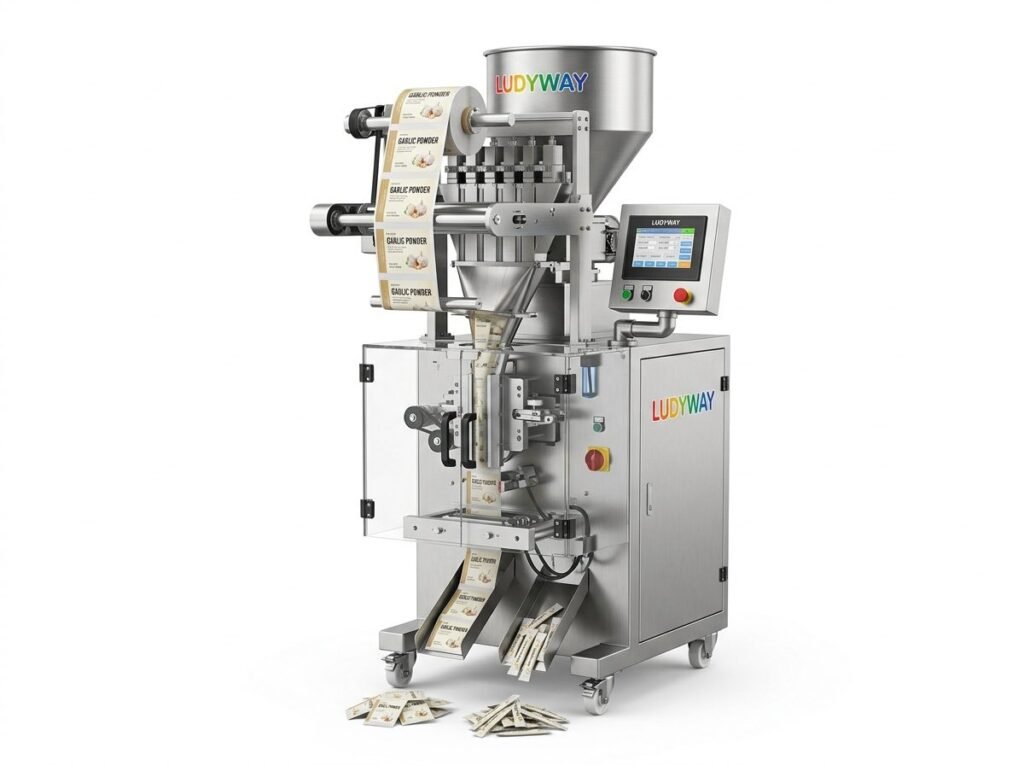
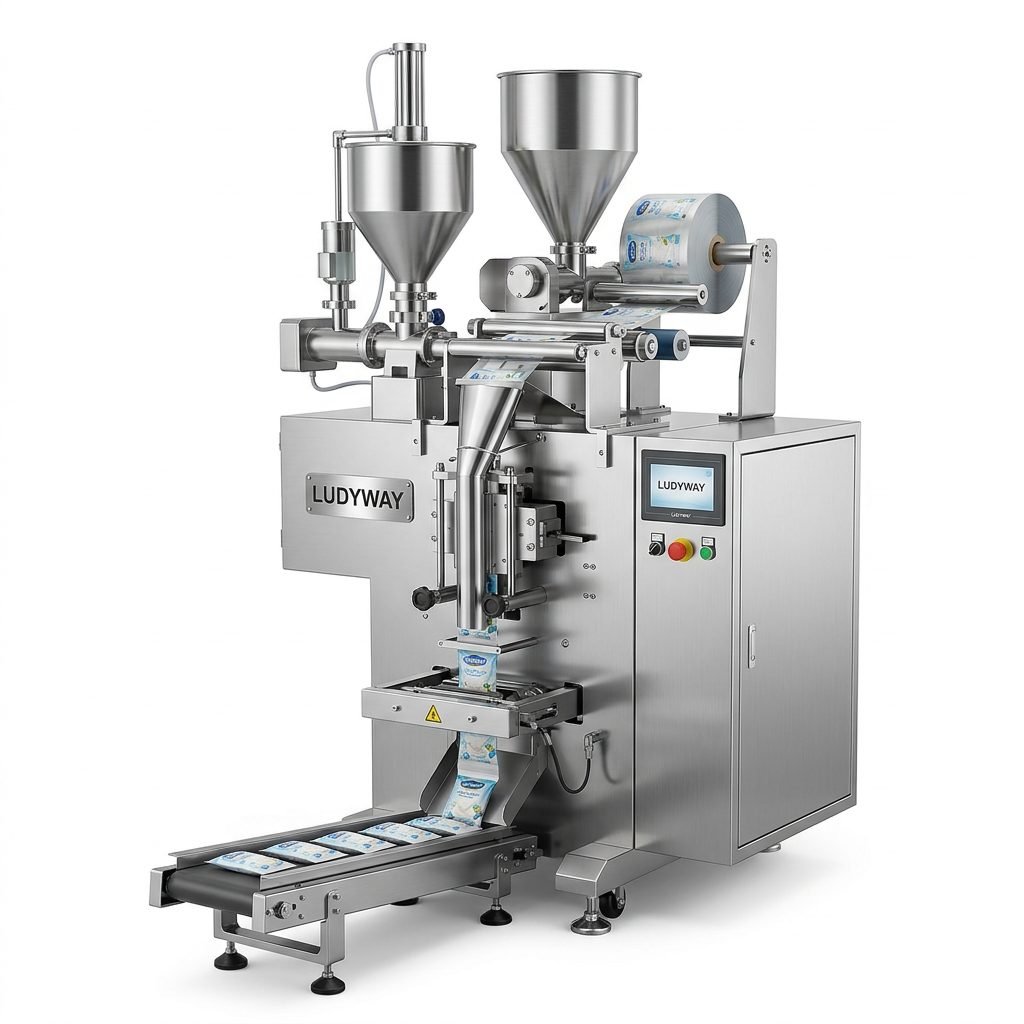
The yogurt sector in South America is not monolithic. It spans a wide spectrum of products, from traditional stirred and set yogurts to drinkable yogurt, Greek-style yogurt, and functional probiotic varieties. Each product type demands specific packaging formats and technologies. Brazilian consumers, for instance, have shown a strong preference for single-serve sachets and stick packs for on-the-go consumption, while Argentine markets see robust demand for family-sized pouches and cups.
When evaluating packaging equipment for this region, manufacturers must consider several unique factors: the humid climate requiring superior barrier properties in packaging materials, the need for versatile machinery capable of handling both liquid and semi-solid yogurt consistencies, and compliance with Mercosur food safety regulations which govern packaging standards across the trading bloc.
Key Yogurt Packaging Formats Popular in South America
Different packaging formats serve different market segments across the continent. Understanding which formats align with your target consumers is essential before investing in machinery.
| Packaging Format | Best Suited For | Key Markets | Typical Sizes |
|---|---|---|---|
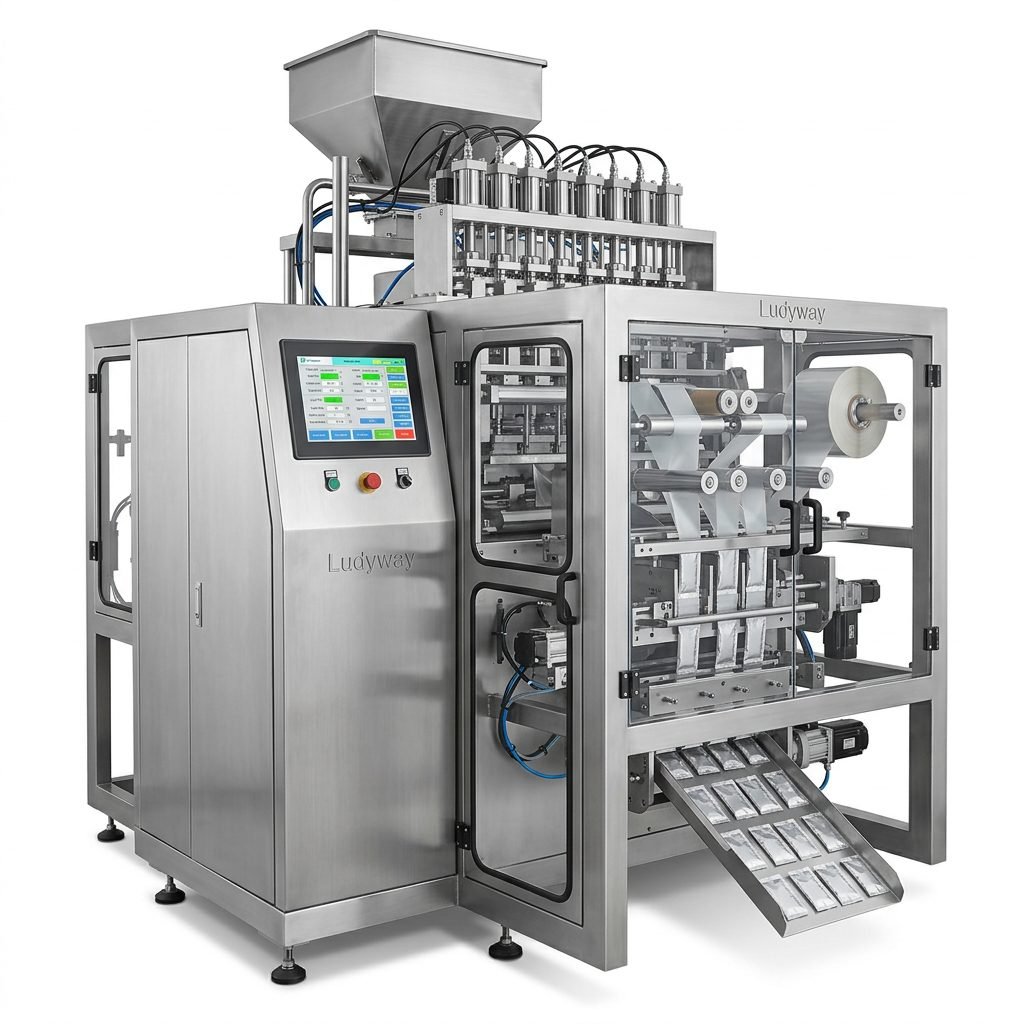
| Multi-Lane Stick Packs | Drinkable yogurt, probiotic shots | Brazil, Chile, Colombia | 10ml – 30ml |
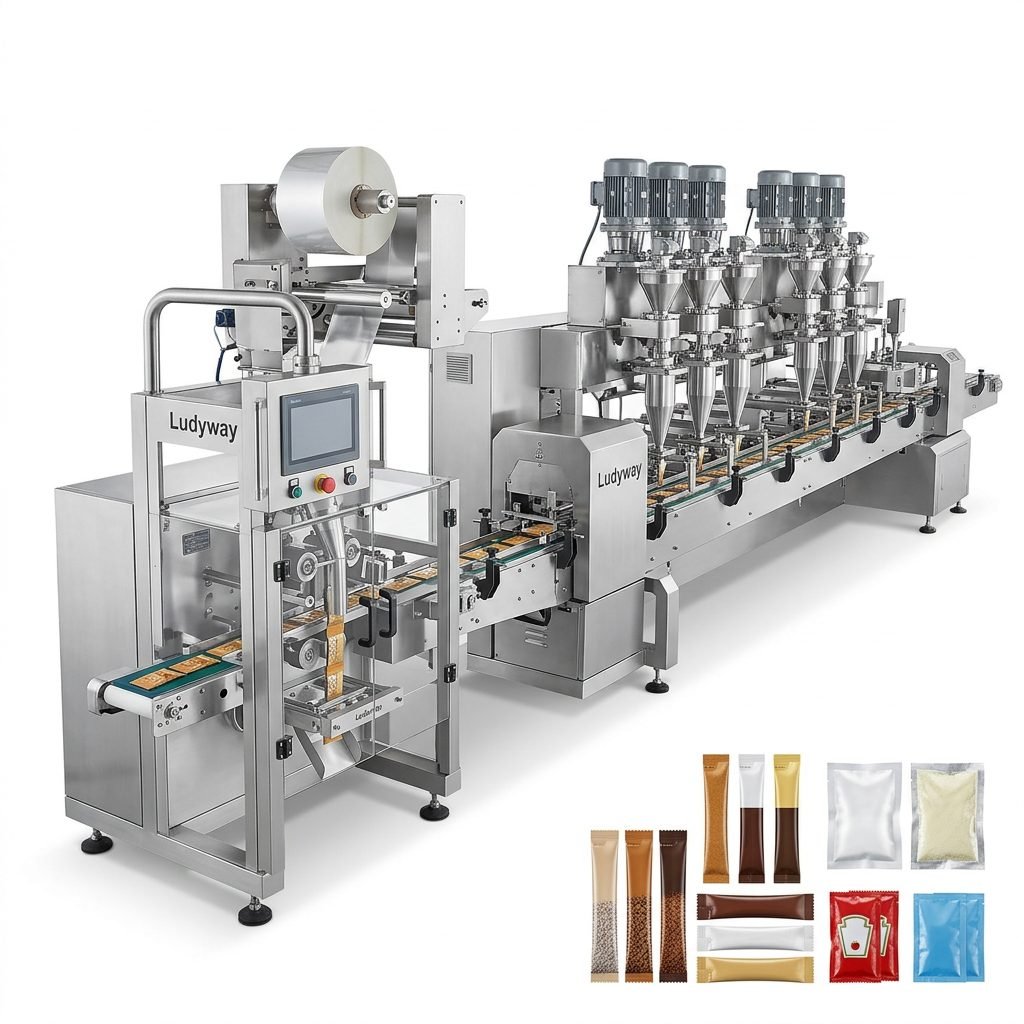
| Single-Serve Sachets | Stirred yogurt, functional yogurt | Brazil, Peru, Argentina | 80ml – 150ml |
| Premade Pouch Packaging | Greek yogurt, family-size yogurt | Argentina, Uruguay, Chile | 200ml – 1000ml |
| Turnkey Cartoning Lines | Multipack yogurt cups, gift sets | All South American markets | Custom configurations |
Stick Pack and Sachet Dominance in Brazil
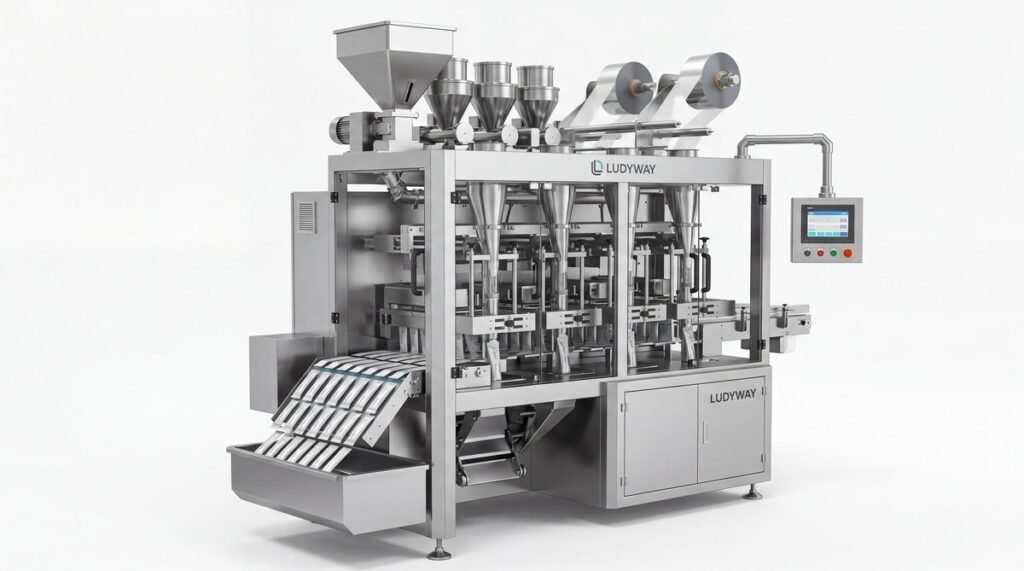
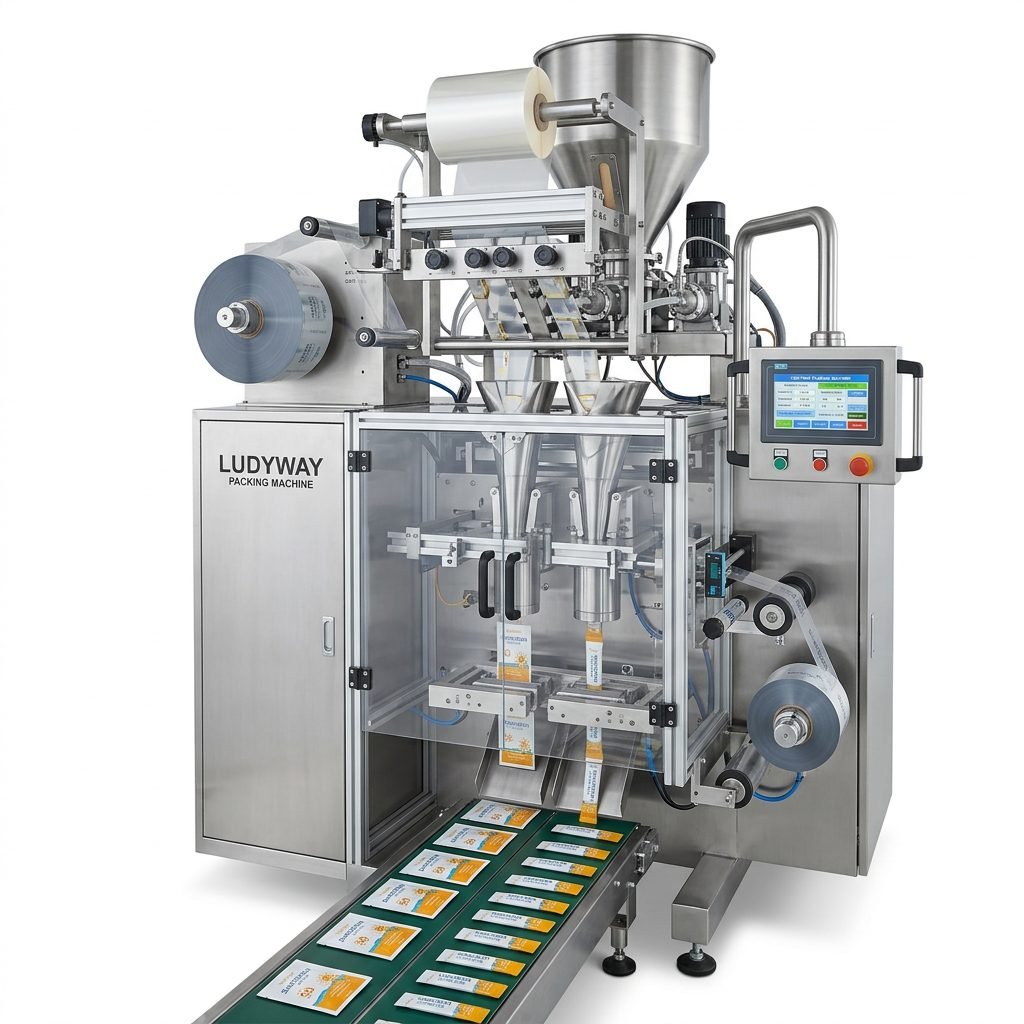
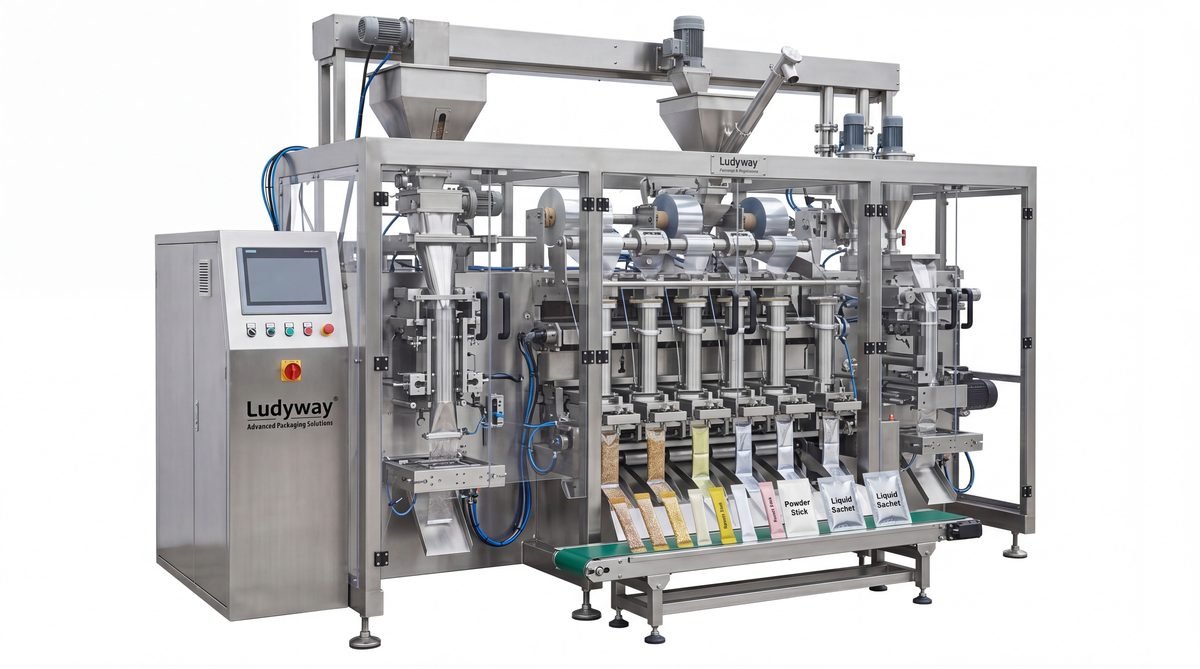
Brazil represents the largest dairy market in South America, and the trend toward convenience packaging has accelerated significantly. Multi-lane stick pack machines capable of producing 400-800 packs per minute are increasingly in demand for drinkable yogurt and probiotic supplements. These machines offer excellent portion control, minimal material waste, and high production efficiency — critical factors for competitive Brazilian manufacturers.
Critical Technical Specifications to Evaluate
When sourcing a yogurt packaging machine for South American operations, certain technical specifications deserve particular attention. The filling accuracy for liquid and semi-viscous products is paramount — look for machines with precision dosing mechanisms like piston fillers or magnetic flow meters, with accuracy within ±0.5% of target volume. Production speed requirements vary widely: a small artisanal producer in Colombia may need 30-60 packs per minute, while a large Brazilian dairy conglomerate may require 400-600 packs per minute across multiple lanes.
- Filling System Type: Piston filler for thick Greek yogurt; peristaltic pump for probiotic drinks with active cultures; magnetic flow meter for drinkable yogurt requiring high accuracy.
- Automation Level: Consider whether you need semi-automatic equipment for startup production or fully automated packaging systems with integrated weighing, filling, sealing, coding, and cartoning capabilities.
- Material Compatibility: The machine must handle laminate films with aluminum barrier layers common in South American yogurt packaging to protect against humidity and extend shelf life.
- Changeover Flexibility: Look for tools-free changeover features if you produce multiple flavors or formats, reducing downtime between production runs from hours to minutes.
- Sanitary Design: Equipment should comply with CIP (Clean-in-Place) protocols and feature stainless steel construction with minimal crevices to prevent bacterial contamination.
Mercosur Regulatory Compliance
Yogurt producers in South America must navigate the regulatory framework established by Mercosur (Southern Common Market), which harmonizes food safety and packaging standards across member states including Brazil, Argentina, Paraguay, and Uruguay. Packaging materials must meet specific migration limits for substances that contact food products, and labeling requirements under Mercosur GMC Resolutions mandate clear nutritional information in both Spanish and Portuguese for cross-border trade.
Cost Considerations and ROI Analysis
Investing in a yogurt packaging machine requires careful financial analysis tailored to South American market conditions. The total cost of ownership extends beyond the initial purchase price and includes several components that impact your return on investment within the context of local labor costs, energy prices, and financing rates that vary significantly across countries.
| Cost Factor | Estimated Range (USD) | Impact on ROI |
|---|---|---|
| Entry-Level Semi-Automatic Machine | $15,000 – $45,000 | Moderate — suitable for small batch production |
| Mid-Range Multi-Lane System (4-6 lanes) | $80,000 – $180,000 | High — balances output and investment for mid-sized dairies |
| High-Speed Automated Line (8-12 lanes) | $220,000 – $500,000+ | Very high — for large-scale export-oriented producers |
| Annual Maintenance & Spare Parts | 3-5% of machine cost | Ongoing — budget for preventive maintenance and critical spares |
| Operator Training & Installation | $5,000 – $20,000 | One-time — essential for maximizing equipment utilization |
Financing and Local Support
Many South American countries offer development bank financing for food processing equipment through institutions like Brazil’s BNDES or Argentina’s BICE, potentially reducing the effective cost of machinery by 20-40% through subsidized interest rates. Additionally, evaluating the availability of local technical support and spare parts is crucial — extended downtime waiting for components shipped from overseas can quickly erode the competitive advantage of high-speed automation.

Supplier Selection Criteria for South American Buyers
Choosing the right packaging machine manufacturer is as important as the equipment specifications themselves. South American buyers should prioritize suppliers with proven international experience, particularly in markets with similar climatic and regulatory conditions. A manufacturer’s track record in exporting to Latin America, familiarity with Mercosur documentation requirements, and availability of Spanish or Portuguese technical documentation can significantly smooth the procurement and installation process.
- Export Experience: Verify the manufacturer has successfully installed equipment in South American countries and can provide regional references. Understanding of import duties, customs clearance procedures, and local electrical standards (Brazil’s 220V/60Hz vs. Argentina’s 220V/50Hz) is critical.
- After-Sales Service: Evaluate whether the supplier offers remote diagnostic capabilities, local service partners, or can dispatch technicians to your facility within agreed timeframes. For complex automated yogurt packaging systems, installation supervision and operator training are essential services.
- Customization Capabilities: South American yogurt products often have unique characteristics — drinkable yogurt viscosity, Greek yogurt thickness, or regional flavor inclusions like guava or passion fruit pulp — that may require customized filling nozzles, agitation systems, or temperature controls.
- Spare Parts Availability: Confirm that critical spare parts are either stocked locally or can be express-shipped to minimize production disruptions. Common wear items like seals, belts, and heating elements should be easily replaceable.
Visit Leading Trade Fairs for Hands-On Evaluation
For South American buyers, attending international packaging exhibitions provides invaluable opportunities to compare machinery, meet manufacturers, and see equipment in operation. The PACK EXPO International in the United States and FISPAL Tecnologia in São Paulo, Brazil, are two events where major packaging machinery suppliers showcase their latest innovations. Additionally, the Flexible Packaging Association provides industry resources that can inform your purchasing decisions and connect you with reputable equipment suppliers.
Technology Trends Shaping Yogurt Packaging in South America
The yogurt packaging sector is evolving rapidly, and manufacturers serving South American markets should be aware of several technological developments that are reshaping competitive dynamics. Sustainable packaging is increasingly important, with governments across the region — particularly Chile and Colombia — implementing extended producer responsibility laws that require manufacturers to reduce packaging waste and increase recyclability. Machines capable of processing mono-material films and bio-based laminates are gaining preference over traditional multi-layer materials that are difficult to recycle.
Smart packaging technologies are also gaining traction. QR code integration for traceability and consumer engagement, intelligent sensors for freshness monitoring, and serialization capabilities for export compliance are features that modern yogurt packaging equipment should support. The integration of Industry 4.0 principles — including IoT connectivity, predictive maintenance algorithms, and real-time production analytics — allows manufacturers to optimize efficiency and reduce waste in increasingly competitive markets.
| Technology Trend | Adoption in South America | Business Impact |
|---|---|---|
| Sustainable Mono-Material Films | Growing — led by Chile and Colombia | Regulatory compliance, premium positioning |
| Smart QR and NFC Packaging | Emerging — Brazil and Argentina | Consumer engagement, supply chain transparency |
| Industry 4.0 with IoT Sensors | Early adoption — large dairy groups | Reduced downtime, predictive maintenance |
| Aseptic Cold-Fill Technology | Niche — premium probiotic products | Extended shelf life, preservative-free claims |

Production Scale and Machine Configuration
Aligning machine capability with your current production volume and growth trajectory is essential. A mistake many first-time buyers in South America make is either over-investing in capacity that sits idle, or under-investing in equipment that becomes a bottleneck within 18 months.
For small-scale artisanal producers in markets like Peru, Bolivia, or Ecuador, compact single-lane or dual-lane sachet machines with manual or semi-automatic feeding may be appropriate. These systems typically produce 30-80 packs per minute and offer an accessible entry point with lower capital requirements. For mid-sized regional dairies serving multiple states or provinces within a country, 4-6 lane stick pack machines or vertical form-fill-seal systems producing 150-300 packs per minute represent the sweet spot of investment to output ratio.
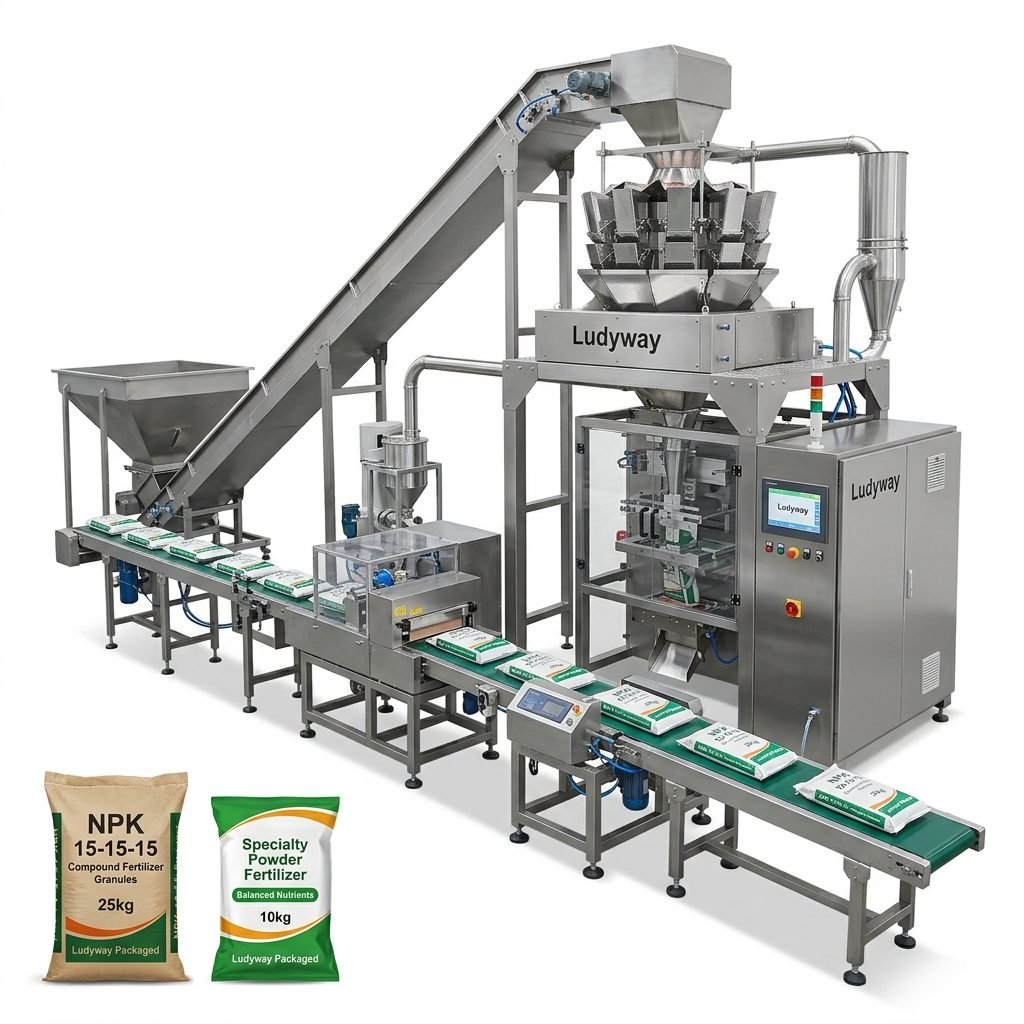
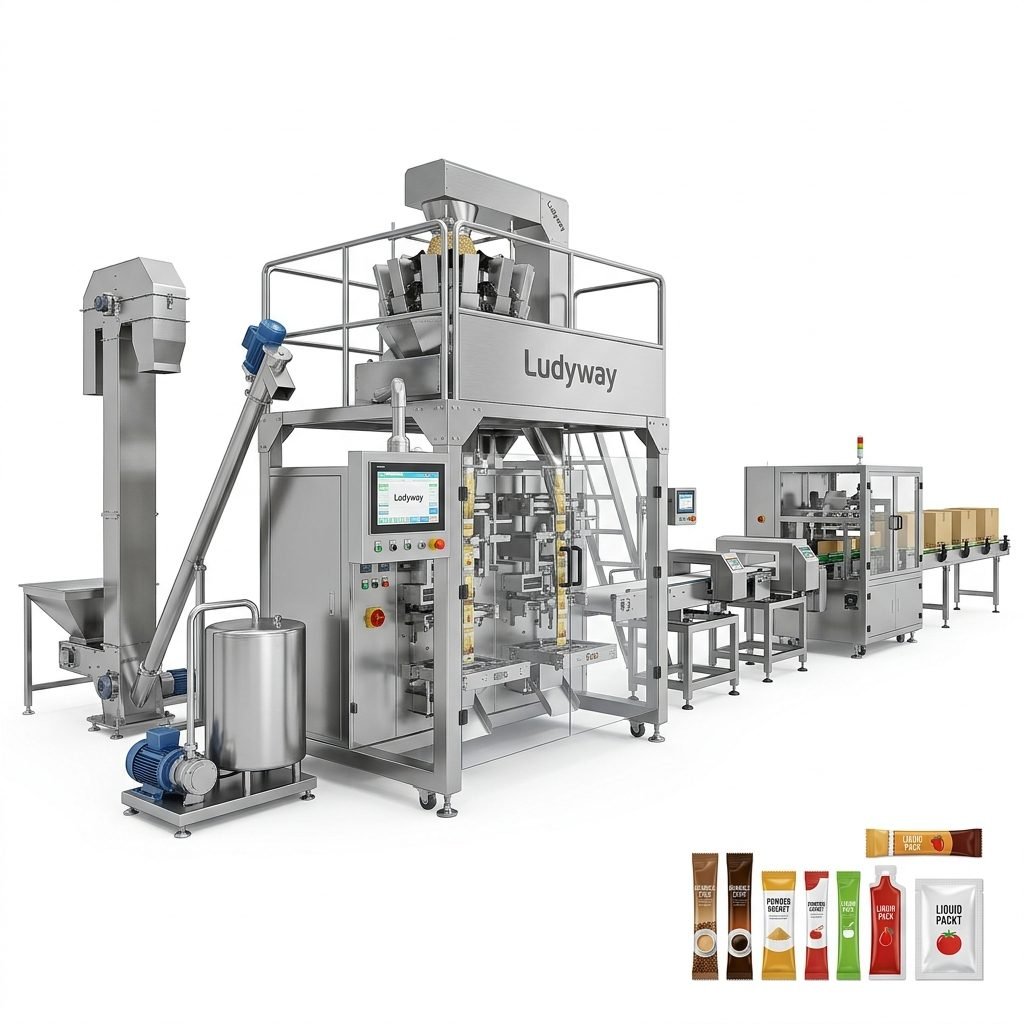
Large-scale industrial producers in Brazil and Argentina, particularly those exporting to other Mercosur countries or beyond, should evaluate fully integrated turnkey solutions that combine high-speed multi-lane packaging machines with automated feeding systems, checkweighers, cartoners, and palletizers. These complete lines can achieve outputs exceeding 600 packs per minute while minimizing labor costs and human error.
Turnkey Solutions for Faster Market Entry
An increasing number of South American dairy companies are opting for turnkey packaging line solutions that integrate all equipment from product feeding through to final case packing. This approach reduces the complexity of coordinating multiple suppliers, ensures compatibility between system components, and shortens the time between equipment delivery and full commercial production. Providers like Ludyway, with its extensive portfolio of packaging machinery and comprehensive project engineering capabilities, can deliver customized turnkey solutions tailored to specific yogurt product types and market requirements.
Practical Steps for Procurement
To ensure a successful purchase process, we recommend the following structured approach specifically tailored for South American buyers:
- Define Your Product and Packaging Requirements: Document the complete range of yogurt products you intend to package, including viscosity profiles, particulate content (fruit pieces, granola inclusions), fill volumes, packaging materials, and target production speeds. This product specification document becomes the foundation for supplier discussions and technical proposals.
- Request Factory Acceptance Testing (FAT): Before shipping, insist on comprehensive factory testing using your actual yogurt product samples, not just water or simulant materials. This reveals real-world performance with your specific product characteristics — critical for products with varying viscosity like stirred yogurt with fruit preparations.
- Plan for Import Logistics: Work with a freight forwarder experienced in South American customs clearance to avoid delays. Factor in import duties (which can range from 10-35% depending on the country and whether the equipment qualifies for any industrial development incentives), port handling fees, and inland transportation.
- Train Your Team: Allocate sufficient time for comprehensive operator and maintenance training. Many equipment failures in South American facilities stem from insufficient training during commissioning, not machine defects themselves.
- Establish Preventive Maintenance Protocols: From day one of operation, implement a structured preventive maintenance schedule aligned with the manufacturer’s recommendations, adjusted for local conditions like humidity and ambient temperature that can accelerate wear on certain components.
Regulatory Documentation Checklist
Ensure your supplier provides the complete documentation package required for Mercosur market entry, including certificates of origin, material certifications for all food-contact surfaces, detailed equipment specifications in metric units, and electrical schematics compatible with local standards. For Brazil specifically, ANVISA (National Health Surveillance Agency) requires documentation demonstrating that packaging equipment meets sanitary design standards for food contact applications.
Conclusion: Making an Informed Decision
Selecting the right yogurt packaging machine for the South American market requires balancing technical requirements, financial considerations, and regional market dynamics. The growing demand for convenient, hygienically packaged yogurt products across Brazil, Argentina, Colombia, Chile, and beyond presents significant opportunities for dairy manufacturers who invest in flexible, efficient, and regulation-compliant packaging equipment.
By carefully evaluating your product portfolio, understanding the packaging preferences of your target consumers, assessing technical specifications against your production goals, and partnering with experienced equipment manufacturers who provide strong after-sales support, you position your business to capture growth in one of the world’s most dynamic dairy markets. The right yogurt packaging equipment is not merely a cost center — it is a strategic asset that differentiates your products on crowded retail shelves and builds consumer trust through consistent quality and attractive presentation.