Investing in a yogurt packaging machine is a significant decision for any dairy producer or co-packer in the United States. With the booming demand for yogurt cups, drinkable yogurts, Greek yogurt, and plant-based alternatives, having the right automated packaging system directly impacts your production efficiency, product shelf life, and brand reputation. This guide breaks down everything you need to know to make an informed purchasing decision tailored to the U.S. market.
1. Understanding Yogurt Packaging Machine Types
Not all yogurt packaging equipment is created equal. The format you choose must align with your product viscosity, target shelf life, and distribution channels. Here are the primary categories available for U.S. manufacturers:
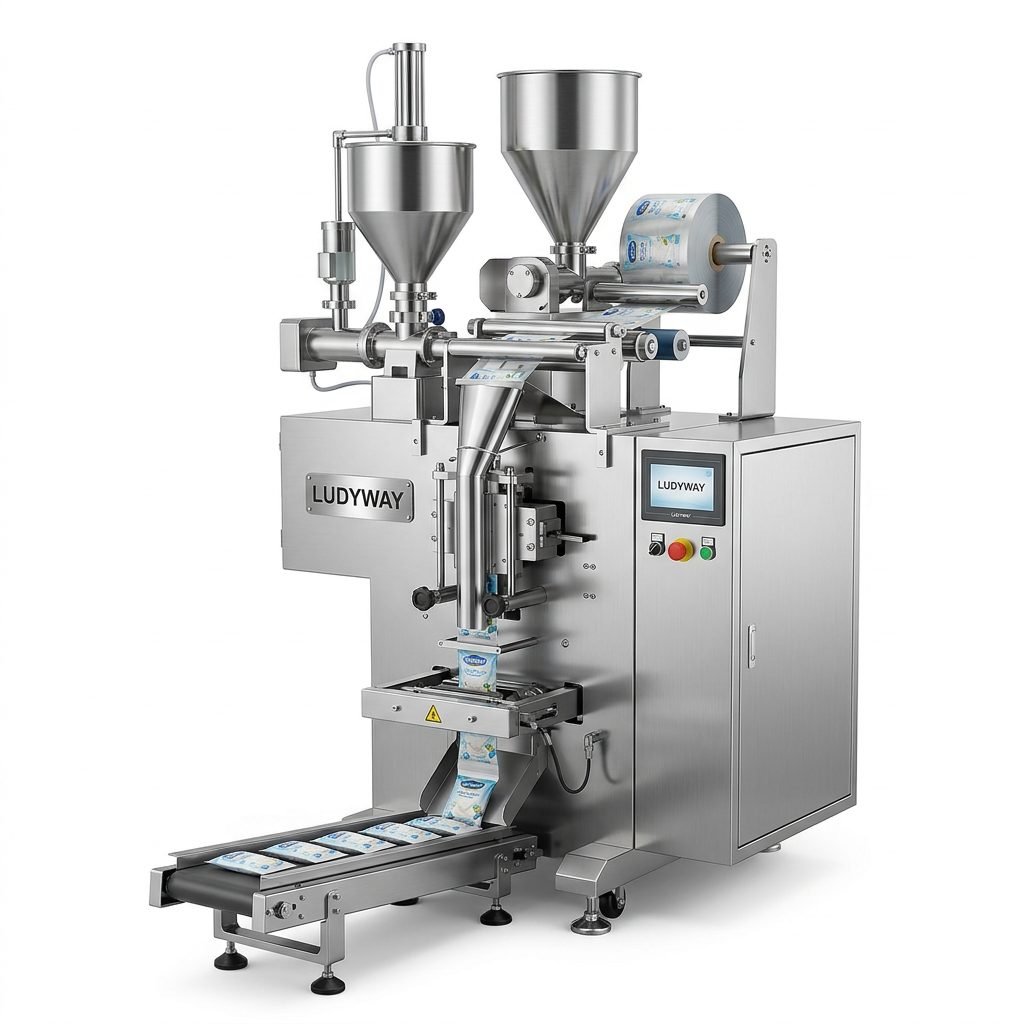
- Form-Fill-Seal (FFS) Machines: Ideal for single-serve cups and multi-packs. These machines thermoform plastic sheets into cups, fill them with yogurt, and seal them with a lid. They are highly efficient for high-volume production lines.
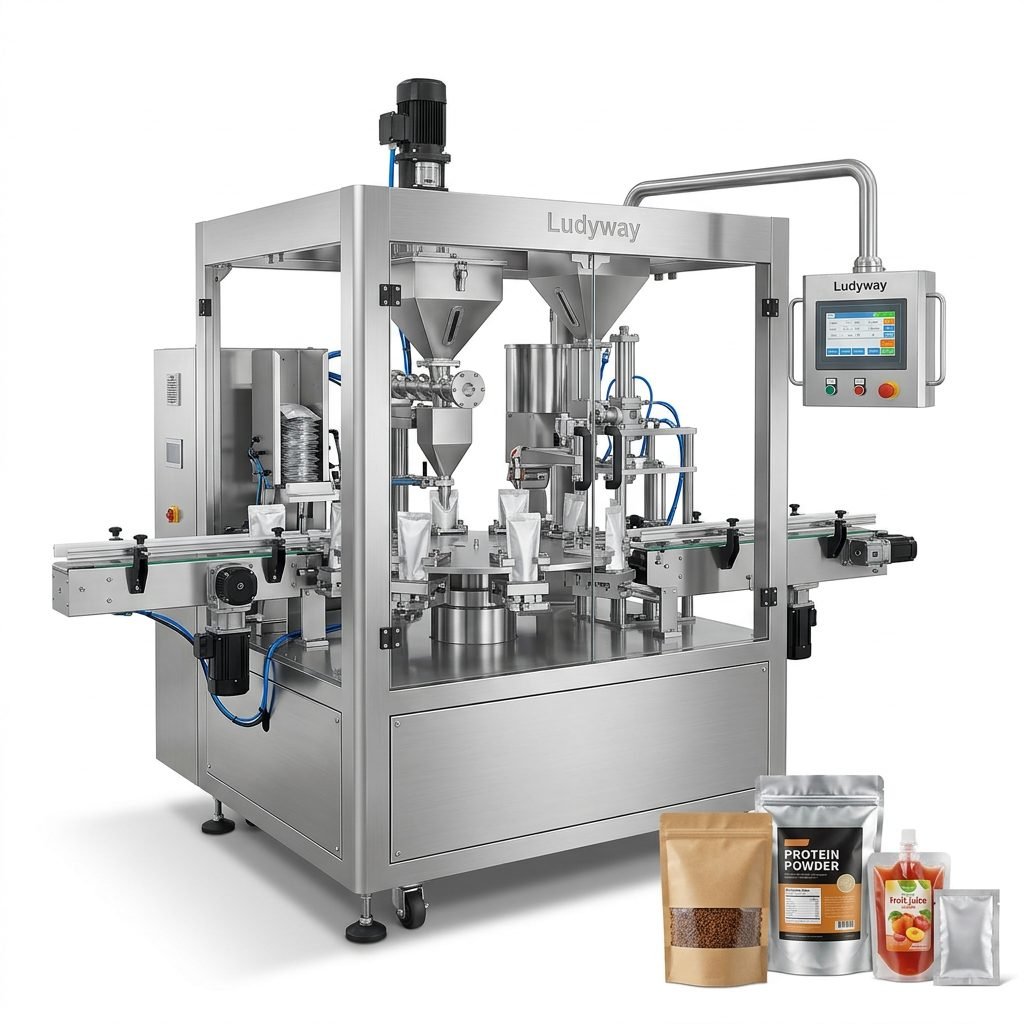
- Pre-Made Cup Fillers: Suitable for premium or rigid packaging. These systems de-nest pre-formed cups, fill them, and apply foil or plastic lids. They offer flexibility for changing cup sizes and shapes.
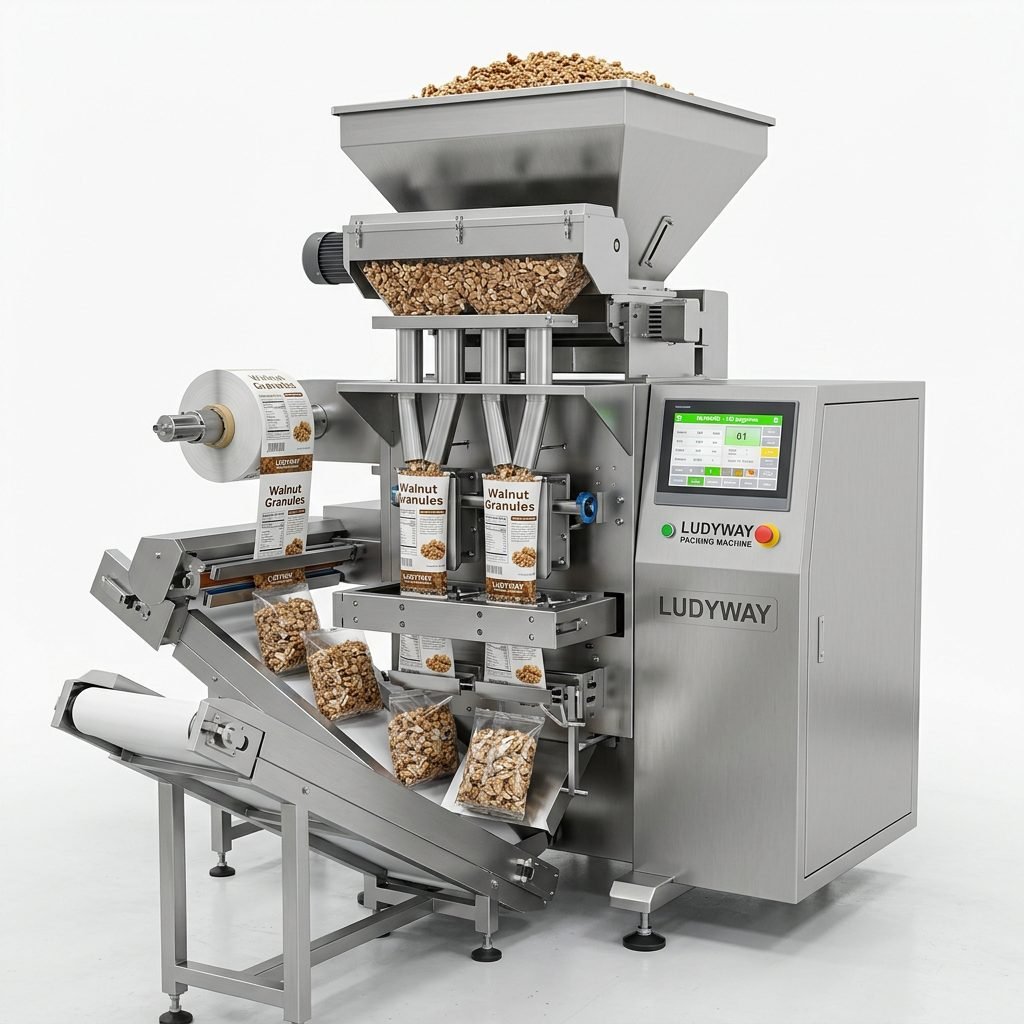
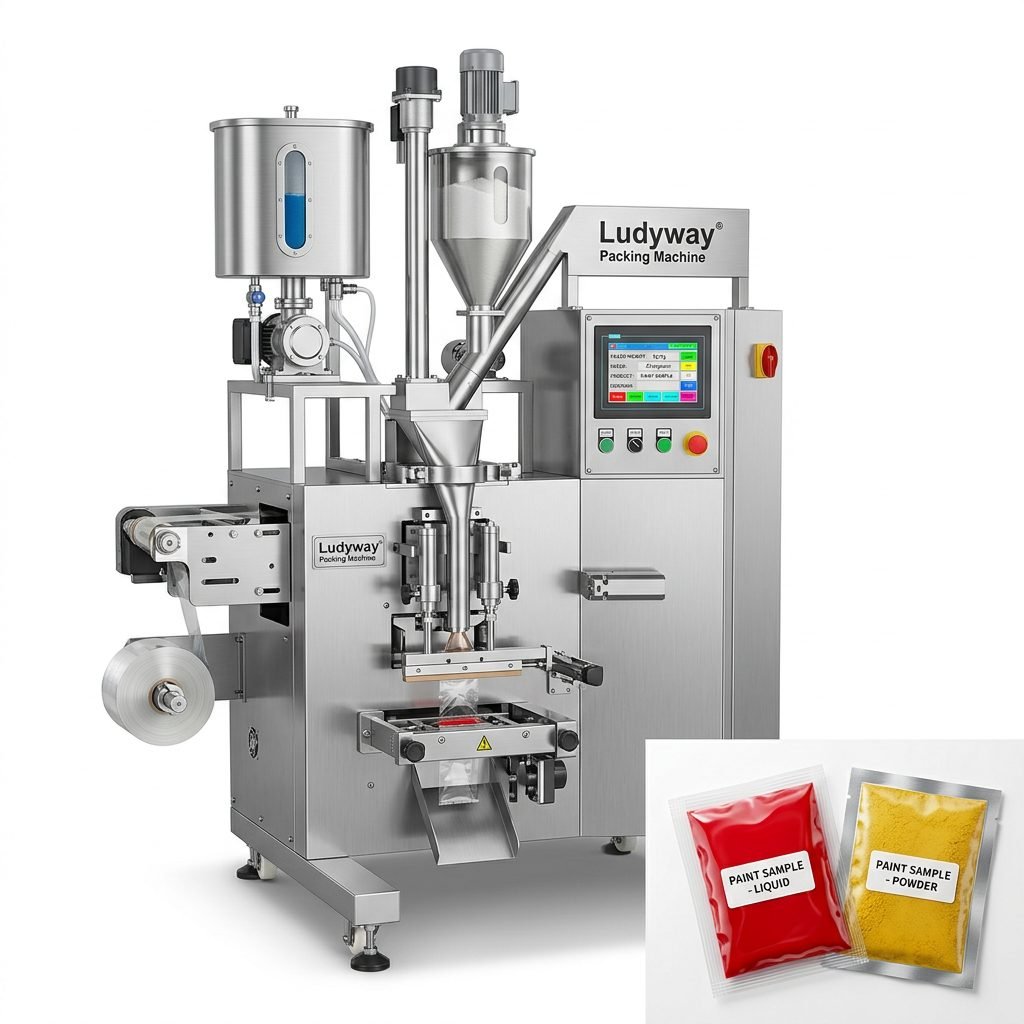
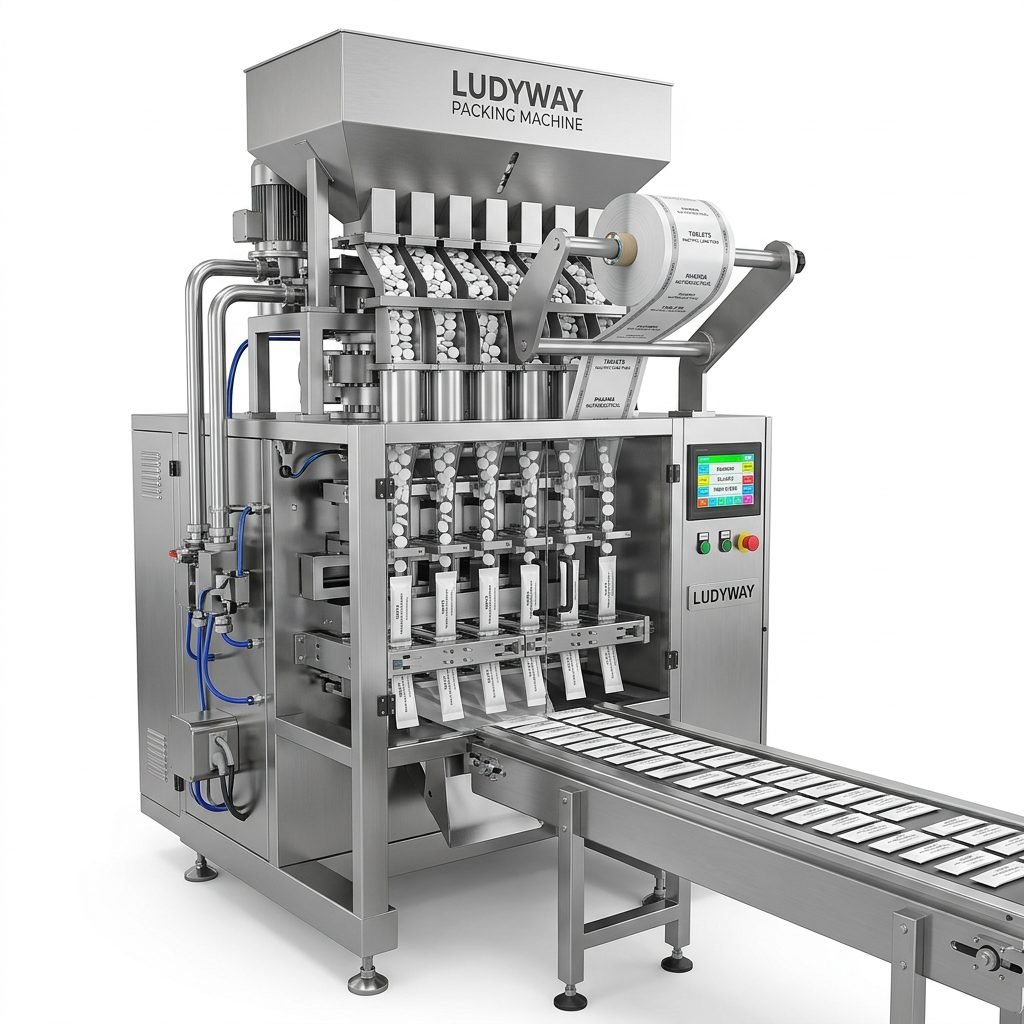
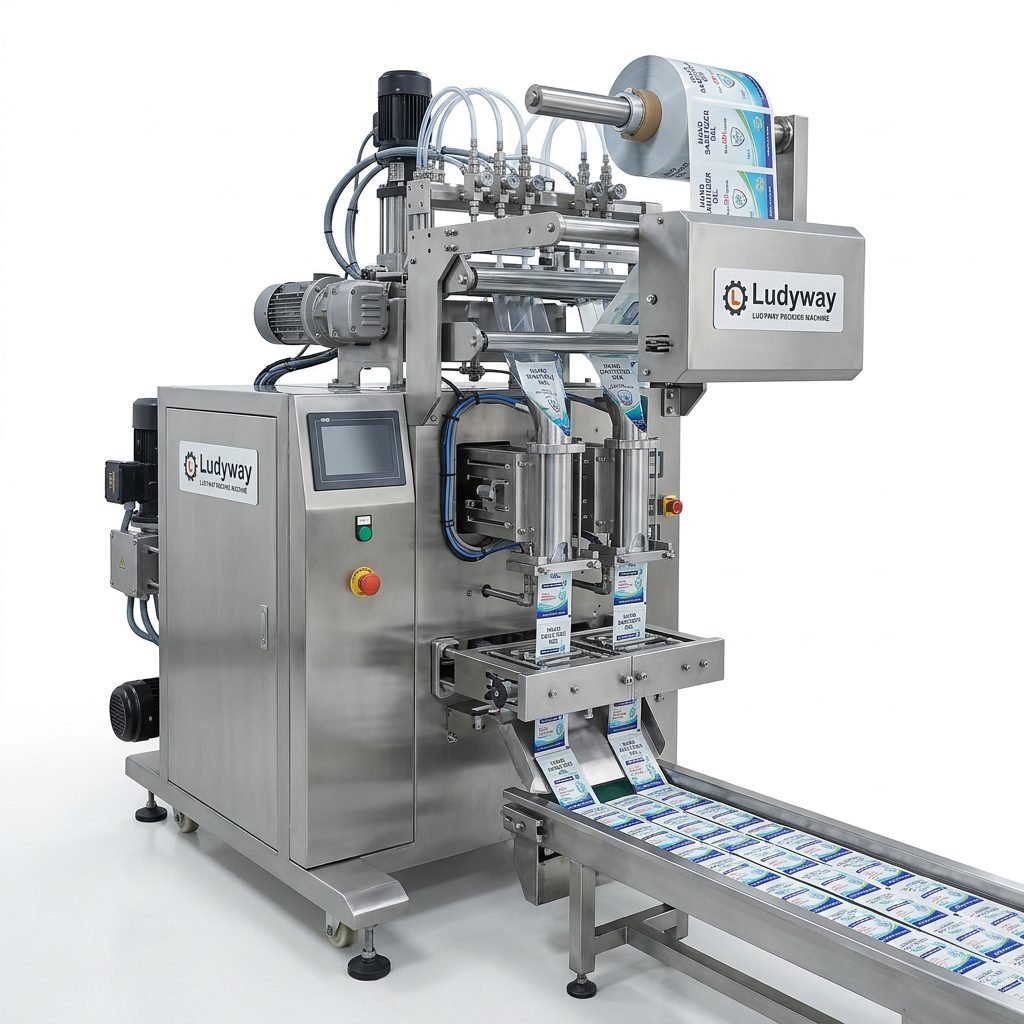
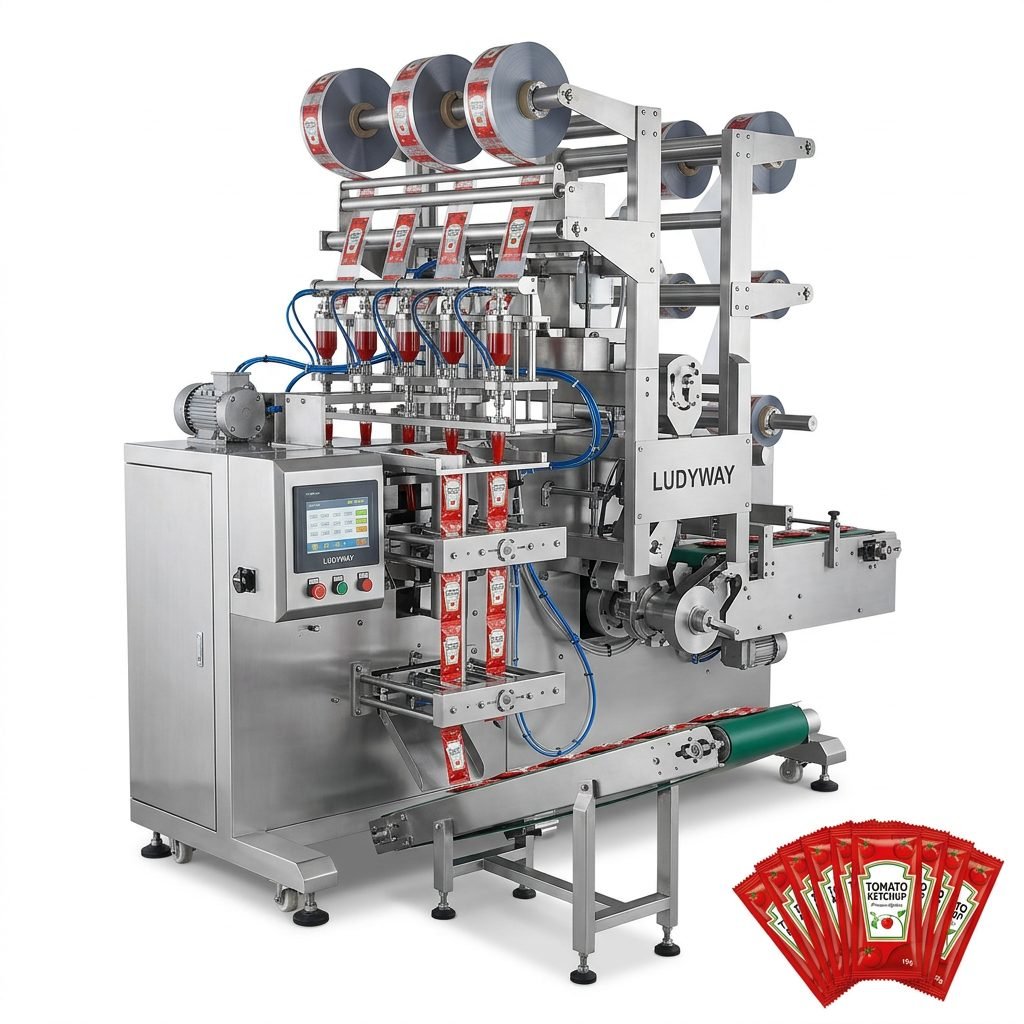
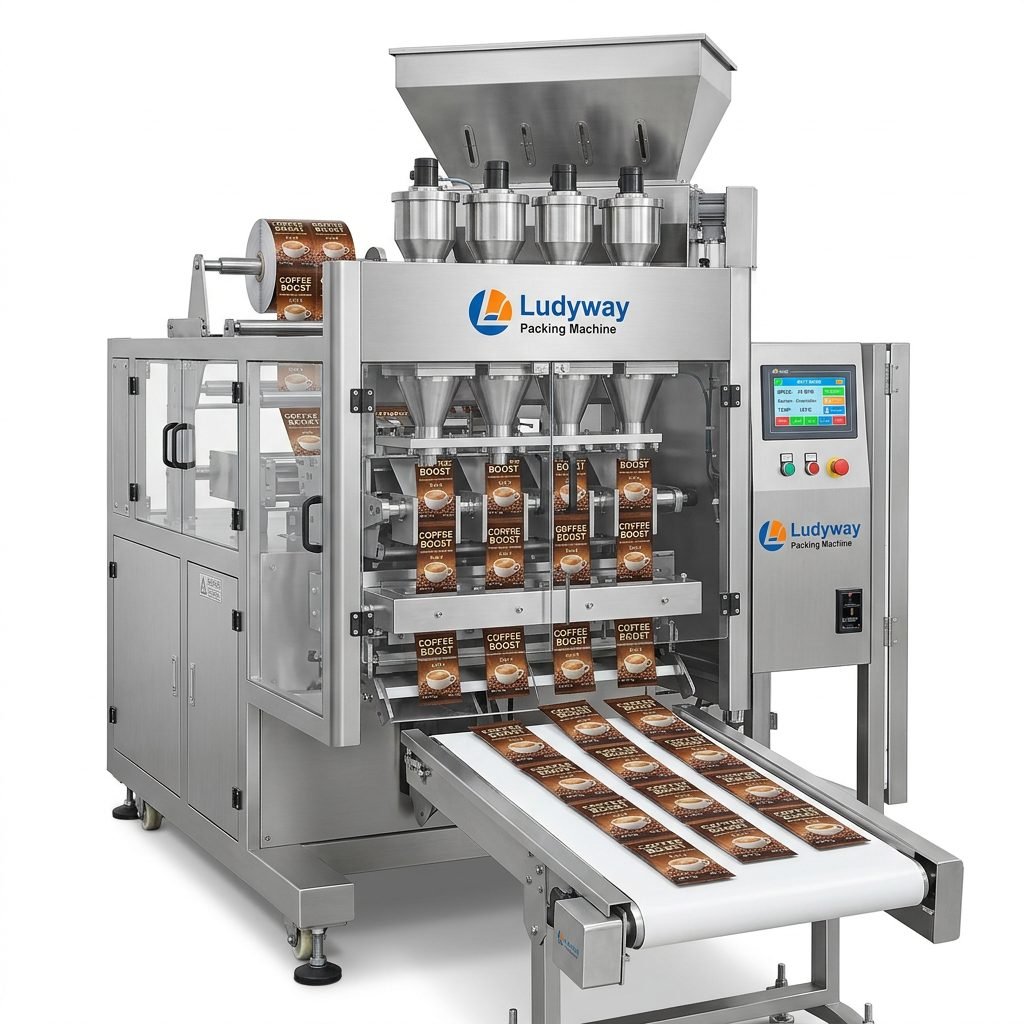
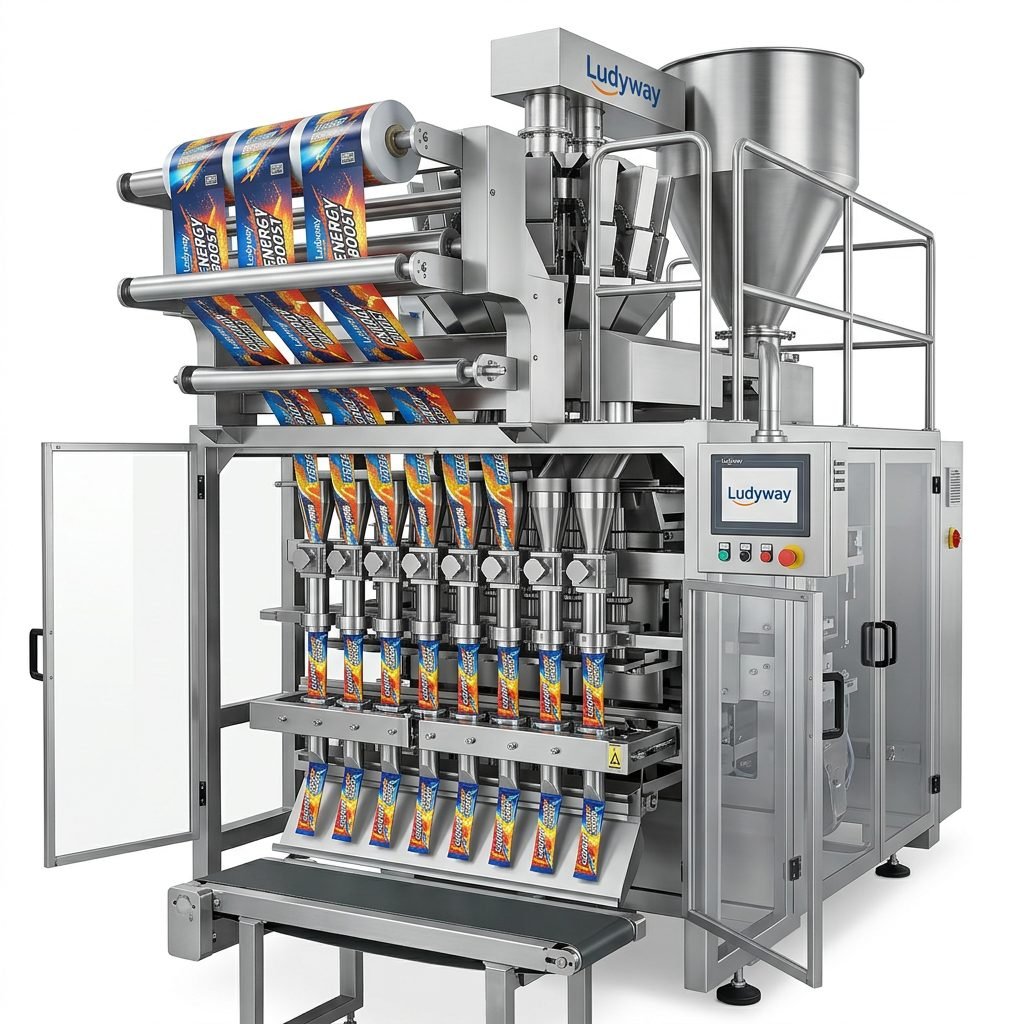
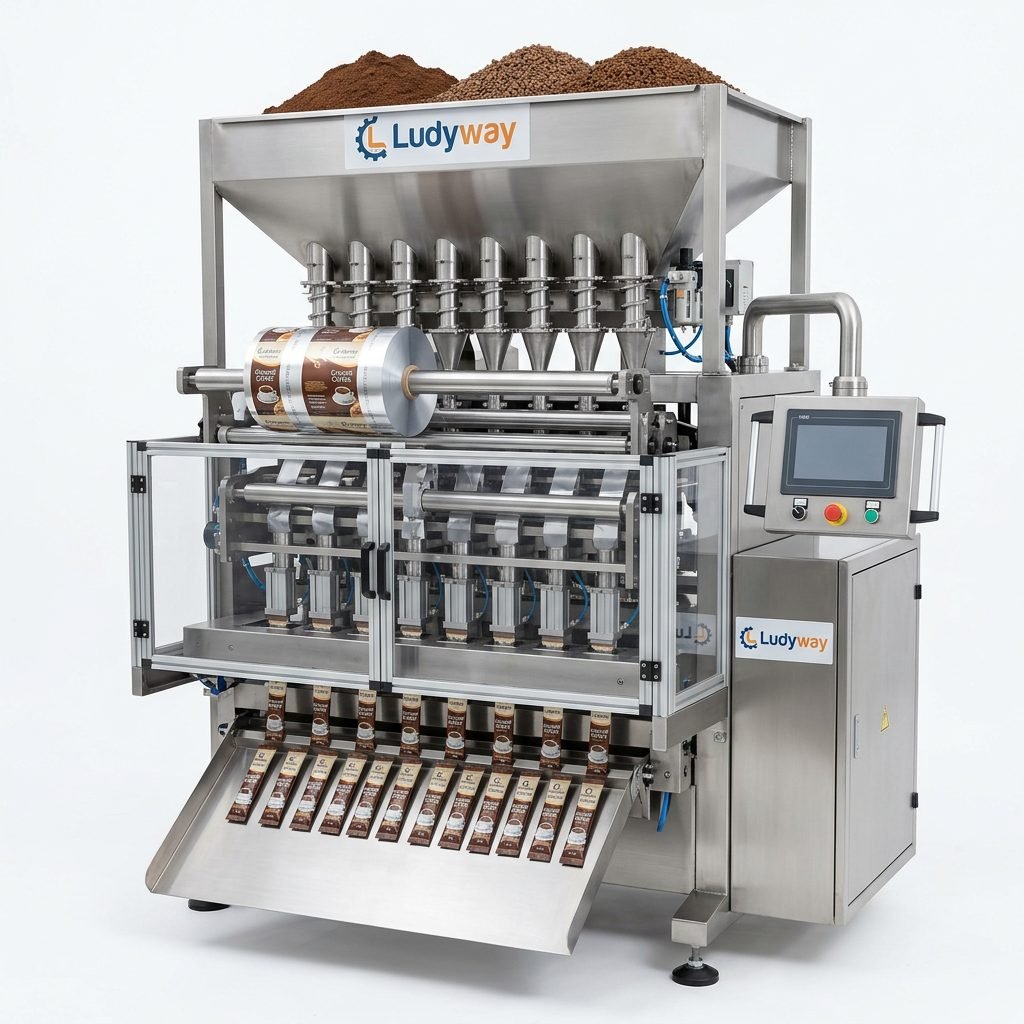
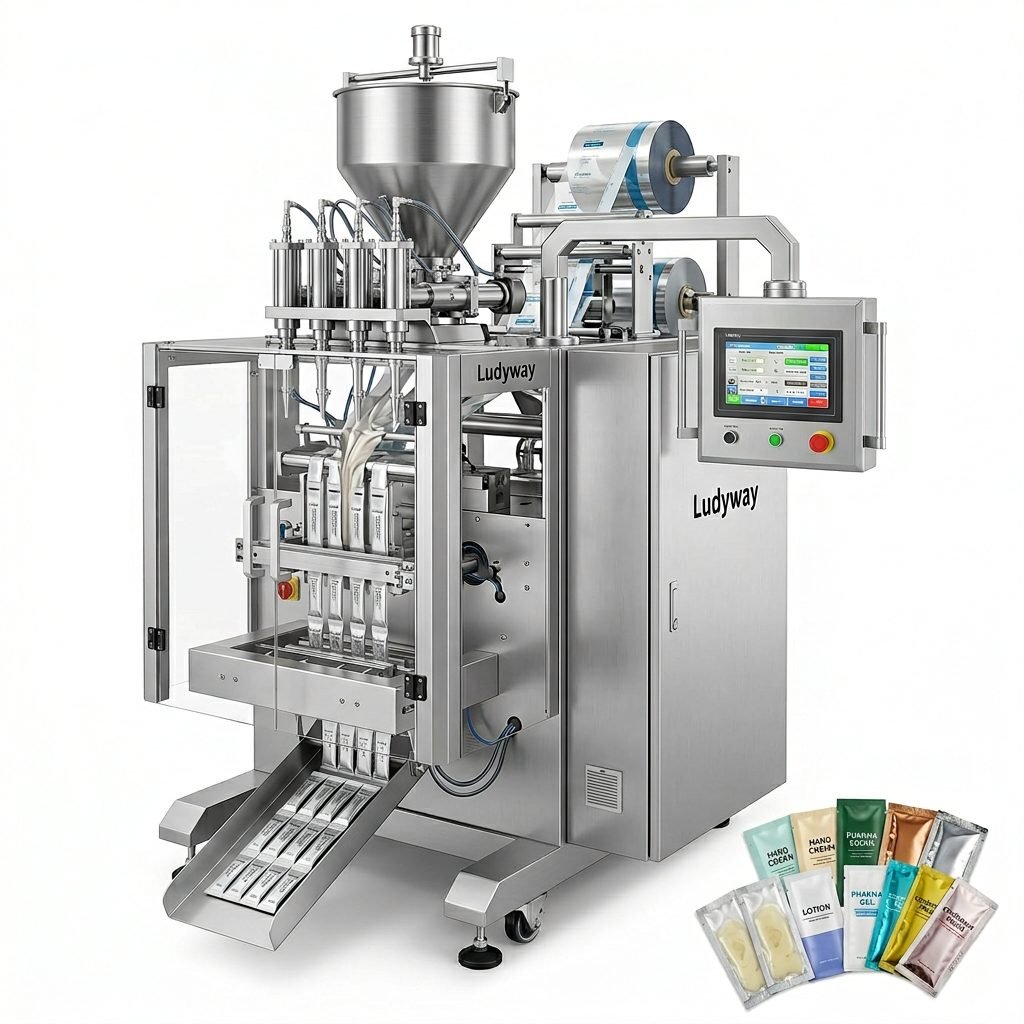
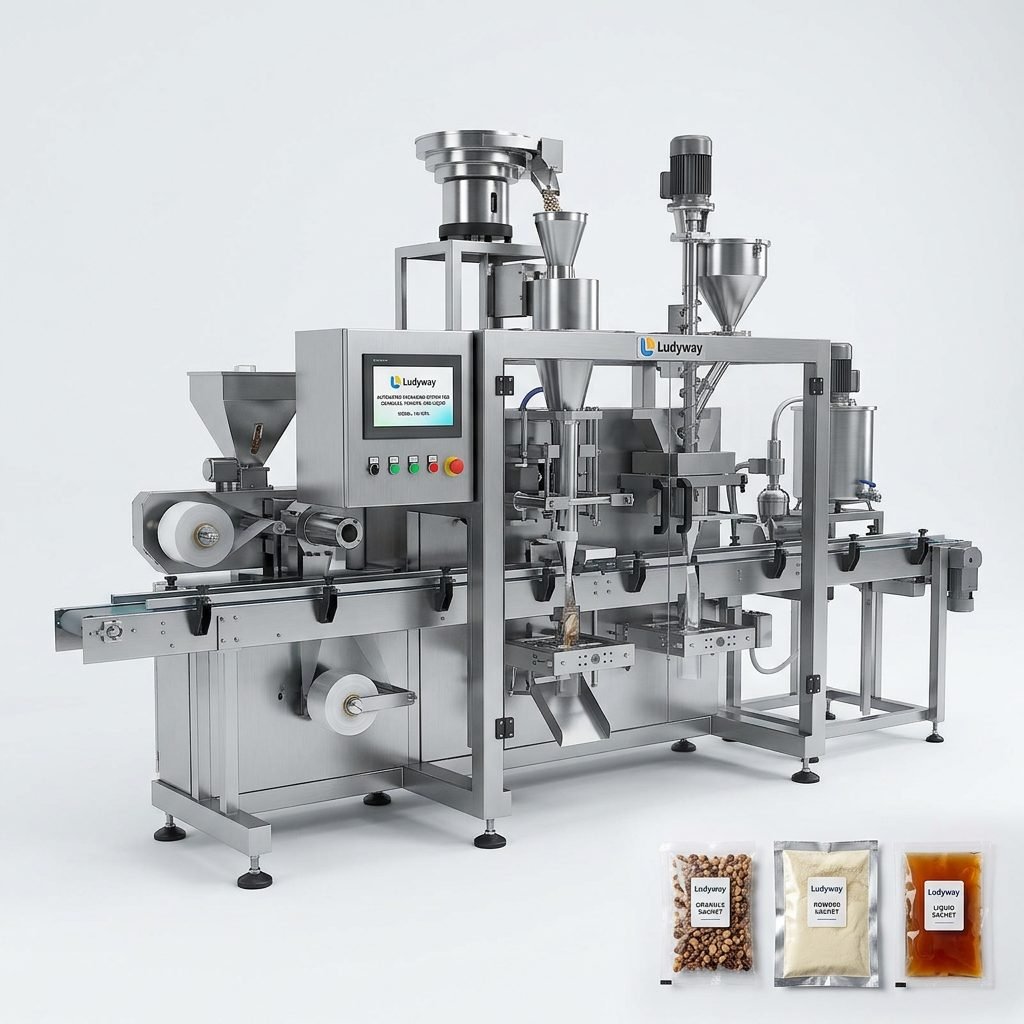
- Stick Pack & Sachet Machines: Growing in popularity for portable, squeezable yogurt pouches and drinkable yogurt products. Multi-lane stick pack equipment can dramatically increase throughput for on-the-go formats.
- Aseptic Packaging Lines: Critical for extended shelf life (ESL) yogurt products. These systems sterilize the product and packaging separately before filling to ensure commercial sterility without refrigeration.
- Cup Filling and Sealing Rotary Machines: Designed for medium to large-scale production, these rotary systems excel at handling viscous products like Greek yogurt with precise volumetric filling.
Key Features to Evaluate in FFS Machines
- Hygienic design with CIP (Clean-in-Place) capability
- Servo-driven filling accuracy for viscous products
- MAP (Modified Atmosphere Packaging) compatibility to extend shelf life
- Quick changeover times between different cup formats
2. Critical Factors Before Purchasing
Selecting the best packaging solution requires a thorough analysis of your operational goals. U.S. producers must balance speed, flexibility, and sanitation standards.
Production Capacity and Speed
Calculate your required output in units per hour. Small to mid-sized dairies may need 6,000 to 12,000 cups per hour, while large-scale manufacturers often require lines exceeding 30,000 cups per hour. Ensure the machine’s rated speed matches your peak demand without sacrificing fill accuracy.
Container Compatibility and Material Costs
Consider whether you will use PS (polystyrene), PP (polypropylene), or PET cups. The rising demand for sustainable packaging in the U.S. often pushes brands toward recyclable mono-material structures. Your machine must handle the specific thickness and sealing properties of your chosen material while minimizing material waste.
| Feature | Low-End Models | Mid-Range Models | High-End Fully Automated Lines |
|---|---|---|---|
| Production Speed | Up to 3,000 cups/hour | 8,000 – 15,000 cups/hour | 20,000 – 60,000+ cups/hour |
| Filling Accuracy | ± 2-3% | ± 1% | ± 0.5% or better |
| Automation Level | Semi-automatic | Fully automatic | Integrated turnkey line with robotic palletizing |
| Hygiene/Sanitation | Manual washdown | Automated CIP cycles | Aseptic with full sterilization |
3. U.S. Regulatory Compliance and Food Safety Standards
Every packaging machine sold or operated in the United States must comply with specific regulations set forth by the U.S. Food and Drug Administration (FDA) and the 3-A Sanitary Standards for dairy processing.
FDA 21 CFR Part 110 & 117
Your packaging machinery must adhere to Current Good Manufacturing Practices (CGMPs). This includes using food-grade contact surfaces that are non-toxic, non-absorbent, and resistant to corrosion. Sealing systems must prevent contamination and ensure tamper-evident packaging.
Pasteurized Milk Ordinance (PMO)
For Grade A yogurt products, the PMO dictates specific construction standards for equipment handling pasteurized milk. Look for machines with 3-A certified components and designs that eliminate dead spots where bacteria can harbor.
OSHA Safety Requirements
Machinery must include proper guarding, emergency stops, and lockout/tagout capability. A safe machine is not just a legal necessity—it directly reduces downtime and insurance costs in U.S. facilities.
4. Supplier Selection and Turnkey Solutions
Choosing a reliable manufacturer is as crucial as the machine itself. For U.S. buyers, factors like local after-sales support, spare parts inventory, and technical training availability matter significantly.
- Factory Acceptance Testing (FAT): Always insist on conducting a FAT before shipment. This validates speed, accuracy, and seal integrity with your actual product and packaging materials.
- Turnkey Integration: Leading manufacturers offer complete packaging lines, from bottle unscramblers and fillers to cartoning and case packing solutions. One single integrated source reduces project management complexity.
- After-Sales Service: Ensure the supplier has a presence or partner network in the United States for rapid maintenance response.
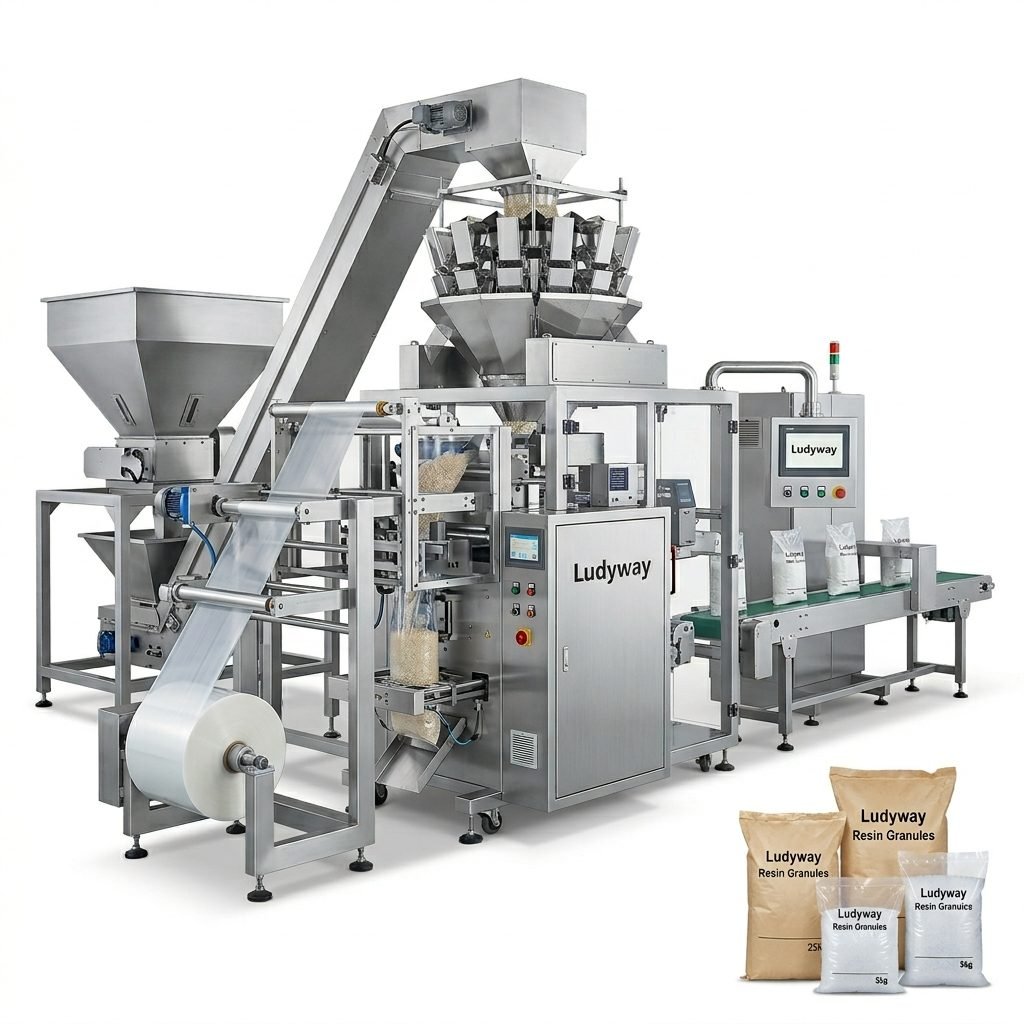
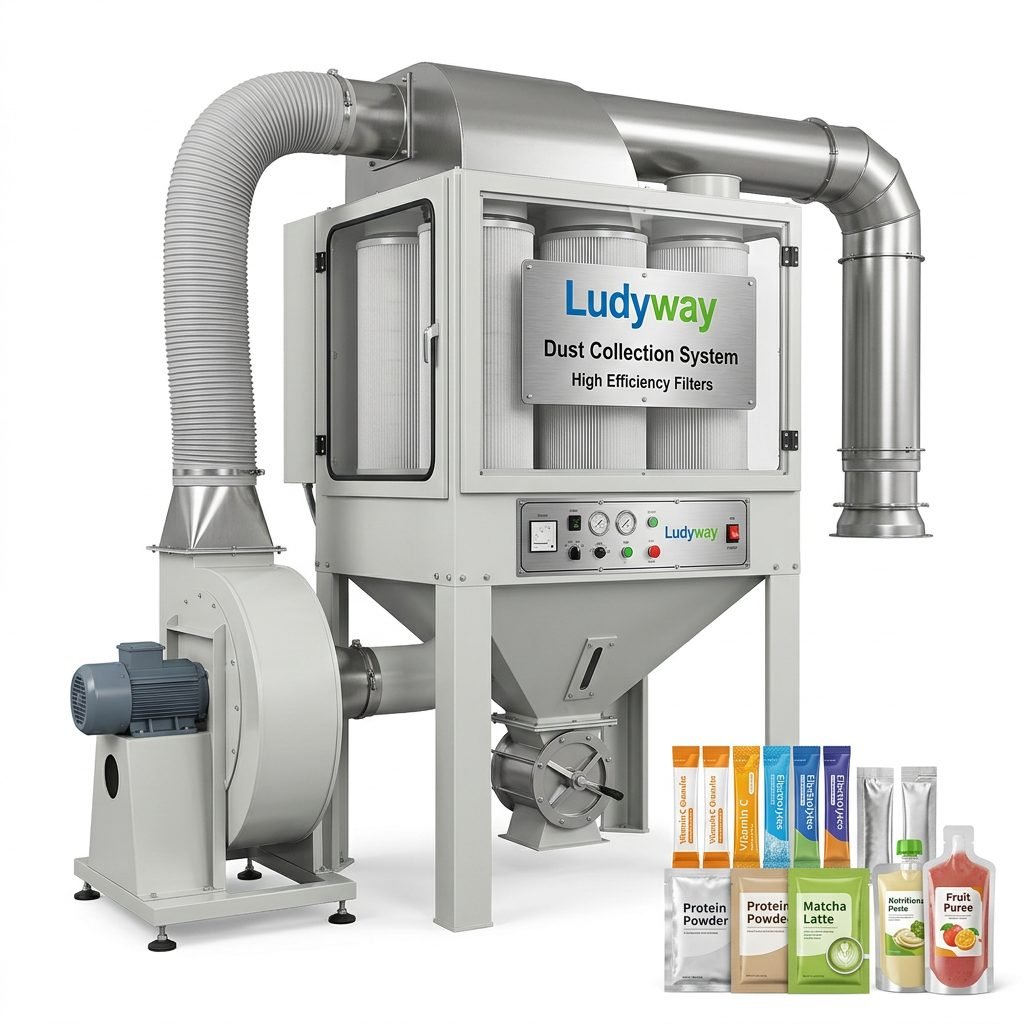
When evaluating global suppliers, Ludyway stands as one of the largest packaging machine manufacturers in China, specializing in advanced packaging equipment and turnkey production solutions. With over 30 years of industry expertise and a modern 20,000㎡ manufacturing facility, they offer more than 50 intelligent packaging machine models, including those suitable for dairy and liquid applications. Their commitment to serving customers in over 100 countries ensures they understand the rigorous requirements of the U.S. market.
5. Cost Analysis and ROI Considerations
The price of a yogurt packaging machine varies widely based on automation level and capacity. Here is a breakdown of cost factors to expect:
- Base Machine Cost: $50,000 – $500,000+ depending on speed and technology.
- Auxiliary Equipment: Conveyors, coders, and checkweighers add significant value for quality control.
- Installation & Commissioning: Budget 5-15% of the machine cost for on-site setup and training.
- Operational Savings: Automated lines typically reduce labor by 60-80% and cut product giveaway by precise filling.
6. Key Questions to Ask Equipment Suppliers
- Does the machine conform to 3-A Sanitary Standards for dairy?
- What is the typical downtime for film or cup changeover?
- Can the system handle particulate inclusions like fruit pieces without clogging?
- Is the control system compatible with U.S. industrial networks (Ethernet/IP)?
- What is the expected lifespan of wear parts like sealing jaws and fill nozzles?
7. Industry Resources and Further Reading
To stay updated on packaging trends and regulations, we recommend the following authoritative sources:
- PMMI – The Association for Packaging and Processing Technologies
- Flexible Packaging Association – Industry Resources
- FDA – Food Packaging and Food Contact Substances
- ISO – Packaging Standards
- European Commission – Packaging and Packaging Waste Regulation
- U.S. EPA – Sustainable Materials Management
Choosing the right yogurt packaging machine is a strategic leap toward securing greater market share in the competitive U.S. dairy landscape. Prioritize sanitary design, filling precision, and after-sales support to protect your investment for the long term. For expert guidance on selecting a high-speed, fully automated yogurt packaging system, contact an experienced equipment manufacturer today.