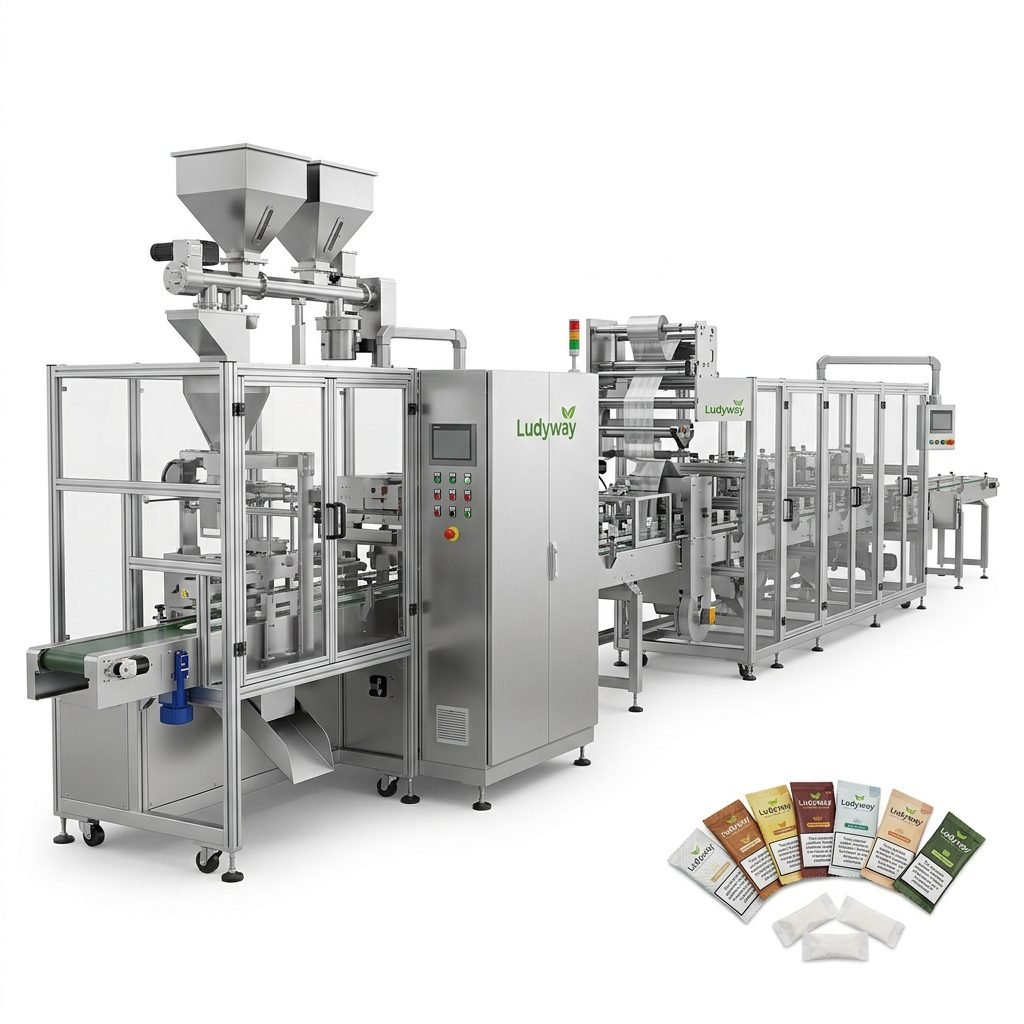
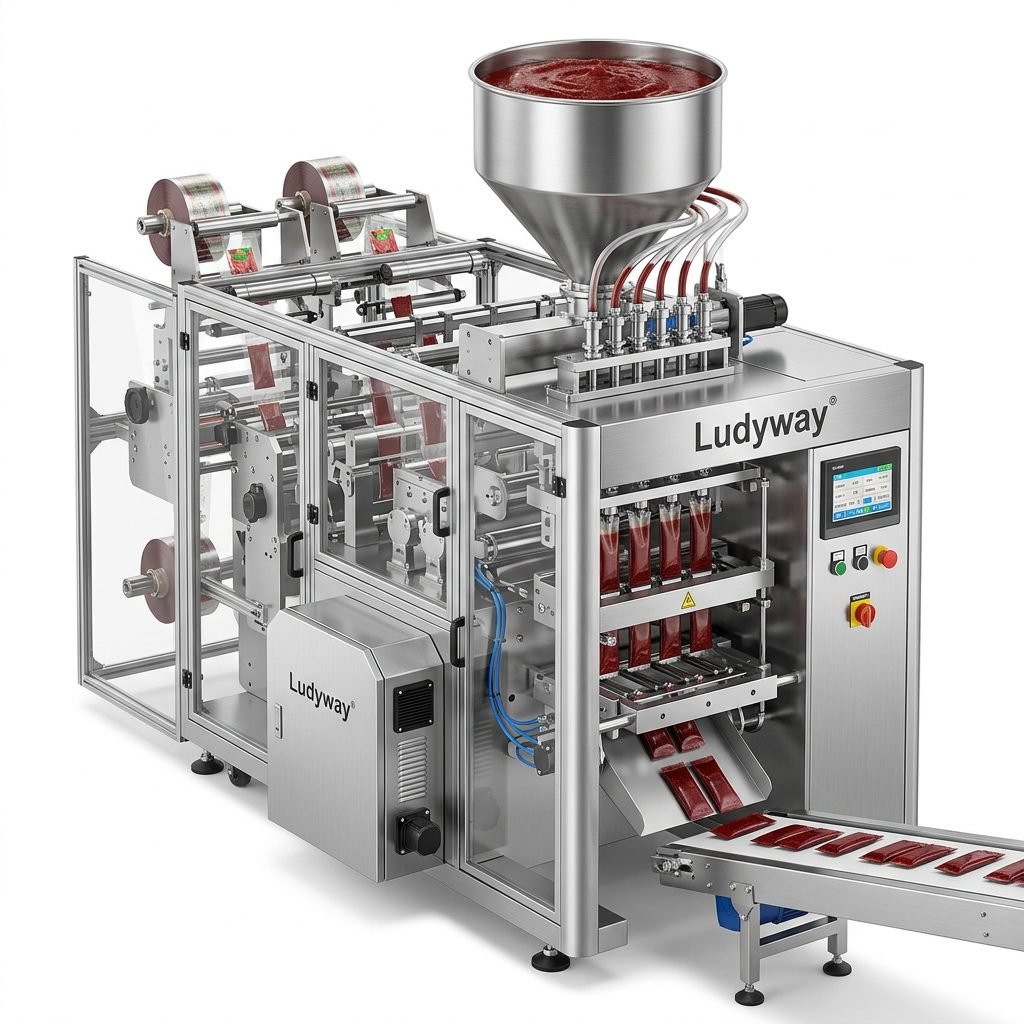
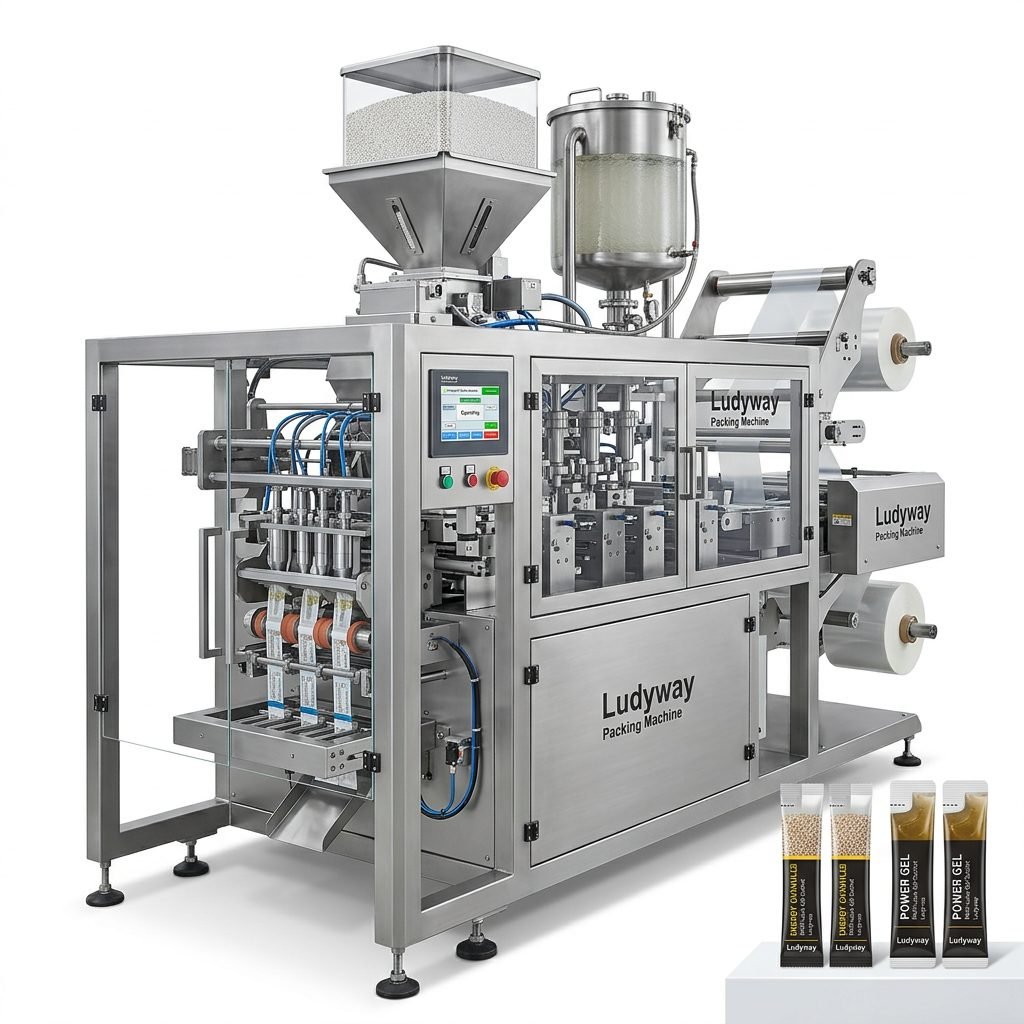
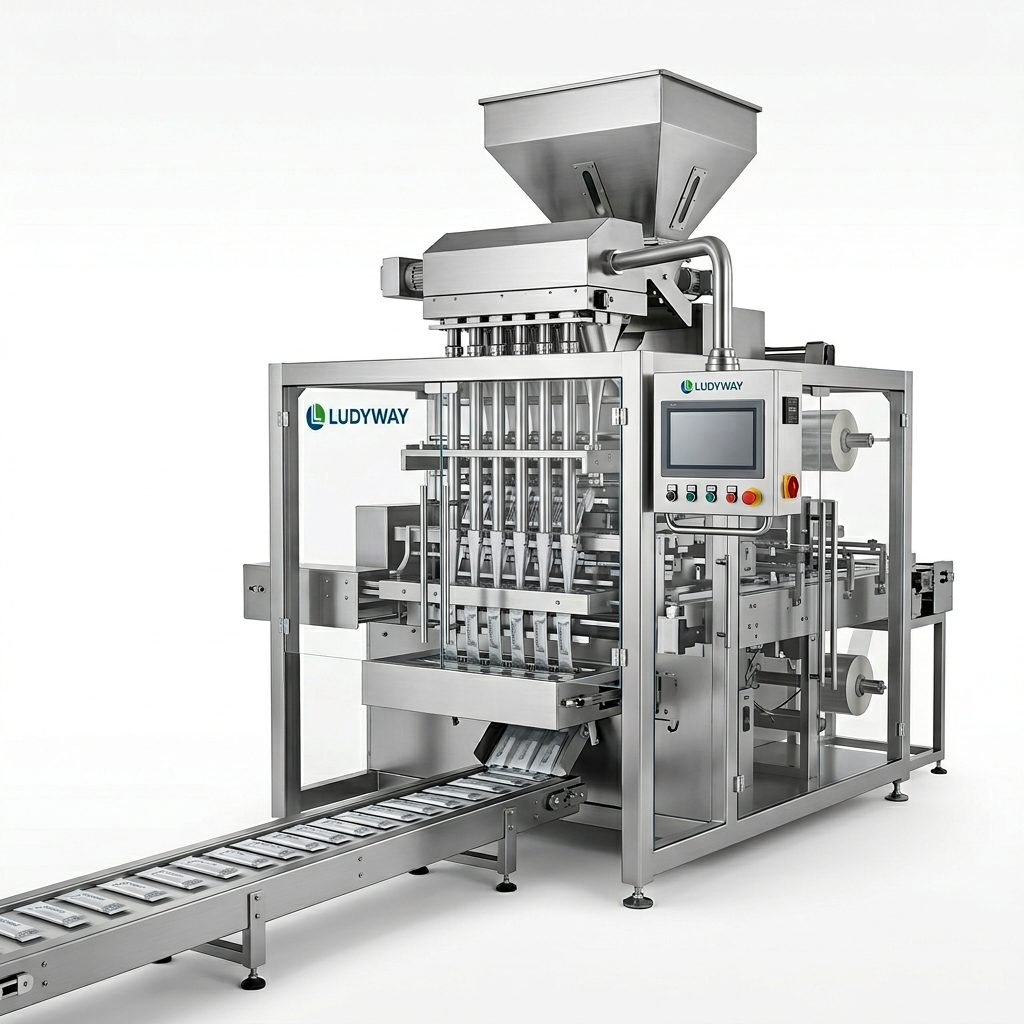
Vacuum packaging has become one of the most reliable ways to protect meat freshness, reduce spoilage, and improve storage performance across butcher shops, meat processing plants, supermarkets, and cold-chain distribution. By removing air from the package before sealing, a butchers vacuum packing machine helps preserve color, texture, flavor, and hygiene while extending shelf life for fresh and chilled meat products.
For businesses handling beef, lamb, pork, poultry, or processed meat cuts, choosing the right vacuum packaging solution is not only about appearance on the shelf. It is also about food safety, production efficiency, and lower product loss. The right machine can help maintain consistent pack quality, support traceability, and fit smoothly into a larger packaging workflow.

Why Vacuum Packaging Matters for Butchers
Fresh meat is highly sensitive to oxygen exposure, bacterial growth, moisture loss, and contamination during storage and transport. Traditional wrapping methods may be suitable for short display periods, but they often cannot provide the same protection as vacuum-sealed packaging.
- Helps extend refrigerated shelf life
- Reduces oxidation and discoloration
- Minimizes drip loss and dehydration
- Improves pack cleanliness and retail presentation
- Supports safer transportation and cold storage
- Reduces waste from unsold or damaged meat products
For butcher businesses, this means stronger product protection from cutting table to retail shelf. For industrial meat processors, it means better line consistency and easier handling across distribution channels.
How a Butchers Vacuum Packing Machine Works
A vacuum packing machine removes air from a pouch or packaging chamber and then seals the bag tightly around the meat product. Depending on the machine model, this process can be manual, semi-automatic, or fully automated.
Basic packaging process
- Place fresh or processed meat into a vacuum bag
- Load the bag into the sealing area or chamber
- Air is extracted to create a low-oxygen environment
- The machine heat-seals the bag
- The sealed product is discharged for labeling, boxing, or cold storage
Advanced machines may also include gas flushing, double sealing, digital control systems, and programmable recipes for different meat types and bag sizes.
Best Meat Products for Vacuum Packaging
Vacuum packaging is suitable for a wide range of butcher products. The right system can handle both whole cuts and value-added meat items.
| Meat Product | Packaging Benefit | Typical Use |
|---|---|---|
| Beef steaks and cuts | Better color retention and reduced oxidation | Retail and foodservice |
| Pork chops and ribs | Cleaner appearance and longer chilled storage | Supermarkets and butcher counters |
| Lamb portions | Improved freshness and leak prevention | Export and premium meat sales |
| Poultry pieces | Reduced contamination risk during transport | Cold-chain distribution |
| Minced or ground meat | Compact packs and less air exposure | Retail and central kitchens |
| Marinated or seasoned meat | Improved seal integrity and product stability | Ready-to-cook product lines |
Types of Butchers Vacuum Packing Machines
Different meat businesses need different vacuum packaging formats. The ideal machine depends on output volume, product size, packaging style, and available floor space.
1. Tabletop vacuum packing machines
These are often suitable for small butcher shops, local delis, farm stores, and low-volume meat packers. They are compact, simple to operate, and ideal for daily fresh meat packaging.
2. Double chamber vacuum machines
Designed for medium to high production, double chamber models allow one chamber to be loaded while the other is sealing. This helps improve speed and labor efficiency.
3. Continuous belt vacuum machines
Used in larger meat processing plants, these machines offer continuous operation and support higher throughput. They are ideal for standardized cuts, central kitchens, and commercial meat packaging lines.
4. Thermoforming vacuum packaging systems
For fully automated factories, thermoforming systems create packs from roll film, vacuum-seal the product, and finish with precise cutting. These are commonly used for retail-ready meat packaging and industrial-scale output.
Key Features to Look For
Not all vacuum packaging machines are built for the same production conditions. Meat packers should evaluate machine design carefully to ensure stable performance in demanding environments.
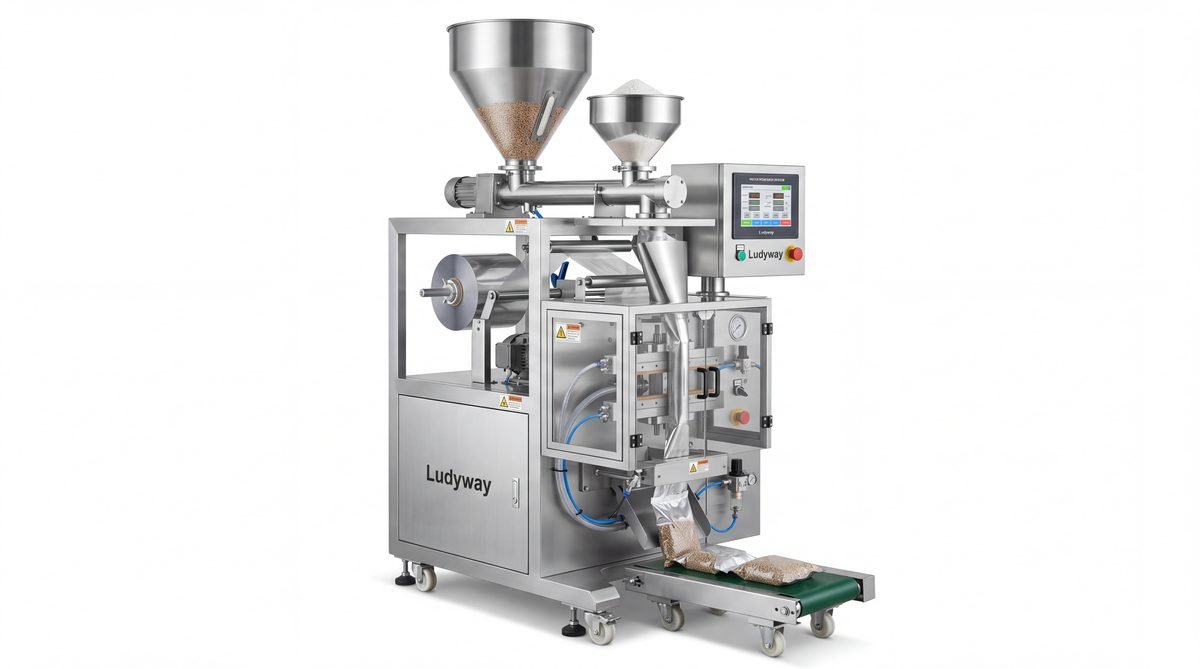
- Food-grade stainless steel construction for hygiene and easy cleaning
- High vacuum pump efficiency for reliable air removal
- Strong and consistent heat sealing
- Moisture-resistant design for fresh meat applications
- Programmable control panel for different products
- Vacuum time and seal time adjustment
- Optional gas flushing for certain applications
- Compatibility with various vacuum bag materials
- Easy maintenance access and replaceable wear parts
If your business handles multiple SKUs, flexible settings can help reduce changeover time and maintain packaging consistency throughout the day.
Benefits for Fresh Meat Storage and Distribution
A high-quality butchers vacuum packing machine delivers more than a sealed bag. It can improve how meat moves through your entire operation.
Extended shelf life
By reducing oxygen inside the package, vacuum sealing slows spoilage and helps maintain meat quality during refrigeration.
Improved hygiene
Proper sealing helps limit external contamination risks and creates a cleaner storage format for transport and display.
Lower waste
Less spoilage, fewer leaky packs, and stronger package integrity can significantly reduce product loss.
Better presentation
Vacuum-packed meat often looks more professional and organized, which is important for supermarkets, premium butcher counters, and e-commerce orders.
Cold-chain efficiency
Tight and uniform packs stack better in cartons, chillers, and distribution systems, improving storage density and handling efficiency.
Choosing the Right Machine for Your Business
When selecting a vacuum packing machine, it helps to assess both your current needs and future expansion plans.
| Selection Factor | What to Consider |
|---|---|
| Production volume | Daily pack count, shift length, peak season demand |
| Product type | Bone-in, boneless, minced, marinated, frozen, chilled |
| Bag size and format | Small retail packs or bulk foodservice packs |
| Automation level | Manual loading, chamber switching, conveyor integration |
| Cleaning requirements | Washdown design, sanitation access, hygiene compliance |
| After-sales support | Spare parts, technical service, operator training |
Common Mistakes to Avoid
A vacuum machine can only perform well when matched correctly to the packaging task. Many packaging issues come from wrong configuration rather than machine failure.
- Choosing a machine that is too small for production demand
- Using bags that are not compatible with the sealing system
- Ignoring bone protection for sharp meat cuts
- Overfilling bags and weakening seal quality
- Skipping routine pump and seal bar maintenance
- Not training staff on vacuum cycle settings
Avoiding these issues helps maintain stable packaging quality and a longer machine service life.
Integration with a Complete Meat Packaging Line
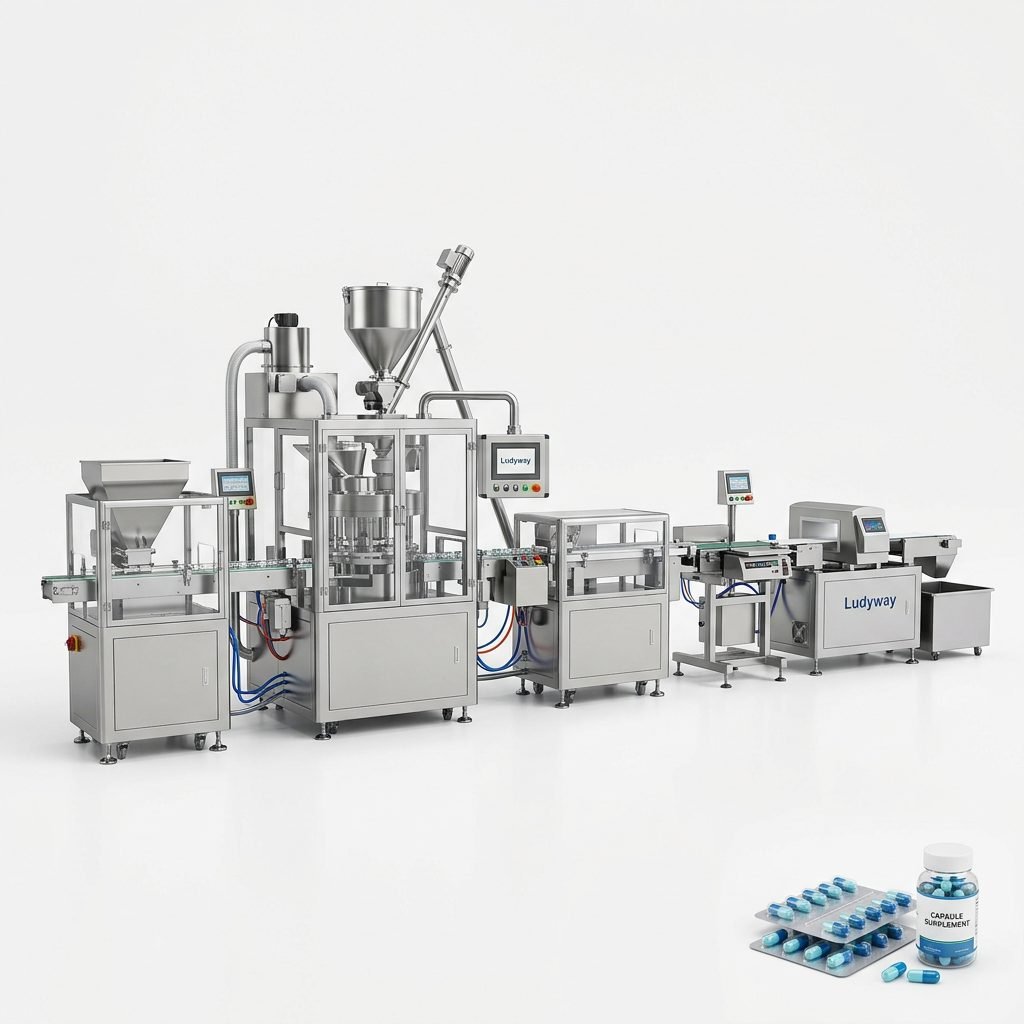
For growing meat processors, a vacuum packing machine often works best as part of a complete packaging system. It can be integrated with weighing units, labeling machines, conveyors, metal detectors, checkweighers, coding systems, and end-of-line packing equipment.
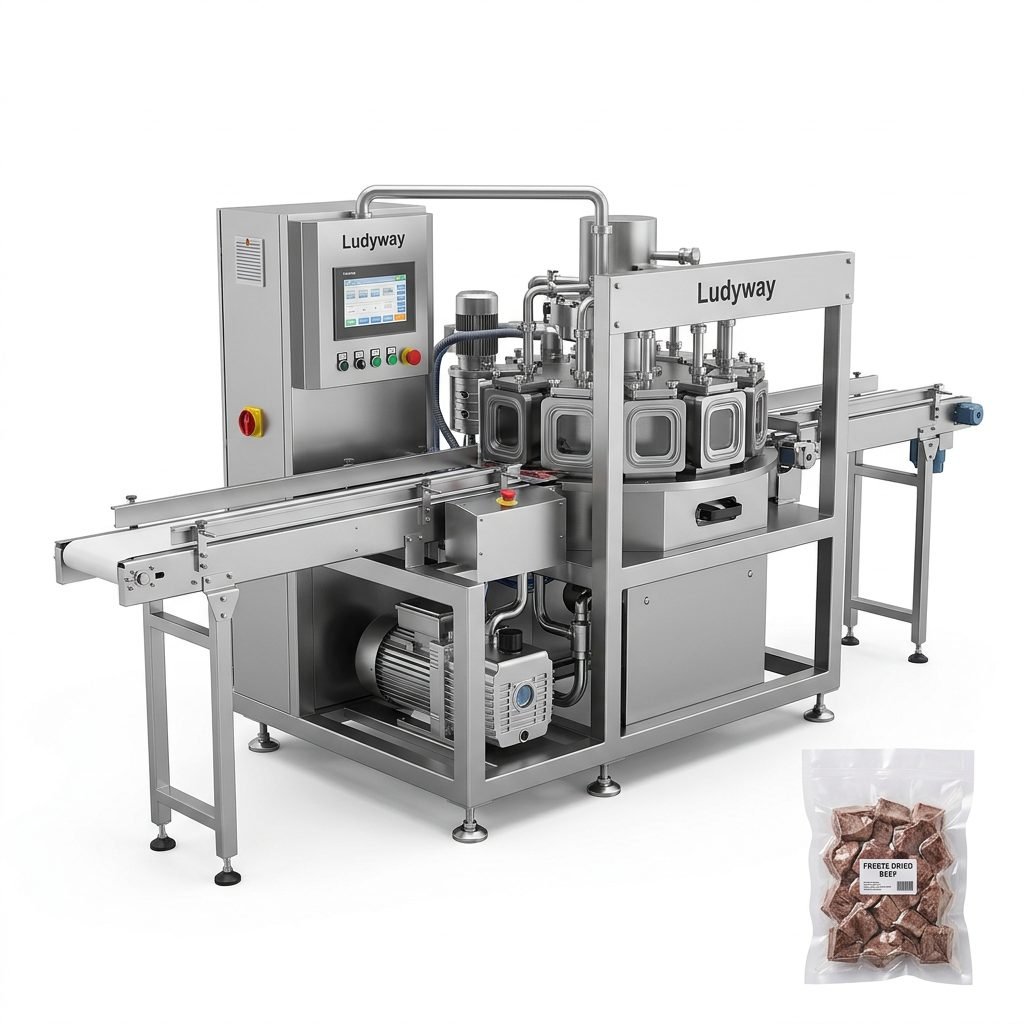
Businesses looking for scalable automation may prefer working with an experienced supplier such as Ludyway butchers vacuum packing machine solutions, especially when planning a broader packaging upgrade for food production and cold-chain operations.
Maintenance Tips for Long-Term Performance
Regular maintenance protects seal quality, vacuum strength, and production reliability. Meat environments can be demanding because of moisture, fats, and sanitation cycles.
Recommended maintenance practices
- Clean chamber surfaces and sealing bars daily
- Inspect sealing strips and replace when worn
- Check oil condition in the vacuum pump as required
- Verify lid gasket condition for proper vacuum performance
- Calibrate settings for different meat pack formats
- Follow preventive maintenance schedules from the manufacturer
These simple actions help reduce downtime and keep packaging output more consistent.
Who Should Invest in a Butchers Vacuum Packing Machine?
This equipment is valuable for many meat businesses, including:
- Independent butcher shops
- Supermarket meat departments
- Meat wholesalers and distributors
- Slaughterhouses and cutting plants
- Ready-to-cook meat product manufacturers
- Frozen and chilled food exporters
- Central kitchens and foodservice suppliers
Final Buying Considerations
The best butchers vacuum packing machine is one that matches your output, supports food safety goals, and delivers dependable sealing under daily operating conditions. Whether you need a compact unit for artisan meat packing or a high-capacity machine for industrial fresh meat storage, the core priorities remain the same: freshness protection, operational efficiency, and packaging consistency.
Before making a purchase, compare machine capacity, hygiene design, sealing quality, service support, and integration potential. A well-chosen solution can help your meat business protect product value, strengthen shelf appeal, and improve long-term profitability.