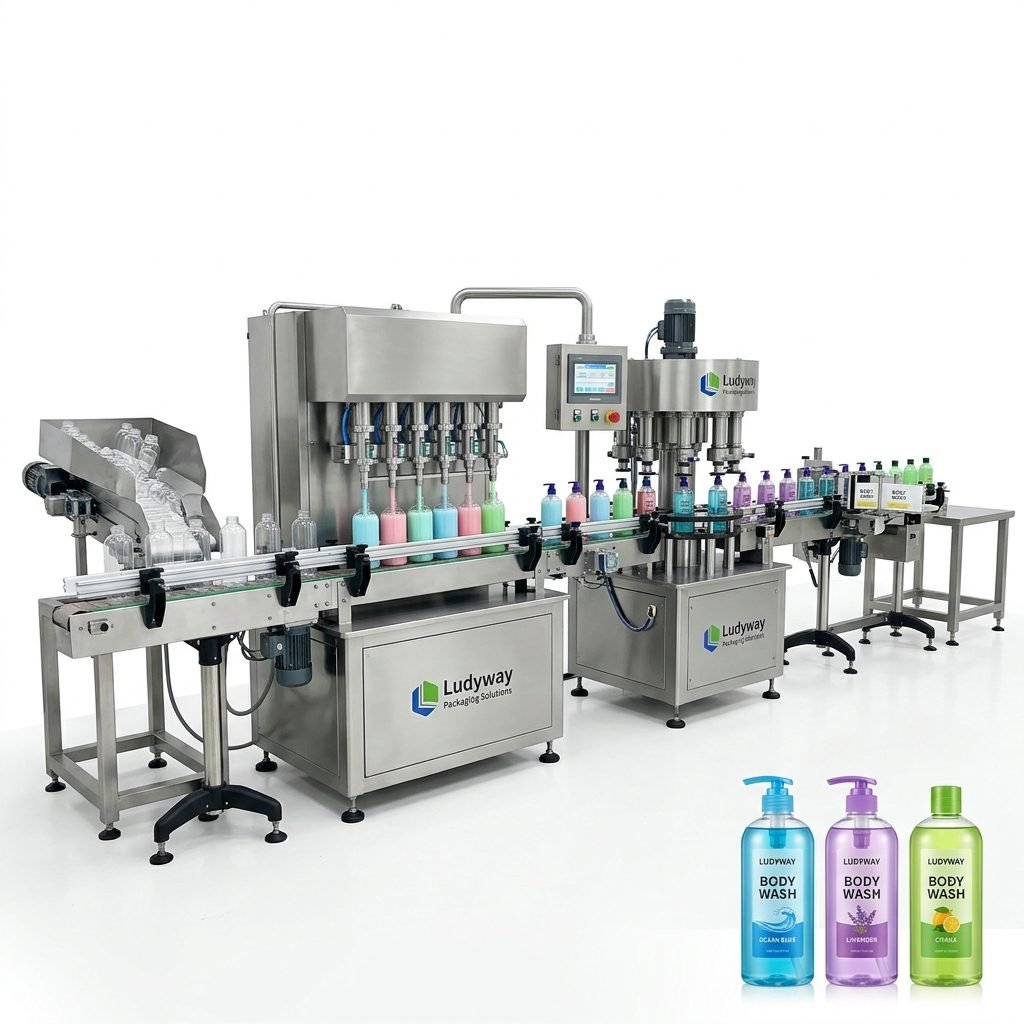
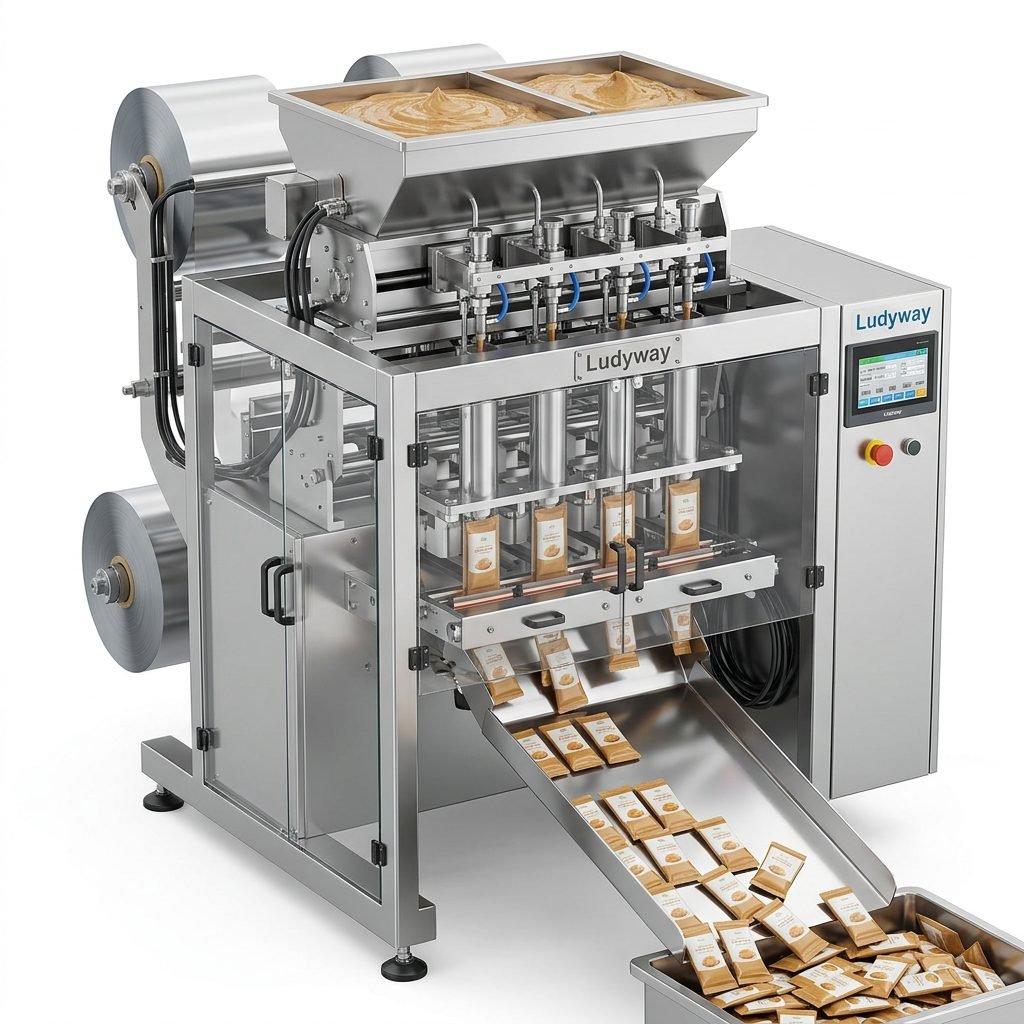
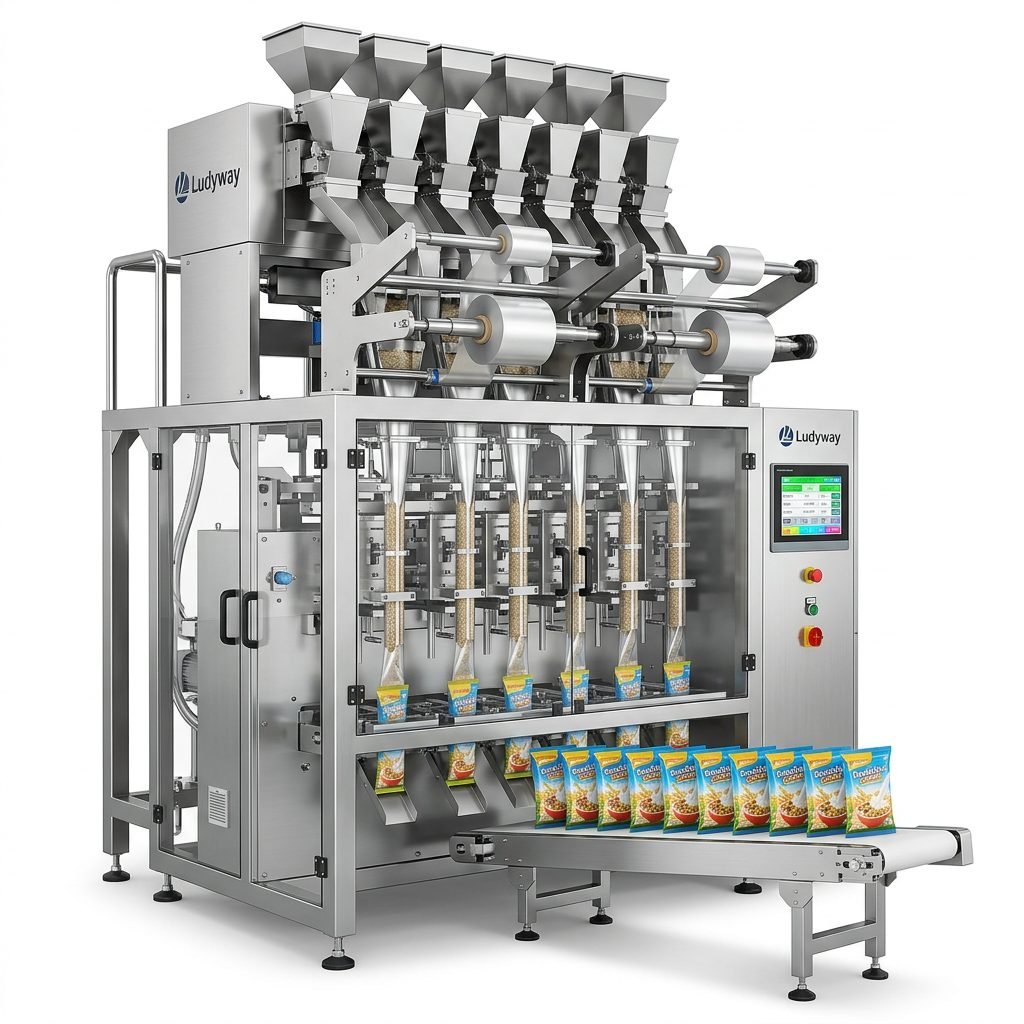
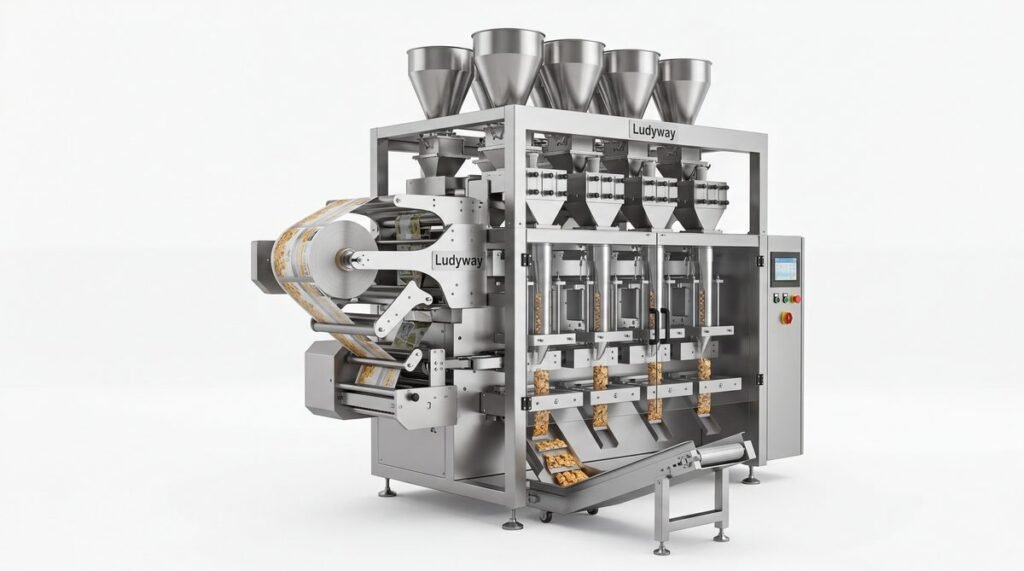
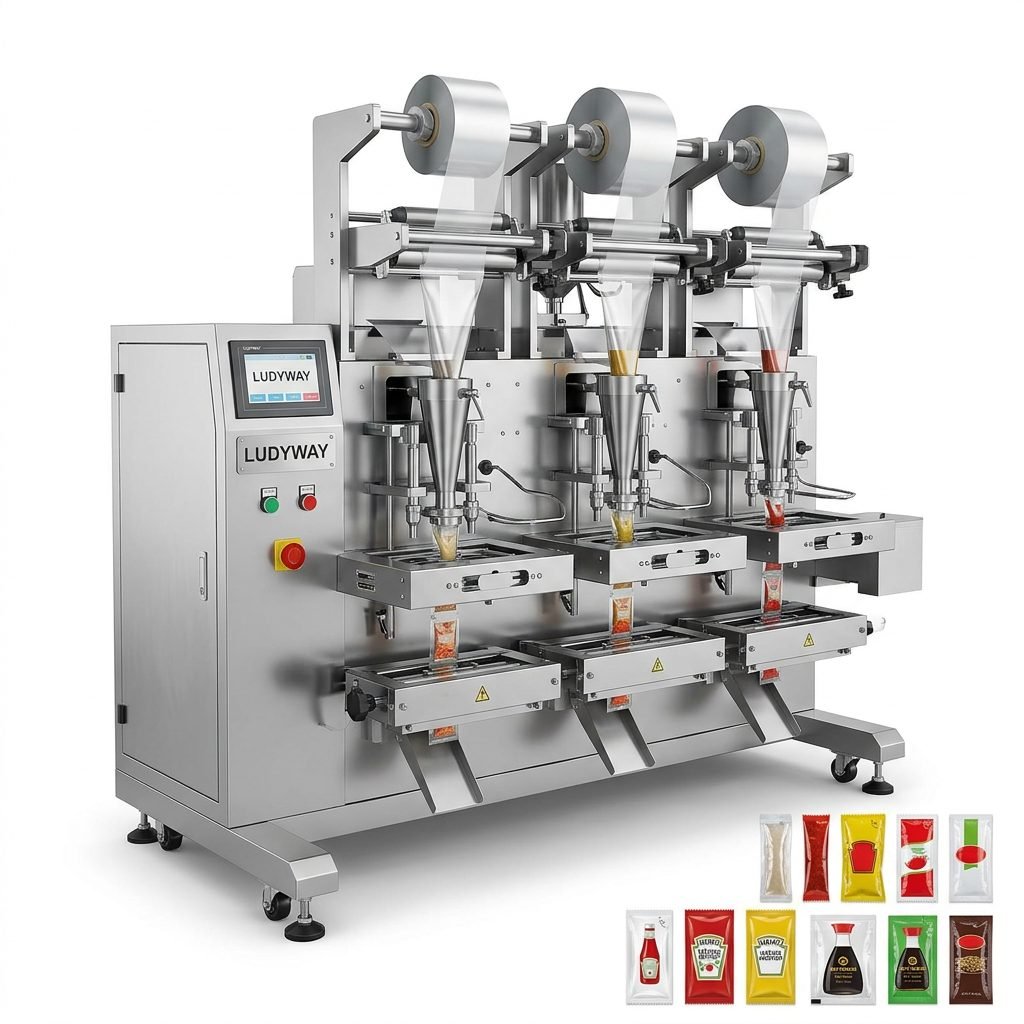
The African dairy industry is experiencing unprecedented growth, with yogurt consumption rising rapidly across the continent. Urbanization, a growing middle class, and increasing health awareness are driving demand for packaged yogurt products. For businesses looking to enter or expand in this market, selecting the right yogurt packaging machine is a critical decision that impacts productivity, product quality, and profitability.
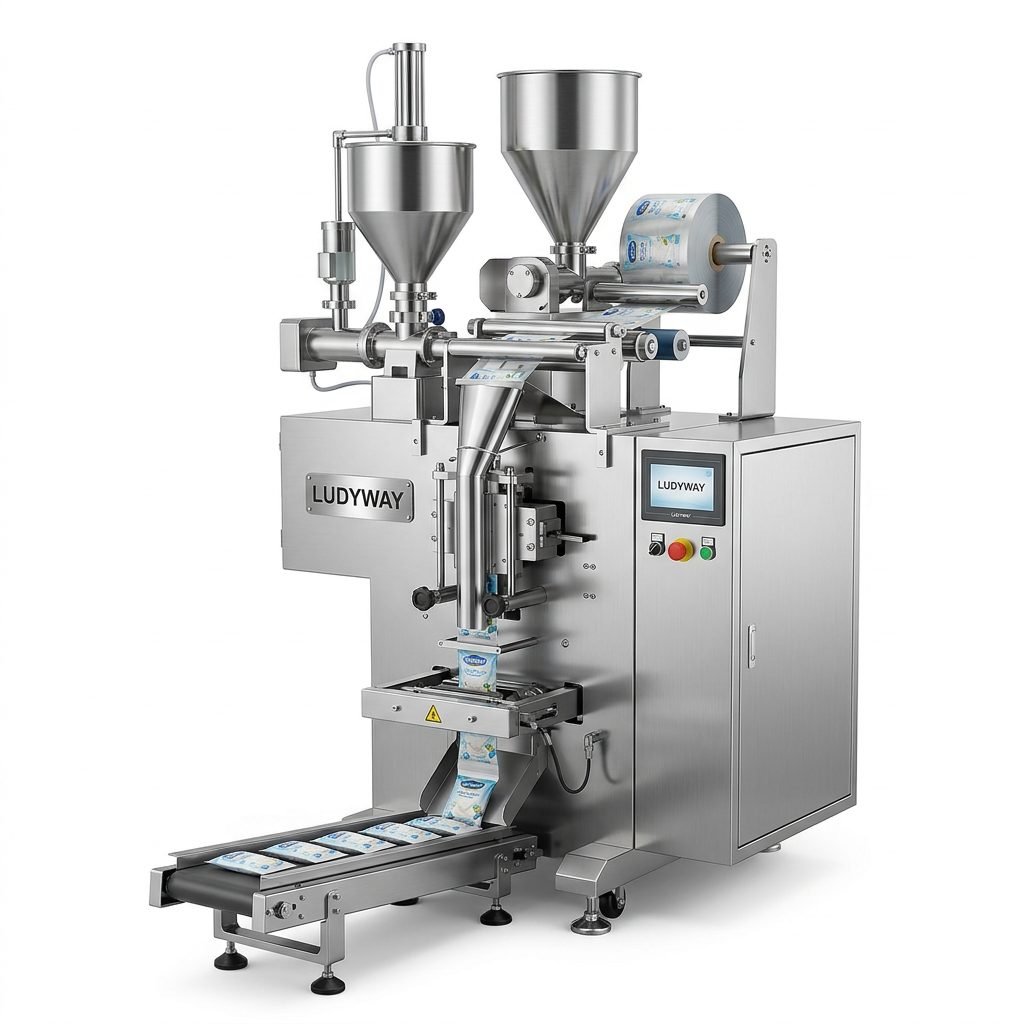
Understanding the African Yogurt Market Landscape
Africa’s yogurt market is projected to grow at a CAGR of over 8% through the next decade. Countries like Nigeria, Kenya, South Africa, Ethiopia, and Ghana are leading this expansion. The demand spans multiple product categories including drinkable yogurt, set yogurt, Greek-style yogurt, and functional probiotic variants. Packaging formats vary widely—from single-serve sachets and stick packs to larger pouches, cups, and bottles. According to the PMMI Business Intelligence Library, flexible packaging continues to gain market share in emerging economies due to its cost-effectiveness and consumer convenience.
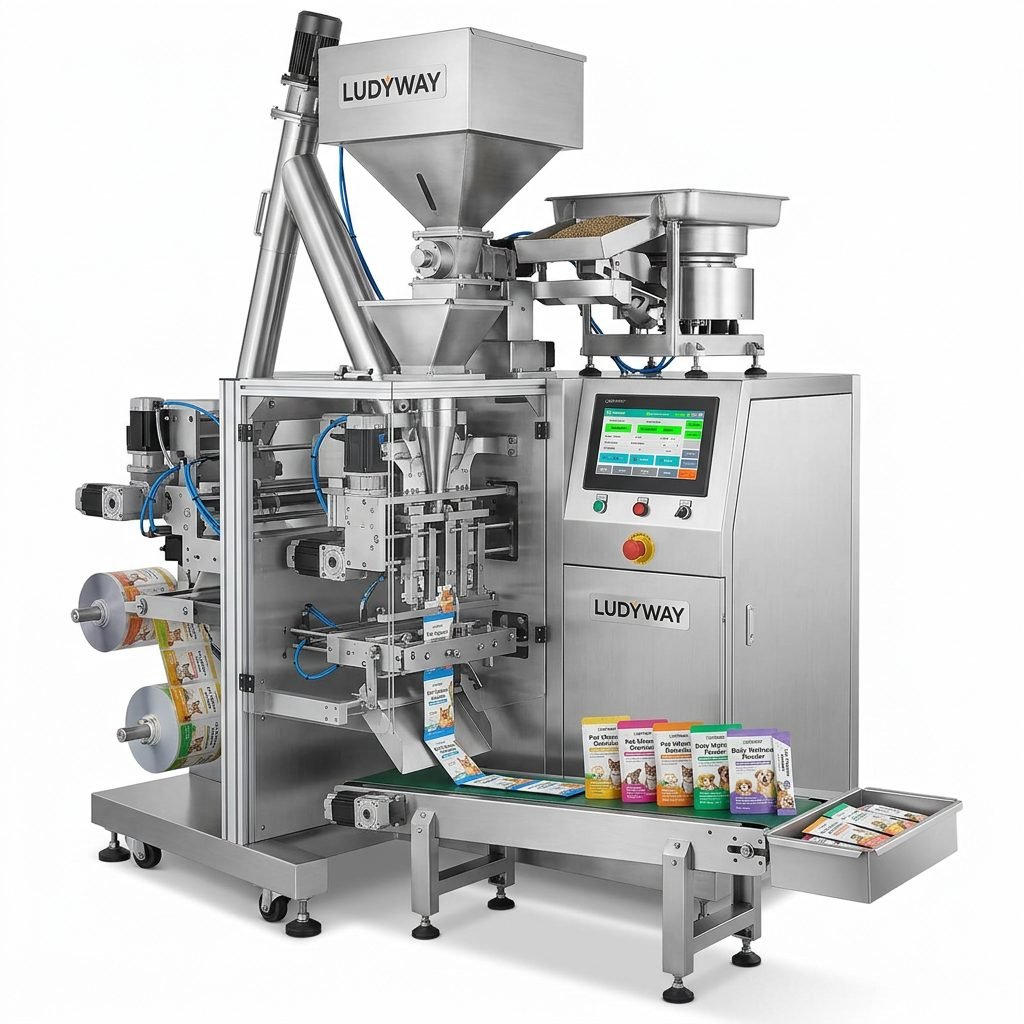
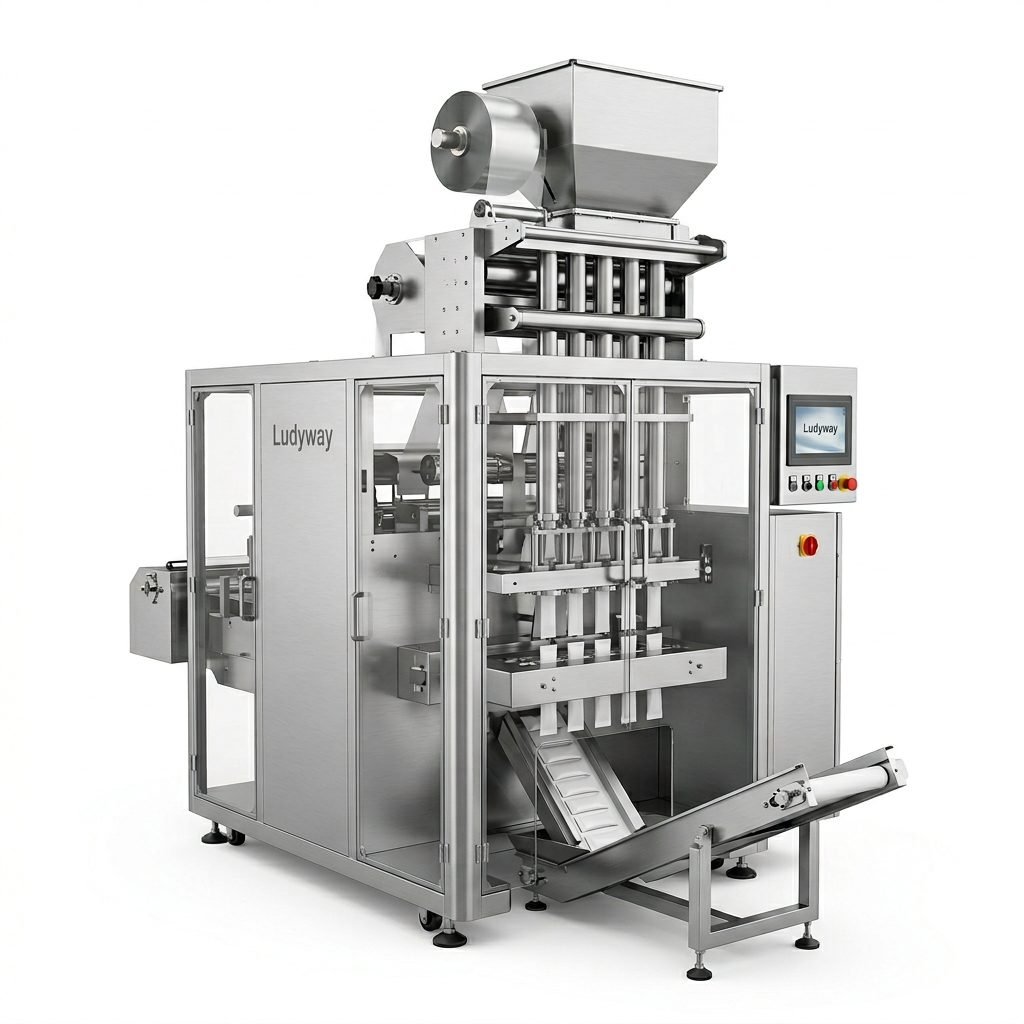
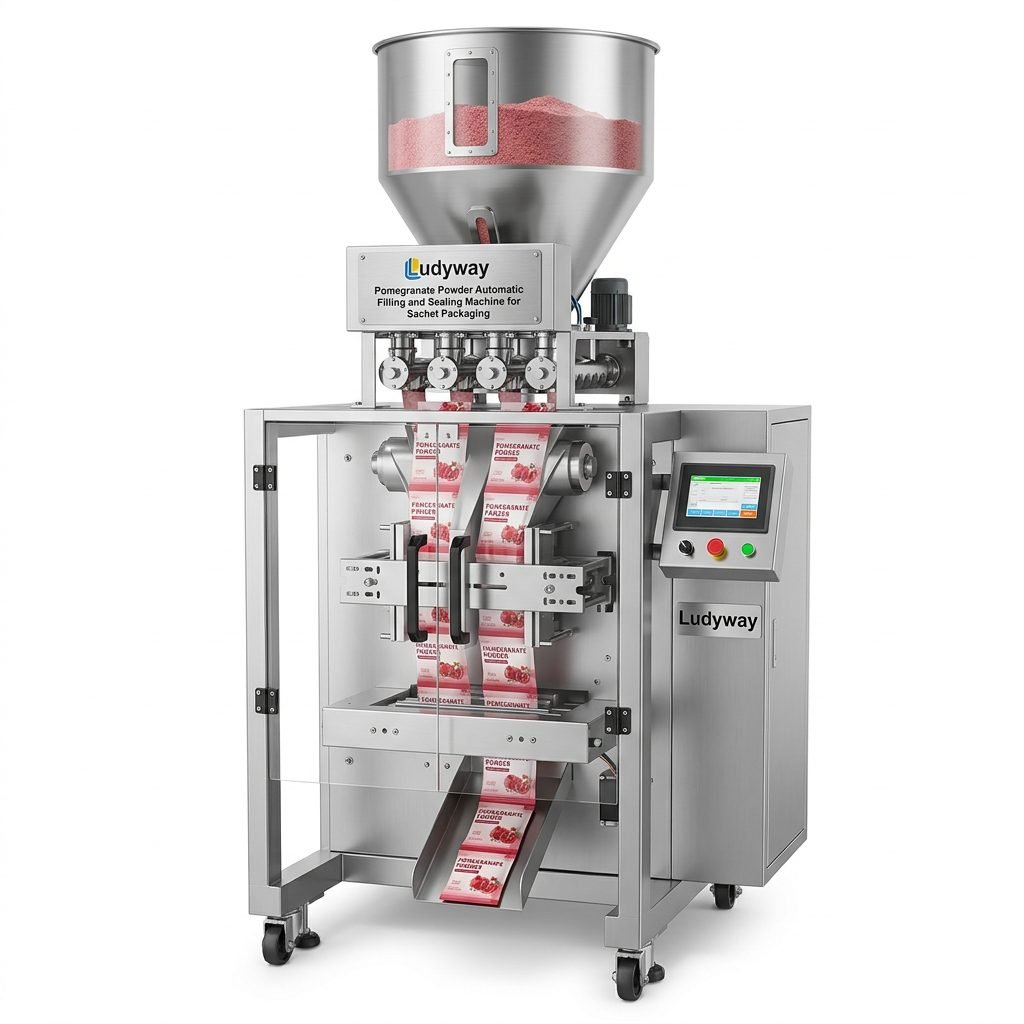
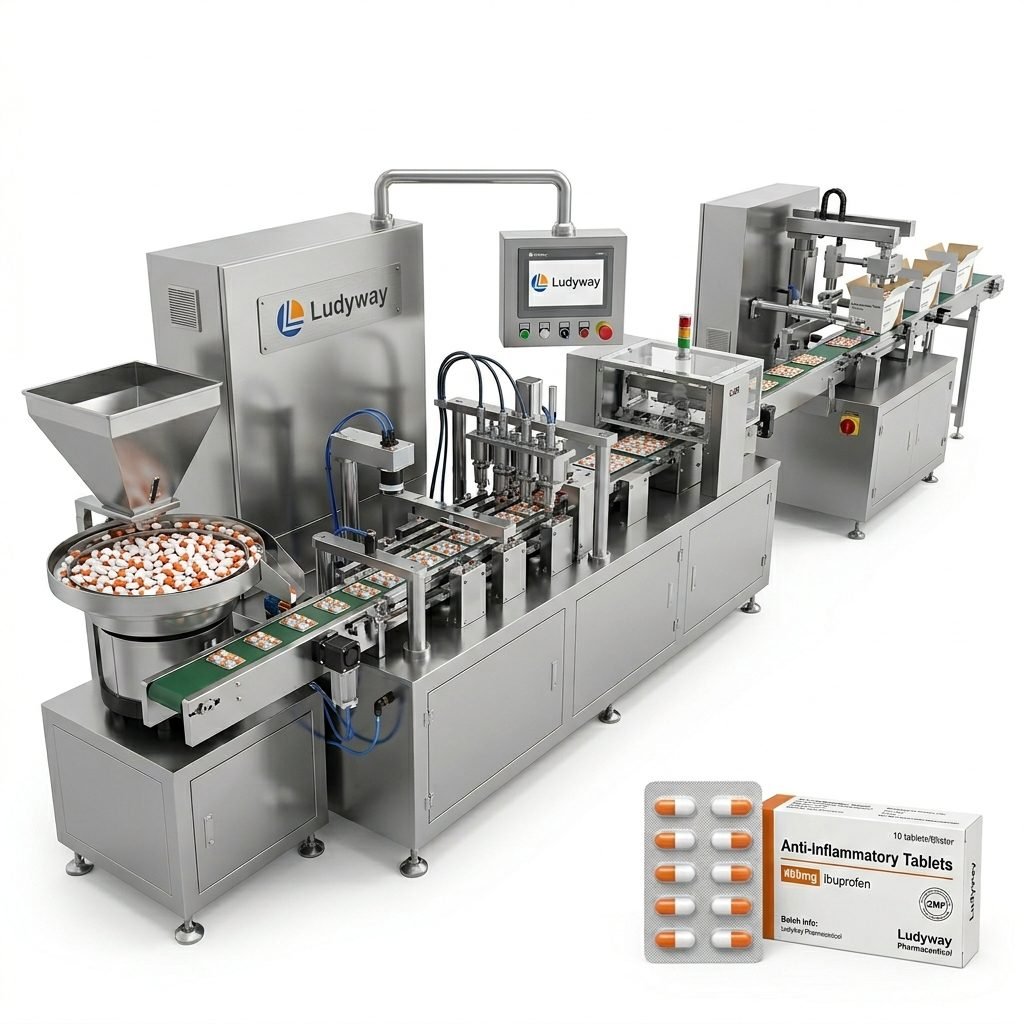
Types of Yogurt Packaging Machines
Choosing the right machine depends on your target packaging format, production capacity, and budget. Below is a comparison of the most common yogurt packaging machine types available for the African market:
| Machine Type | Packaging Format | Typical Output | Best For |
|---|---|---|---|
| Stick Pack Machine | Single-serve stick packs (liquid/paste) | 150-400 packs/min per lane | Drinkable yogurt, probiotic shots |
| Sachet Packaging Machine | Flat sachets (various sizes) | 100-350 sachets/min per lane | Economy yogurt portions, school programs |
| Pouch Packaging Line | Stand-up pouches, spouted pouches | 40-120 pouches/min | Premium yogurt, family-size packs |
| Cup Filling & Sealing Line | Plastic cups with foil/lid seal | 60-200 cups/min | Set yogurt, Greek yogurt, layered products |
| Bottle Filling Line | PET/HDPE bottles with cap | 50-150 bottles/min | Drinkable yogurt, bulk retail packs |
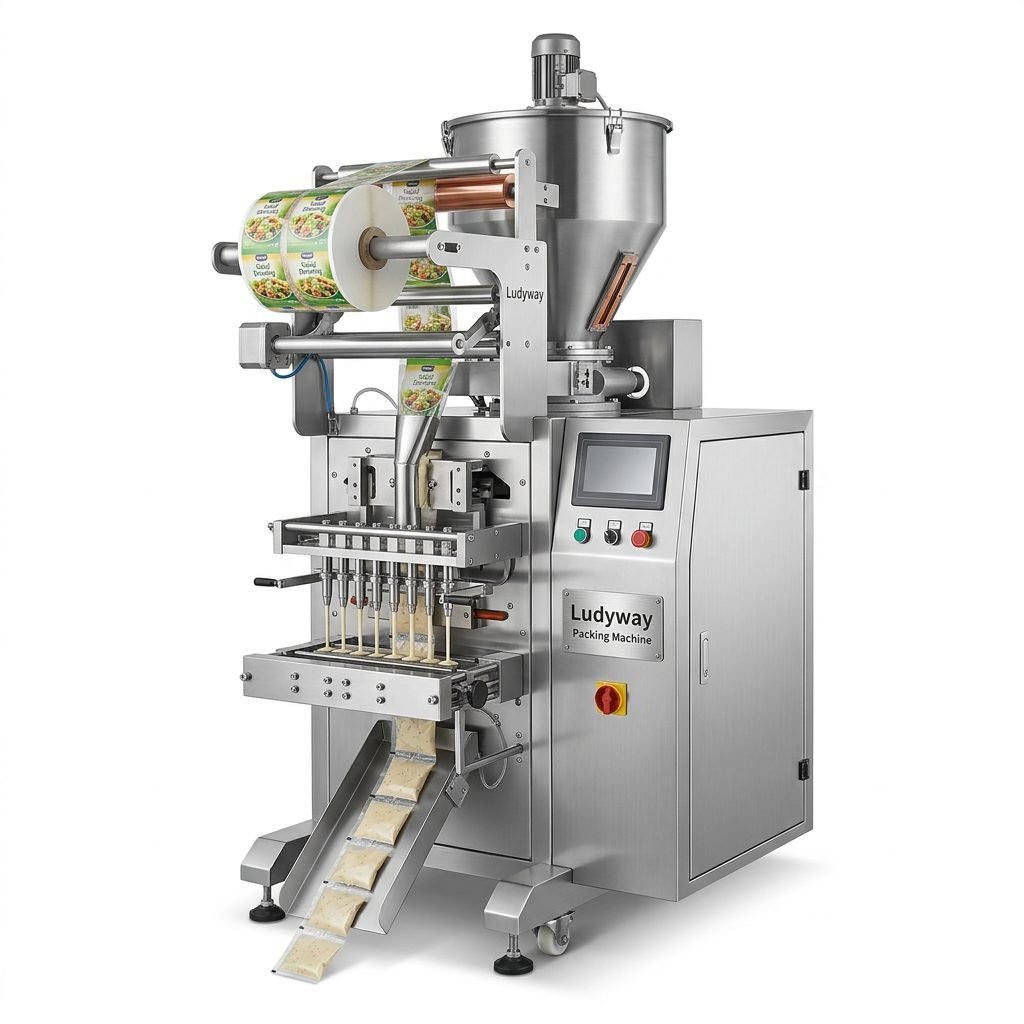
Key Factors to Consider When Buying a Yogurt Packaging Machine
1. Production Capacity Requirements
Assess your current and projected daily output. Multi-lane stick pack and sachet machines offer significantly higher throughput compared to single-lane systems. For small to medium enterprises entering the African market, a 4-8 lane machine often provides the optimal balance between investment and capacity. For larger operations serving multiple regions, 12-16 lane configurations deliver maximum productivity.
2. Packaging Material Compatibility
Yogurt packaging requires materials with excellent moisture and oxygen barrier properties. Common structures include PET/Aluminum/PE laminates and BOPP/metallized CPP combinations. Your machine must handle the specific film thickness and seal characteristics of your chosen material. Verify that the sealing temperature range and pressure controls are adjustable for different laminate types.
3. Filling Accuracy and Hygiene Standards
Liquid yogurt filling demands high-precision dosing systems—typically piston fillers, servo-driven pumps, or magnetic flow meters. Accuracy within ±0.5-1% is essential to minimize product giveaway and ensure regulatory compliance. All product-contact parts should be constructed from AISI 304 or 316L stainless steel with CIP (Clean-in-Place) compatibility for effective sanitation between production runs.
4. Automation Level and Labor Considerations
Fully automated systems reduce dependency on skilled labor and improve consistency—a significant advantage in regions where technical expertise may be limited. Integrated solutions that combine filling, sealing, coding, and optional cartoning into one streamlined line simplify operations and reduce the total equipment footprint.
Cost Considerations for the African Market
The total investment for a yogurt packaging machine varies based on automation level, capacity, and optional features. Here are the main cost components to evaluate:
- Initial machine cost — Entry-level semi-automatic machines start at approximately $8,000-$20,000, while fully automated multi-lane systems range from $40,000 to $150,000+ depending on configuration
- Shipping and import duties — Freight costs to African ports and applicable customs duties can add 15-30% to the equipment price
- Installation and commissioning — Budget for technician travel, on-site setup, and operator training
- Spare parts inventory — Maintaining critical spare parts locally reduces downtime risks; plan for 5-8% of machine value annually
- Ongoing consumables — Packaging film, ink for coding, and cleaning chemicals represent recurring operational costs
Technical Specifications to Evaluate
When comparing different yogurt packaging machine models, pay close attention to these critical specifications:
| Specification | Recommended Range | Importance |
|---|---|---|
| Filling Volume Range | 5ml – 500ml (adjustable) | Critical |
| Filling Accuracy | ±0.5% – ±1.0% | Critical |
| Sealing Temperature Control | PID-controlled, ±1°C accuracy | High |
| Film Width Compatibility | 80mm – 400mm | High |
| Power Supply | 220V/380V, 50Hz/60Hz adaptable | Critical |
| Frame Construction | AISI 304 Stainless Steel | Critical |
Regulatory Compliance and Food Safety
Yogurt packaging operations in Africa must comply with both local and international food safety standards. Key considerations include:
- Compliance with ISO 22000 and HACCP principles for food safety management
- Materials that meet food contact regulations per FDA food packaging standards or EU equivalent
- Cleanroom-compatible machine design with smooth surfaces and minimal crevices
- Validation of seal integrity to prevent post-processing contamination
- Traceability features including batch coding and date marking capabilities
Selecting a Reliable Supplier
For African buyers, supplier selection goes beyond comparing machine specifications. Evaluate potential partners based on:
- Experience in dairy and liquid packaging — Verify the supplier has proven installations for yogurt or similar viscous liquid products
- After-sales support infrastructure — Inquire about remote diagnostic capabilities, local service partners, and response times for technical issues
- Documentation quality — Comprehensive manuals, electrical diagrams, and maintenance guides should be available in English or French
- Training programs — On-site operator and maintenance training is essential for smooth production startup
- Reference checks — Request contact information for existing customers in African or similar emerging markets
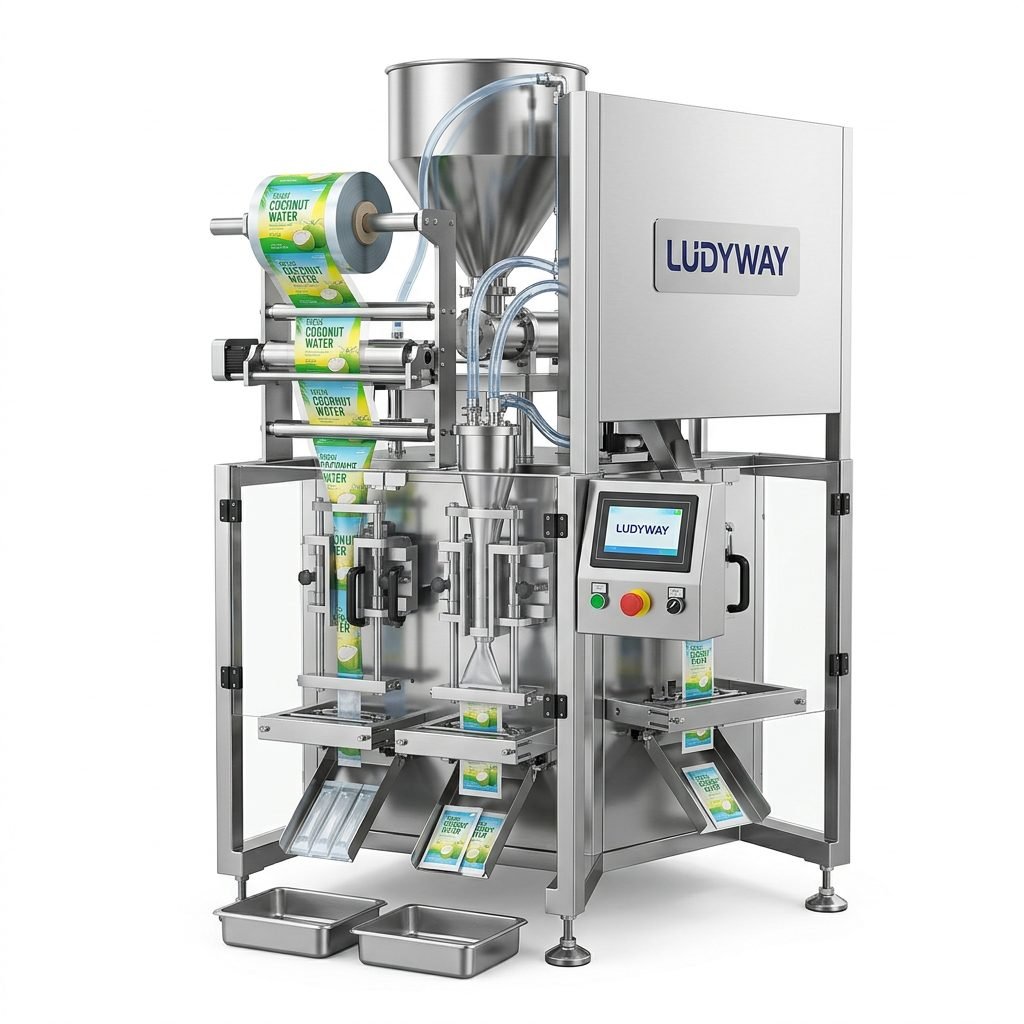
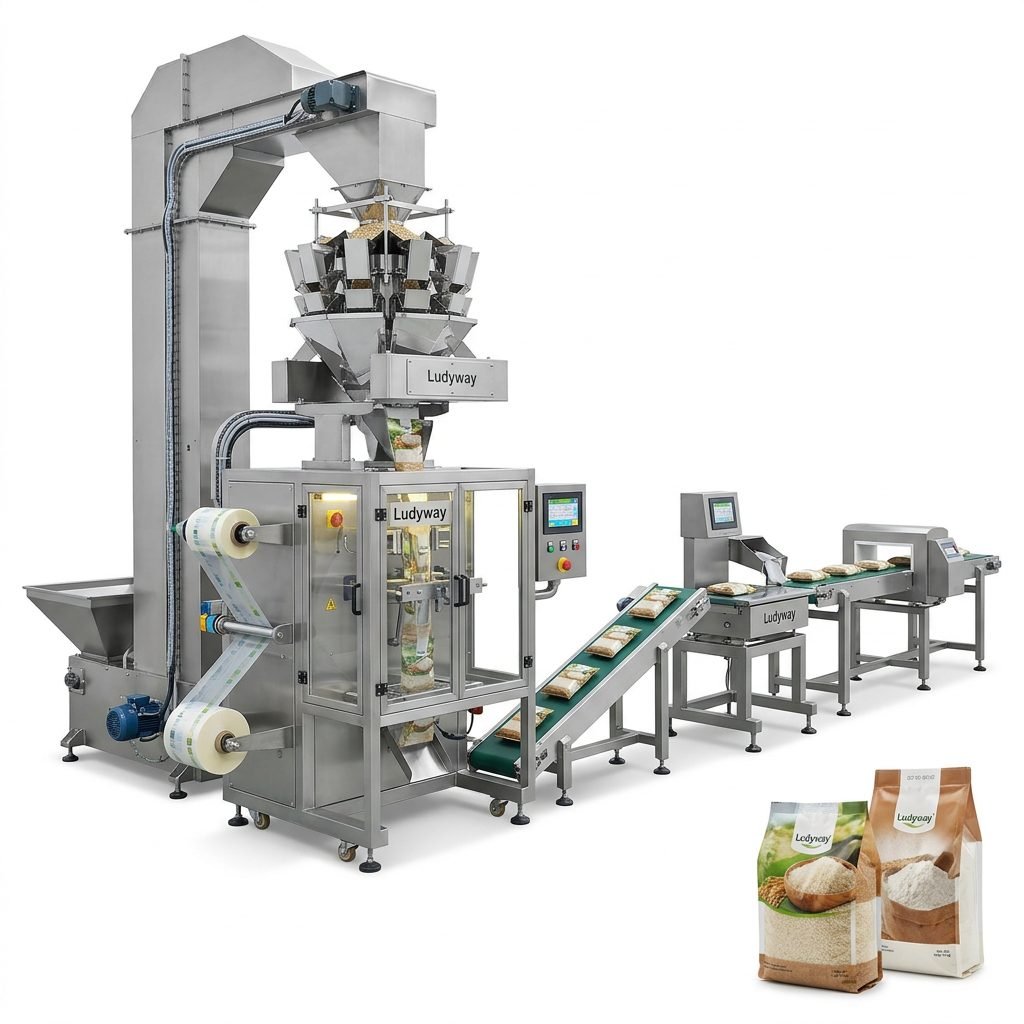
Ludyway, one of the largest packaging machine manufacturers in China with over 30 years of industry expertise and a modern 20,000㎡ manufacturing facility, provides advanced yogurt packaging machine solutions with comprehensive after-sales support to customers in over 100 countries and regions worldwide.
Maintenance and Long-Term Reliability
To maximize return on investment in African operating environments, implement a structured maintenance program:
- Daily — Clean product-contact surfaces, inspect seals and gaskets, verify temperature settings
- Weekly — Check and lubricate moving parts, inspect electrical connections, calibrate filling volumes
- Monthly — Replace wear components (sealing jaws, cutting blades, belts), verify sensor alignments
- Quarterly — Comprehensive system audit, software updates, predictive maintenance review
Maintain a critical spare parts inventory including sealing elements, drive belts, sensors, and common electronic components to minimize potential downtime.
Energy Efficiency and Operating Costs
With energy costs being a significant concern in many African countries, energy-efficient packaging machinery offers a competitive advantage. Modern yogurt packaging machines with servo-driven systems consume up to 40% less energy compared to older pneumatic or mechanical designs. Additionally, features like automatic standby mode during idle periods and optimized heating zone controls contribute to lower operational expenses over the machine’s lifespan.
Power Supply Considerations
Voltage fluctuations are common in many African regions. Ensure your packaging machine includes voltage stabilization and surge protection capabilities. Three-phase power availability varies—confirm the machine can operate on your facility’s specific electrical supply before ordering. Some suppliers offer customized electrical configurations for regions with unstable power grids.
Financing and Investment Strategies
Several financing approaches can help African businesses acquire yogurt packaging equipment:
- Equipment leasing — Spread costs over time while generating revenue from production
- Supplier financing — Some manufacturers offer staged payment terms for qualified buyers
- Trade finance instruments — Letters of credit and export credit agency support reduce transaction risk
- Development finance institutions — Organizations like Afreximbank and IFC provide equipment financing for African food processors
Emerging Trends in Yogurt Packaging
The African yogurt packaging landscape is evolving rapidly. Key trends shaping the industry include:
- Sustainable packaging materials — Growing consumer demand for recyclable and biodegradable packaging options is driving innovation in film materials that maintain barrier properties while reducing environmental impact
- Smart packaging features — QR codes, tamper-evident seals, and freshness indicators add value and build consumer trust
- Smaller portion sizes — Single-serve formats in the 65ml-150ml range are gaining popularity for affordability and convenience
- Ambient-stable packaging — Aseptic packaging technology enables shelf-stable yogurt without cold chain requirements, expanding distribution possibilities in regions with limited refrigeration infrastructure
According to the Flexible Packaging Association, flexible packaging solutions continue to outpace rigid formats in developing markets due to lower material costs, reduced shipping weight, and improved consumer convenience.
Steps to a Successful Purchase
Follow this structured approach to ensure a successful yogurt packaging machine acquisition:
- Define your product range and target formats — Determine all current and planned yogurt products with their packaging requirements
- Calculate required throughput — Based on market demand projections, establish minimum and desired production speeds
- Prepare a detailed specification document — Include packaging dimensions, filling volumes, material specifications, and facility constraints
- Request proposals from multiple suppliers — Compare technical capabilities, pricing, and support terms from at least 3-4 qualified manufacturers
- Conduct factory acceptance testing — Where possible, visit the manufacturer’s facility to witness machine performance with your actual product
- Plan for installation and ramp-up — Allocate sufficient time and resources for installation, operator training, and production optimization
Frequently Asked Questions
What is the best packaging format for yogurt in Africa?
Sachets and stick packs dominate the affordable yogurt segment due to low packaging cost per unit. For premium products, stand-up pouches and cups offer better branding opportunities and consumer convenience. The optimal format depends on your target market segment and distribution channel.
How long does delivery and installation take?
Standard yogurt packaging machines typically ship within 30-60 days after order confirmation. Ocean freight to major African ports adds approximately 20-40 days. Installation and commissioning usually require 5-10 working days depending on line complexity and facility readiness.
Can one machine handle both liquid and set yogurt?
Some versatile packaging machines can accommodate both liquid (drinkable) and semi-solid (set/Greek) yogurt with minimal changeover. However, filling systems optimized for specific viscosities generally deliver better accuracy and speed for dedicated production lines.
What after-sales support should I expect?
Reputable suppliers provide remote technical support, on-site service visits, operator training, and readily available spare parts. Confirm the supplier’s service coverage in your country or region before finalizing the purchase. Warranty terms typically range from 12 to 24 months for major components.
For more information on yogurt packaging machine solutions tailored to the African market, visit Ludyway’s official website or explore the PMMI State of the Industry Report for broader packaging market insights.