Investing in a 1 kg tea and pulses packing machine is a critical step for businesses looking to scale production, ensure consistent package weights, and improve shelf appeal. Whether you are packaging premium loose-leaf tea, masala tea, or various lentils and beans, the right equipment transforms your operational efficiency. This guide breaks down the pricing, must-have features, and expert buying tips to help you make an informed decision.
Understanding the Types of 1 Kg Packing Machines
Before comparing costs, it’s essential to understand the technology available. The category generally splits into three main configurations, each suited for different production scales:
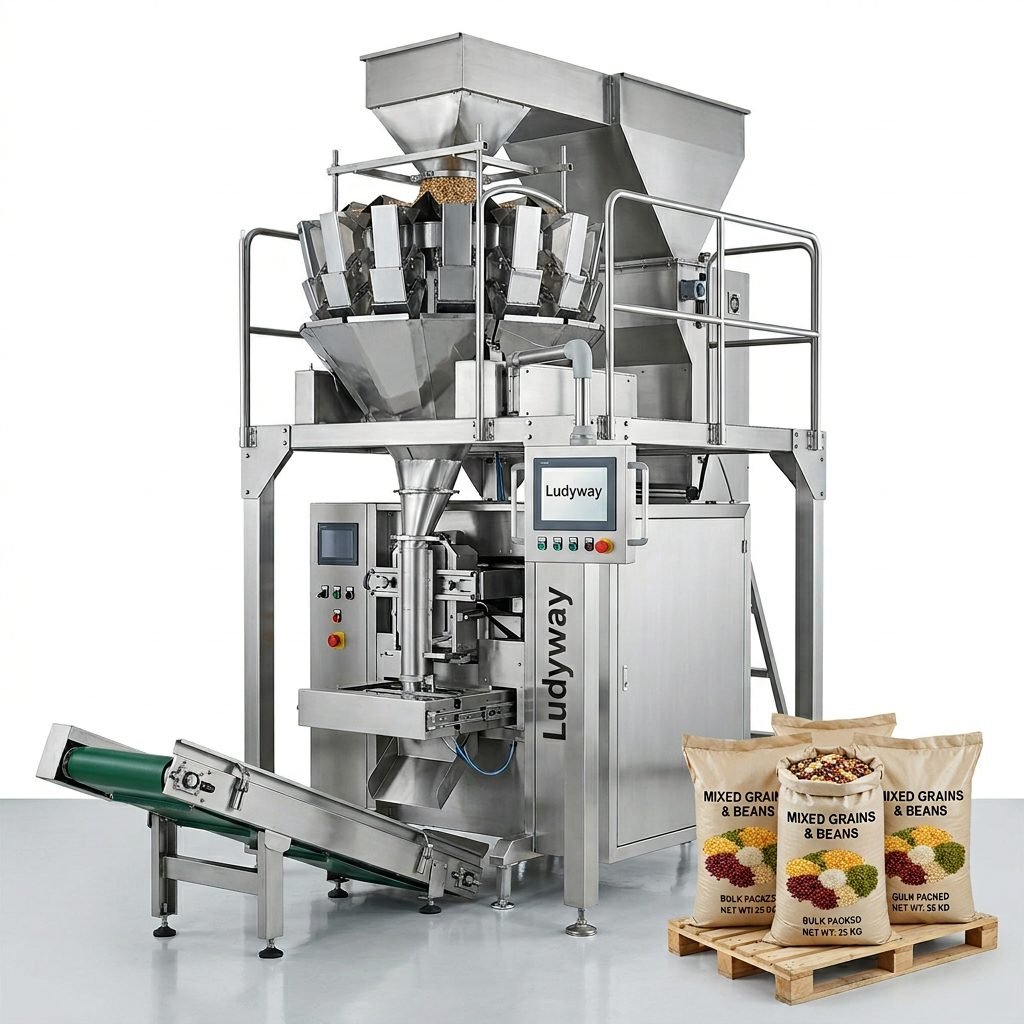
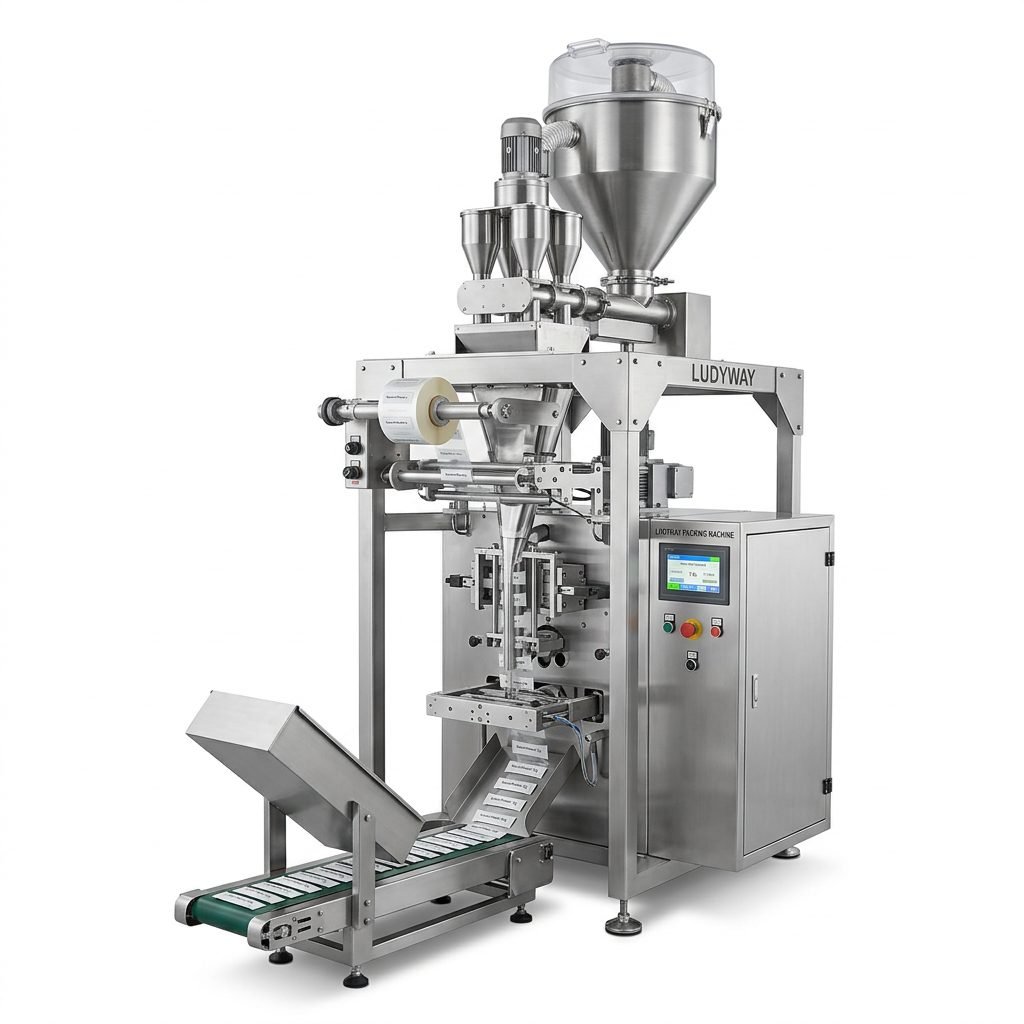
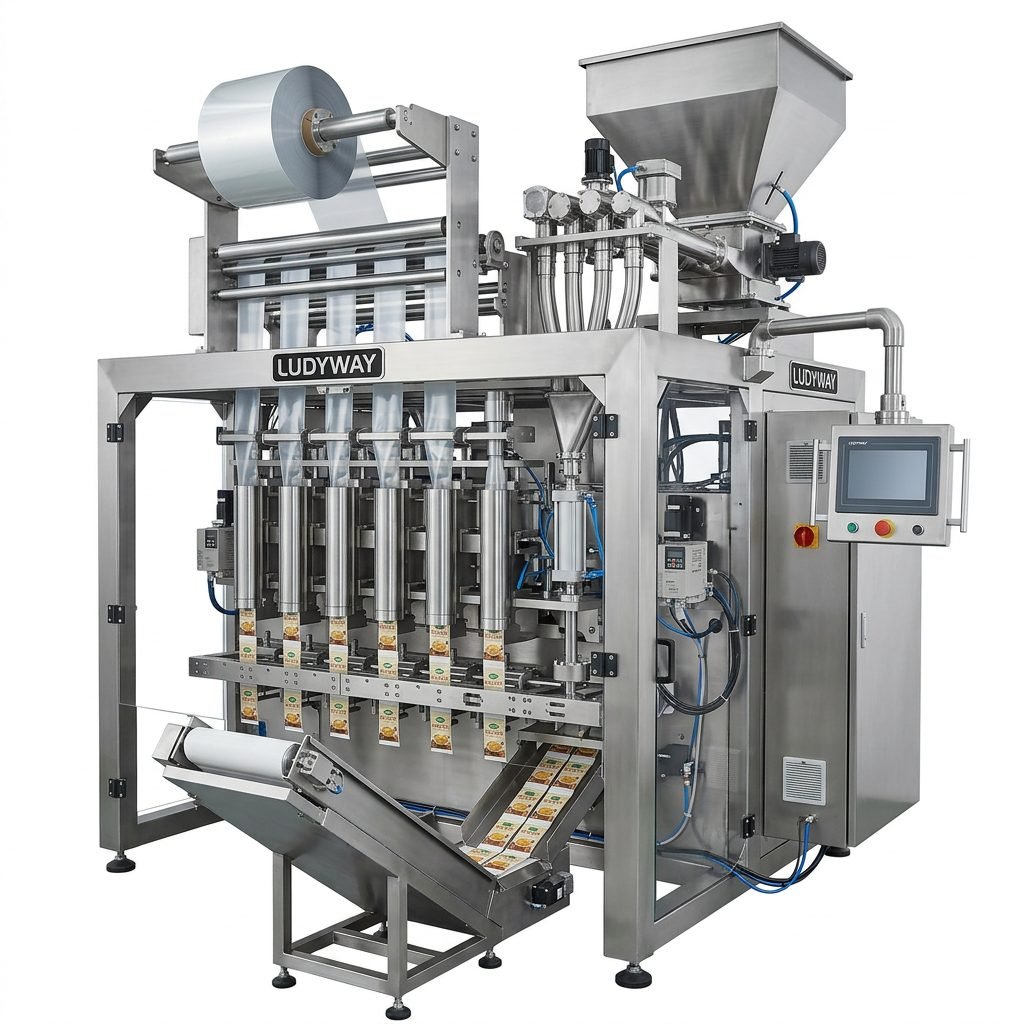
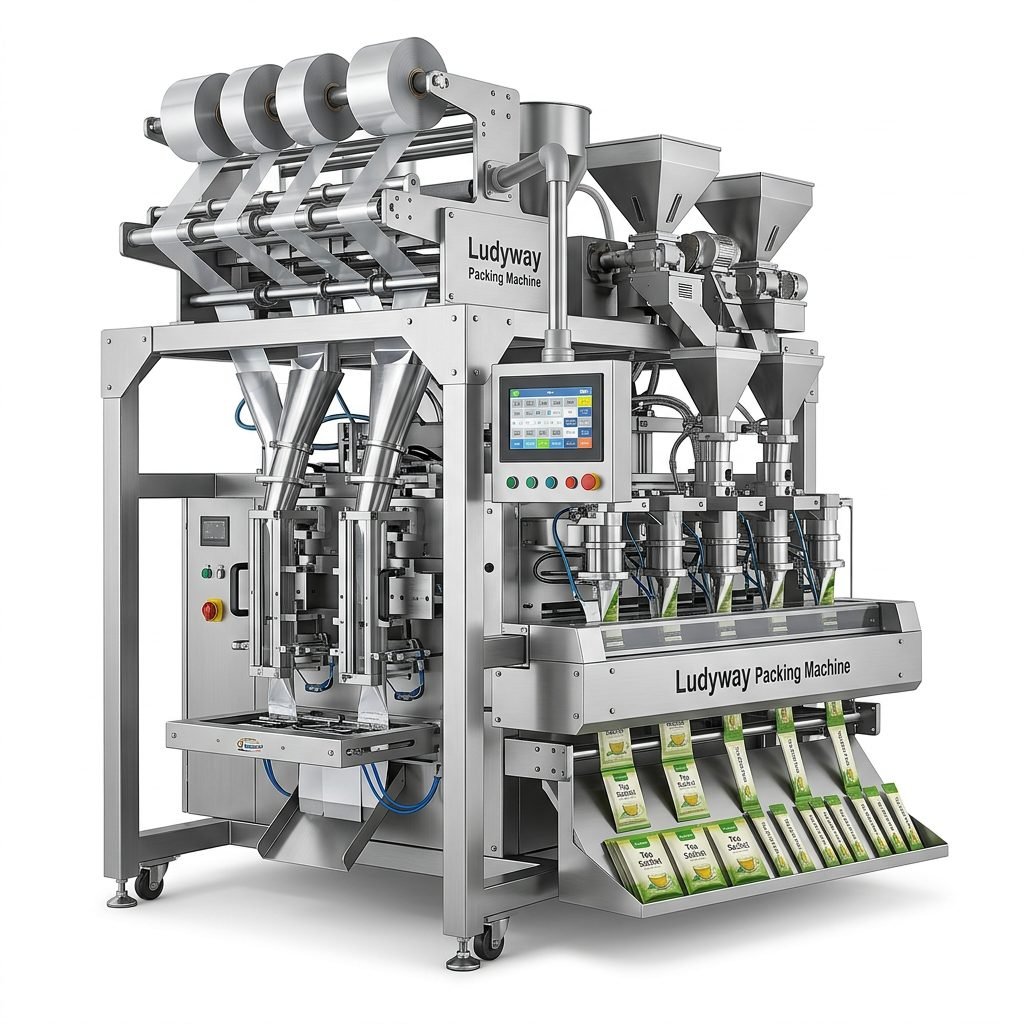
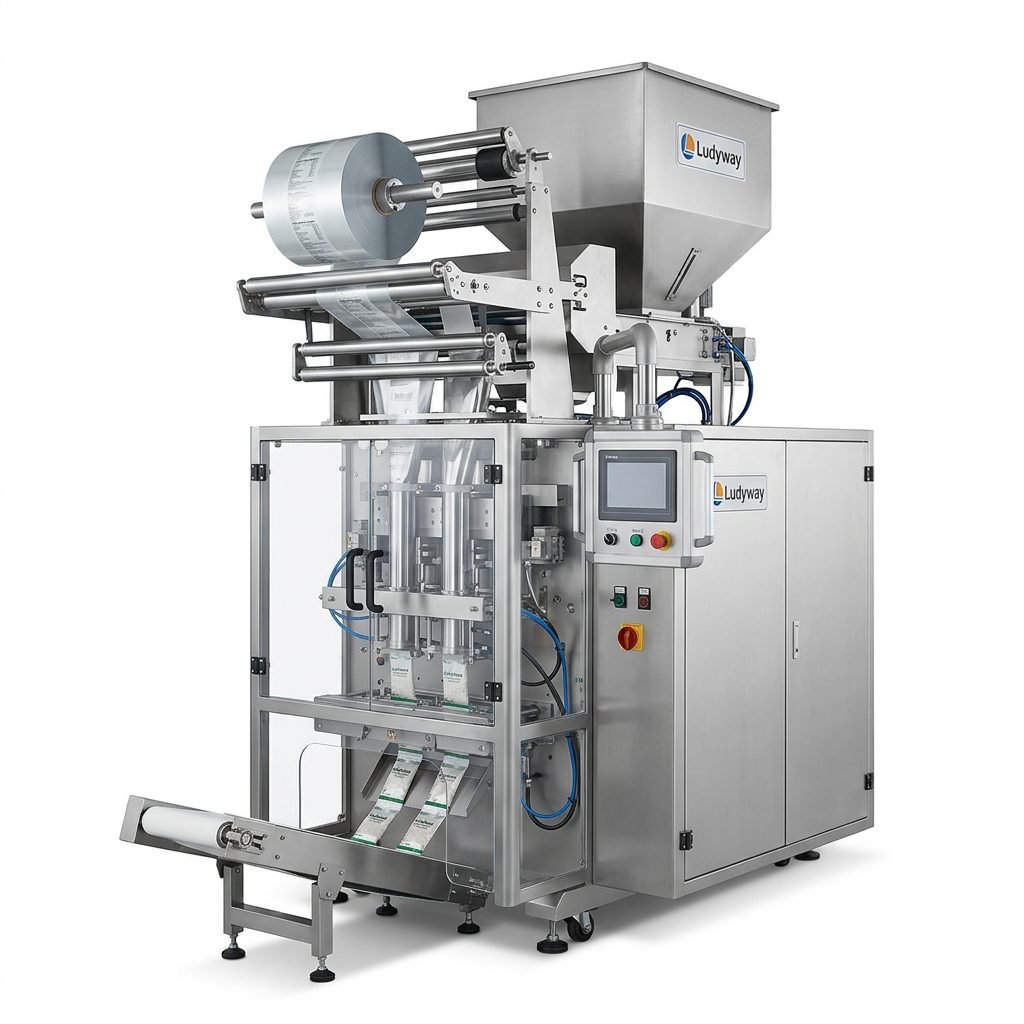
- Vertical Form Fill Seal (VFFS) Machines: Ideal for high-speed operations, these machines form bags from a roll of film, fill them with product, and seal them automatically. They are the industry standard for granular products.
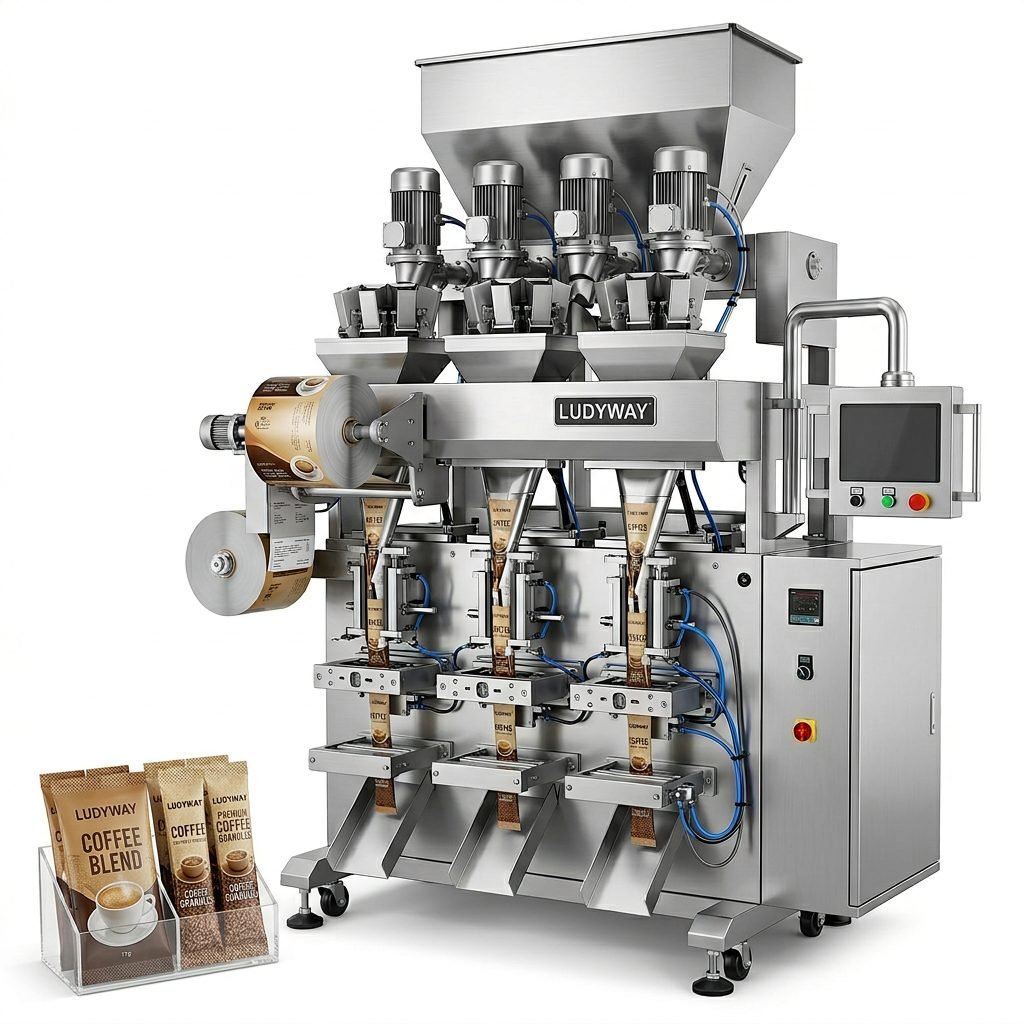
- Premade Pouch Fill & Seal Machines: These pick up ready-made stand-up pouches or flat bags, open them, fill, and seal. They are excellent for branding but typically run at slightly lower speeds than VFFS systems.
- Semi-Automatic Weigh-Fill Systems: Often used by smaller businesses, these require an operator to place the bag. They combine a digital scale with a foot-pedal-operated filler, offering an entry-level automation point.
1 Kg Tea and Pulses Packing Machine Price Range
The cost of a 1 kg packaging machine varies widely based on automation level, speed, and build quality. Below is a realistic breakdown of what to expect in the current market:
| Machine Type | Price Range (USD) | Best For |
|---|---|---|
| Semi-Automatic Weigh Filler | $2,500 – $8,000 | Startups, low-volume production |
| Basic VFFS Machine (Single Lane) | $8,000 – $25,000 | Medium businesses, regional brands |
| High-Speed VFFS (Multi-Head Weigher) | $25,000 – $55,000 | Large-scale industrial packing |
| Premade Pouch Rotary Machine | $30,000 – $80,000+ | Premium branding, irregular shapes |
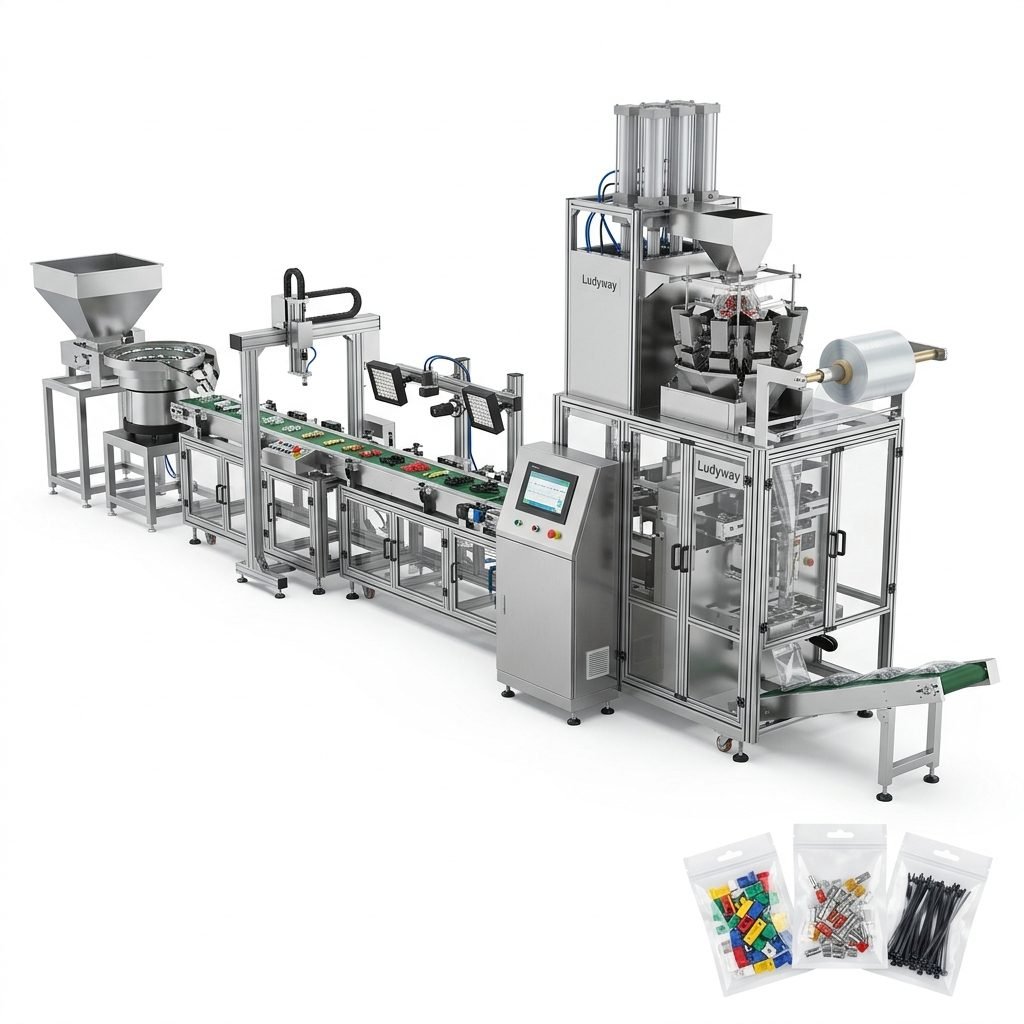
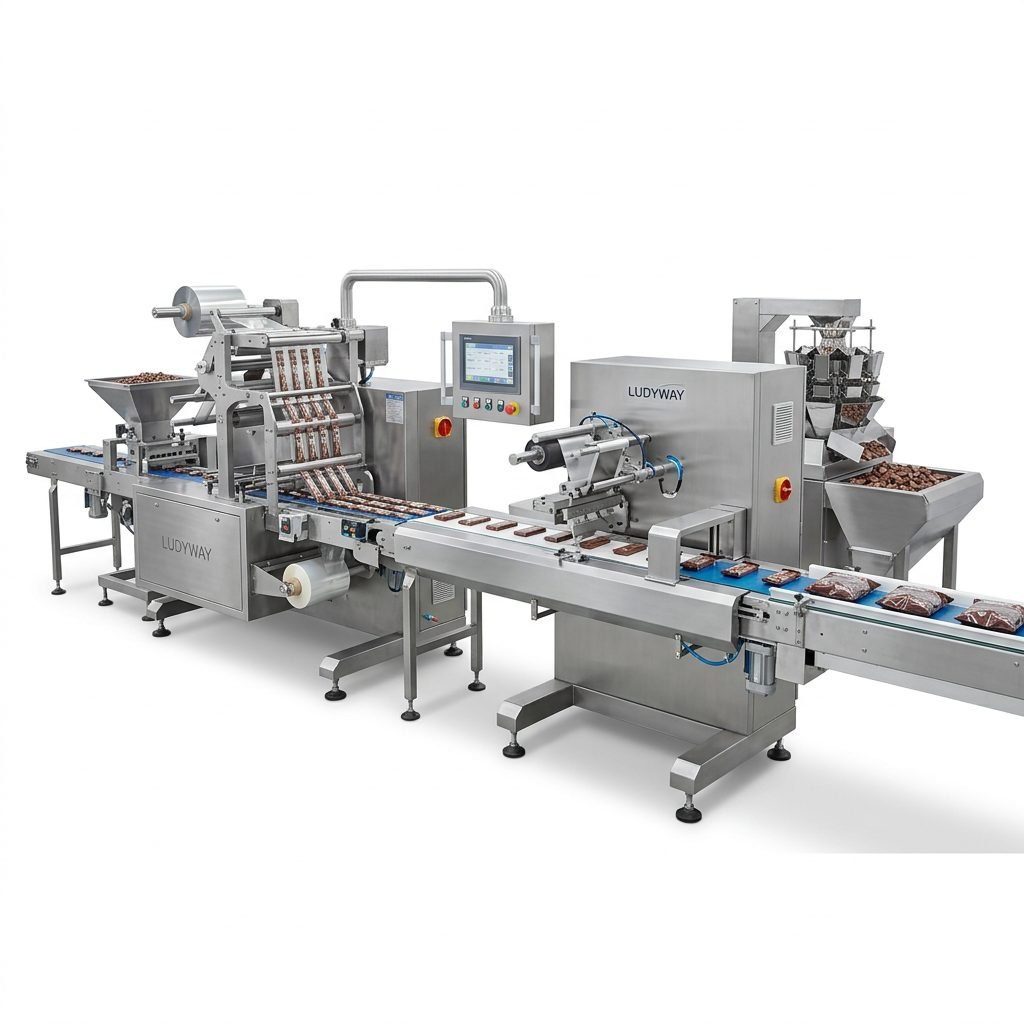
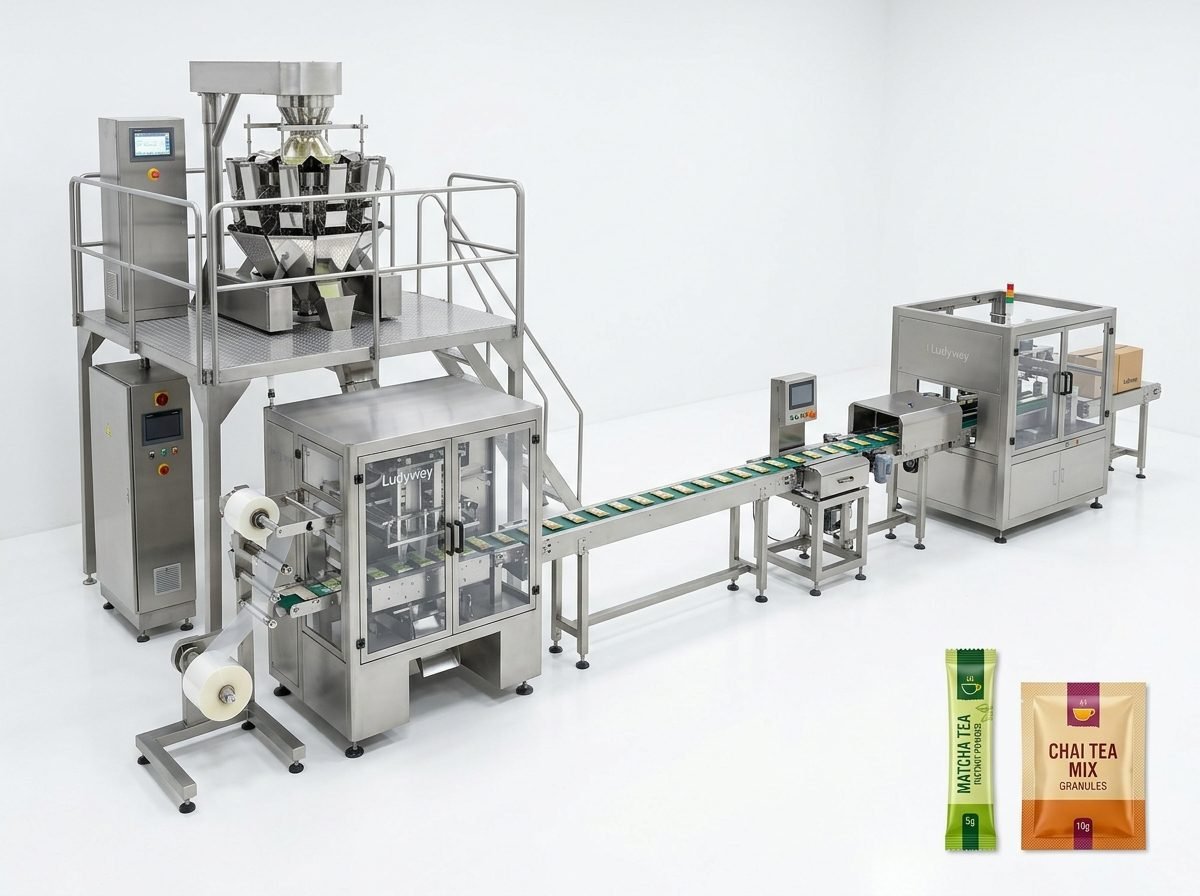
It’s important to note that a complete 1 kg packing line includes not just the filler but also conveyors, a multi-head weigher, and often a date coder. Turnkey solutions generally offer better integration and long-term value than piecing together components from different suppliers.
Critical Features to Look For
When evaluating a machine for tea and pulses, the weighing accuracy and material handling are non-negotiable. Pulses are dense and heavy, while tea leaves are voluminous and delicate. Your machine must handle both.
1. High-Precision Multi-Head Weigher
For 1 kg packs, a 10-head or 14-head weigher is ideal. Look for machines that achieve an accuracy of ±0.5% to ±2%, depending on the product. This minimizes product giveaway, directly impacting your bottom line.
2. Dust Extraction Systems
Tea and certain pulses generate significant dust. A machine equipped with a vacuum dust extraction port keeps the sealing area clean, ensuring airtight seals and preventing future mechanical failures.
3. Servo-Driven Motors
Machines using servo motors for bag length and sealing offer superior precision and repeatability. They are more energy-efficient and quieter than pneumatic systems, with less maintenance over time.

Buying Guide: 5 Questions to Ask Before You Purchase
To avoid expensive mistakes, ask your machinery partner the following questions. These will help you determine the true cost of ownership, not just the purchase price.
- “Can this machine handle both my tea and pulses without significant changeover time?” — Look for tool-less adjustments and recipe memory that allows you to switch products in under 15 minutes.
- “What is the film compatibility?” — Ensure the machine can run cost-effective laminates like BOPP/CPP or PET/PE, as well as biodegradable films if required by your market.
- “Is the software user-friendly for non-engineers?” — A touchscreen interface with multilingual support is essential for training shop-floor staff quickly.
- “What after-sales support and spare parts availability do you provide?” — Confirm if the supplier offers remote video assistance and locally stocked critical spares like heating elements and Teflon tapes.
- “Can you provide a turnkey solution including bucket elevators and conveyors?” — A single-source integrated line ensures mechanical synchronization and simplifies warranty management.
Maximizing ROI with the Right Auxiliary Equipment
A standalone machine rarely operates in isolation. To truly run an efficient 1 kg packaging line, consider these essential add-ons:
- Z-Type Bucket Elevator: Gently lifts tea or pulses into the weigher without crushing the product.
- Checkweigher: Automatically rejects packs that are off-weight, ensuring compliance with weights and measures regulations.
- Metal Detector: A critical safety step, especially for pulses which can occasionally contain ferrous contaminants from processing.
- Nitrogen Flushing System: For tea packaging, nitrogen flushing inside the bag preserves aroma and extends shelf life significantly.
As a recognized innovator among global packaging machine manufacturers, Ludyway offers these integrated components designed for complete line synchronization, which helps businesses reduce waste and increase output from day one.
Understanding the Total Cost of Ownership
The sticker price is just the beginning. When budgeting, factor in the cost of consumables like packaging film, the power consumption of the machine (typically 3-5 kW for a standard VFFS), and ongoing maintenance contracts. A slightly higher upfront investment in a servo-driven system often pays for itself within two years through reduced film waste and lower energy bills.
Analyzing Production Speed vs. Cost
An entry-level machine might pack 10-15 bags per minute. A high-speed multi-lane system can achieve 40-60 bags per minute for 1 kg packs. If your daily target is 10,000 kg, the faster machine drastically reduces your operational hours and labor costs. Calculate the cost per bag packed to get a true comparative figure rather than looking only at the initial capital layout.
Related Industry Resources
For deeper market analysis and packaging standards, refer to these authoritative resources:
- PMMI – Packaging Industry Business Intelligence
- Flexible Packaging Association – Industry Resources
- FDA – Food Packaging and Food Contact Substances
- ISO – Packaging Standards
Conclusion
Selecting a 1 kg tea and pulses packing machine is a strategic investment that directly affects product quality and profit margins. By prioritizing accuracy over speed alone, ensuring the machine can handle the unique flow characteristics of both tea and pulses, and opting for a scalable, servo-driven platform, you lay the groundwork for sustained growth. Evaluate your supplier on their engineering support and ability to deliver a fully integrated line—this holistic approach consistently yields the strongest return on investment over the machine’s lifecycle.