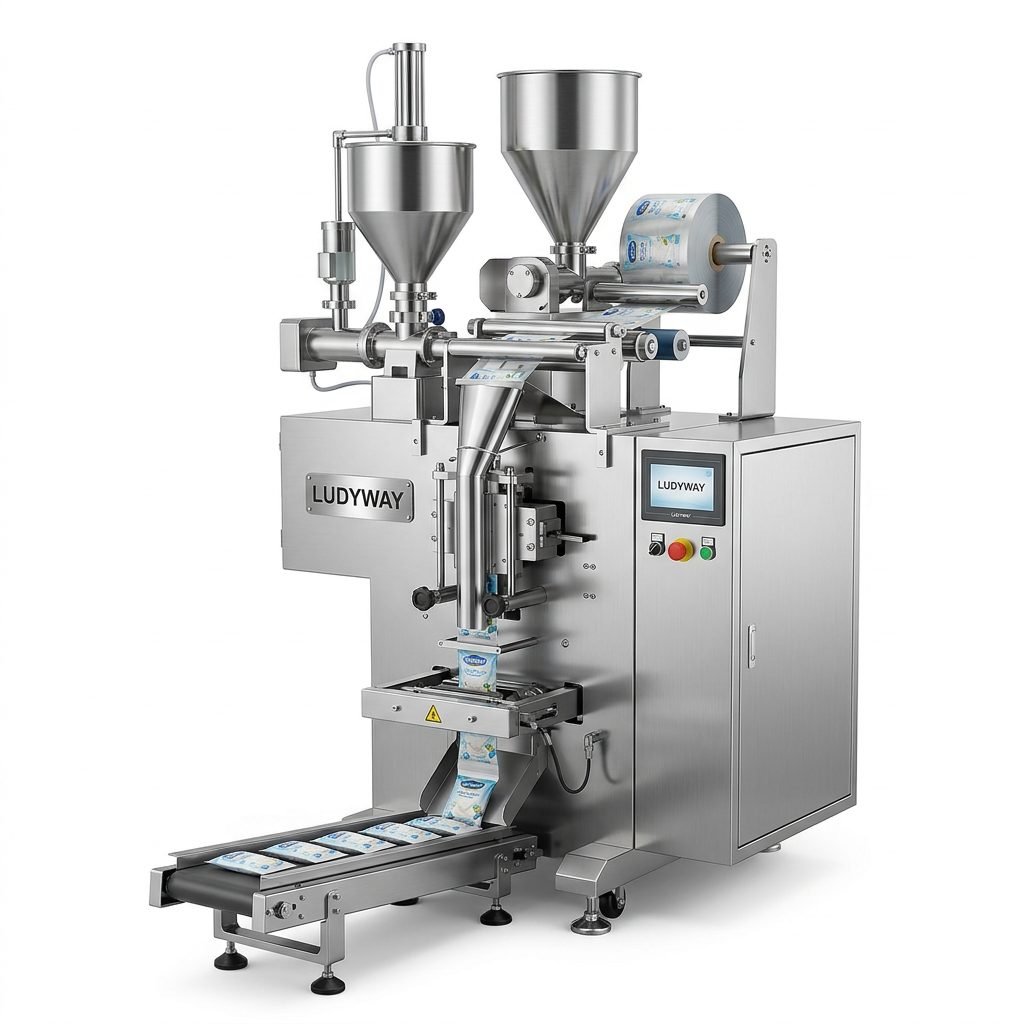
For manufacturers packaging edible oils, lubricant oils, essential oils, or specialty liquid products, a 1 litre oil packing machine offers a practical balance between production efficiency, filling accuracy, and packaging consistency. Whether you run a growing food brand or a high-volume industrial plant, choosing the right machine directly affects output, labor costs, sealing quality, and long-term profitability.
Modern oil packaging equipment is designed to handle different viscosities, container types, and automation levels. From sachets and pouches to bottles and jerrycans, the right solution can help reduce product waste, improve hygiene, and support scalable production.
What Is a 1 Litre Oil Packing Machine?
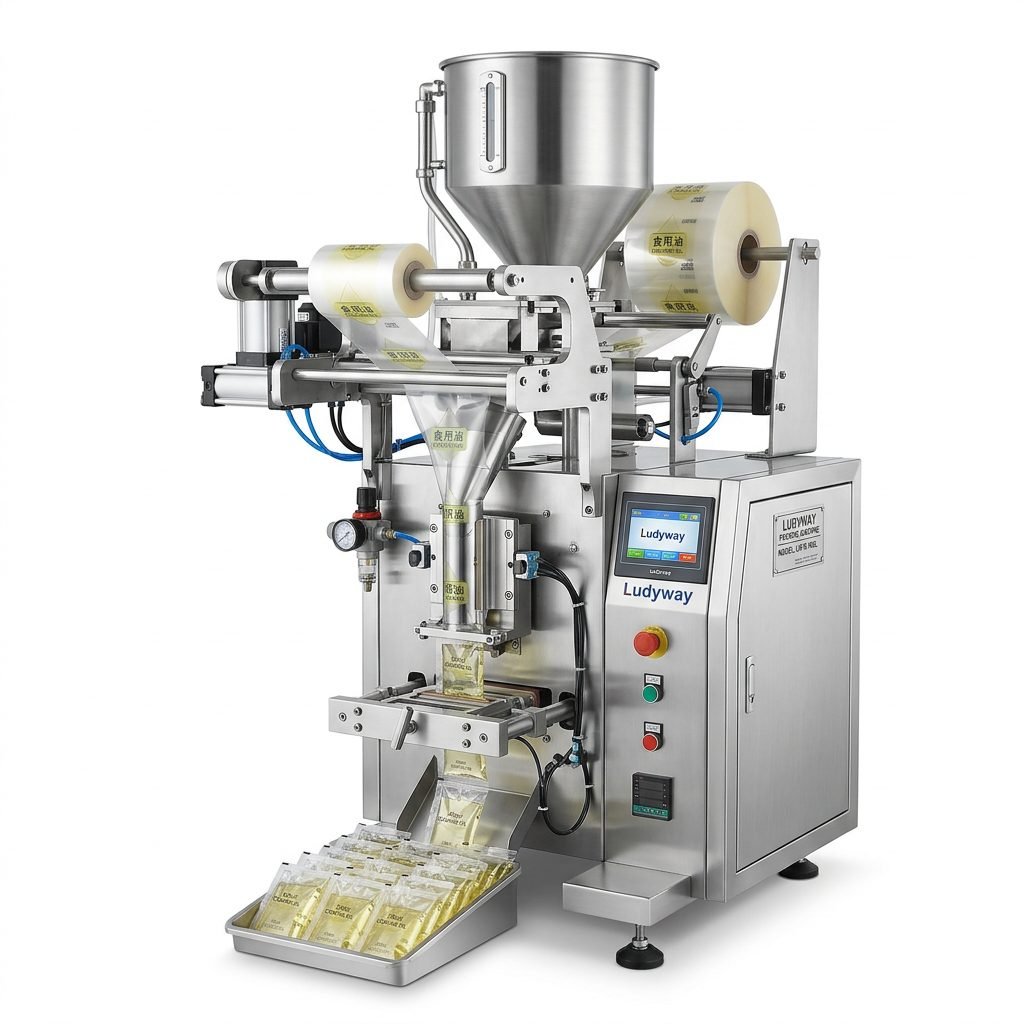
A 1 litre oil packing machine is automated packaging equipment specially built to measure, fill, and seal oil products into a fixed volume of 1 litre per pack. Depending on the application, the machine may work with:
- Bottles
- Stand-up pouches
- Pillow bags
- Sachets
- Spouted pouches
- Plastic containers or jerrycans
These systems are commonly used in food processing, household chemical packaging, automotive fluids, agricultural products, and personal care sectors. For oil products, the key requirement is reliable liquid handling without leakage, foaming issues, or inconsistent fill volumes.
Industries That Commonly Use 1 Litre Oil Packaging Equipment
A wide range of businesses rely on 1 litre filling solutions because this pack size is both consumer-friendly and efficient for transport, storage, and retail display.
| Industry | Typical Products | Common Packaging Format |
|---|---|---|
| Food & Beverage | Cooking oil, olive oil, palm oil, blended oil | Bottles, pouches, sachets |
| Household Chemicals | Cleaner concentrates, liquid detergents, polish oils | Pouches, bottles |
| Automotive | Lubricant oils, engine additives | Bottles, sachets |
| Cosmetics & Personal Care | Body oils, hair oils | Bottles, pouches |
| Agriculture & Industrial | Specialty oils, treatment liquids | Canisters, pouches |
Key Benefits of Using a 1 Litre Oil Packing Machine
1. Improved Filling Accuracy
Manual filling often leads to underfilling or overfilling. Automated systems use piston, flow meter, or pump-based dosing to keep fill volumes stable. This helps protect profit margins and supports compliance with packaging standards.
2. Higher Production Efficiency
A well-designed machine increases output while reducing operator dependency. This is especially important for businesses that need continuous, repeatable production over long shifts.
3. Cleaner and More Hygienic Operation
Oil can easily drip, smear, or contaminate packaging surfaces. Automated nozzles and sealing systems reduce mess and help maintain a cleaner production area.
4. Better Packaging Appearance
Uniform filling and stable sealing improve shelf appeal. For consumer-facing products such as cooking oil or hair oil, packaging appearance strongly influences purchase decisions.
5. Lower Labor Costs
Automation cuts the need for repetitive manual filling, capping, and sealing tasks. Over time, this delivers measurable operational savings.
Main Types of 1 Litre Oil Packing Machines
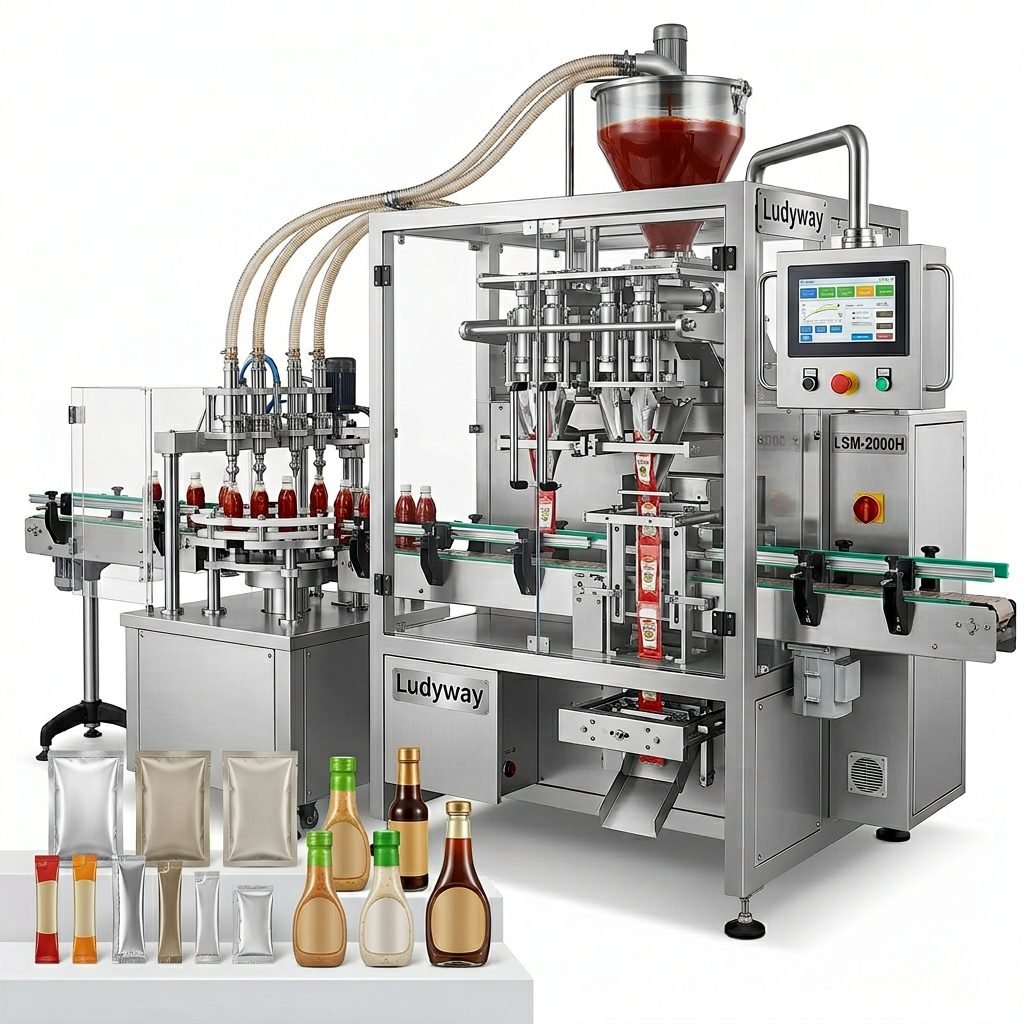
Bottle Filling Machines
These are suitable for edible oil brands, lubricant manufacturers, and personal care companies. A bottle line may include bottle feeding, filling, capping, labeling, coding, and cartoning.
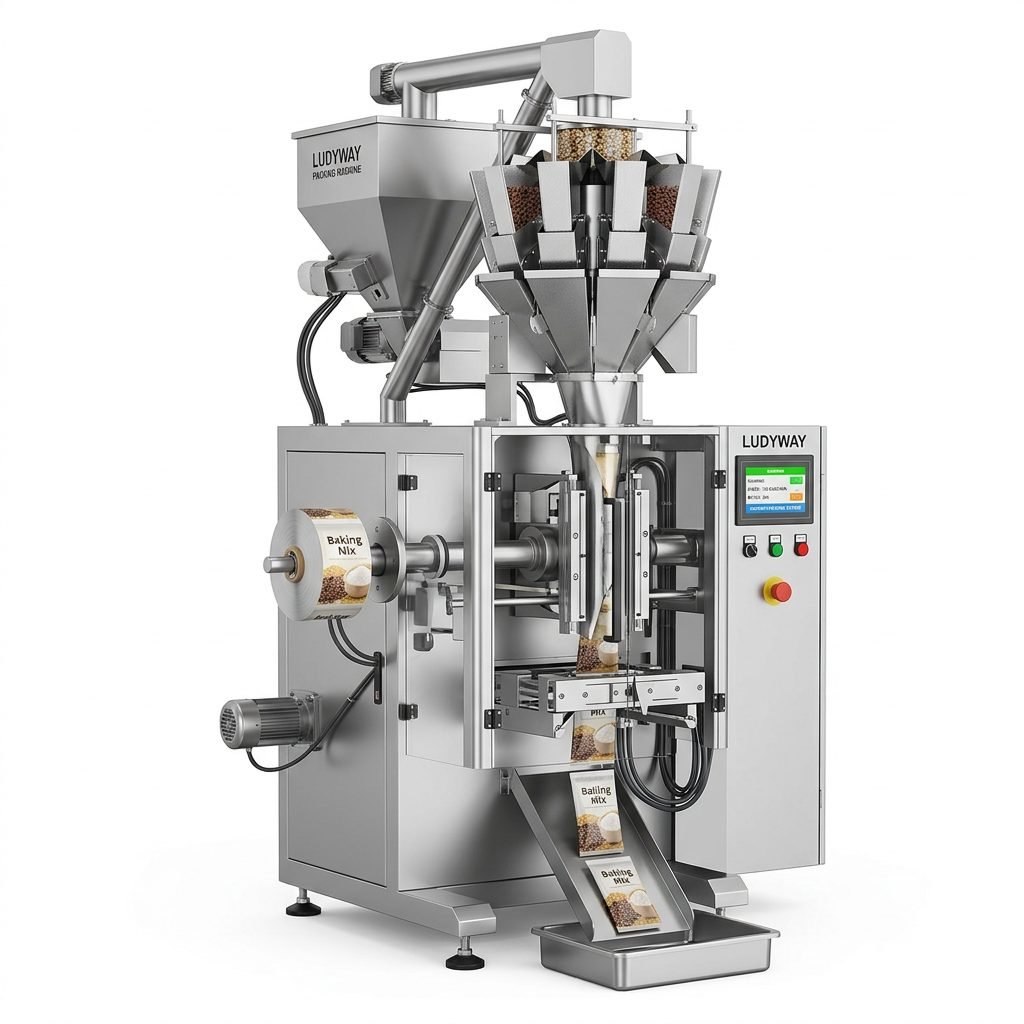
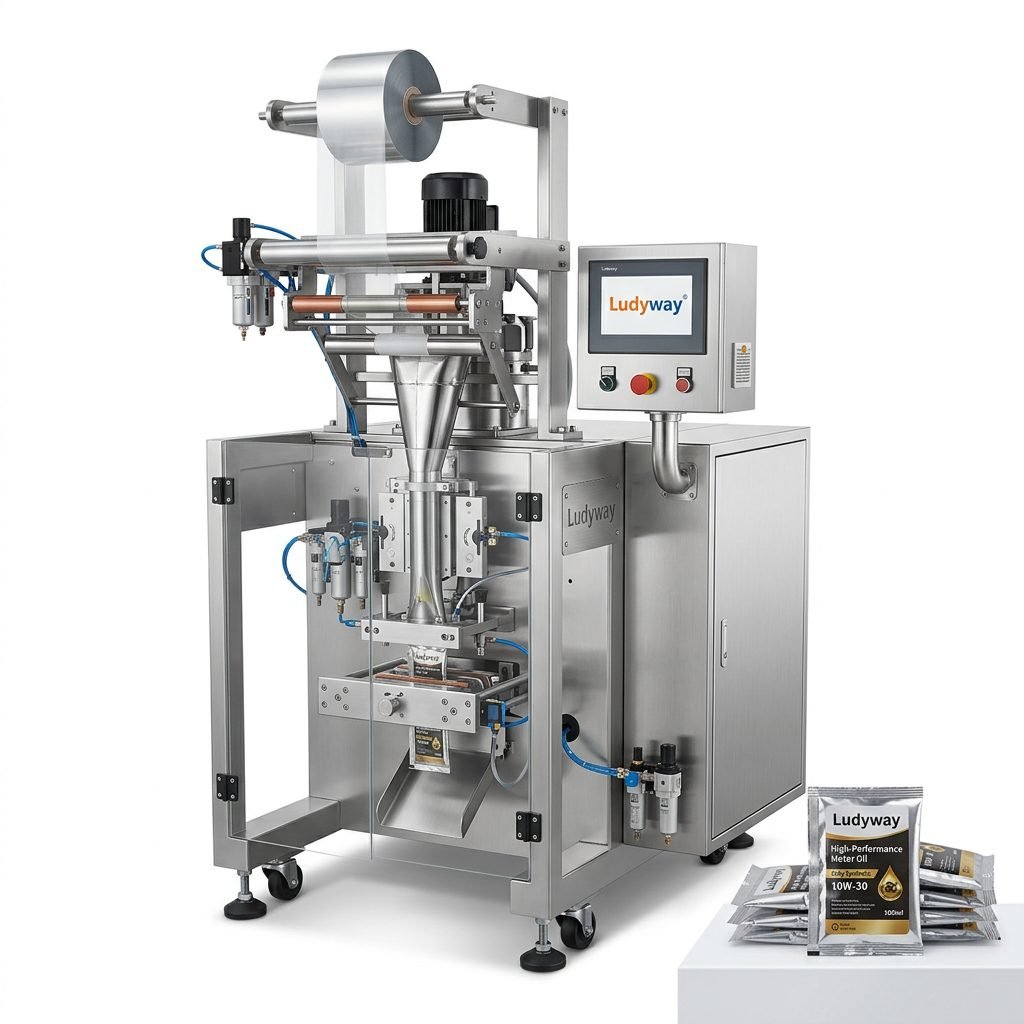
Pouch Filling and Sealing Machines
Pouches are increasingly popular due to lower material cost, reduced shipping weight, and convenient consumer use. Premade pouch and form-fill-seal systems are both available.
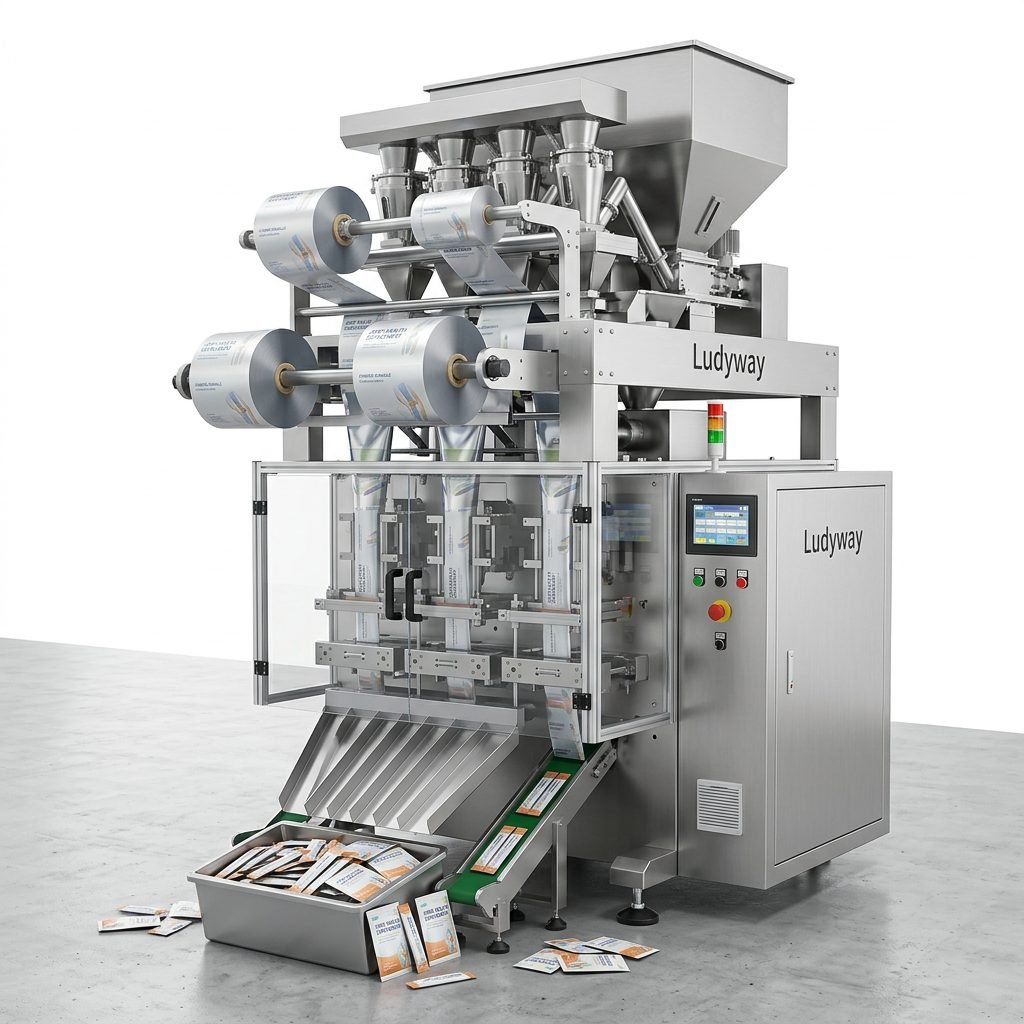
Sachet Packing Machines
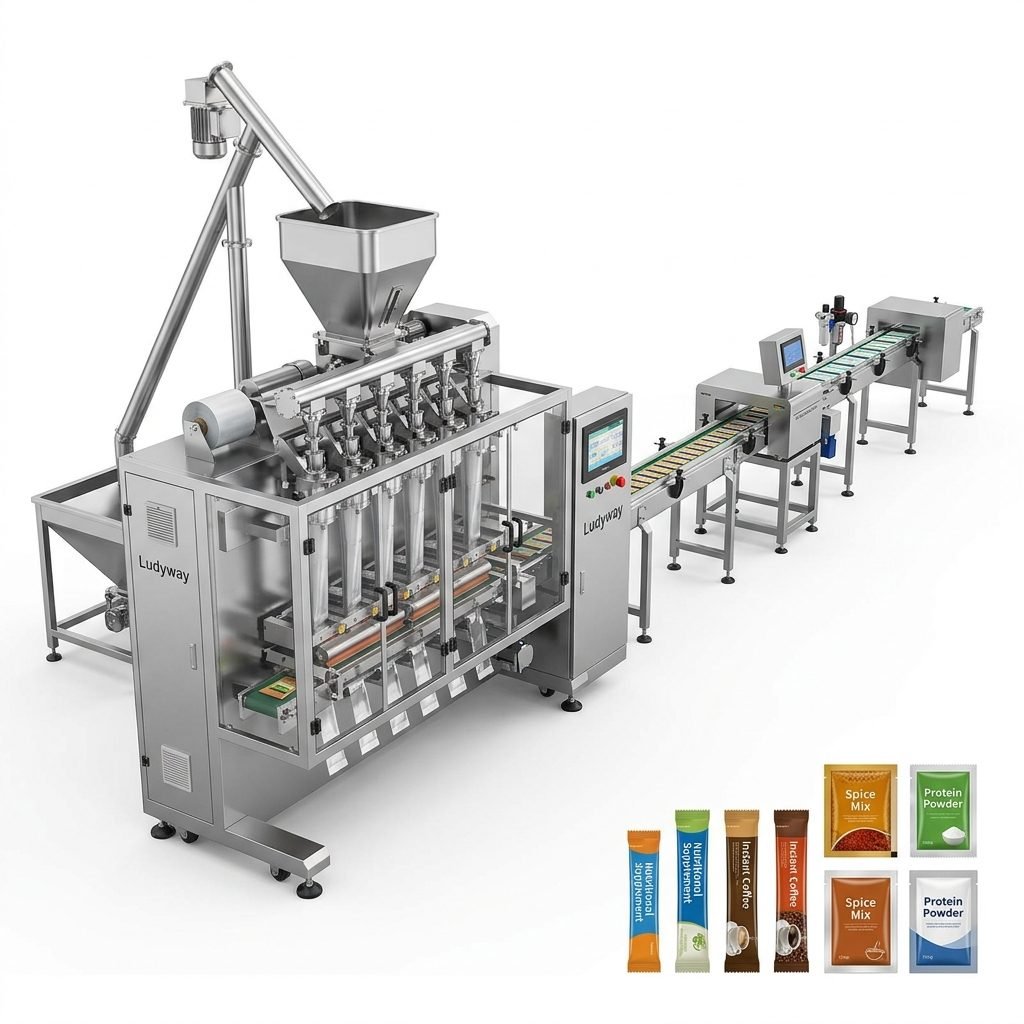
Although sachets are often used for smaller packs, certain industrial or wholesale applications may also use larger liquid sachet formats close to 1 litre depending on film structure and pack design.
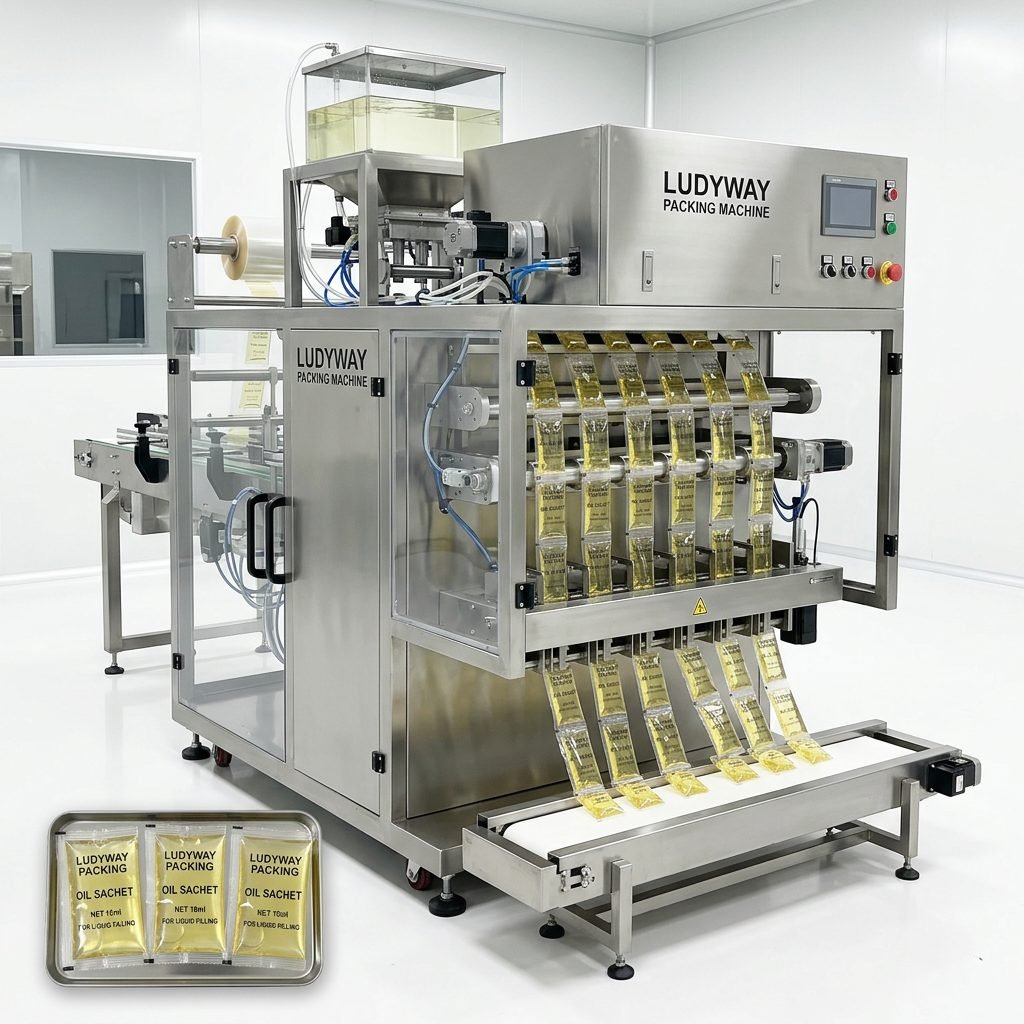
Multi-Lane Liquid Packing Systems
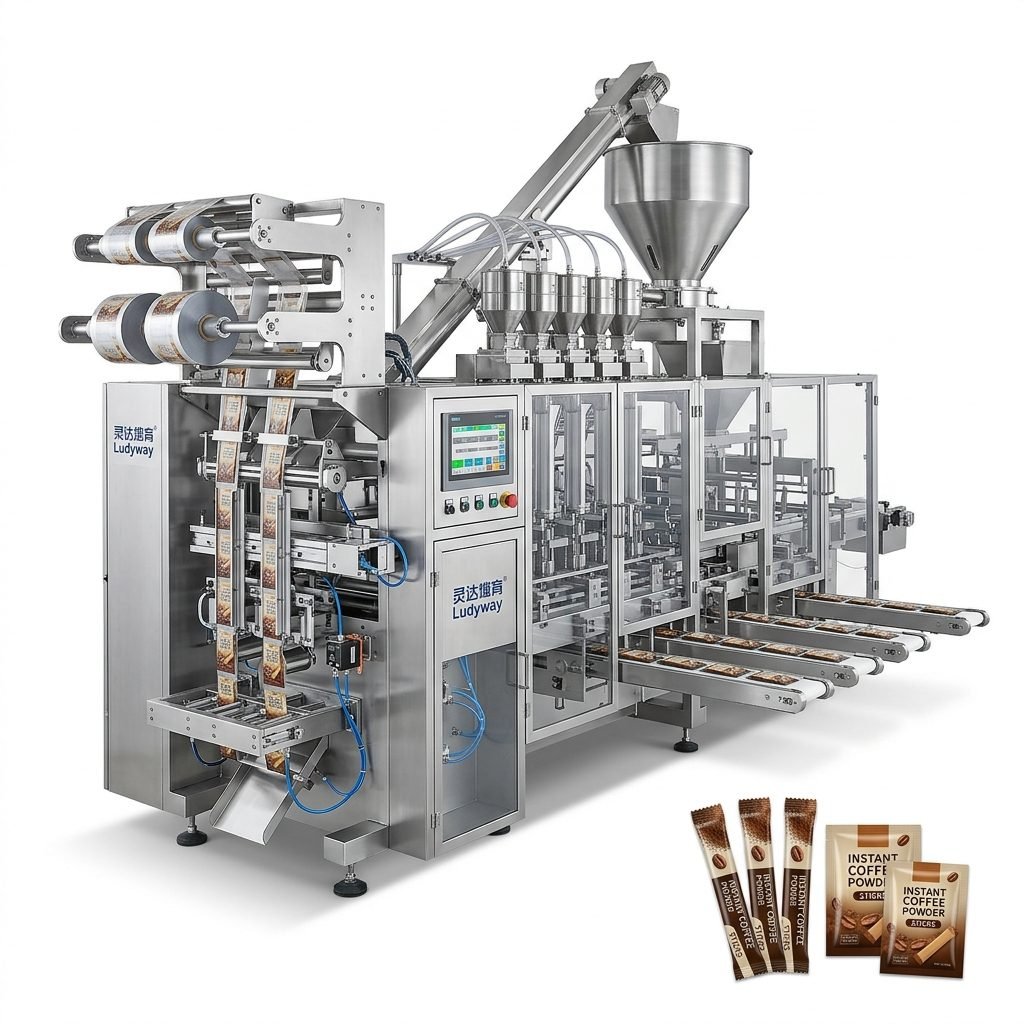
These are used for high-output production environments where speed is a key priority. Multi-lane systems are ideal for certain oil-based liquid formats requiring fast automated packaging cycles.
How to Choose the Right Machine for Your Oil Product
Not all oils behave the same way during filling. Product viscosity, temperature sensitivity, foaming tendency, and packaging material all influence machine selection.
- Define the oil type: edible oil, lubricant, essential oil blend, or chemical oil.
- Confirm packaging format: bottle, pouch, sachet, or can.
- Estimate production capacity: packs per minute, per hour, or per shift.
- Check required accuracy: especially important for regulated or premium products.
- Consider future expansion: choose a machine that can scale with your line.
- Review sealing method: heat sealing, cap tightening, induction sealing, or spout sealing.
Important Features to Look For
| Feature | Why It Matters |
|---|---|
| Servo-driven filling | Improves control and filling repeatability |
| Anti-drip nozzles | Reduces leakage and keeps packs clean |
| PLC and touch screen | Simplifies operation and parameter changes |
| Stainless steel contact parts | Supports hygiene and corrosion resistance |
| Automatic cleaning compatibility | Helps with maintenance and sanitation |
| Integration with capping/labeling/cartoning | Creates a more complete packaging line |
Why Turnkey Oil Packaging Lines Matter
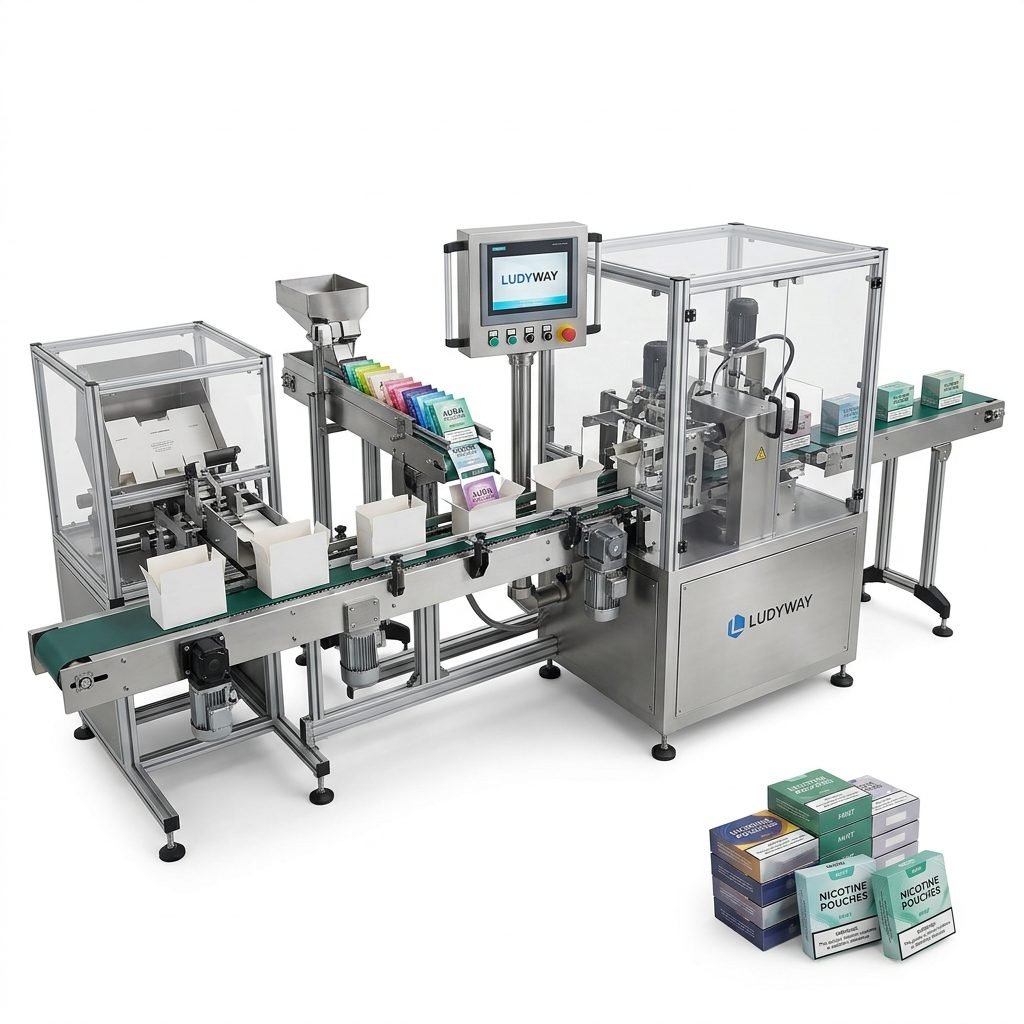
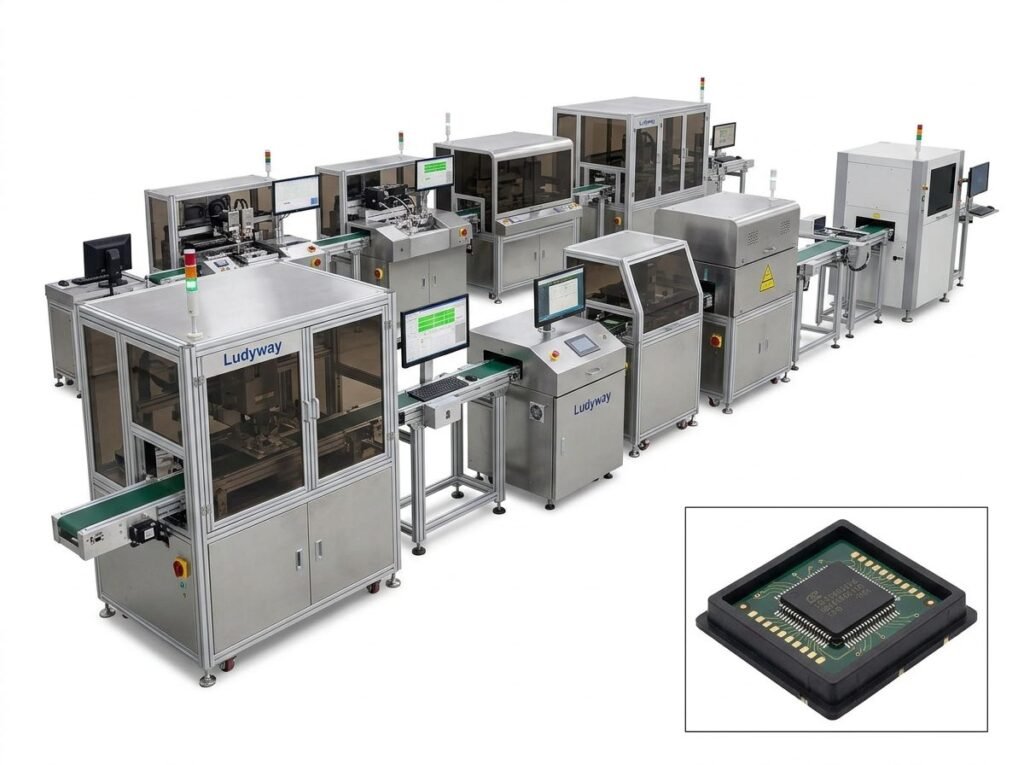
A standalone filling unit can be enough for small operations, but many manufacturers benefit more from an integrated line. A turnkey setup may include:
- Liquid storage and feeding system
- Automatic filling machine
- Sealing or capping unit
- Date coding machine
- Labeling equipment
- Cartoning and case packing system
- Conveyors and inspection devices
Integrated packaging lines reduce transfer errors between stages and improve overall line efficiency. They are especially useful for manufacturers planning long-term capacity growth.
Common Challenges in Oil Packaging and How Machines Solve Them
Leakage During Filling
High-quality oil packing machines use shut-off nozzles, stable pressure control, and optimized sealing systems to reduce dripping and leakage.
Variable Viscosity
Different oils flow differently depending on formulation and temperature. Advanced machines can be configured for thin or more viscous liquids.
Seal Integrity Problems
Oil contamination on sealing surfaces can weaken pack seals. Precision filling and synchronized sealing help maintain strong package integrity.
Production Bottlenecks
Manual or semi-automatic stations often slow down production. Upgrading to automatic or high-speed systems removes these bottlenecks and improves consistency.
Who Should Invest in a 1 Litre Oil Packing Machine?
This type of equipment is ideal for:
- Edible oil manufacturers launching retail-ready 1 litre packs
- Lubricant and automotive fluid producers improving line automation
- Contract packers handling multiple liquid SKUs
- Export-focused brands seeking stable package quality
- Factories replacing labor-intensive filling operations
Choosing a Reliable Packaging Machinery Supplier
Machine design is important, but supplier capability matters just as much. Buyers should evaluate manufacturing experience, export support, customization ability, spare parts availability, and after-sales service.
For businesses looking for scalable liquid packaging solutions, Ludyway oil packing machine solutions are backed by more than 30 years of industry experience, a manufacturing facility of over 20,000 square meters, and extensive capabilities in standalone equipment as well as turnkey packaging lines for food, pharmaceutical, cosmetic, and chemical applications.
Final Buying Tips Before You Make a Decision
- Ask for testing with your actual oil product
- Confirm the machine’s compatible packaging materials
- Check filling accuracy data at 1 litre volume
- Review cleaning and maintenance requirements
- Verify available customization for your container or pouch type
- Consider future integration with labeling, cartoning, and palletizing systems
A well-selected 1 litre oil packing machine is more than a filling device. It is a productivity tool that helps brands improve efficiency, reduce waste, maintain packaging quality, and prepare for long-term growth in competitive liquid packaging markets.