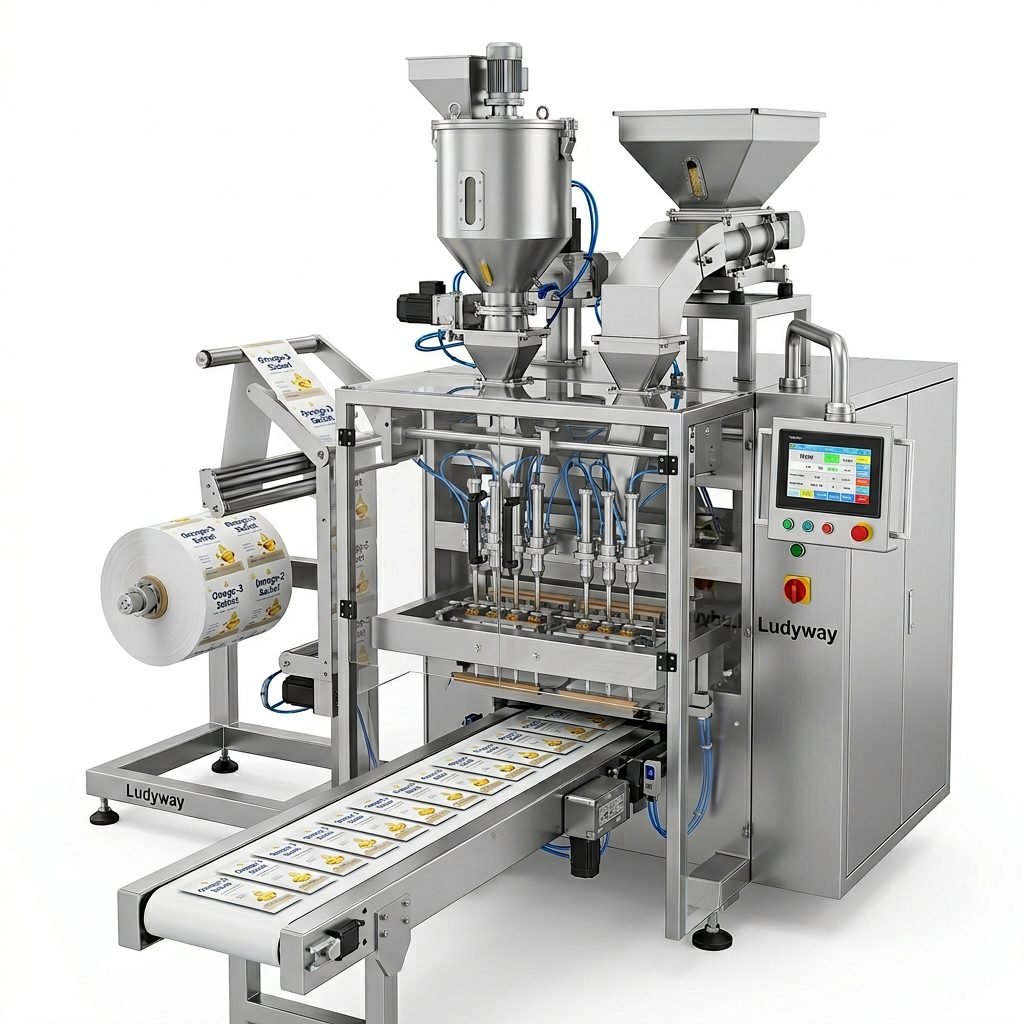
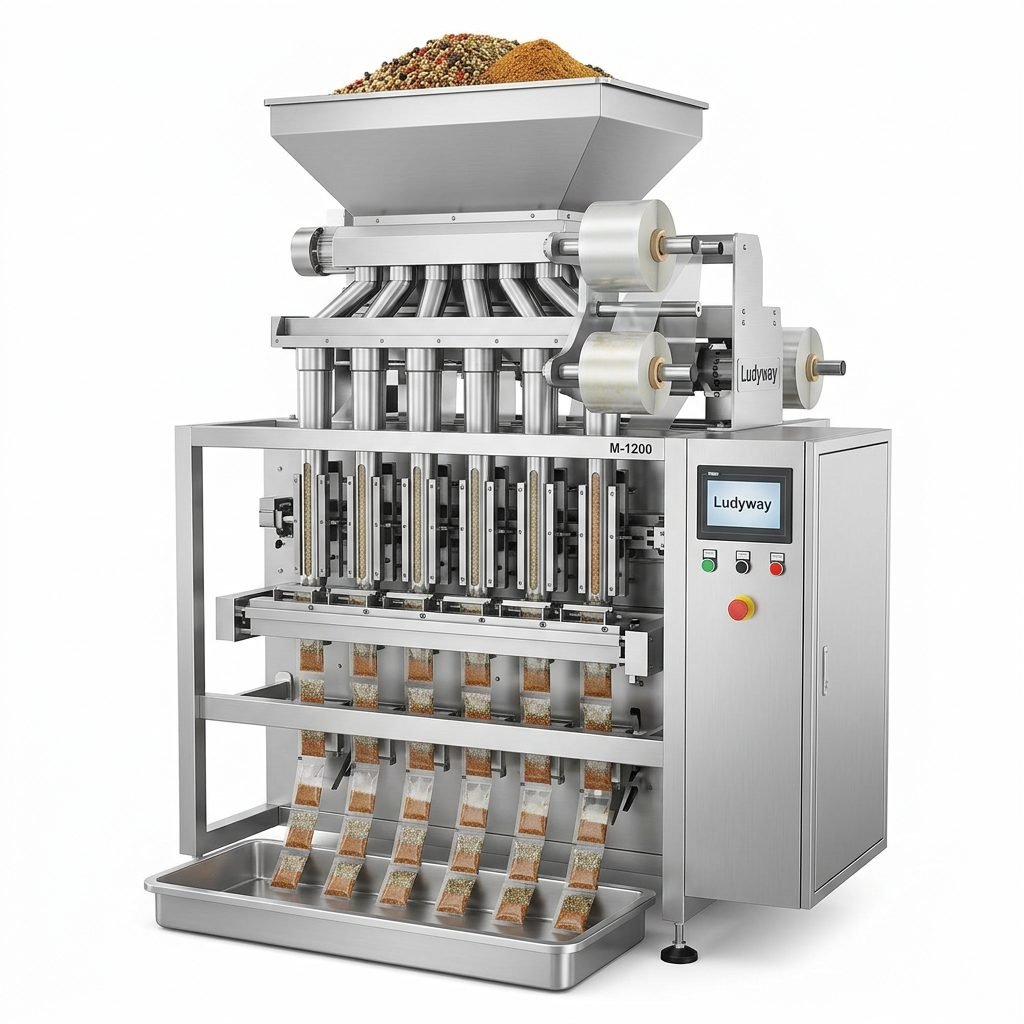
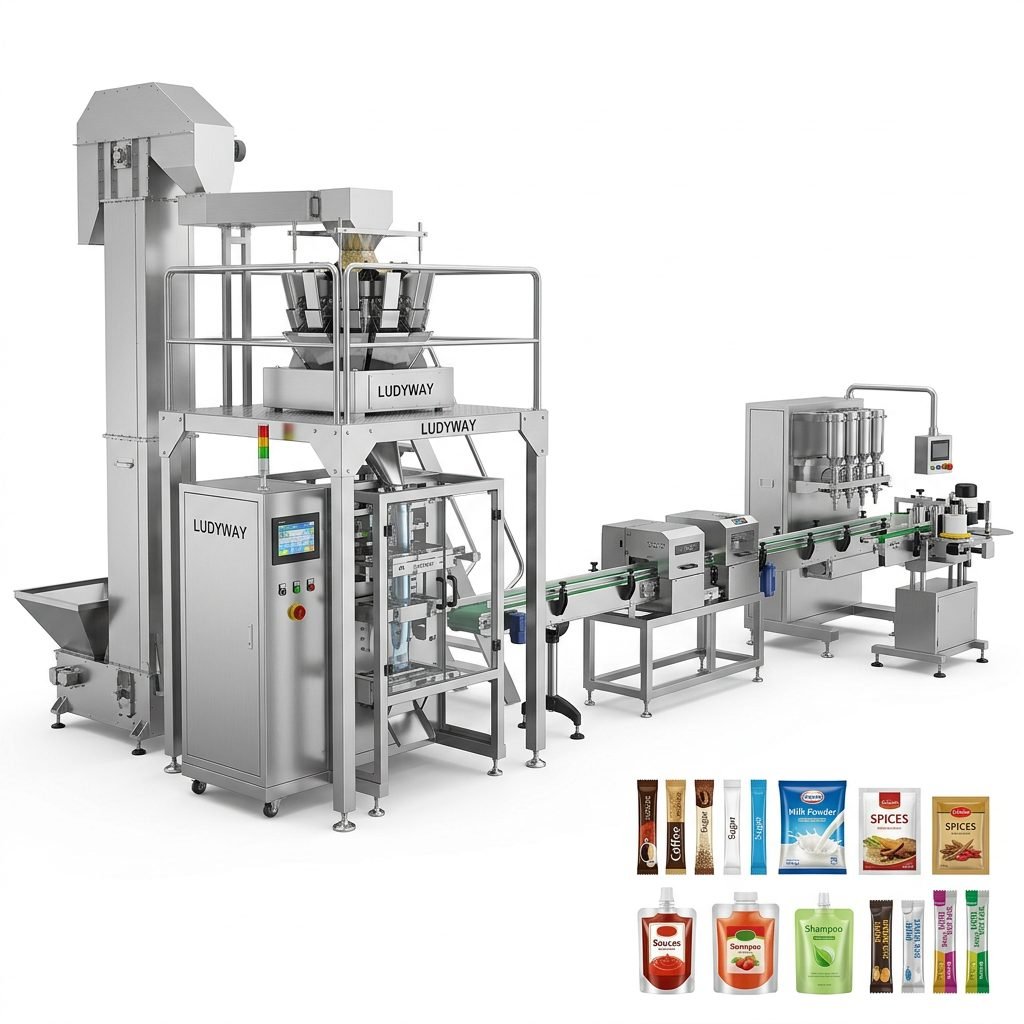
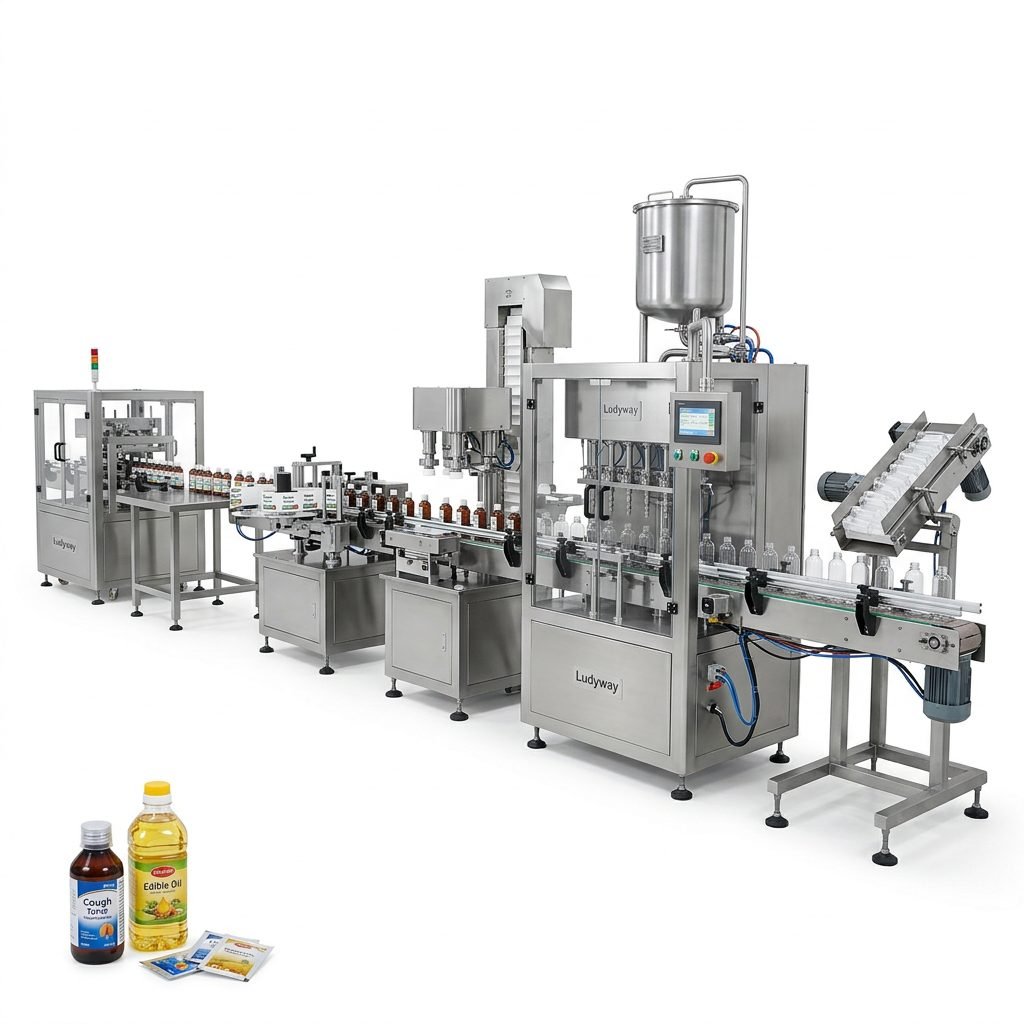
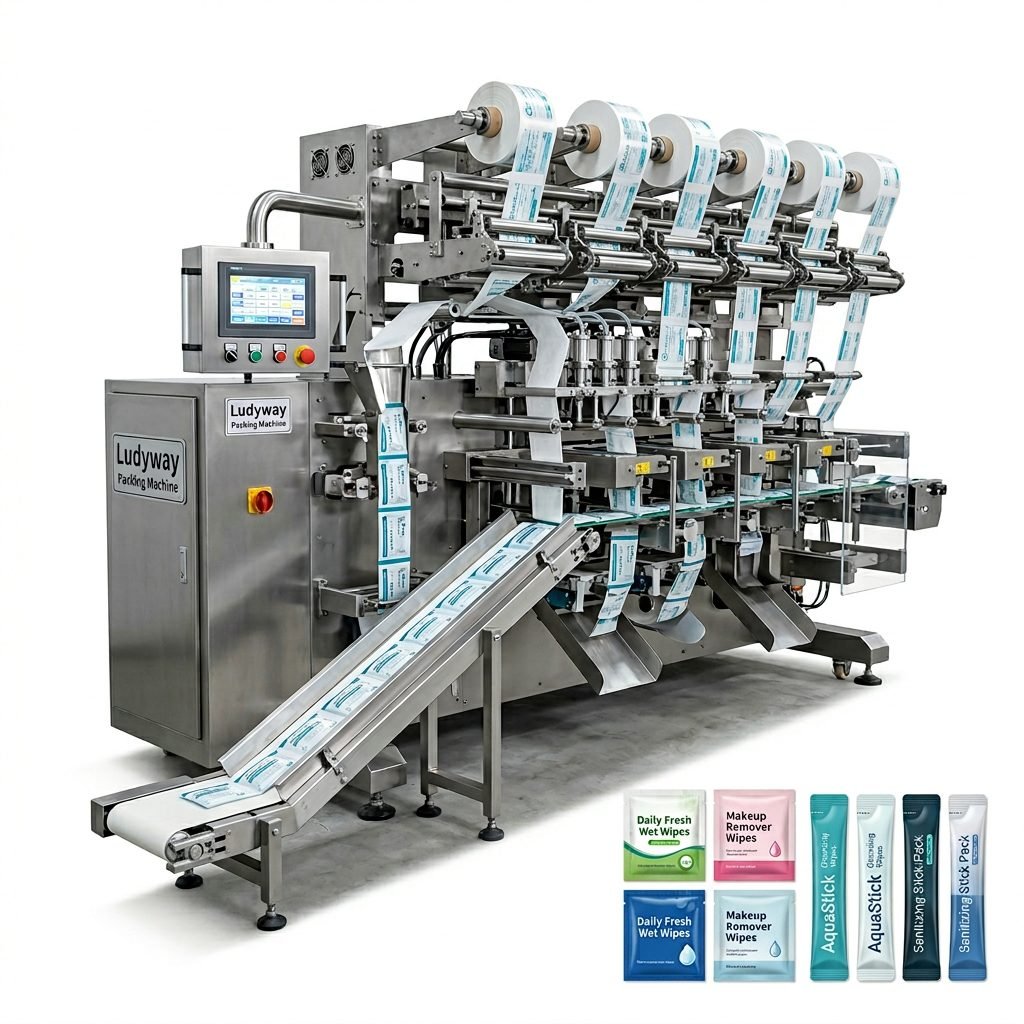
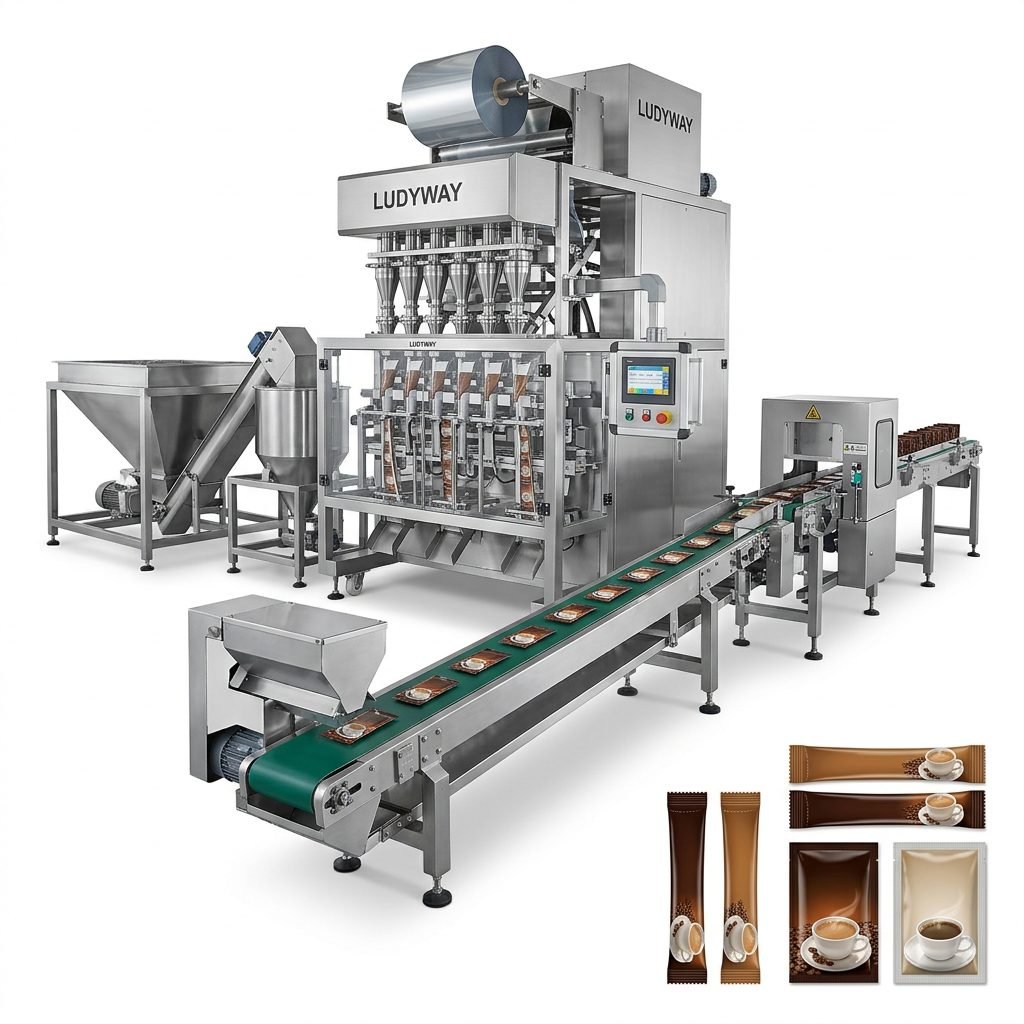
Packaging equipment is a major investment, and extending its service life is one of the smartest ways to reduce operating costs, improve uptime, and protect production quality. Whether you run a small packing line or a fully automated factory, a disciplined maintenance program helps prevent unexpected breakdowns, excessive wear, and costly product loss.
In high-demand sectors such as food, pharmaceutical, cosmetics, and chemicals, reliable machine performance matters every day. With proper care, operators can keep filling, sealing, conveying, coding, and cartoning systems running smoothly for many years while maintaining safety and consistent output.
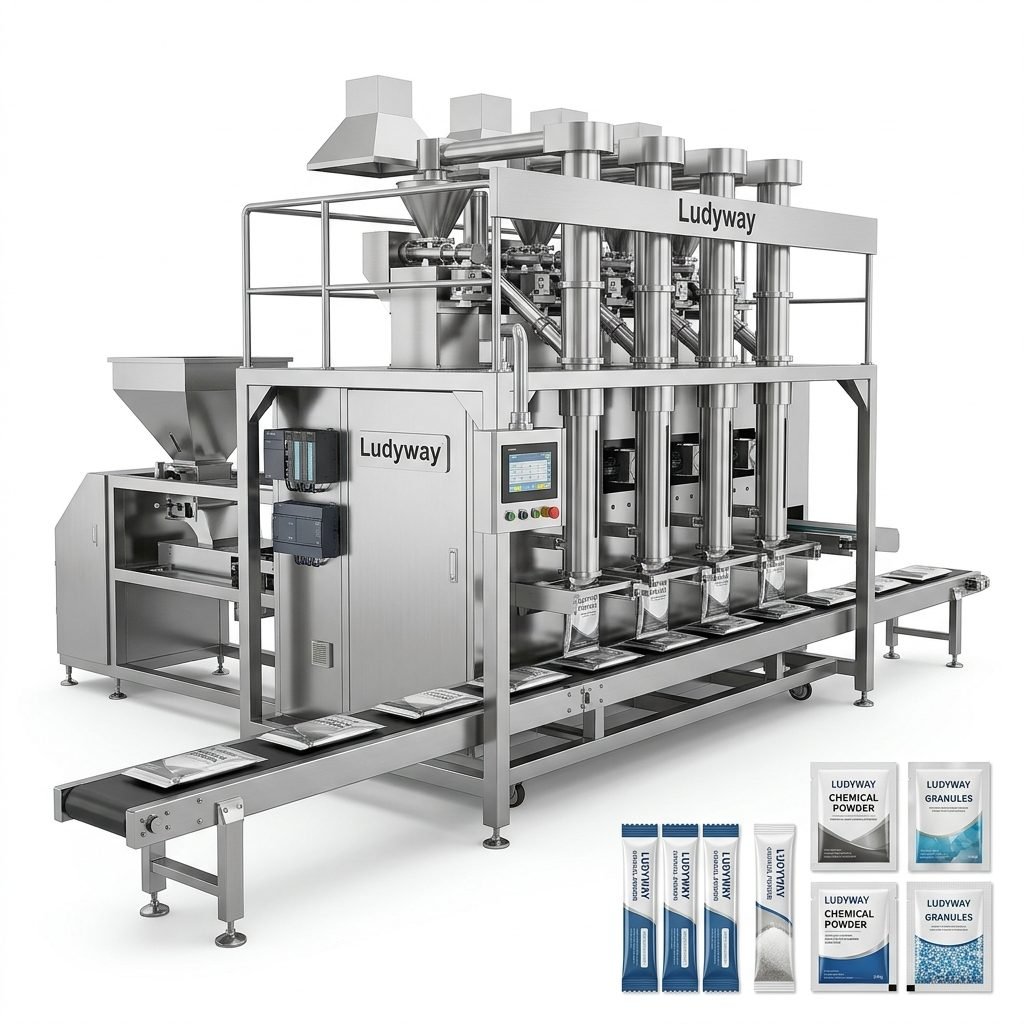
Why Packaging Equipment Lifespan Depends on Maintenance
Packaging machines work in demanding environments. Dust, product residue, vibration, heat, moisture, and continuous motion all contribute to wear. Over time, even small issues such as loose fasteners, improper lubrication, or poor cleaning habits can damage critical components like bearings, sealing jaws, conveyors, sensors, motors, and pneumatic parts.
Good maintenance is not just about fixing problems after they happen. It is about creating a system that keeps the machine in optimal condition. Preventive maintenance always costs less than emergency downtime, especially when production schedules are tight and delivery commitments are non-negotiable.
Core Best Practices for Extending Equipment Life
1. Follow a Preventive Maintenance Schedule
One of the most effective ways to extend equipment lifespan is to build a maintenance calendar based on operating hours, production cycles, and machine type. Instead of waiting for a failure, inspect and service parts before they reach a critical wear point.
- Check moving parts daily for abnormal noise or vibration
- Inspect seals, belts, chains, and rollers weekly
- Lubricate according to manufacturer recommendations
- Calibrate filling and weighing systems regularly
- Replace consumable wear parts before failure
A planned maintenance system improves machine stability and reduces the stress that repetitive overuse places on internal assemblies.
2. Keep Machines Clean Without Damaging Components
Cleanliness directly affects performance. Powder, granules, liquids, oils, and sticky residues can build up around hoppers, filling nozzles, sealing stations, guide rails, and sensors. If left untreated, this contamination can lead to inaccurate filling, sealing defects, sensor errors, and corrosion.
However, cleaning must be done correctly. Over-washing electrical zones, using aggressive chemicals, or scraping surfaces with the wrong tools can shorten equipment life instead of protecting it.
- Use cleaning agents that match machine materials
- Protect electrical cabinets and sensitive sensors from moisture
- Remove residue from contact parts after each shift if needed
- Dry all components thoroughly before restart
- Document sanitation procedures for every product changeover
3. Lubricate Properly and Consistently
Incorrect lubrication is a common reason for premature equipment wear. Too little lubrication increases friction, while too much can attract dust, contaminate products, or damage seals. Every machine should have a clear lubrication map identifying lubrication points, intervals, and approved lubricants.
Always use the right lubricant for the right part, especially in food and pharmaceutical packaging environments where compliance and hygiene are critical.
4. Train Operators to Detect Early Warning Signs
Operators are the first line of defense against equipment failure. Well-trained staff can identify changes in machine behavior long before a breakdown occurs. This includes unusual sounds, inconsistent pouch forming, poor seal quality, inaccurate dosing, air pressure fluctuations, or increased reject rates.
Operator training should cover:
- Safe startup and shutdown procedures
- Basic inspection checkpoints
- Cleaning and sanitation standards
- Fault code reporting and escalation
- Simple adjustments that do not risk machine damage
5. Avoid Overloading the Machine
Running equipment beyond its designed speed or capacity may increase short-term output, but it often reduces long-term reliability. Excessive speed causes additional heat, vibration, and stress on motors, sealing systems, feeders, and drive components.
If you need higher throughput, it is usually better to evaluate line balancing, feeder efficiency, or automation upgrades rather than pushing one machine too hard.
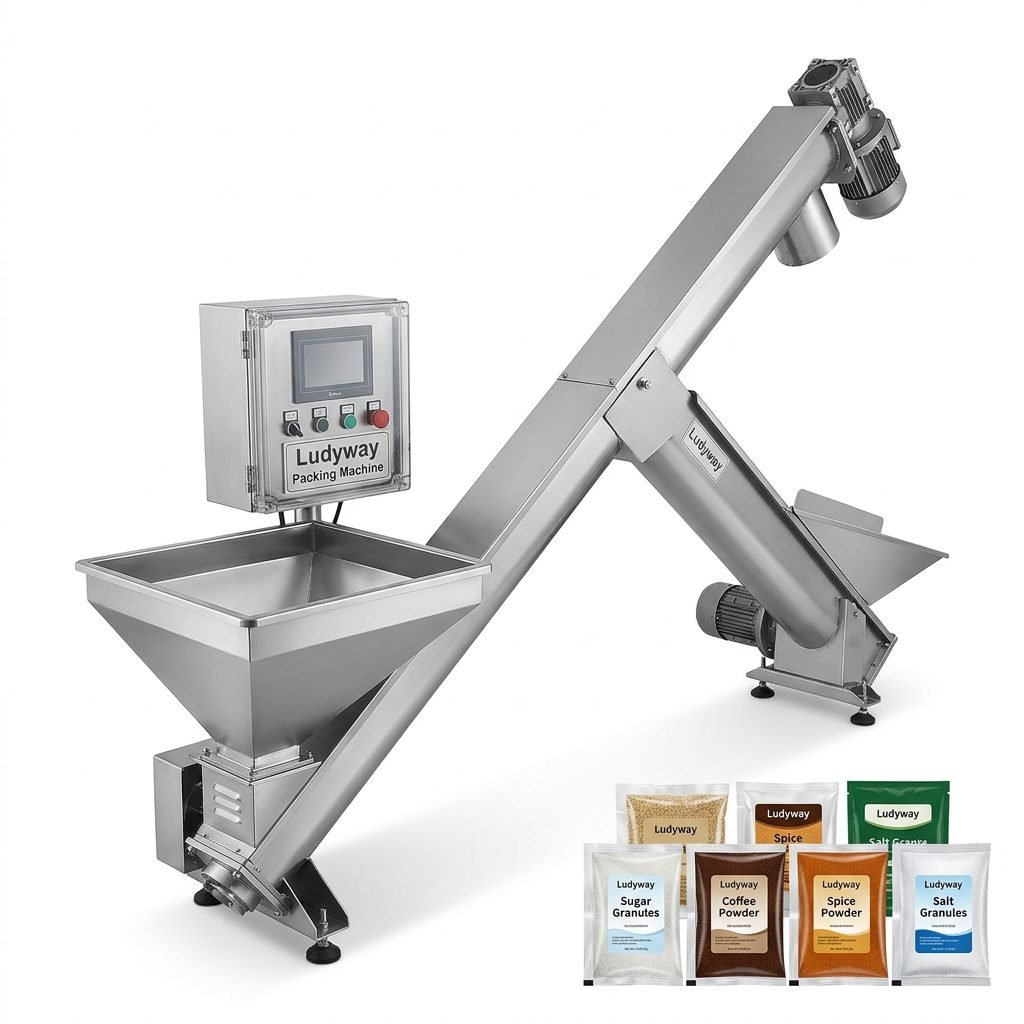
Daily, Weekly, and Monthly Maintenance Checklist
| Interval | Recommended Tasks | Expected Benefit |
|---|---|---|
| Daily | Clean contact parts, inspect sensors, check air pressure, observe noise and vibration | Prevents buildup and catches small issues early |
| Weekly | Inspect belts, chains, fasteners, guide rails, sealing elements, and feeders | Reduces wear-related failures |
| Monthly | Lubricate key points, verify calibration, inspect electrical connections, test safety devices | Improves precision and operating stability |
| Quarterly | Review wear parts inventory, inspect motors and pneumatics, analyze downtime records | Supports long-term maintenance planning |
| Annually | Complete overhaul review, replace critical wear parts, update maintenance procedures | Extends total equipment service life |
Critical Components That Need Extra Attention
Sealing Systems
Heat sealers, jaws, cutters, and temperature controls are central to packaging quality. Dirt buildup or uneven pressure can create leaks, wrinkles, or weak seals. Regular inspection helps maintain both performance and shelf-life protection.
Feeding and Dosing Units
Whether the machine handles powder, granules, liquids, or paste, the feeding system must remain stable and accurate. Inconsistent feeding increases waste and can strain downstream equipment.
Conveyors and Drives
Conveyors, motors, reducers, and transmission elements operate continuously. Misalignment, insufficient lubrication, or worn bearings can trigger chain failures or speed instability across the line.
Sensors and Electrical Parts
Modern packaging lines rely heavily on sensors, PLC systems, and HMI controls. Dust, loose wiring, and unprotected cleaning procedures can lead to false readings or control interruptions.
Pneumatic Components
Air cylinders, valves, regulators, and hoses are often overlooked. Moisture in compressed air, leaks, or unstable pressure can shorten service life and affect precision.
Common Mistakes That Shorten Packaging Equipment Lifespan
- Skipping small repairs until they become major failures
- Using non-approved spare parts
- Ignoring machine alarms or abnormal sounds
- Running with poor alignment after changeovers
- Allowing untrained staff to adjust precision settings
- Failing to record maintenance history
- Cleaning too aggressively around sensitive assemblies
These issues may seem minor at first, but over time they create cumulative damage that reduces machine lifespan and increases total cost of ownership.
Tip: If the same fault appears repeatedly, do not just reset the alarm. Investigate the root cause and correct it permanently.
The Role of Spare Parts Management
Spare parts planning is an essential part of maintenance. Waiting too long to replace a worn part can damage connected components, while poor inventory planning can leave the line idle during urgent production periods.
It is best to classify parts into three groups:
- Critical spare parts that should always be in stock
- Routine wear parts replaced on schedule
- Long-lead items ordered in advance based on forecast demand
Maintaining the correct spare parts inventory improves uptime and supports faster maintenance response.
How Data and Documentation Improve Long-Term Reliability
Maintenance becomes much more effective when supported by records. Every inspection, replacement, adjustment, and failure should be documented. Over time, this creates a clear picture of recurring issues, average wear intervals, and machine-specific risk areas.
Useful records include:
- Downtime reports
- Spare part replacement logs
- Lubrication schedules
- Calibration history
- Operator fault reports
- Sanitation records
With this information, maintenance teams can shift from reactive repair to predictive planning.
When to Upgrade Instead of Repair
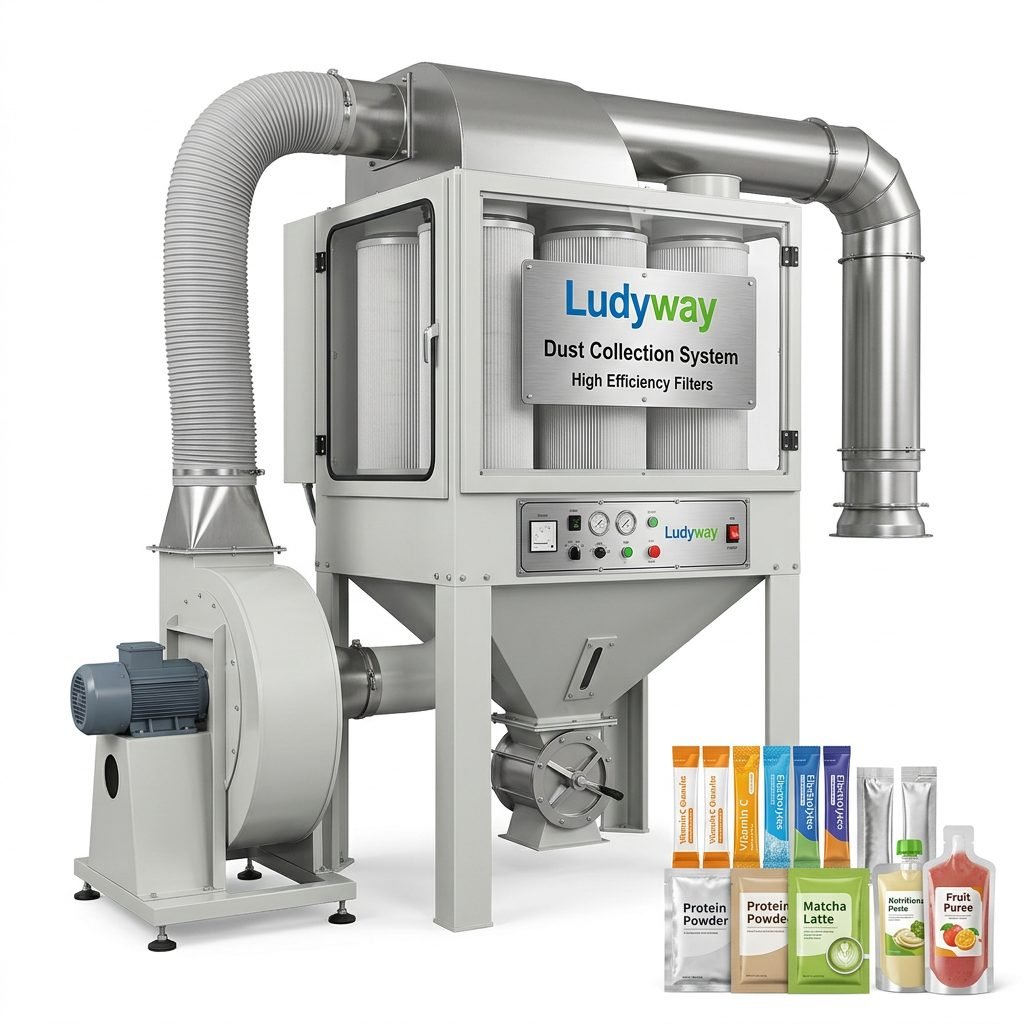
Extending the lifespan of packaging equipment does not always mean keeping every original part forever. In some cases, strategic upgrades can improve efficiency and reduce wear. Examples include updated control systems, better feeding devices, improved safety systems, dust collection solutions, or more durable sealing assemblies.
For businesses looking to modernize aging equipment or expand automated production, working with an experienced manufacturer such as Ludyway packaging machine manufacturer can help identify practical upgrade paths that improve reliability without replacing an entire line.
Best Practices for Different Packaging Environments
Food Packaging
Focus on hygienic cleaning, contamination prevention, seal consistency, and product-contact surface inspection. Moisture and residue control are especially important.
Pharmaceutical Packaging
Prioritize validation, calibration, cleanability, and documentation. Even minor drift in dosing or sealing performance can affect compliance.
Chemical Packaging
Watch for corrosion, abrasive wear, dust control, and material compatibility. Chemical exposure can shorten the life of seals, tubing, and metal surfaces.
Cosmetic Packaging
Maintain precise filling, protect product texture, and avoid residue accumulation in pumps, nozzles, and transfer lines. Changeover cleaning is especially important in multi-product production.
Simple Maintenance Habits That Deliver Big Results
| Habit | Why It Matters |
|---|---|
| Start each shift with a quick inspection | Helps detect abnormalities before production begins |
| Clean as you go | Prevents buildup that causes wear and poor performance |
| Use maintenance logs | Builds accountability and supports better planning |
| Replace worn parts early | Avoids secondary damage to nearby components |
| Train operators continuously | Improves early detection and correct machine handling |
Final Maintenance Mindset for Longer Equipment Life
The lifespan of packaging equipment is shaped by daily decisions. Machines last longer when maintenance is consistent, cleaning is controlled, parts are replaced on time, and operators understand how the system should perform. The goal is not only to prevent failure, but to preserve precision, efficiency, and product quality over the long term.
A well-maintained packaging machine delivers more than durability—it supports lower operating costs, fewer production interruptions, and stronger business performance. For any packaging operation, that makes maintenance one of the most valuable investments on the factory floor.