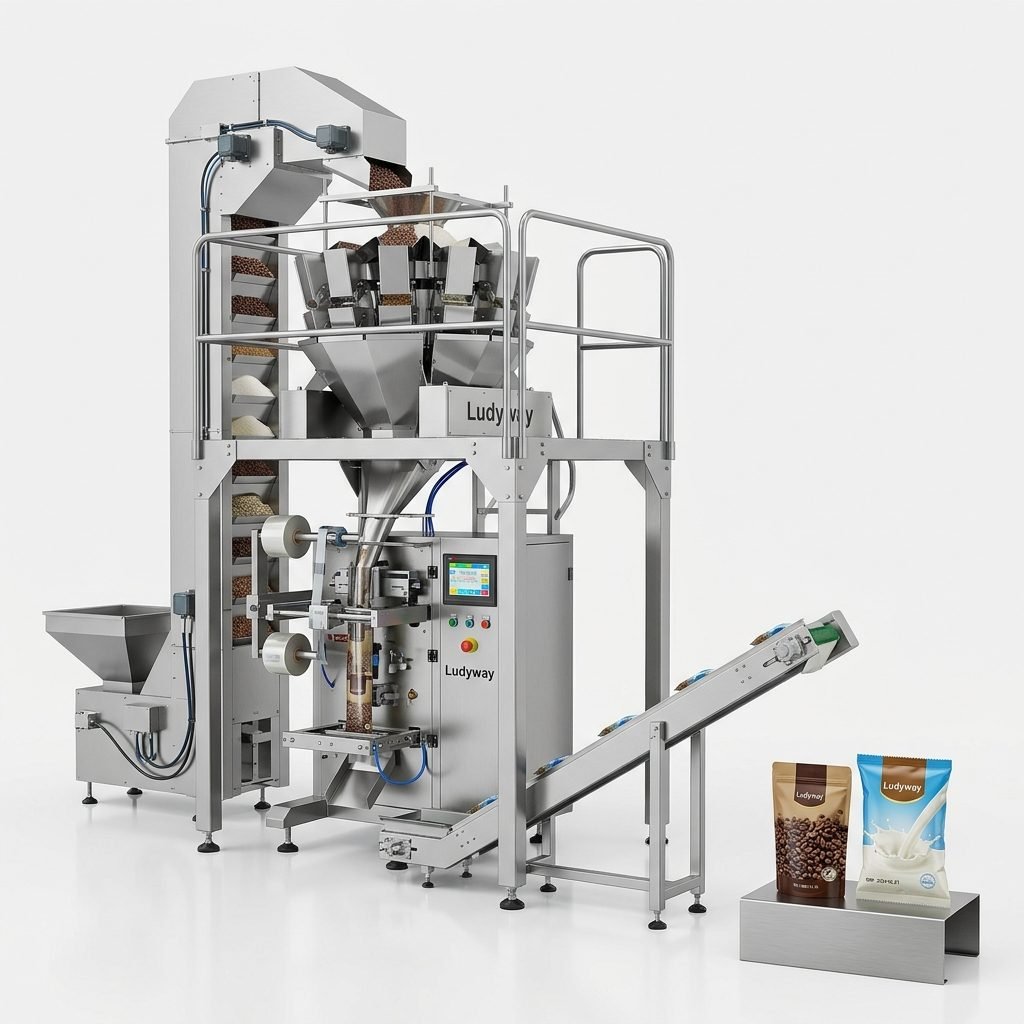
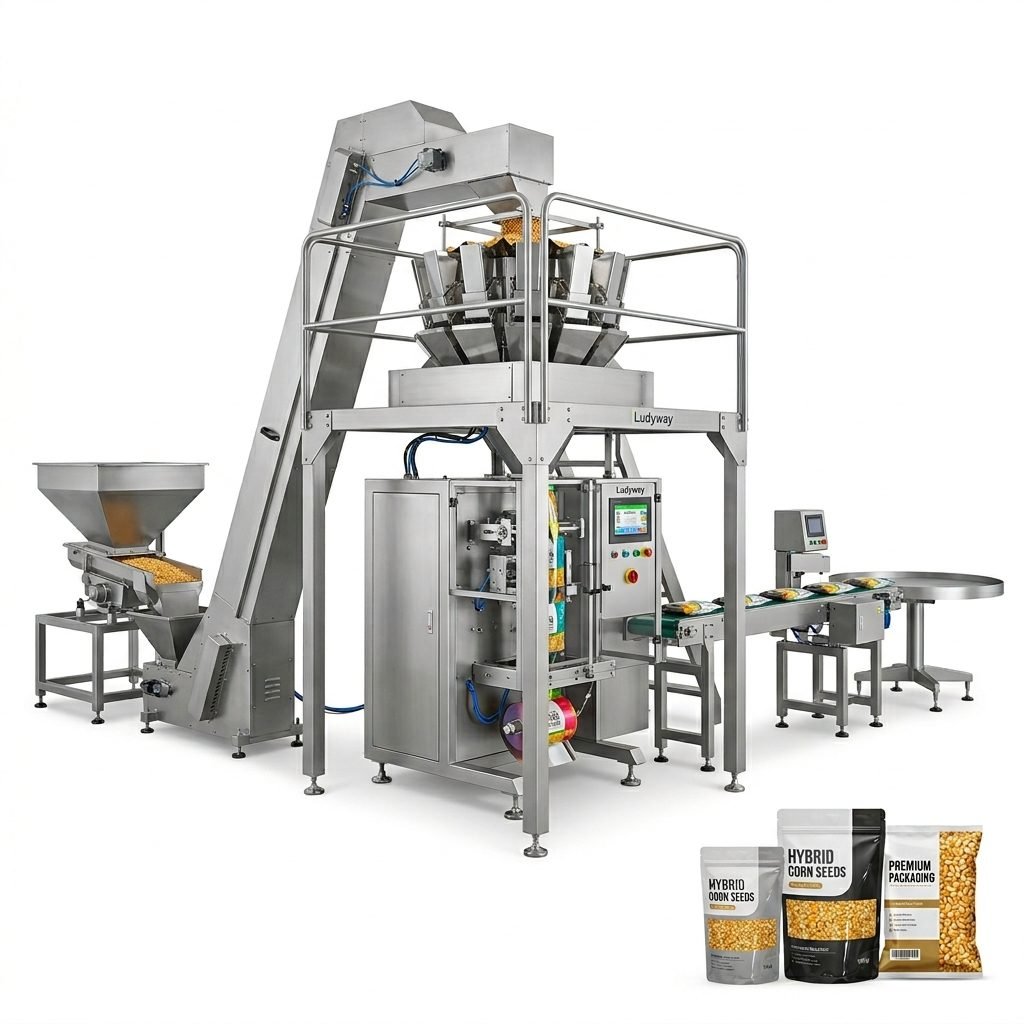
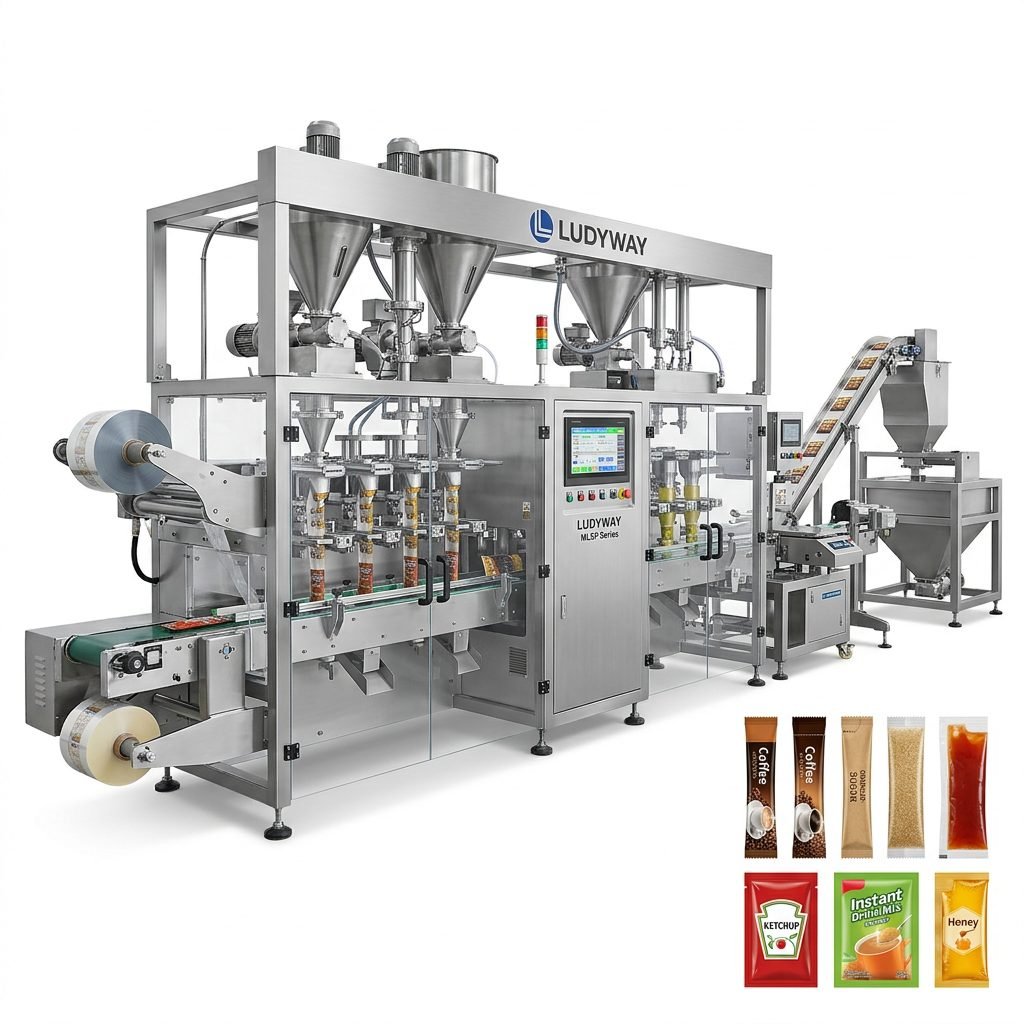
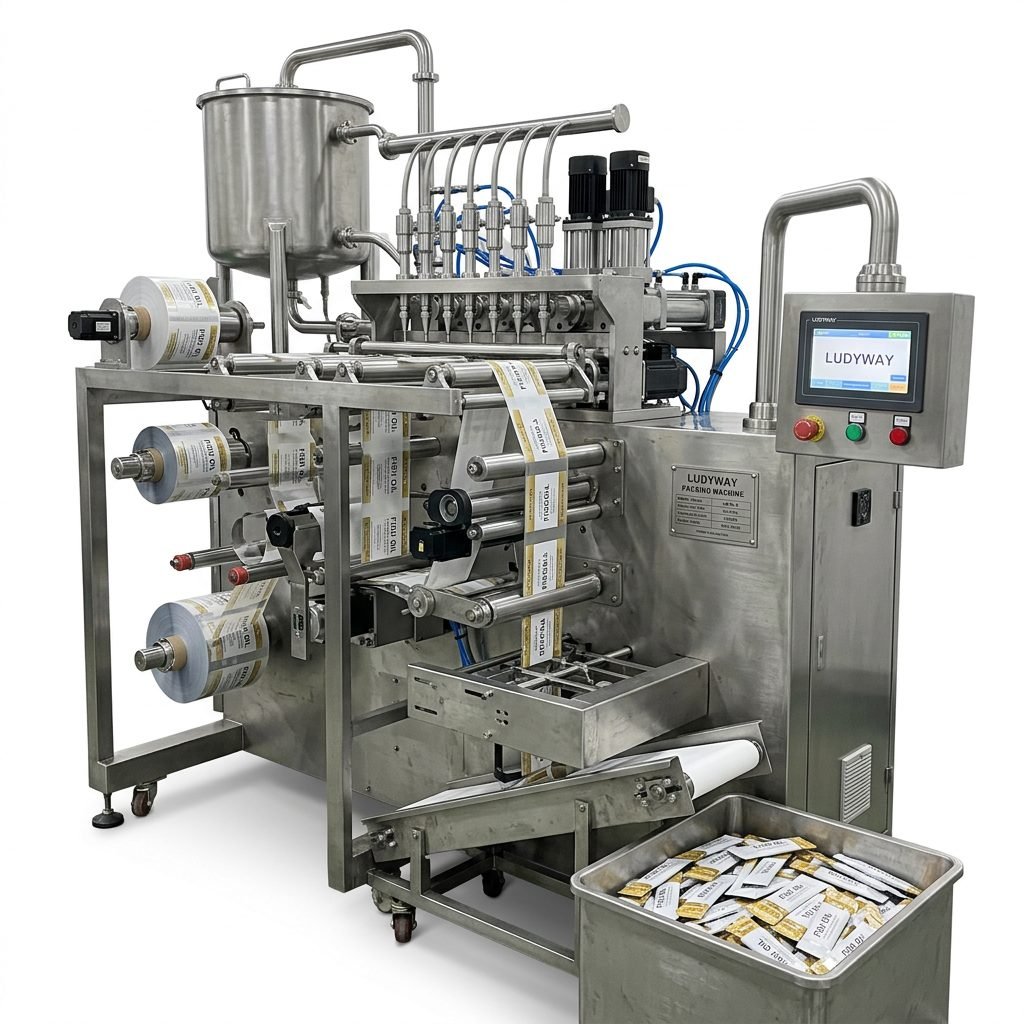
In the highly regulated and precision-driven world of pharmaceutical manufacturing, the final step of packaging is far from an afterthought. It is a critical process that ensures product safety, integrity, and compliance. Pharmacy packaging machines are the sophisticated workhorses behind this vital stage, automating tasks that demand accuracy, sterility, and efficiency. Choosing the right system is not merely an operational decision; it’s an investment in product quality, patient safety, and brand reputation.
Core Types of Pharmacy Packaging Machines
The pharmaceutical industry utilizes a diverse array of packaging machinery, each designed for specific product forms and requirements. Understanding these types is the first step toward selecting the optimal system.
Blister Packaging Machines
These are among the most common machines for unit-dose packaging of tablets and capsules. They form a cavity (blister) from a base web of plastic or foil, place the product into the cavity, and then seal it with a lidding material, often foil. This method provides excellent barrier protection, tamper evidence, and easy patient compliance through calendar-style packaging.
Bottle Filling and Capping Lines
For liquid medications, powders, or a large quantity of solid doses, bottle filling systems are essential. These automated lines typically consist of several integrated stations: an unscrambler to orient empty bottles, a filler (volumetric, piston, or auger-based) to dispense the product, a capper to apply screw caps or child-resistant closures, and often a labeler. Systems can be tailored for viscous liquids, sterile powders, or delicate tablets.
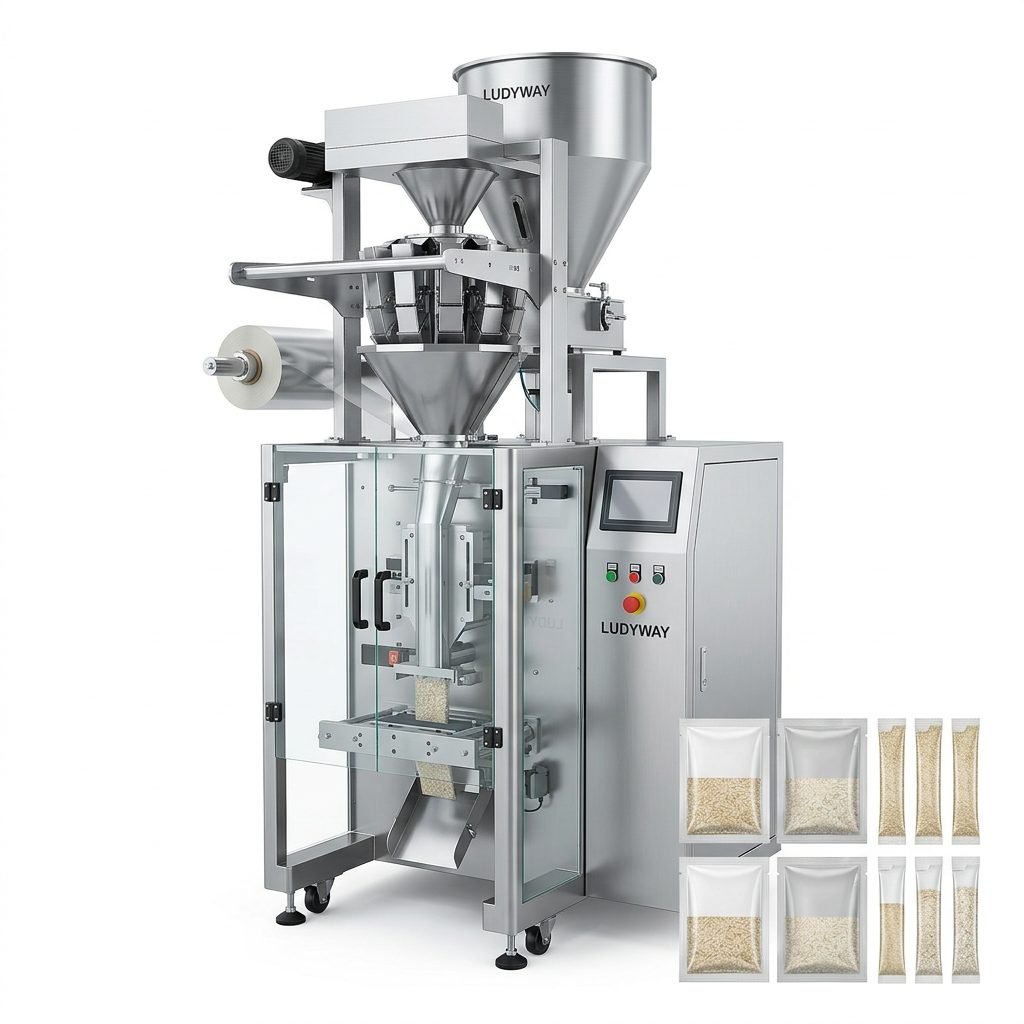
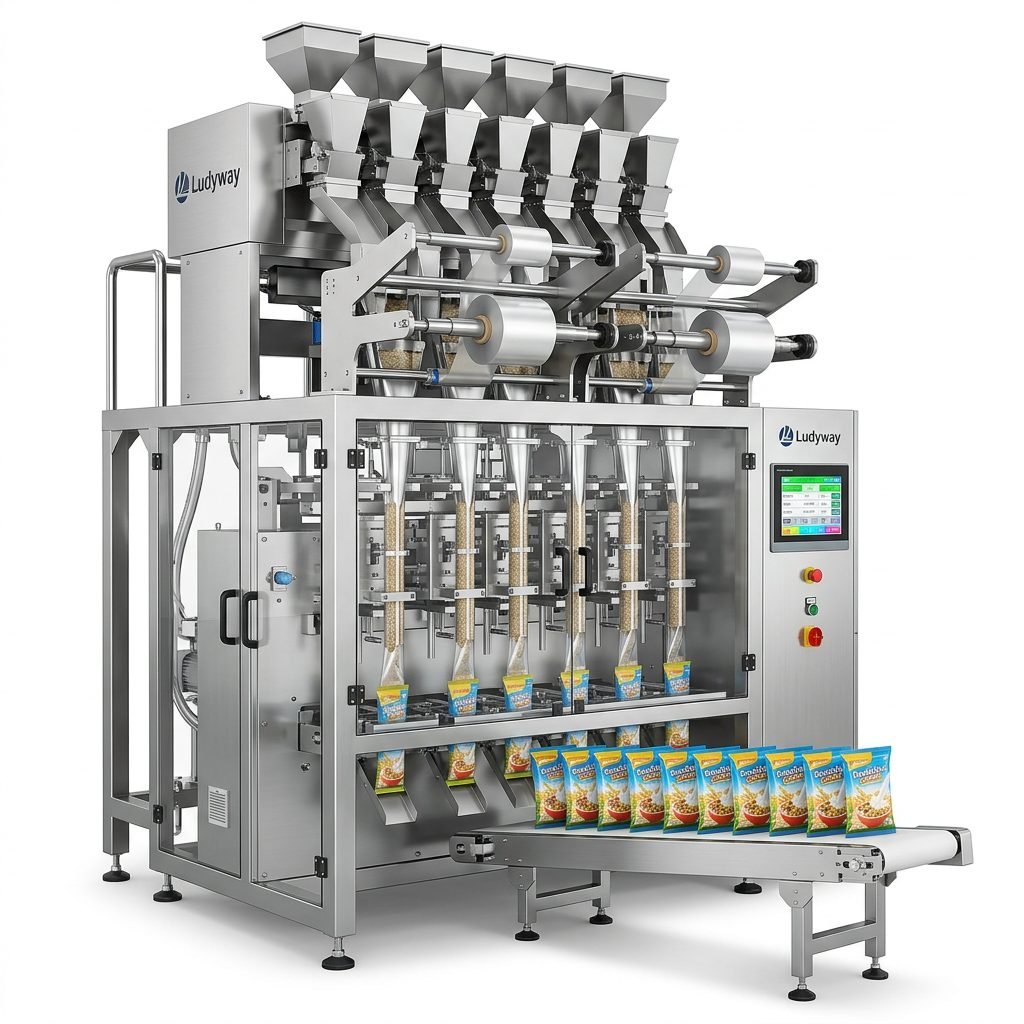
Sachet and Stick Pack Machines
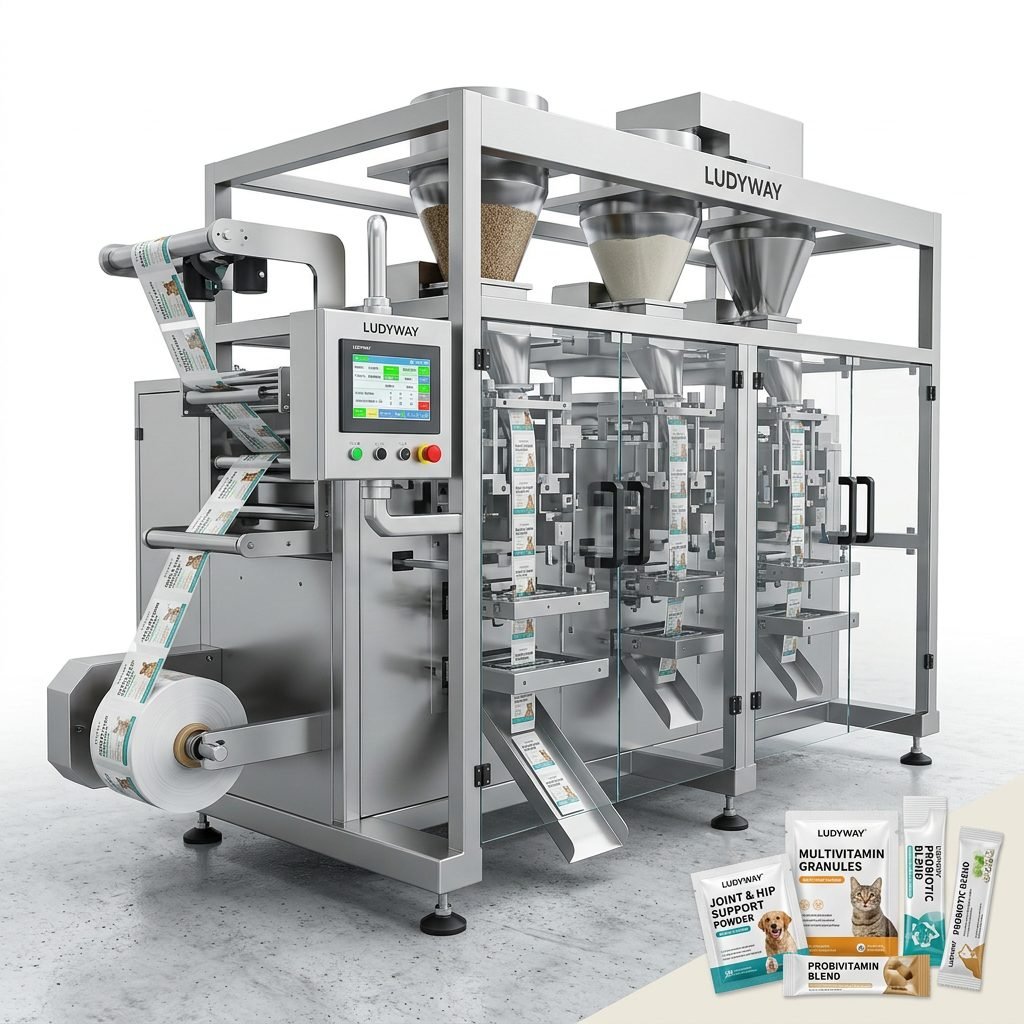
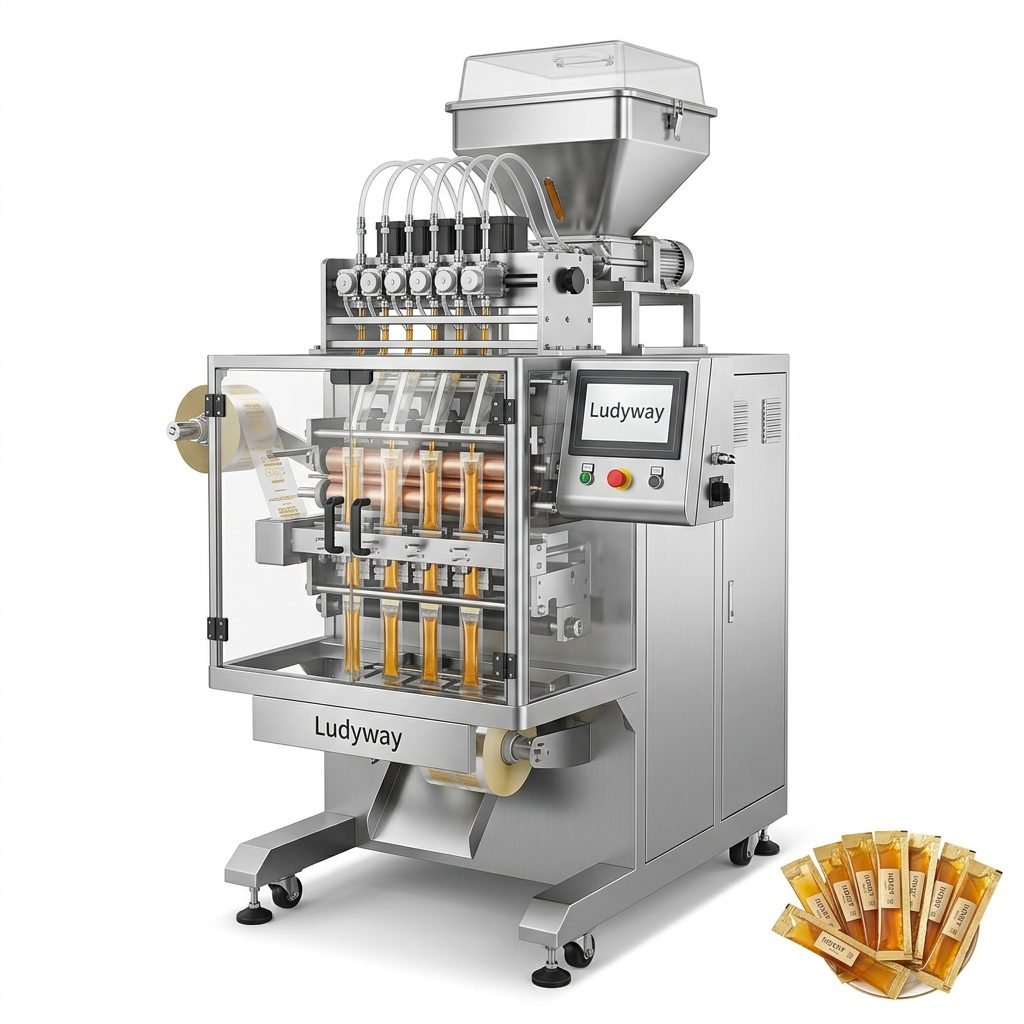
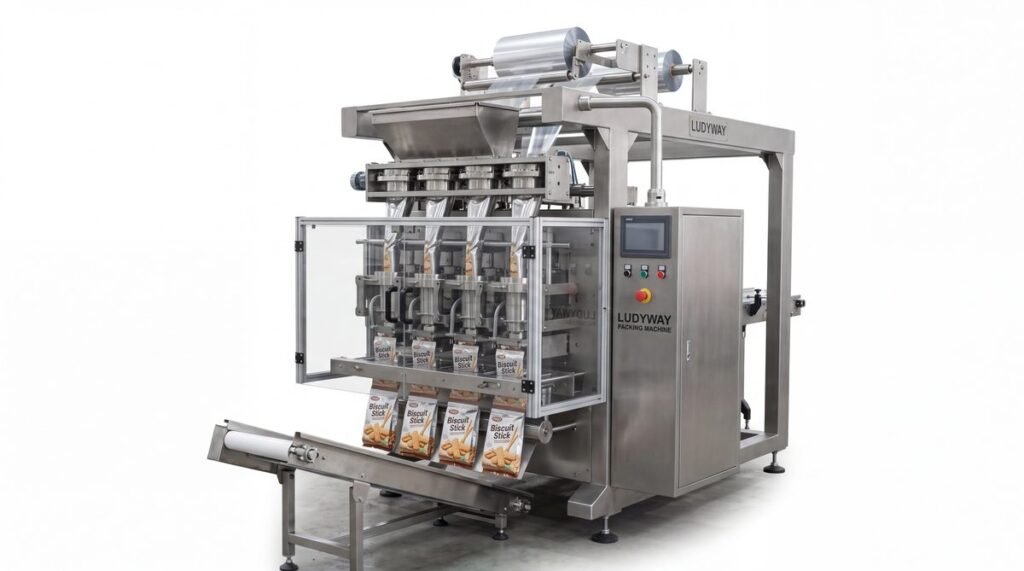
Ideal for single-dose powders, granules, or liquids (like oral rehydration salts or effervescent powders), these machines form, fill, and seal small pouches from a roll of laminated film. They offer high-speed production, excellent product protection from moisture and light, and convenient patient use. Modern multi-lane systems can produce thousands of sachets per minute with exceptional accuracy.
Cartoning Machines
After primary packaging (blisters, bottles, sachets), products often need secondary packaging into folding cartons. Automatic cartoners erect boxes, insert the primary packs along with leaflets or dosing spoons, and close the carton. They can handle complex insertions and are crucial for adding regulatory information and brand presentation.
Key Benefits of Automated Pharmacy Packaging
Transitioning from manual or semi-automated processes to a fully integrated packaging line delivers transformative advantages for pharmaceutical companies.
Enhanced Product Safety & Compliance
Automation minimizes human contact with the product, drastically reducing the risk of contamination. Precision dosing and filling ensure every unit contains the exact amount of active pharmaceutical ingredient (API), which is non-negotiable for patient safety. Machines can be equipped with 100% in-line checkweighers, metal detectors, and vision inspection systems to reject any non-conforming packs, ensuring full compliance with Good Manufacturing Practices (GMP) and regulatory standards like those from the FDA or EMA.
Operational Efficiency and Cost Savings
High-speed automated systems significantly increase output while reducing labor costs and material waste. Consistent machine operation leads to less downtime and fewer production errors compared to manual lines. Over time, the return on investment is realized through higher throughput, reduced operational expenses, and scalability to meet growing demand.
Furthermore, automated packaging ensures traceability and serialization, a growing global requirement. Machines can print and verify unique serial numbers, batch codes, and expiration dates on each pack, creating a secure audit trail from production to the end-user.
How to Choose the Best Packaging System for Your Needs
Selecting the right pharmacy packaging machinery is a strategic process. A hasty decision based solely on price can lead to costly inefficiencies and compliance headaches. Follow this structured approach to make an informed choice.
1. Define Your Product and Output Requirements
Start with the basics. What is the physical form of your product (tablet, liquid, powder, cream)? What are its sensitivity characteristics (light, moisture, oxygen)? Crucially, determine your required production speed (packs per minute/hour) and the flexibility you need. Will you be packaging a single SKU long-term, or do you require quick changeovers for multiple products? Understanding your current and future volume is key to avoiding under- or over-specification.
2. Prioritize Compliance and Validation
For pharmaceutical applications, this is paramount. Ensure the machine supplier has deep experience with GMP standards. The system should be designed for easy cleaning and sterilization (with features like stainless-steel contact parts, CIP/SIP capabilities). Ask about the Documentation (DQ, IQ, OQ, PQ protocols) and validation support offered. A reliable partner will provide a comprehensive validation package to streamline your regulatory approval process.
⚠️ Critical Consideration: Changeover Time
For facilities running multiple products, the time needed to switch between packaging formats (e.g., from 10-tablet blisters to 20-tablet blisters) is a major productivity factor. Look for systems with tool-less changeover, digital recipe storage, and quick-release mechanisms to minimize downtime.
3. Evaluate Technology and Integration
Assess the machine’s control system (modern PLC with user-friendly HMI), its precision mechanisms (servo motors offer superior accuracy), and available inspection modules. Consider how it will integrate into your existing line or a planned future line. Will it connect seamlessly with your upstream manufacturing and downstream palletizing systems? Opt for modular designs that allow for future upgrades.
4. Analyze Total Cost of Ownership (TCO) and Support
Look beyond the initial purchase price. Calculate the TCO, which includes installation, training, maintenance, spare parts, energy consumption, and potential downtime costs. Investigate the manufacturer’s reputation for after-sales service, technical support availability (24/7?), spare parts lead time, and training programs. A machine with a slightly higher upfront cost but backed by exceptional, readily available support often proves more economical in the long run.
Partnering with an Experienced Supplier
The choice of machinery supplier is as important as the choice of the machine itself. A partner like Ludyway Machinery, with over a decade of specialization in packaging solutions for the pharmaceutical and health industries, brings invaluable expertise. Their experience translates into:
- Accurate Needs Assessment: Helping you define the precise specifications you need, avoiding costly over-engineering.
- Turnkey Solutions: Providing not just a machine, but a fully integrated line with validation support, from design to installation and commissioning.
- Proven Reliability: Offering equipment built on 30+ years of collective industry experience, ensuring robust performance in demanding production environments.
- Global Compliance Insight: Understanding the varying regulatory landscapes across different international markets.
By collaborating with a seasoned expert, you mitigate risk and gain a strategic ally dedicated to optimizing your packaging operations for quality, efficiency, and growth.
Frequently Asked Questions (FAQs)
Q1: What is the most important factor when choosing a pharmacy packaging machine?
A: While speed and cost are important, compliance and validation readiness are the most critical factors for pharmaceutical applications. The machine must be designed to meet GMP standards and come with proper documentation to facilitate regulatory approval without delays.
Q2: How can I ensure my packaging line is future-proof?
A: Opt for modular and scalable systems from suppliers who offer upgrade paths. Choose machines with servo-driven technology and PLC controls that allow for easy integration of new inspection modules (e.g., vision systems, leak detectors) and connectivity with Manufacturing Execution Systems (MES) for Industry 4.0 readiness.
Q3: What are the main differences between blister and bottle packaging lines?
A: Blister lines are typically used for solid unit-dose packaging (tablets/capsules), offering high visibility and patient convenience. Bottle lines are used for bulk solids, powders, or liquids, providing robust containment and often incorporating filling, capping, and labeling in one line. The choice depends entirely on your product form, dose regimen, and market requirements.
Q4: How long does it typically take to install and validate a new packaging line?
A: The timeline varies based on complexity. A standard machine might take 2-4 weeks for installation and commissioning. Full validation (IQ/OQ/PQ) can add several more weeks to months, depending on the protocol complexity and regulatory environment. An experienced supplier will provide a detailed project plan upfront.
Q5: Can one machine handle different packaging formats?
A: Yes, many modern machines are designed for flexibility and quick changeover. For example, a sachet machine can often be configured for different pouch sizes, and cartoners can handle various box dimensions. However, switching between fundamentally different formats (e.g., from blisters to bottles) usually requires separate, dedicated machines.