In today’s fast-paced manufacturing landscape, efficiency, hygiene, and precision are paramount. For businesses in the food, pharmaceutical, and health industries, selecting the right packaging machinery is not just an operational decision—it’s a strategic one that impacts product quality, shelf appeal, and overall profitability. Automated packaging systems have evolved from simple filling devices to sophisticated, intelligent production lines capable of handling diverse product forms with remarkable speed and accuracy.
Understanding Modern Packaging Needs
The demand for flexible, small-portion packaging has surged globally, driven by consumer trends towards convenience, portability, and controlled portion sizes. This shift necessitates packaging machinery that is not only versatile but also highly reliable and sanitary. Whether you are packaging granular coffee, powdered supplements, viscous sauces, or liquid condiments, the right system can streamline your operations, reduce waste, and ensure consistent product presentation.
Key Consideration: When investing in packaging automation, it’s crucial to evaluate not just the initial machine cost, but the total cost of ownership, which includes factors like changeover time, maintenance requirements, material compatibility, and scalability for future growth.
Core Packaging Systems: A Detailed Look
Modern facilities often require a blend of different packaging technologies to cover their full product range. Let’s explore the primary systems highlighted in our focus.
Automated Sachet Packaging Machines
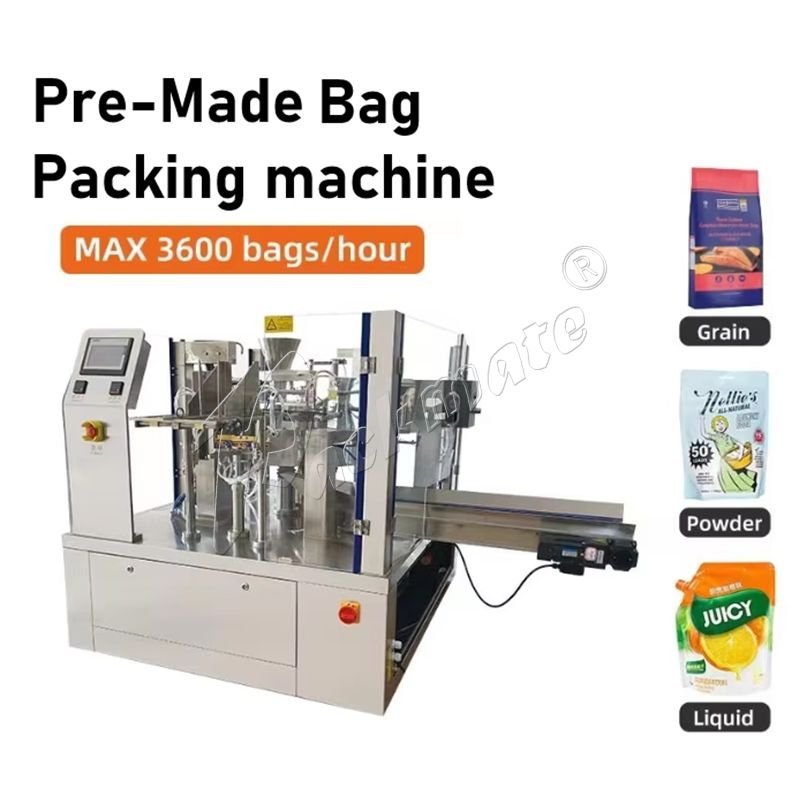
Sachets are incredibly versatile, used for everything from single-serve sauces and dressings to pharmaceutical powders. Automated sachet machines form, fill, and seal pre-made or roll-fed film into individual pouches. Advanced models offer multi-lane operation for high-output production, precise dosing for both free-flowing and non-free-flowing products, and integration with checkweighers and metal detectors for quality assurance.
- ➤ Ideal for: Ketchup, soy sauce, shampoo samples, spice mixes, instant drink powders.
- ➤ Benefits: Excellent barrier properties, cost-effective for small portions, easy to use for consumers.
High-Speed Stick Pack Machines
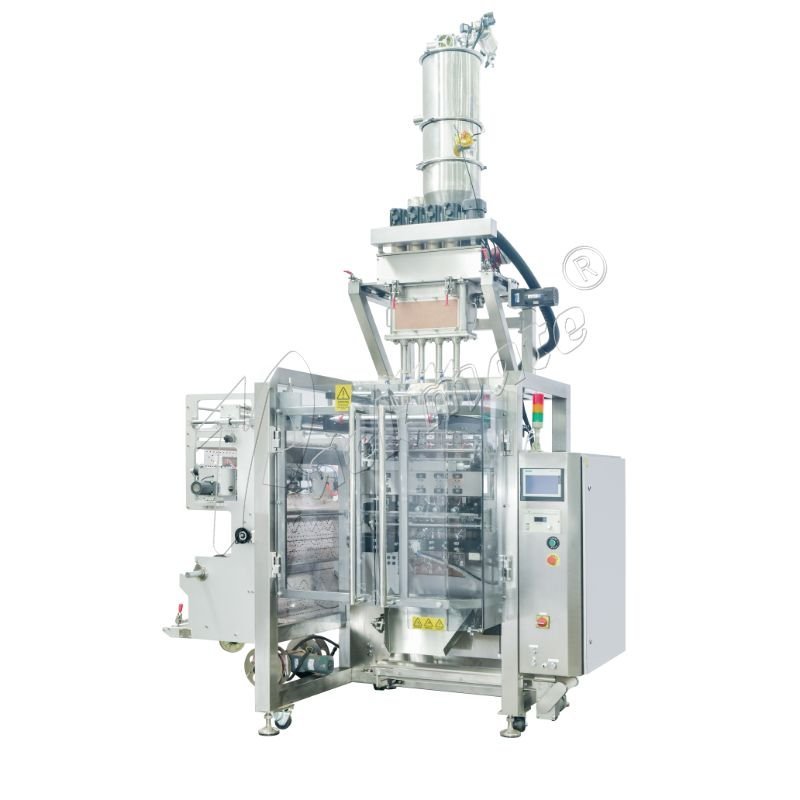
Stick packs, with their slender, upright design, are perfect for granular, powdered, or liquid products where a tall, narrow pouch is preferred. Stick pack machines are renowned for their compact footprint and exceptionally high speeds, making them a favorite for products like instant coffee, sugar, electrolyte powders, and liquid honey sticks. The technology allows for clean, single-handed tearing and consumption.
Modern multi-lane stick pack systems can achieve outputs of over 1000 sticks per minute, representing a significant leap in production efficiency for high-volume items.
Granule & Powder Packing Systems
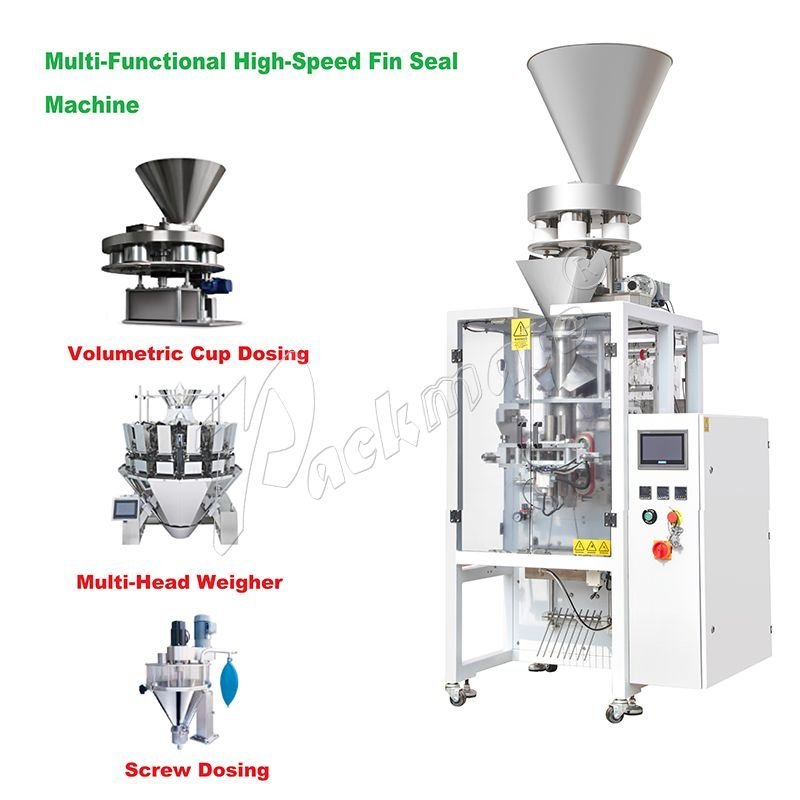
Packaging dry products presents unique challenges, including dust control, precise volumetric or auger filling, and maintaining product integrity. Granule and powder packing systems are engineered to handle these demands. They utilize specialized auger fillers, vibratory trays, and vacuum systems to ensure accurate weight control, even with products that may be aerated or prone to bridging. These systems are often the backbone of operations for snack nuts, powdered milk, protein supplements, and detergents. Partnering with an experienced manufacturer ensures the filling technology is perfectly matched to your product’s characteristics.
Liquid & Viscous Product Filling Lines
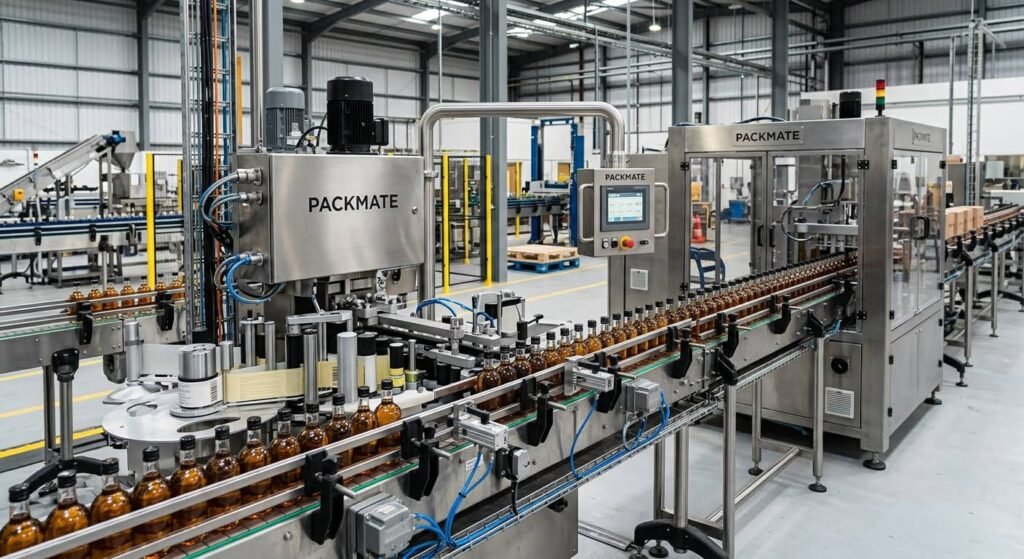
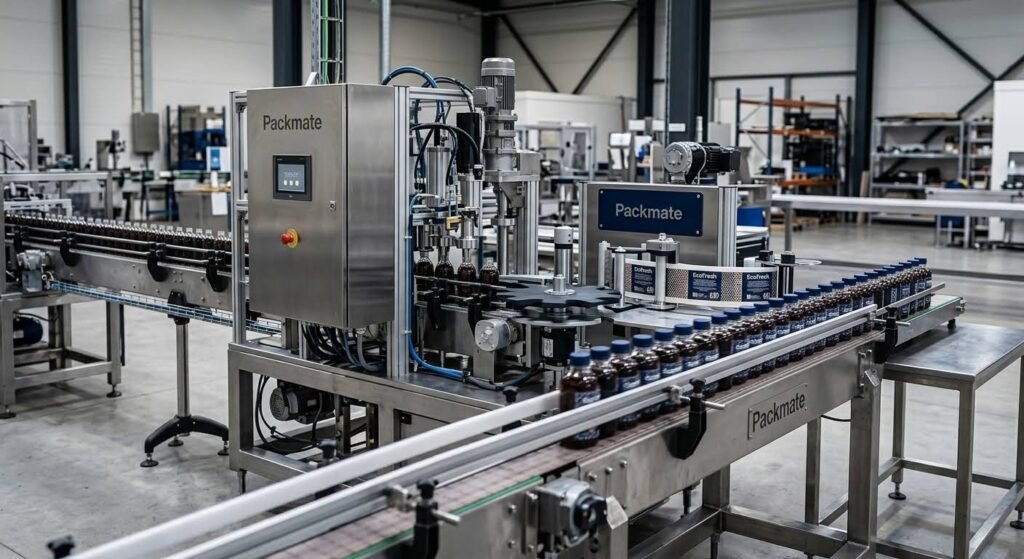
Liquid packaging requires utmost attention to hygiene, spill prevention, and filling accuracy. Systems range from simple piston fillers for oils and juices to more complex pumps for handling pastes, gels, and creams. Key features include CIP (Clean-in-Place) capabilities, no-drip nozzles, and compatibility with various container types (bottles, cups, pouches). For products like yogurt, salad dressing, or hand sanitizer, a robust liquid filling line is indispensable for maintaining product quality and production speed.
The Value of a Turnkey Solution Provider
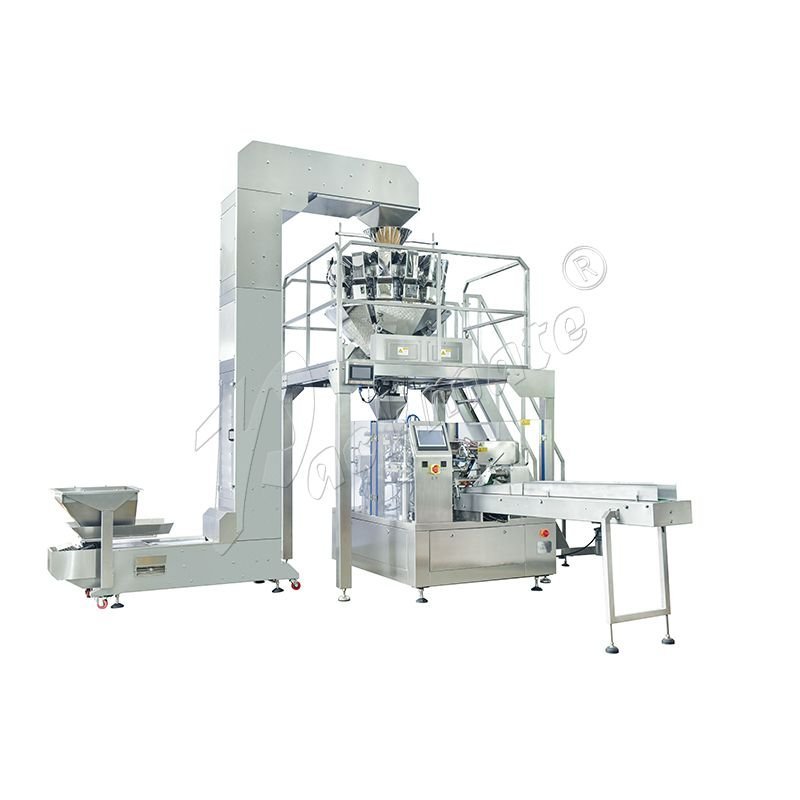
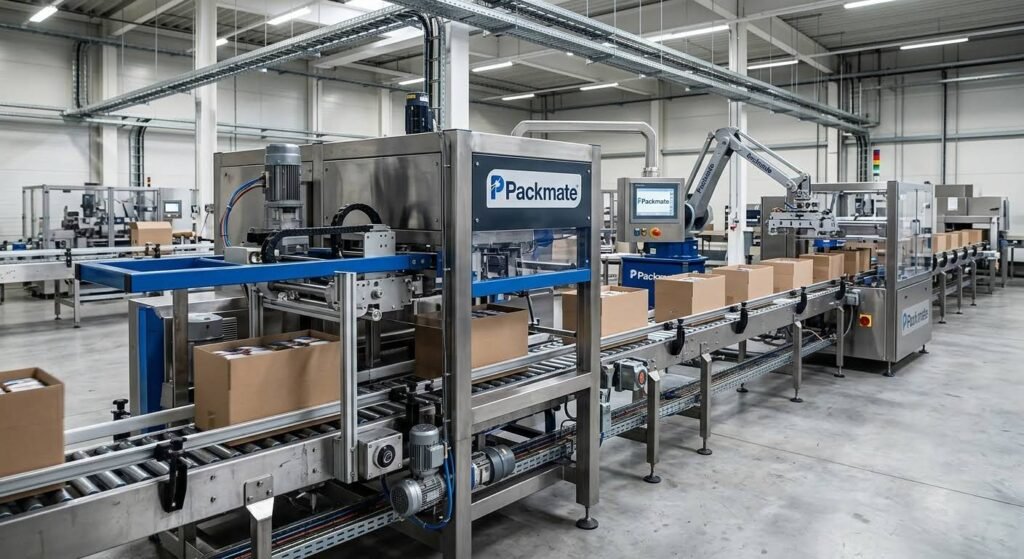
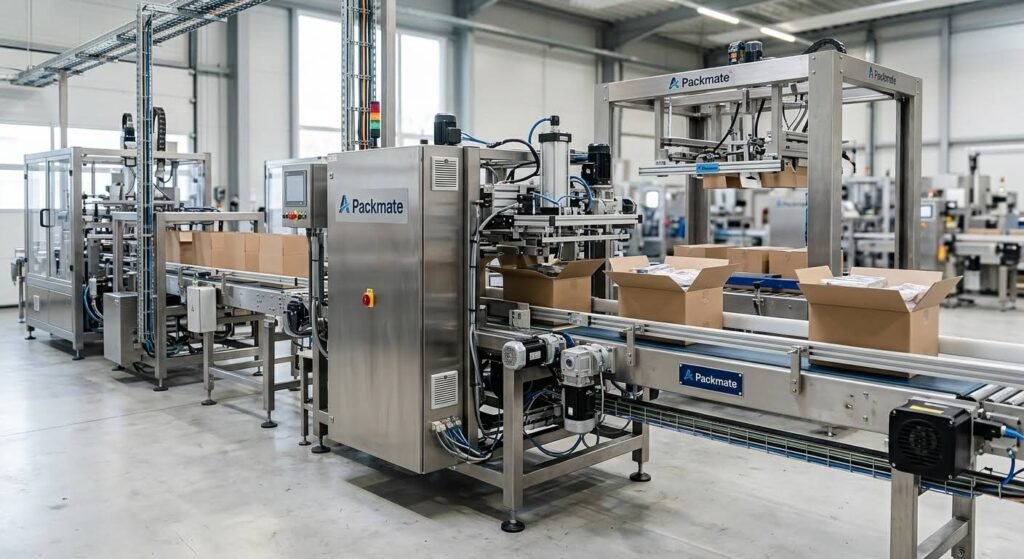
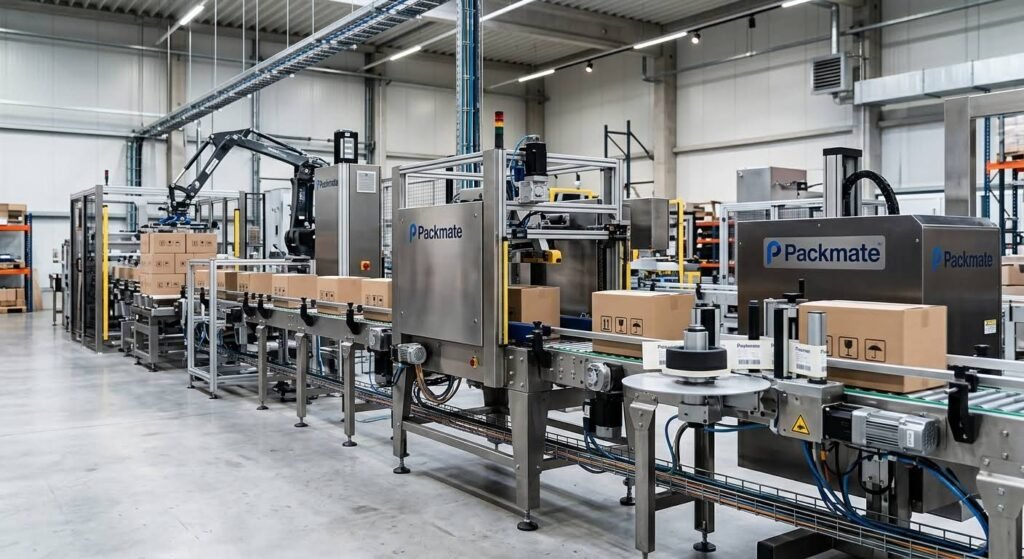
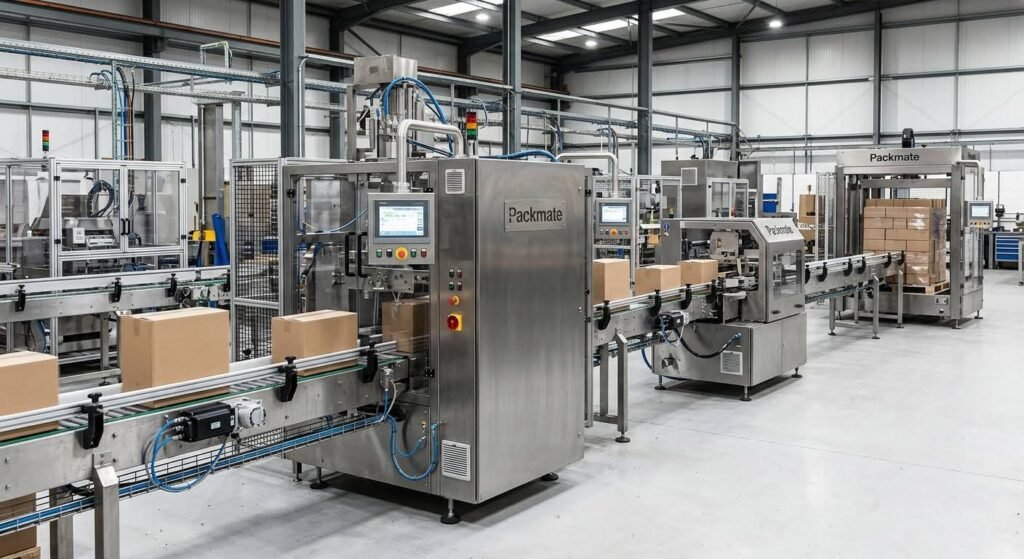
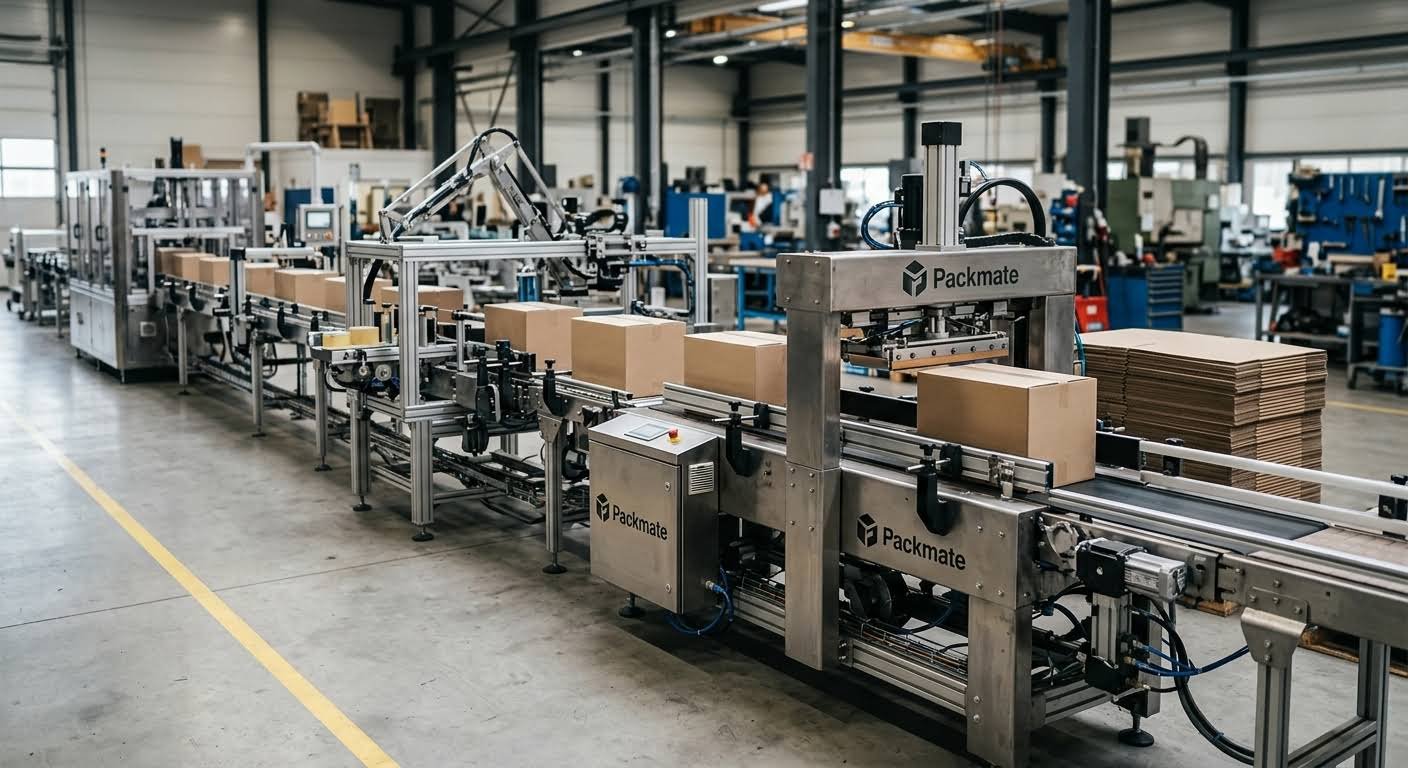
Beyond individual machines, the real competitive advantage often lies in implementing a cohesive, automated production line. A turnkey solution encompasses everything from upstream feeding and product handling to the primary packaging machine, downstream cartoning, and case packing. This integrated approach, offered by providers like Ludyway Packing Machine, minimizes integration headaches, ensures seamless communication between line components, and optimizes the overall workflow for maximum throughput and minimal downtime.
Why Choose an Experienced Partner?
With over 30 years of industry experience, a partner brings invaluable insight. They understand the nuances of different markets, regulatory requirements, and material science. They can advise on the most suitable film structures for your product’s shelf life, design hygienic machine surfaces for easy cleaning, and provide reliable after-sales support and spare parts. This depth of knowledge transforms a machinery purchase into a long-term strategic partnership for growth.
Future Trends in Food Packaging Machinery
The industry continues to innovate. Key trends driving the next generation of equipment include:
- Smart Manufacturing & IIoT: Machines with built-in sensors for predictive maintenance, real-time OEE (Overall Equipment Effectiveness) monitoring, and data collection for process optimization.
- Sustainability Focus: Equipment designed to handle mono-material or recyclable films, reduce film waste through precise sealing, and optimize energy consumption.
- Enhanced Flexibility: Quick-changeover systems that allow producers to run smaller, more customized batches efficiently, catering to niche markets and limited-edition products.
Investing in the right automated packaging system is a critical step toward building a resilient, efficient, and future-ready production operation. By understanding the capabilities of sachet, stick pack, granule, powder, and liquid packing systems, and by collaborating with a knowledgeable and experienced solution provider, manufacturers can secure a significant advantage in quality, cost, and market responsiveness.
Frequently Asked Questions (FAQs)
1. What is the main difference between a sachet and a stick pack machine?
While both create pouches from roll stock, the primary difference is the pouch shape and orientation. Sachet machines typically produce wider, shorter pouches that lie flat. Stick pack machines produce tall, narrow pouches that stand upright. The choice depends on your product format and desired consumer experience.
2. Can one machine handle both granules and powders?
Some versatile machines can be configured for both, but they often require different filling heads (e.g., auger systems). Powders, especially fine or aerated ones, usually need specialized augers with anti-bridging features and possibly vacuum assist for accuracy. It’s best to consult with the machine supplier with your specific product samples.
3. How important is after-sales support for packaging machinery?
Extremely important. Packaging machines are precision instruments that require periodic maintenance, calibration, and occasional repairs. A provider with a strong global support network, available spare parts, and responsive technical service ensures your production line stays running, protecting your investment and avoiding costly downtime.
4. What does a “turnkey production solution” include?
A turnkey solution is a complete, ready-to-operate production line. It goes beyond the core packaging machine to include all necessary components: product feeding/conveying systems, the filler, sealing unit, possible nitrogen flushing, checkweigher, metal detector, date coder, and often downstream secondary packaging equipment like cartoners. The provider handles the integration, testing, and commissioning.
5. How do I determine the right production speed for my needs?
Consider your current daily/weekly output and projected growth for the next 3-5 years. A good rule is to choose a machine that can handle 20-30% more than your current peak demand to allow for growth and provide a buffer. Also factor in efficiency; a machine with a 90% uptime at 200 packs/minute is often better than one with 70% uptime at 250 packs/minute.