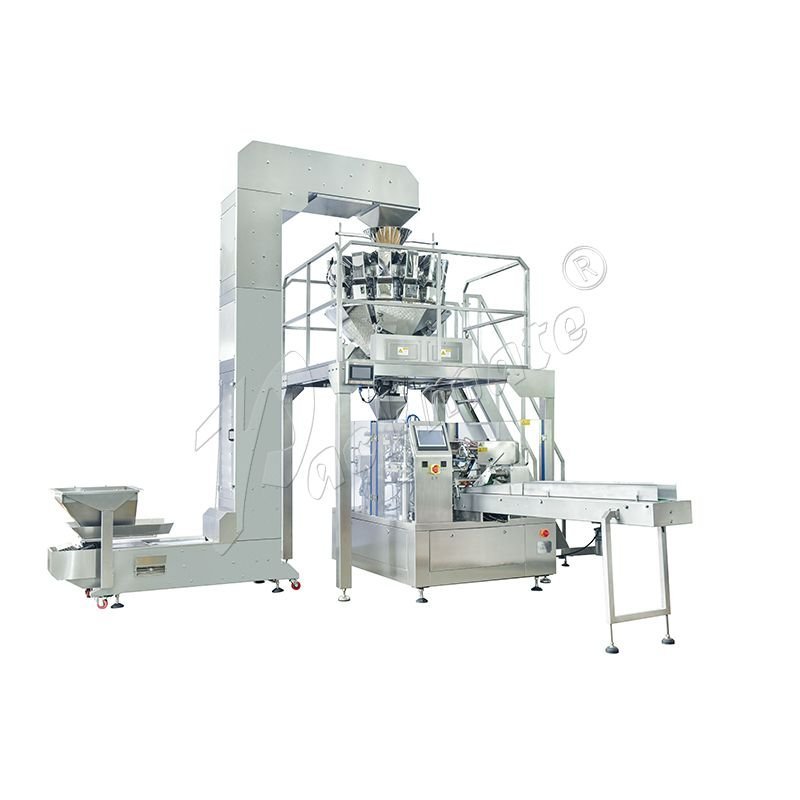
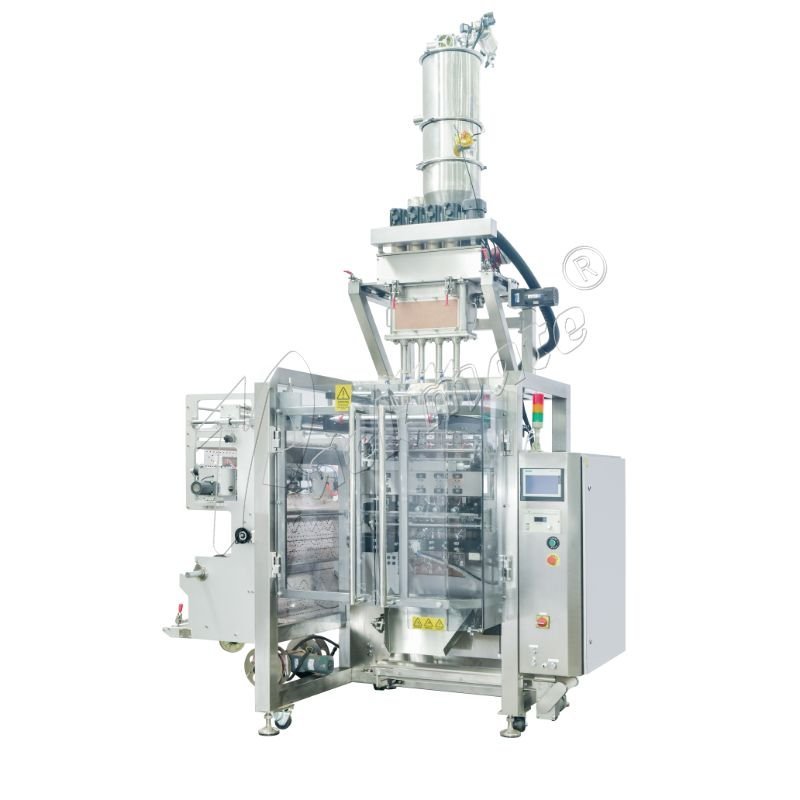
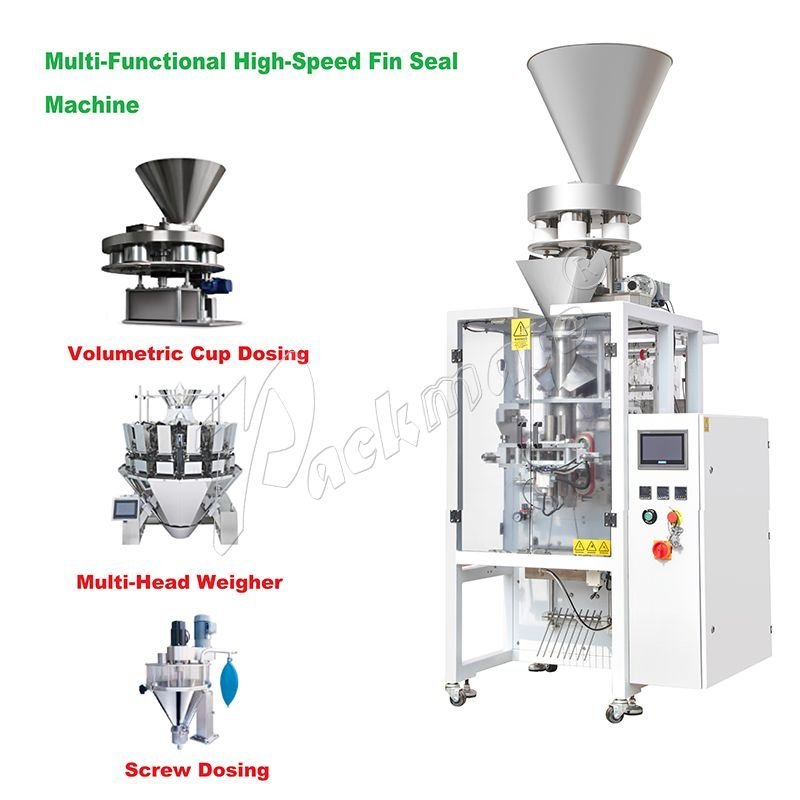
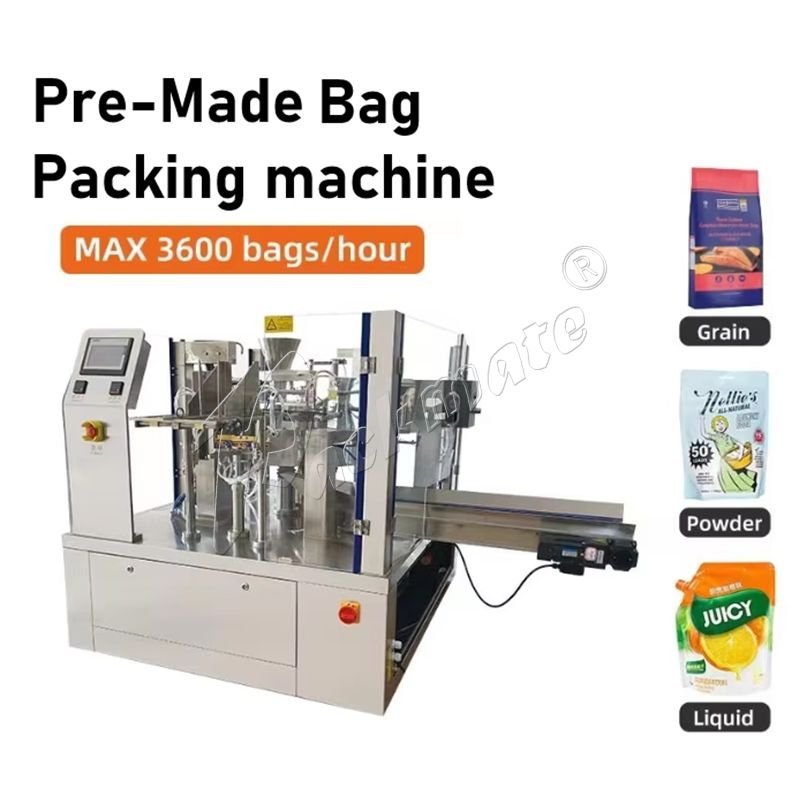
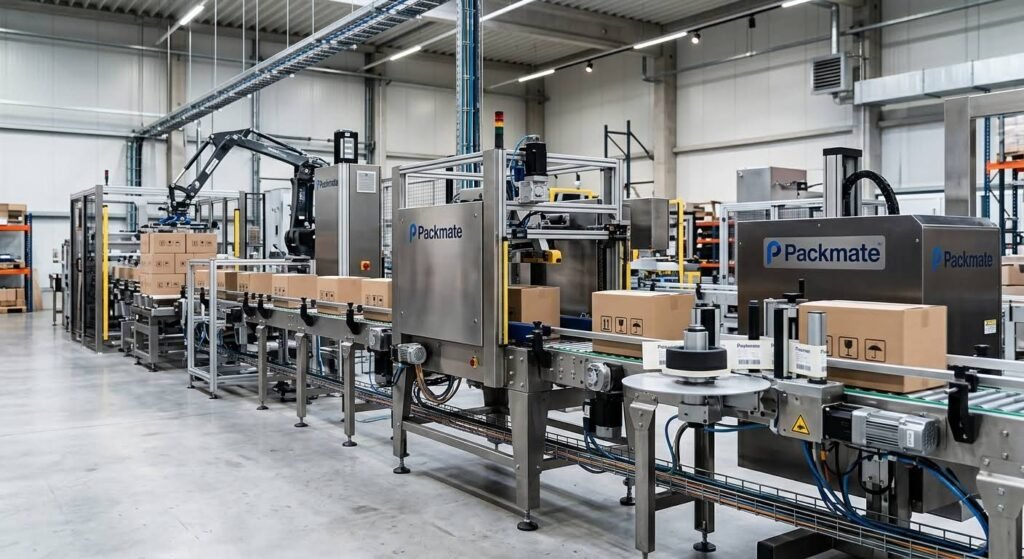
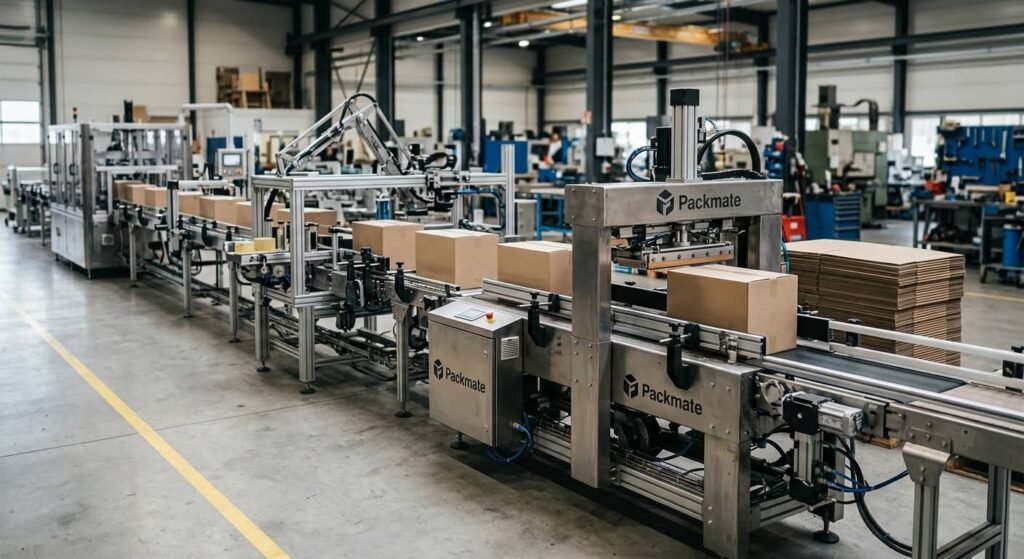
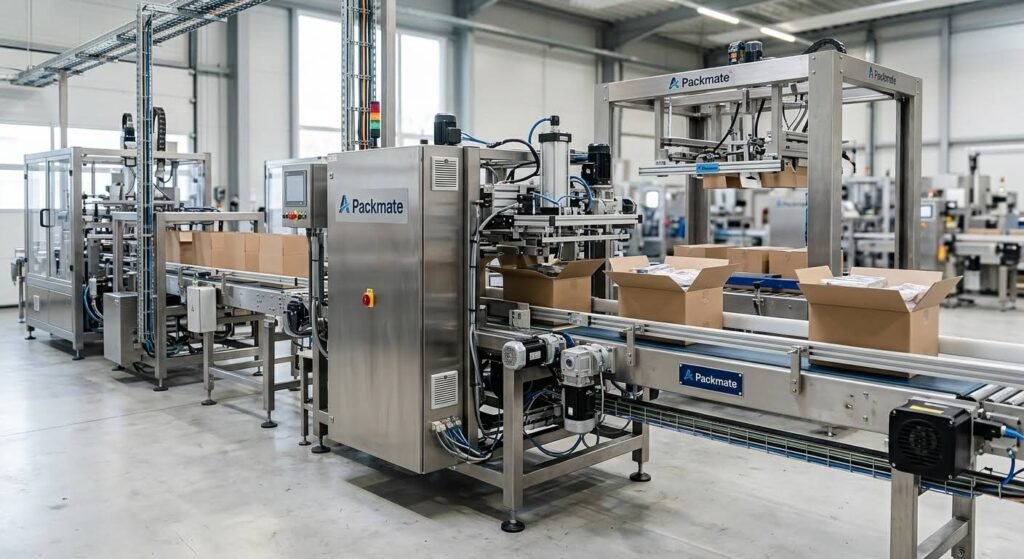
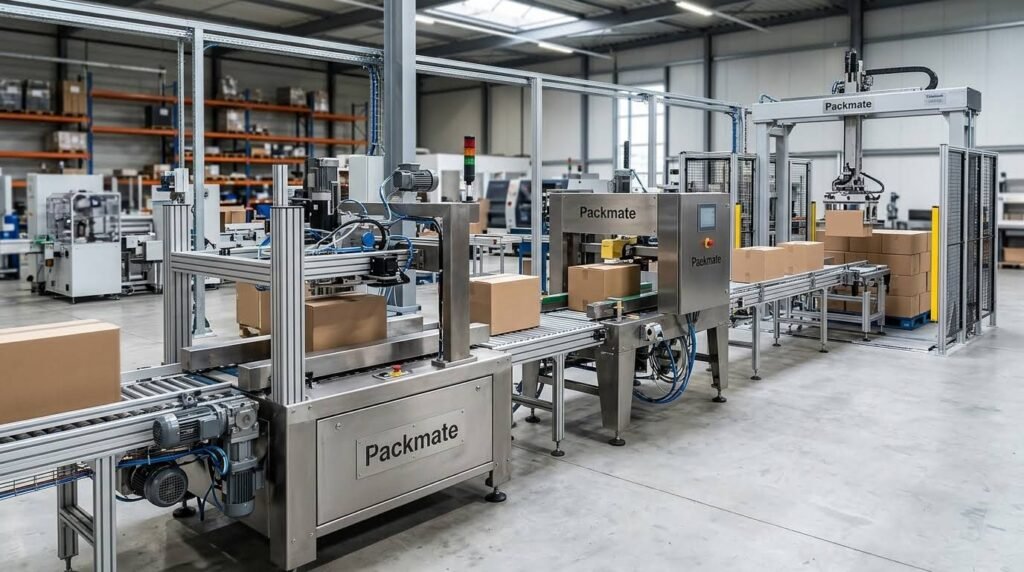
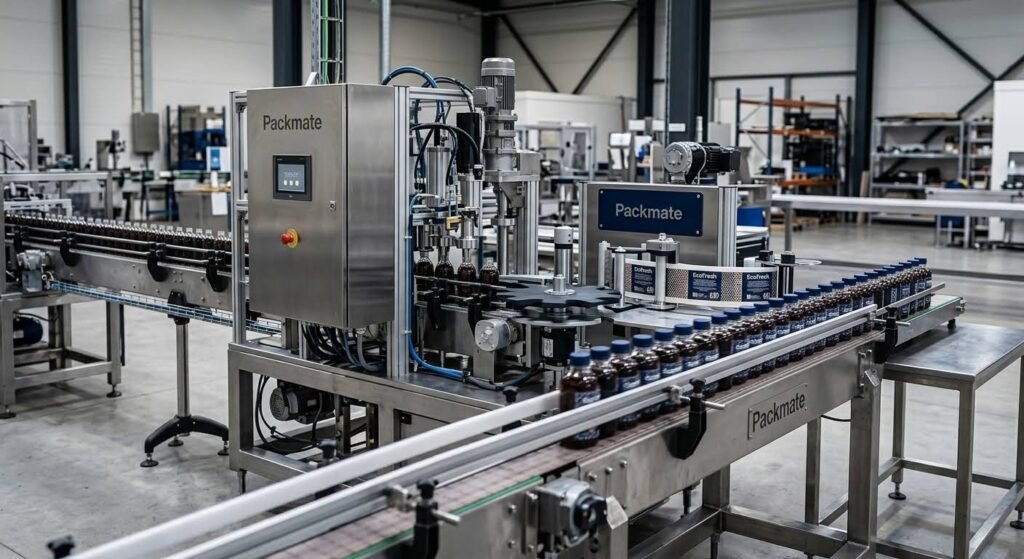
In today’s fast-paced manufacturing world, efficiency, hygiene, and precision are non-negotiable. For industries where product integrity directly impacts consumer health and safety—namely food, pharmaceuticals, and health products—the packaging process is a critical final gatekeeper. This is where automatic packaging machine solutions become indispensable, transforming production lines with speed, accuracy, and reliability.
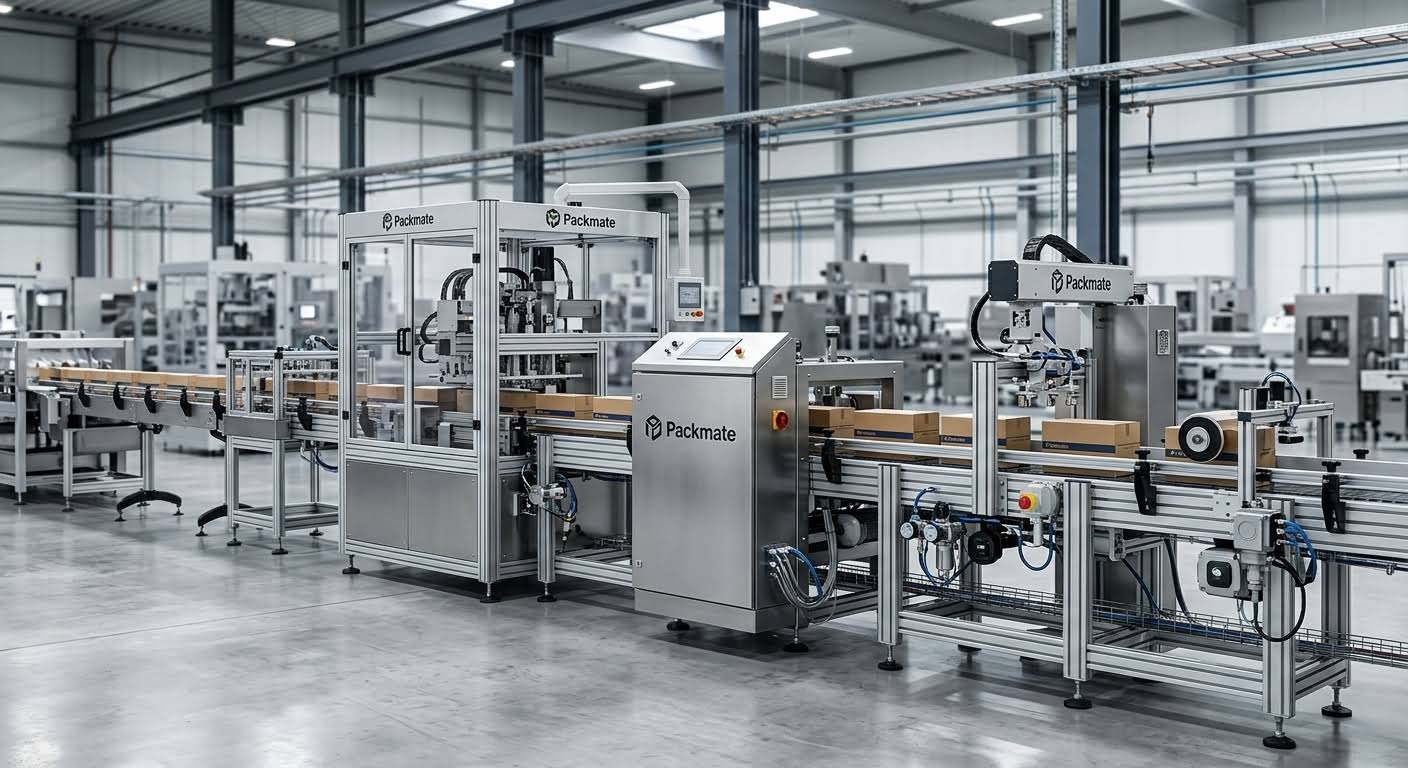
The Critical Role of Automation in Modern Packaging
Manual packaging is prone to inconsistencies, contamination risks, and scalability limitations. Automated systems eliminate these variables, offering a seamless, controlled environment from product filling to final sealing. For sectors with stringent regulatory standards, such as pharmaceuticals, this automation is not just beneficial but often mandatory to ensure compliance and batch traceability.
Core Advantages of Automated Packaging Lines
Enhanced Product Safety & Hygiene: Closed systems minimize human contact, drastically reducing the risk of contamination—a paramount concern for food and pharmaceutical products.
Unmatched Consistency & Accuracy: Precision weigh-fillers and volumetric dosers ensure every sachet, stick pack, or bottle contains the exact specified amount, reducing product give-away and ensuring compliance.
Dramatically Increased Production Speed: High-speed machines can handle hundreds, even thousands, of units per minute, meeting large-scale demand effortlessly.
Significant Operational Cost Reduction: While the initial investment is notable, automation reduces long-term labor costs, material waste, and downtime due to errors.
Tailored Solutions for Key Industries
The “one-size-fits-all” approach fails in specialized manufacturing. Effective packaging solutions must address the unique physical properties of the product and the regulatory landscape of its industry.
Food Industry Applications
From spices and instant coffee to sauces and snack nuts, food products vary widely in form. Automatic packaging machines for food must handle granules, powders, and liquids with equal finesse. Key features include:
- ➤ Multi-lane Stick Pack Machines: Ideal for single-serve portions of sugar, instant drink mixes, or condiments.
- ➤ Vertical Form-Fill-Seal (VFFS) Machines: The workhorse for packaging powders like flour or granules like rice into pillow bags.
- ➤ Liquid Filling & Capping Lines: For oils, sauces, and beverages, ensuring leak-proof seals and accurate fill levels.
Hygiene is further ensured by using food-grade stainless steel contact parts and easy-clean designs.
Pharmaceutical & Health Product Applications
This sector demands the highest levels of precision and documentation. Packaging often involves sensitive powders (like protein supplements), granules (herbal extracts), or liquids (syrups, tonics).
Essential Machine Capabilities for Pharma:
Validation & Compliance: Machines must support GMP (Good Manufacturing Practice) standards, with validation protocols and material traceability.
Dust-Free Operation: Integrated dust extraction systems are crucial when handling fine medicinal powders to maintain a clean room environment.
High-Precision Dosing: Micro-ingredient packaging requires dosing accuracy within milligrams. Auger filler systems with servo drives are typically employed.
For health products like dietary supplements, attractive sachet or stick pack packaging also serves as a powerful marketing tool on retail shelves.
Choosing the Right Partner for Your Packaging Needs
Investing in an automated packaging line is a strategic decision. The machinery provider should be more than just a vendor; they should be a solutions partner. A reputable partner like Ludyway Packing Machine brings invaluable assets to the table.
Deep Industry Expertise: With over 30 years of industry experience, understanding the nuanced challenges of food and pharma packaging is ingrained. This expertise informs machine design and solution recommendations.
Comprehensive Product Range: A wide portfolio, offering more than 50 intelligent packaging machine models, means they can provide an objective recommendation for the best machine type—be it a sachet packer, stick pack machine, or a full granule packaging line—for your specific product, rather than a limited option.
Turnkey Project Execution: From initial consultation and factory layout planning to machine installation, commissioning, and staff training, a full-service provider manages the entire project. This is backed by strong engineering capabilities and a modern 20,000㎡ manufacturing facility.
Global Support & Customization: Serving an international clientele requires robust after-sales support and the flexibility to customize machines for local market needs, whether for package size, labeling, or integration with existing line equipment. Explore their commitment to innovation in their detailed Company Profile.
Implementing Your Automated Solution: A Strategic Pathway
Transitioning to automation is a process. A structured approach ensures success:
- Needs Analysis: Define your product specs, required output (bags/minute), and future growth plans.
- Solution Design & Quotation: A reliable partner will analyze your product samples and propose a tailored machine configuration with a clear scope of supply.
- Factory Acceptance Test (FAT): Witness the machine running with your materials at the supplier’s factory before shipment to verify performance.
- Installation & Site Acceptance Test (SAT): Professional engineers install and commission the line at your facility, training your operators.
- Ongoing Support: Access to spare parts, remote troubleshooting, and preventive maintenance services ensures long-term productivity.
Learn more about how this partnership approach has evolved over time by reading the Company History.
The Future is Integrated and Intelligent
The next frontier for automatic packaging in these sectors is the integration of Industry 4.0 technologies. Smart sensors for predictive maintenance, IoT connectivity for real-time production data dashboards, and AI-driven optimization for minimal material waste are becoming standard expectations. Choosing a forward-thinking partner ensures your investment is future-proof.
Frequently Asked Questions (FAQs)
1. What types of products can be packaged with these automatic machines?
Automatic packaging machines are highly versatile and can handle a wide range of product forms specifically for food, pharma, and health products. This includes free-flowing granules (coffee, seeds, granules), powders (spices, protein powder, medicinal powders), liquids & semi-liquids (sauces, oils, shampoos, syrups), and even small solid pieces. The machine configuration (type of filler, hopper, etc.) is selected based on the product’s characteristics.
2. How do I ensure the machine meets pharmaceutical GMP standards?
When selecting a machine for pharmaceutical use, explicitly discuss GMP requirements with your supplier. Key features to look for include: construction with 316L stainless steel on product contact parts, smooth, crevice-free surfaces for easy cleaning and sterilization, validated cleaning protocols (CIP/SIP where applicable), and documentation packages that support equipment qualification (DQ/IQ/OQ/PQ). Reputable suppliers design their machines with these standards in mind.
3. What is the typical lead time for a custom automated packaging line?
Lead times vary significantly based on the complexity and customization level of the line. For a standard machine from stock, it could be 4-8 weeks. For a fully customized turnkey solution involving multiple integrated machines, design, and fabrication, the timeline can range from 3 to 6 months. A detailed project plan with milestones should be provided by your supplier after the initial technical review.
4. Can one machine handle different package sizes or products?
Yes, most modern automatic packaging machines are designed with changeover flexibility. They use quick-change parts for forming tubes, sealing jaws, and filler attachments. The level of ease and time required for changeover (from 15 minutes to an hour) depends on the machine’s design. Discuss your need for frequent product or size changes with your supplier to get a machine optimized for flexible production.
5. What kind of after-sales support should I expect?
Comprehensive after-sales support is critical. Expect a package including: detailed installation and operational training at your site, a warranty period (typically 12 months), availability of genuine spare parts, access to technical manuals and diagrams, and remote support via phone or video call. The best suppliers offer proactive preventive maintenance plans and have service engineers available for on-site visits if needed.