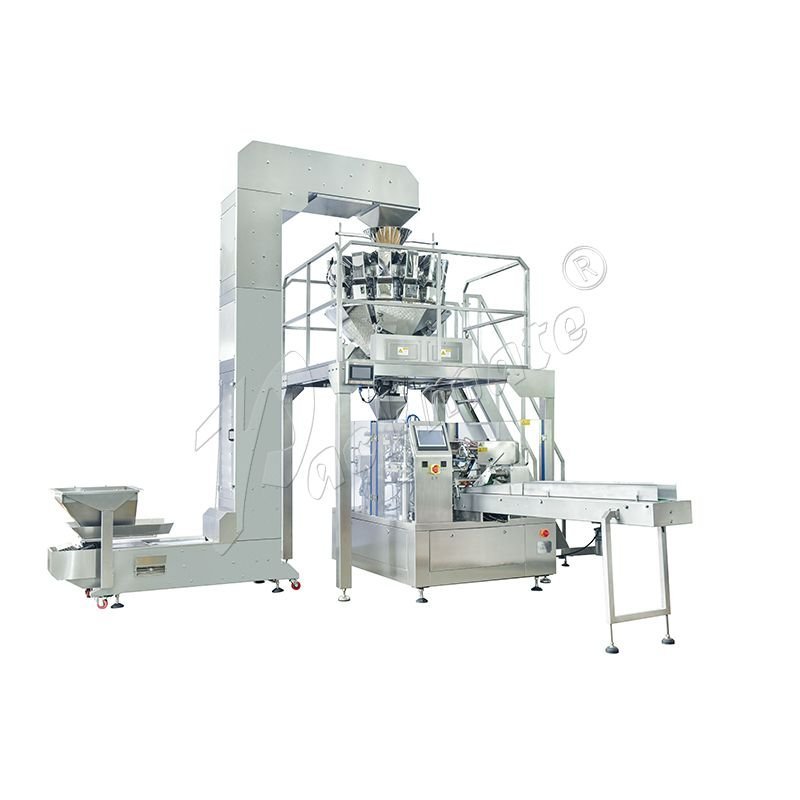
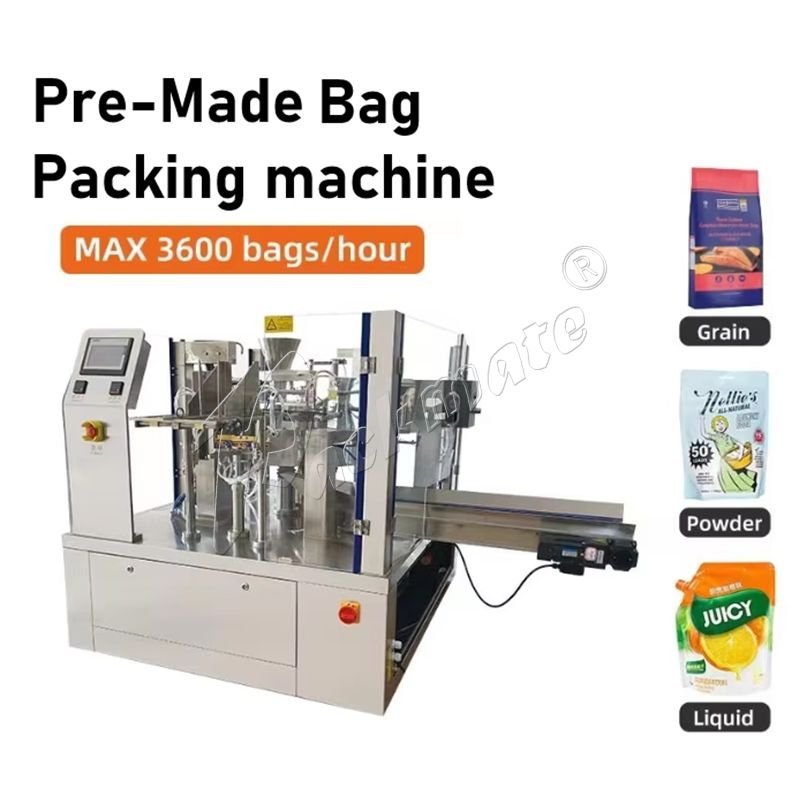
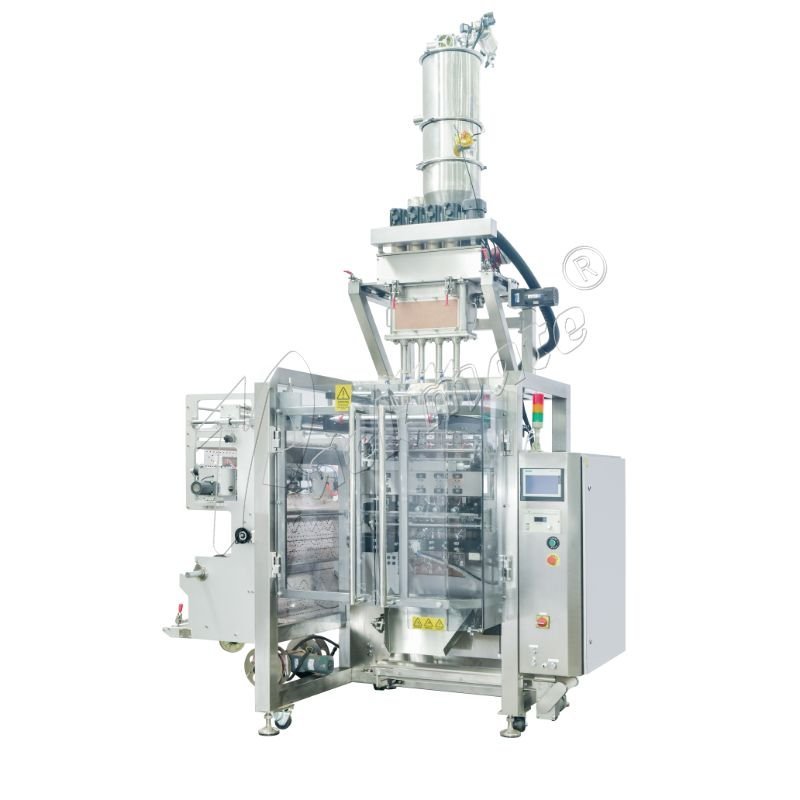
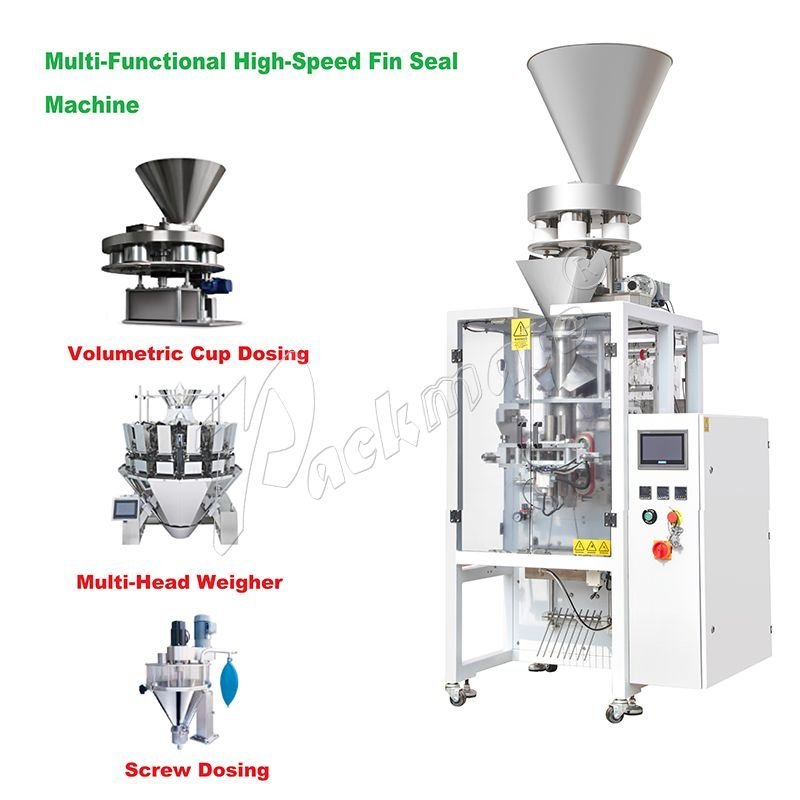
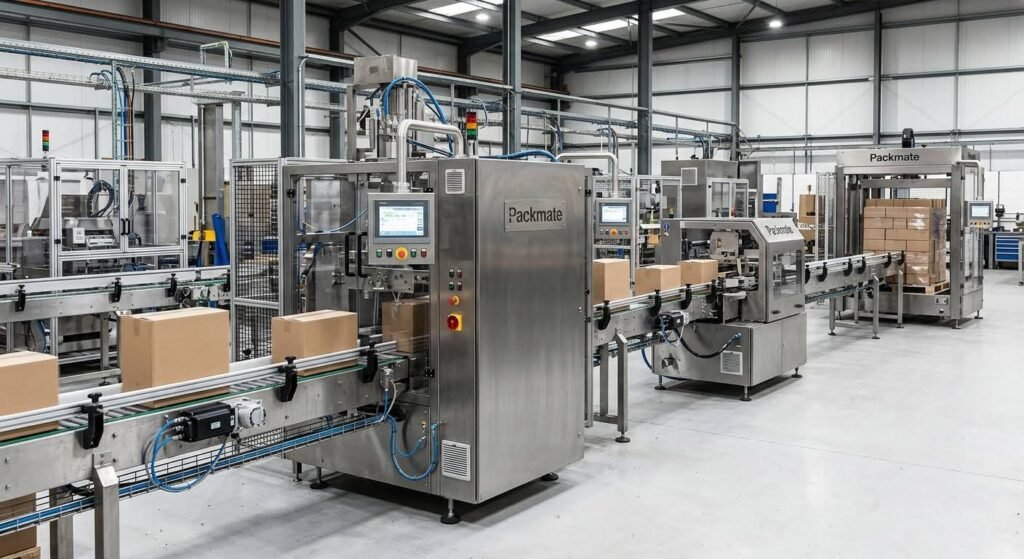
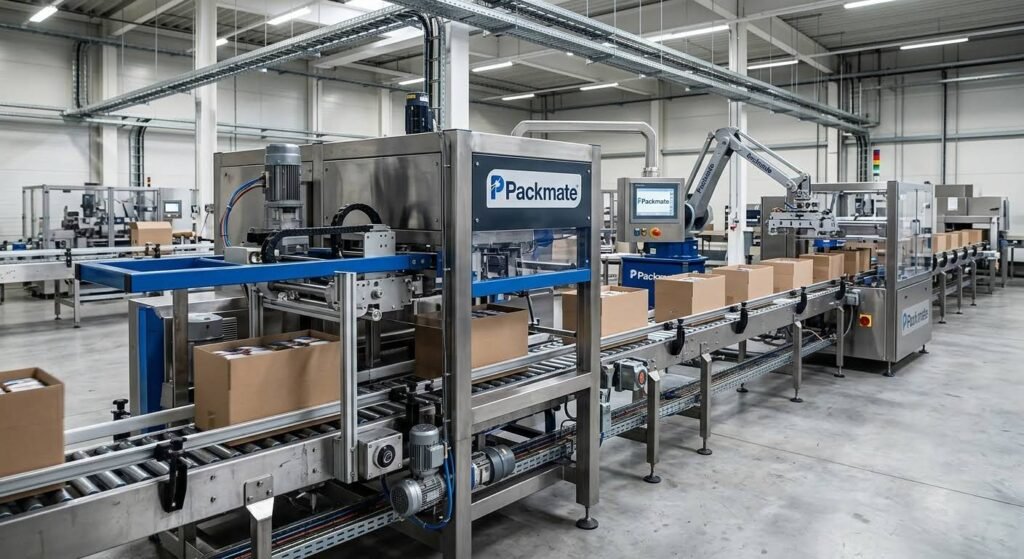
The packaging machinery industry is undergoing a transformative phase, driven by unprecedented demands for efficiency, hygiene, and sustainability. For professionals in the food and pharmaceutical sectors, staying ahead of the latest trends and innovations is not just an advantage—it’s a necessity for maintaining competitive edge and compliance. Today’s landscape is defined by smart automation, advanced material science, and integrated solutions that promise to redefine production floors.
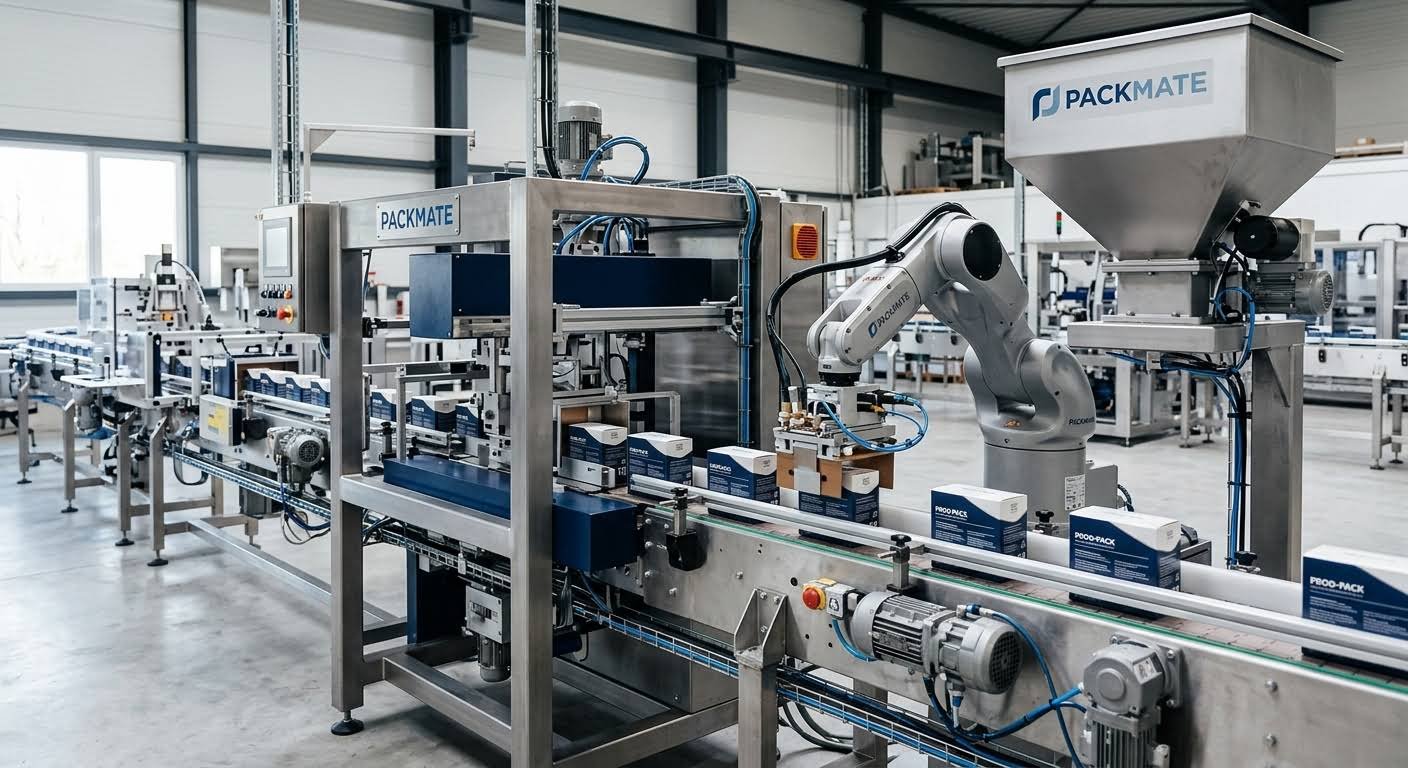
The Rise of Smart Automation and Industry 4.0 Integration
Modern packaging lines are no longer isolated mechanical units. The integration of Internet of Things (IoT) sensors, AI-driven analytics, and cloud-based monitoring has given birth to truly intelligent systems. These machines can predict maintenance needs, optimize material usage in real-time, and seamlessly communicate with upstream and downstream processes. For high-compliance industries like pharma, this means enhanced track-and-trace capabilities and foolproof data integrity for regulatory audits.
Key Automation Drivers:
✔ Predictive Maintenance: Minimizes unplanned downtime by analyzing machine performance data.
✔ Adaptive Control Systems: Automatically adjust parameters for different product formats without manual intervention.
✔ Digital Twins: Virtual replicas of packaging lines allow for simulation and optimization before physical implementation.
Sustainability: Beyond a Buzzword
Sustainability has evolved from a marketing slogan to a core engineering principle. The push for circular economy models is compelling machinery manufacturers to innovate. We are seeing a surge in equipment designed to handle mono-material, recyclable, and compostable films with the same speed and precision as traditional materials. Furthermore, energy-efficient drives, heat recovery systems, and reduced material waste through precision dosing are becoming standard expectations from new machinery investments.
Innovations in Sustainable Packaging Machinery
New generation form-fill-seal (FFS) machines now feature advanced servo technology that ensures exact film tension control, crucial for processing thinner, eco-friendly materials without compromising seal integrity. For the pharmaceutical industry, this also aligns with initiatives to reduce plastic in primary packaging, such as using smaller sachets or recyclable blister packs.
Advanced Aseptic and Barrier Packaging for Pharma & Food
Product safety and extended shelf-life are paramount. Innovations in aseptic packaging technology allow for the filling of sterile products into pre-sterilized packaging in a completely sterile environment. This is critical for sensitive pharmaceuticals, nutraceuticals, and high-acid food products. Similarly, enhanced barrier packaging solutions utilizing modified atmospheres (MAP) are becoming more accessible and automated, preserving freshness and nutritional value without artificial preservatives.
Case in Point: Liquid Packaging
The demand for single-serve liquid supplements and pharmaceuticals has skyrocketed. Modern liquid sachet machines, like those offered by industry leaders such as Ludyway, now incorporate ultra-clean filling zones, CIP/SIP systems, and in-line leak detection. This ensures the highest levels of product integrity for sensitive formulations, from probiotic drinks to oral rehydration solutions.
Flexibility and Customization: The Demand for Agile Lines
The era of single-SKU, high-volume runs is being challenged by the need for personalization and smaller batch production. Packaging machinery must now be highly flexible. Quick-changeover systems, modular designs, and multi-format capabilities are essential. A single line might need to switch between stick packs for powdered drink mixes, sachets for sauce portions, and pouches for granola bars with minimal downtime. This agility is supported by advanced servo-driven technology and user-friendly HMI interfaces that store countless product recipes.
Robotics and Cobots in Secondary Packaging
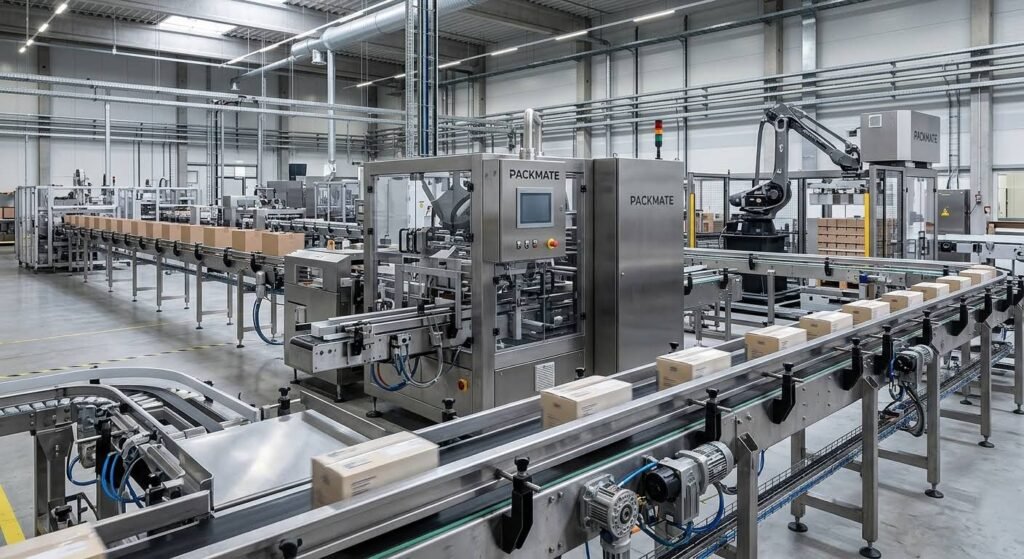
While primary packaging focuses on the product itself, secondary packaging is seeing a revolution through collaborative robots (cobots). These robots work safely alongside human operators to perform tasks like carton erection, case packing, and palletizing. They offer a flexible solution that can be easily reprogrammed for different pack patterns, ideal for the fast-paced, varied output of modern factories.
Looking Ahead: The Connected Packaging Ecosystem
The future lies in a fully connected ecosystem. Packaging machinery will act as a data node, feeding information into a central Manufacturing Execution System (MES). This data, combined with smart packaging (like QR codes or NFC tags), creates a journey from production to consumer. For pharma, it enables absolute serialization and anti-counterfeiting. For food brands, it opens doors to direct consumer engagement, recipe ideas, and sustainability storytelling. Choosing a machinery partner with a forward-thinking vision on connectivity, like those with a strong foundation in turnkey solutions and global support, is crucial for future-proofing operations.
In conclusion, the trajectory for packaging machinery is clear: smarter, greener, more flexible, and deeply integrated. For food and pharma companies, investing in these latest innovations is an investment in resilience, compliance, and market relevance. The right technology partner can provide not just a machine, but a strategic pathway to achieving these complex production goals.
Frequently Asked Questions (FAQs)
1. What are the key benefits of automated packaging lines for pharmaceutical products?
The primary benefits include enhanced sterility assurance, precise and consistent dosing, superior data integrity for regulatory compliance (e.g., FDA 21 CFR Part 11), reduced human intervention and contamination risk, and high-speed serialization for track-and-trace mandates.
2. How is sustainability influencing new packaging machine design?
Modern machines are engineered for energy efficiency, often using servo motors that consume less power. They are also designed to handle thinner, recyclable, or bio-based films reliably and feature precision filling systems that minimize product and material waste, supporting overall environmental goals.
3. What should I look for in a machinery supplier for a turnkey project?
Look for a supplier with proven industry experience, strong engineering support, the ability to provide a single point of contact for the entire line (from conveying to primary and secondary packaging), and a portfolio of successful installations. After-sales service and parts availability are critical for long-term operational success.
4. Can one packaging machine handle different types of products (e.g., powders and liquids)?
While some machines are specialized, many modern form-fill-seal machines offer a high degree of flexibility. With modular components and quick-change parts (like different filling pumps and augers), a single platform can often be configured for various product types, though significant changeovers may require partial line reconfiguration.
5. How important is data connectivity in new packaging equipment?
Extremely important. Data connectivity (OPC UA, MQTT, etc.) is foundational for Industry 4.0. It enables real-time OEE monitoring, predictive maintenance, seamless integration with factory MES/ERP systems, and provides the data backbone for quality control and regulatory reporting, making it a must-have for future-ready operations.