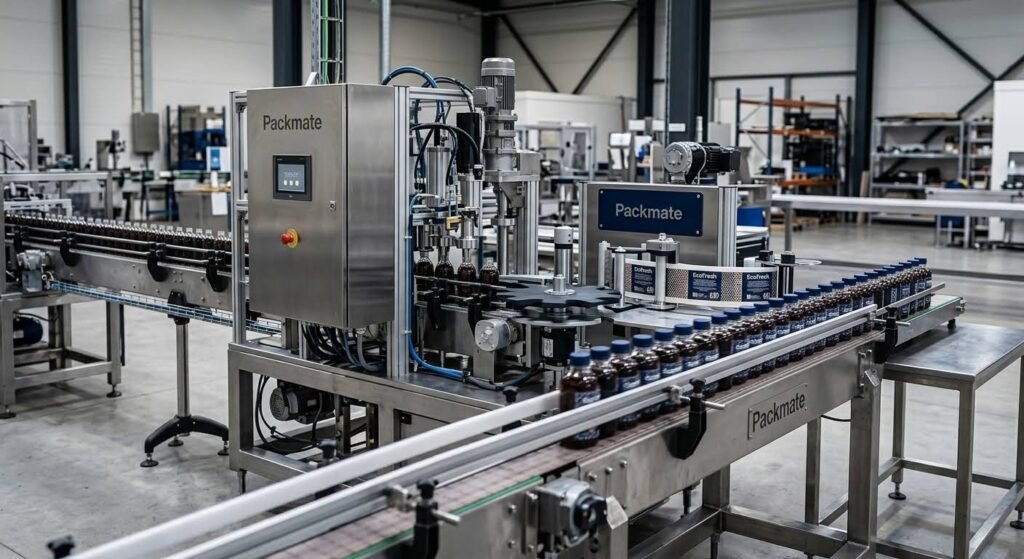
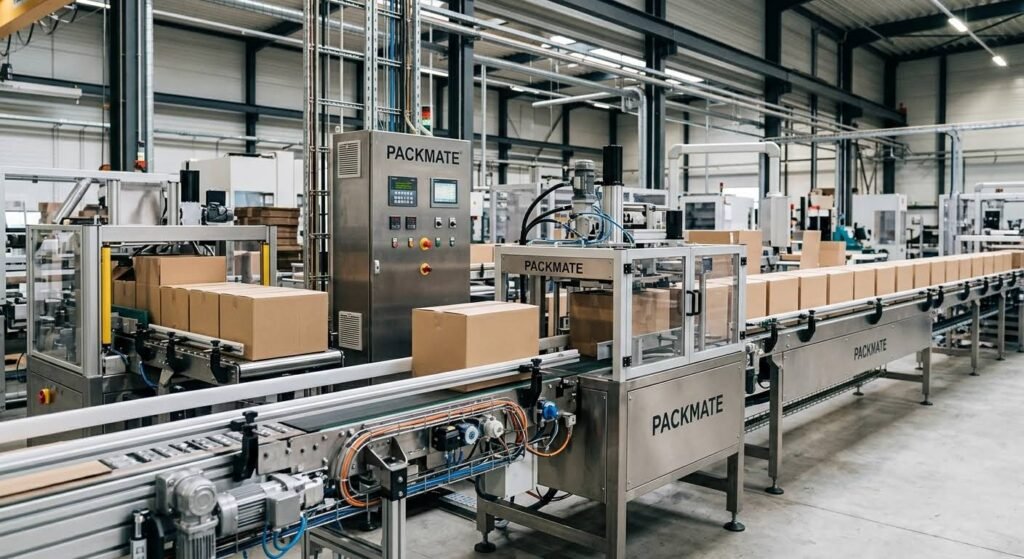
In today’s competitive global market, selecting the right packaging machine supplier is a critical decision for manufacturers in the food, pharmaceutical, and health product sectors. The right partner not only provides reliable equipment but also offers expertise in compliance, efficiency, and scalability. This article explores the key factors to consider and highlights the capabilities of leading suppliers who can meet the stringent demands of these industries.
Understanding the Unique Needs of Each Industry
Packaging requirements vary dramatically across different product types. A one-size-fits-all approach is ineffective and can lead to compliance issues, product waste, and operational inefficiencies.
Food Industry Requirements
Food packaging must prioritize hygiene, shelf-life extension, and consumer convenience. Machines must handle a variety of consistencies—from granules and powders to liquids and pastes—while preventing contamination. Speed and efficiency are paramount for high-volume production lines, and flexibility to switch between different package formats (like sachets and stick packs) is a valuable asset for brands with diverse product lines.
Pharmaceutical & Health Product Standards
This sector operates under the most rigorous regulations. Packaging machinery must ensure absolute accuracy in dosing, tamper-evidence, and lot traceability. Compliance with standards like cGMP (Current Good Manufacturing Practice) is non-negotiable. The equipment must also be designed for easy cleaning and validation to prevent cross-contamination, which is why many suppliers offer specialized aseptic packaging solutions.
Key Capabilities of a Top-Tier Supplier
Beyond just selling machines, the best suppliers act as strategic partners. Here are the essential capabilities to look for:
1. Extensive Industry Experience & Technical Expertise
A supplier with decades of experience, like Ludyway Packing Machine, brings invaluable problem-solving knowledge. They understand the evolution of packaging trends and regulatory changes. This expertise translates into recommending the right machine configuration, avoiding costly over-engineering or under-specification for your specific application.
2. Robust Product Portfolio & Customization
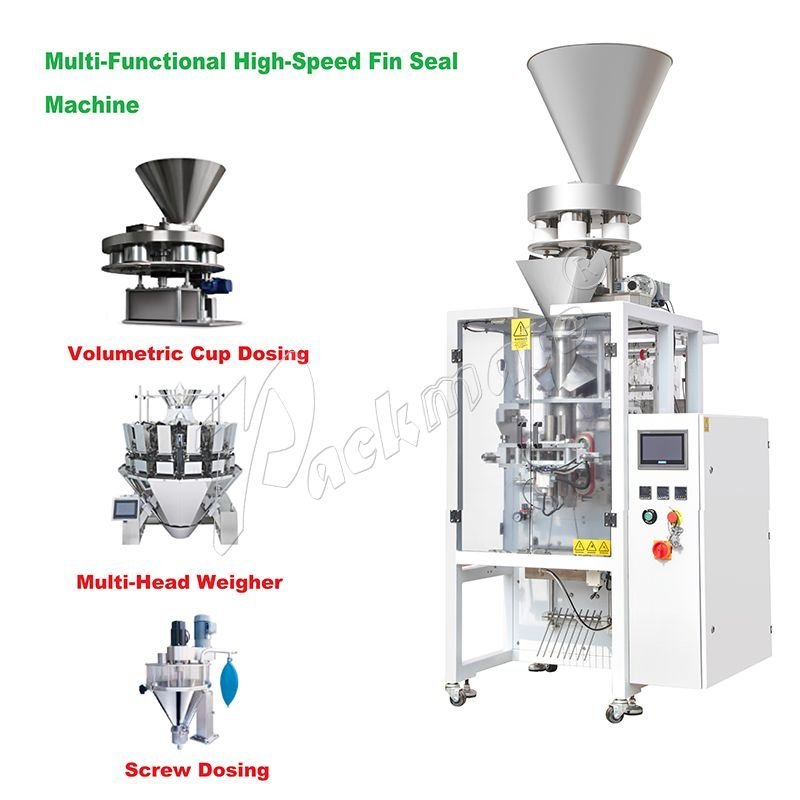
Leading suppliers offer a comprehensive range of equipment. This should include:
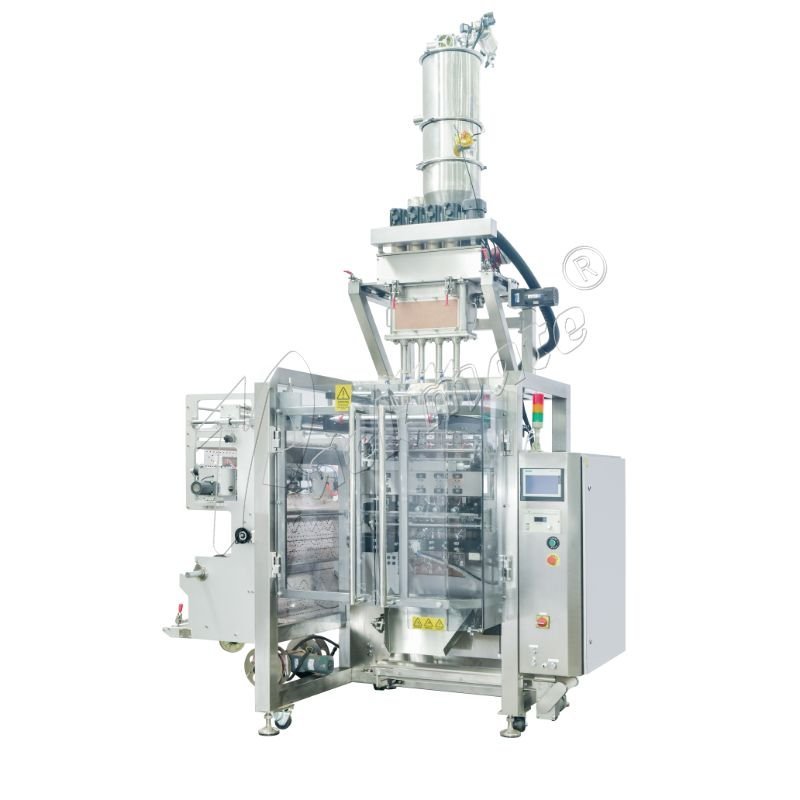
✓ Multi-lane stick pack machines for high-speed portion packing.
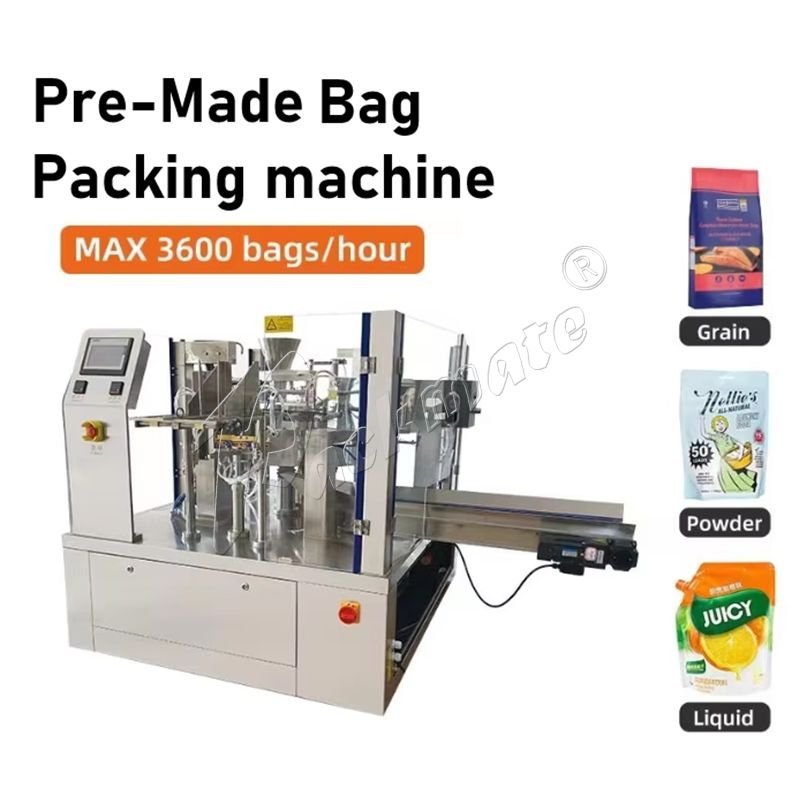
✓ Sachet packaging systems for powders, liquids, and granules.
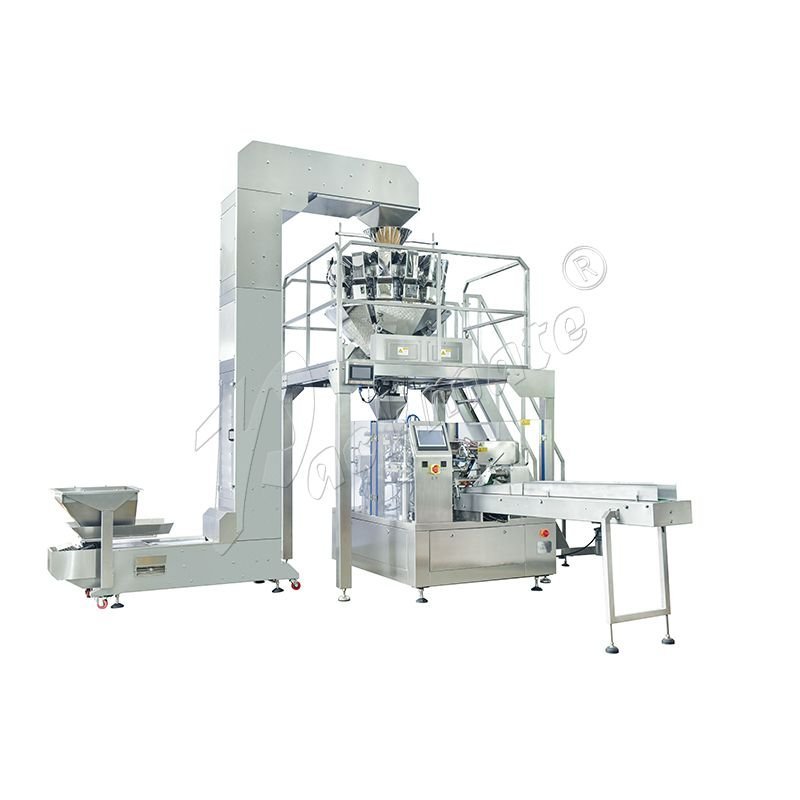
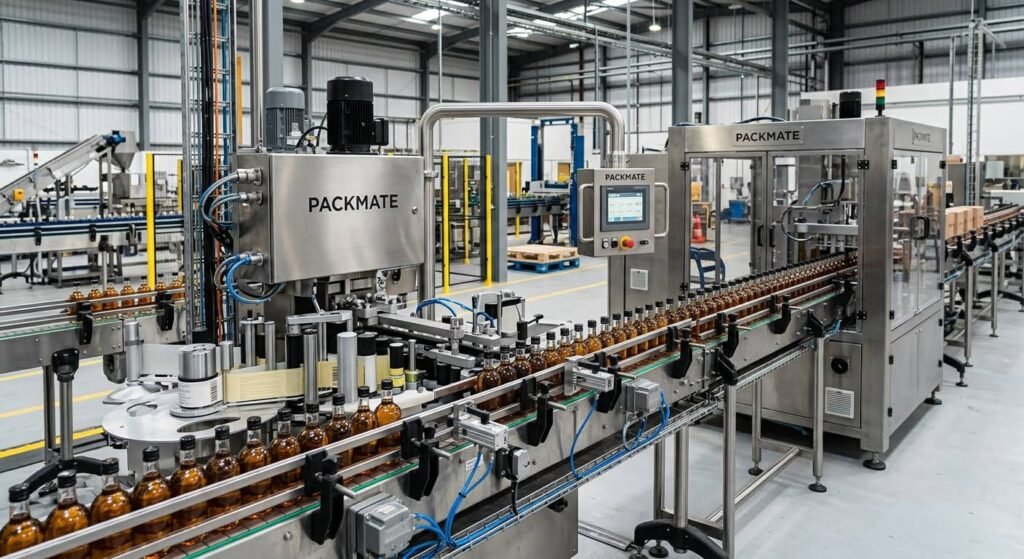
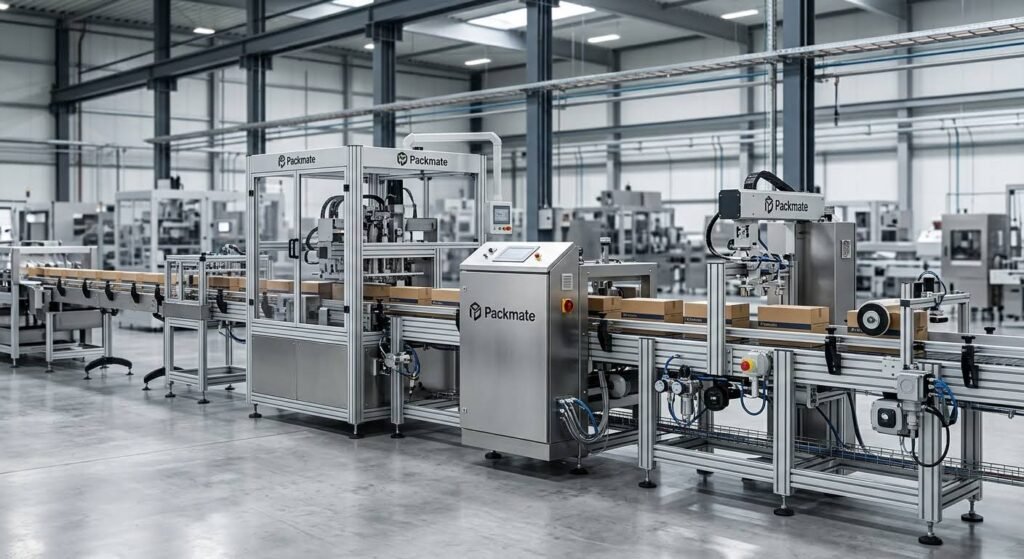
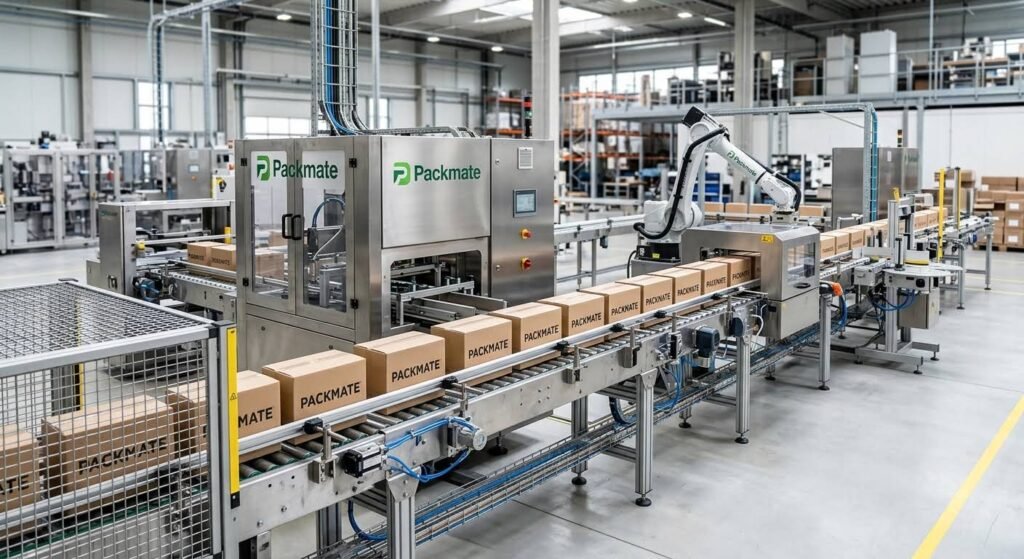
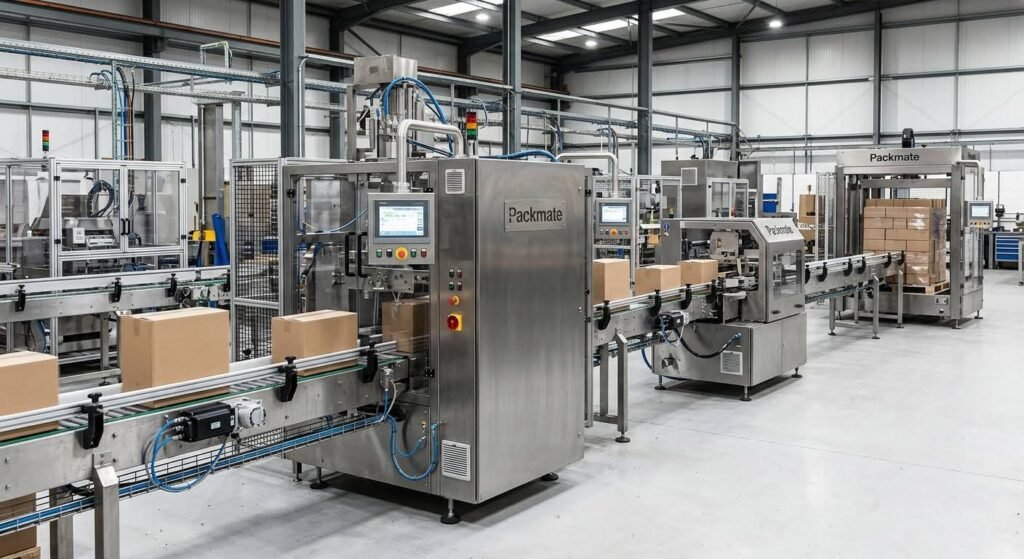
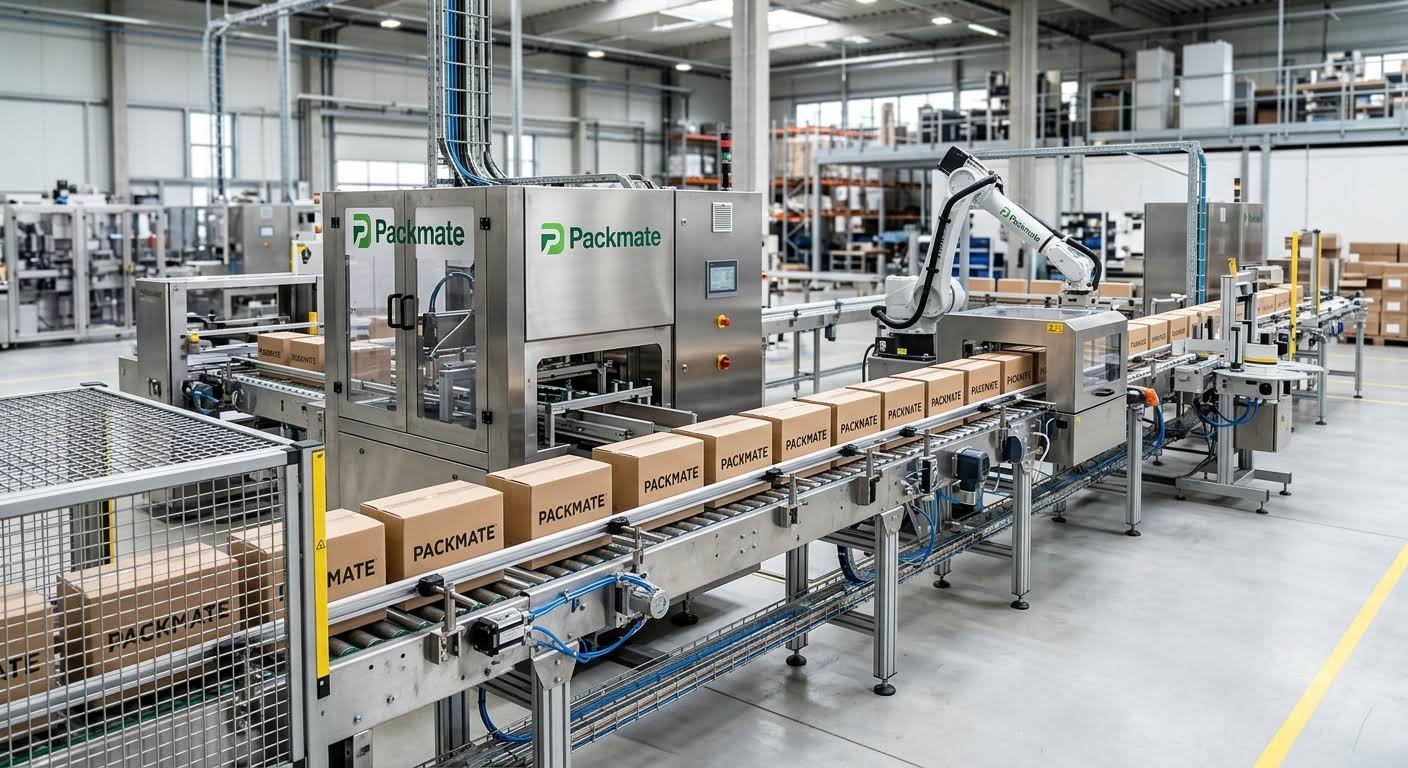
✓ Complete turnkey production lines that integrate filling, sealing, labeling, and cartoning.
The ability to customize these solutions—whether modifying dosing systems, integrating specific inspection systems, or adapting to unique packaging materials—is a hallmark of a superior supplier.
3. Manufacturing Scale & Quality Assurance
The supplier’s own manufacturing capability is a strong indicator of reliability. A large, modern production facility (e.g., 20,000+ m²) equipped with advanced CNC machinery ensures consistent quality control and the capacity to handle large orders and complex builds. In-house engineering teams are crucial for prototyping, testing, and continuous innovation.
4. Global Support & Service Network
Packaging lines are the heartbeat of production. Downtime is catastrophic. A reliable supplier provides comprehensive after-sales support, including:
✓ Installation & commissioning by trained engineers.
✓ Readily available spare parts and preventive maintenance plans.
✓ Remote troubleshooting and on-site technical assistance.
This global support ensures your investment is protected and your production runs smoothly for years.
Spotlight on Innovation: Ludyway Packing Machine
As an example of a supplier meeting these high standards, Ludyway Machinery demonstrates how focused expertise translates into client success. Operating under Packmate (GuangDong) Co., Ltd., Ludyway specializes in advanced packaging solutions for precisely these demanding industries.
With over 30 years of collective industry experience, their team understands the nuanced challenges of packaging pharmaceuticals, health supplements, and sensitive food products. Their portfolio of more than 50 intelligent machine models is built to offer flexibility, precision, and efficiency.
What sets them apart is their commitment to tailored, turnkey solutions. They don’t just sell a machine; they analyze the client’s entire production flow, raw material characteristics, and output goals to design an integrated system. This approach, backed by a significant manufacturing base and strong R&D, allows them to deliver reliable automation that boosts productivity and ensures product integrity for their worldwide customer base.
Making the Final Decision: A Checklist
When evaluating potential packaging machine suppliers, use this checklist:
• Do they have proven案例 in your specific industry? Ask for references.
• Can they provide a complete line layout and efficiency forecast? The best partners offer full project planning.
• What is their policy on training, warranties, and long-term service? Clarity here prevents future disputes.
• Do they use high-quality, industry-standard components? This affects machine longevity and maintenance costs.
• Is their company financially stable with a clear history? This ensures they will be there to support you in the long run.
Conclusion
Choosing a packaging machine supplier for food, pharmaceutical, and health products is a strategic investment in your brand’s quality, efficiency, and compliance. Prioritize suppliers with deep industry-specific experience, a robust and customizable product range, solid manufacturing credentials, and an unwavering commitment to global after-sales support. By partnering with a knowledgeable and reliable expert like Ludyway Packing Machine, you secure more than just equipment—you gain a strategic ally dedicated to optimizing your packaging operations and supporting your growth in an ever-evolving market.
Frequently Asked Questions (FAQs)
1. What is the most important factor when choosing a packaging machine for pharmaceuticals?
The paramount factor is regulatory compliance and validation support. The machine must be designed to meet cGMP and other relevant pharmacopeia standards, with documentation and design features that facilitate easy cleaning, sterilization, and process validation to ensure product safety and traceability.
2. Can one machine handle both food and pharmaceutical products?
Generally, it is not recommended due to cross-contamination risks and different regulatory requirements. While some base machine platforms might be similar, pharmaceutical-grade machines require specific materials (like 316L stainless steel), seals, and design features for higher hygiene standards. A reputable supplier will advise on the correct, purpose-built equipment for each application.
3. How do I know if I need a single machine or a full turnkey line?
This depends on your production volume, labor costs, and future growth plans. A single machine suffices for low-volume or manual operations. A turnkey automated line, which integrates filling, sealing, labeling, and cartoning, is essential for high-volume output, consistency, and reducing manual handling and operational costs. A good supplier will conduct a thorough analysis to recommend the most cost-effective solution.
4. What kind of after-sales service should I expect?
Expect comprehensive support including: installation and commissioning by factory engineers, operator and maintenance training, a clear warranty period, availability of spare parts, access to technical manuals and diagrams, and options for remote support and preventive maintenance contracts. This service network is crucial for minimizing downtime.
5. How long does it typically take from order to machine installation?
Lead times vary based on machine complexity and customization. For standard models, it can range from 8 to 16 weeks. For highly customized or complete turnkey lines, the timeline can extend to 20 weeks or more. Clear communication with your supplier about project milestones and delivery schedules is key from the outset.