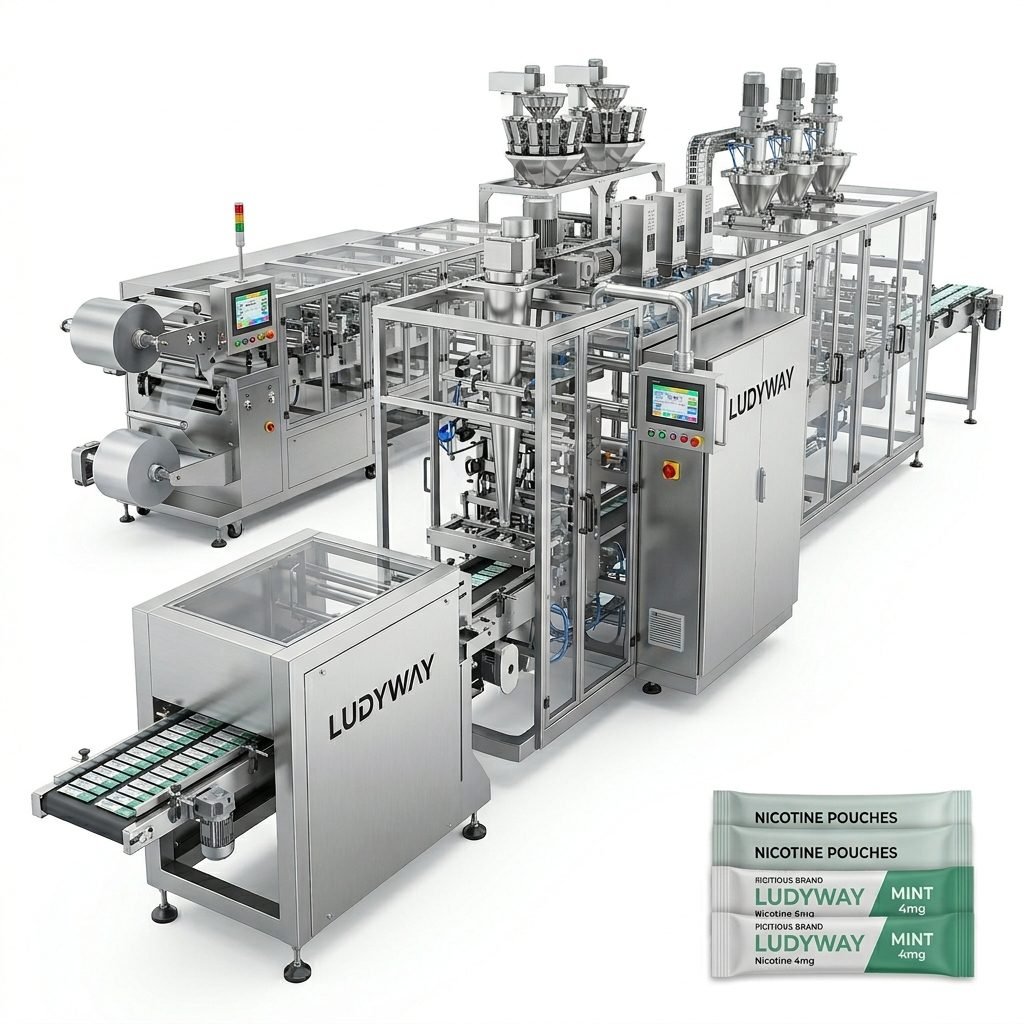
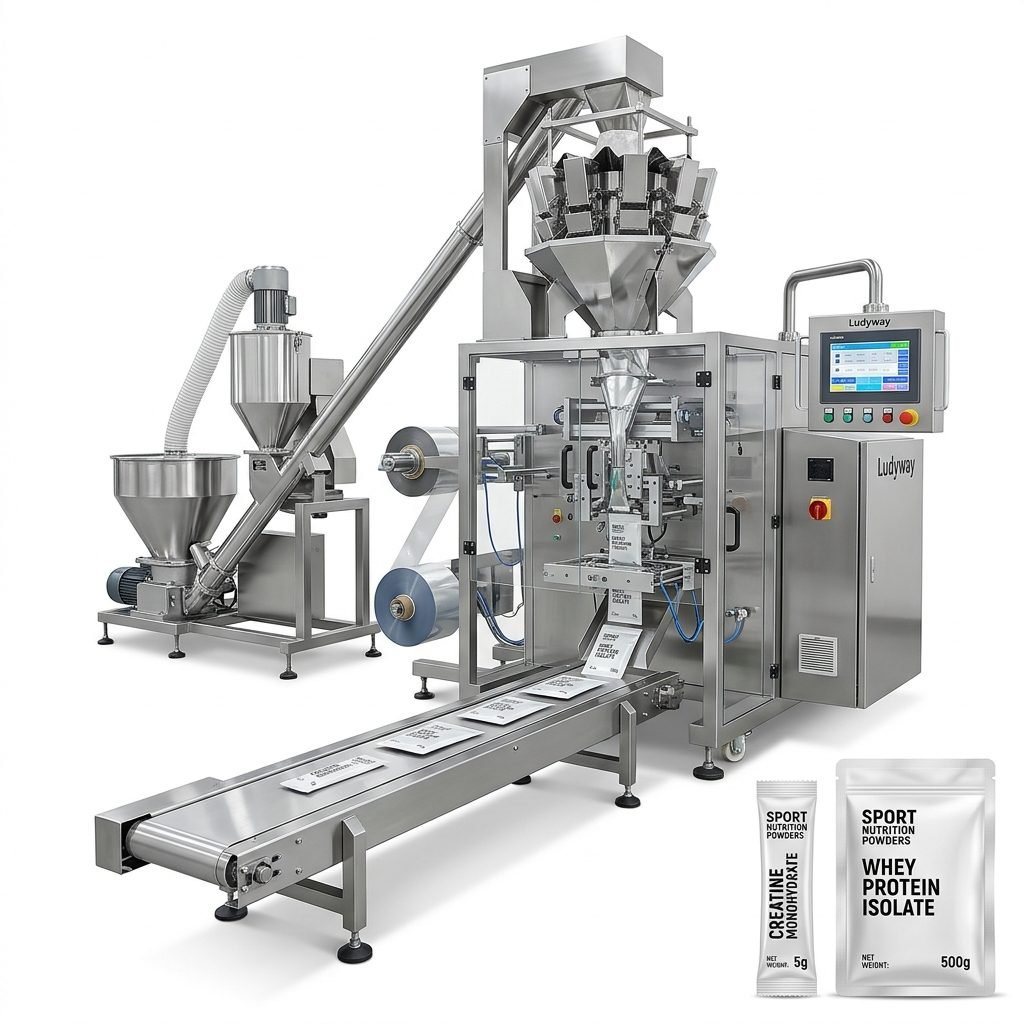
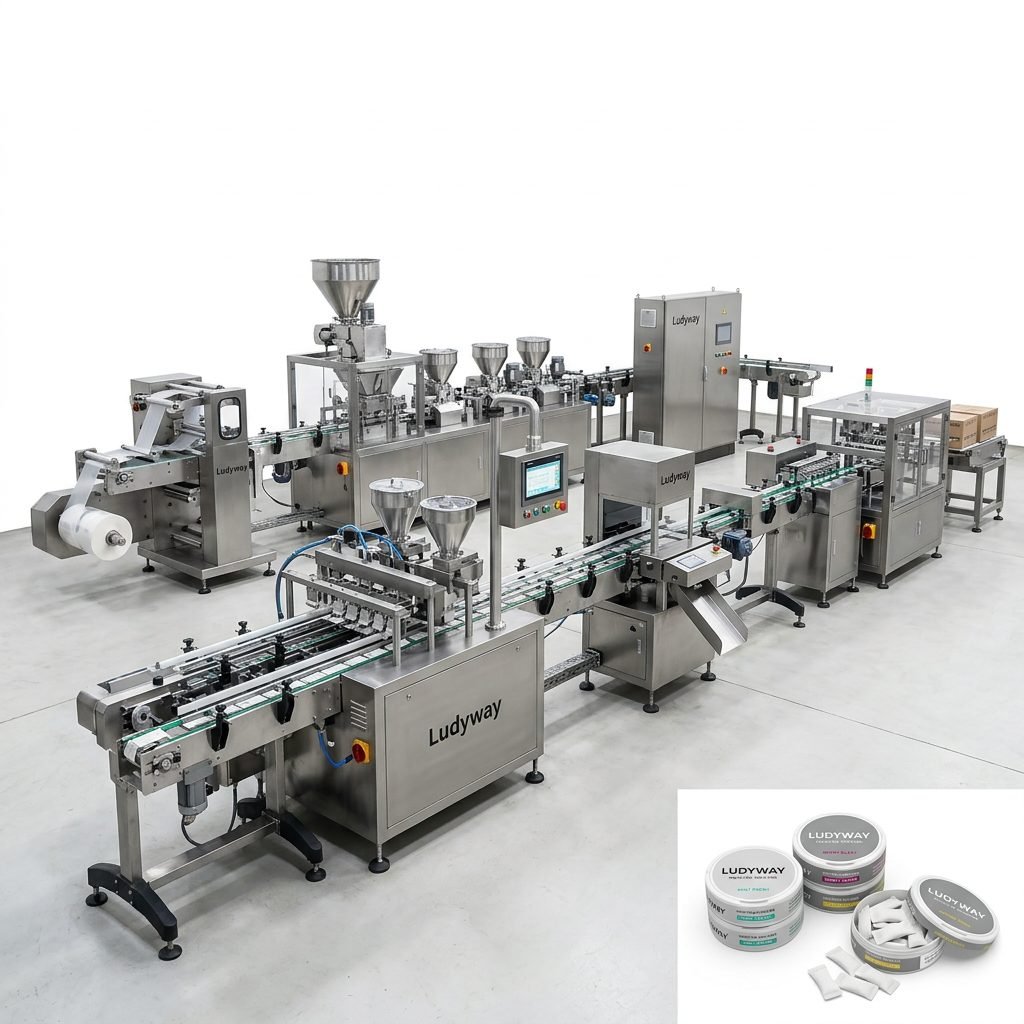
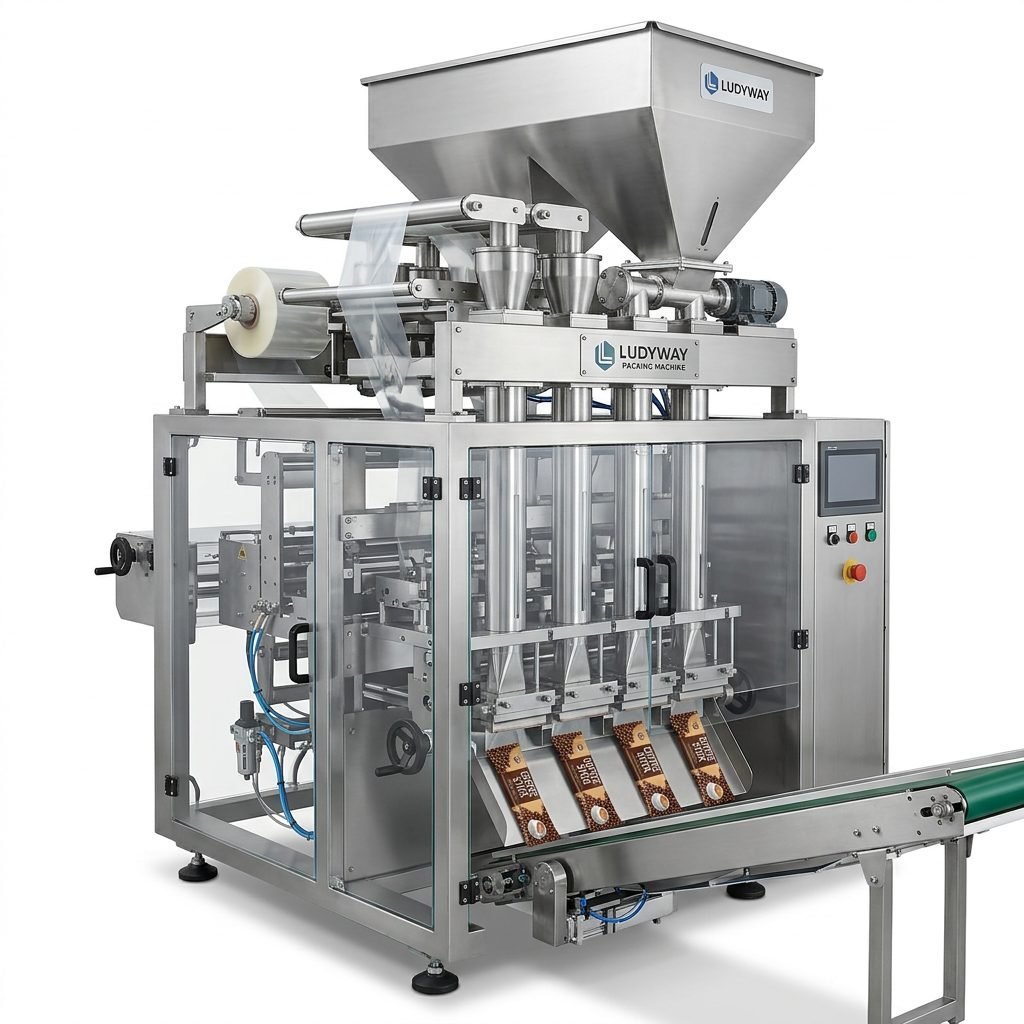
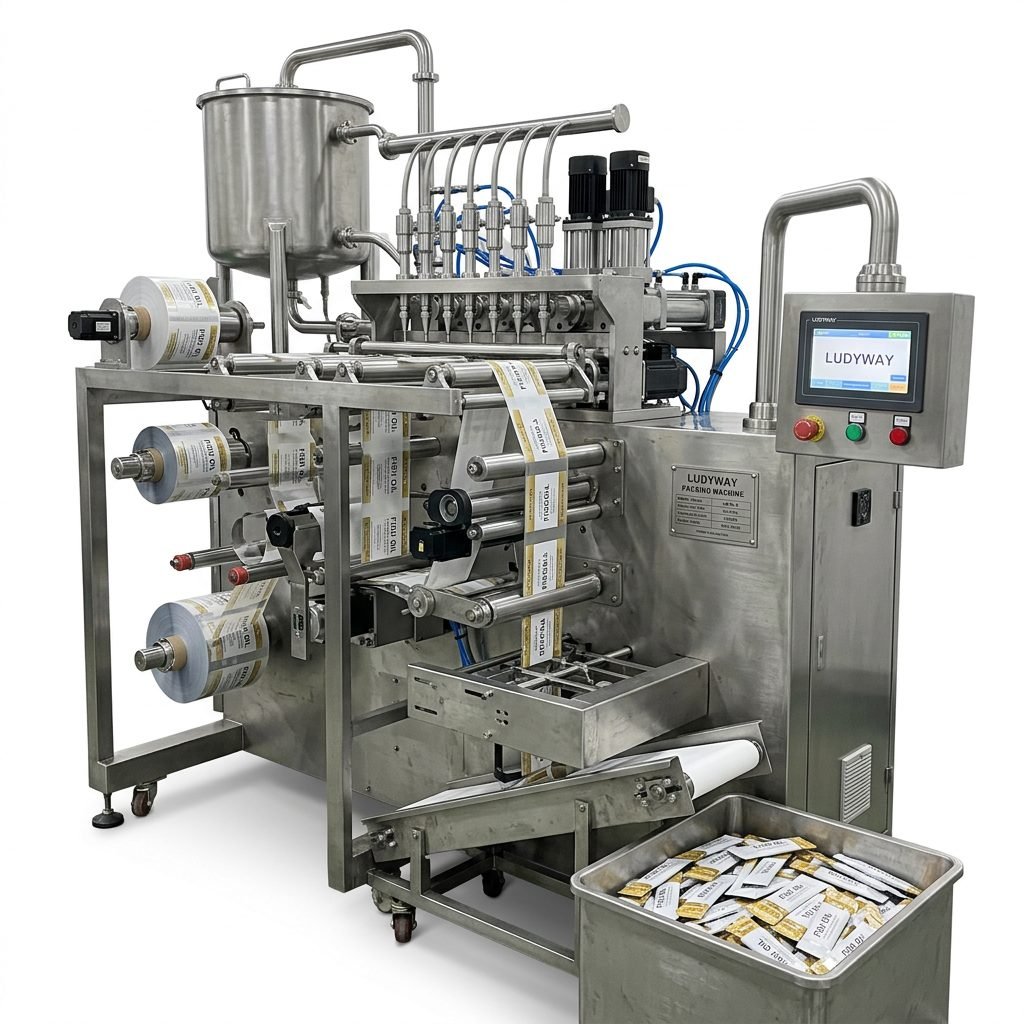
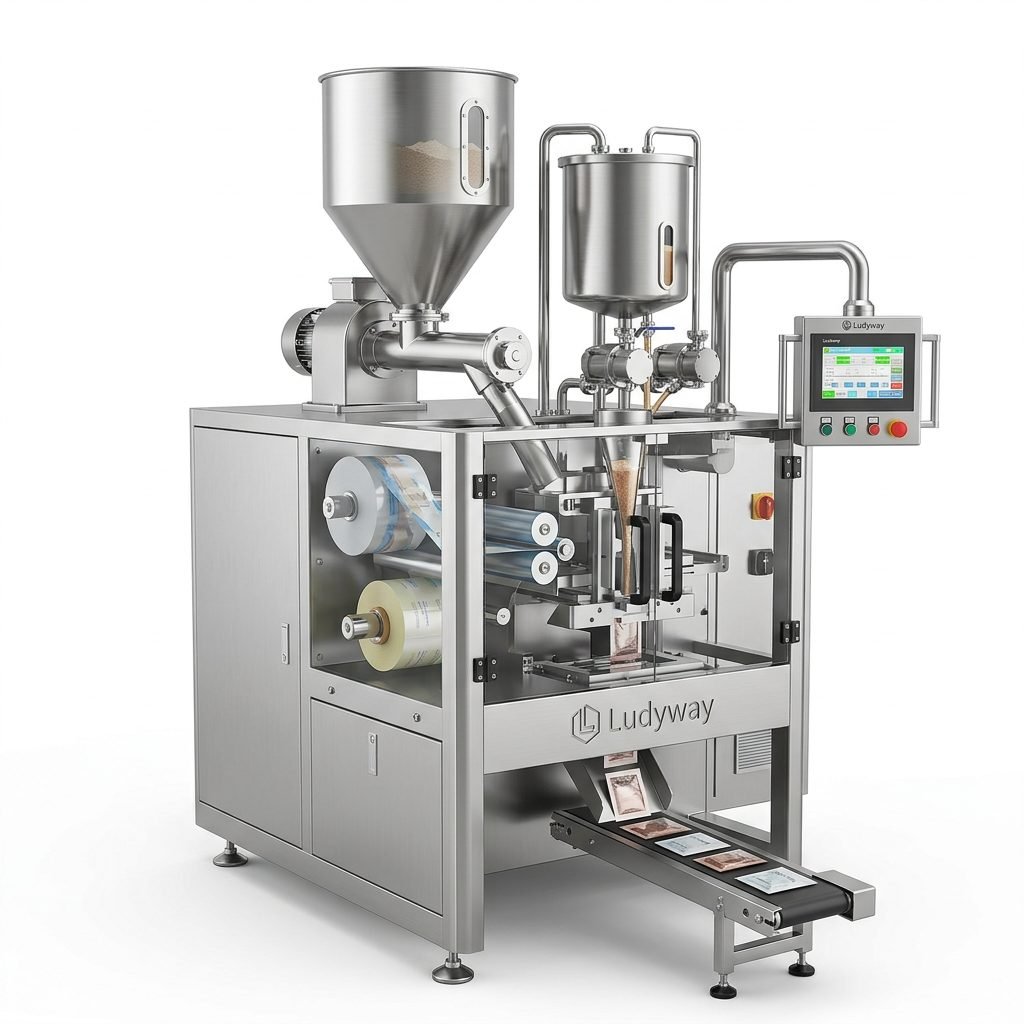
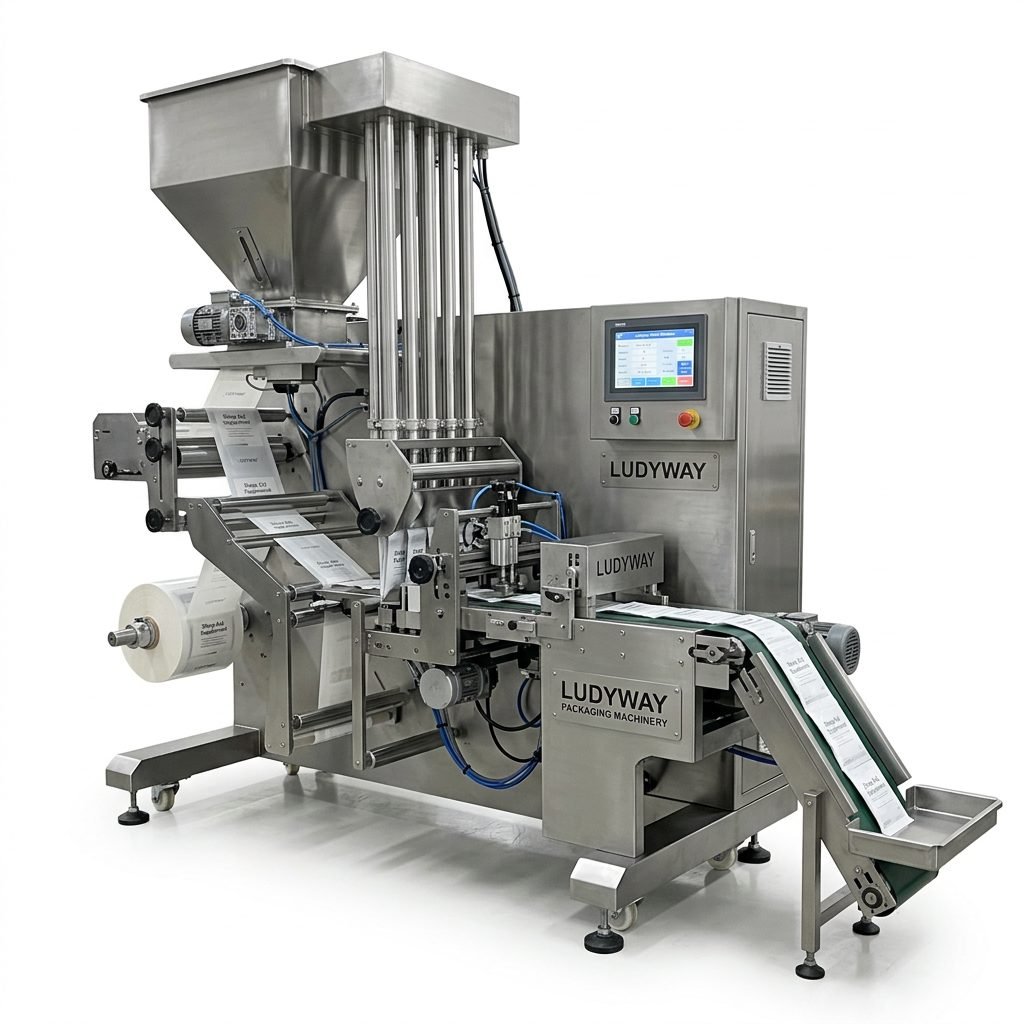
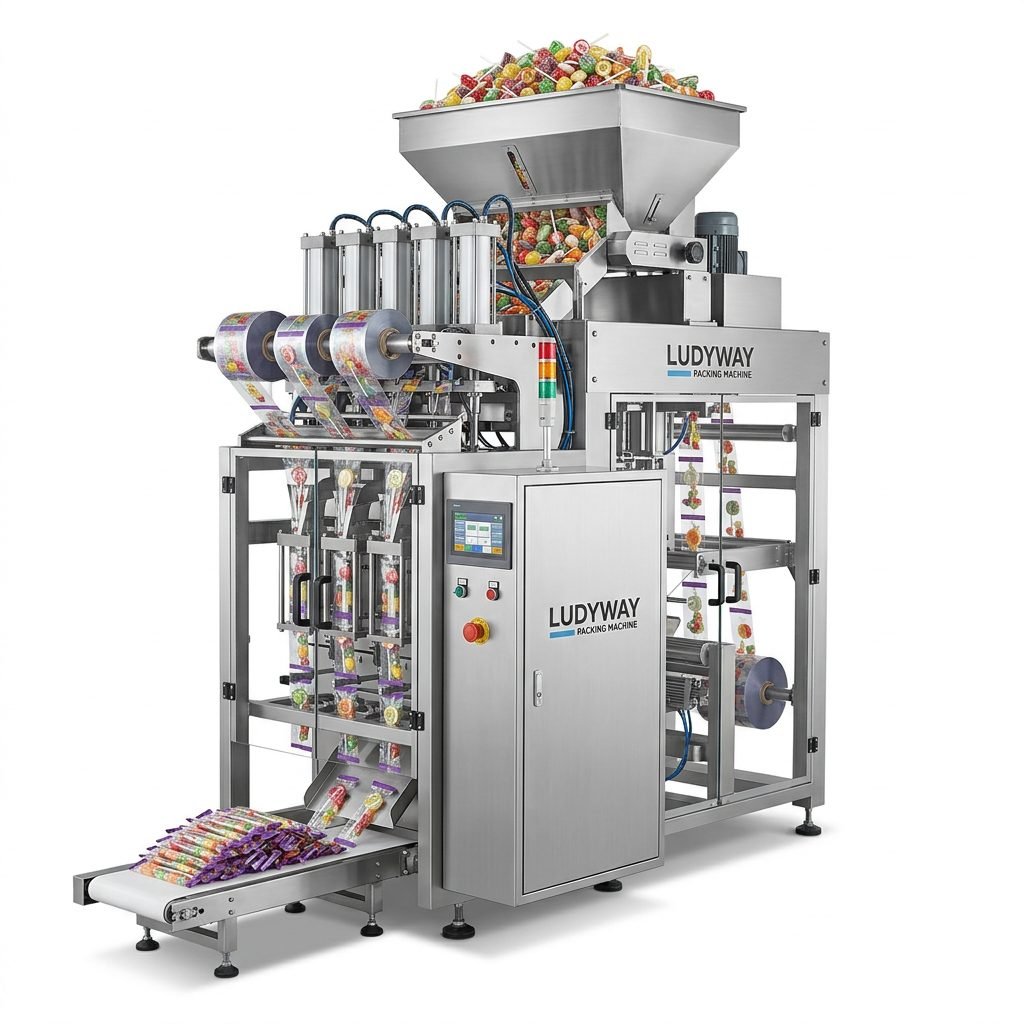
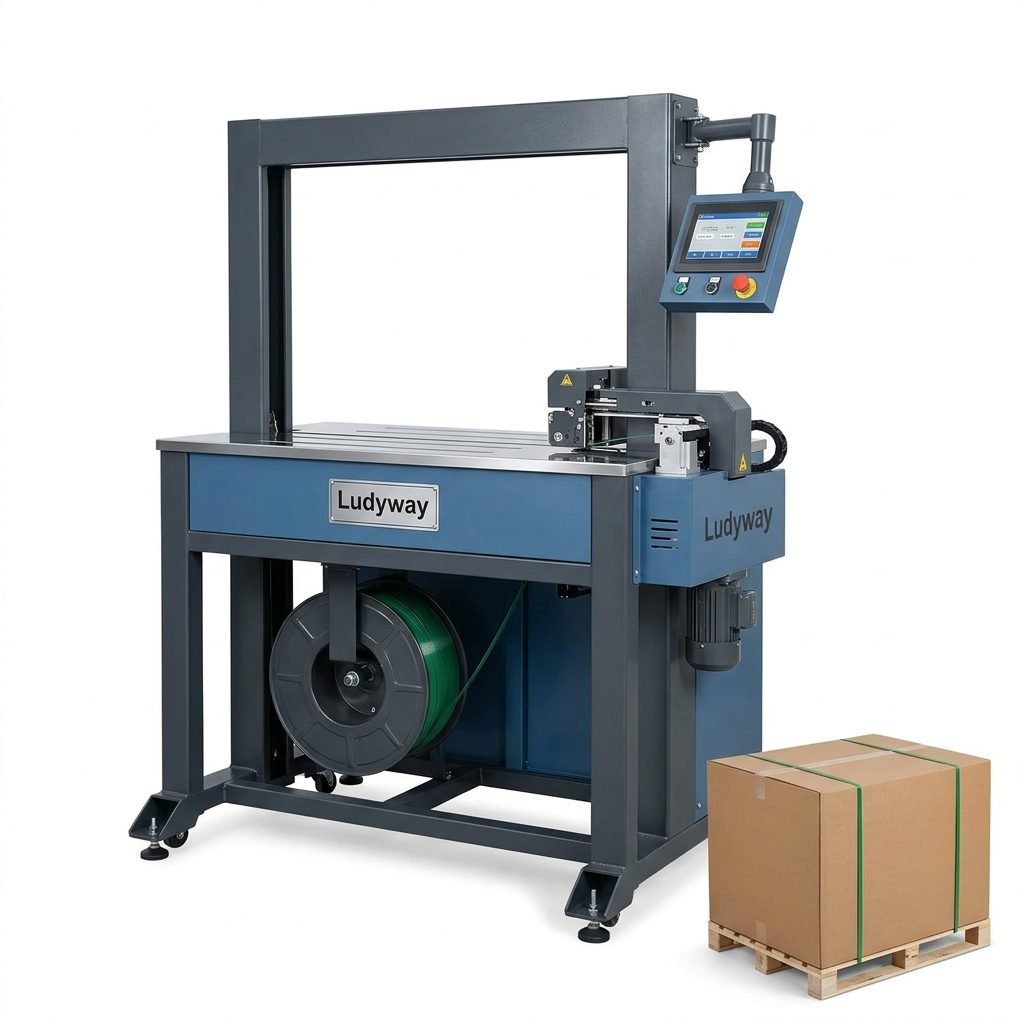
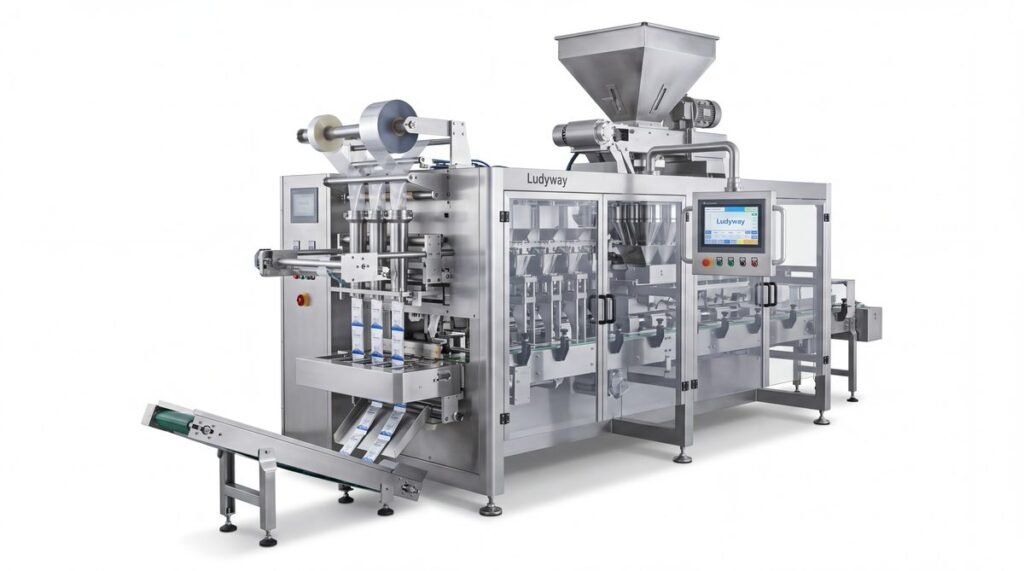
In the demanding sectors of food, pharmaceuticals, and health products, the integrity of a product from production line to consumer is paramount. This is where the sealer vacuum packaging machine becomes an indispensable asset. This advanced equipment goes beyond simple containment; it actively preserves product quality by removing air from the package before sealing, creating a protective barrier against external contaminants. For industries where shelf life, sterility, and presentation are critical, integrating a robust vacuum sealing solution is not just an operational upgrade—it’s a strategic necessity for quality assurance and brand protection.
Core Technology: How Vacuum Sealing Preserves Quality
The fundamental principle behind a vacuum sealer is the removal of oxygen from the packaging environment. Oxygen is a primary catalyst for oxidation, which leads to spoilage in food (like rancidity and color loss) and degradation in sensitive pharmaceutical and health product ingredients. By creating a near-airless environment, these machines significantly slow down these chemical and biological processes.
Key Preservation Mechanism:
Removing oxygen inhibits the growth of aerobic bacteria and molds, prevents oxidation and freezer burn in foods, and maintains the potency of active compounds in vitamins, supplements, and medical powders.
Essential Features of Industrial-Grade Vacuum Sealers
Not all vacuum sealers are created equal. Machines designed for industrial applications in food, pharma, and health products incorporate specific features to meet stringent standards:
- High-Efficiency Vacuum Pumps: Generate deep and consistent vacuum levels for reliable preservation.
- Precision Heat Sealing Bars: Ensure strong, hermetic seals on a variety of film materials, from multilayer laminates to specialized medical-grade pouches.
- Programmable Controls: Allow operators to save custom settings for different products (e.g., delicate herbs vs. dense meats, powder sachets vs. liquid pouches), ensuring repeatability and reducing errors.
- Hygienic Design: Constructed with stainless steel contact surfaces and easy-clean components to comply with food safety (e.g., HACCP) and pharmaceutical GMP requirements.
- Gas Flushing Capability (Optional): For modified atmosphere packaging (MAP), where the removed air is replaced with a protective gas mix (like Nitrogen or CO2) to further extend shelf life.
Application-Specific Benefits Across Key Industries
1. Food Industry Applications
Vacuum packaging is a cornerstone of modern food processing. It extends the shelf life of perishables like meats, cheeses, and prepared meals by 3-5 times compared to conventional packaging. It locks in freshness, prevents freezer burn, and reduces food waste significantly. For gourmet or specialty foods, vacuum sealing enhances presentation and communicates a premium, quality-focused brand image to consumers.
2. Pharmaceutical & Medical Product Packaging
In the pharmaceutical world, barrier protection is critical. Vacuum sealing provides a hermetic environment for sterile medical devices, kits, and hygroscopic drug powders, protecting them from moisture, contamination, and degradation. This is vital for maintaining efficacy and ensuring patient safety. The process is often integrated into cleanroom-compatible packaging lines.
3. Health, Wellness & Nutraceutical Products
This sector, encompassing vitamins, supplements, protein powders, and herbal products, demands packaging that preserves the integrity of sensitive active ingredients. Vacuum sealing protects these compounds from oxidation and moisture, ensuring the product delivers its promised benefits until the last serving. It also allows for the use of high-quality, branded pouches that stand out on retail shelves. For insights into complete production solutions for these sectors, explore our overview of turnkey packaging solutions.
Choosing the Right Machine for Your Line
Selecting a vacuum sealer requires careful analysis of your production needs. Key considerations include:
Product Type & Form: Is it a solid, powder, granule, or liquid? This affects the machine’s chamber design and sealing parameters.
Production Speed (PPM): Match the machine’s output to your line’s requirements to avoid bottlenecks.
Packaging Material: The machine must be compatible with your chosen film or pouch structure (e.g., PET/AL/PE, NY/PE).
Regulatory Compliance: Ensure the equipment design meets the necessary industry standards for your market. Our team at Ludyway Packing Machine specializes in guiding clients through this selection process to find the optimal fit.
Integration and Operational Advantages
A modern sealer vacuum packaging machine is rarely a standalone island. Its true potential is unlocked when seamlessly integrated into an automated production line, working in concert with fillers, conveyors, and labeling systems. This integration streamlines workflow, minimizes manual handling (reducing contamination risk), and maximizes overall equipment effectiveness (OEE). The return on investment is realized through reduced product loss, lower material costs via optimized pack sizes, and enhanced brand reputation through consistent, high-quality packaging. Learn more about our approach to building such integrated systems on our Company Profile page.
Conclusion: A Strategic Investment in Product Integrity
Implementing a professional-grade vacuum sealing system is a decisive step toward superior product quality, extended marketability, and operational efficiency. Whether you are preserving the flavor of gourmet coffee, ensuring the sterility of a medical component, or safeguarding the potency of a nutritional supplement, the right vacuum packaging technology is a fundamental pillar of your production process. It represents a commitment to excellence that resonates with regulators, retailers, and end consumers alike.
Frequently Asked Questions (FAQs)
1. What is the main difference between a chamber vacuum sealer and an external suction sealer?
Chamber sealers place the entire product and pouch inside a sealed chamber. They are ideal for liquids, powders, and delicate items, providing a stronger, more consistent vacuum. External (or suction) sealers use a nozzle to draw air from the bag, which remains outside the machine. They are typically used for larger, solid items but are less effective with moist or fine contents.
2. Can vacuum packaging machines handle liquid products?
Yes, but it requires specific technology. Specialized liquid-capable vacuum sealers often use pulsed vacuum functions, deep chamber designs, or pre-freezing of the product to prevent liquids from being drawn into the vacuum pump during the sealing process.
3. How does vacuum packaging extend the shelf life of pharmaceutical products?
It creates a hermetic barrier against moisture, oxygen, and microbial contamination—the primary factors that degrade pharmaceutical stability. This is crucial for hygroscopic powders, sterile devices, and drugs sensitive to oxidation, ensuring they remain safe and effective throughout their intended shelf life.
4. What packaging materials are compatible with industrial vacuum sealers?
They are designed to work with multi-layer, barrier films. Common structures include PET/NY/PE, PET/AL/PE, or NY/PE laminates. The inner layer (sealant layer, often PE or PP) must have good heat-sealing properties, while outer layers provide strength and barrier properties. The material must be specifically designed for vacuum applications.
5. What maintenance does an industrial vacuum sealer require?
Regular maintenance is key to longevity. This typically includes daily cleaning of the sealing bar and chamber, periodic inspection and replacement of the vacuum pump oil (if applicable), checking and cleaning the gasket seals for wear, and verifying the accuracy of temperature and vacuum settings. A professional service partner like Ludyway can provide detailed maintenance schedules and support.