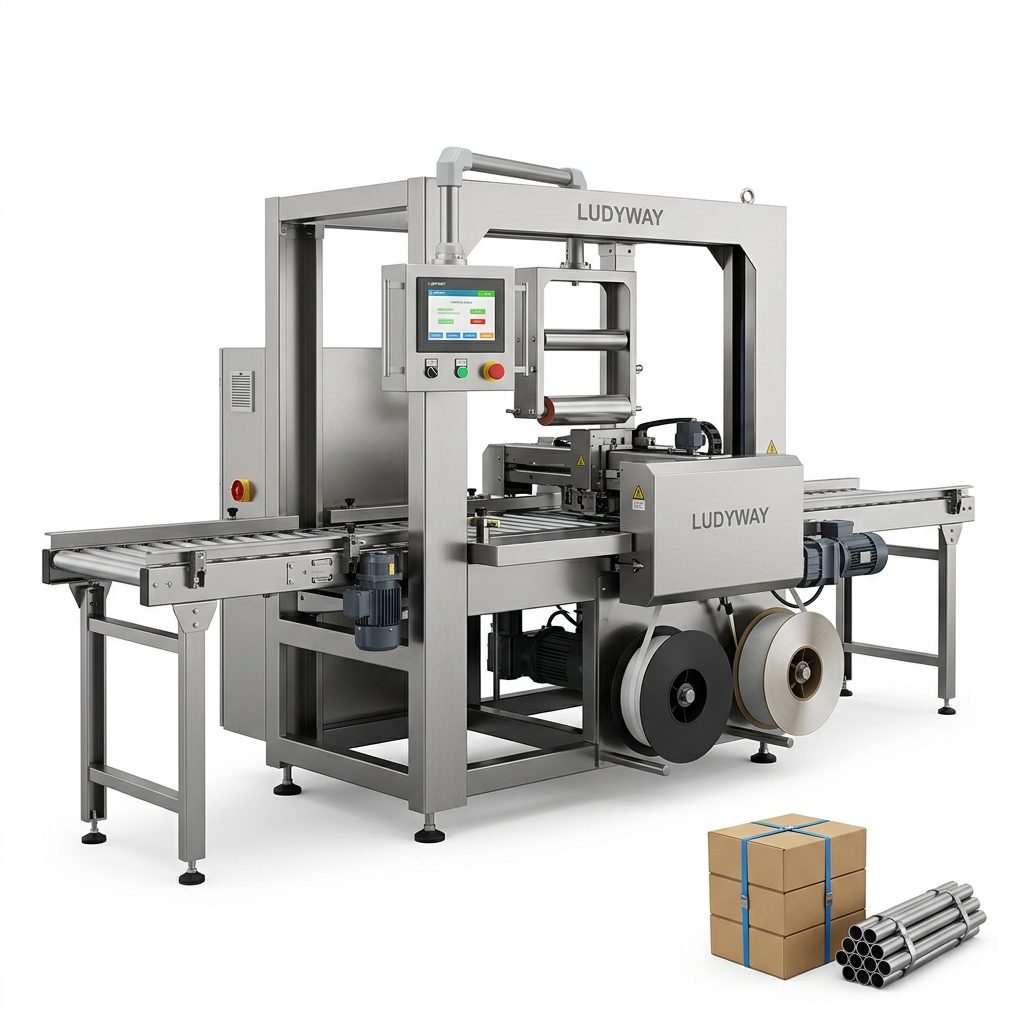
In today’s fast-paced food manufacturing landscape, efficiency, hygiene, and product integrity are paramount. Automated packaging systems have become the backbone of modern production lines, ensuring speed, accuracy, and consistency. For businesses handling a diverse range of products—from fine powders and granules to viscous liquids and portion-controlled formats—investing in the right food packaging equipment solutions is a critical strategic decision. This article explores the core automated systems for sachet, stick pack, granule, powder, and liquid packaging, highlighting their functionalities and the value they bring to global production operations.
The Evolution of Automated Packaging: From Manual to Intelligent Systems
The journey from manual filling and sealing to today’s high-speed, computer-controlled lines represents a significant leap in food technology. Early packaging was labor-intensive, prone to inconsistency, and limited in output. The advent of automation transformed this, introducing precision, scalability, and enhanced hygiene. Modern systems integrate servo motors, programmable logic controllers (PLCs), and touch-screen HMIs, allowing for seamless operation, quick changeovers, and detailed production data tracking. This intelligence is crucial for manufacturers aiming to meet stringent safety standards, reduce waste, and respond agilely to market demands.
Core Packaging Formats and Their Automated Solutions
Each product type demands specific handling characteristics. Let’s delve into the primary packaging formats and the equipment designed for them.
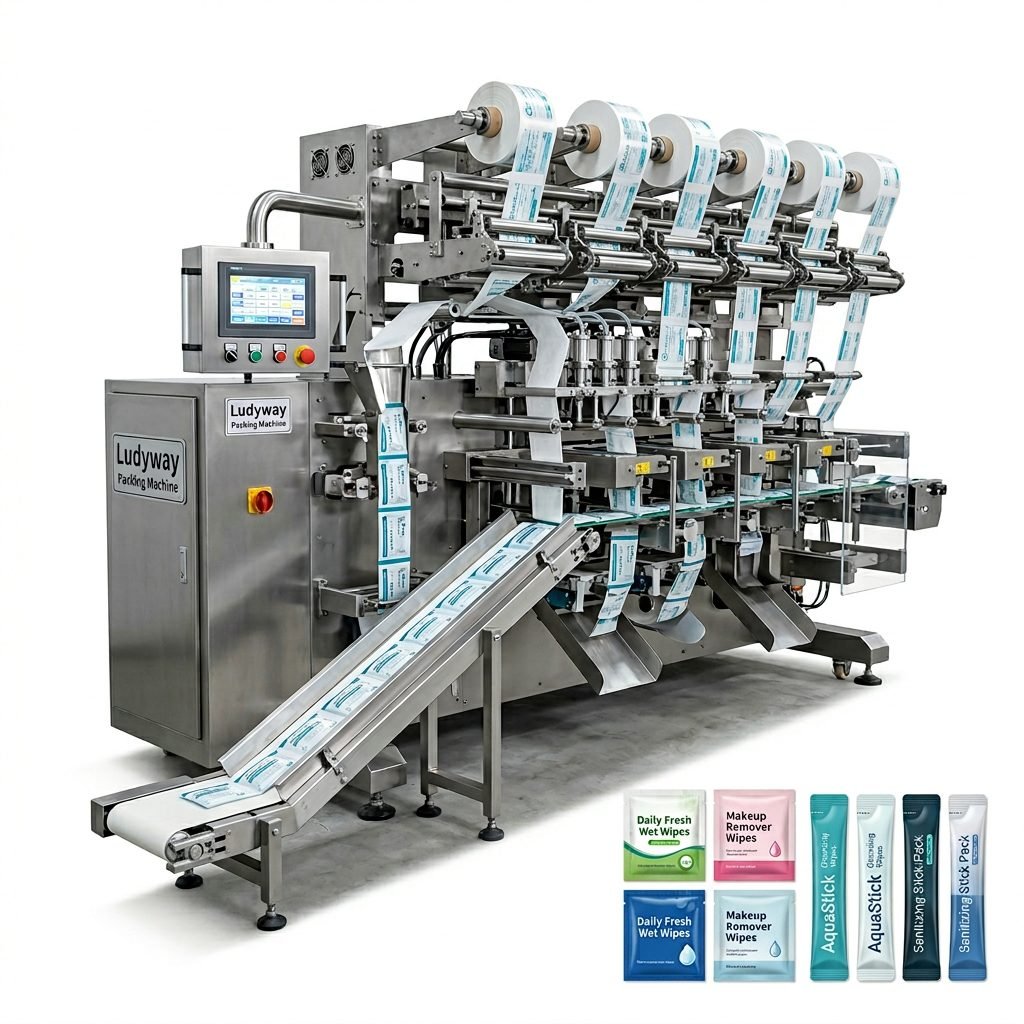
1. Automated Sachet Packaging Systems
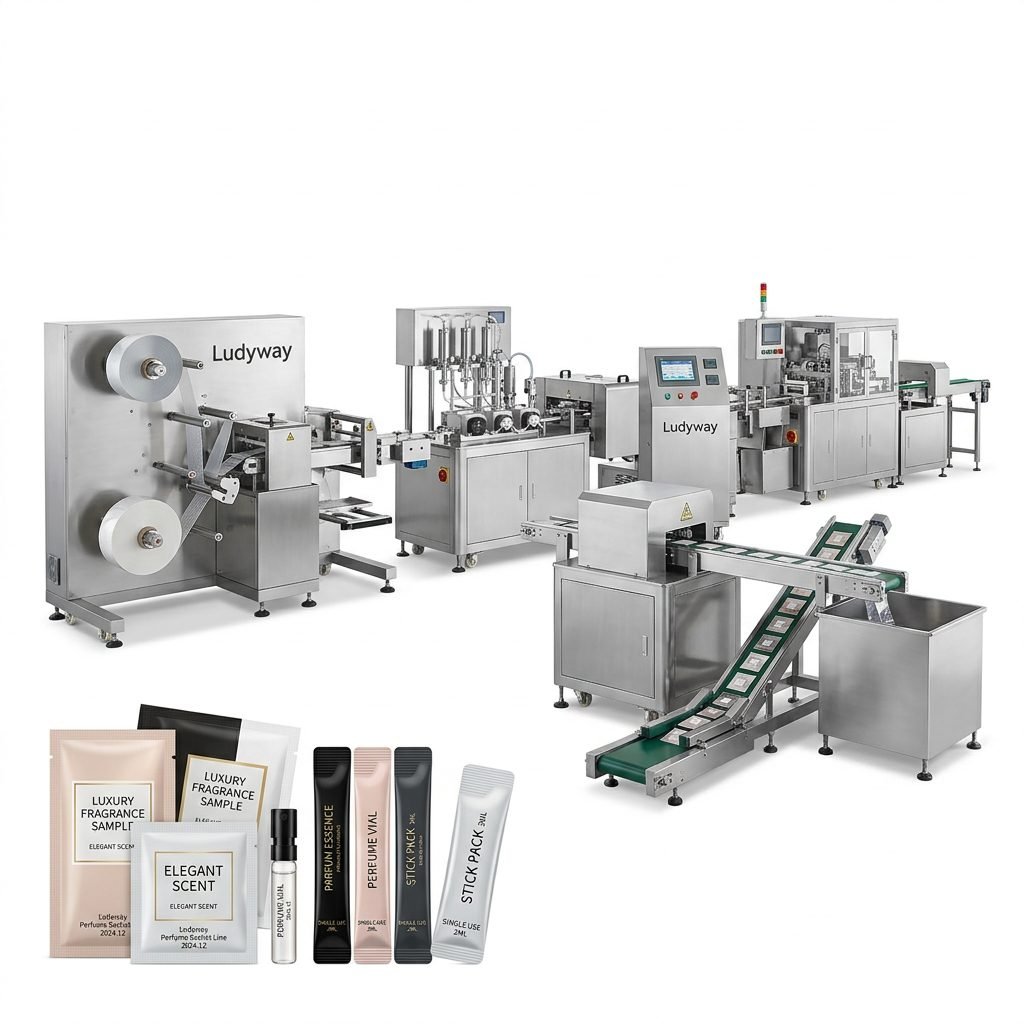
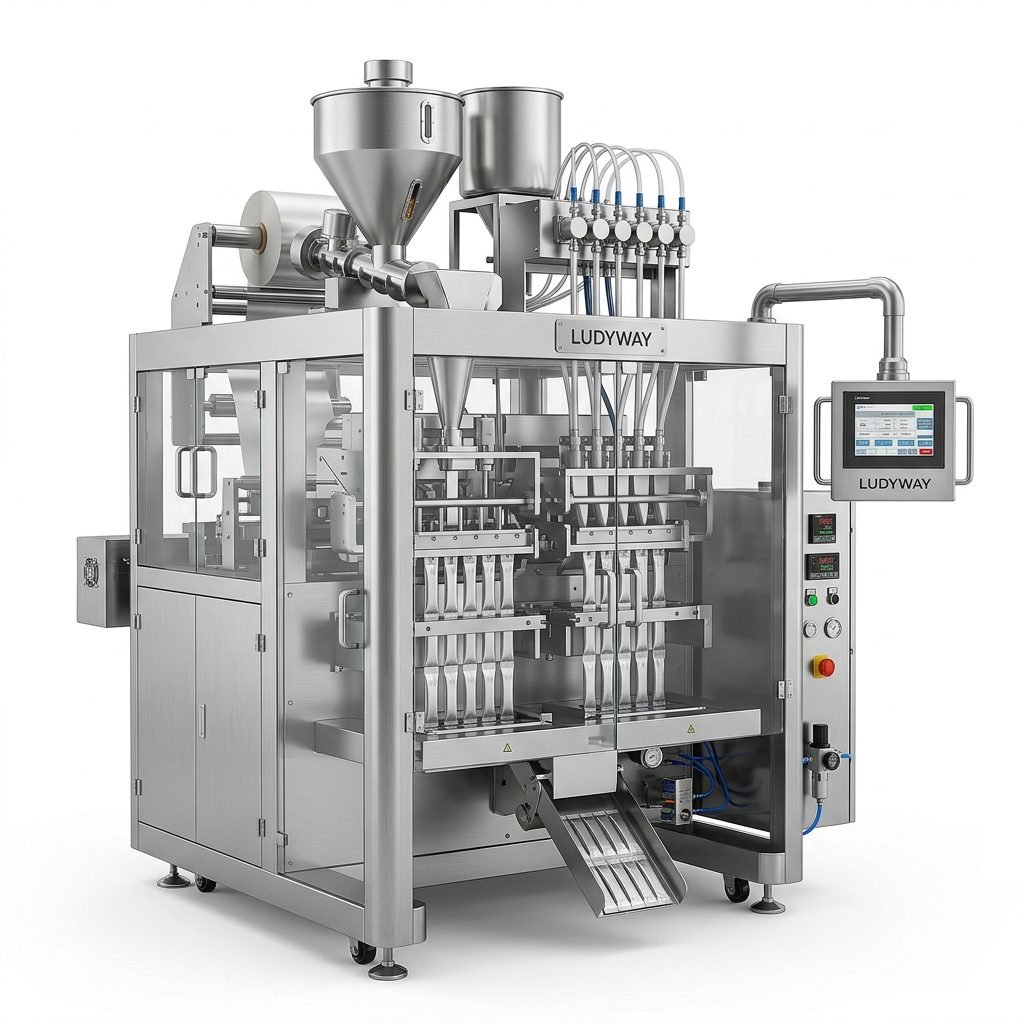
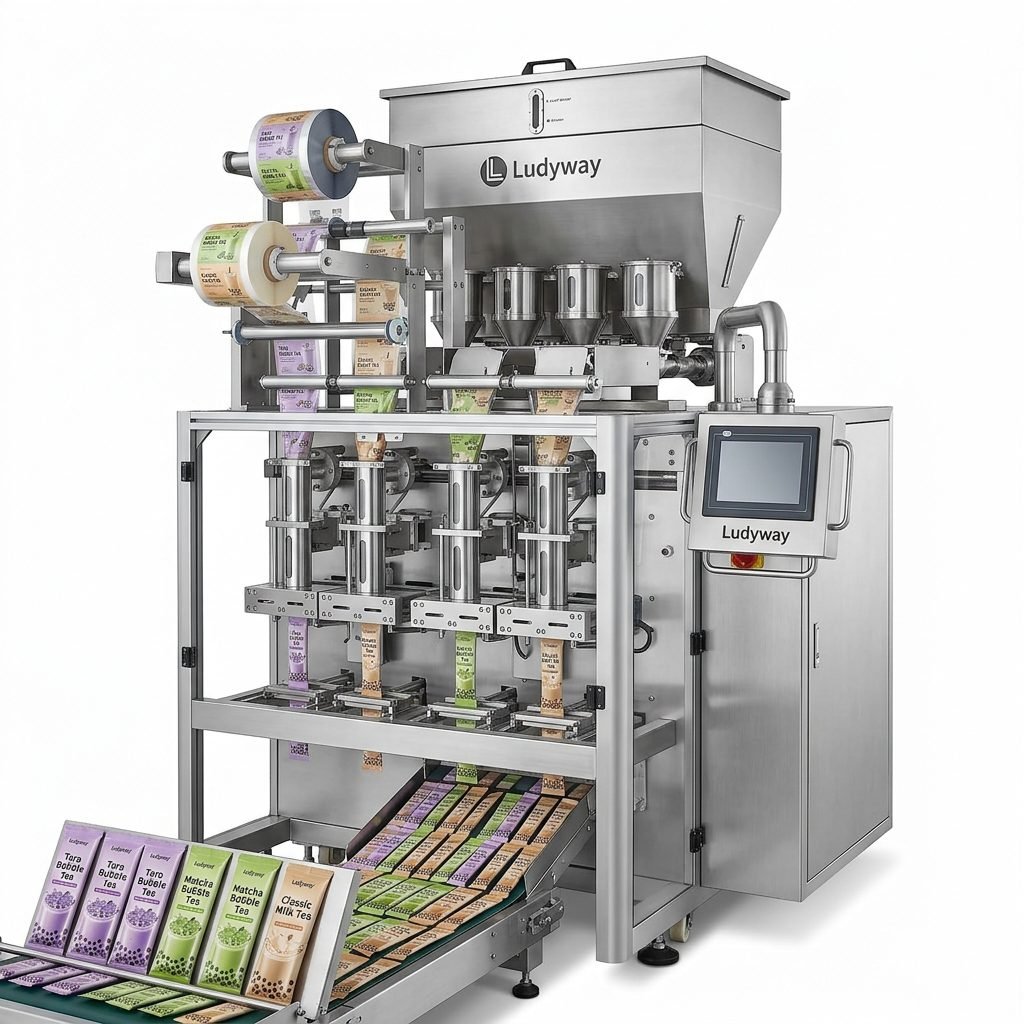
Sachets are incredibly versatile, used for single-serve condiments, drink mixes, pharmaceuticals, and cosmetic samples. An automated sachet packing machine typically performs forming, filling, and sealing in one continuous motion from a roll of packaging film. Advanced models feature:
• Multi-lane configurations for dramatically increased output.
• Precision auger or volumetric fillers for accurate dosing of powders and granules.
• Gas flushing capabilities to extend shelf life for sensitive products.
These systems are ideal for businesses requiring high-volume production of small, sealed units with excellent barrier properties.
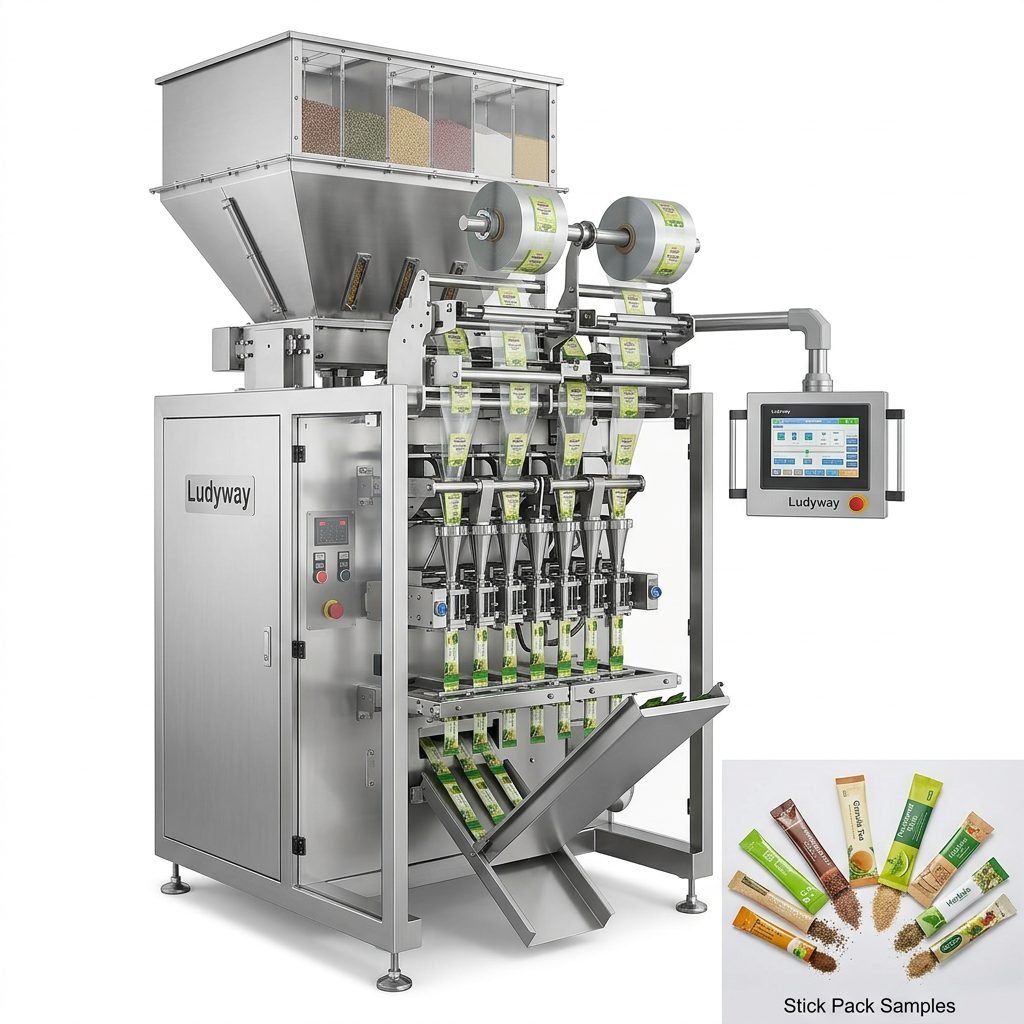
2. High-Speed Stick Pack Machines
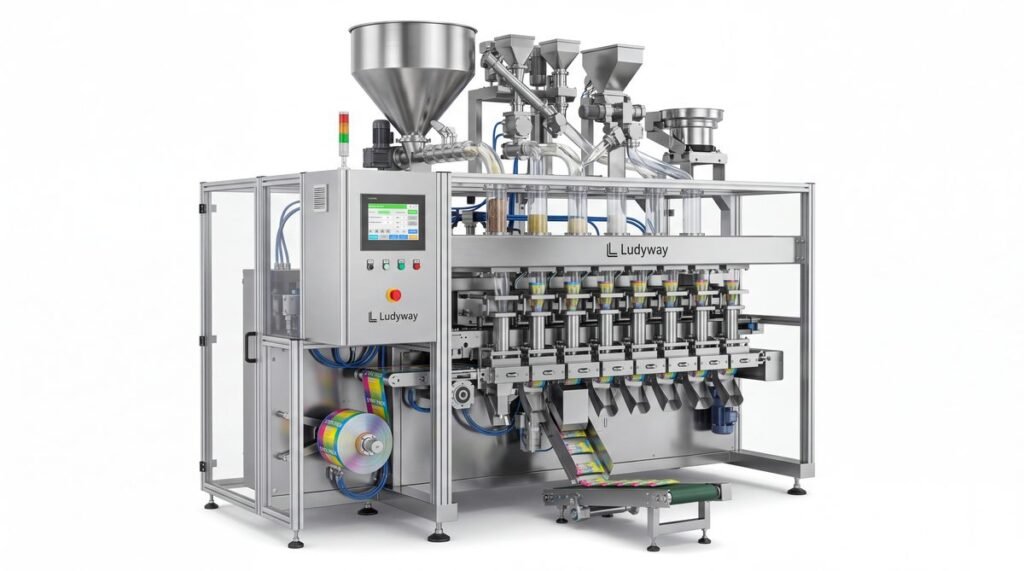
Stick packs, slender and user-friendly, are perfect for instant beverages, sugar, salt, and powdered supplements. The stick pack packaging machine is engineered for efficiency, creating a tight, elongated pack that minimizes air inclusion. Key advantages include:
Compact Design: Saves valuable floor space on the production line.
Rapid Product Changeover: Adjustable forming tubes and sealing jaws allow quick switching between different product weights and types.
Superior Seal Integrity: Ensures the product remains dry and free-flowing until use.
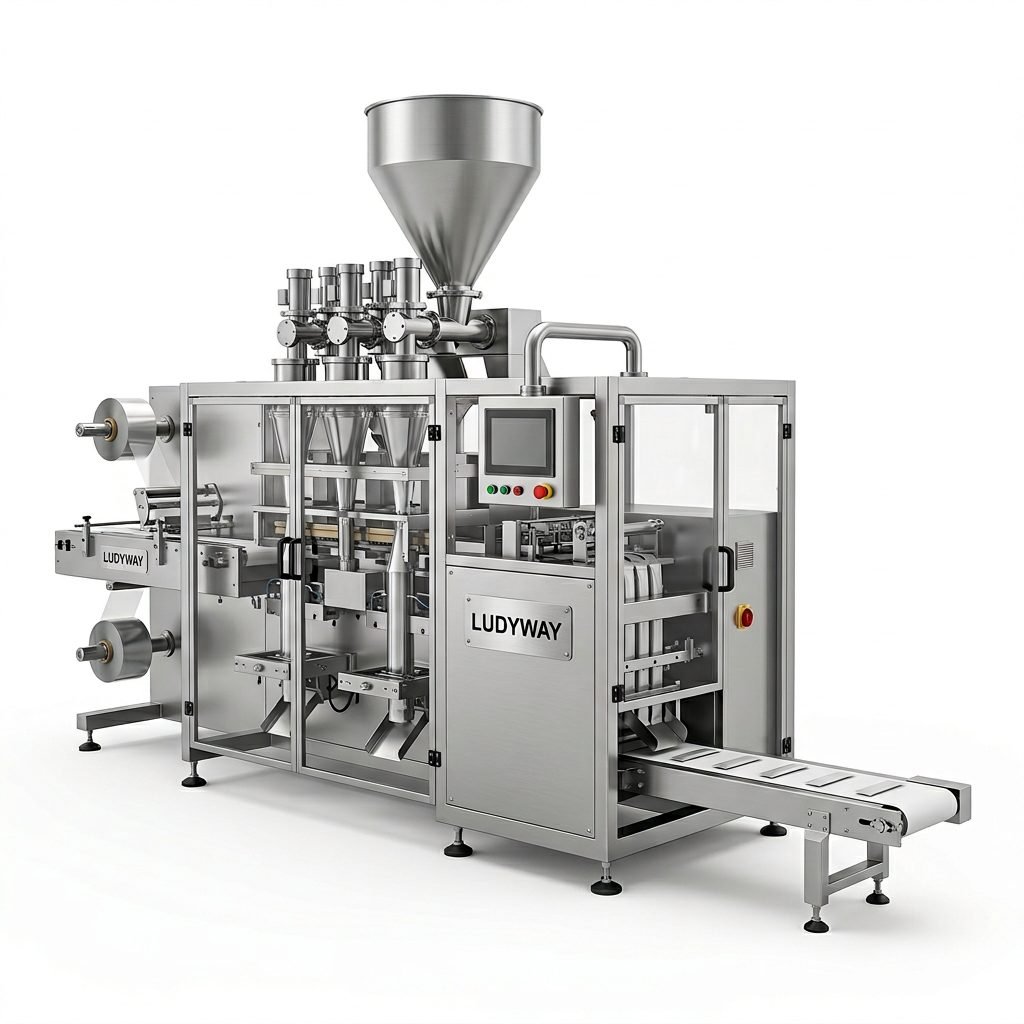
3. Granule and Powder Packing Systems
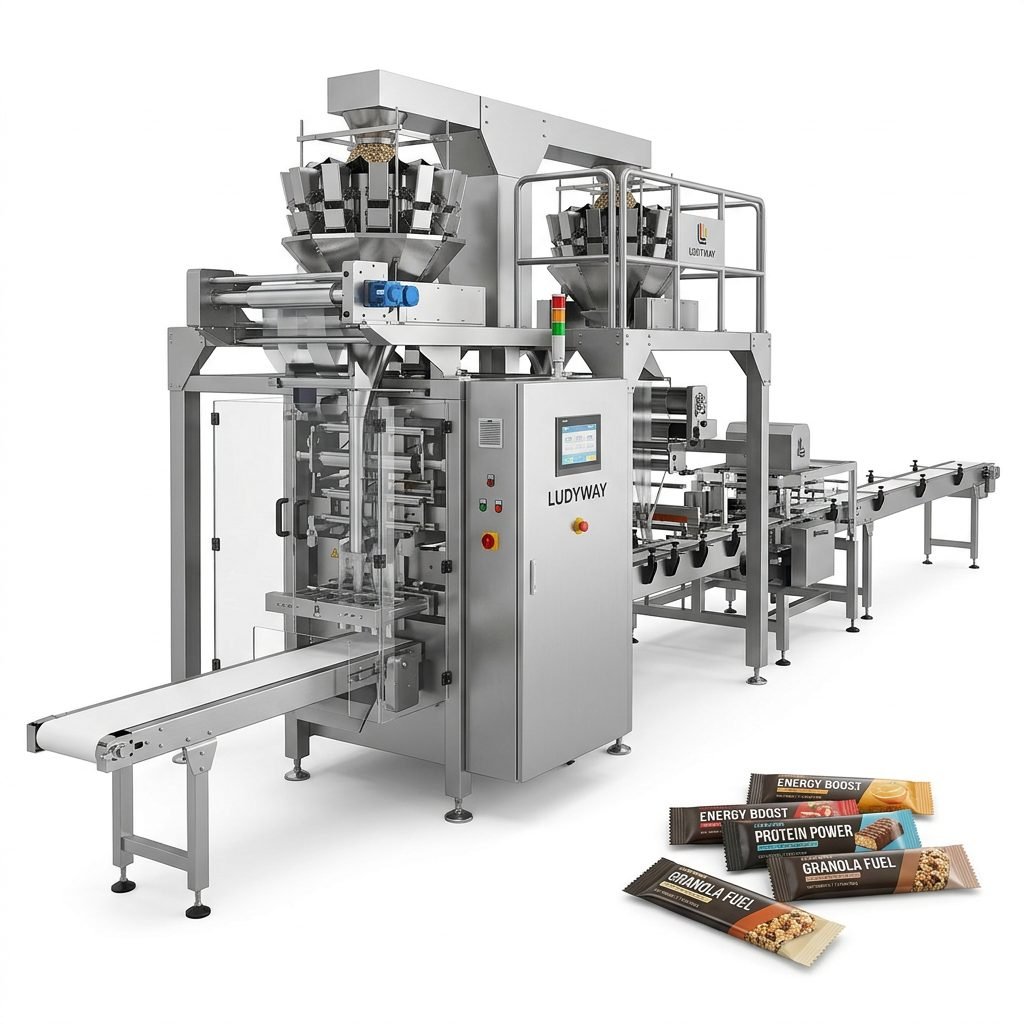
Packaging dry goods like coffee, spices, protein powder, and instant noodles presents unique challenges, primarily concerning dust control and precise measurement. Automated granule packing machines and powder packing machines address these with specialized solutions:
Weighing Technology: Multi-head weighers or precision auger fillers ensure portion accuracy down to the gram.
Dust Extraction: Integrated systems prevent cross-contamination and maintain a clean working environment.
Flexible Film Handling: Can work with various laminate structures to provide moisture and light barriers.
For comprehensive line integration, these fillers can be coupled with automatic cartoners or case packers.
4. Liquid and Viscous Product Filling Lines
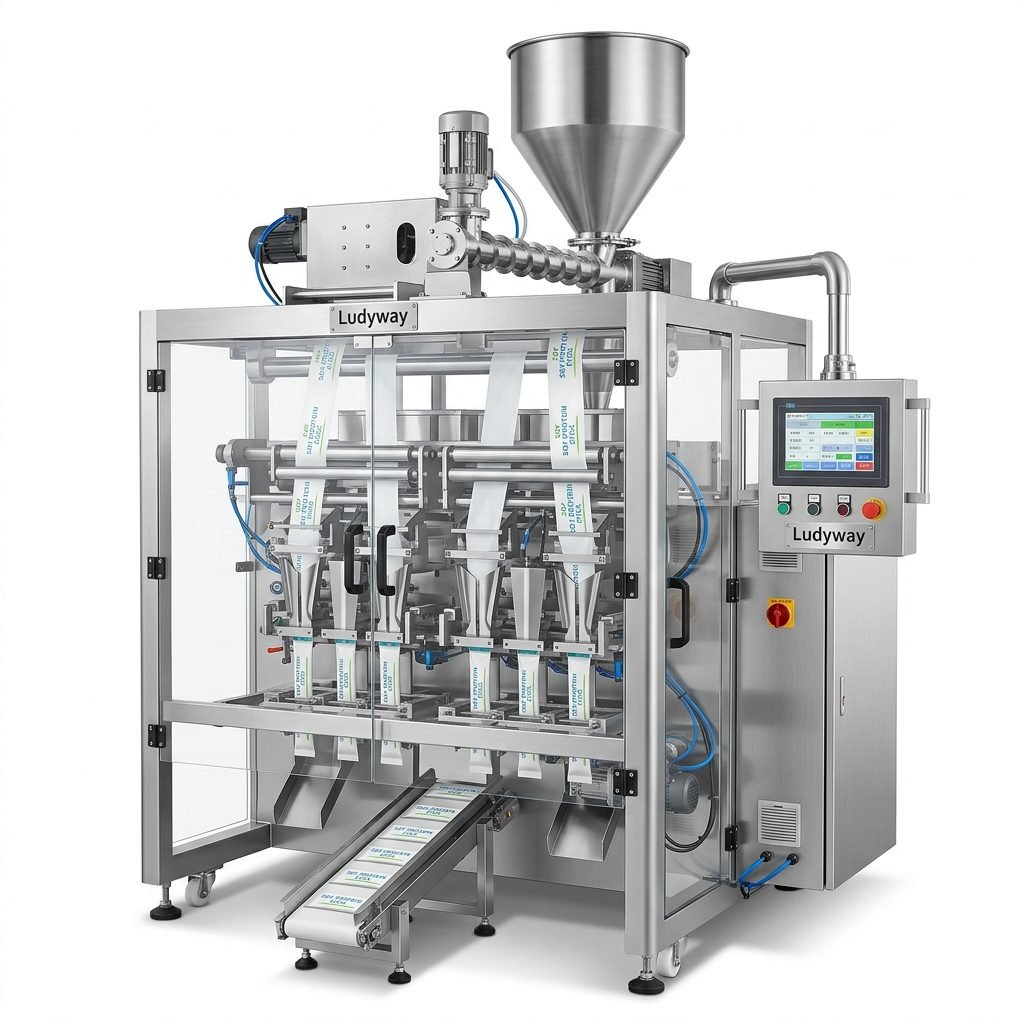
From sauces and edible oils to shampoos and creams, liquid packaging requires zero leakage and consistent fill volume. Automated liquid packing machines utilize piston fillers, peristaltic pumps, or gravity-fed systems. Critical features for this category are:
No-Drip Nozzles: Prevent product waste and maintain package cleanliness.
CIP/SIP Compatibility: Clean-in-Place and Sterilize-in-Place designs are vital for food safety and quick sanitation.
Viscosity Adaptation: The system can be tuned to handle products ranging from water-thin to paste-like consistencies.
Choosing the Right Partner for Your Packaging Solution
Selecting equipment is only half the battle; choosing the right supplier is equally important. A reliable partner should offer more than just a machine. Look for:
Industry Experience: A provider with decades of knowledge understands real-world production challenges. Companies like Ludyway Machinery, with over 30 years in the field, bring invaluable expertise to the table.
Customization Capability: Off-the-shelf solutions rarely fit perfectly. The ability to tailor machine speed, filling range, and material compatibility is essential.
Comprehensive Support: This includes installation, operator training, readily available spare parts, and responsive technical service. A global service network is a significant advantage for international operations.
Exploring a supplier’s company profile and history can provide insight into their stability and commitment to innovation.
Global Considerations and Cultural Adaptability
When deploying packaging systems worldwide, understanding local preferences is key. Portion sizes, popular package shapes (like stick packs in Europe for coffee or sachets in Asia for sauces), and even color symbolism on packaging film can vary. A flexible equipment provider can adapt machine configurations to meet these regional market demands, ensuring your product is presented appropriately and appealingly to local consumers.
Conclusion: Investing in Automated Packaging Futures
Implementing automated sachet, stick pack, granule, powder, and liquid packing systems is a transformative step toward greater productivity, consistency, and competitiveness. By understanding the specific technologies for each format and partnering with an experienced and supportive equipment provider, food manufacturers can build resilient, efficient, and scalable production lines ready to meet the future head-on.
Frequently Asked Questions (FAQs)
1. What is the main difference between a sachet and a stick pack machine?
While both are form-fill-seal machines, they produce different package shapes. A sachet machine typically creates rectangular or pillow-style packs, which can be wider. A stick pack machine produces a long, narrow, tube-like pack, which is often preferred for products that are dissolved or poured, as it offers a convenient tearing edge and compact storage.
2. Can one machine handle both granules and powders?
Many machines are versatile, but critical components like the filling system may need adjustment or change. Powders often require augers designed to prevent compaction and ensure smooth flow, while granules can use simpler volumetric cups or augers. It’s best to consult with the equipment supplier about your specific products.
3. How important is after-sales service when buying packaging equipment?
Extremely important. Even the most reliable machinery requires maintenance, occasional parts replacement, and operator support. A supplier with a strong global service network and readily available spare parts minimizes downtime, protecting your production schedule and investment.
4. What factors determine the speed (output) of a packaging line?
Speed depends on the machine model, the number of filling lanes (e.g., a 10-lane stick packer is faster than a 4-lane one), product characteristics (free-flowing products pack faster than sticky ones), and the level of upstream/downstream automation integration.
5. Are automated packaging systems difficult to operate and maintain?
Modern systems are designed for user-friendliness, featuring intuitive touch-screen interfaces. Comprehensive training from the supplier is standard. Routine maintenance is straightforward, often outlined in clear manuals. The complexity lies more in the initial setup and programming, which qualified technicians handle.