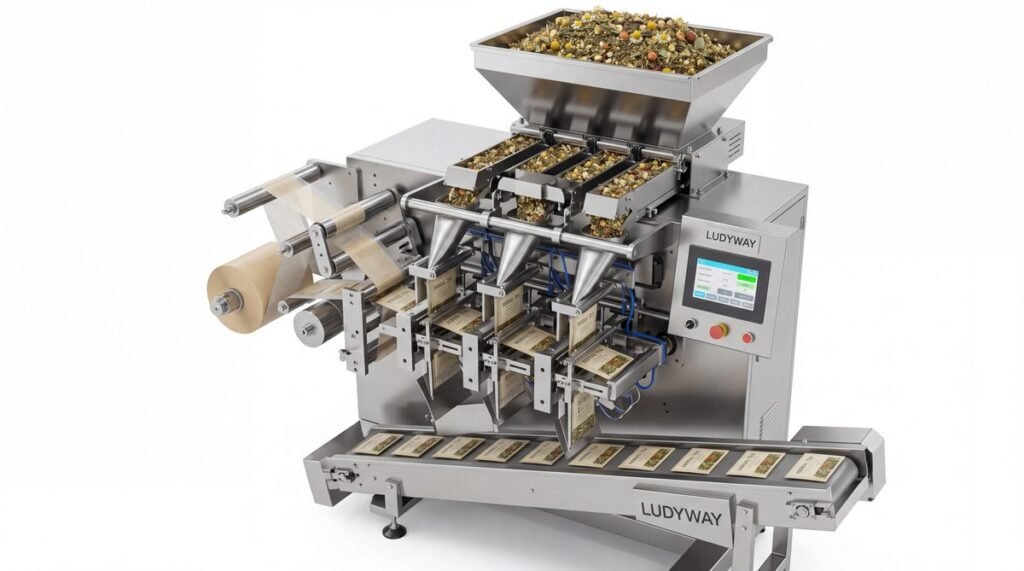
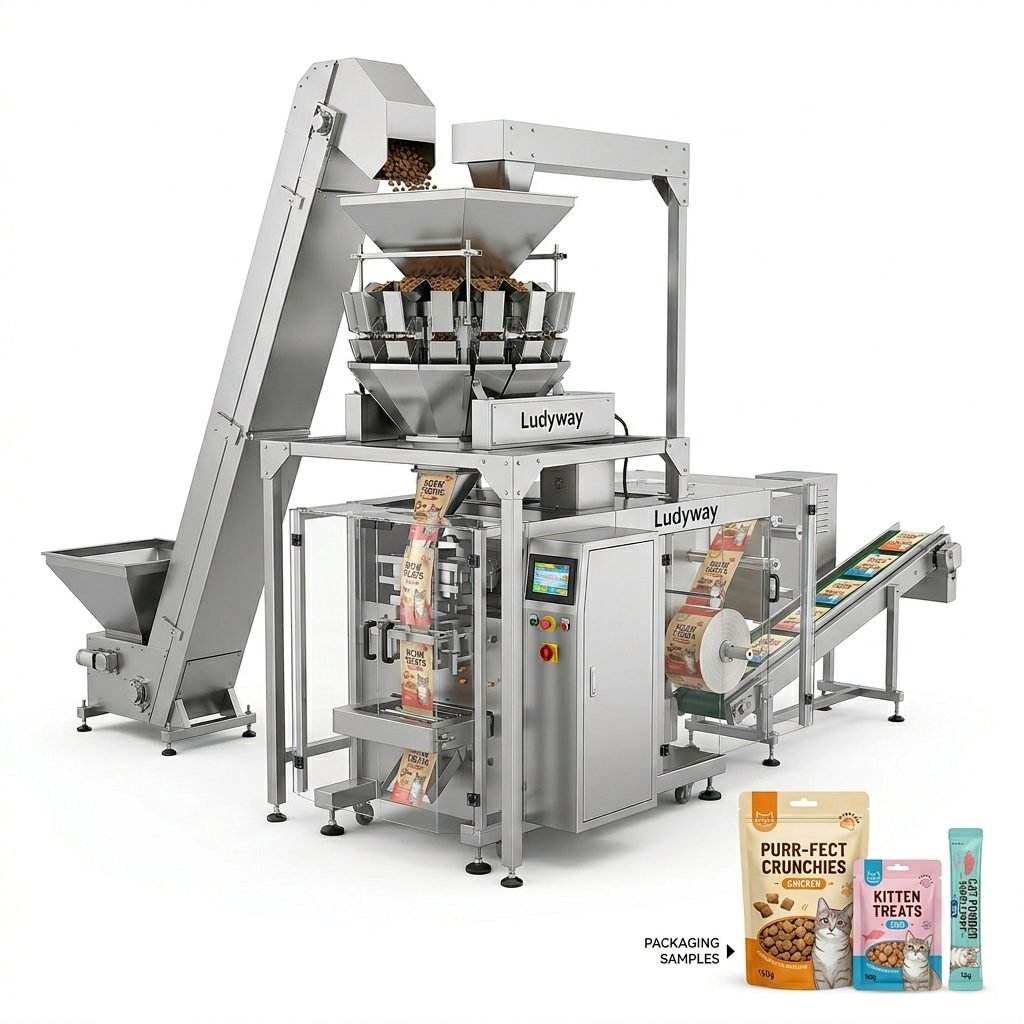
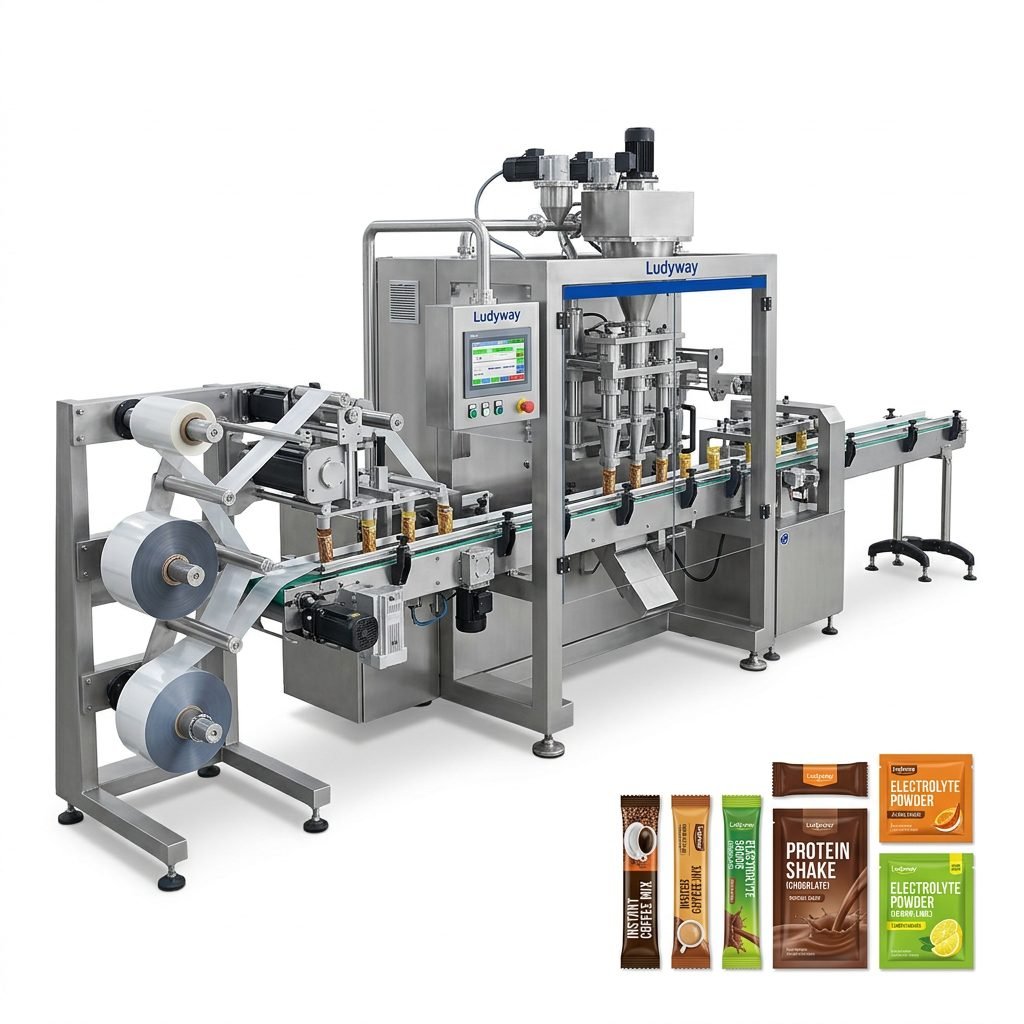
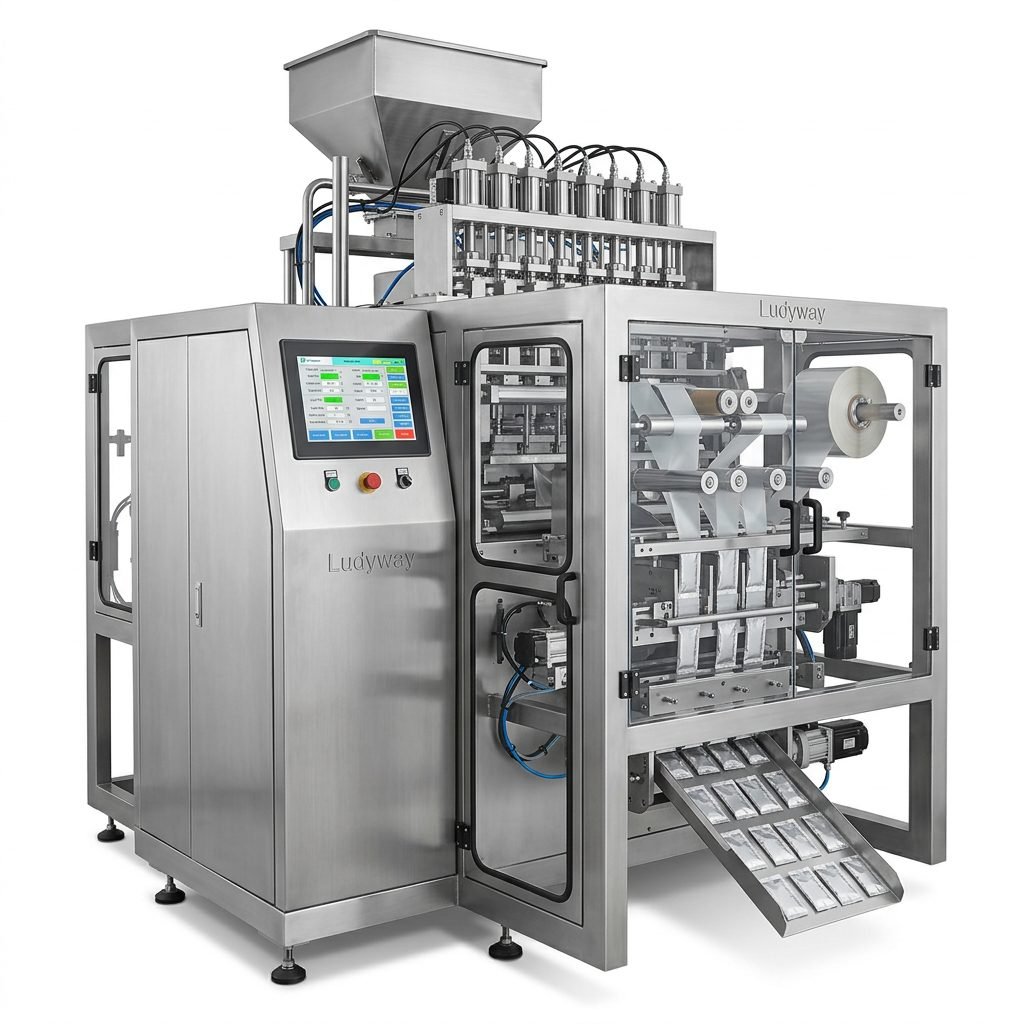
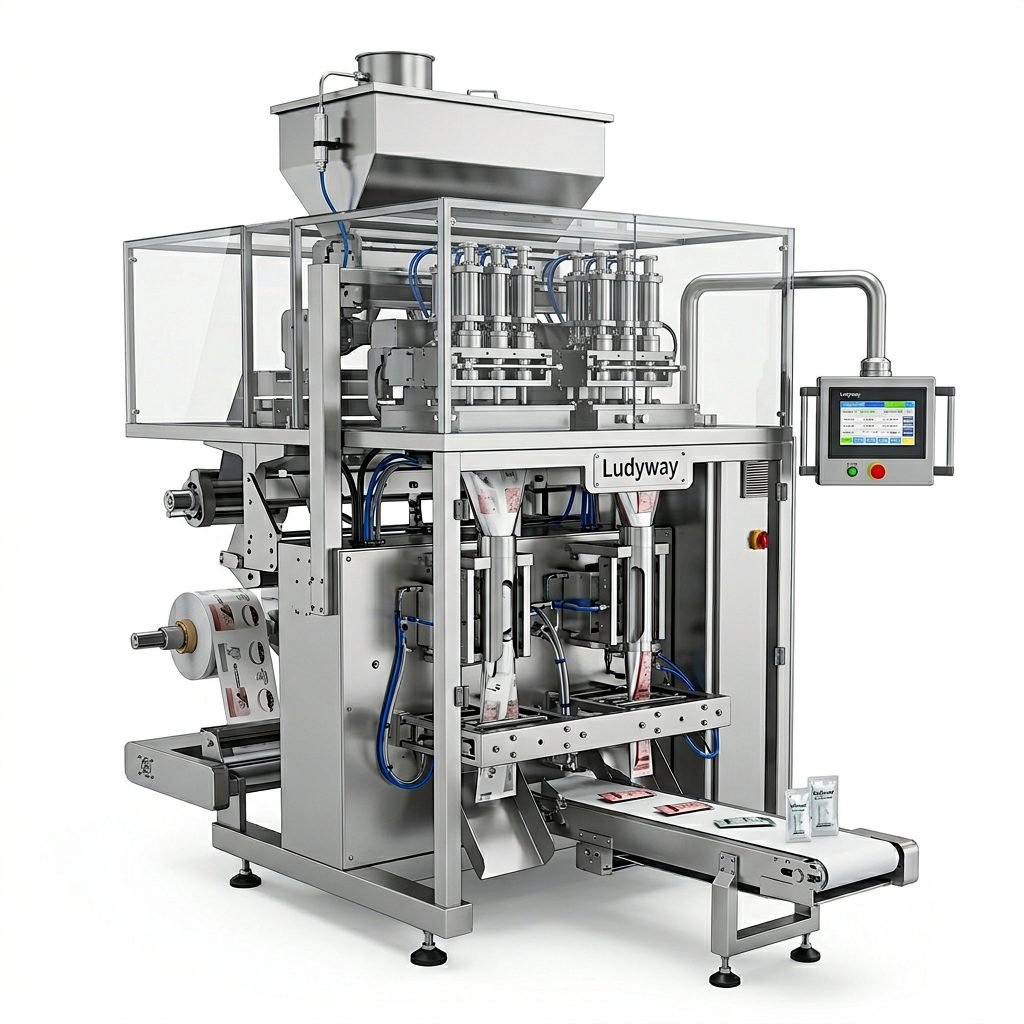
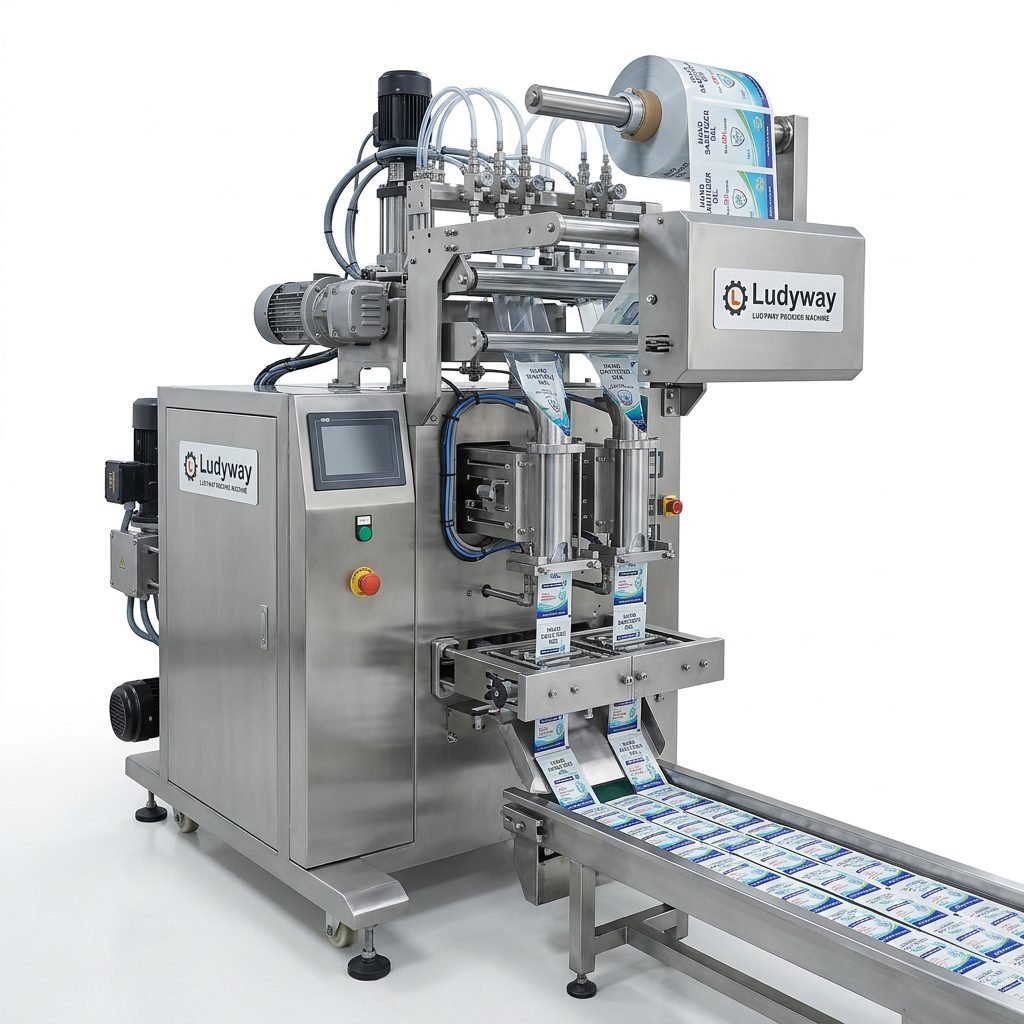
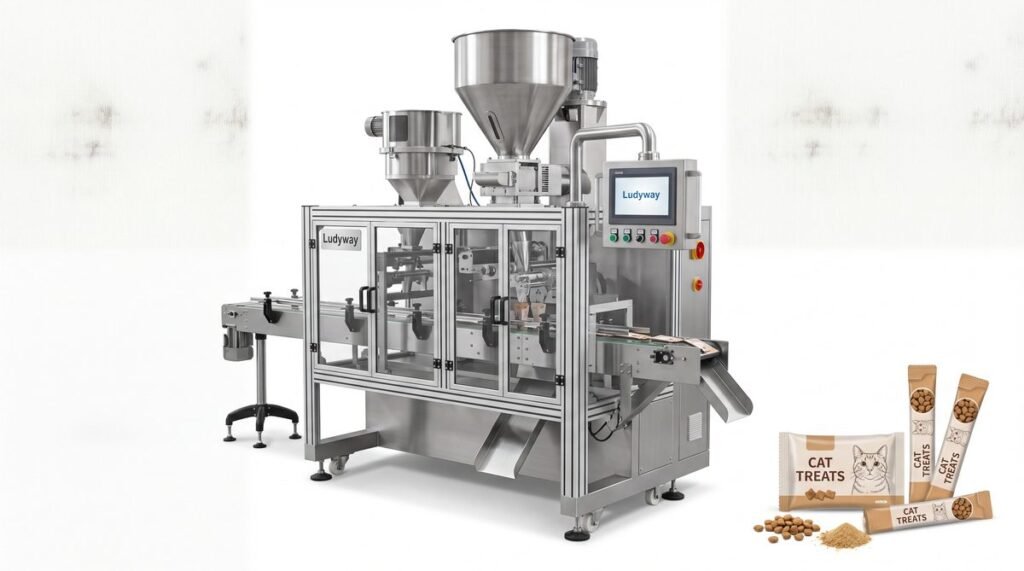
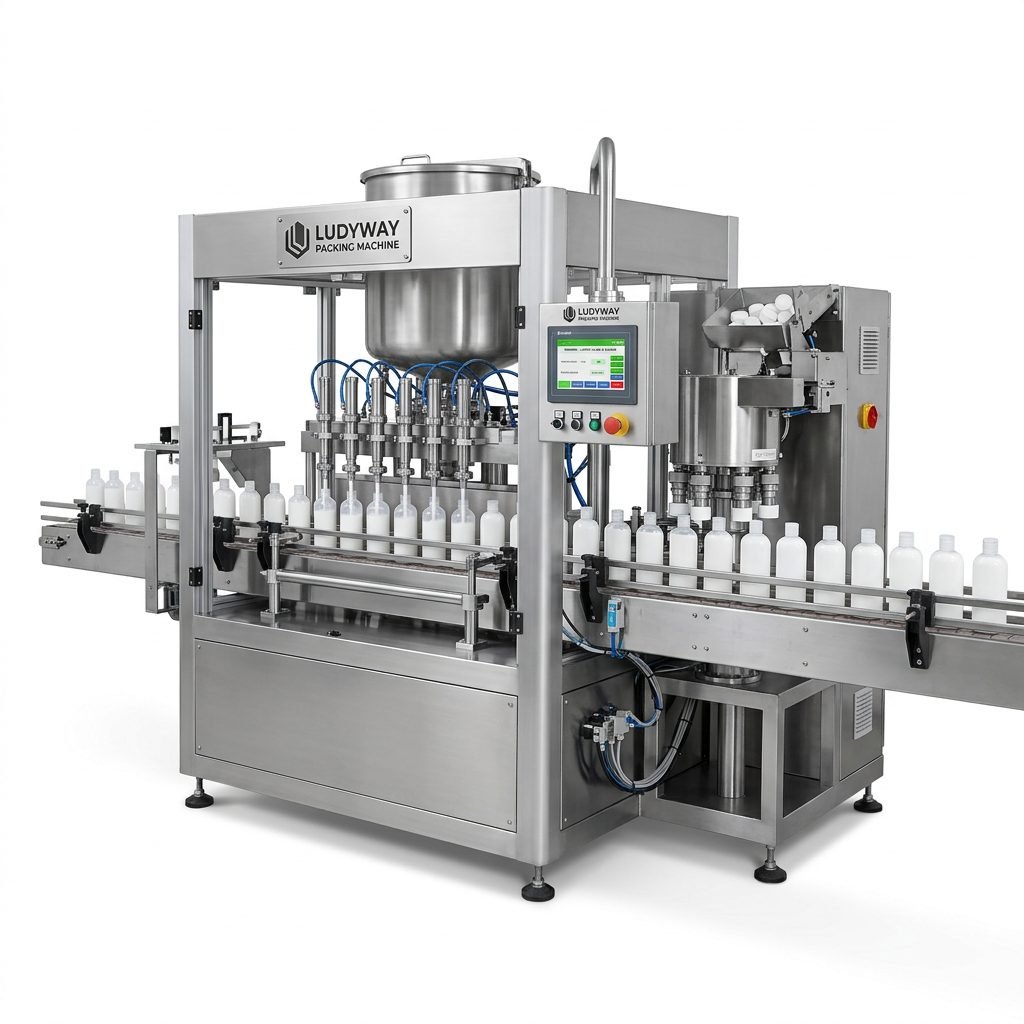
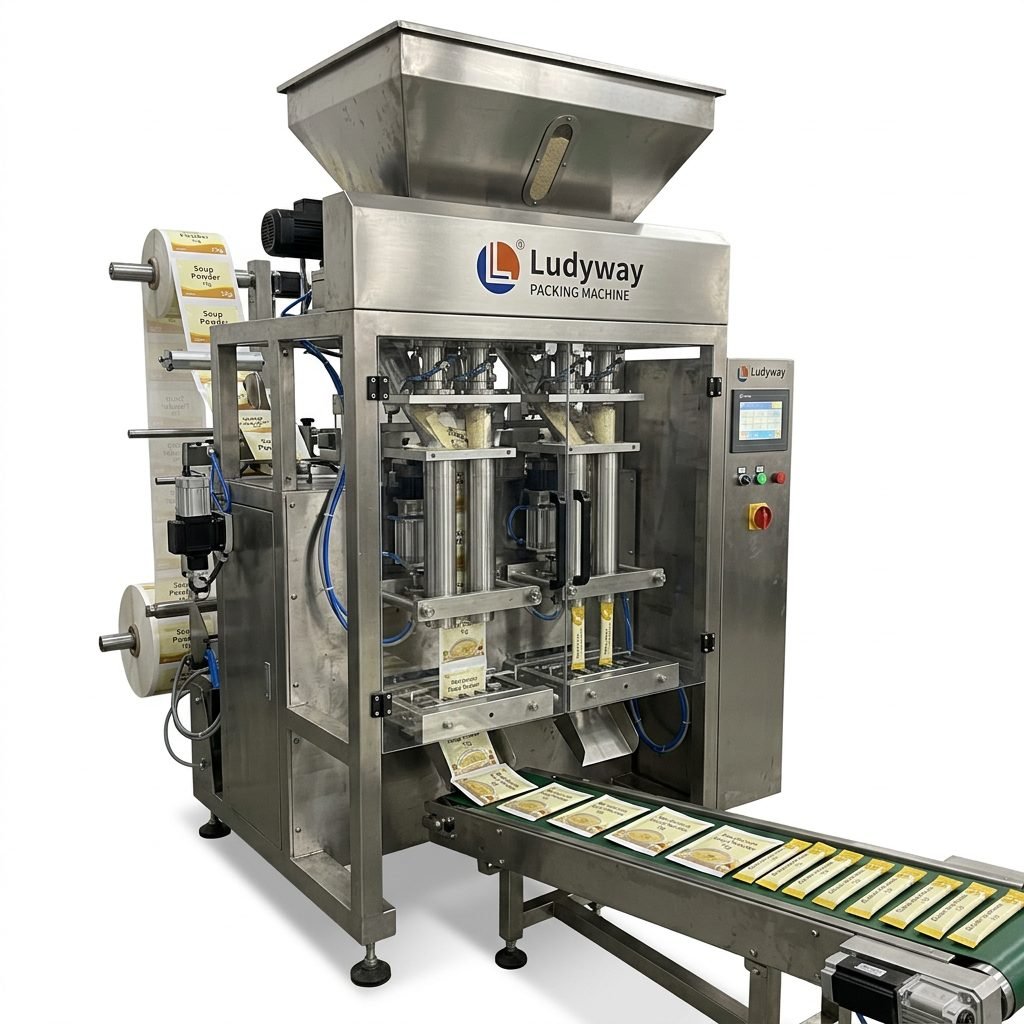
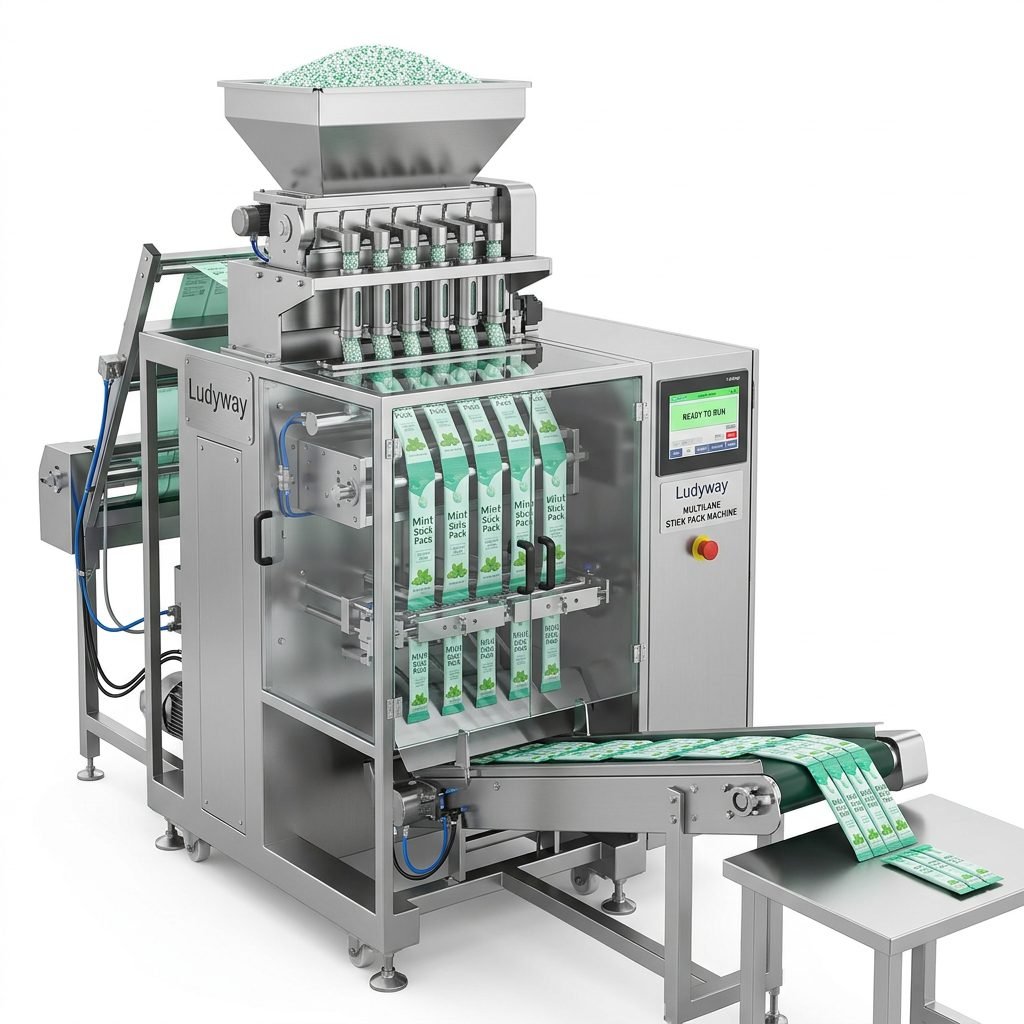
In today’s competitive manufacturing landscape, finding reliable and affordable packaging equipment is crucial for businesses in the food, pharmaceutical, and health product sectors. Used packaging machinery presents a compelling opportunity to access automated solutions without the capital expenditure of new equipment. This article explores the benefits, key considerations, and available solutions for sourcing high-quality used packaging equipment tailored to these sensitive industries.
Why Consider Used Packaging Equipment?
The decision to invest in pre-owned packaging machinery is often driven by practical financial and operational factors. For growing businesses or those launching new product lines, used equipment can dramatically reduce initial investment while still delivering the automation and precision required for modern production.
Key Advantages:
• Cost Efficiency: Significant savings compared to new machinery, often 40-60% lower, freeing capital for other business areas.
• Faster Implementation: Immediate availability eliminates long lead times associated with custom-built new equipment.
• Proven Reliability: Previously operational machines have established performance histories in real production environments.
• Sustainability: Extending machinery lifecycles reduces environmental impact through resource conservation.
Specialized Equipment for Food Products
Food packaging demands stringent hygiene standards, precision filling, and reliable sealing. Used vertical form-fill-seal (VFFS) machines, horizontal flow wrappers, and cartoning systems that have been properly maintained can offer exceptional value. Particularly valuable are machines originally designed for similar product categories—such as dairy powders, snacks, or beverages—as they require minimal adaptation.
When evaluating used food packaging equipment, prioritize machines with food-grade stainless steel contact surfaces, complete documentation of sanitation protocols, and verifiable maintenance records. Many reputable suppliers, including Ludyway Packing Machine, specialize in refurbishing equipment to meet current food safety standards before resale.
Pharmaceutical Packaging Requirements
The pharmaceutical industry presents unique challenges with strict regulatory compliance, precision dosing, and tamper-evident features. Used blister packaging machines, liquid fillers, cappers, and labeling systems must be thoroughly validated to ensure they meet current Good Manufacturing Practice (cGMP) standards.
Critical Inspection Points for Used Pharma Equipment:
Material Compatibility: Verify all product-contact materials are suitable for pharmaceutical applications and free from contamination risks.
Documentation Trail: Complete equipment history, including change parts, maintenance logs, and any previous validation reports, is essential.
Regulatory Alignment: Ensure the machine design and controls can support current serialization and track-and-trace requirements if applicable.
Health & Nutraceutical Product Solutions
Health supplements, vitamins, and nutraceuticals often require specialized packaging that combines pharmaceutical precision with consumer appeal. Used stick pack machines for powder supplements, sachet packaging for single-dose liquids, and tablet counters are particularly sought after in this sector.
These products frequently use moisture-sensitive or oxygen-sensitive ingredients, making reliable sealing paramount. When sourcing used equipment for health products, pay special attention to sealing mechanisms, nitrogen flushing capabilities (if required), and the availability of change parts for different package sizes. Companies with extensive industry experience can provide valuable guidance on equipment suitability.
Evaluating Equipment Condition & Value
Not all used equipment offers equal value. A systematic evaluation approach ensures you select machinery that will deliver reliable performance rather than become a maintenance burden.
Mechanical & Electrical Assessment
Thoroughly inspect drive systems, motors, bearings, and seals for wear. Electrical panels should be examined for outdated components that may be difficult to source. Modernized control systems, even on older mechanical platforms, can significantly enhance value and reliability.
Operational Testing & Validation
Whenever possible, request or conduct a production test with materials similar to your actual products. This reveals practical issues with filling accuracy, sealing consistency, and line speed that static inspections might miss. For critical applications, consider third-party validation services.
The Refurbishment Advantage
Professionally refurbished equipment often represents the sweet spot between cost and reliability. Quality refurbishment typically includes:
✓ Complete disassembly, cleaning, and inspection of all components
✓ Replacement of worn seals, bearings, and critical wear parts
✓ Electrical safety testing and control system updates
✓ Cosmetic refurbishment and repainting
✓ Test running with performance documentation
This process, offered by established suppliers like those with extensive engineering capabilities, transforms used equipment into production-ready assets with predictable performance.
Integration & Support Considerations
Successful implementation of used packaging equipment depends heavily on integration support and after-sales service. Verify the availability of technical documentation, spare parts, and service support before purchase.
Compatibility with existing production lines, material handling systems, and facility utilities (electrical, air, vacuum) must be carefully assessed. Reputable suppliers often provide installation guidance, operator training, and ongoing technical support—services that significantly reduce implementation risks and downtime.
Making the Right Sourcing Decision
Partner with suppliers who specialize in your industry segment and can provide transparent equipment histories. Request references from similar companies who have purchased used equipment, and verify the supplier’s reputation for honest condition assessments. The right partnership ensures you gain the benefits of used equipment while minimizing the risks.
For businesses seeking tailored solutions, exploring complete packaging lines that combine refurbished primary packaging equipment with new or reconditioned ancillary systems (checkweighers, metal detectors, cartoners) can optimize both performance and budget.
Frequently Asked Questions
What is the typical lifespan of used packaging equipment after refurbishment?
Properly refurbished packaging machinery from reputable brands can deliver 10-15 years of additional service life, depending on operating conditions and maintenance. Critical factors include the machine’s original build quality, completeness of refurbishment, and adherence to recommended maintenance schedules.
How can I verify used equipment meets current industry safety standards?
Request documentation of safety assessments, including electrical safety certifications (CE, UL), risk assessments, and machine guarding evaluations. Reputable suppliers conduct these assessments during refurbishment and provide updated documentation. For specific regulatory requirements (like cGMP for pharmaceuticals), consult with quality assurance specialists.
What warranty is typically offered with used packaging machinery?
Professional suppliers generally offer 6-12 month warranties on refurbished equipment, covering parts and sometimes labor. Warranties vary based on equipment type, age, and refurbishment extent. Always review warranty terms carefully, noting what’s included and excluded, and ensure spare parts availability for critical components.
Can used equipment be modified for different package sizes or formats?
Many used machines can be adapted with change parts for different package sizes. However, significant format changes (like switching from sachets to stick packs) usually require different machinery. Discuss your flexibility needs with suppliers during evaluation—they can advise on change part availability, costs, and technical feasibility.
How do I estimate total cost beyond the purchase price?
Consider shipping/installation, utility connections, necessary facility modifications, spare parts inventory, operator training, and potential productivity differences versus newer equipment. A detailed implementation plan with your supplier should identify all associated costs before purchase. Also factor in potential efficiency gains from newer control systems if included in refurbishment.