In the fast-paced world of food manufacturing, the right packaging machine is not just an asset; it’s a critical component of operational efficiency, product safety, and brand presentation. Choosing the correct equipment can streamline your production, reduce waste, and ensure your products reach consumers in perfect condition. This comprehensive guide will walk you through the primary types of food packaging machines, their specific uses, and the key factors to consider when selecting the ideal equipment for your business needs.
Understanding the Main Types of Food Packaging Machines
The food packaging machinery market is diverse, with equipment designed for specific product forms and packaging styles. Understanding these categories is the first step toward making an informed decision.
1. Form-Fill-Seal (FFS) Machines
These are the workhorses of modern packaging. FFS machines create the package from a roll of film, fill it with product, and seal it—all in one continuous, automated process. They are highly efficient and minimize material handling.
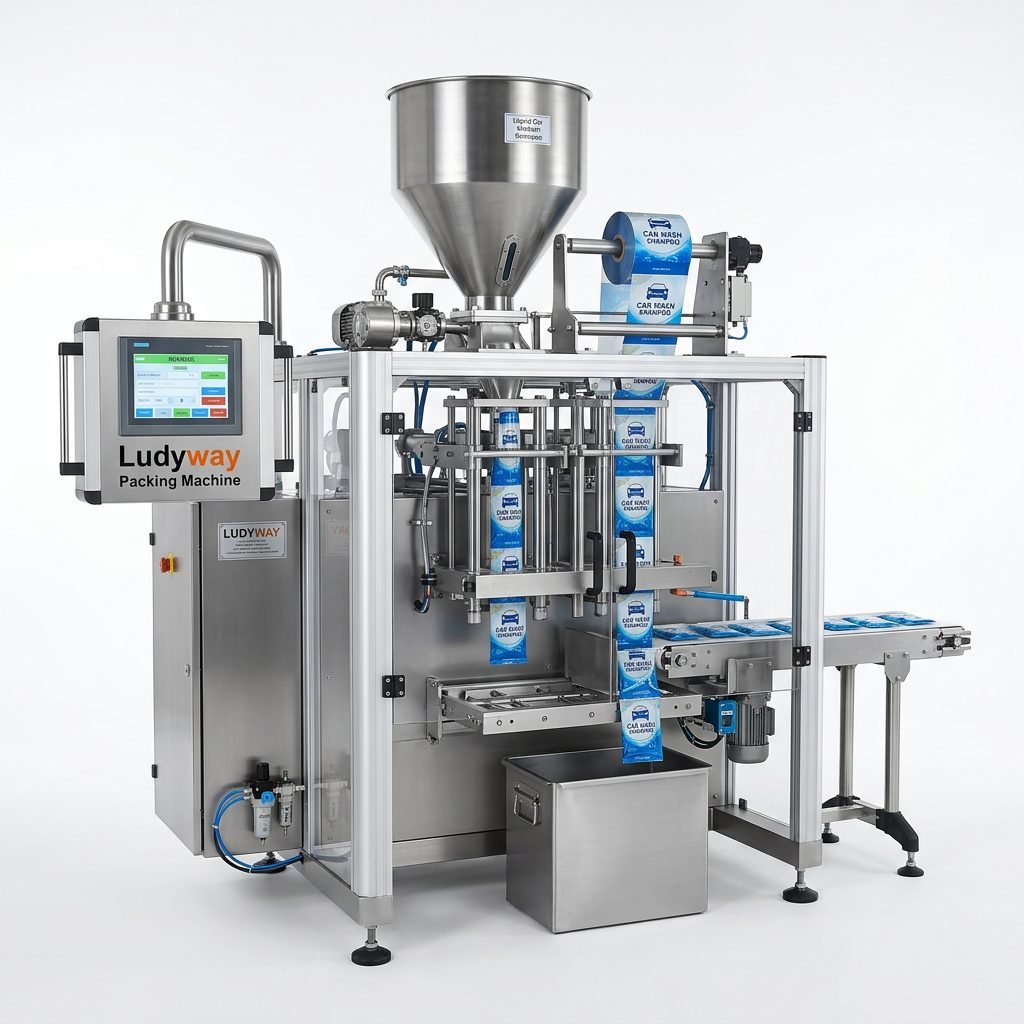
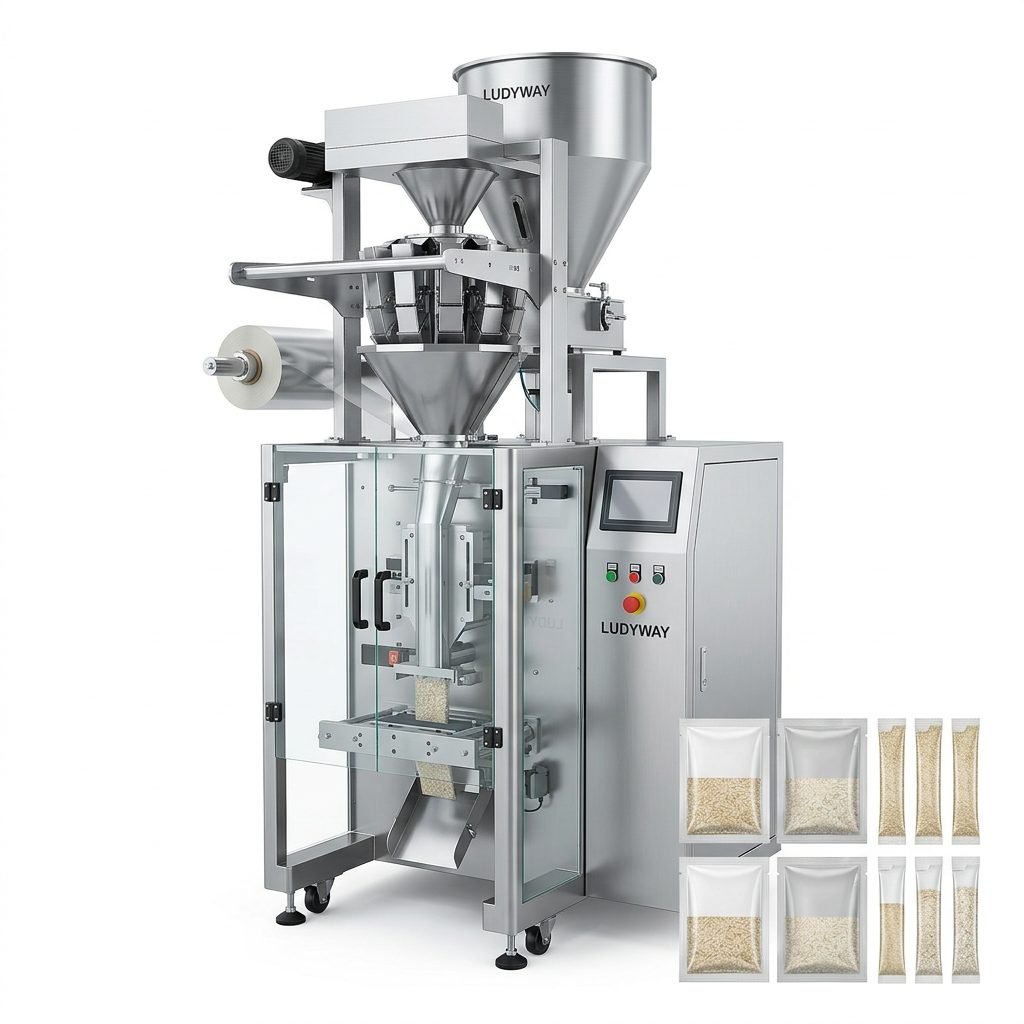
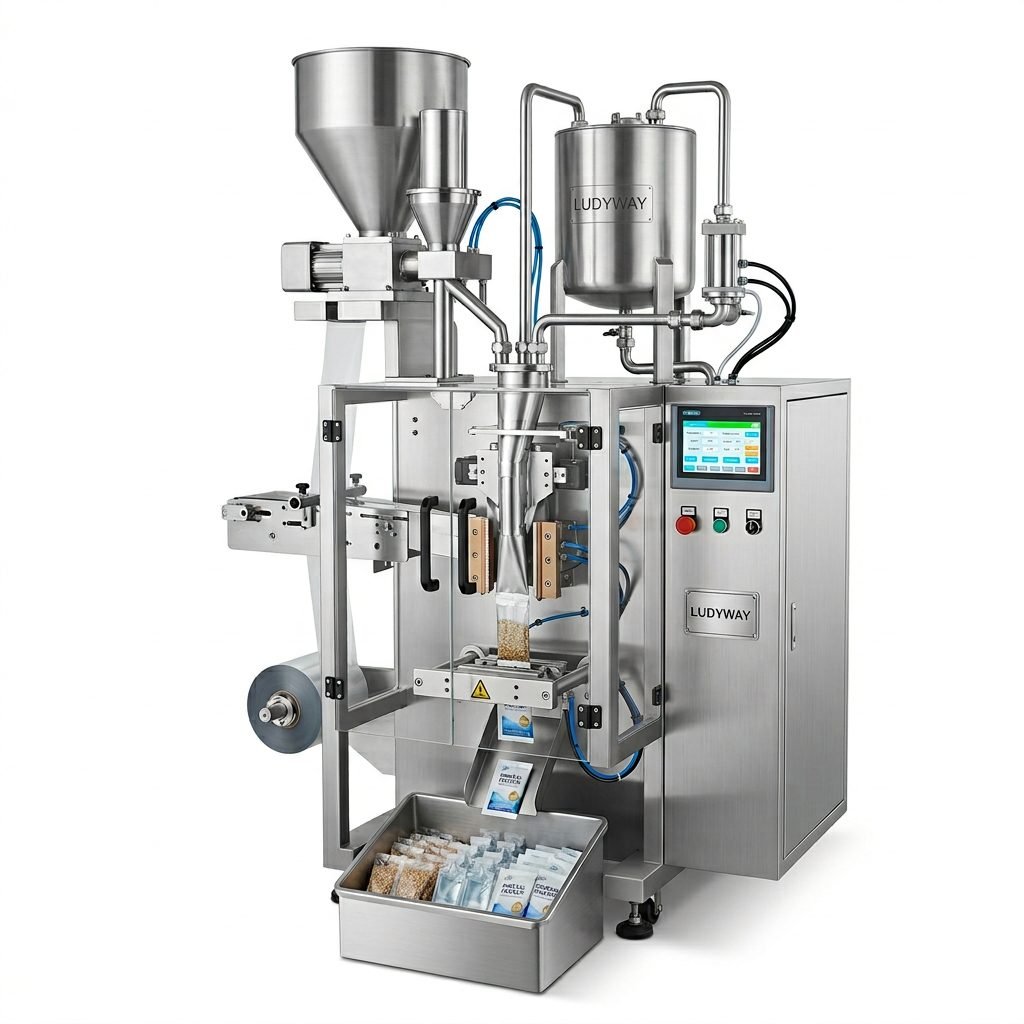
Vertical Form-Fill-Seal (VFFS): Ideal for granules, powders, snacks, and liquids. Product is filled vertically into bags formed from a single roll of film. They are space-saving and perfect for high-speed production of pillow bags or gusseted bags.
Horizontal Form-Fill-Seal (HFFS): Typically used for biscuits, candy bars, and frozen foods. The film is formed horizontally around the product, often creating more rigid or structured packaging like trays with lidding film.
2. Stick Pack & Sachet Packaging Machines
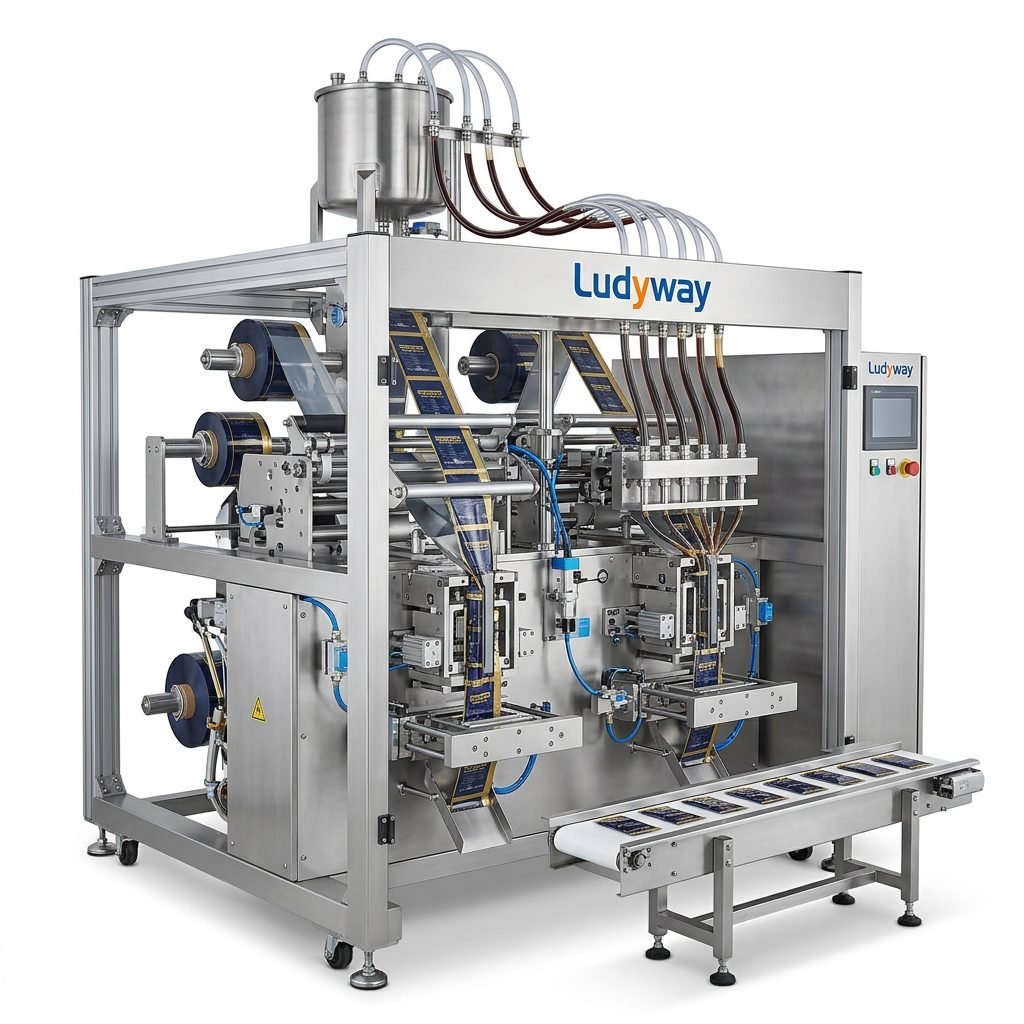
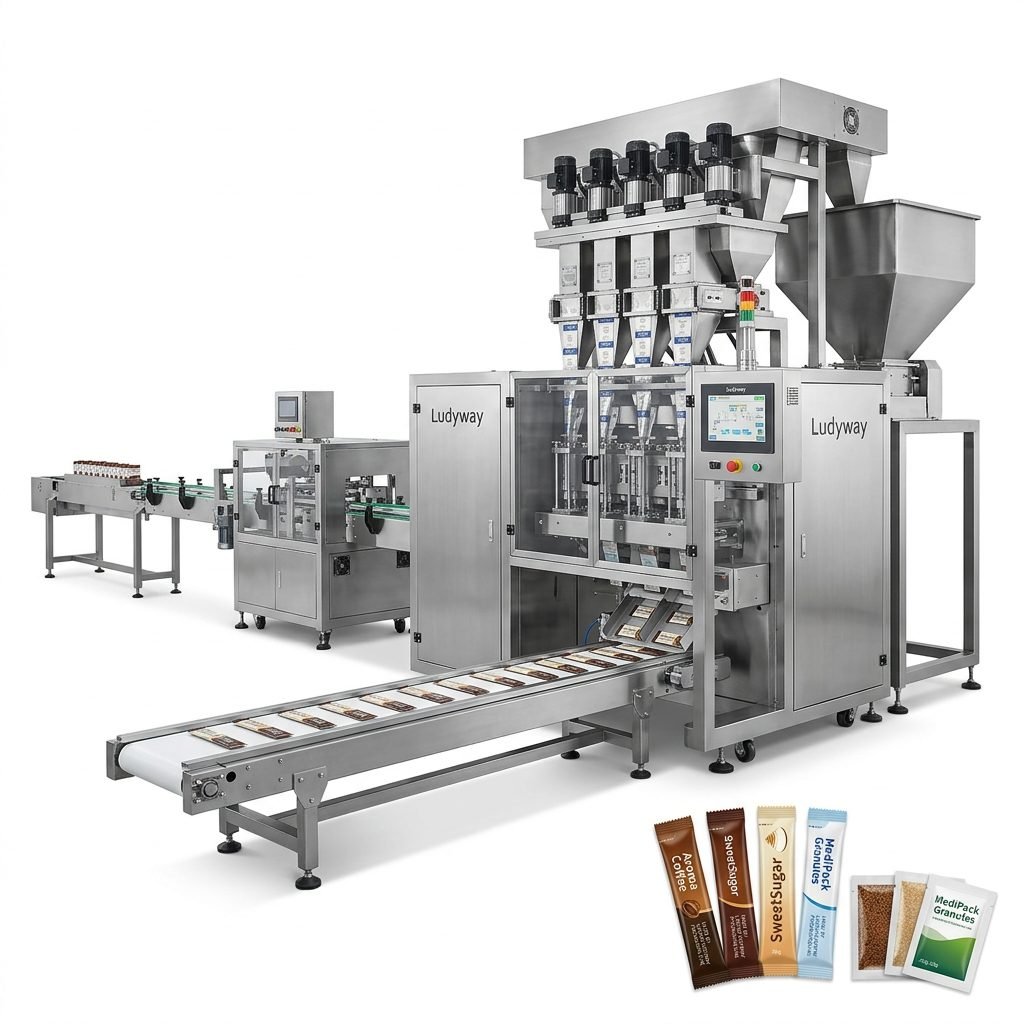
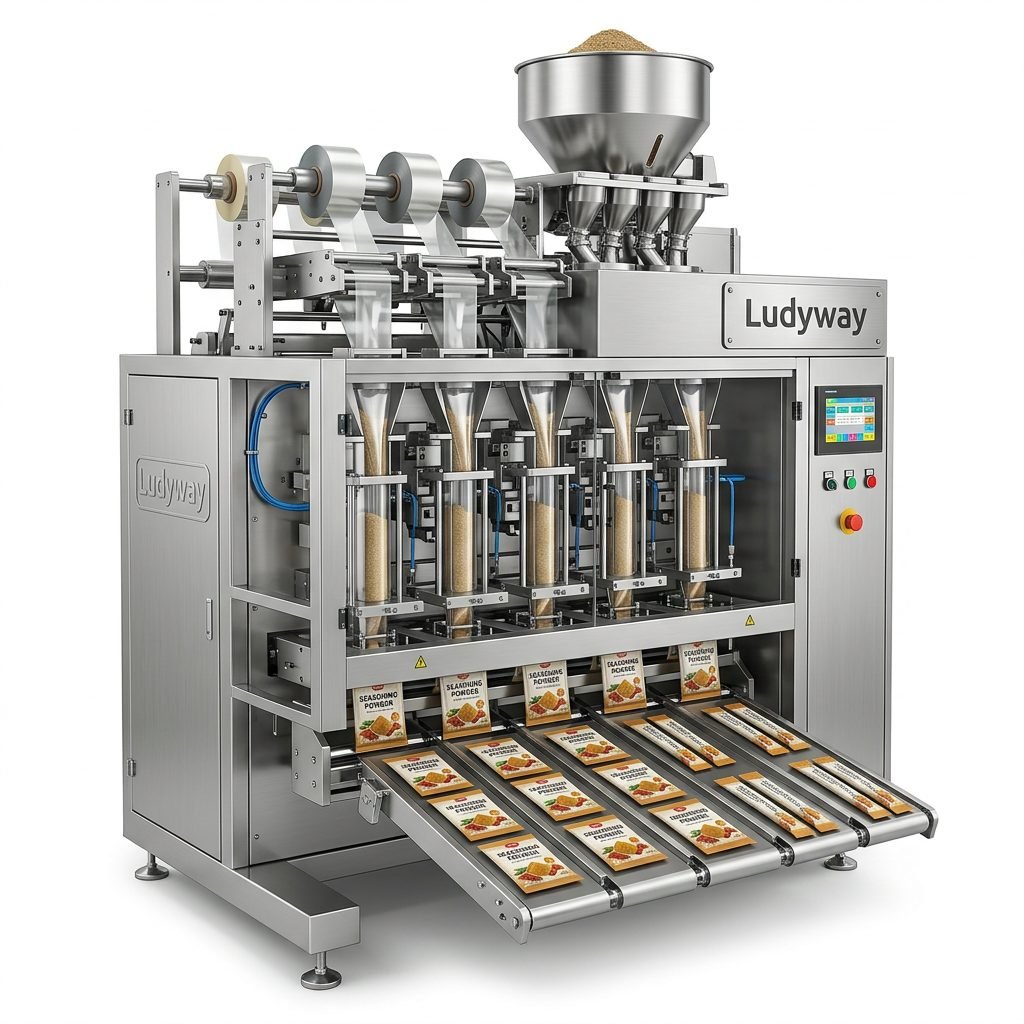
Designed for single-serve portions of powders, liquids, or granules (e.g., instant coffee, sugar, ketchup, shampoo samples). These machines produce slim, elongated packets that are convenient for consumers. Modern multi-lane systems can produce dozens of stick packs simultaneously, offering incredible output for their footprint.
3. Liquid & Paste Filling Machines
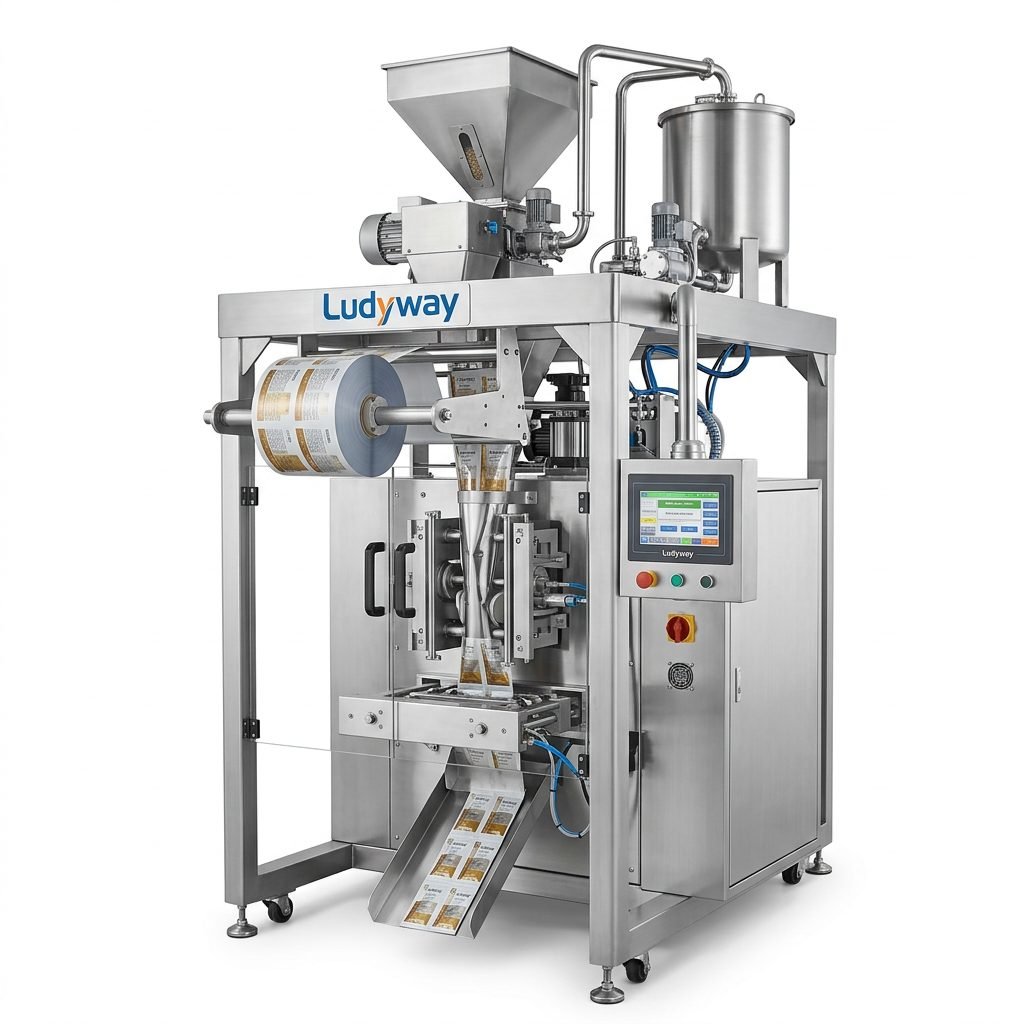
This category includes piston fillers, gravity fillers, and vacuum fillers for accurately dispensing viscous products like sauces, oils, creams, or honey into bottles, jars, or pouches. Precision is key here to ensure consistent fill levels and comply with net content regulations.
4. Granule & Powder Packaging Machines
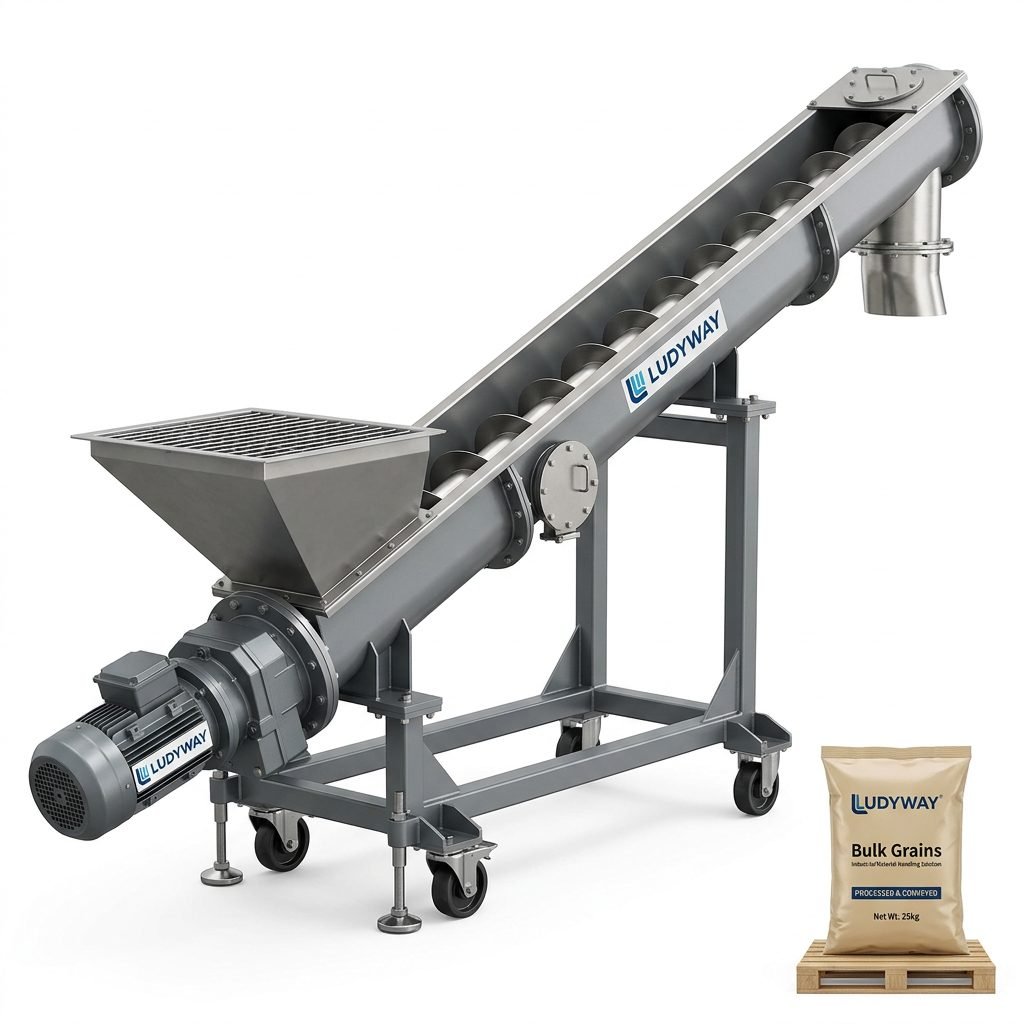
Specialized equipment that handles dry products like rice, spices, protein powder, or tea. They often feature auger filling systems for volumetric accuracy and may include nitrogen flushing capabilities to extend shelf life by displacing oxygen inside the package.
5. Capping, Sealing & Labeling Machines
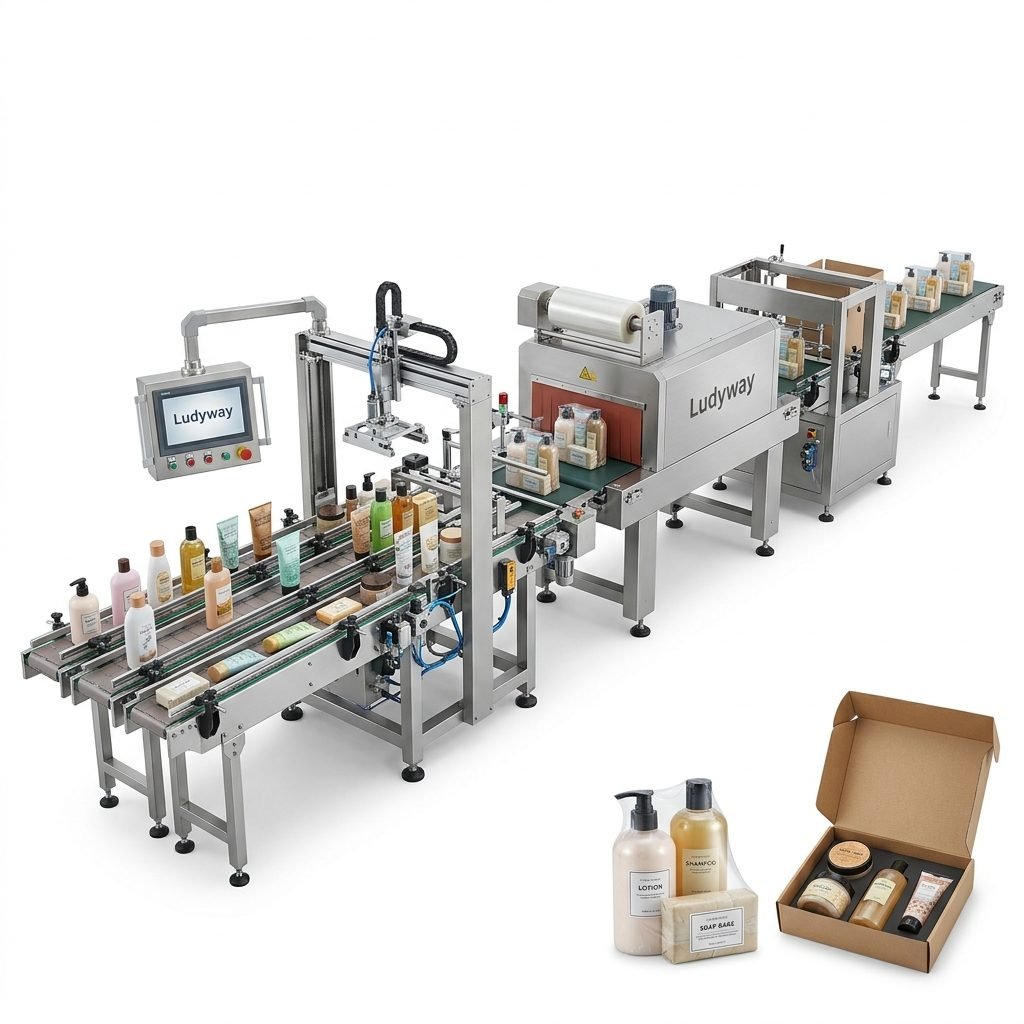
These are secondary packaging machines that complete the process. They apply screw caps, induction seals to bottle mouths, or apply labels with product information and branding. Automation here ensures consistency and high throughput on the production line.
Key Applications and Uses in the Food Industry
Each type of machine serves distinct segments of the food sector. Matching the machine to the application is crucial for performance.
- Snacks & Confectionery: VFFS machines for chips and nuts; HFFS for chocolate bars and candy wrappers.
- Bakery & Frozen Foods: HFFS machines for trays of cookies or pastries; specialized baggers for bread and frozen vegetables.
- Beverages & Liquids: Liquid fillers for juices and cooking oils; stick pack machines for liquid creamers or drink mixes.
- Dry Goods & Ingredients: Granule/powder machines for flour, sugar, spices, and instant noodles.
- Dairy & Sauces: Piston fillers for yogurt cups; sachet machines for condiment packets.
How to Choose the Right Food Packaging Equipment: A Step-by-Step Guide
Selecting a packaging machine is a significant investment. Follow this framework to evaluate your options and find the best fit.
Step 1: Analyze Your Product and Packaging Requirements
Start with the basics. What is the physical form of your product? What are its characteristics (abrasive, oily, hygroscopic)? Determine your desired package type, material, and size. This fundamental analysis will immediately narrow down the machine type.
Step 2: Evaluate Production Capacity and Speed Needs
Calculate your required output in packages per minute or hour. Consider both current needs and future growth. A machine that runs at 120 bags per minute may seem great, but if you only need 30, you’re over-investing. Conversely, a machine at maximum capacity leaves no room for expansion. Look for a machine that operates efficiently at your target speed with a 15-20% buffer for peak demand.
Step 3: Consider Flexibility and Changeover Time
If you run multiple products or package sizes, quick changeover is critical. Machines with tool-less adjustments, digital size change memory, and easy-to-switch parts minimize downtime between production runs, boosting overall equipment effectiveness (OEE).
Step 4: Assess Machine Construction and Hygiene
Food-grade construction is non-negotiable. Look for frames and contact parts made from stainless steel (e.g., SS304 or SS316), which is durable, corrosion-resistant, and easy to clean. Machines designed with open frames and minimal crevices support better hygiene practices and faster cleaning cycles.
Step 5: Prioritize Ease of Operation and Maintenance
A complex machine that requires a specialist to operate is a long-term liability. Choose equipment with an intuitive Human-Machine Interface (HMI), clear diagnostics, and accessible components for routine maintenance. Reliable suppliers offer comprehensive training and clear manuals.
Step 6: Verify Supplier Credibility and Support
The machine is only as good as the company behind it. Research the supplier’s experience, particularly in your product category. For instance, a brand like Ludyway Packing Machine brings over a decade of focused expertise in packaging solutions for food and pharmaceuticals. Evaluate their after-sales service, availability of spare parts, and technical support network. A strong partner ensures your investment is protected for years.
Review their project capability—can they provide a complete turnkey production line if needed? Do they offer customization to meet unique requirements? This level of support is invaluable.
Step 7: Understand the Total Cost of Ownership (TCO)
Look beyond the initial purchase price. Factor in operating costs (energy, compressed air), maintenance costs, changeover parts, and the cost of potential downtime. A slightly more expensive but robust and efficient machine often has a lower TCO than a cheaper, less reliable alternative.
Trends Shaping the Future of Food Packaging Machinery
The industry is evolving rapidly. Staying aware of trends can future-proof your investment.
- Smart Manufacturing & IIoT: Machines with built-in sensors and connectivity for real-time monitoring of production data, predictive maintenance, and integration into factory-wide systems.
- Sustainability Focus: Equipment designed to handle recyclable or compostable mono-material films and minimize packaging material waste through precise cutting and sealing.
- Enhanced Flexibility: Modular machines that can be easily reconfigured for different products, responding to the demand for smaller batch production and product variety.
- Robotics Integration: Collaborative robots (cobots) being used for tasks like loading empty packages or placing filled packages into cartons, increasing line automation.
Frequently Asked Questions (FAQs)
Q1: What is the most versatile type of food packaging machine for a startup?
A: A Vertical Form-Fill-Seal (VFFS) machine is often considered the most versatile starting point. It can handle a wide range of dry, free-flowing products and some liquids, with relatively quick changeovers between different bag sizes. Its vertical design also saves valuable floor space.
Q2: How important is after-sales service when buying a packaging machine?
A: It is critically important. Even the best machines require maintenance, occasional parts replacement, and operator training. A supplier with a responsive, professional service team and a readily available spare parts inventory minimizes costly downtime and ensures your production line remains profitable.
Q3: Can one machine handle both powder and liquid products?
A: Some machines, particularly certain sachet or stick pack models, can be adapted for both with specific filling systems (e.g., switching from an auger for powder to a pump for liquid). However, this usually requires a change of parts and thorough cleaning. For high-volume or dedicated production, specialized machines for powders or liquids are generally more efficient and hygienic.
Q4: What key questions should I ask a packaging machine supplier before purchasing?
A: Essential questions include: Can you provide a test with my actual product? What is the expected accuracy (fill weight variation)? What are the changeover time and procedure for different package sizes? What is the warranty period and what does it cover? Can you provide references from clients with similar applications?
Q5: How do I ensure the packaging machine meets food safety regulations?
A: Choose a machine built with food-grade materials (primarily stainless steel) and a design that prevents contamination and allows for easy cleaning. Ensure the supplier understands relevant standards (like FDA requirements in the US or EHEDG guidelines in Europe). Documentation on materials of construction and hygienic design philosophy should be available.