In the United States, packaging machinery is more than just industrial equipment—it’s a reflection of the nation’s drive for innovation, efficiency, and consumer convenience. From bustling food production hubs in the Midwest to pharmaceutical giants on the East Coast, American manufacturers rely on advanced packaging solutions to meet high-volume demands and stringent quality standards. Understanding the different types of machinery, their working principles, and how to select the right equipment is crucial for maintaining competitiveness and operational excellence.
Primary Types of Packaging Machinery in the U.S. Market
The American packaging landscape is diverse, catering to industries like food & beverage, pharmaceuticals, cosmetics, and industrial goods. Here are the most common types of equipment used across the country:
Filling Machines
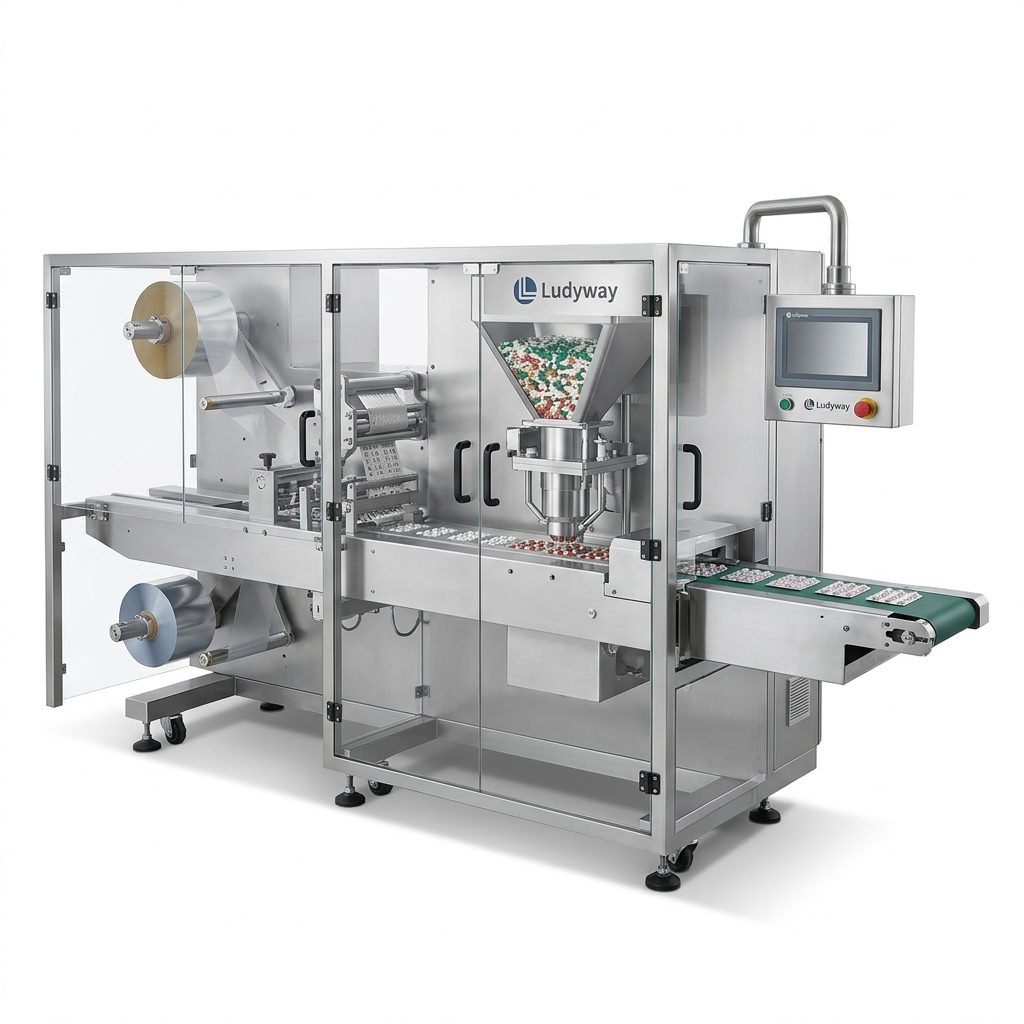
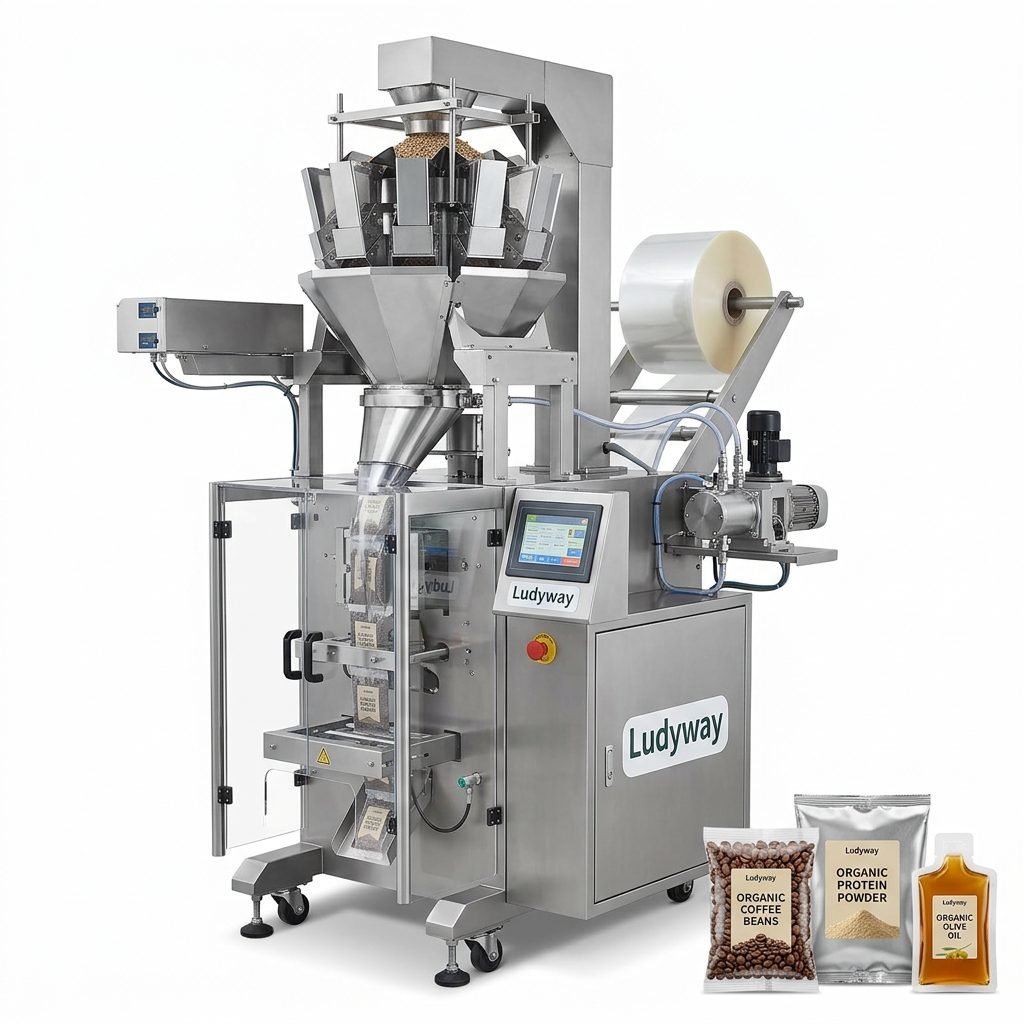
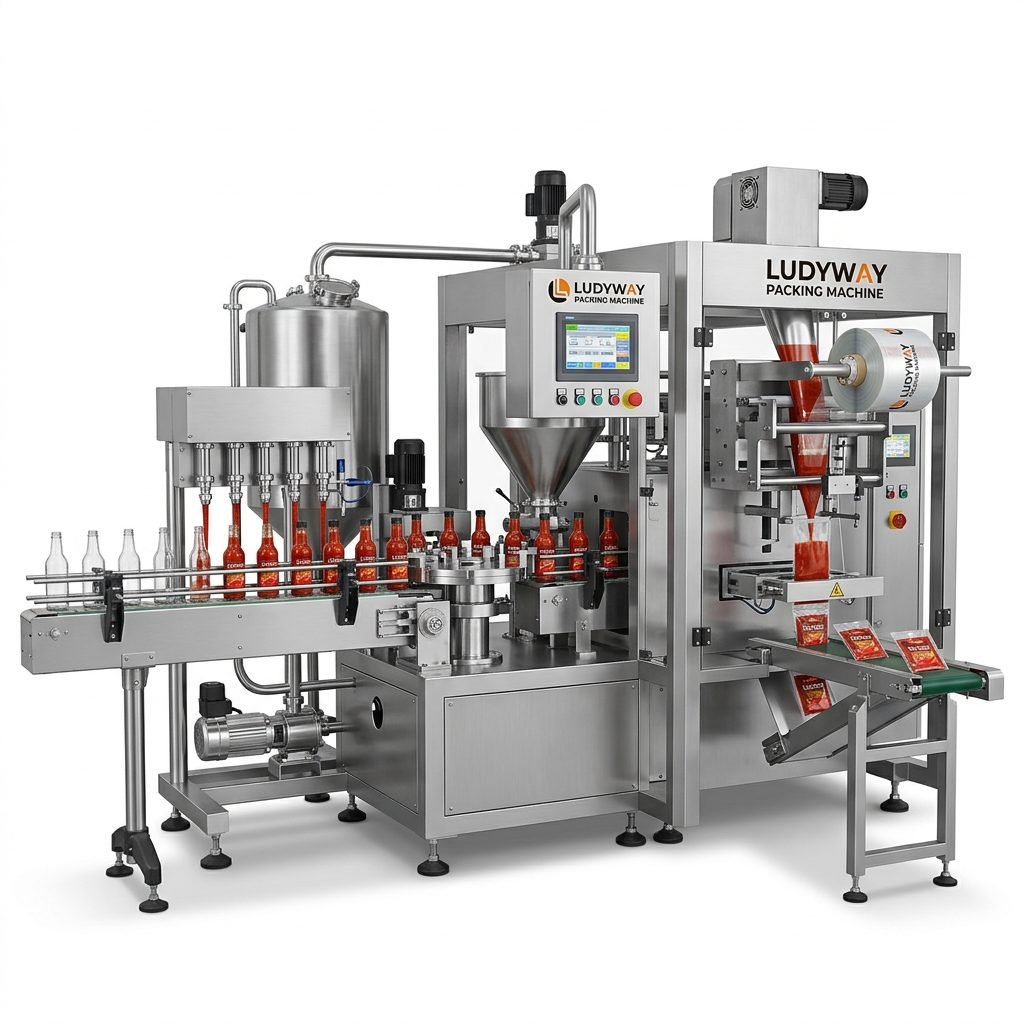
These machines are designed to accurately dispense products—whether granules, powders, liquids, or pastes—into containers, pouches, or sticks. In the U.S., volumetric, auger, and liquid piston fillers are widely used for their precision and compliance with FDA regulations, especially in food and pharmaceutical sectors.
Sealing Machines
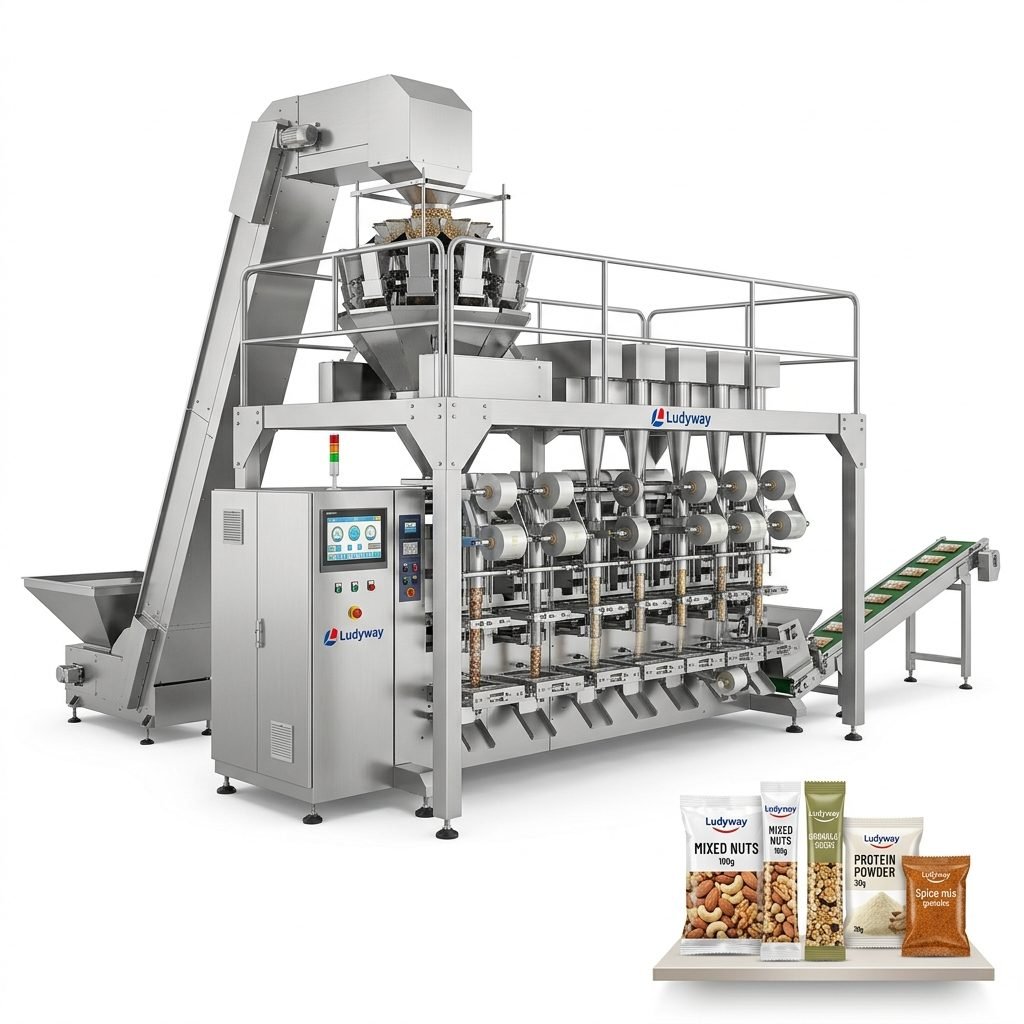
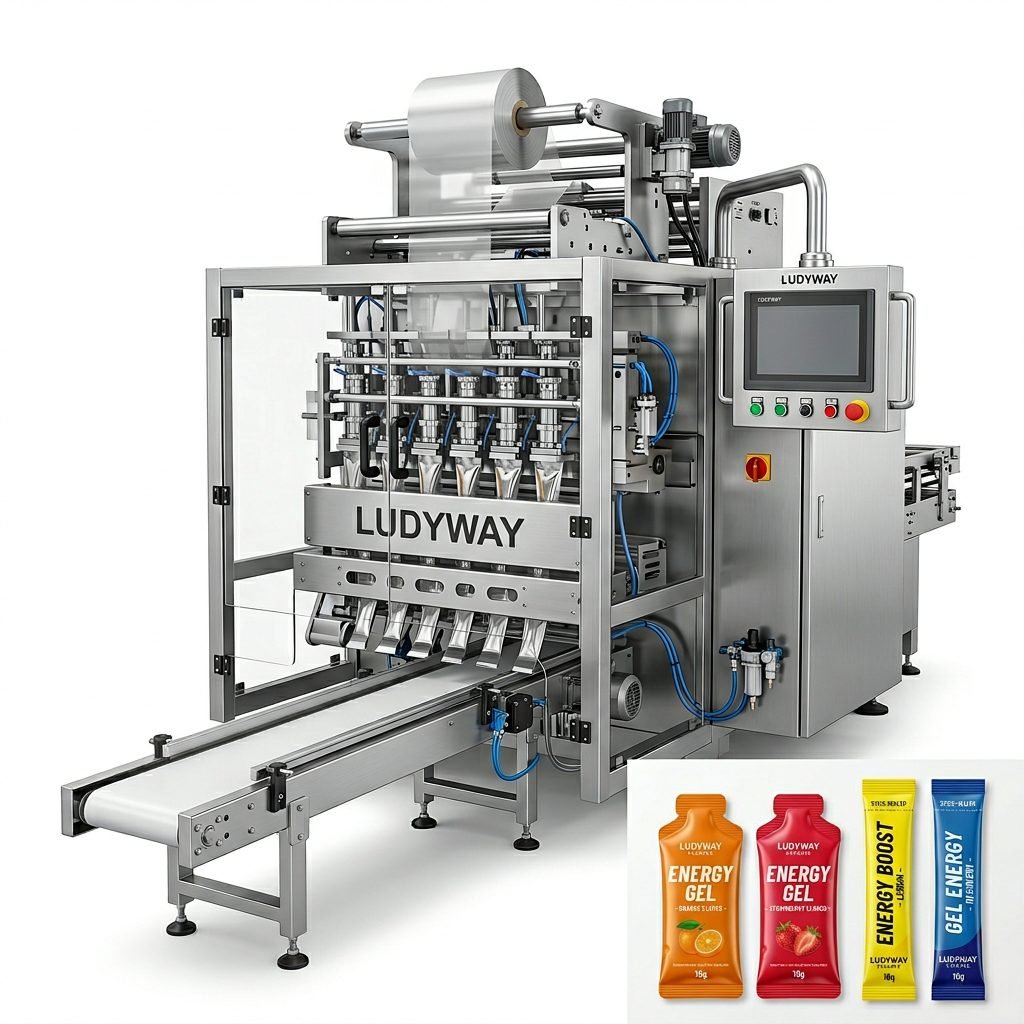
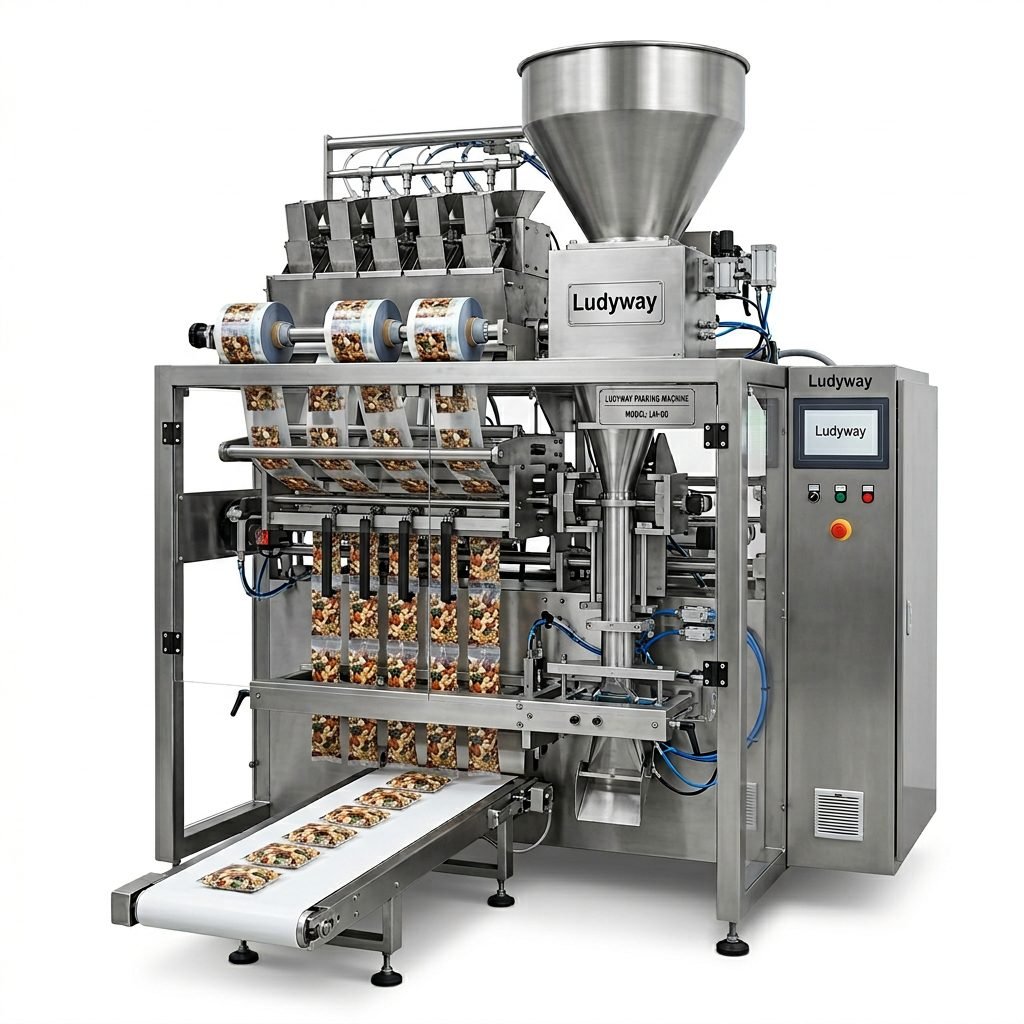
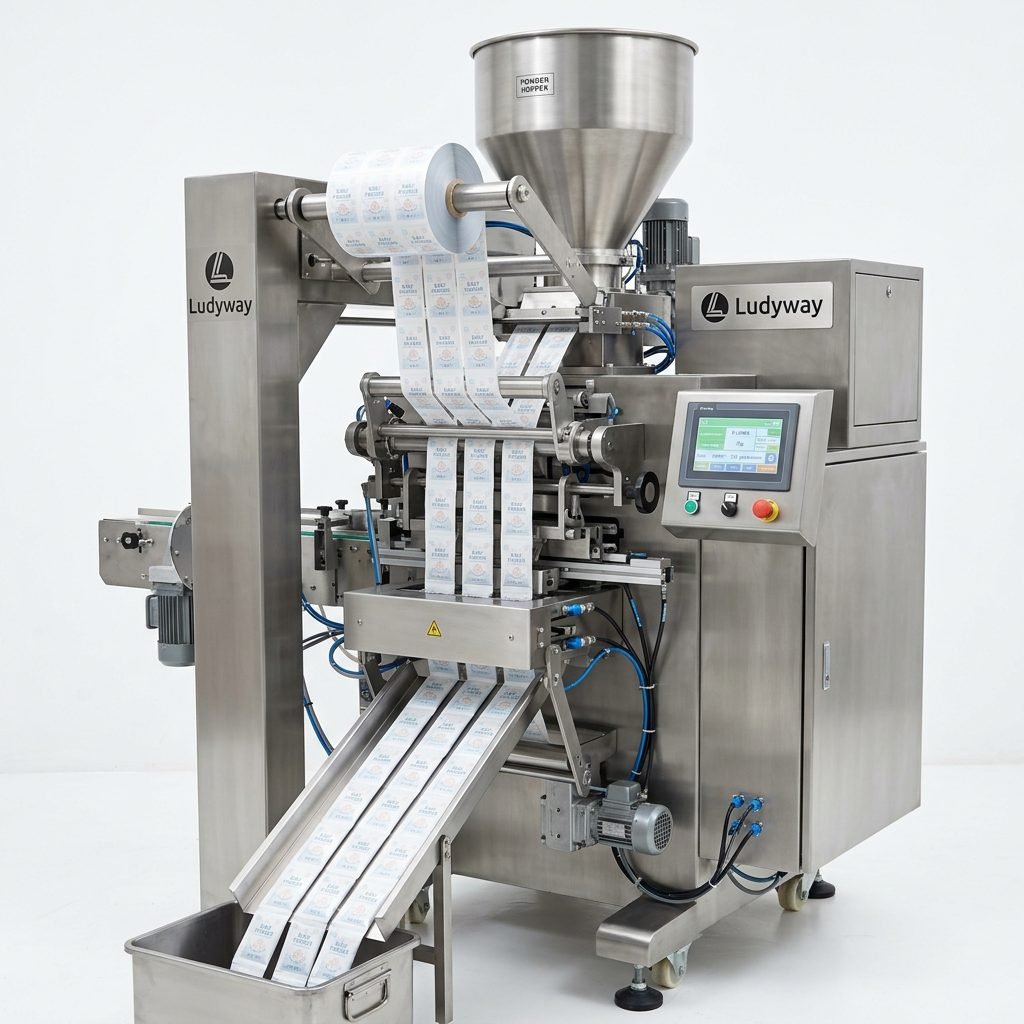
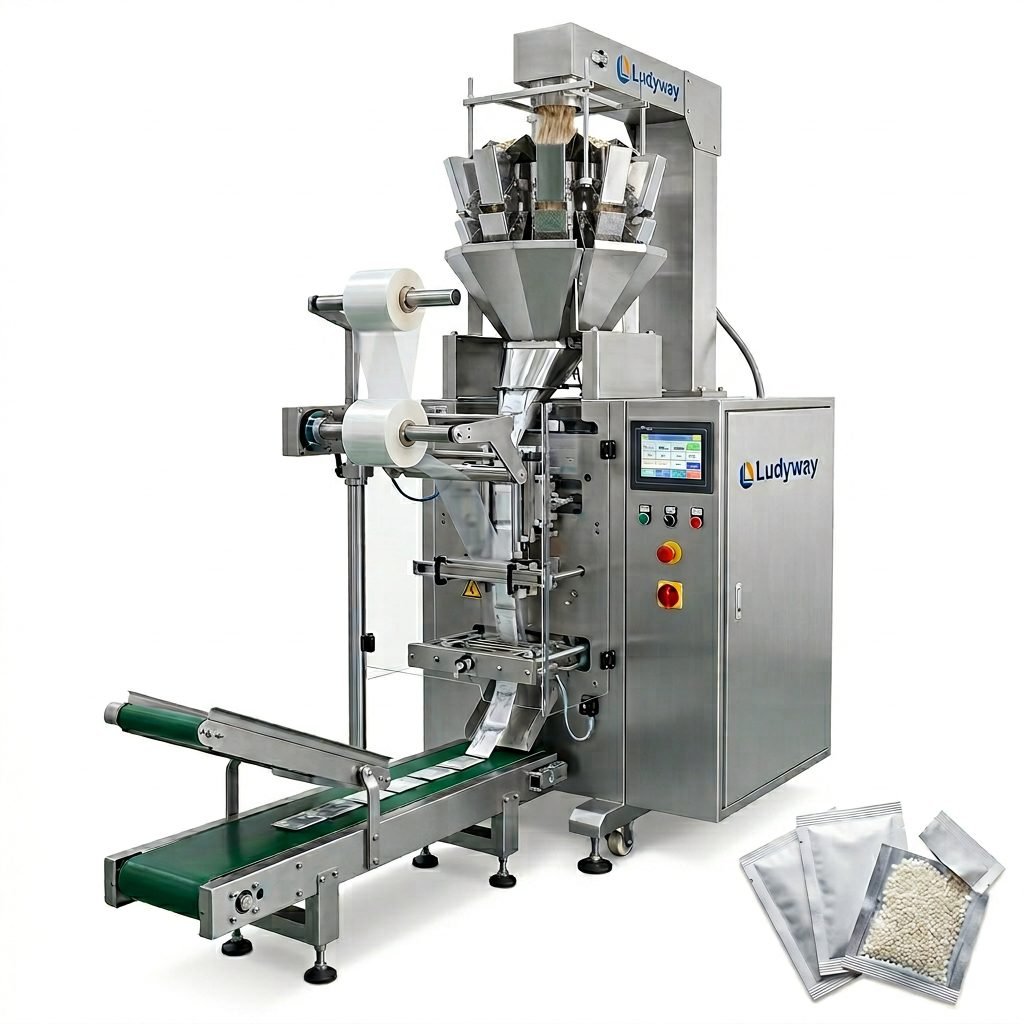
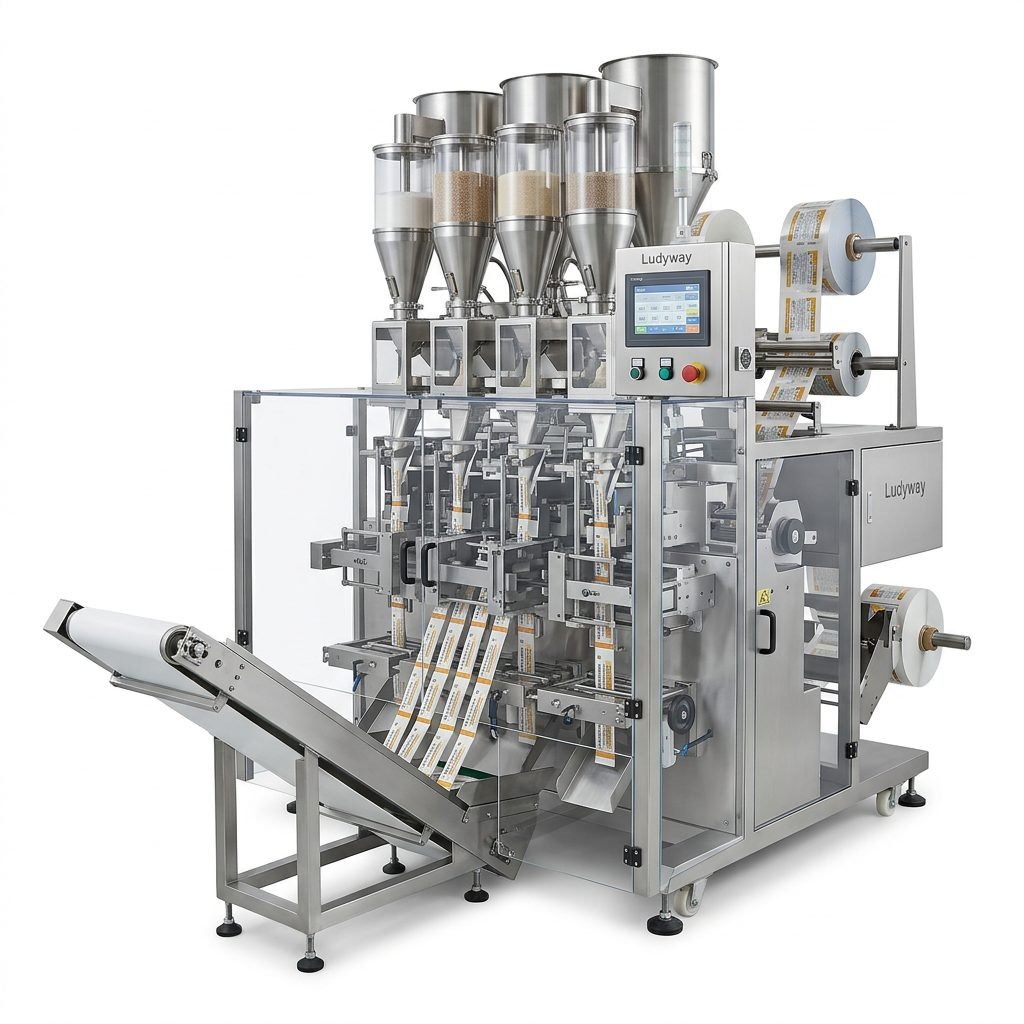
From heat sealers for flexible pouches to cappers for bottles, sealing equipment ensures product integrity and extends shelf life. Horizontal form-fill-seal (HFFS) and vertical form-fill-seal (VFFS) machines are particularly popular for producing stick packs and sachets, which align with American consumers’ preference for single-serve, on-the-go convenience.
Labeling & Coding Machines
Compliance and branding are paramount. These systems apply labels, barcodes, expiration dates, and batch numbers, meeting strict U.S. traceability requirements in pharmaceuticals and food production.
Cartoning & Case Packing Machines
They automate the loading of primary packages into cartons or shipping cases, crucial for high-speed production lines common in large-scale American manufacturing facilities.
How Packaging Machinery Works: Core Principles
While each machine type operates differently, most modern packaging systems in the U.S. integrate several key technological principles to ensure speed, accuracy, and hygiene.
1. Automation & PLC Control
The heart of modern packaging machinery is the Programmable Logic Controller (PLC). It automates the entire sequence—from product feeding and filling to sealing and ejection. This reduces human error and increases output, a critical factor for meeting the high-volume demands of the American market.
2. Precision Measurement & Dosing
Accuracy is non-negotiable, especially for costly pharmaceuticals or portion-controlled food items. Machines use load cells, servo motors, and optical sensors to achieve precise weight or volume control, ensuring every package meets label claims and regulatory standards.
3. Material Handling & Forming
In form-fill-seal systems, a roll of packaging film is shaped into a tube (vertical) or a pouch (horizontal), filled, and then sealed. This continuous process is highly efficient for producing a vast array of pouch styles popular with American consumers.
4. Quality Inspection & Rejection
Integrated vision systems or checkweighers inspect packages for defects, incorrect fill levels, or poor seals. Faulty products are automatically rejected, guaranteeing that only perfect packages proceed downstream. This aligns with the strong American focus on quality assurance and consumer safety.
Choosing the Right Packaging Equipment for Your U.S. Operation
Selecting machinery is a significant investment. For American businesses, this decision must balance operational needs, regulatory compliance, and cultural trends like sustainability and convenience.
Step 1: Define Your Product & Packaging Format
Start with your product’s physical characteristics (granule, powder, liquid, viscous) and your desired final package (stick pack, sachet, bottle, canister). Consider American consumer behavior: single-serve coffee sticks, protein powder pouches, and liquid supplement sachets are consistently trending formats.
Step 2: Evaluate Required Speed & Output (Throughput)
Calculate your required packages per minute (PPM) or per hour. A small-batch artisanal producer may need a semi-automatic machine, while a national brand requires a high-speed, fully automated line. Always plan for future growth.
Step 3: Prioritize Compliance & Safety Standards
In the U.S., equipment for food, pharmaceutical, or dietary supplement packaging must often comply with FDA, USDA, or cGMP guidelines. Ensure the machine is constructed with appropriate food-grade or sanitary-grade materials (e.g., 304 or 316 stainless steel) and is designed for easy cleaning and maintenance.
Step 4: Assess Integration & Flexibility
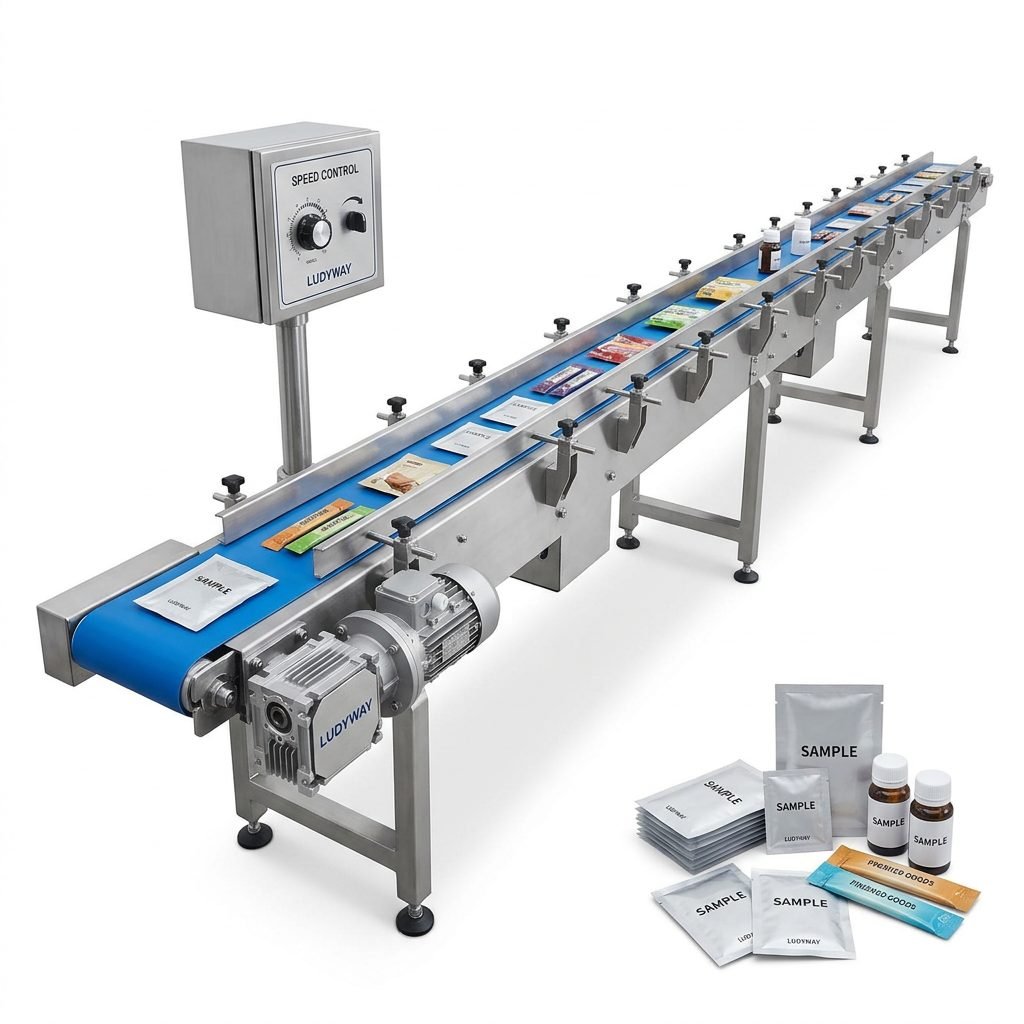
Will the machine integrate with your existing conveyor systems, upstream feeders, or downstream labelers? Also, consider flexibility. Can the machine handle multiple package sizes or different products with quick changeovers? This is vital for manufacturers producing seasonal or limited-edition items, a common strategy in the U.S. market.
Step 5: Analyze Total Cost of Ownership (TCO)
Look beyond the initial purchase price. Factor in installation, training, maintenance, spare parts availability, energy consumption, and potential downtime. Partnering with a reliable supplier who offers strong local technical support and service is invaluable for American operations to minimize disruption.
Step 6: Consider Sustainability & Consumer Trends
American consumers and retailers increasingly demand sustainable packaging. Choose machinery compatible with recyclable, compostable, or reduced-plastic materials. Equipment that minimizes material waste during operation (through precise sealing and cutting) is both environmentally and economically beneficial.
FAQs: American Packaging Machinery
Q: What is the most common type of packaging machine for food powders in the U.S.?
A: Auger filling machines paired with Vertical Form-Fill-Seal (VFFS) systems are extremely common. They offer excellent accuracy for powders like protein mixes, drink mixes, and spices, and the VFFS process efficiently creates the stand-up pouches popular on American shelves.
Q: How important is automation in U.S. packaging lines?
A: It is critical. High labor costs and the need for consistent hygiene and output make automation a cornerstone of modern American manufacturing. Automated lines with robotics and intelligent control systems are the standard for medium to large-scale production.
Q: Are there specific electrical or safety standards for importing machinery to the USA?
A: Yes. Machines must typically comply with U.S. electrical standards (UL, NEC) and safety standards like those from OSHA (Occupational Safety and Health Administration). Ensure your supplier can provide equipment that meets these requirements or can be easily adapted upon installation.
Q: What should I look for in a packaging machine supplier for the U.S. market?
A: Look for a supplier with proven experience in your industry, the ability to provide local spare parts and service support, a clear understanding of U.S. regulations, and a portfolio of reliable, high-performance machines. Strong after-sales support is as important as the equipment itself.
Q: Can one machine handle different packaging formats, like both stick packs and sachets?
A: Some advanced multi-lane machines are designed with this flexibility. They use interchangeable forming tubes and sealing jaws to switch between formats. This is a valuable feature for American companies testing new products or managing diverse SKUs without investing in multiple dedicated machines.