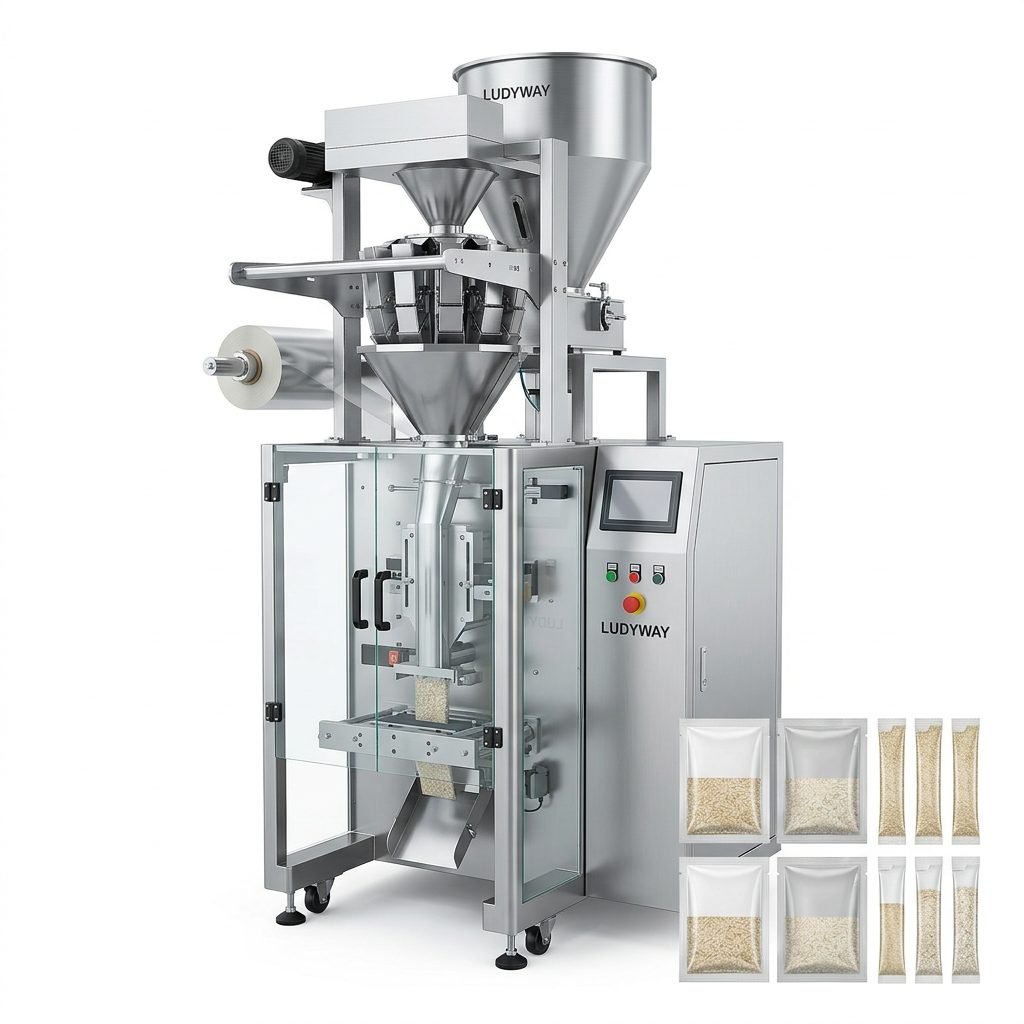
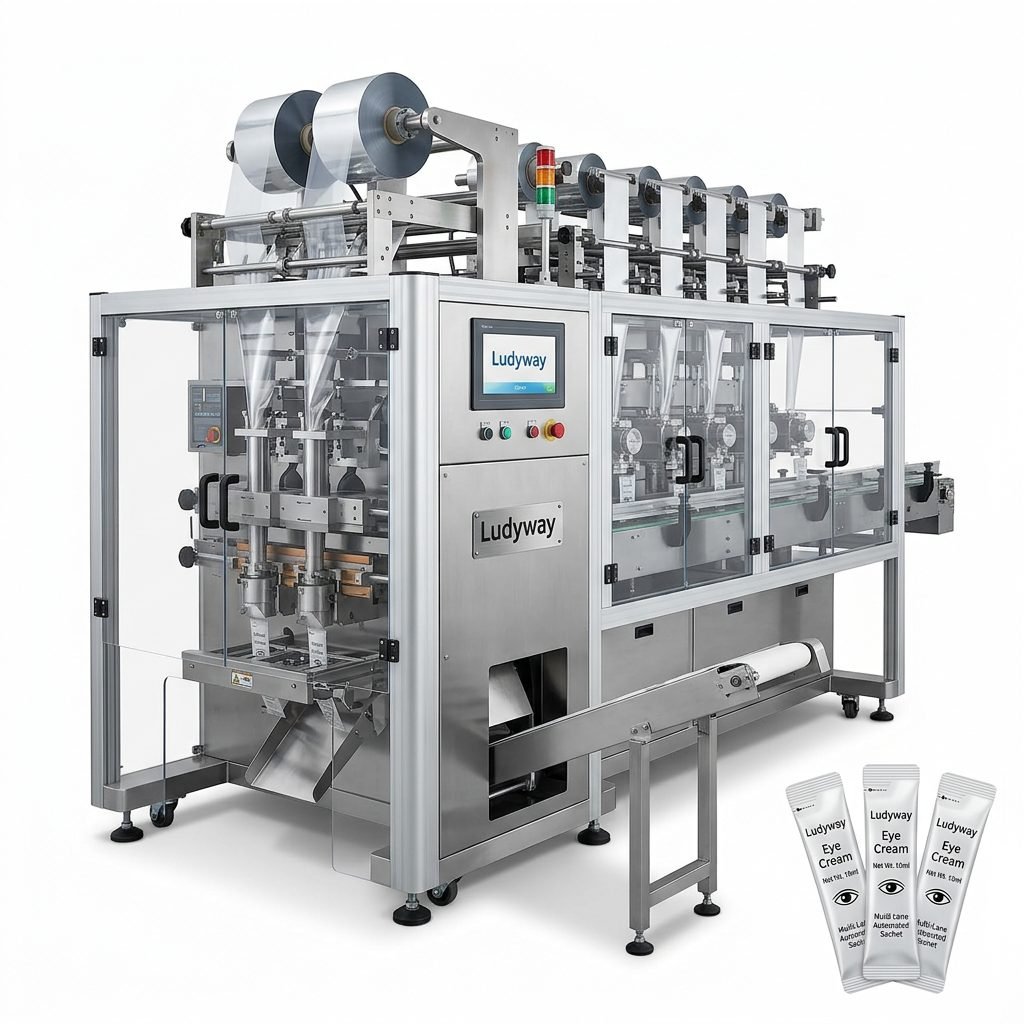
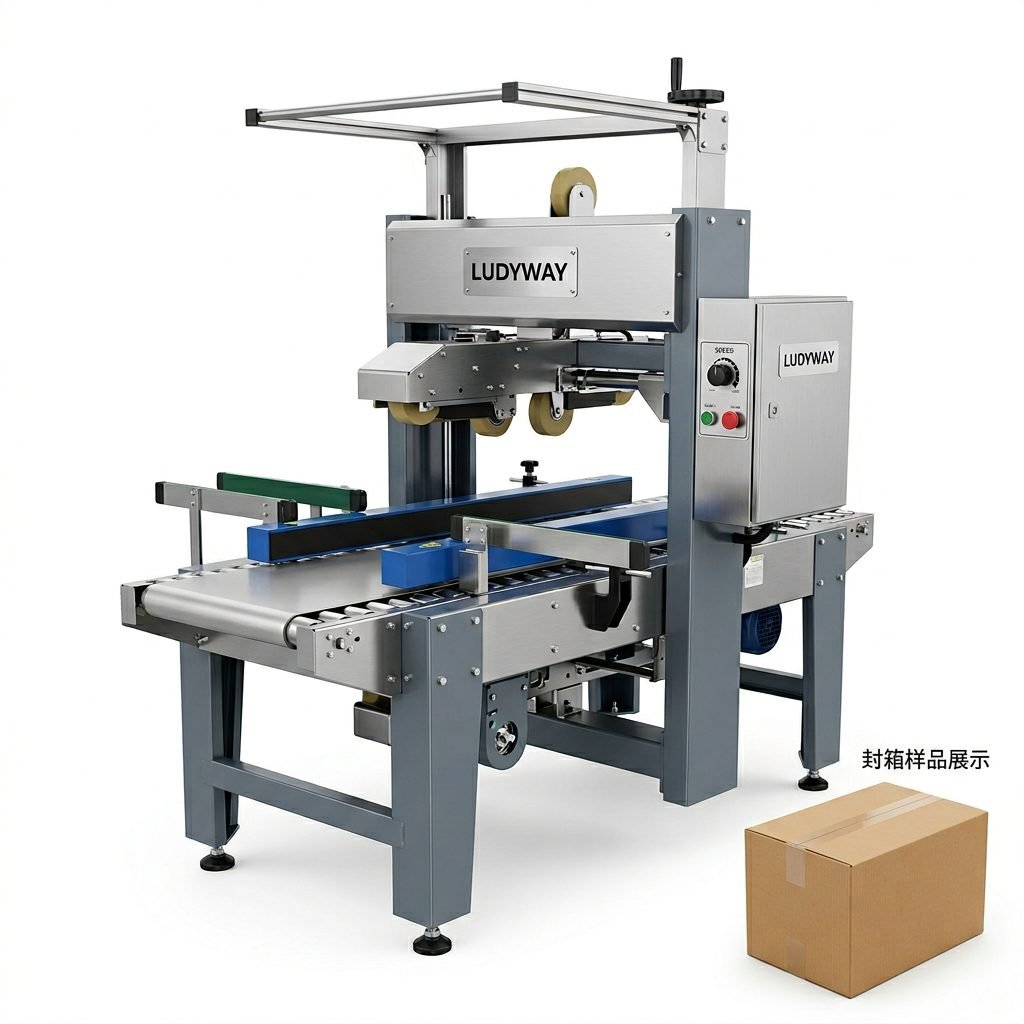
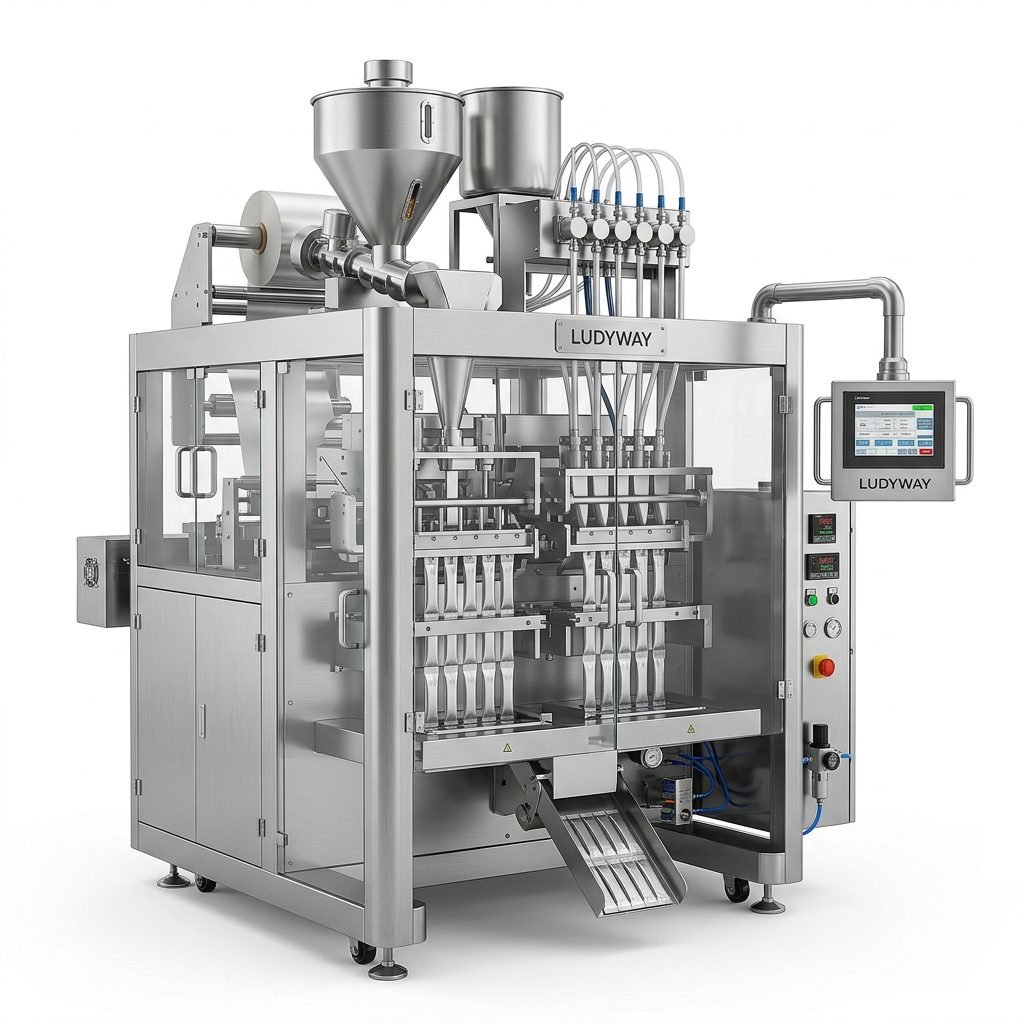
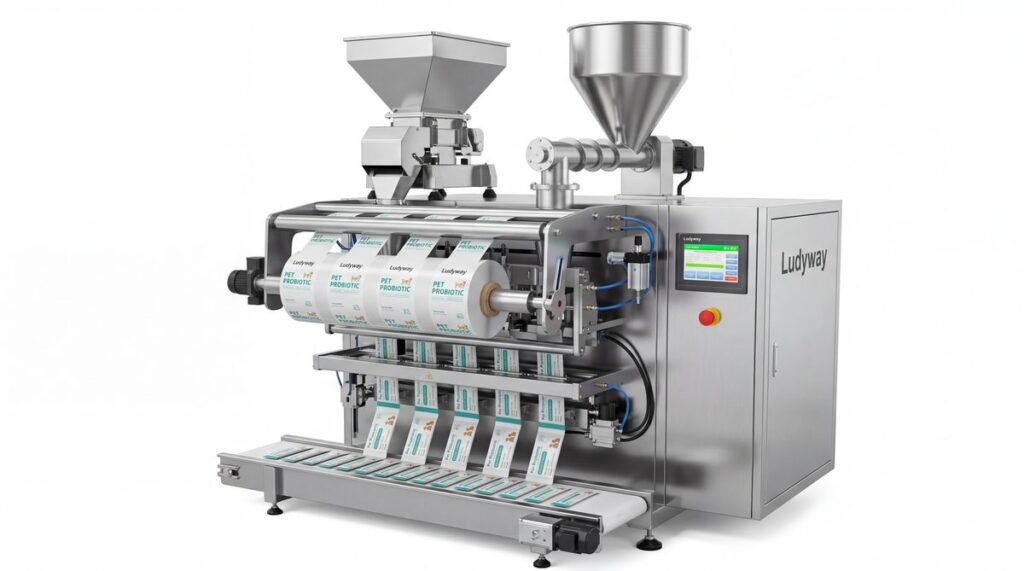
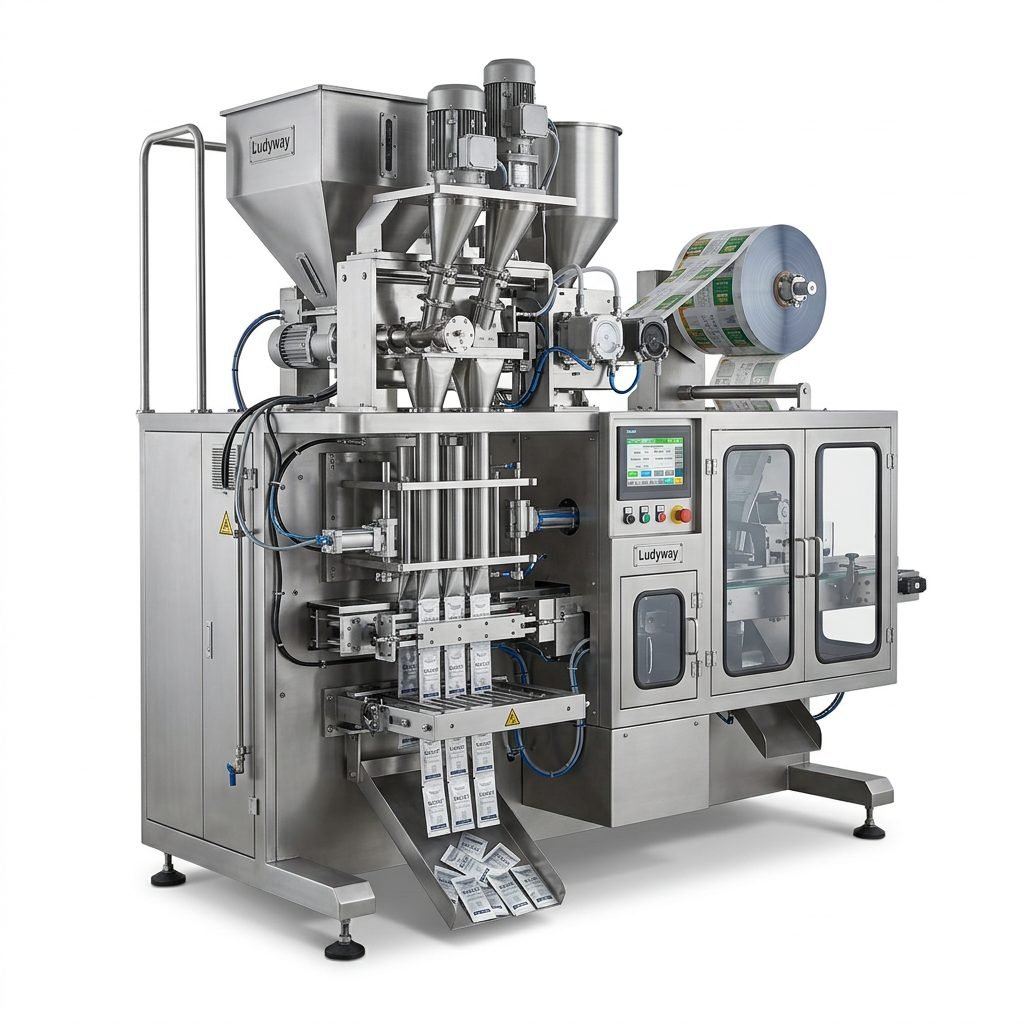
Purchasing used packaging equipment can be a strategic and cost-effective decision for businesses looking to expand production capabilities or replace aging machinery without the high capital investment of buying new. The market for pre-owned packaging machines is vast, encompassing everything from sachet and stick pack machines to complex granule and powder filling lines. However, navigating this market requires careful planning, thorough inspection, and a clear understanding of your specific production needs to ensure you acquire reliable machines that deliver value for years to come.
Why Consider Used Packaging Equipment?
The primary advantage is, of course, significant cost savings. High-quality packaging machinery represents a major investment. Opting for a well-maintained used machine can often provide 70-80% of the performance at 30-50% of the cost of a new equivalent. This allows businesses to allocate capital to other critical areas like marketing, R&D, or raw materials. Furthermore, lead times for used equipment are typically much shorter than waiting for a new machine to be manufactured and delivered. For companies needing to quickly ramp up production to meet sudden demand or fulfill a large contract, this can be a decisive factor.
Key Benefits at a Glance:
- Major Capital Cost Reduction: The most compelling financial reason.
- Faster Deployment: Get your production line up and running quickly.
- Proven Technology: The machine has a track record; its capabilities and common issues are often well-documented.
- Potential for Higher-End Models: A budget that might only afford a basic new machine could secure a premium, feature-rich used model from a top-tier manufacturer.
Step 1: Define Your Requirements Clearly
Before you even begin searching, you must have a crystal-clear specification. This is the most critical step to avoid costly mistakes.
Production Parameters:
- Product Type: Is it granules, powders, liquids, tablets, or pastes? Each requires specific filling and sealing technologies.
- Packaging Format: Do you need sachets, stick packs, pouches, bottles, or blister packs?
- Required Speed (Output): Calculate your required bags/per minute or hour based on your production targets.
- Material Compatibility: What packaging films or materials will you use (e.g., laminated films, aluminum foil)? The machine must be compatible.
Machine Specifications:
- Desired brand or manufacturer reputation.
- Required level of automation (manual, semi-automatic, fully automatic).
- Necessary features (e.g., date coding, nitrogen flushing, check-weighing).
- Available factory space, power supply (voltage, phase), and compressed air requirements.
Step 2: Sourcing Reliable Used Equipment
Finding the right machine involves looking in the right places and vetting the sellers.
Where to Look:
- Reputable Dealers & Brokers: Specialized dealers like Ludyway Machinery often refurbish and recondition machines, provide warranties, and offer technical support. They add significant value through their expertise.
- Auctions: Both online and physical auctions for business assets can offer deals but come with higher risk (“as-is, where-is” conditions).
- Direct from Manufacturers: Some OEMs have programs for selling their own used or trade-in equipment, which may come with re-certification.
- Networking & Industry Contacts: Sometimes the best opportunities come from within your professional network.
Vetting the Seller:
Always research the seller’s reputation. A company with a long history, like one with over 30 years in the packaging industry, typically has the experience and knowledge to provide accurate machine assessments and reliable after-sales service. Look for transparency, willingness to provide detailed information, and professional communication.
Step 3: The Critical Inspection Process
Never buy a used machine sight unseen. A thorough inspection is non-negotiable.
Inspection Checklist:
1. Physical & Mechanical Inspection:
- Wear and Tear: Inspect critical components like sealing jaws, cutting blades, fillers, and conveyors for excessive wear, cracks, or corrosion.
- Frame and Structure: Check for signs of damage, misalignment, or repairs that might indicate past accidents.
- Lubrication & Cleanliness: A well-maintained machine is usually clean, with proper lubrication points attended to.
2. Electrical & Control System Check:
- Control Panel: Inspect the PLC, HMI (touchscreen), drives, and relays. Are they modern or obsolete?
- Wiring: Look for frayed wires, messy cable management, or signs of past electrical issues.
- Safety Systems: Ensure all safety guards, interlocks, and emergency stops are present and functional.
3. Performance Test Run (Essential):
If possible, conduct a test run with a material similar to your product. Observe:
Speed & Consistency,
Seal Integrity,
Filling Accuracy.
Listen for unusual noises from motors, gears, or bearings.
Step 4: Negotiating and Finalizing the Purchase
Once you’ve identified a suitable machine, it’s time to negotiate terms.
Key Negotiation Points:
- Price: Base your offer on the machine’s age, condition, hours of operation, and market comparables.
- Warranty: Even a short 3-6 month warranty from a reputable dealer is invaluable and signifies confidence in the equipment. This is a key advantage of buying from established suppliers who have the technical capability to support what they sell.
- Spare Parts: Inquire about the availability and cost of critical spare parts. Are they readily available from the OEM or the dealer?
- Support & Training: Will the seller provide installation support, operational training, or technical documentation (manuals, electrical diagrams)?
- Logistics: Clearly define who is responsible for and bears the cost of crating, shipping, and insurance. Get multiple quotes for transportation.
Partnering with a supplier that offers complete turnkey production solutions can be beneficial, as they understand how the machine integrates into a larger line and can provide more holistic support.
Ensuring Long-Term Reliability
Your responsibility begins once the machine is installed. To protect your investment:
Implement a rigorous preventive maintenance schedule from day one. Use original or high-quality spare parts for critical components. Ensure your operators are properly trained, not just to run the machine, but to perform basic troubleshooting and adjustments. Keeping a detailed log of performance, maintenance, and any issues will help in diagnosing future problems and planning parts inventory.
Choosing a partner with a strong service network, like a company serving customers worldwide, can provide peace of mind, knowing expert help is available if needed, regardless of your location.
Frequently Asked Questions (FAQs)
1. Is used packaging equipment less reliable than new?
Not necessarily. A well-maintained, high-quality used machine from a reputable brand can be extremely reliable. The key is the machine’s history, condition, and how it has been refurbished. A machine from a professional dealer that has been inspected, serviced, and tested often provides excellent reliability at a fraction of the new cost.
2. What is the most important thing to check when buying used?
A live, full-speed performance test run with your actual product or a close substitute is paramount. This reveals the true condition of seals, fillers, cutters, and drives better than any visual inspection. Always verify the machine’s output speed and accuracy match your requirements during this test.
3. Should I buy from a dealer or directly from another company?
For most buyers, a reputable specialized dealer is the safer choice. They typically refurbish machines, offer warranties, provide technical support, and have the expertise to ensure the machine is fit for purpose. Buying directly (“as-is”) can offer lower prices but carries significantly higher technical and financial risk.
4. How can I ensure spare parts will be available for an older model?
Before purchasing, research the availability of critical spare parts (sealing jaws, PLCs, servo motors) with the dealer or the original manufacturer. Reputable dealers often stock common wear parts for the models they sell. Choosing a machine from a major brand with a long market presence generally ensures better parts availability than obscure models.
5. Can used equipment be integrated into my existing automated line?
Yes, but it requires careful planning. You must ensure compatibility in terms of communication protocols (e.g., Ethernet/IP, Profinet), mechanical interfaces (conveyor height/speed), and control systems. Involving an experienced automation integrator or a supplier experienced in customized automation solutions during the planning stage is highly recommended to assess and facilitate integration.