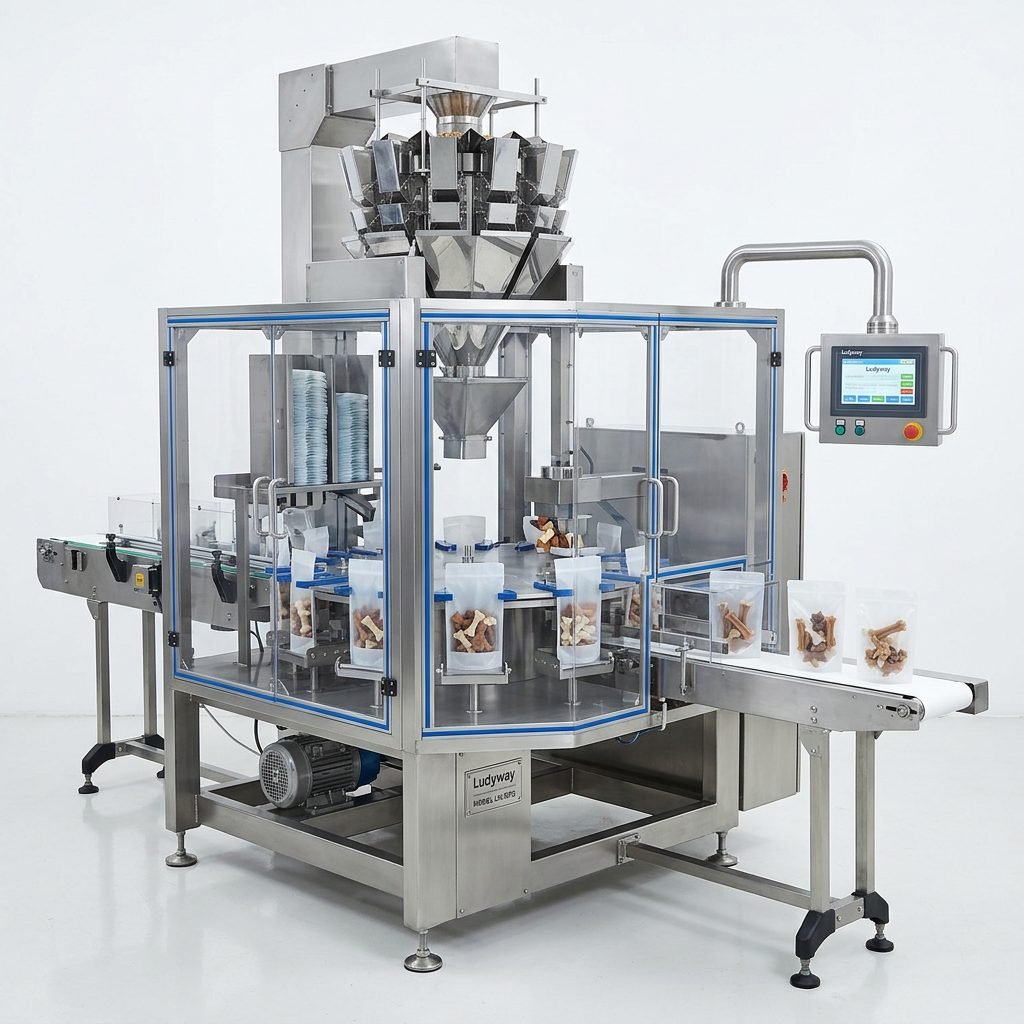
Selecting the right packaging equipment distributor is a critical business decision that impacts production efficiency, product quality, and long-term operational costs. The choice extends beyond simply purchasing a machine; it involves forming a strategic partnership with a supplier who understands your industry’s nuances, can provide reliable technology, and offers sustained support. With numerous distributors in the market, from general equipment traders to specialized solution providers, knowing how to evaluate and choose the right partner is essential for securing a competitive edge.
Key Factors in Evaluating Packaging Equipment Distributors
Before initiating your search, define your specific operational requirements. Consider your product type (granules, powder, liquid, tablets), required output speed, packaging format (stick packs, sachets, pouches, bottles), and any necessary compliance standards (e.g., FDA, GMP for food or pharmaceuticals). A clear understanding of your needs will help you filter distributors who offer relevant solutions rather than generic options.
Core Evaluation Criteria
Industry Specialization & Experience: Look for distributors with proven expertise in your specific sector. A supplier familiar with food-grade hygiene requirements will differ from one specializing in pharmaceutical blister packaging. Years of operation and project portfolios in your industry are strong indicators of relevant experience.
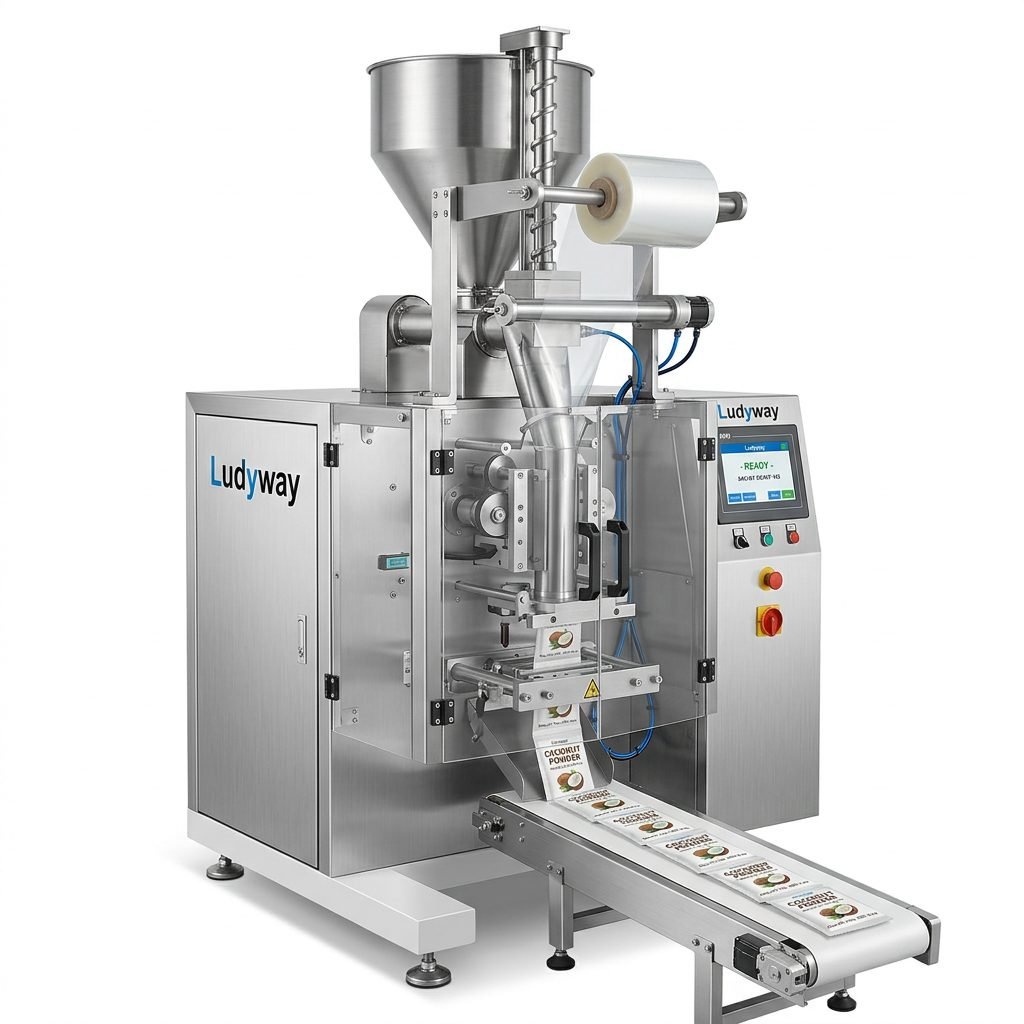
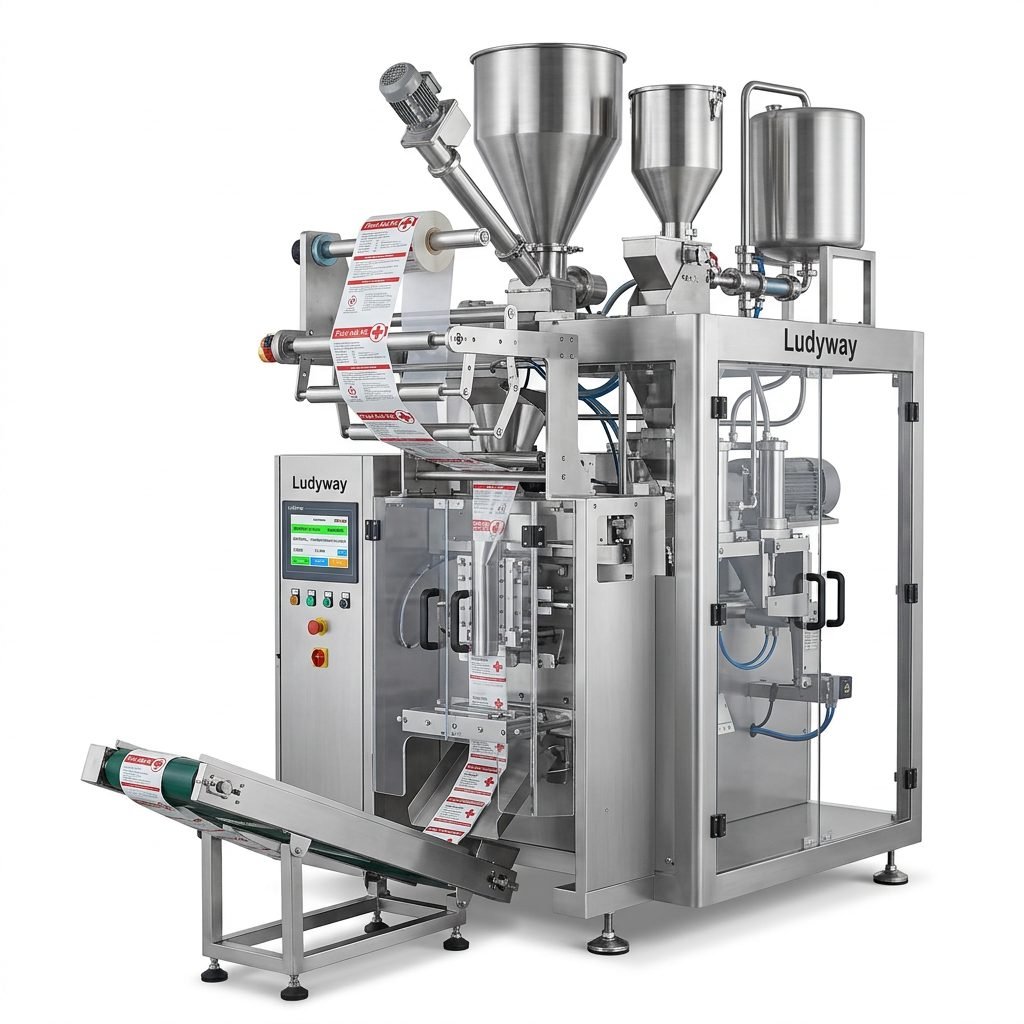
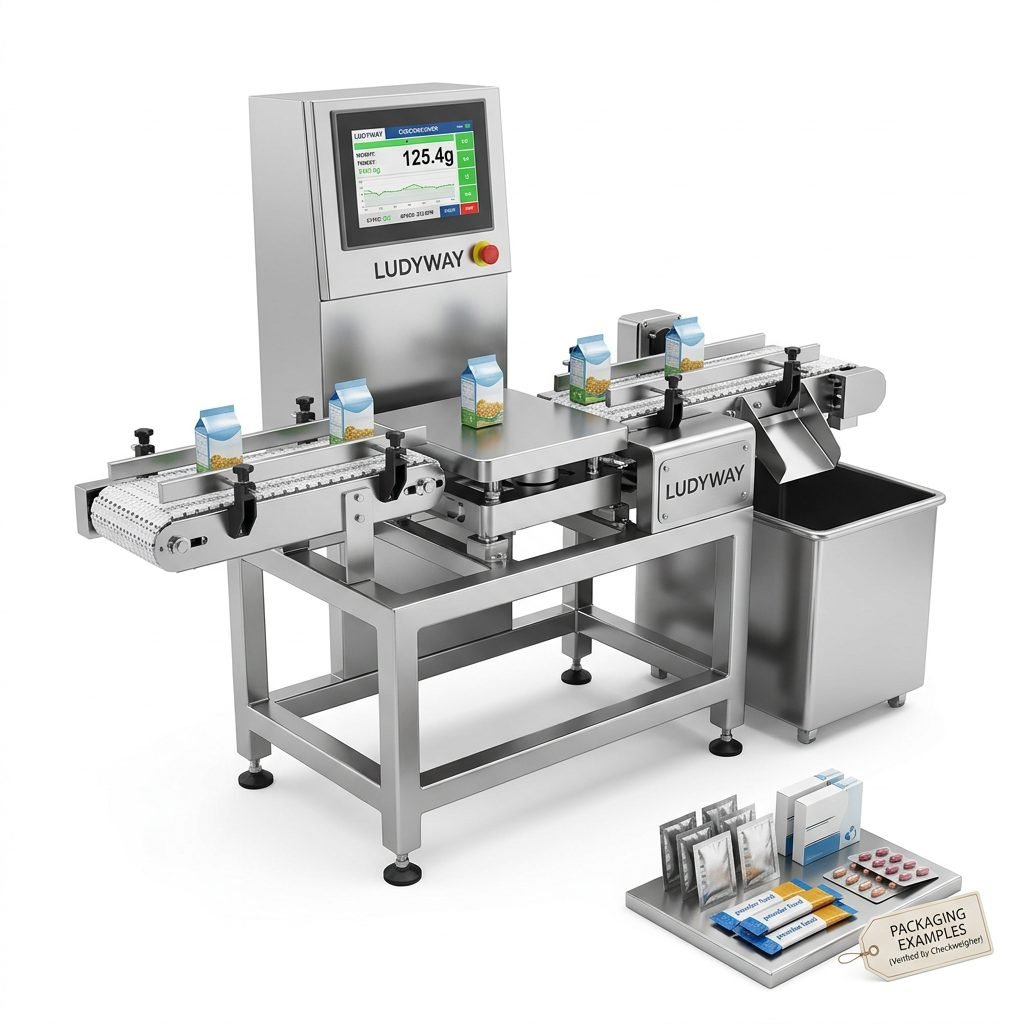
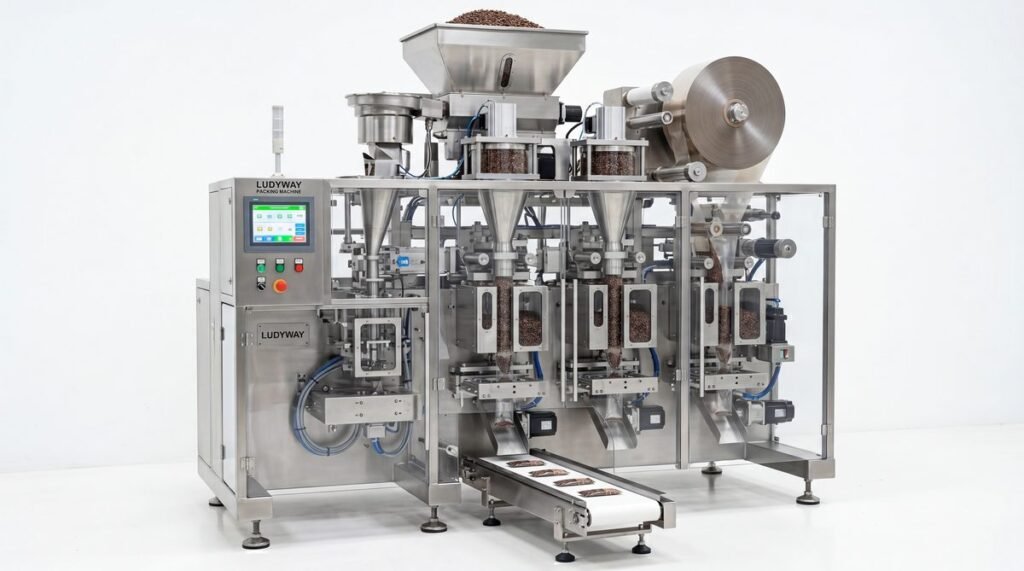
Product Range & Technical Capability: Does the distributor offer a comprehensive range of machinery? A provider like Ludyway Machinery, with over 50 models of intelligent packaging systems, can often provide more integrated solutions. Assess their engineering support for customization and integration into existing lines.
Manufacturing & Quality Assurance: Investigate whether the distributor owns manufacturing facilities or partners with reputable factories. In-house production, supported by a 20,000㎡ modern facility, allows for better quality control, quicker customization, and more direct technical oversight compared to a pure trading company.
After-Sales Service & Global Support: Packaging machinery requires maintenance, parts, and potential upgrades. Ensure your distributor has a robust service network, readily available spare parts, and responsive technical support. For international businesses, verify their capability to provide timely service in your region.
The Supplier Selection Process: A Step-by-Step Guide
A structured approach to selection minimizes risk and helps identify the most suitable partner for your long-term growth.
Step 1: Comprehensive Market Research & Shortlisting
Begin by gathering a list of potential distributors through industry trade shows, B2B platforms, professional associations, and referrals from peers. Analyze their online presence, client testimonials, and case studies. Shortlist 3-5 companies that appear to align with your core requirements in terms of product offering and market reputation.
Step 2: In-Depth Technical & Commercial Dialogue
Engage with shortlisted suppliers through detailed consultations. Present your specific requirements and request tailored proposals. This stage should involve discussions on:
→ Machine specifications and performance guarantees.
→ Customization options and integration feasibility.
→ Pricing structure, payment terms, and delivery timelines.
→ Detailed breakdown of after-sales service agreements.
Step 3: Due Diligence & Verification
Do not rely solely on proposals. Conduct thorough due diligence:
• Request client references and contact them to inquire about machine performance, reliability, and service responsiveness.
• If possible, arrange a factory visit or a virtual tour to inspect manufacturing processes, quality control systems, and inventory management. Seeing a 30+ years experienced team in action builds confidence.
• Verify certifications, patents, and compliance documents relevant to your industry.
Step 4: Final Evaluation & Partnership Decision
Compare proposals not just on price, but on Total Cost of Ownership (TCO), which includes long-term service costs, expected uptime, energy efficiency, and potential for future scalability. Choose the distributor that offers the best balance of technical competence, reliable support, and value, fostering a true partnership aimed at your continuous improvement.
Benefits of Partnering with a Specialized Solution Provider
Choosing a distributor that acts as a solution provider, rather than just a equipment seller, brings multifaceted advantages to your business operations.
Enhanced Production Efficiency & Uptime
Specialized providers design solutions to maximize your line’s output and minimize downtime. Their deep application knowledge helps in selecting or engineering machinery that matches your exact speed and format requirements, ensuring smoother operations from day one.
Access to Innovation & Customized Engineering
Providers with strong R&D and engineering partnerships, like those focusing on turnkey production solutions, can offer the latest advancements in automation, control systems, and sustainable packaging. They can tailor equipment to handle unique product characteristics or integrate seamlessly with your existing infrastructure.
Long-Term Reliability & Reduced Operational Risk
A partner invested in your success ensures machinery is built to last and supported proactively. This reduces the risk of catastrophic production stoppages. Their expertise becomes an extension of your own team, helping you navigate technical challenges and plan for future expansion.
Common Pitfalls to Avoid When Choosing a Distributor
Being aware of common mistakes can save significant time, money, and operational headache.
Prioritizing Price Over Value & Support: The cheapest capital expenditure often leads to the highest operating costs due to frequent breakdowns, poor service, and inefficient performance. Evaluate the long-term partnership value.
Overlooking Service & Parts Logistics: Ensure clear agreements on warranty, response times for service calls, and availability of spare parts. A distributor with a global network is crucial for international operations.
Ignoring Scalability and Future Needs: Your packaging needs will evolve. Choose a partner whose product range and engineering capability can scale with you, accommodating new formats, higher speeds, or additional functionalities without requiring a complete line overhaul.
Frequently Asked Questions (FAQs)
1. What is the main difference between a packaging equipment distributor and a manufacturer?
A manufacturer designs and builds the machinery. A distributor may be the manufacturer itself selling directly, or a company that sells and supports machinery from one or multiple manufacturers. Some distributors, like Ludyway, operate with a hybrid model, leveraging strong manufacturing partnerships and in-house expertise to offer customized, brand-specific solutions with full accountability.
2. How important is it for the distributor to have experience in my specific industry (e.g., food vs. pharmaceuticals)?
It is critically important. Different industries have vastly different regulatory requirements (hygiene, safety, traceability), material handling characteristics, and precision needs. An experienced distributor will understand these nuances, recommend compliant equipment, and help you avoid costly compliance or performance issues.
3. Should I always request a machine test with my own product?
Yes, whenever feasible. A product test run is the most reliable way to verify machine performance, output quality, and speed using your specific materials. Reputable distributors often have testing facilities and encourage this step to ensure customer satisfaction and project success before installation.
4. What key questions should I ask about after-sales service?
Ask about the length and terms of the warranty, the location and size of their service team, average response time for support requests, spare parts inventory and delivery time, availability of training for your operators, and options for remote diagnostics and support.
5. How can I assess the financial and operational stability of a distributor?
Indicators include their years in business, growth trajectory, size of their engineering and service teams, investment in manufacturing or testing facilities, and transparency in communication. Client references and a history of successful long-term projects are also strong indicators of stability and reliability.