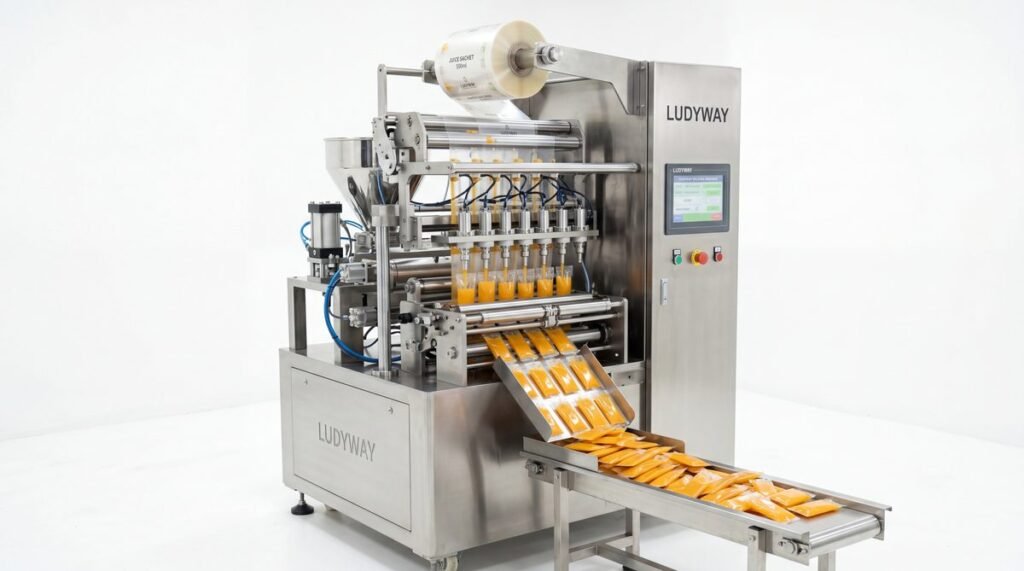
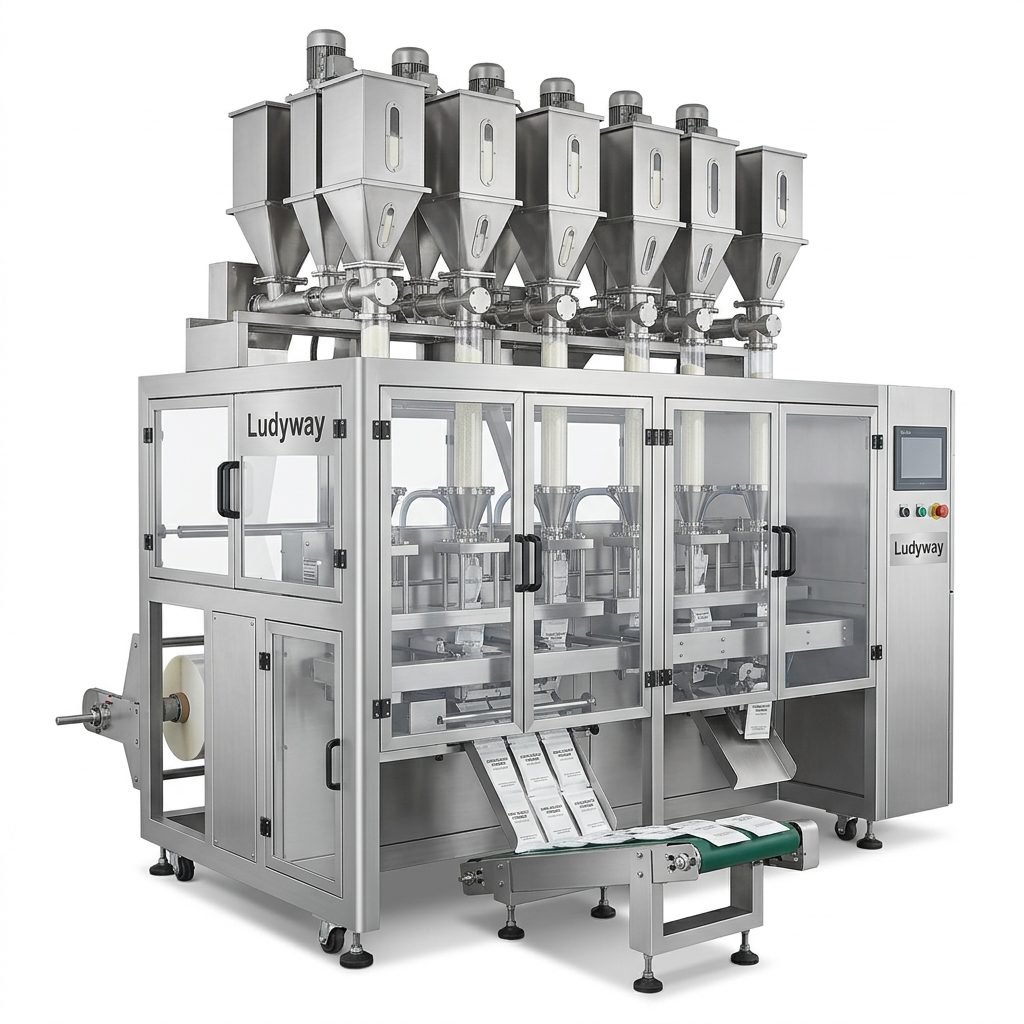
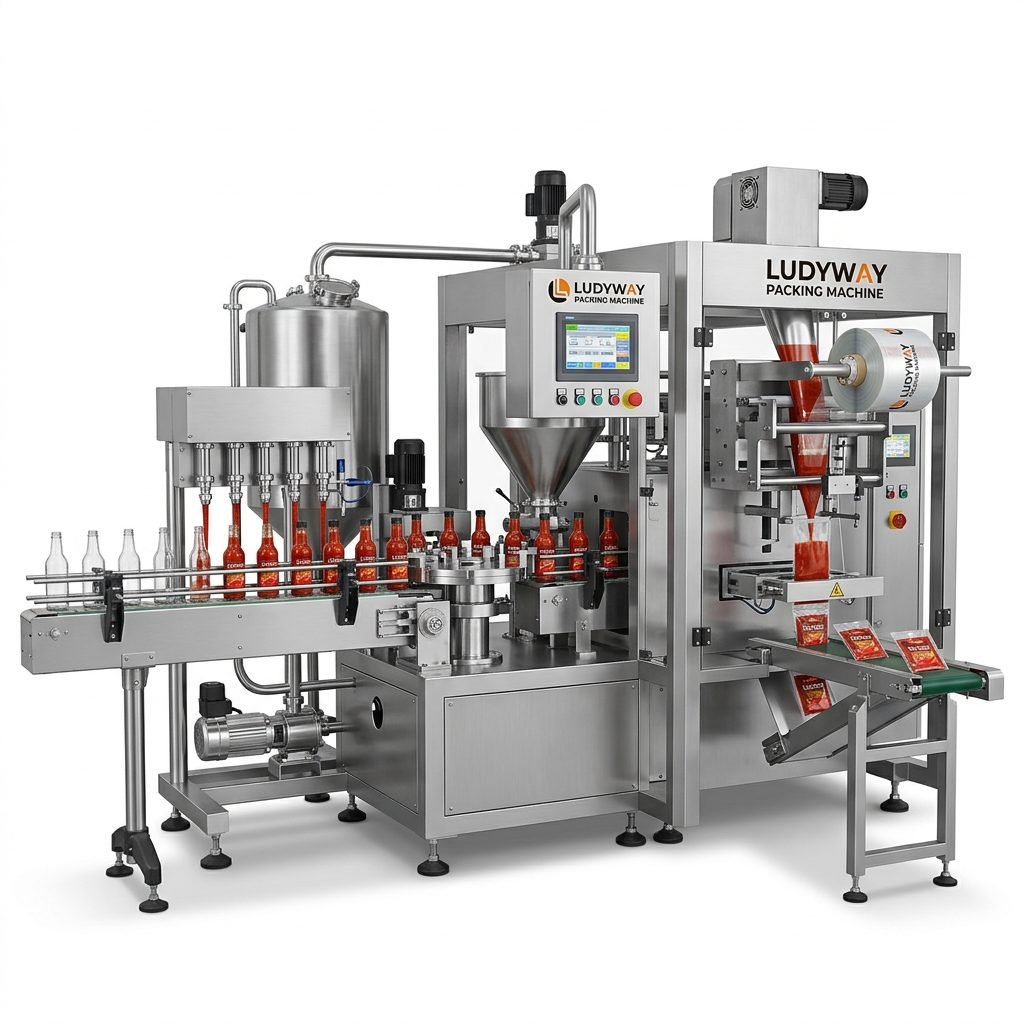
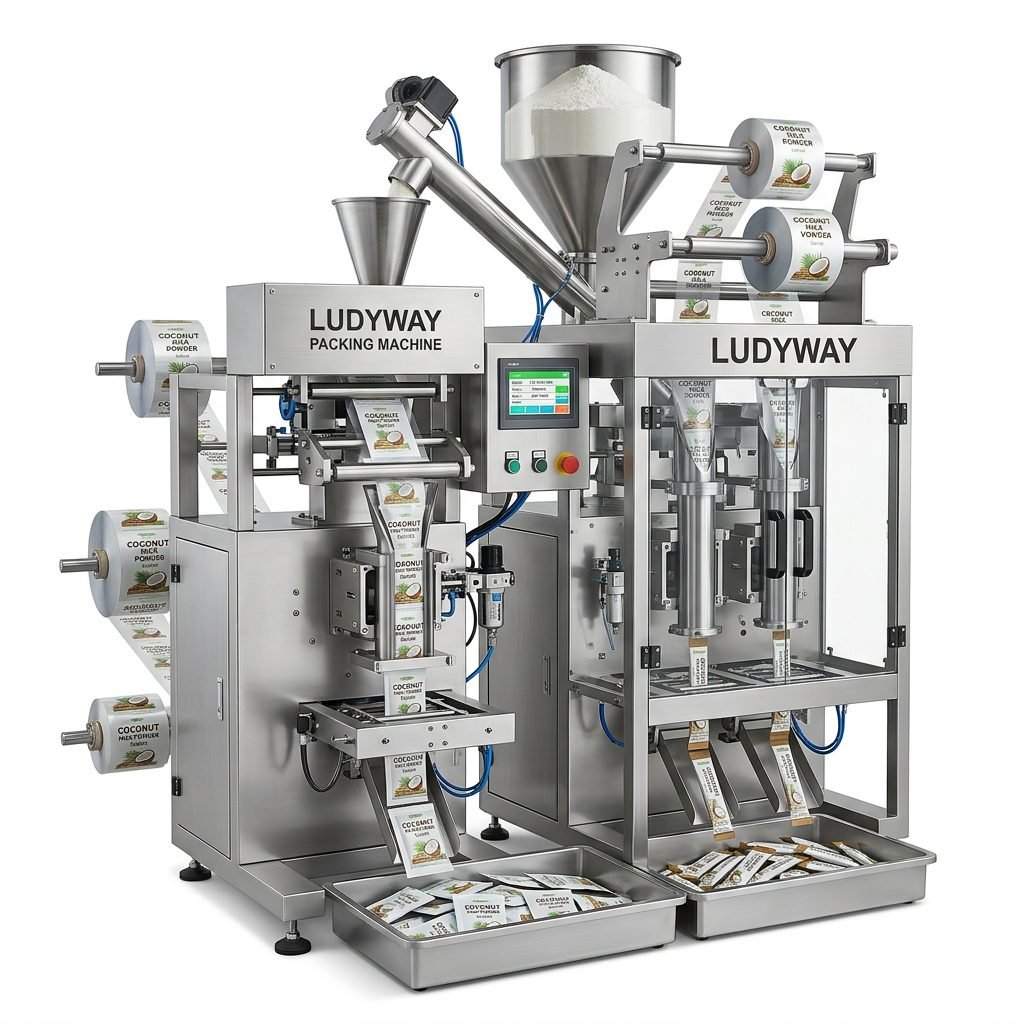
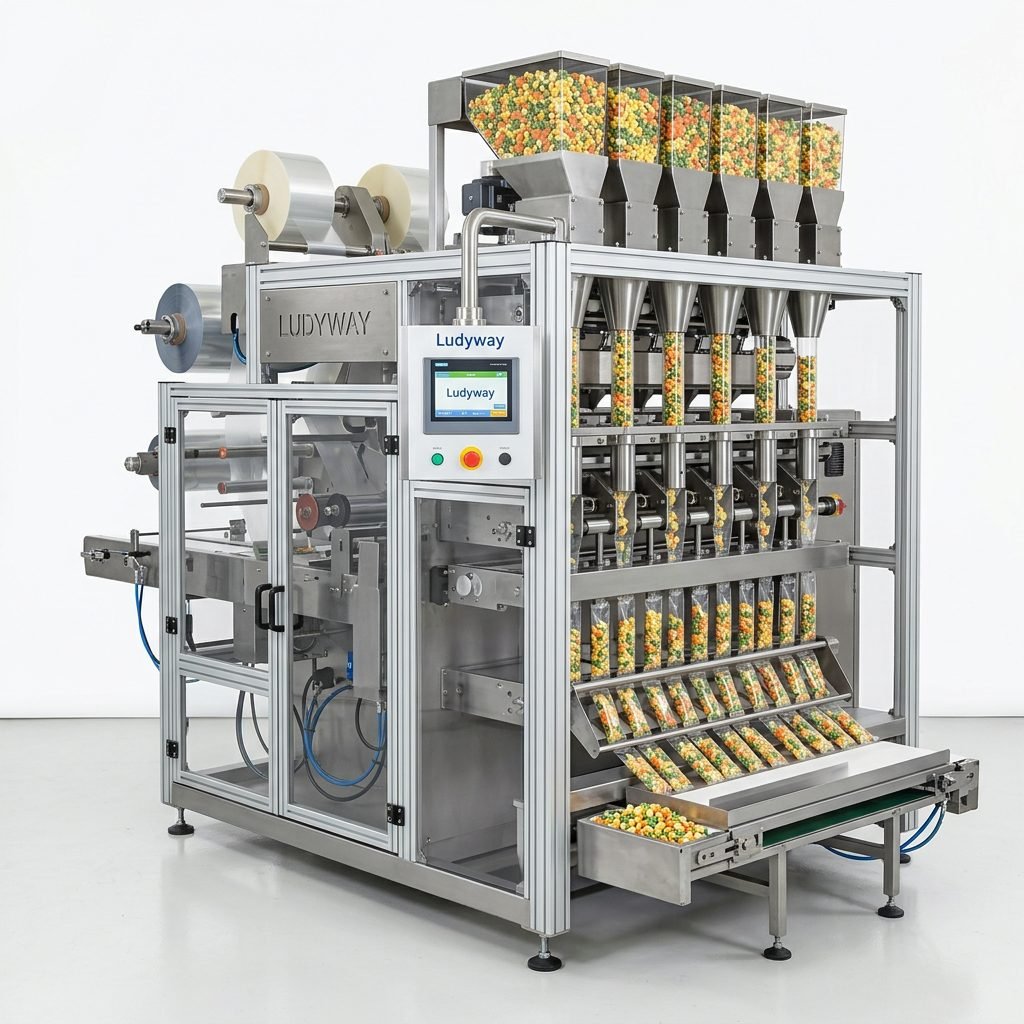
In today’s fast-paced manufacturing landscape, the integration of Automated Packaging Equipment Solutions is no longer a luxury but a critical necessity for maintaining competitive and Efficient Production Lines. These systems streamline operations, reduce labor costs, minimize errors, and significantly boost output, directly impacting a company’s bottom line and market responsiveness.
The Core Components of an Automated Packaging Line
A truly efficient automated packaging system is a symphony of interconnected machines, each performing a specific role with precision. Understanding these components is the first step toward optimization.
1. Primary Packaging Machines
This is where the product first meets its package. These machines are highly specialized based on product form:
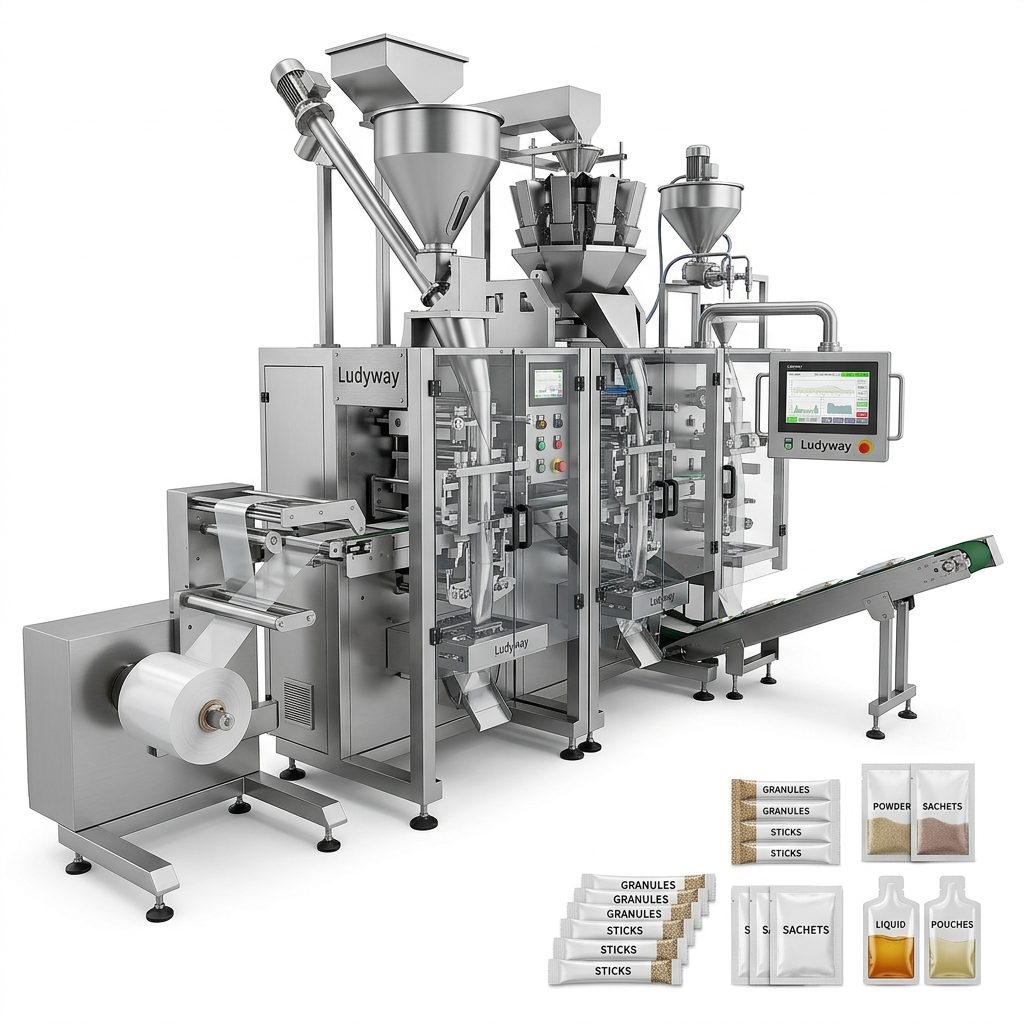
- Vertical Form-Fill-Seal (VFFS) Machines: The workhorses for granules, powders, and small solids, creating bags from a roll of film, filling them, and sealing them in one continuous motion.
- Horizontal Form-Fill-Seal (HFFS) Machines: Ideal for arranging multiple items (like biscuits or bars) into trays or flow-wrapped packages.
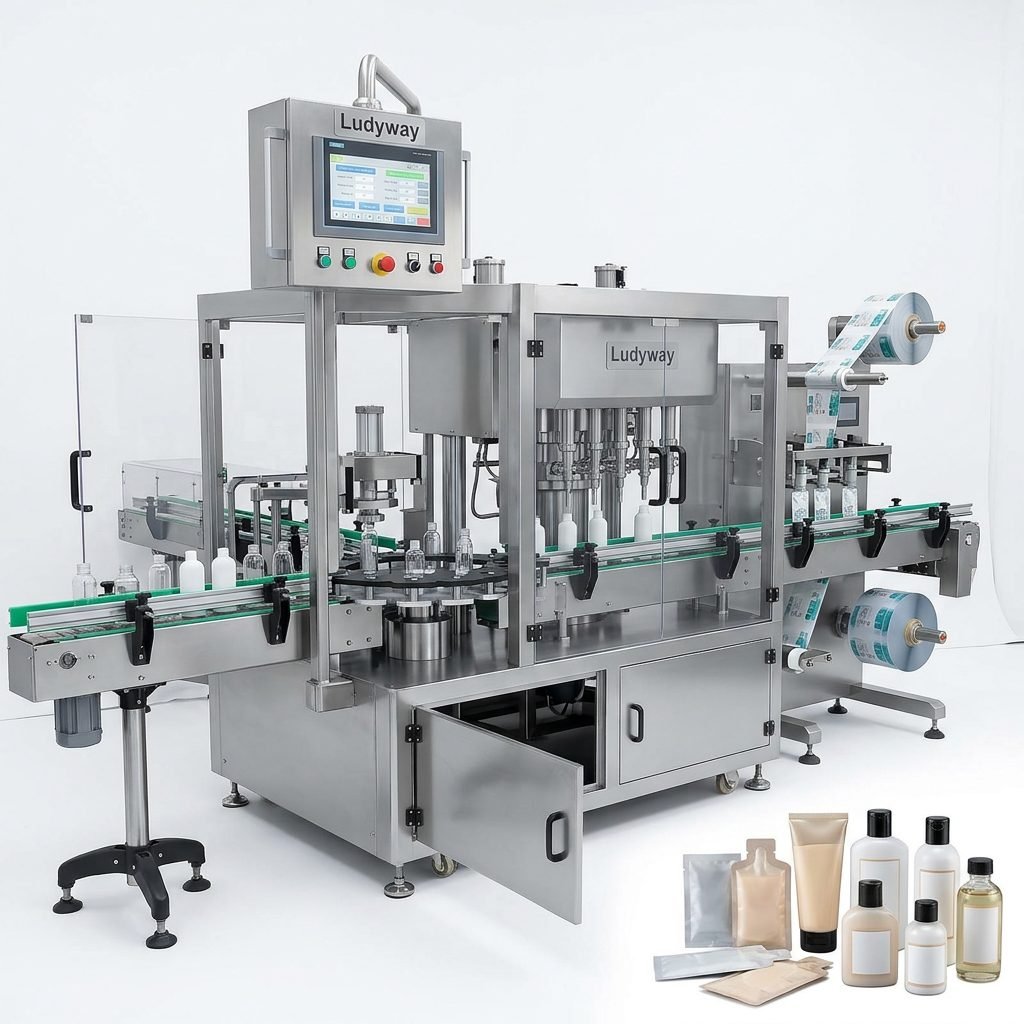
- Liquid & Paste Fillers: Utilizing piston, gravity, or pump-driven systems for accurate volumetric or weight-based filling of bottles, pouches, or tubes.
2. Secondary Packaging & Handling Systems
Once the primary package is sealed, the automation continues. This stage involves:
→ Cartoning Machines: Automatically erect, load, and close cartons or boxes.
→ Case Packers & Palletizers: Group finished cartons into shipping cases and then stack cases onto pallets for storage or shipment, optimizing logistics.
> Conveyors & Sortation Systems: The arteries of the production line, moving products between stations smoothly and efficiently.
Key Benefits Driving Adoption
The shift toward automation is driven by tangible, multifaceted benefits that address core industrial challenges.
Unmatched Speed and Consistent Throughput
Automated systems operate 24/7 without fatigue, maintaining a constant, high-speed output that manual labor simply cannot match. This consistency is vital for meeting large orders and just-in-time delivery schedules.
Precision and Dramatic Waste Reduction
Advanced weighing sensors and servo-driven mechanisms ensure each package contains the exact amount of product. This “giveaway” reduction saves vast amounts of raw material over time. Furthermore, automated sealing is more consistent, lowering the rate of leakers and rejected packages.
Enhanced Safety and Hygiene
By handling repetitive and physically demanding tasks, automation reduces workplace injuries. In sensitive industries like food and pharmaceuticals, minimized human contact is a critical hygiene control point, reducing contamination risks and helping facilities meet stringent standards like GMP and HACCP. For more on industry-specific solutions, explore our food packaging systems.
Implementing Your Automated Solution: A Strategic Approach
Successful integration requires careful planning beyond just purchasing machines.
Step 1: Comprehensive Line Audit
Analyze your current process flow, bottlenecks, product characteristics (size, shape, fragility), and desired output goals. This audit forms the blueprint for your custom solution.
Step 2: Choosing the Right Technology Partner
Select a supplier with proven expertise in your industry and product type. Look for a partner that offers robust after-sales support, training, and the ability to provide a complete turnkey solution, ensuring all components work in harmony.
Step 3: Integration and Future-Proofing
Ensure new equipment can communicate with existing machinery (e.g., via PLC or industrial networks). Consider modular designs that allow for easy future upgrades or reconfiguration as your product portfolio evolves. Learn about our integrated turnkey production lines.
The Future: Smart Packaging Lines
The next evolution is the “smart” or Industry 4.0 packaging line. These systems are equipped with IoT sensors and data analytics capabilities, providing real-time insights into Overall Equipment Effectiveness (OEE), predicting maintenance needs, and enabling remote monitoring for unparalleled operational control and efficiency gains.
Conclusion
Investing in automated packaging equipment is a strategic decision that transforms production lines from cost centers into powerful engines of efficiency, quality, and growth. By understanding the components, benefits, and implementation strategy, manufacturers can make informed choices that yield a rapid return on investment and secure a competitive advantage in the global market.
Frequently Asked Questions (FAQs)
1. What is the typical ROI period for automated packaging equipment?
The payback period varies but often ranges from 12 to 24 months. This is achieved through labor savings, reduced material waste, increased output, and lower product rejection rates. A detailed analysis based on your specific operation can provide a more accurate forecast.
2. Can automated systems handle flexible or variable product sizes?
Yes. Modern machines with servo-driven technology and quick-change parts allow for rapid changeovers between different product sizes or package types. This flexibility is key for manufacturers with diverse product lines.
3. How important is after-sales service and support?
It is critical. Reliable technical support, readily available spare parts, and operator training are essential for maximizing uptime and the long-term success of your investment. Always evaluate a supplier’s support network.
4. Are automated lines suitable for small and medium-sized enterprises (SMEs)?
Absolutely. Automation is scalable. There are compact, semi-automatic, and modular solutions designed to fit smaller budgets and production spaces while still delivering significant efficiency gains, allowing SMEs to grow progressively.
5. What are the key maintenance requirements?
Regular preventive maintenance is vital. This typically includes daily cleaning, lubrication of moving parts, inspection of seals and wear components, and calibration of weighing and filling systems. A good supplier will provide a clear maintenance schedule and training.