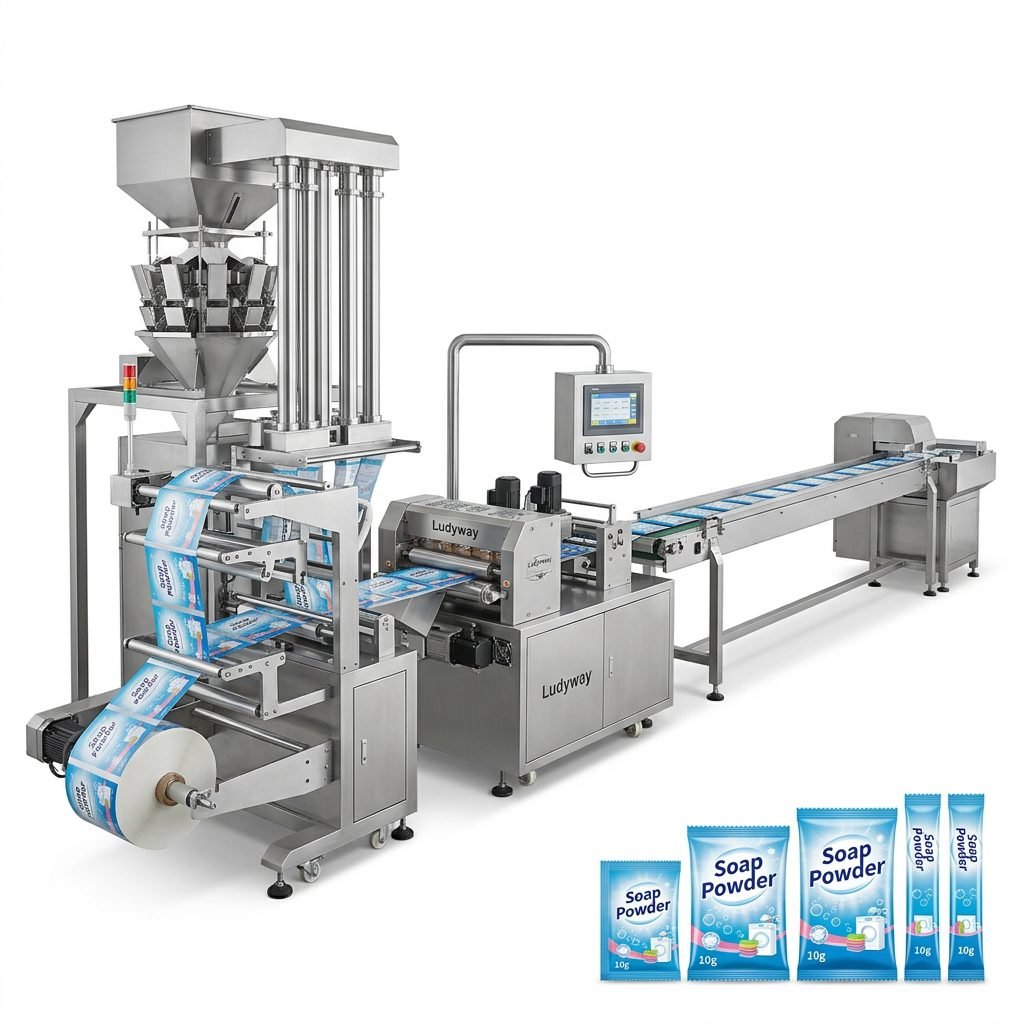
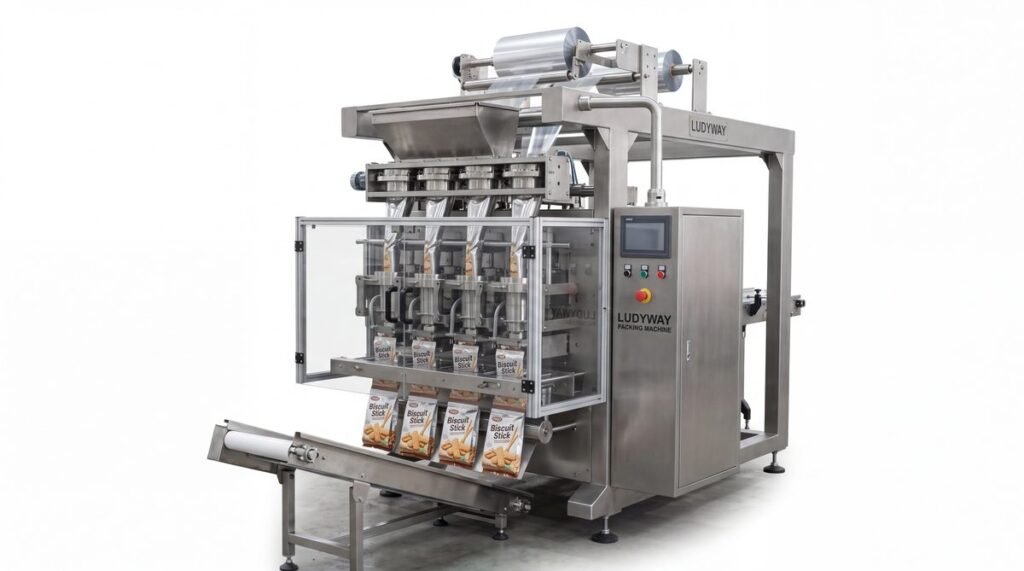
Selecting the right food packaging equipment manufacturer is a critical decision that directly impacts your production efficiency, product quality, and overall business profitability. The market offers a vast array of suppliers, from global giants to specialized regional players, making the choice complex. This guide will walk you through the essential factors to consider, ensuring you partner with a manufacturer that aligns with your specific production line requirements and long-term goals.
Core Factors for Evaluating Packaging Equipment Manufacturers
Before diving into specific suppliers, establish a clear framework for evaluation. The right partner should excel in more than just machinery sales; they should be a solution provider.
1. Technical Expertise and Machine Range
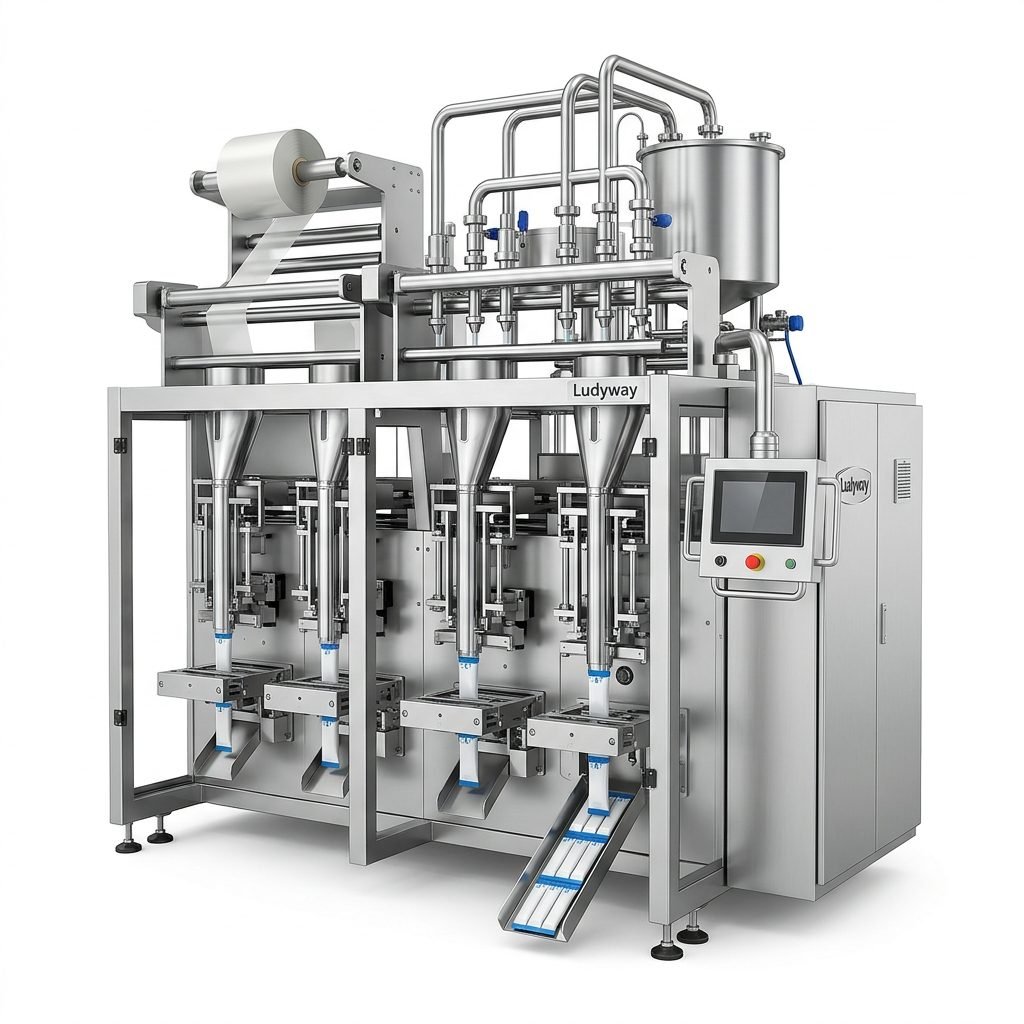
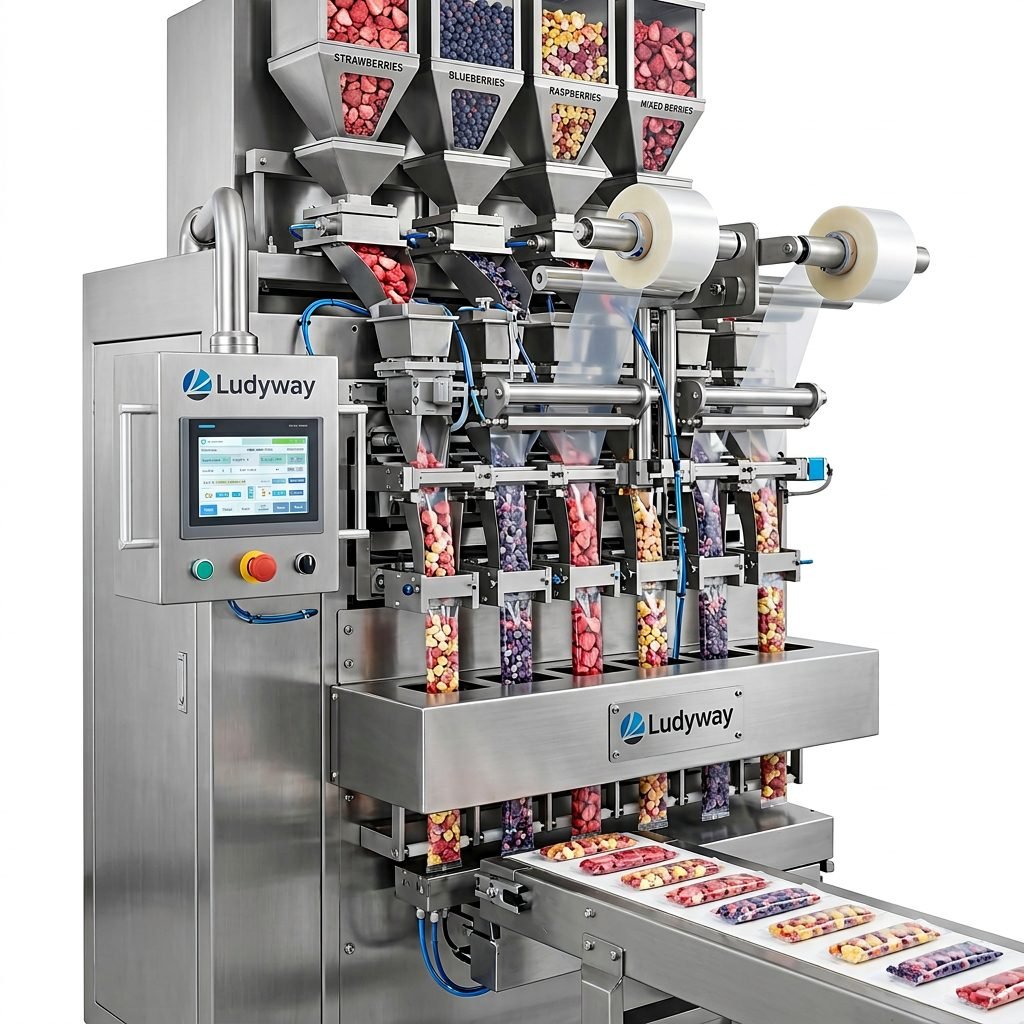
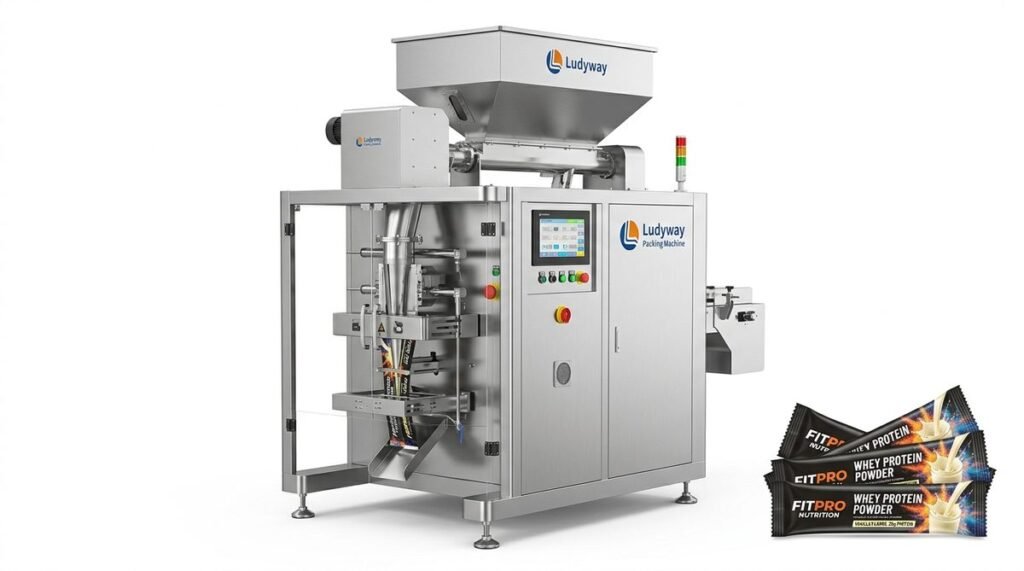
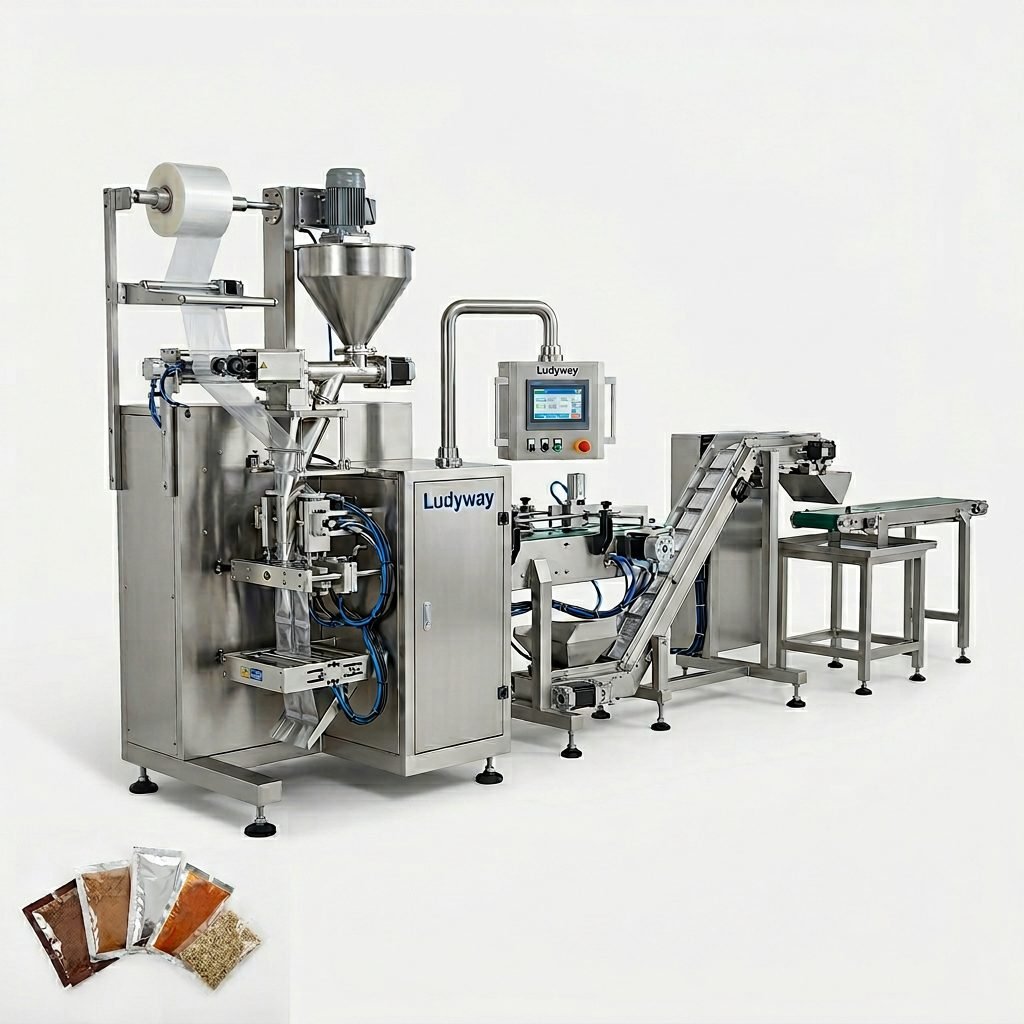
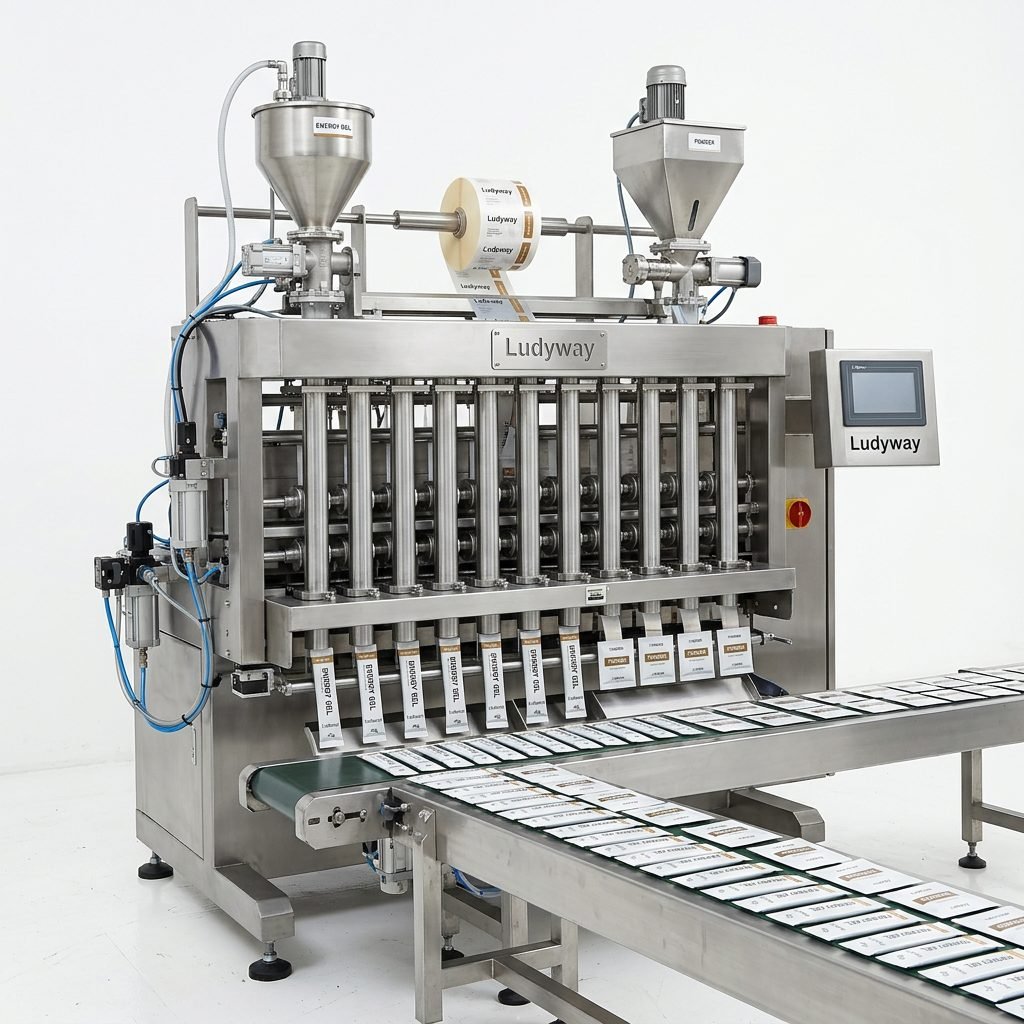
Assess the manufacturer’s depth of engineering knowledge and the breadth of their product portfolio. A supplier with extensive experience, like over 30 years in the industry, typically offers more reliable and refined technology. Look for a range that covers your current and potential future needs—whether for granules, powders, liquids, stick packs, or sachets. A manufacturer offering more than 50 intelligent packaging machine models demonstrates strong R&D capability and can likely provide a tailored solution.
2. Manufacturing Capability and Quality Control
The scale and modernity of a manufacturer’s production facility are strong indicators of their capacity and commitment to quality. A sizable, modern plant ensures standardized production processes and consistent output. For instance, operations supported by a 20,000㎡ manufacturing facility often have robust quality control systems at every stage, from sourcing components to final assembly and testing. This translates to durable, high-performance equipment with fewer breakdowns.
3. Customization and Turnkey Solutions
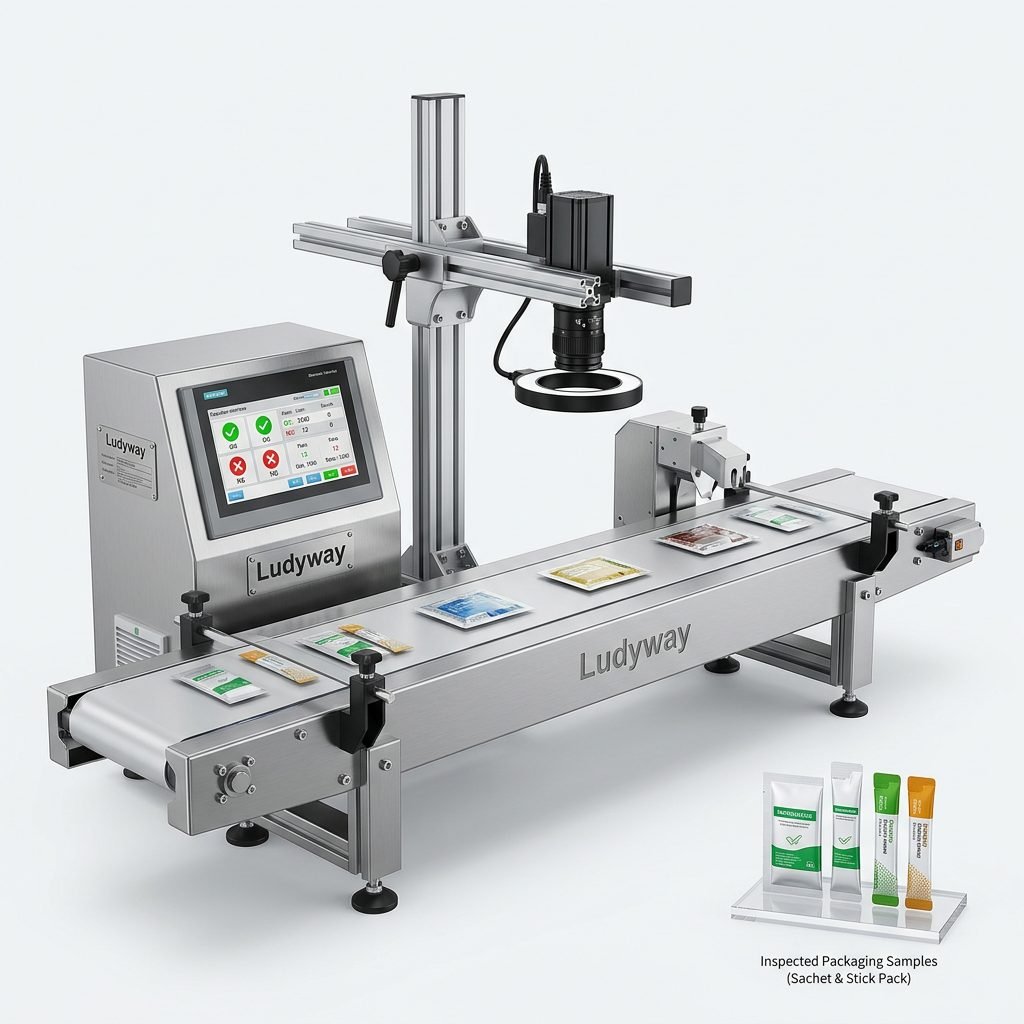
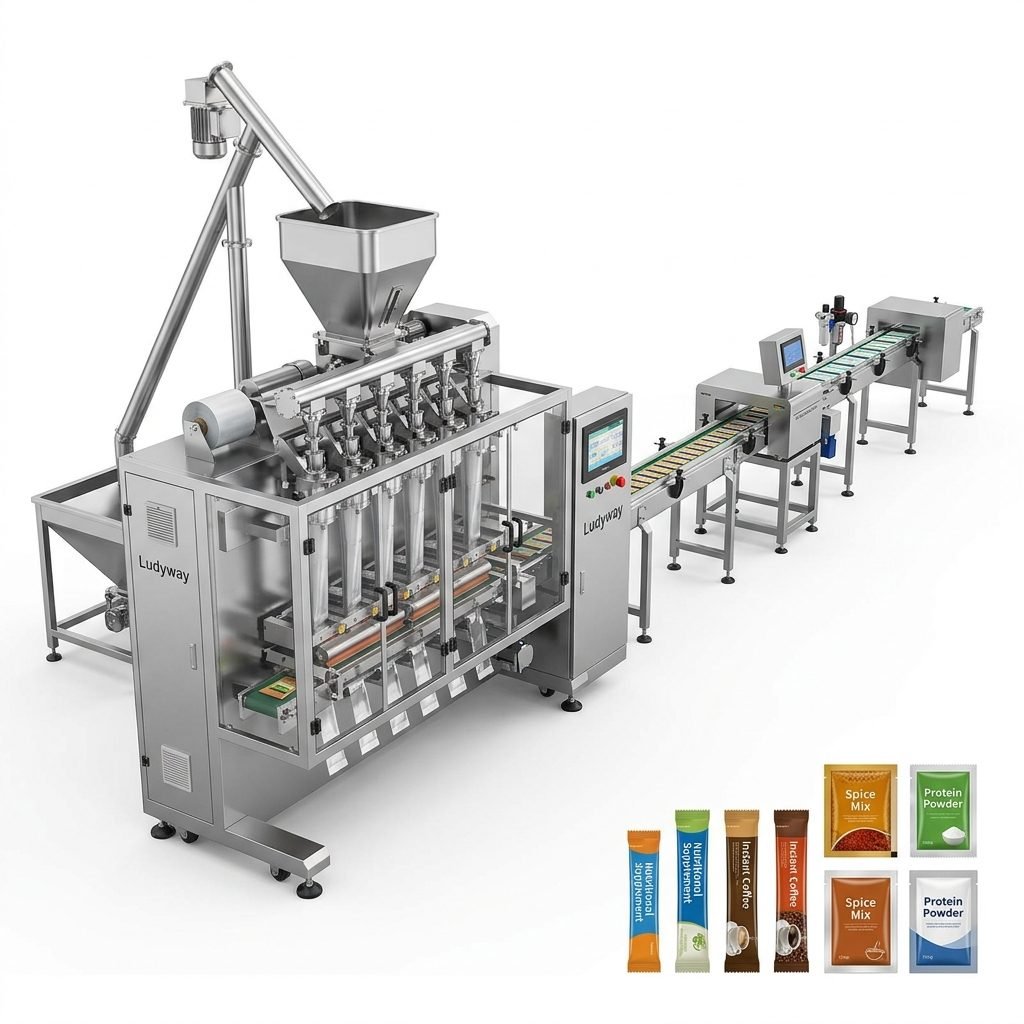
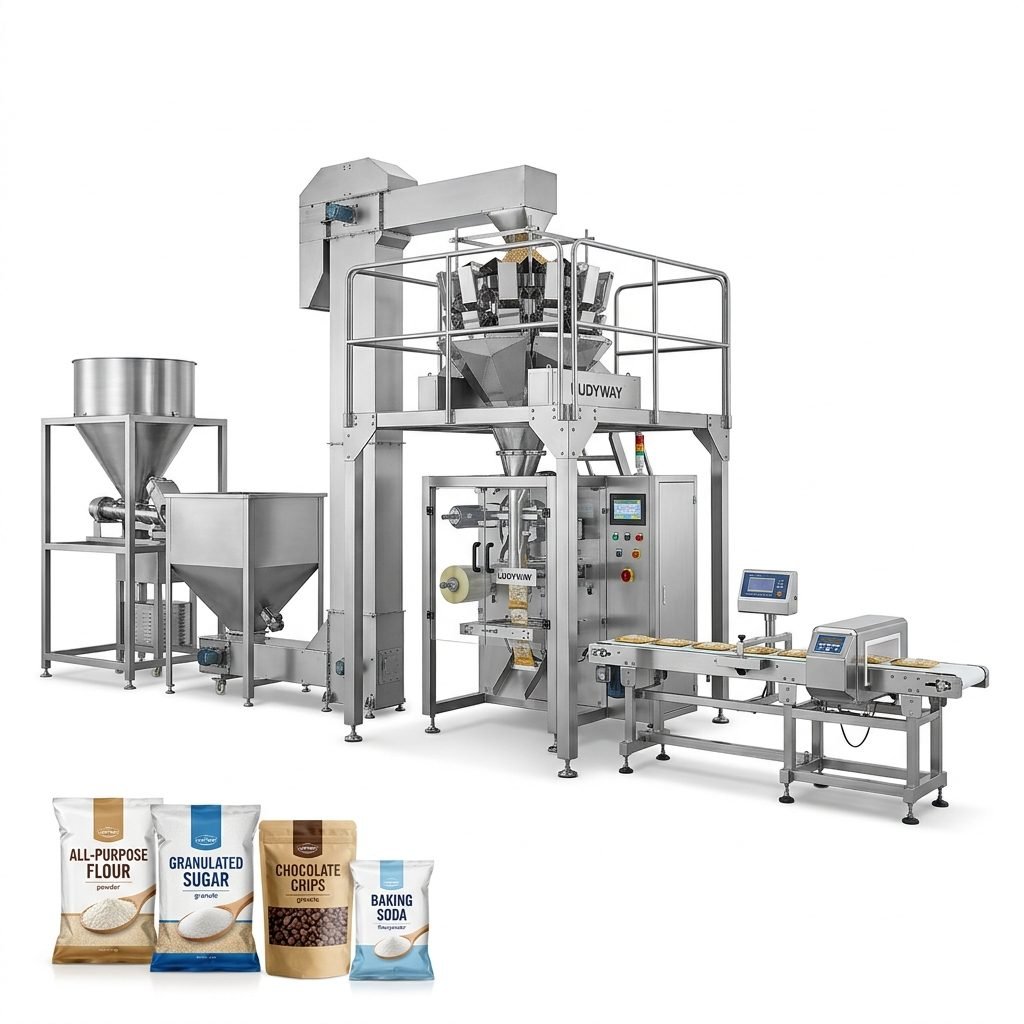
Off-the-shelf machines rarely fit a unique production line perfectly. The ability to customize is paramount. A true partner will work with you to modify machine speed, dosing accuracy, film compatibility, or integration with upstream/downstream equipment. Leading suppliers provide complete turnkey production line solutions, handling everything from design and installation to training and commissioning, ensuring a seamless start-up.
4. After-Sales Support and Global Service
The relationship begins after the sale. Evaluate the supplier’s support structure:
🔹 Technical Support: Availability of remote diagnostics and on-site engineers.
🔹 Spare Parts: Guarantee of genuine parts with a clear logistics plan for timely delivery.
🔹 Training: Comprehensive operational and maintenance training for your team.
A manufacturer serving customers worldwide is typically better equipped to handle international service requests and understand diverse market regulations.
The Supplier Selection Process: A Step-by-Step Guide
Having clear criteria is the first step. Implementing a structured selection process is the next.
Step 1: Define Your Requirements Precisely
Create a detailed specification sheet. Include required output speed (packs/minute), product characteristics (viscosity, granule size), packaging materials, desired automation level, factory floor space, utility connections (power, air), and future scalability needs. This document will be your primary tool for soliciting and comparing proposals.
Step 2: Research and Shortlist Potential Suppliers
Use industry directories, trade shows (like interpack), and professional referrals to create a long list. Filter this list based on your core factors: expertise in your product category, proven track record, and geographical service coverage. Aim for a shortlist of 3-5 serious contenders.
Step 3: Request Detailed Proposals and Conduct Deep-Dive Reviews
Submit your specification sheet and request formal quotations. Scrutinize each proposal not just for price, but for the proposed machine model’s suitability, proposed timeline, warranty terms, and details of after-sales service. Pay close attention to what is included and what is considered an extra cost.
Step 4: Factory Audit and Machine Testing (Where Possible)
If feasible, visit the manufacturer’s facility. A factory tour reveals their manufacturing discipline, quality checks, and company scale. More importantly, request a product sample test run. Sending your actual product material for a live test on their equipment is the best way to verify performance claims on speed, accuracy, and packaging quality.
Step 5: Evaluate Total Cost of Ownership (TCO) and Finalize
Look beyond the initial purchase price. Calculate the TCO by factoring in estimated energy consumption, maintenance costs, potential downtime, and part longevity. A slightly higher initial investment in a robust machine from a reputable supplier like Ludyway Packaging Machinery often results in a lower TCO due to higher efficiency and reliability. Finally, check customer references in a similar industry.
Why Industry Experience and a Clear Vision Matter
A company’s history and vision speak volumes about its stability and approach. A manufacturer founded with a clear vision of delivering efficient and reliable packaging solutions is likely to remain focused on core customer needs rather than short-term trends. Decades of experience mean they have navigated various market cycles, technological shifts, and customer challenges, building invaluable practical knowledge that benefits your project. This long-term perspective fosters a commitment to long-term cooperation and innovation, making them a strategic partner rather than just a vendor.
Common Questions (FAQs)
Q1: What is the most important factor when choosing a packaging machine supplier?
While all factors are interconnected, proven reliability and after-sales support often top the list. A machine is a long-term asset, and having a supplier who guarantees uptime through quick service and part availability is crucial for continuous production. Technical expertise is a close second, as it ensures the machine is correctly specified for your product from the start.
Q2: How can I verify a manufacturer’s claimed production speed and accuracy?
Always insist on a live product sample test at their facility or via video feed. Use your own product and packaging materials for the most accurate results. Reputable manufacturers, such as those providing advanced packaging machinery solutions, encourage and facilitate these tests as they build confidence and prevent post-purchase disputes.
Q3: Is it better to buy a standard machine or a fully customized one?
This depends entirely on your product and process uniqueness. A standard machine is more cost-effective and faster to deliver if it meets your needs. However, for specialized products, novel packaging formats, or high-speed integration into an existing line, customization is a necessary investment to achieve optimal efficiency and output quality.
Q4: What should a comprehensive after-sales service agreement include?
A strong agreement should cover a clear warranty period (typically 12-24 months), response time guarantees for technical support (e.g., 2-hour remote, 48-hour on-site), availability of spare parts inventory, and provision for operator and maintenance technician training. Ensure these terms are documented before purchase.
Q5: How do I future-proof my packaging equipment investment?
Choose a supplier with a modular and scalable machine design philosophy. Discuss potential future needs (e.g., higher speeds, additional functions like gas flushing, compatibility with new sustainable films) upfront. A forward-thinking partner will design the solution with some capacity for easy upgrades, protecting your investment as your business grows. Exploring industry resources can also provide insights into future trends.