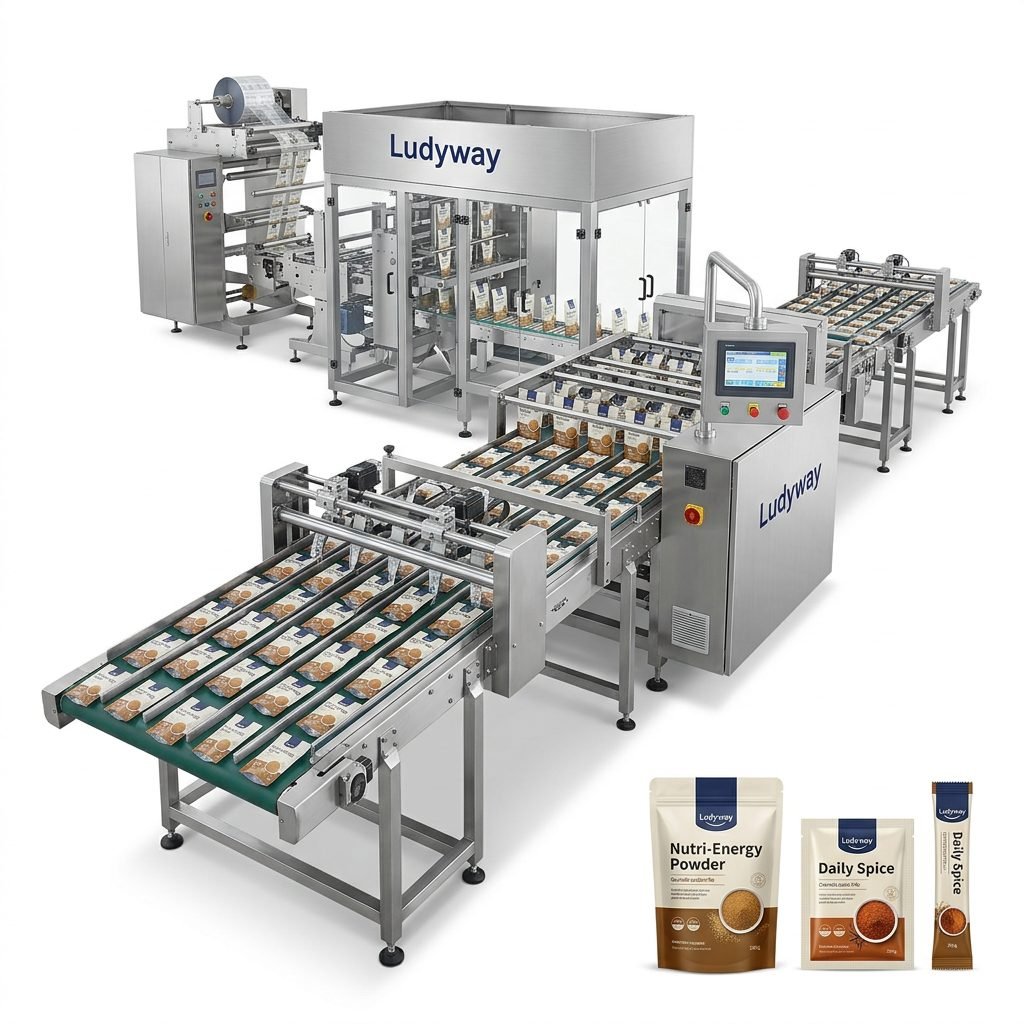
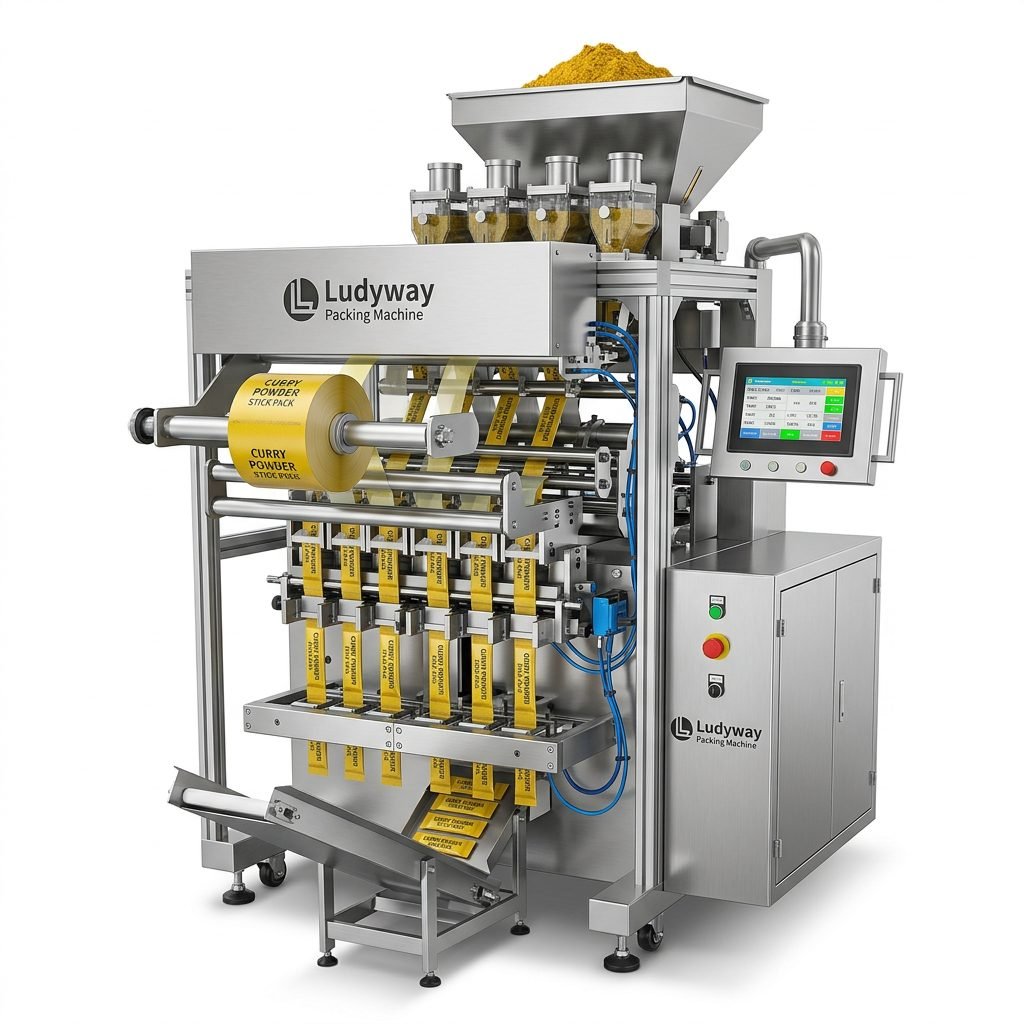
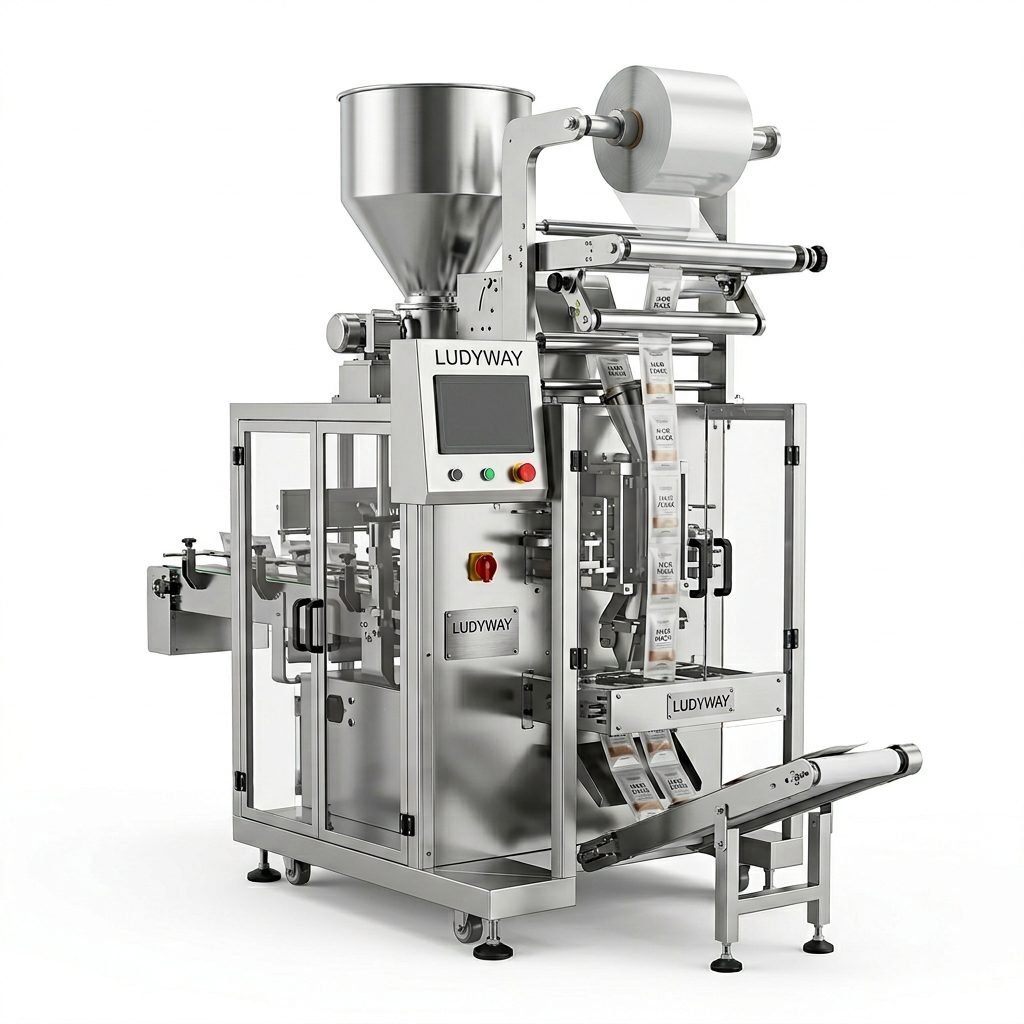
Selecting the right frozen food packaging machine is a critical decision for any food production business. The correct equipment ensures product integrity, maximizes shelf life, meets stringent safety regulations, and optimizes operational efficiency. This comprehensive guide will walk you through the different types of machines, their key features, and a step-by-step approach to choosing the best solution for your specific needs.
Core Objective of Frozen Food Packaging
The primary goal extends far beyond simple containment. Effective frozen food packaging must create a robust barrier against moisture loss (freezer burn) and oxygen ingress, which degrades quality. It must withstand extreme temperatures from -40°C to handling at room temperature, maintain seal integrity, and often facilitate easy cooking for the end consumer.
Common Types of Frozen Food Packaging Machines
The packaging format you choose often dictates the type of machine required. Here’s a breakdown of the most prevalent systems.
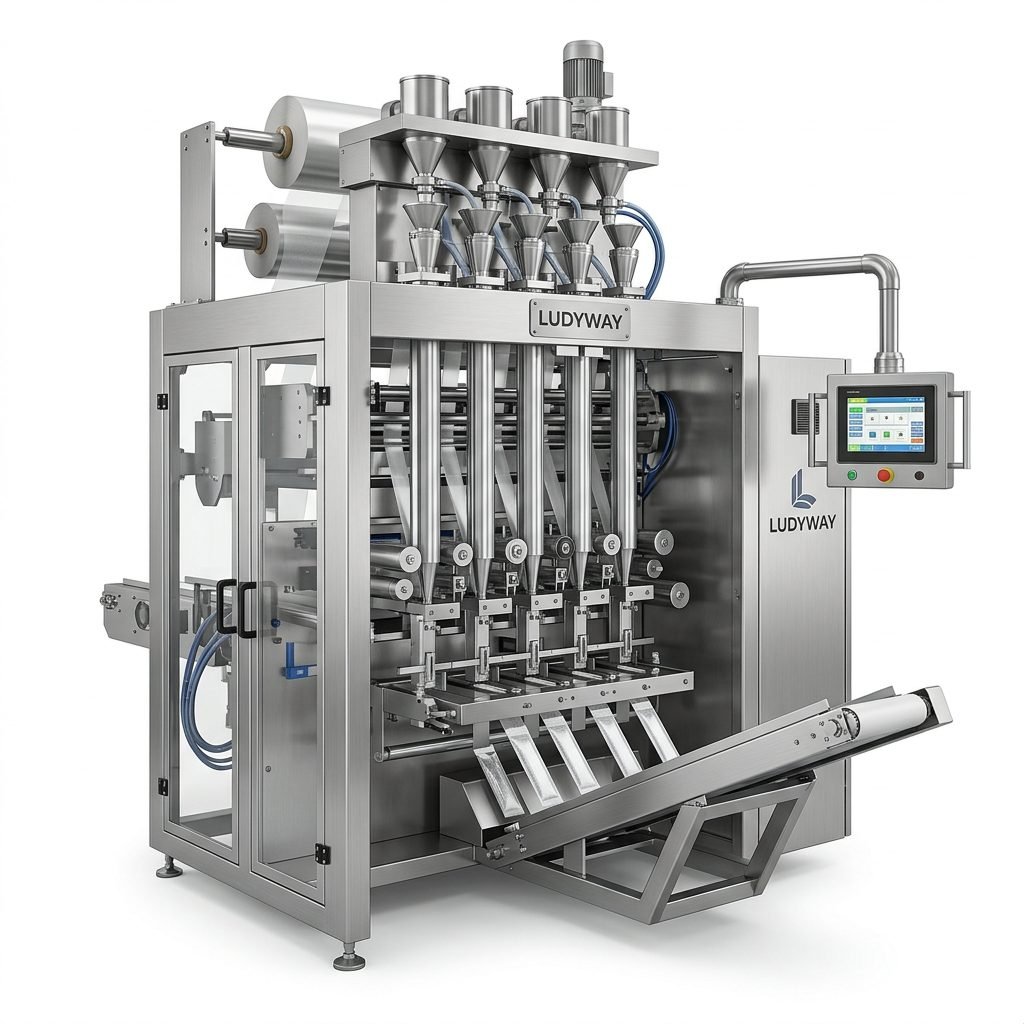
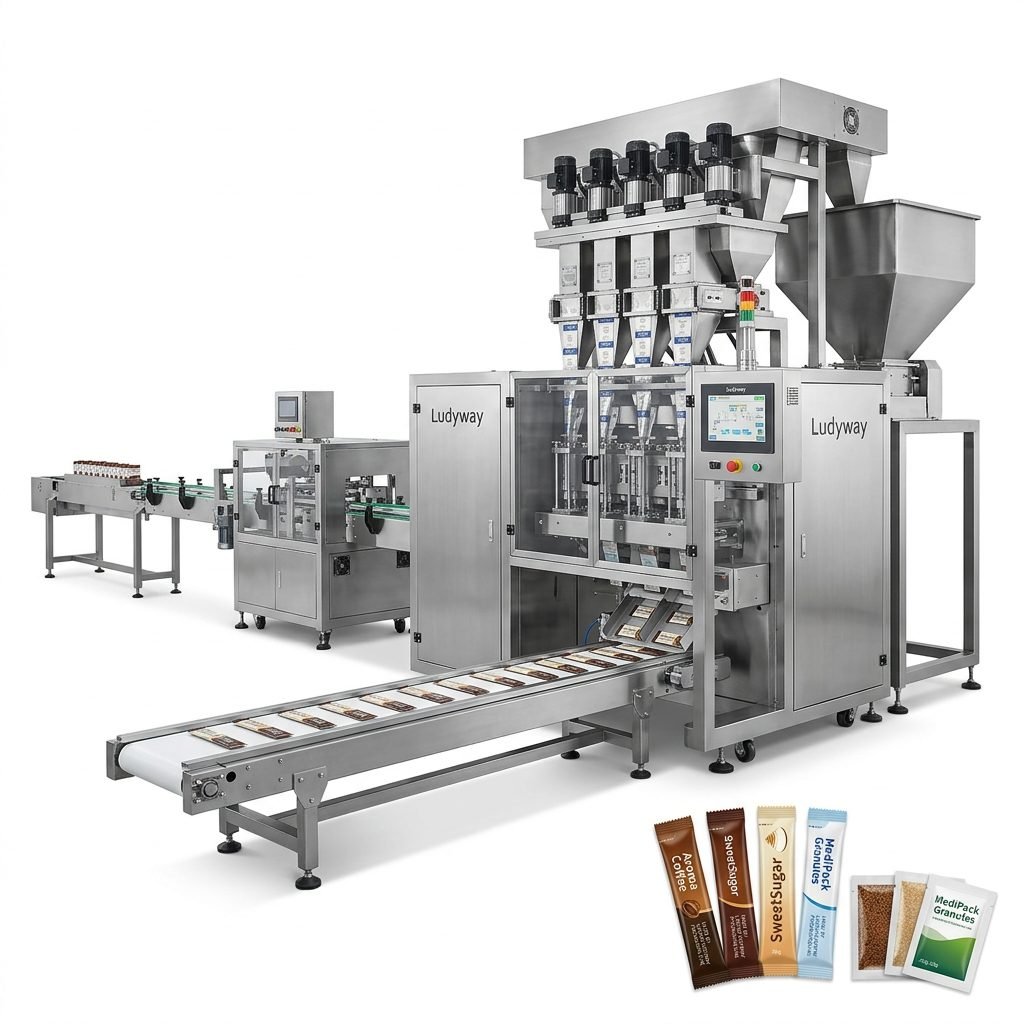
1. Vertical Form-Fill-Seal (VFFS) Machines
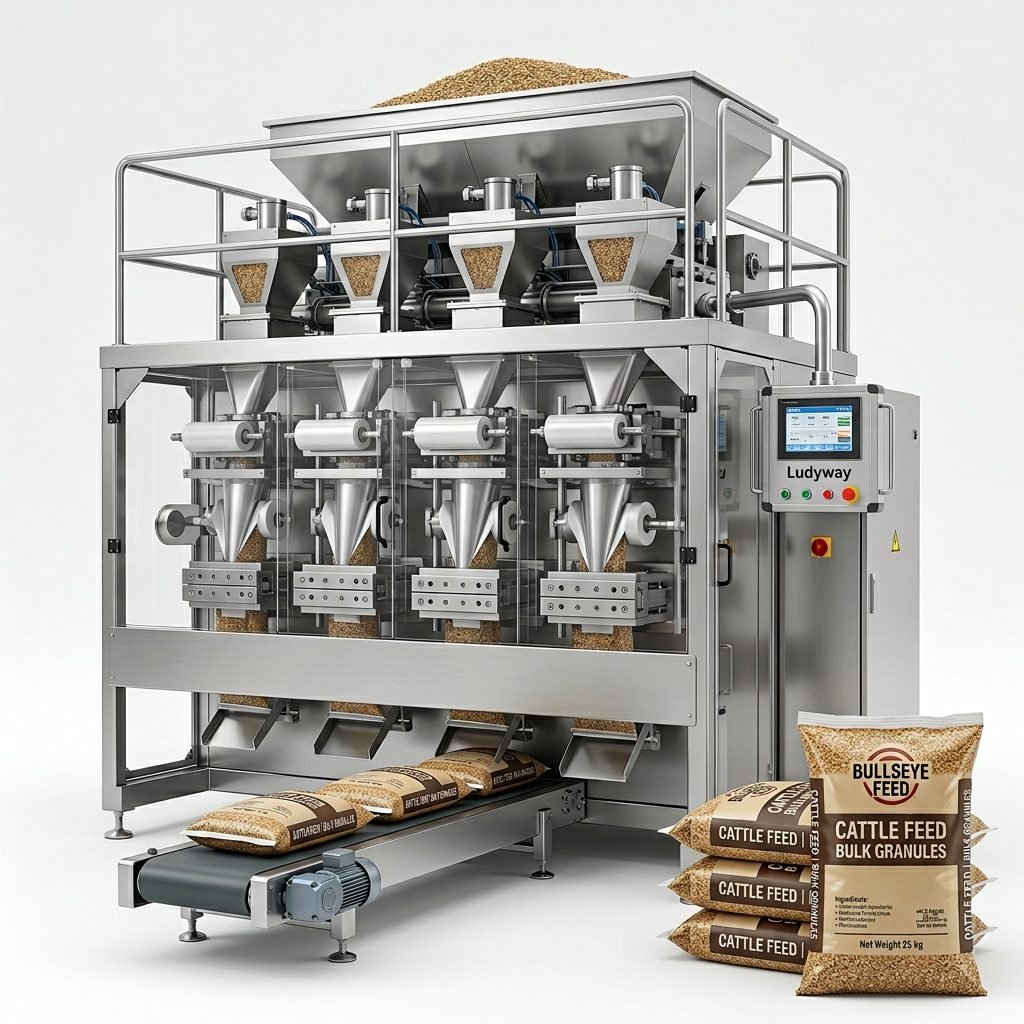
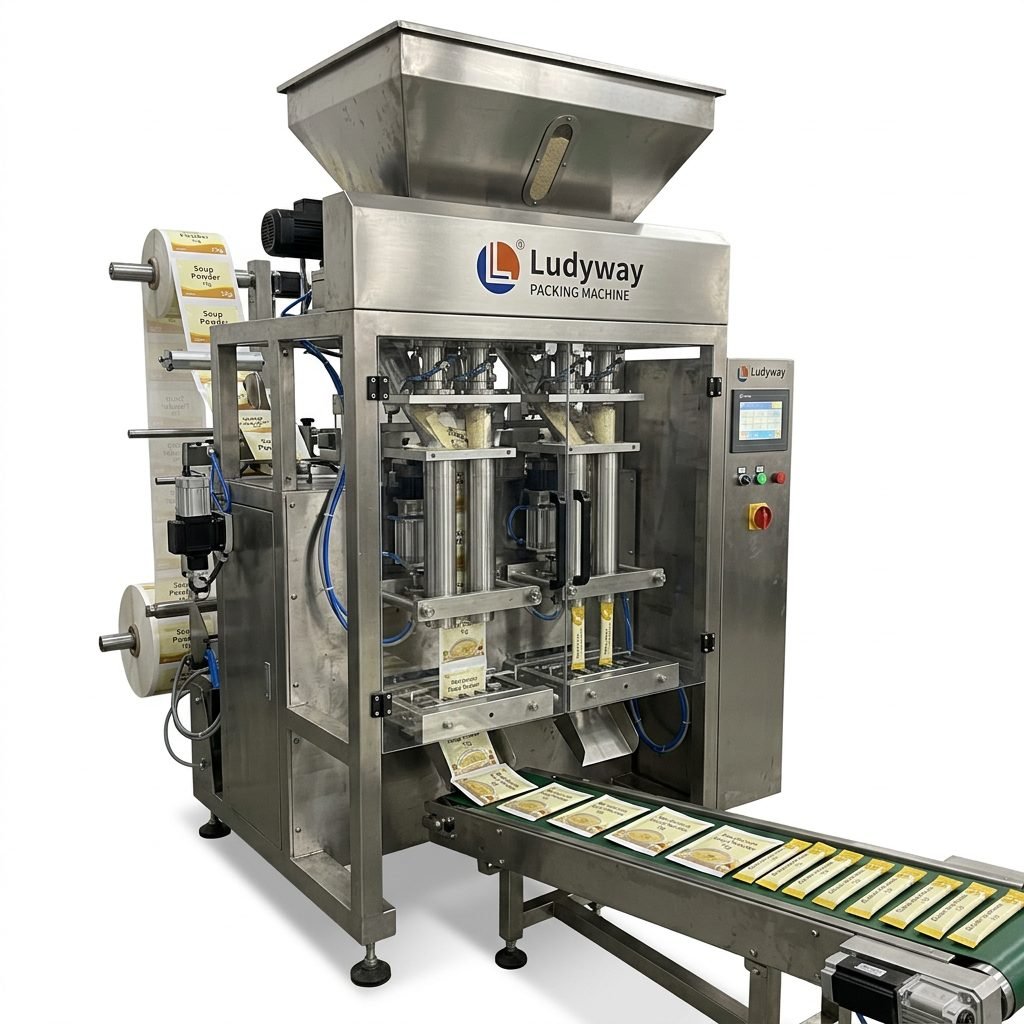
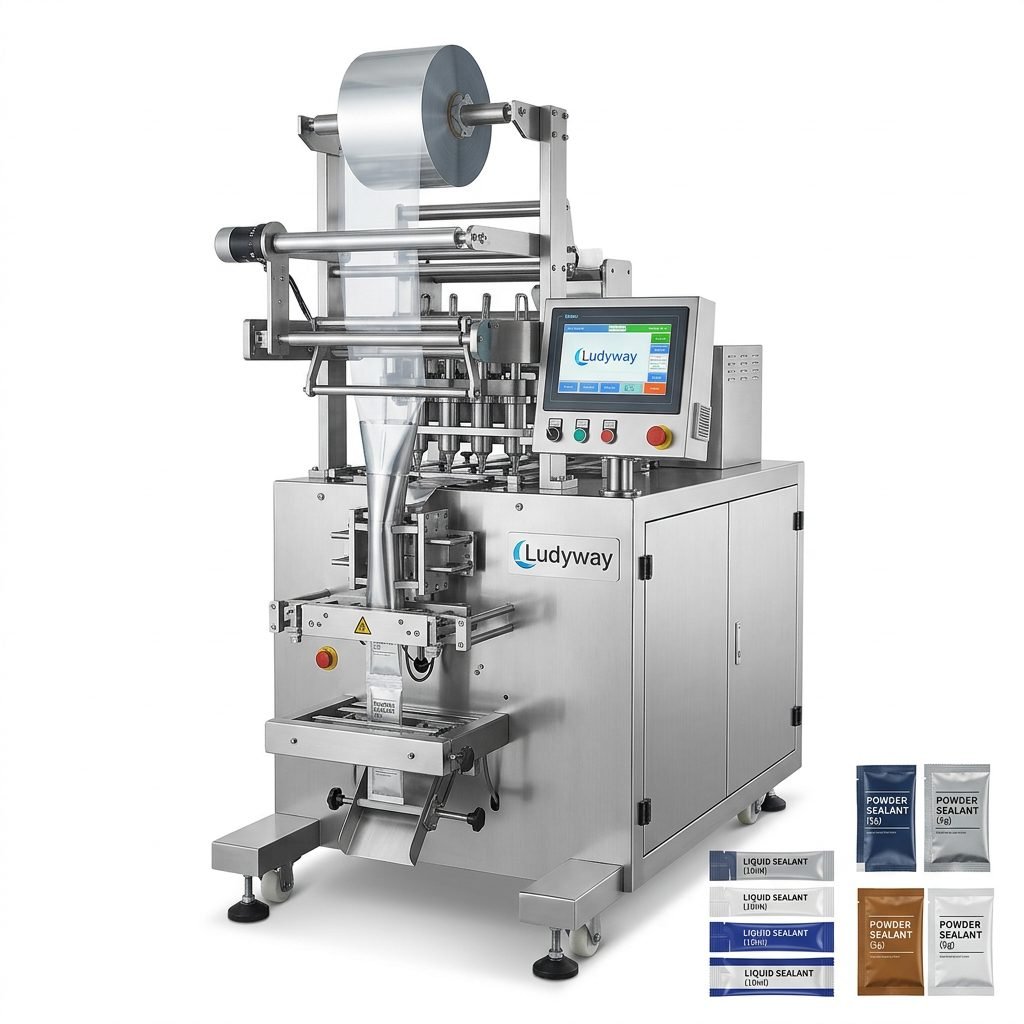
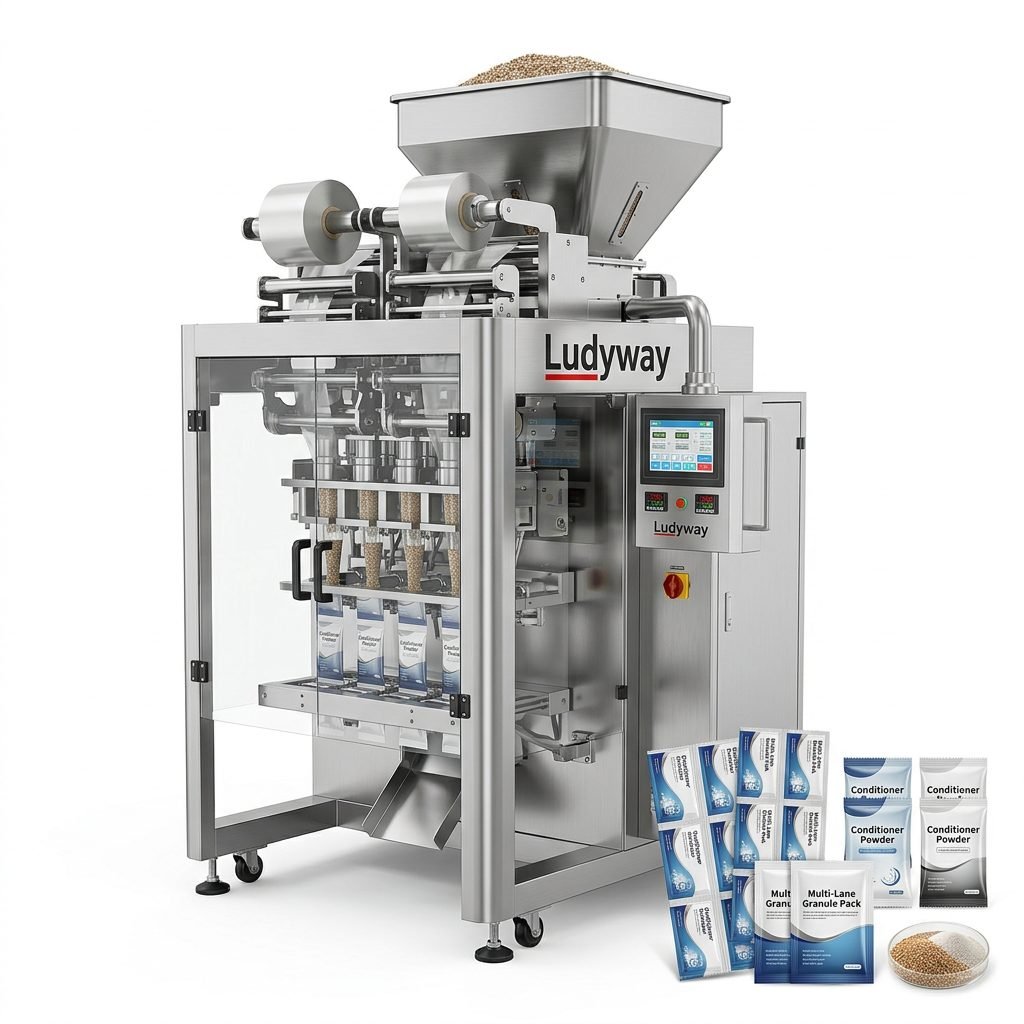
These are the workhorses of the frozen food industry, ideal for loose-flowing products like vegetables, fruits, fries, and seafood medleys. A flat roll of film is formed into a bag around a filling tube, the product is weighed and dropped in, and the bag is then sealed and cut off.
- ➤ Best For: Bulk packaging, pillow bags, gusseted bags.
- ➤ Key Advantage: High speed, efficient film use, and quick changeover between bag sizes.
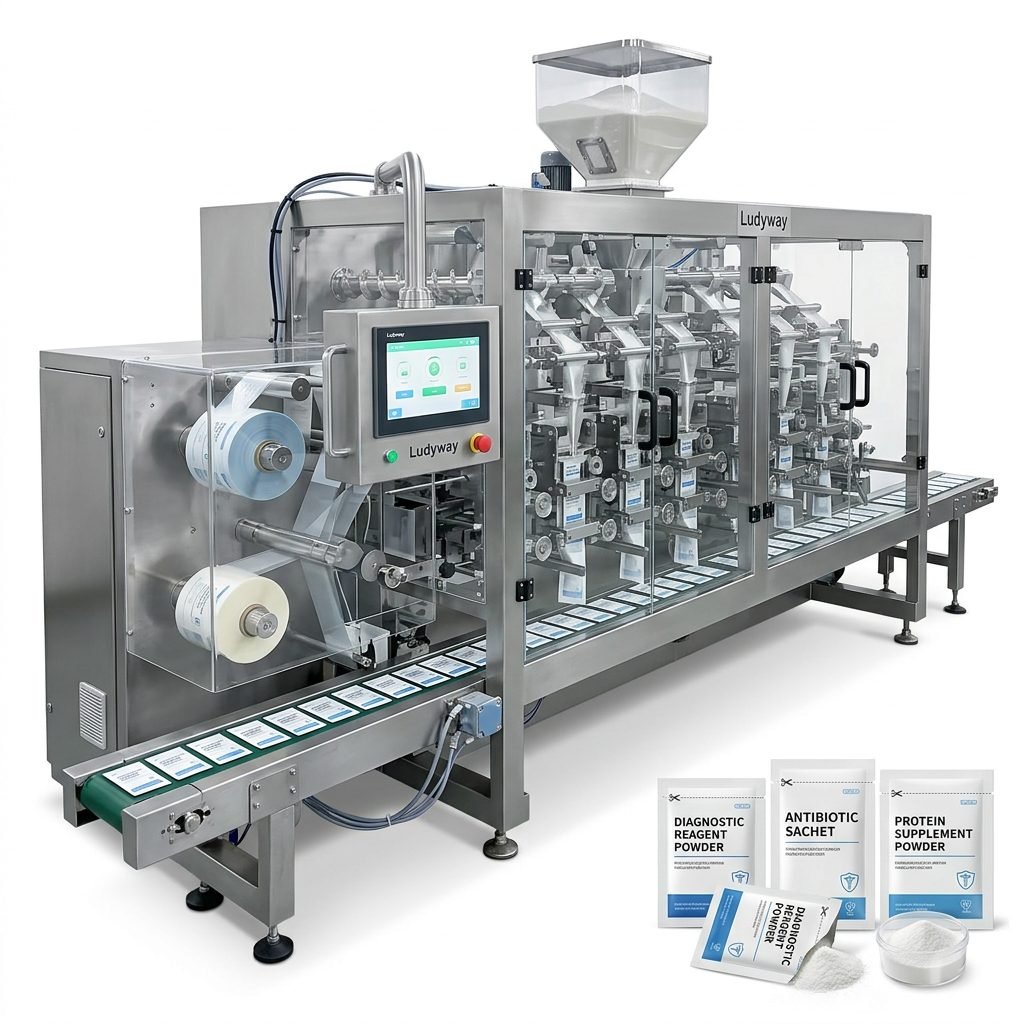
2. Horizontal Form-Fill-Seal (HFFS) Machines
Perfect for products that are delicate, irregularly shaped, or need to be presented in a tray-like format, such as fish fillets, burgers, prepared meals, or pastries. The machine forms a tray from a bottom web, places the product inside, and then seals a lidding film on top.
- ➤ Best For: Portion-controlled items, ready meals, skin packaging.
- ➤ Key Advantage: Excellent product presentation and protection for non-free-flowing items.
3. Thermoforming Packaging Machines
These systems create rigid, custom-shaped trays from a roll of plastic sheet using heat and pressure. The product is loaded, a top film is sealed on, and often a modified atmosphere (MAP) is introduced to extend shelf life significantly.
- ➤ Best For: High-value frozen meals, seafood, poultry, and products requiring superior barrier protection and shelf appeal.
- ➤ Key Advantage: Premium presentation, excellent barrier properties, and compatibility with MAP.
4. Cartoning & Case Packing Systems
These handle the secondary packaging stage. Cartoners erect, fill, and seal paperboard cartons around primary packages. Case packers then automatically collate and load these cartons or bags into shipping cases.
- ➤ Best For: Creating retail-ready boxes and optimizing logistics.
- ➤ Key Advantage: Automates labor-intensive steps, ensures consistency, and increases final packaging speed.
Essential Features & Capabilities to Evaluate
Beyond the machine type, specific features determine performance in a frozen environment.
Critical Performance Features
Cold-Rated Components: Sealing jaws, drives, and electronics must be designed to operate reliably in cold, humid environments without condensation forming internally.
Robust Sealing System: Must create strong, hermetic seals through potential frost or ice crystals on the packaging film. Impulse sealers or high-quality constant heat sealers are common.
Stainless Steel Construction: Essential for hygiene, corrosion resistance, and durability when exposed to moisture and cleaning chemicals.
High-Accuracy Weighing: Integrated multi-head weighers or linear weighers ensure precise portion control, critical for cost management and compliance.
Easy Cleanability (CIP/SIP options): Designs with smooth surfaces, minimal crevices, and sometimes clean-in-place capabilities reduce downtime for sanitation.
Advanced & Value-Adding Features
Modified Atmosphere Packaging (MAP) capability flushes the package with gases like nitrogen or CO2 to drastically reduce oxidation. Checkweighers & Metal Detectors can be integrated inline for 100% quality control. Modern HMI Controls & IoT Connectivity allow for recipe management, production data tracking, and predictive maintenance alerts.
How to Choose the Best Frozen Food Packaging Solution: A Step-by-Step Guide
Step 1: Analyze Your Product & Process
Define your product’s physical state (solid, loose, liquid), temperature at point of packaging, size, shape, and fragility. Determine your required output speed (bags/min or packs/hour) and any future product diversification plans.
Step 2: Define Packaging Materials & Format
Choose between films, laminates, or rigid materials based on required barrier properties (oxygen and moisture transmission rates). Decide on the consumer-facing format: bag, tray, pouch, or skin pack. Your material choice will narrow down compatible machine types.
Step 3: Assess Key Machine Specifications
Create a checklist: required speed, bag/tray size range, sealing type, accuracy tolerance, footprint, and utility requirements (air pressure, electrical specs). Ensure the machine is built for food-grade, cold-room operation.
Step 4: Evaluate Supplier Expertise & Support
Partner with a supplier who has proven experience in frozen food applications. For instance, Ludyway Machinery brings over a decade of specialization in packaging solutions for demanding industries, offering tailored advice and robust equipment. Scrutinize their after-sales service, availability of spare parts, and technical support network.
Step 5: Consider Total Cost of Ownership (TCO)
Look beyond the initial purchase price. Factor in operational costs (film waste, energy consumption), maintenance costs, expected lifespan, and the potential for line integration and automation to reduce long-term labor costs. A slightly higher initial investment in a reliable, efficient machine often yields a lower TCO.
Step 6: Request a Product Test
Always insist on a live production test using your actual product and packaging materials. This is the only way to verify performance, seal quality, speed, and compatibility before making a final investment decision. Reputable suppliers like Ludyway typically offer this service to ensure client success.
Conclusion
Investing in the right frozen food packaging machine is a strategic decision that impacts product quality, brand reputation, and operational profitability. By thoroughly understanding the different machine types, prioritizing critical features for frozen environments, and following a structured selection process that emphasizes supplier partnership and real-world testing, you can secure a solution that delivers reliability, efficiency, and growth for your business for years to come.
Frequently Asked Questions (FAQs)
Q1: Can one packaging machine handle different types of frozen products?
It depends on the machine’s flexibility. A versatile VFFS machine can often handle different sizes of loose products (e.g., peas vs. fries) with quick changeovers. However, switching from a loose product to a solid fillet may require a different machine type (e.g., VFFS to HFFS). Discuss your product range with your supplier during the planning phase.
Q2: How important is Modified Atmosphere Packaging (MAP) for frozen foods?
While freezing itself preserves food, MAP is crucial for premium products where preventing oxidation (rancidity, color loss) during storage is key. It is highly recommended for fatty seafood, prepared meals with sauces, and products aimed at an extended shelf life or superior quality retention.
Q3: What is the most common cause of sealing problems in frozen food packaging?
The most common issue is moisture or frost on the inside of the sealing area, often from product surface ice or condensation. This prevents a proper seal. Solutions include using anti-fog packaging films, adjusting product temperature, ensuring proper sealing jaw temperature/pressure, and sometimes incorporating a pre-seal air knife to clear the area.
Q4: How do I ensure the machine meets food safety and hygiene standards?
Choose a machine with full stainless steel contact parts, hygienic design (no dirt traps), and easy access for cleaning. Ensure it complies with relevant standards (e.g., EHEDG, FDA, USDA). Inquire about the supplier’s experience with hygienic machine design for the food industry.
Q5: What level of automation should I start with?
Start by automating the core, repetitive task—primary packaging. A reliable VFFS or HFFS machine is the foundation. As you scale, you can add automation upstream (auto-feeding) and downstream (checkweighing, cartoning, case packing). A modular approach allows for manageable investment and future expansion.