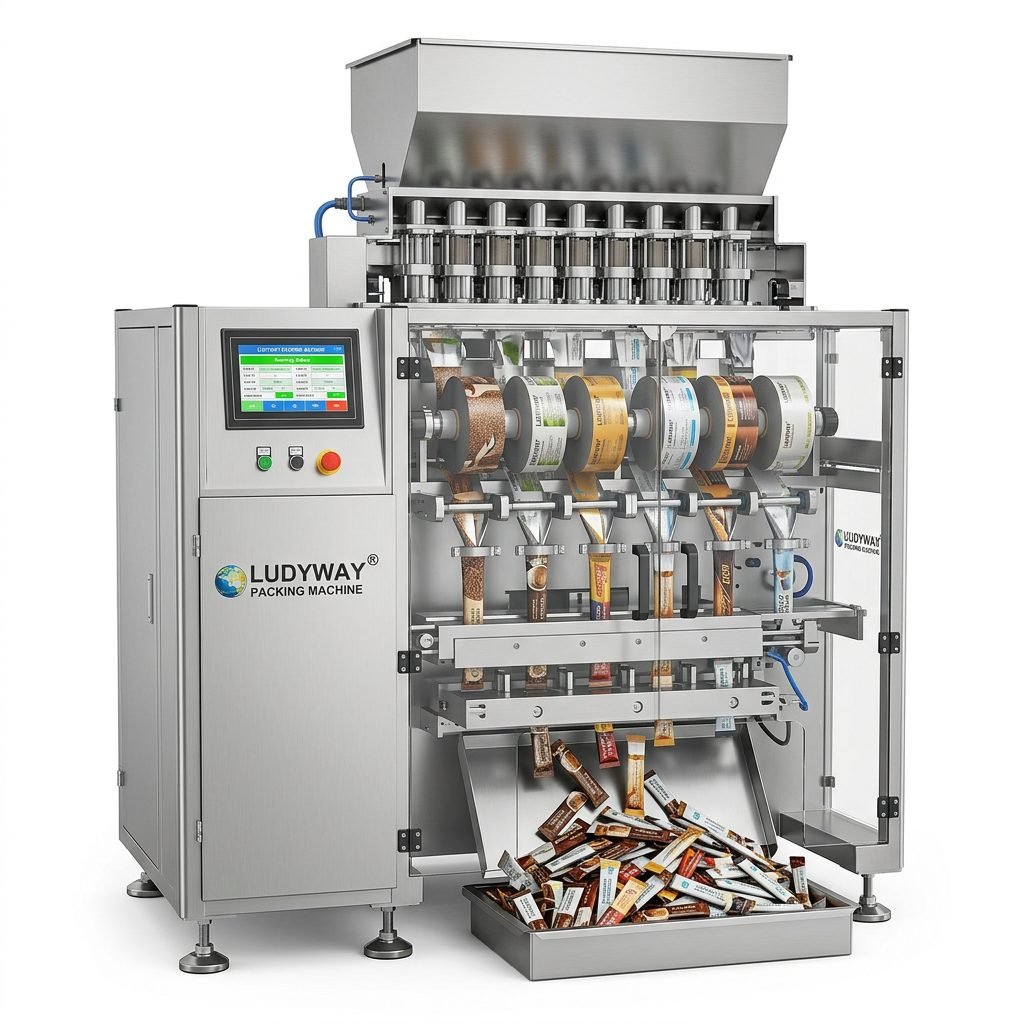
In the fast-paced world of snack production, efficiency, hygiene, and product appeal are paramount. The right snack packaging machine is not just a piece of equipment; it’s a strategic investment that can define your brand on the shelf and optimize your entire production line. This comprehensive guide will walk you through the different types of snack packaging machines, their key features, and the critical factors to consider when choosing the best one for your business needs.
Understanding Snack Packaging Machine Types
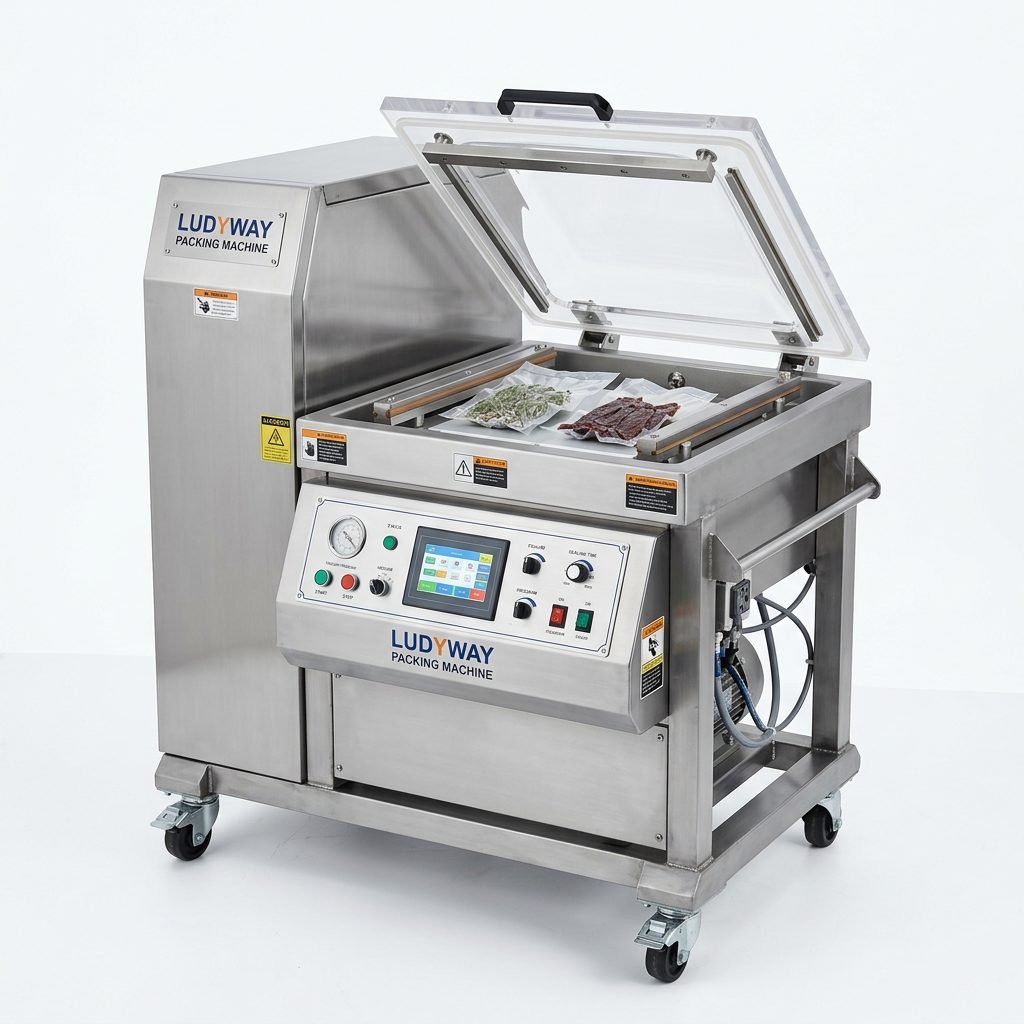
The snack industry is incredibly diverse, encompassing products from potato chips and nuts to candy, dried fruit, and granola bars. Consequently, packaging machinery is designed to handle this variety in form, size, and fragility. Selecting the correct machine type is the first and most crucial step.
Vertical Form-Fill-Seal (VFFS) Machines
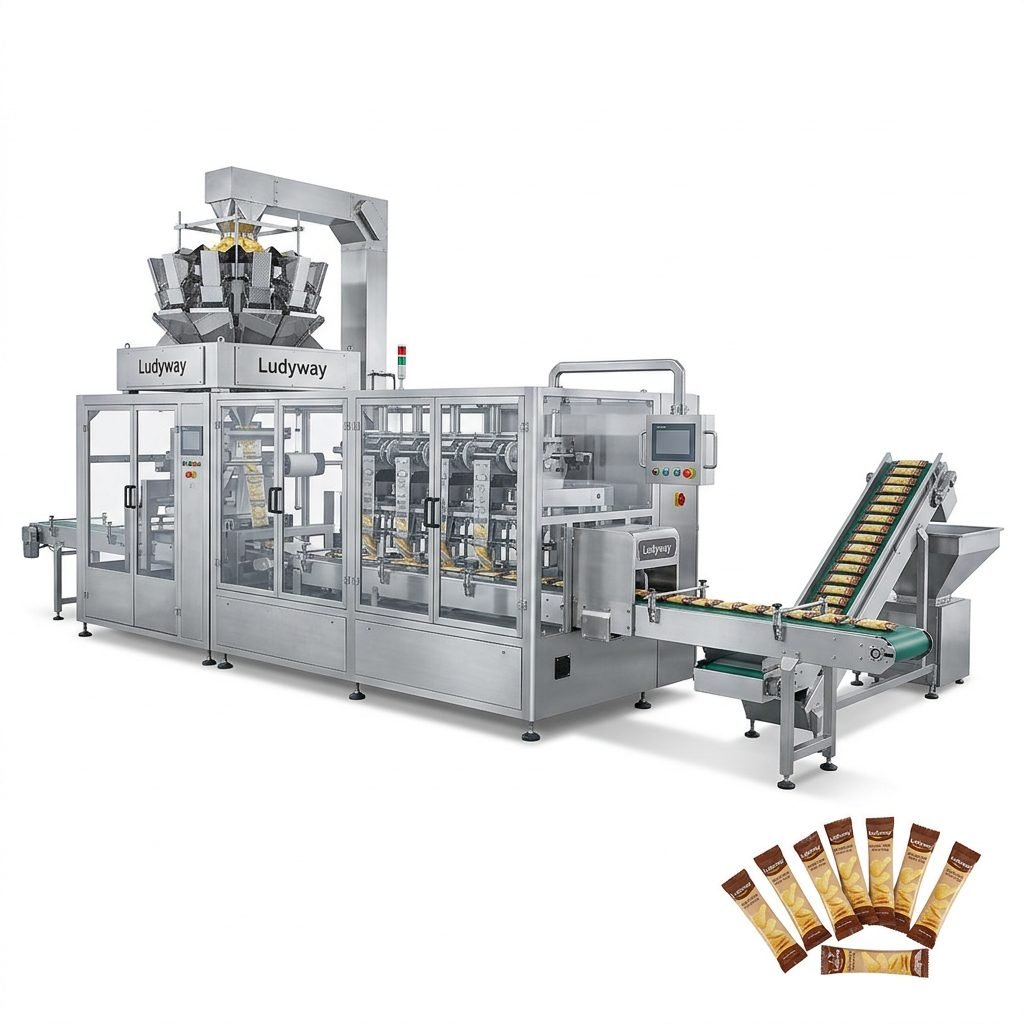
These are the workhorses of the snack packaging industry, especially for loose, free-flowing products. A VFFS machine forms a bag from a roll of flat packaging film, fills it with a pre-measured amount of product, and then seals it. They are highly versatile and can create various bag styles like pillow bags, gusseted bags, or block-bottom bags. Ideal for: chips, pretzels, nuts, candies, and crackers.
Horizontal Form-Fill-Seal (HFFS) Machines
HFFS machines are typically used for more rigid or structured products that need to be placed into pre-formed pockets on a film web. Another film is then sealed on top. This process is excellent for maintaining product integrity and creating visually appealing trays. Ideal for: chocolate bars, baked goods, protein bars, and individually wrapped items.
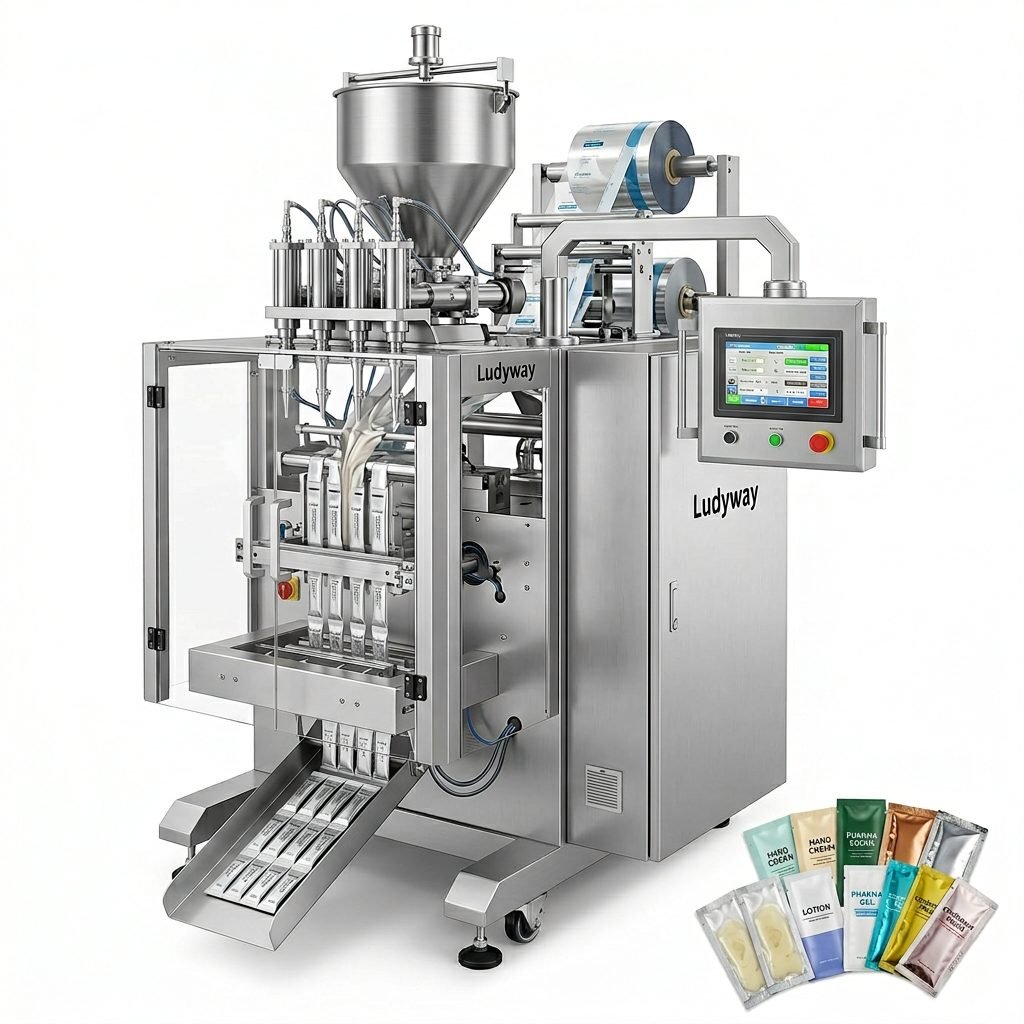
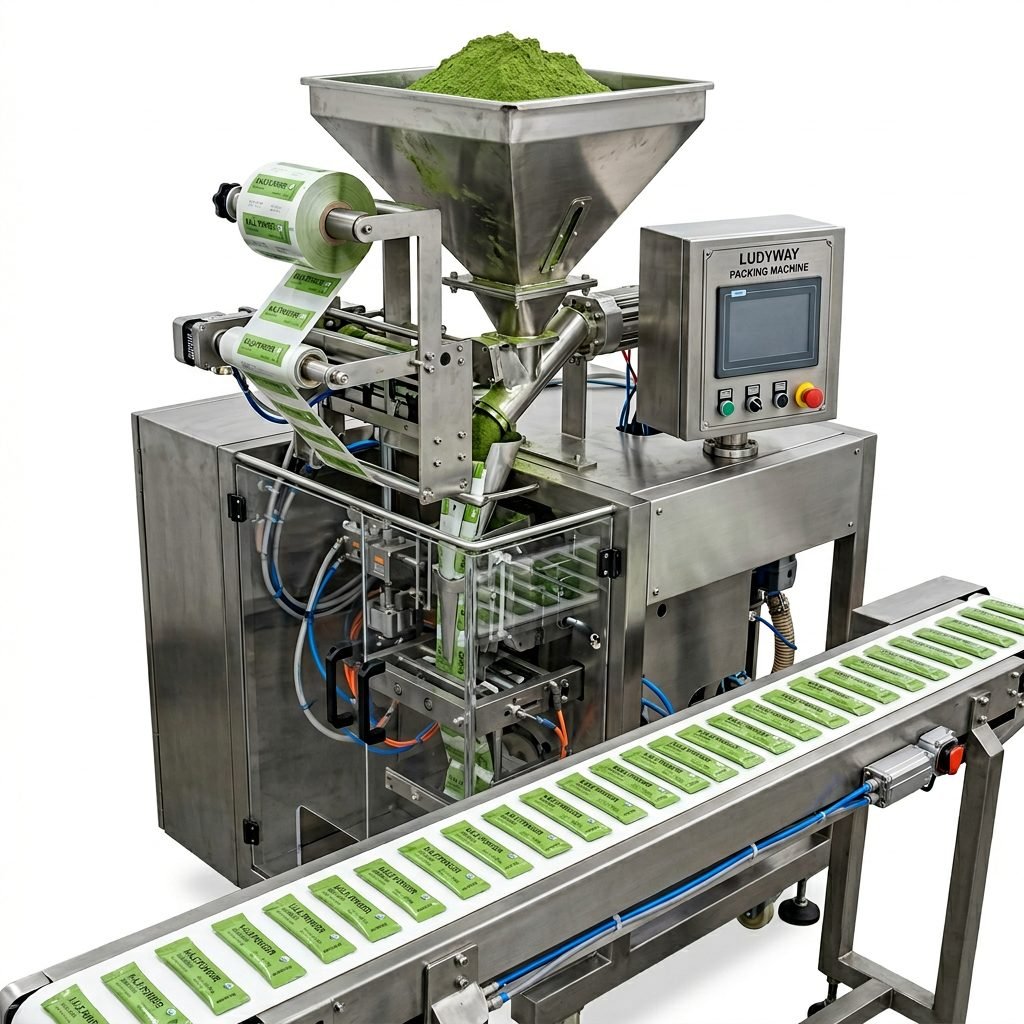
Stick Pack and Sachet Machines
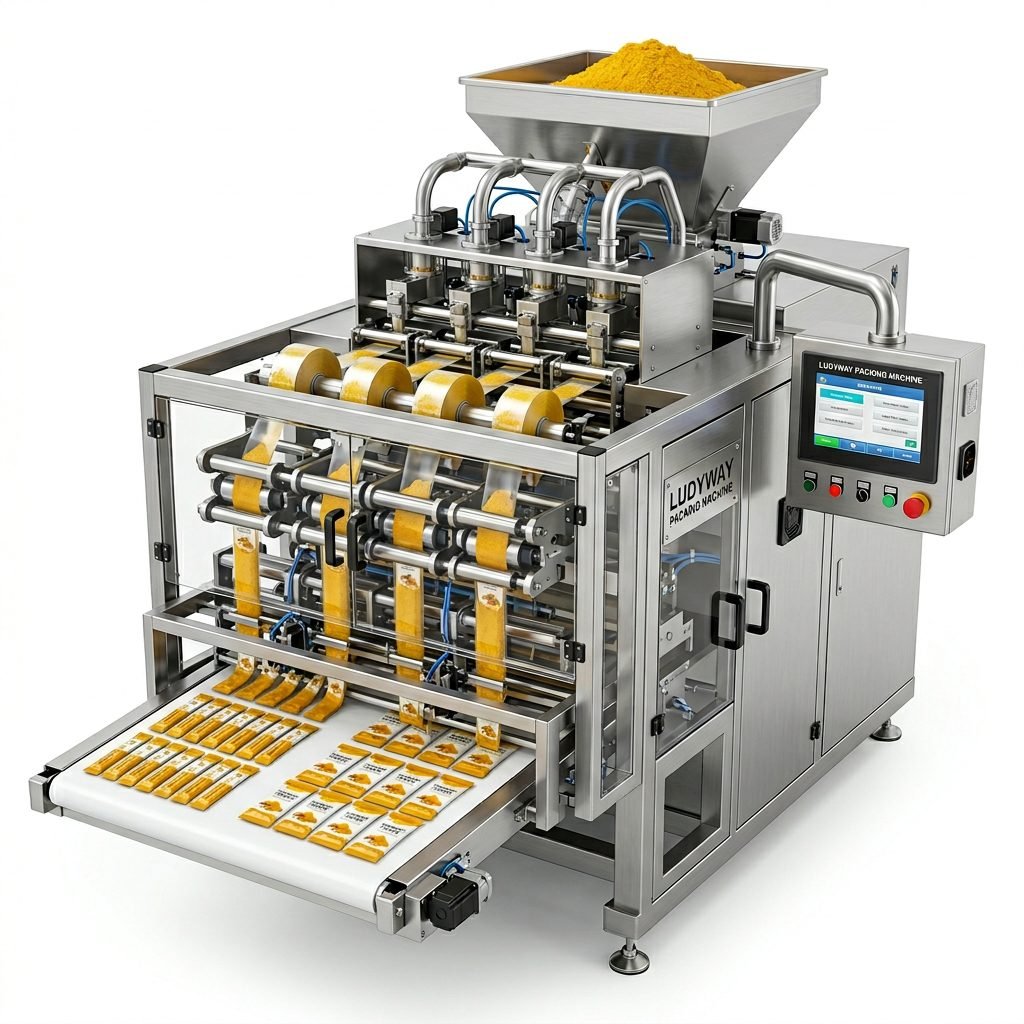
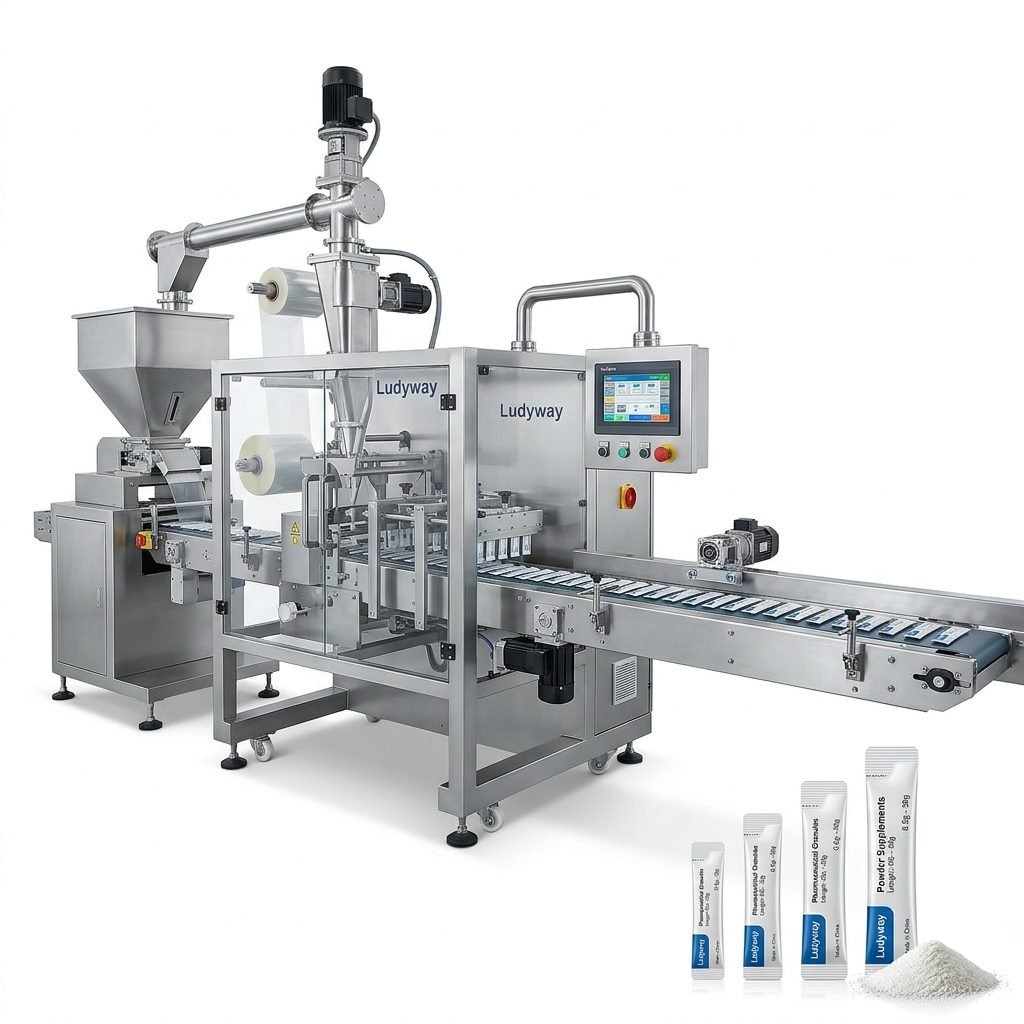
Designed for single-serve portions of powders, granules, or liquids, these machines produce long, slender packets. They are space-efficient and popular for on-the-go consumption. Modern multi-lane systems can produce dozens of stick packs simultaneously, offering incredible output for products like drink mixes, seasoning, or liquid shots. Ideal for: powdered drink mixes, sugar, ketchup, coffee creamer, and supplements.
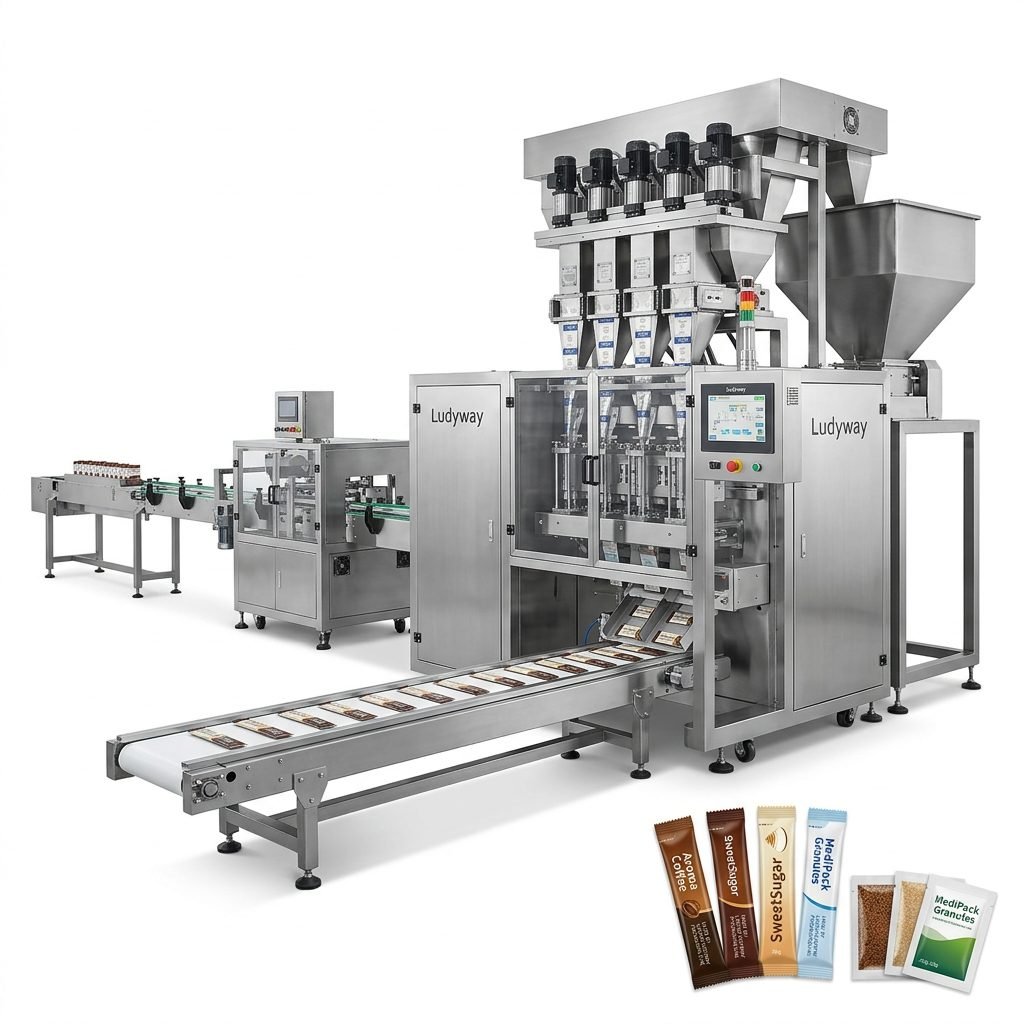
Weighing and Multihead Weigher Systems
While not strictly packaging machines, multihead weighers are often the critical upstream component integrated with VFFS machines. They use multiple weigh buckets to achieve extremely fast and accurate combination weights, ensuring each bag meets the declared net weight with minimal giveaway. This is essential for cost control and regulatory compliance, especially for lightweight, high-value snacks.
Essential Features of Modern Snack Packaging Machines
Beyond the basic type, the specific features of a machine determine its performance, reliability, and suitability for your operation. Here are key aspects to evaluate.
1. Speed and Production Capacity
Measured in bags or packs per minute (BPM/PPM), this directly impacts your output. Consider both your current needs and future growth. A multi-lane stick pack machine, for example, can dramatically increase output for single-serve products compared to a single-lane unit.
2. Accuracy and Precision
This encompasses both weight accuracy (controlled by the feeder and weigher) and sealing integrity. Inconsistent fills lead to product giveaway or underweight packages, while poor seals cause spoilage and customer complaints. Look for machines with servo-driven technology for precise film movement and fill control.
3. Flexibility and Changeover
If you produce multiple snack varieties or bag sizes, quick changeover is vital. Machines with tool-less adjustments, stored recipe settings, and easy-access components minimize downtime between production runs, boosting overall equipment effectiveness (OEE).
4. Hygiene and Cleanability
Food safety is non-negotiable. Machines should have a stainless steel contact frame, smooth surfaces without crevices, and designs that allow for easy disassembly for cleaning. Sanitary construction is a must for any snack packaging line.
5. Controls and Connectivity (Industry 4.0)
Modern machines feature user-friendly touchscreen HMIs (Human-Machine Interfaces) with intuitive controls. Advanced models offer connectivity for data collection (OEE, production counts, downtime reasons), remote monitoring, and integration into factory-wide management systems, enabling smarter production planning.
6. Film Compatibility and Sealing Technology
Ensure the machine can handle the types of laminates or films you plan to use (e.g., metallized, transparent, high-barrier). The sealing system (heat, impulse, ultrasonic) must be robust and reliable for your specific material to ensure strong, airtight seals every time.
How to Choose the Best Snack Packaging Machine: A Step-by-Step Guide
Selecting the ideal machine requires a systematic approach that aligns with your business goals.
Step 1: Define Your Product and Packaging Requirements
- Product Characteristics: What is the physical form (solid, granular, powder)? Is it fragile, oily, or sticky?
- Package Style & Size: What is your target bag type (pillow, stand-up, stick pack) and size range?
- Output Goals: What is your required production speed in bags per minute/shift?
Step 2: Assess Your Operational Environment
- Floor Space: Measure the available space for the machine, including access for maintenance.
- Utilities: Confirm power supply (voltage, phase), available compressed air, and any other requirements.
- Staff Skill Level: Consider the technical expertise needed for operation and basic maintenance.
Step 3: Evaluate Machine Specifications and Build Quality
Go beyond the brochure. Request detailed specifications and, if possible, a live or recorded video of the machine running a product similar to yours. Inspect the quality of components—the frame, drives, seals, and electrical systems. A machine built with industrial-grade parts from reputable suppliers will offer greater longevity and fewer breakdowns.
Step 4: Prioritize Supplier Support and Service
The machine is only as good as the support behind it. A reliable supplier like Ludyway Packaging Machinery, with over a decade of industry experience, provides immense value. Key support elements include:
- Comprehensive Training: For your operators and maintenance staff.
- Availability of Spare Parts: A local or responsive global parts inventory is crucial.
- Technical Support: Access to engineers for troubleshooting, either remotely or on-site.
- Warranty Terms: Clear and fair warranty coverage for peace of mind.
Step 5: Consider Total Cost of Ownership (TCO)
Look beyond the initial purchase price. Calculate the TCO, which includes:
- Energy consumption and compressed air usage.
- Cost and availability of spare parts.
- Potential downtime costs.
- Film waste and product giveaway rates.
Investing in a slightly more expensive but robust and efficient machine from a trusted partner can lead to significant savings over its 10-15 year lifespan.
Integration and Future-Proofing Your Investment
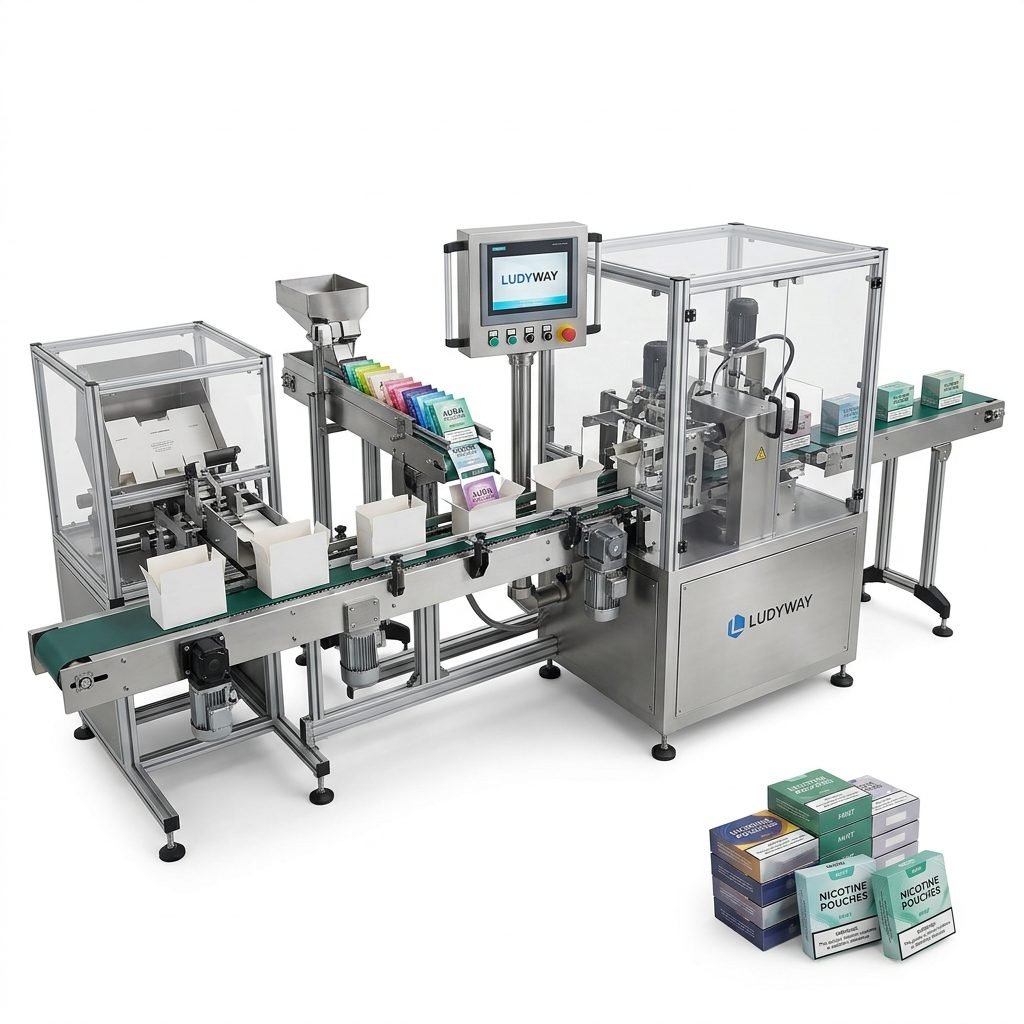
Think of your packaging machine as part of a system. Consider how it will integrate with upstream equipment (like mixers, ovens, or multihead weighers) and downstream systems (case packers, palletizers). Choosing a supplier capable of providing complete turnkey production line solutions ensures compatibility and smoother project execution. Furthermore, select a machine with the potential for upgrades or modular add-ons to adapt to future product launches or increased capacity demands.
Frequently Asked Questions (FAQs)
Q1: What is the typical lead time for a new snack packaging machine?
Lead times vary based on machine complexity and customization. For standard models from established suppliers, it typically ranges from 8 to 16 weeks after order confirmation, including factory testing. Always confirm the timeline with your supplier during the quotation process.
Q2: Can one machine handle different bag sizes and products?
Yes, most modern machines are designed for flexibility. The key is the changeover time and ease. Machines with digital settings that recall previous “recipes” and tool-less adjustments allow for quicker switches between different snack types and bag dimensions, maximizing production flexibility.
Q3: How important is after-sales service when choosing a supplier?
Extremely important. The quality of after-sales support directly affects your machine’s uptime and lifespan. Prioritize suppliers known for responsive technical support, comprehensive training, and readily available spare parts. A strong service network minimizes costly production interruptions.
Q4: What are the key maintenance routines for a packaging machine?
Daily and weekly preventative maintenance is essential. This typically includes cleaning, lubricating moving parts (as per manual), checking seal integrity, and inspecting for wear on critical components like film pull belts or sealing jaws. Following the manufacturer’s maintenance schedule is the best way to ensure reliability.
Q5: Where can I see the machine running before purchasing?
Reputable suppliers should offer this. You can request live video demonstrations or visit their showroom/factory. For a more conclusive test, ask about conducting a product sample test run at their facility or a reference site, using your actual snack product and packaging materials.