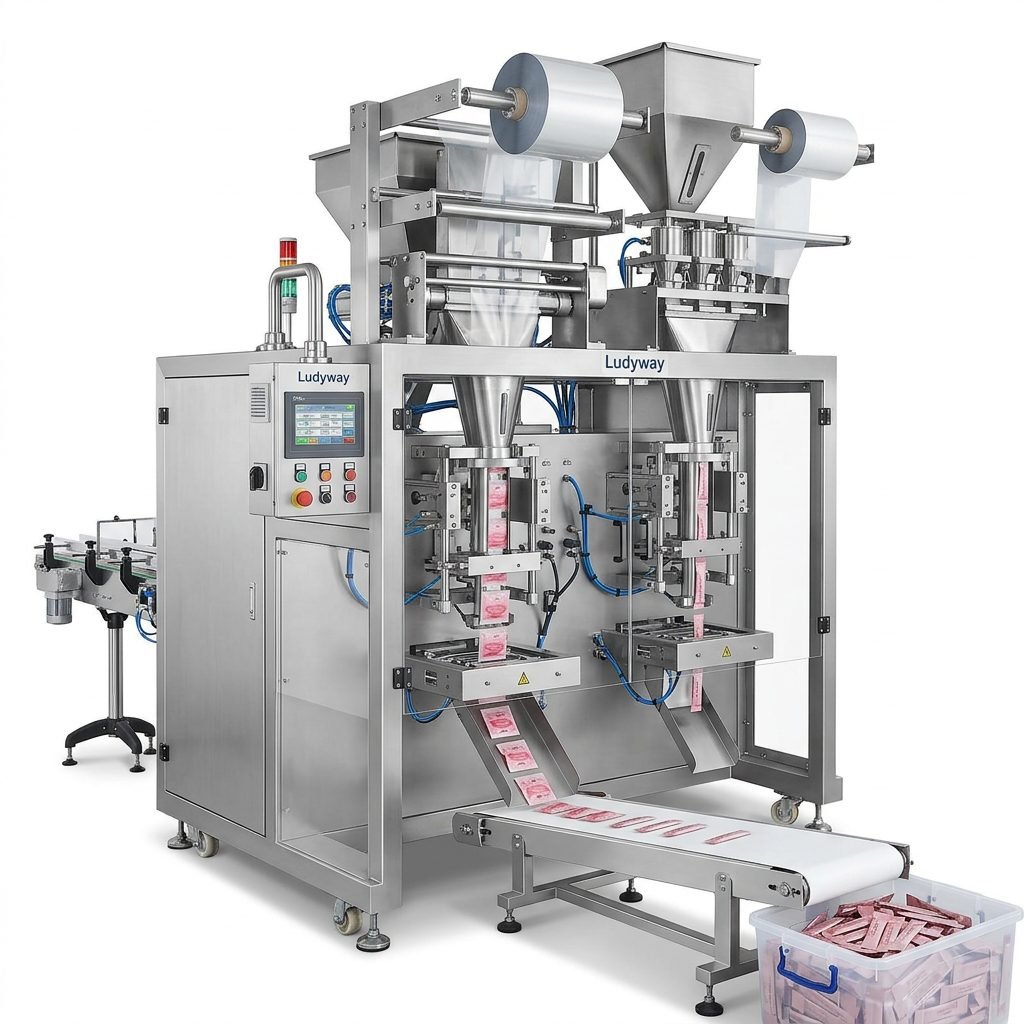
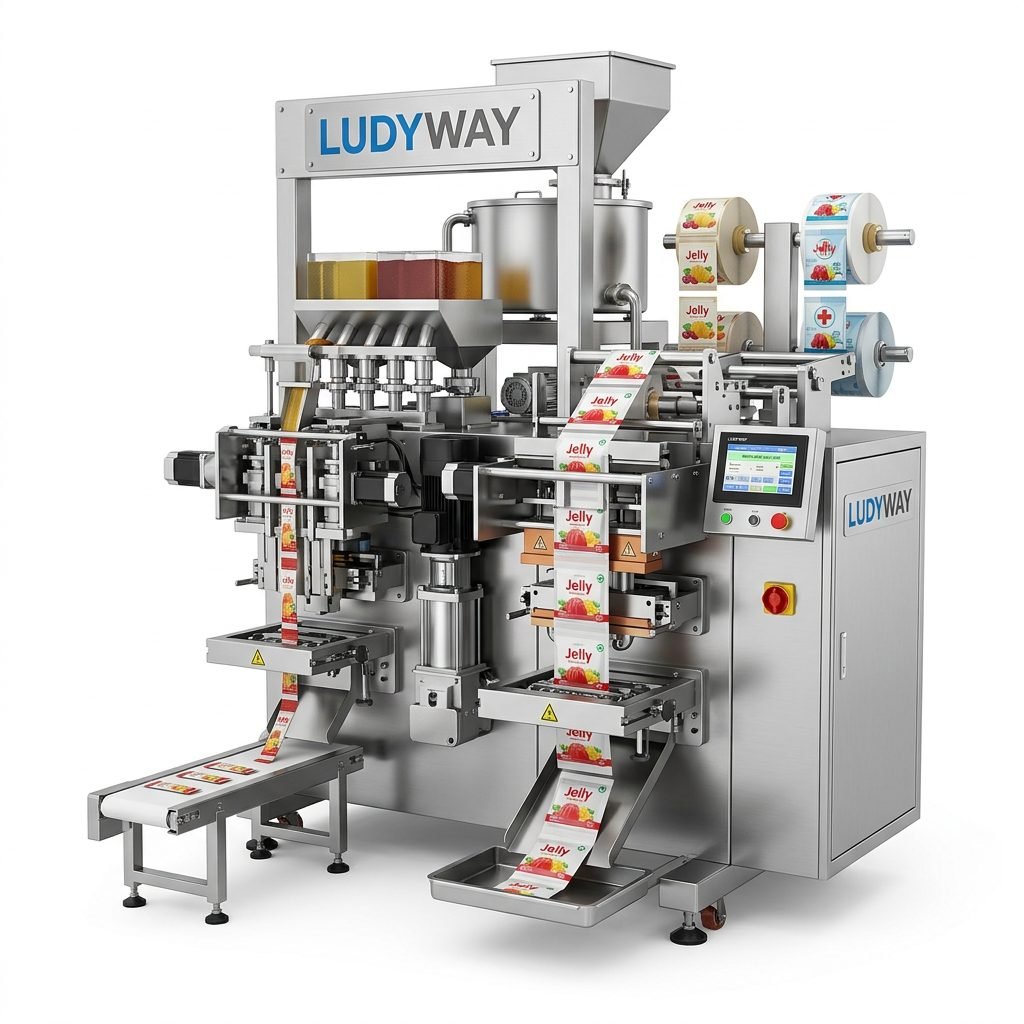
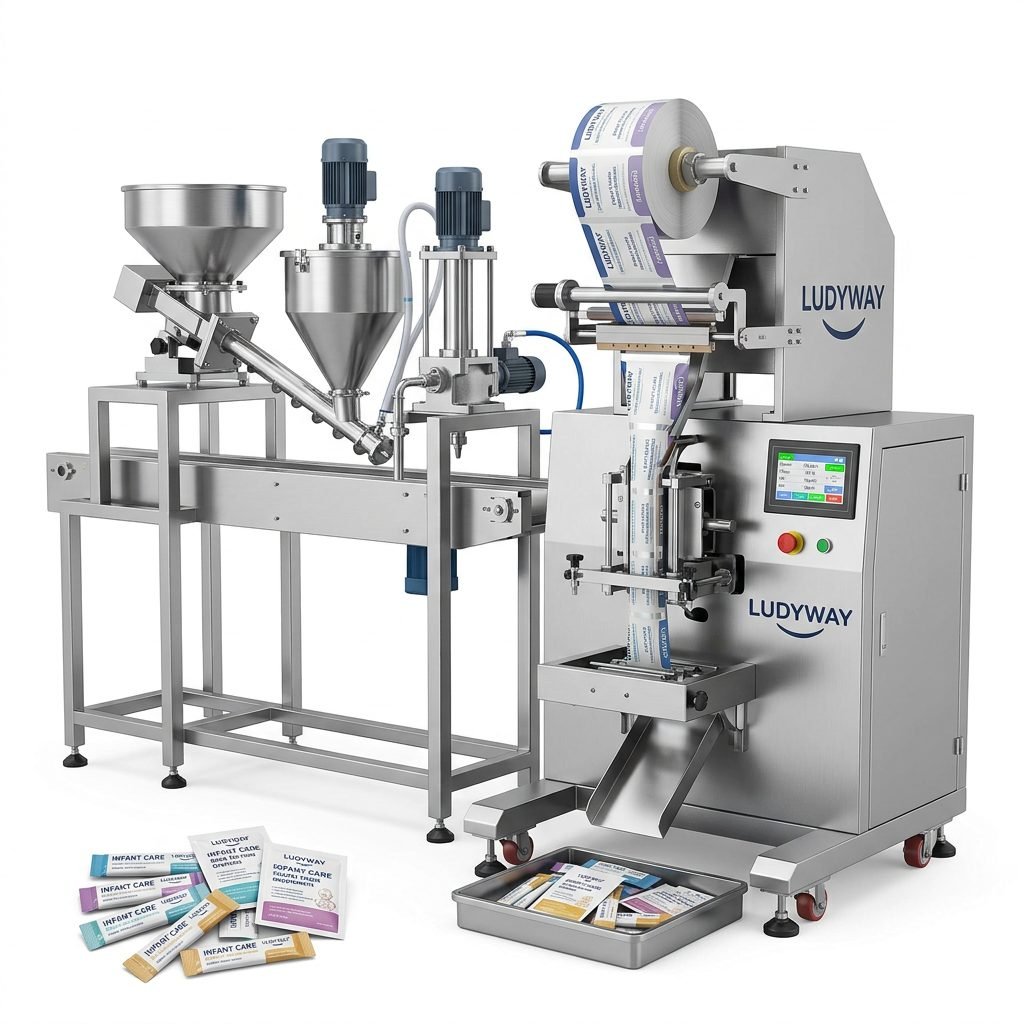
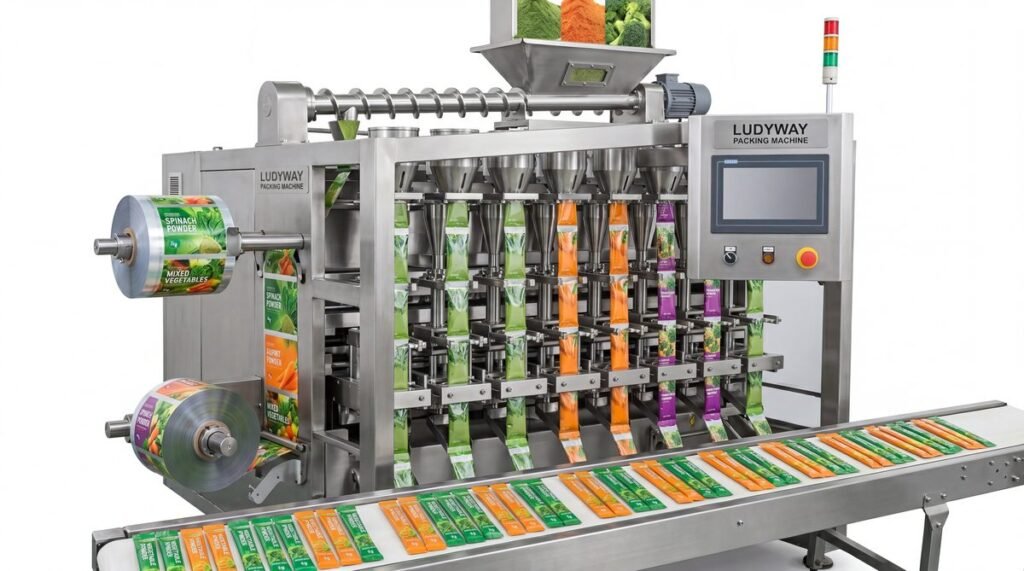
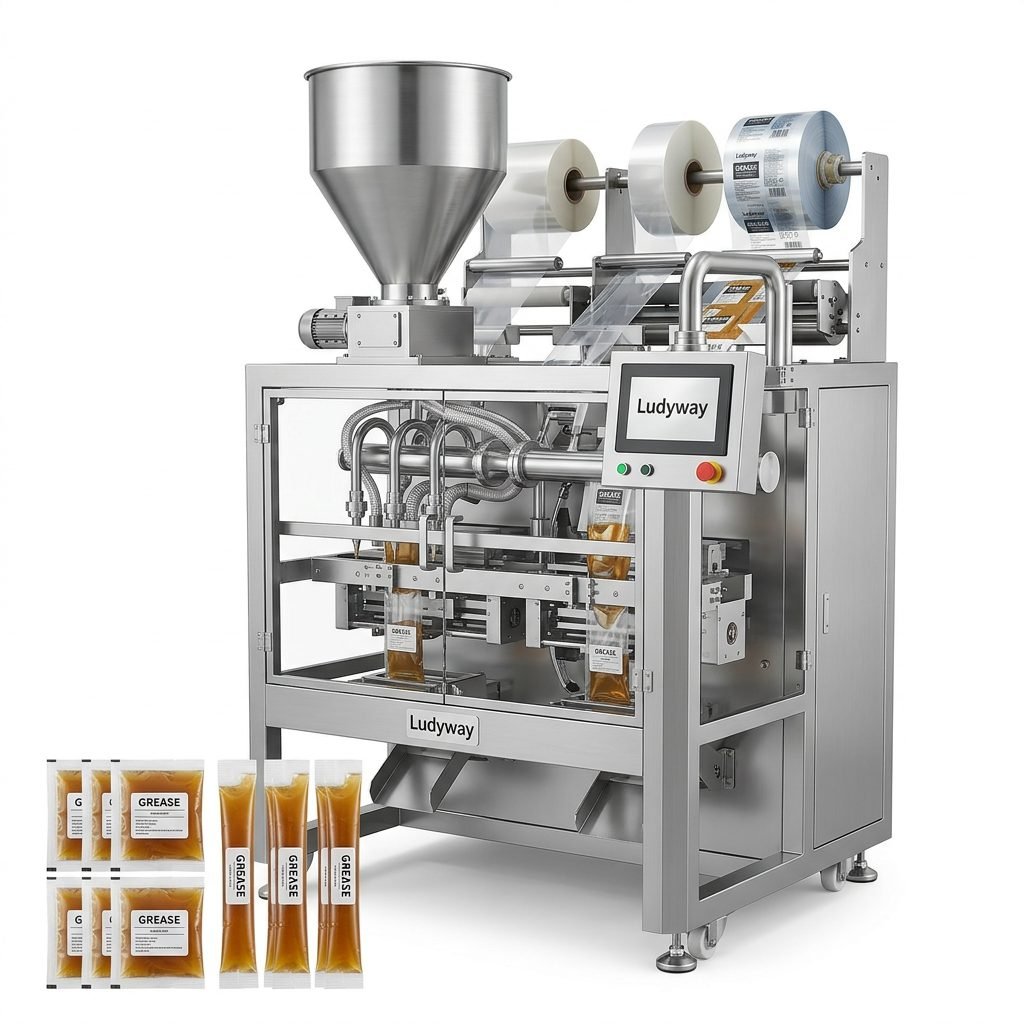
An automated packaging machine is no longer a luxury for modern manufacturers. It has become a practical investment for companies that want faster throughput, more stable pack quality, lower labor dependence, and better production traceability. Whether you produce food, pharmaceuticals, cosmetics, chemicals, health supplements, or pet products, the right automation setup can significantly improve daily operations.
This guide explains the main benefits of automated packaging machinery, the most common machine types, and the key factors to evaluate before making a purchase decision.
Why Businesses Are Moving to Automated Packaging Machines
Manual or semi-automatic packaging may work for small batches, but as order volume increases, businesses often face bottlenecks such as inconsistent filling, slow output, higher labor costs, and more operator error. Automated systems address these issues by combining filling, sealing, coding, counting, conveying, inspection, and end-of-line handling into a more streamlined process.
- Higher productivity: machines can run continuously with repeatable speed.
- Better consistency: packaging dimensions, sealing quality, and fill accuracy are more uniform.
- Reduced labor pressure: fewer manual steps mean lower labor intensity and easier workforce planning.
- Improved hygiene and safety: especially important for food, pharma, and medical products.
- Lower material waste: precise dosing and sealing help reduce rejects.
- Scalability: automated lines make it easier to expand output in the future.
Key Benefits of an Automated Packaging Machine
1. Faster Production Speed
One of the biggest advantages is speed. Automated machines can package far more units per minute than manual operations. For high-demand industries such as instant beverages, sachets, stick packs, wet wipes, pills, and pouches, this speed difference has a direct impact on profitability.
2. More Accurate Filling and Sealing
Consistency matters. Underfilling causes compliance and customer issues, while overfilling increases cost. Automated equipment uses controlled dosing systems for powders, granules, liquids, and pastes, helping maintain more accurate pack weights and volumes.
3. Better Product Presentation
Uniform seals, neat cutting, aligned prints, and repeatable pouch dimensions create a more professional appearance. This is important for retail products where shelf appeal influences buying decisions.
4. Reduced Long-Term Operating Cost
Although the initial equipment investment can be significant, many companies recover costs through higher output, lower waste, and lower dependency on large packaging teams. Over time, automation often provides a stronger return on investment than labor-intensive packaging methods.
5. Easier Integration Into Smart Manufacturing
Modern packaging systems can be connected with feeders, conveyors, checkweighers, metal detectors, printers, cartoners, and palletizing units. This makes automated packaging an important step toward a more intelligent factory environment.
Common Types of Automated Packaging Machines
The right machine depends on your product form, package type, speed target, and factory layout. Below are some of the most widely used categories.
| Machine Type | Best For | Typical Products |
|---|---|---|
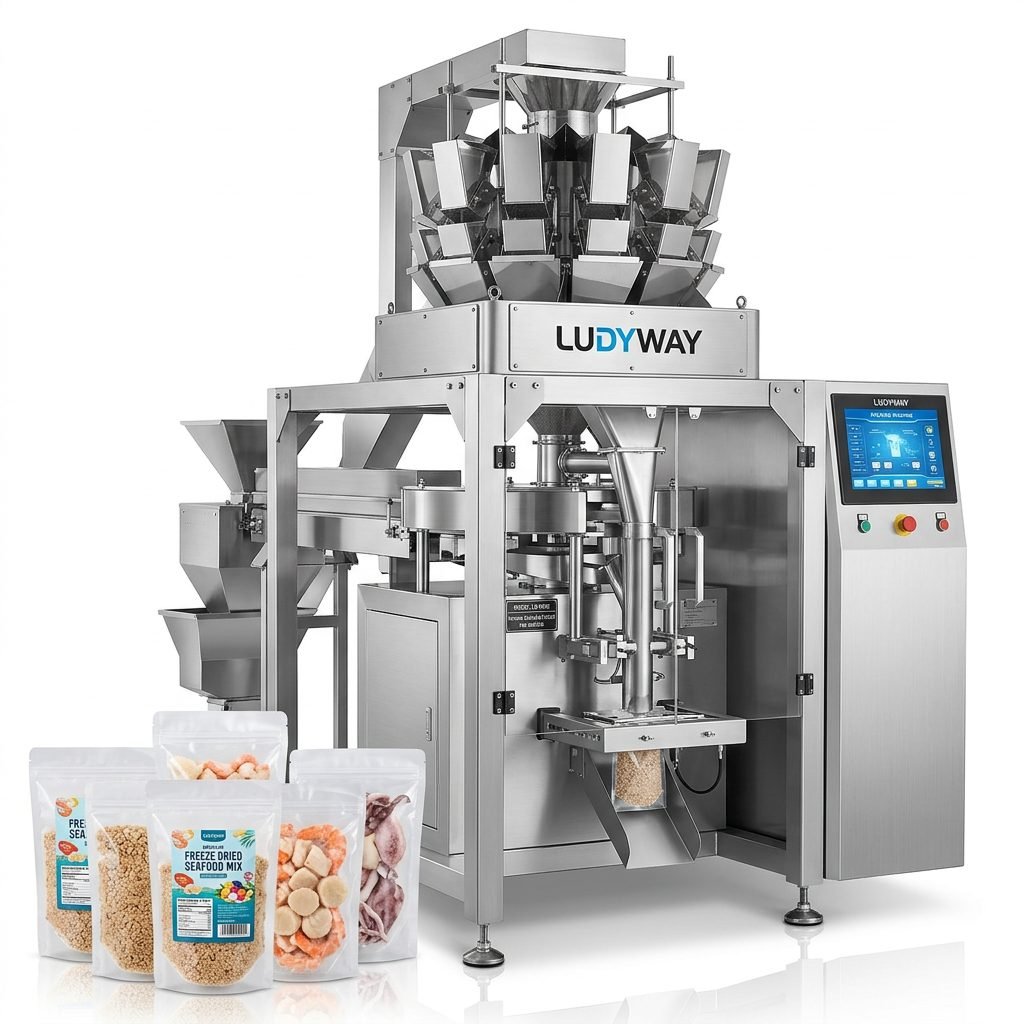
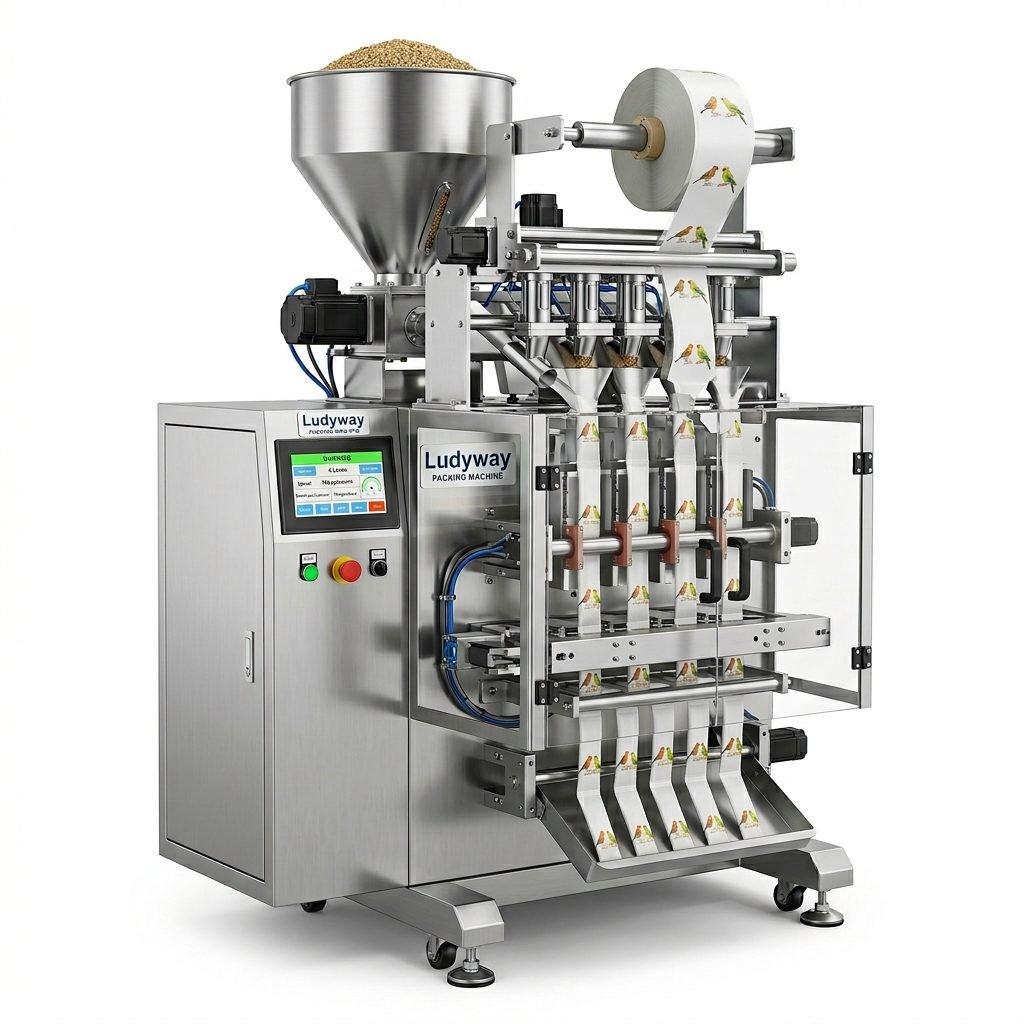
| Vertical form fill seal machines | Bagging and pouch making from film rolls | Powders, granules, snacks, seeds |
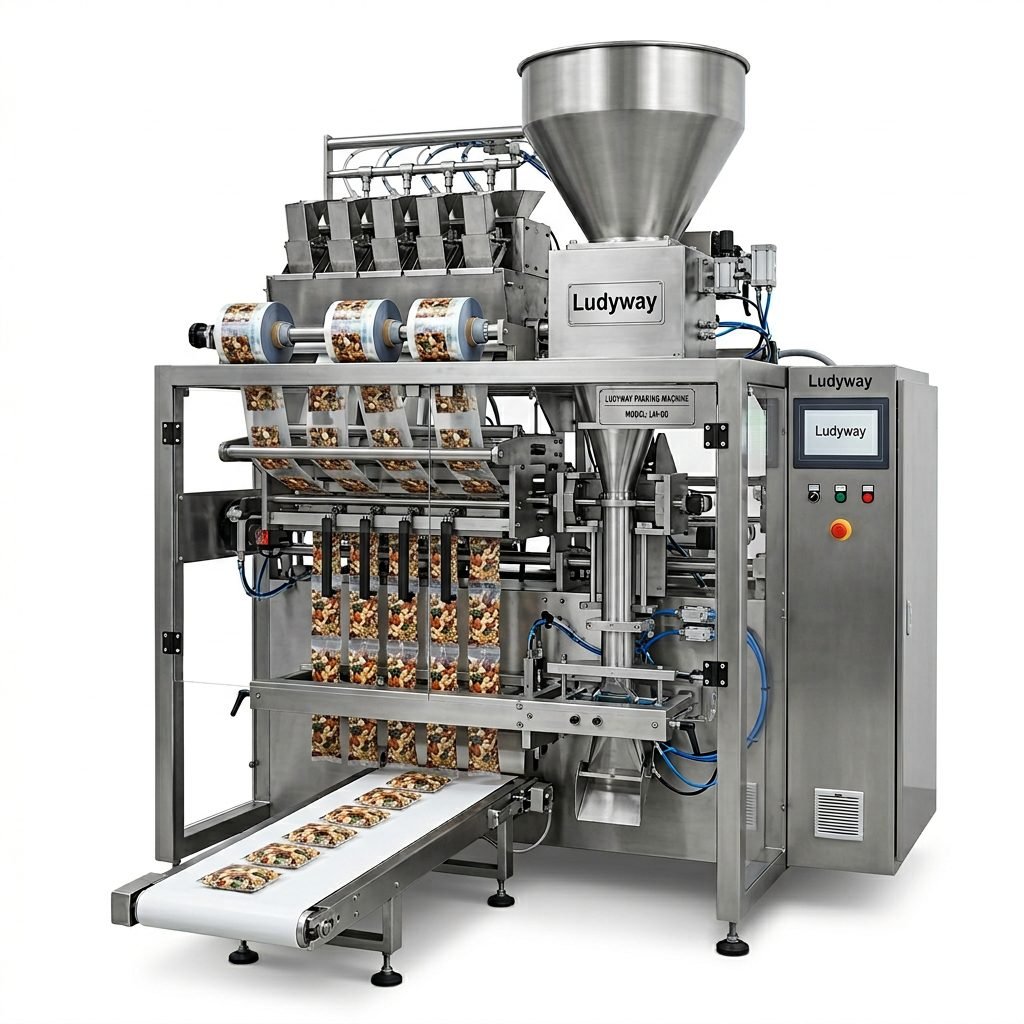
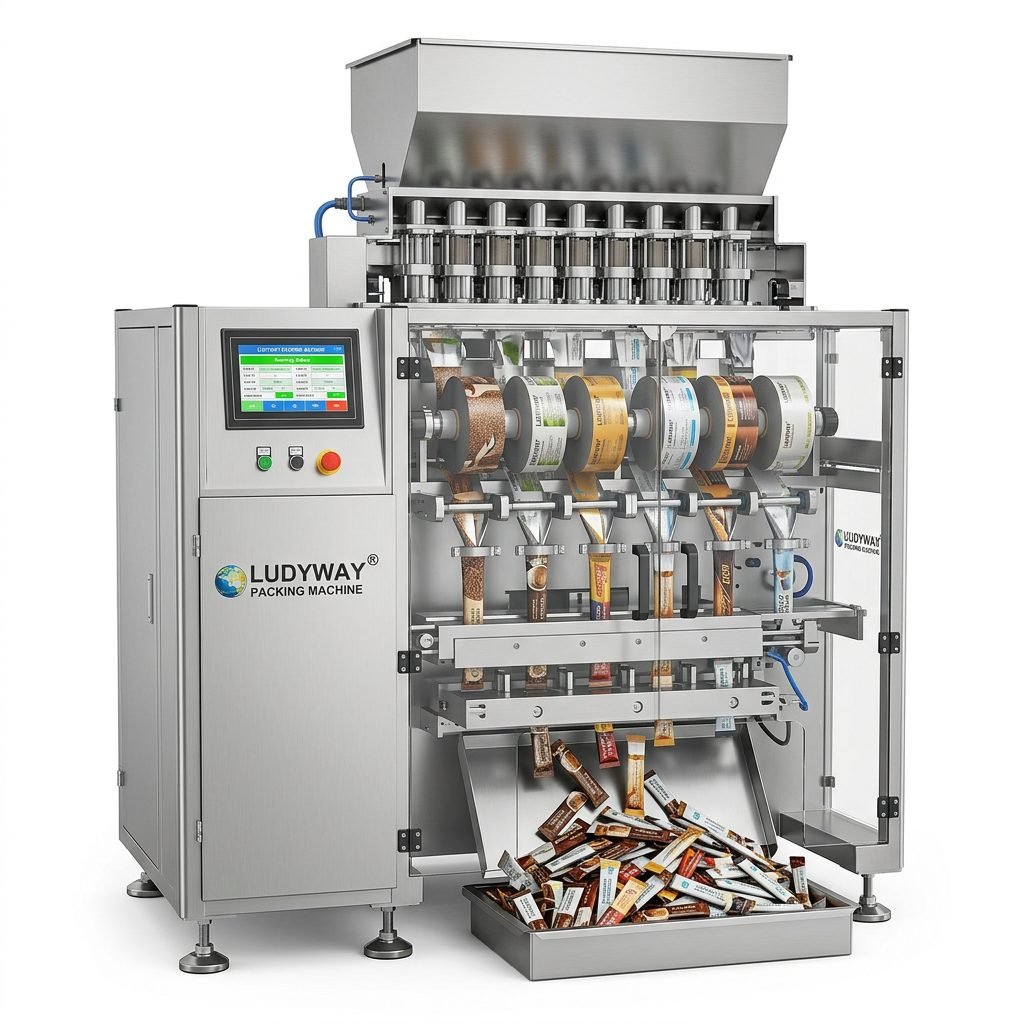
| Stick pack machines | Slim single-dose packaging | Coffee, supplements, sugar, drink mix |
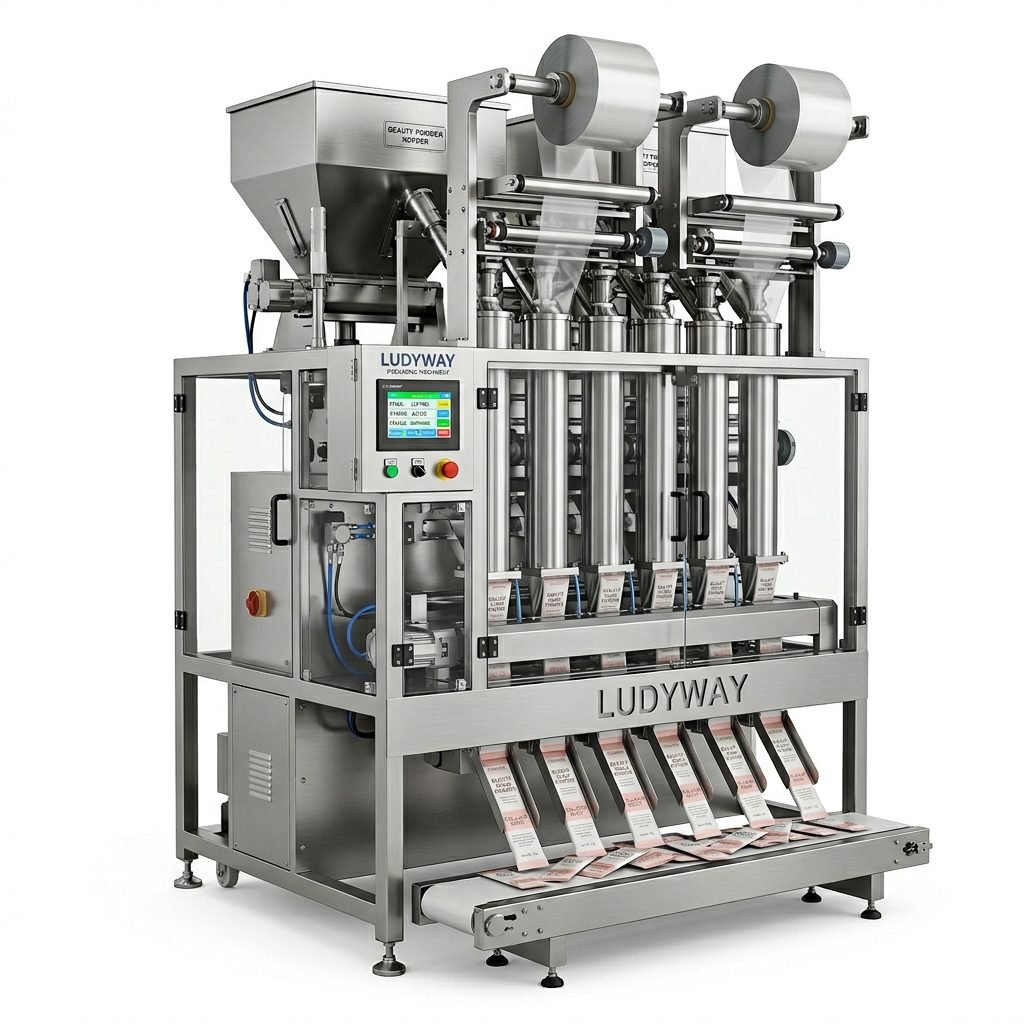
| Sachet packaging machines | Flat small-format packs | Sauces, creams, shampoo, powders |
| Liquid filling and sealing machines | Controlled liquid or paste dosing | Oils, syrups, detergents, gels |
| Bottle filling lines | Containers with capping and labeling | Pharma liquids, cosmetics, cleaners |
| Premade pouch machines | Flexible pouch filling and sealing | Pet food, powders, sauces, granules |
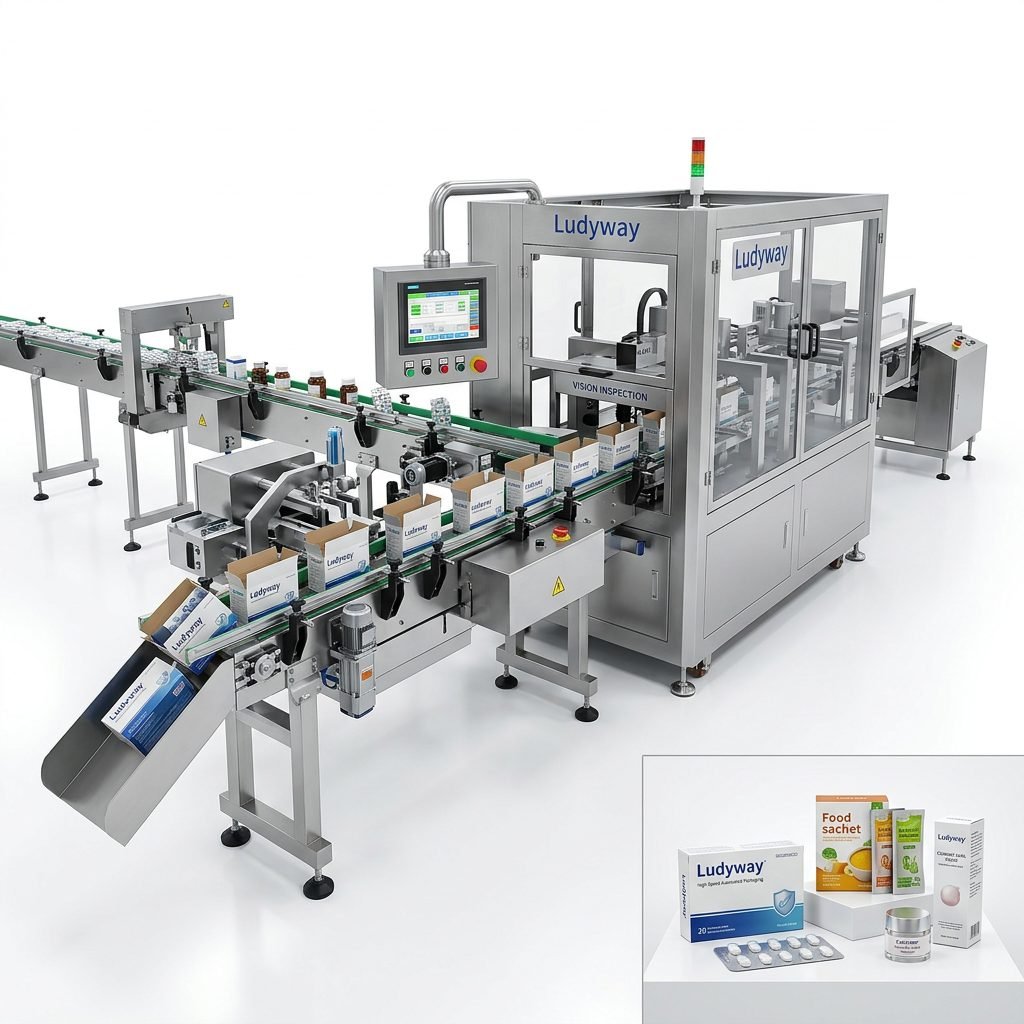
| Cartoning and case packing systems | Secondary packaging automation | Retail packs, pharma cartons, grouped units |
Vertical Form Fill Seal Machines
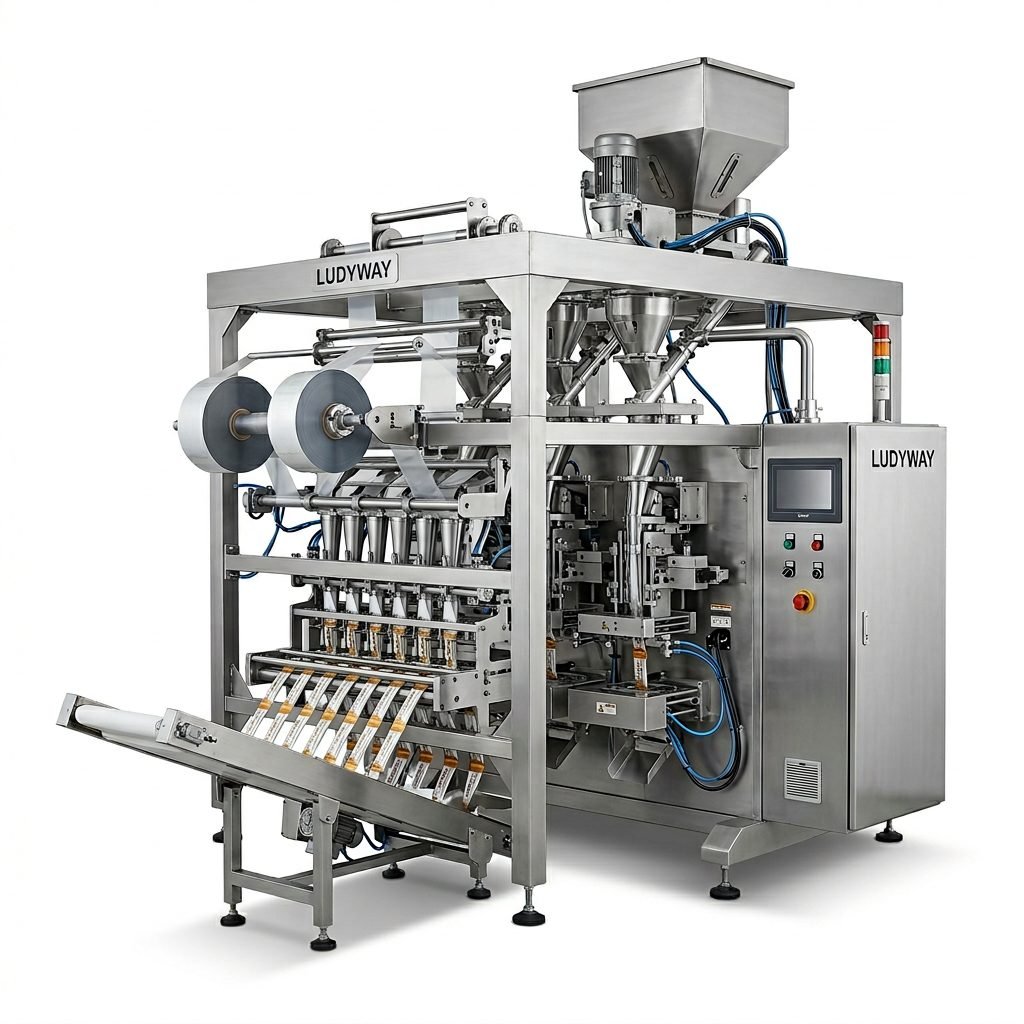
These systems form bags from roll film, fill the product, and seal the package in one automated process. They are commonly used in food, chemical, and agricultural applications where flexible packaging is needed.
Stick Pack and Sachet Machines
These machines are ideal for single-serve and small-dose applications. They are especially popular in coffee, nutraceutical, pharmaceutical, seasoning, and cosmetic packaging because they combine compact pack size with high-speed output.
Liquid and Paste Packaging Machines
Designed for products with flow characteristics ranging from water-like liquids to viscous sauces and creams, these machines use pumps, pistons, or servo-controlled dosing systems to improve precision and reduce dripping or sealing contamination.
Turnkey Packaging Lines
A standalone machine may solve one production step, but many factories benefit more from a complete line. A turnkey solution can include feeding, filling, sealing, coding, inspection, cartoning, case packing, and palletizing. This approach helps reduce compatibility issues between separate machines from different suppliers.
Industries That Benefit Most From Packaging Automation
- Food and beverage: coffee, spices, sauces, snacks, powdered drinks, dairy powders.
- Pharmaceutical: capsules, granules, oral liquids, medical consumables.
- Health supplement: protein powders, vitamins, electrolytes, probiotics.
- Cosmetics and personal care: creams, lotions, shampoos, serums, wipes.
- Chemical: detergents, cleaners, additives, industrial powders, lubricants.
- Pet food and animal nutrition: pellets, powders, treats, wet and dry products.
How to Choose the Right Automated Packaging Machine
Choosing the right equipment is not only about speed. A machine that looks efficient on paper may still be the wrong fit if it does not match your product behavior, packaging material, factory conditions, or future plans.
1. Understand Your Product Characteristics
Start with the product itself. Ask these questions:
- Is it a powder, granule, liquid, paste, tablet, or mixed material?
- Is it free-flowing, sticky, dusty, fragile, or corrosive?
- Does it require hygienic, sterile, or explosion-proof handling?
- Is dosing based on weight, volume, count, or viscosity?
The answers directly affect machine structure, filling method, sealing style, and material contact parts.
2. Define Your Packaging Format
You need to be clear about the final package type. Common options include:
- Stick packs
- Sachets
- Pouches
- Bottles
- Jars
- Cartons
- Bulk bags
A machine designed for pillow pouches will not necessarily suit spouted pouches or rigid containers. Make sure the equipment supports your exact pack dimensions and sealing requirements.
3. Match the Machine to Your Required Output
Some buyers overfocus on maximum speed. In reality, you should compare stable running speed, not just top theoretical speed. Consider your expected output per shift, changeover time, downtime risk, and maintenance schedule.
4. Check Automation Level and Expandability
If your business is growing, choose a machine or line that can be expanded later. For example, you may start with a filling and sealing machine, then later add coding, cartoning, inspection, and robotic palletizing.
5. Evaluate Ease of Cleaning and Maintenance
This is critical in food, pharmaceutical, and cosmetic production. A machine should be easy to clean, easy to inspect, and simple for operators to maintain. Quick disassembly and accessible contact parts can save significant downtime.
6. Consider Material Compatibility
Not all film, pouch, bottle, or seal materials behave the same way. Confirm whether the equipment is compatible with your actual packaging material, including thickness, heat-sealing properties, barrier structure, and printing alignment needs.
7. Ask About Customization
Standard models may work for common products, but many production projects require customized layouts, dosing devices, lane configurations, or integrated line components. For manufacturers with varied SKUs, customization can be more valuable than buying a rigid off-the-shelf system.
Quick Buyer Checklist
| Evaluation Point | What to Confirm |
|---|---|
| Product type | Powder, granule, liquid, paste, tablet, pouch product |
| Pack format | Sachet, stick pack, pouch, bottle, carton, bag |
| Output target | Packs per minute, shifts per day, future growth needs |
| Accuracy needs | Acceptable filling tolerance and sealing quality level |
| Compliance | Food-grade, GMP-related, hygiene and safety requirements |
| Factory conditions | Space, power supply, air supply, workflow layout |
| Service support | Installation, training, spare parts, technical response |
Mistakes to Avoid When Buying Packaging Equipment
- Choosing only by price and ignoring total lifecycle cost
- Buying a machine that is too small for future demand
- Ignoring product test runs before final purchase
- Overlooking changeover time for multiple SKUs
- Not checking after-sales support and spare parts availability
- Selecting a machine without considering integration with existing lines
Why Supplier Experience Matters
An automated packaging machine is a long-term production asset, so supplier capability matters as much as the machine itself. A reliable manufacturer should offer technical consultation, machine testing, customization, installation guidance, operator training, and ongoing support.
For businesses looking for scalable packaging automation, Ludyway automated packaging machine solutions are backed by more than 30 years of manufacturing experience, a factory of over 20,000 square meters, and broad application coverage across food, pharmaceutical, health supplement, cosmetic, chemical, and pet product industries.
Final Thoughts Before You Invest
The best automated packaging machine is the one that fits your product type, packaging format, production goals, hygiene standards, and expansion plan. A well-matched system can improve efficiency, reduce waste, strengthen quality control, and support long-term growth.
Before making a final decision, prepare clear product samples, define your target package specifications, estimate future output, and request a practical technical proposal. That approach will help you choose equipment that delivers value not only today, but also as your production needs evolve.