Selecting the right medicine packaging machine is a critical decision for pharmaceutical manufacturers. The correct system ensures product integrity, compliance with stringent regulations, and operational efficiency. This guide provides a comprehensive overview of the types of machines available, their working principles, and key factors to consider when choosing the ideal system for your production needs.
Key Insight: The choice of packaging machinery directly impacts product shelf life, contamination risk, and production line throughput. Investing in the right technology is not just an operational decision but a strategic one for quality assurance.
Primary Types of Medicine Packaging Machines
The pharmaceutical industry utilizes several specialized packaging systems, each designed for specific product forms and output requirements.
1. Blister Packaging Machines
These are among the most common machines for solid-dose medications like tablets and capsules. They form a cavity (blister) from a thermoplastic film or foil, place the product inside, and seal it with a lidding material, usually aluminum foil.
- Best For: Unit-dose packaging, excellent barrier properties, patient compliance (easy to pop).
- Common Variants: Thermoforming and cold forming blister machines.
2. Strip Packaging Machines
Strip packers create sealed pouches in a continuous strip, where each pouch contains a single tablet or capsule. Two webs of film are sealed around the product.
- Best For: Packaging hygroscopic or light-sensitive drugs, as they often use high-barrier laminates.
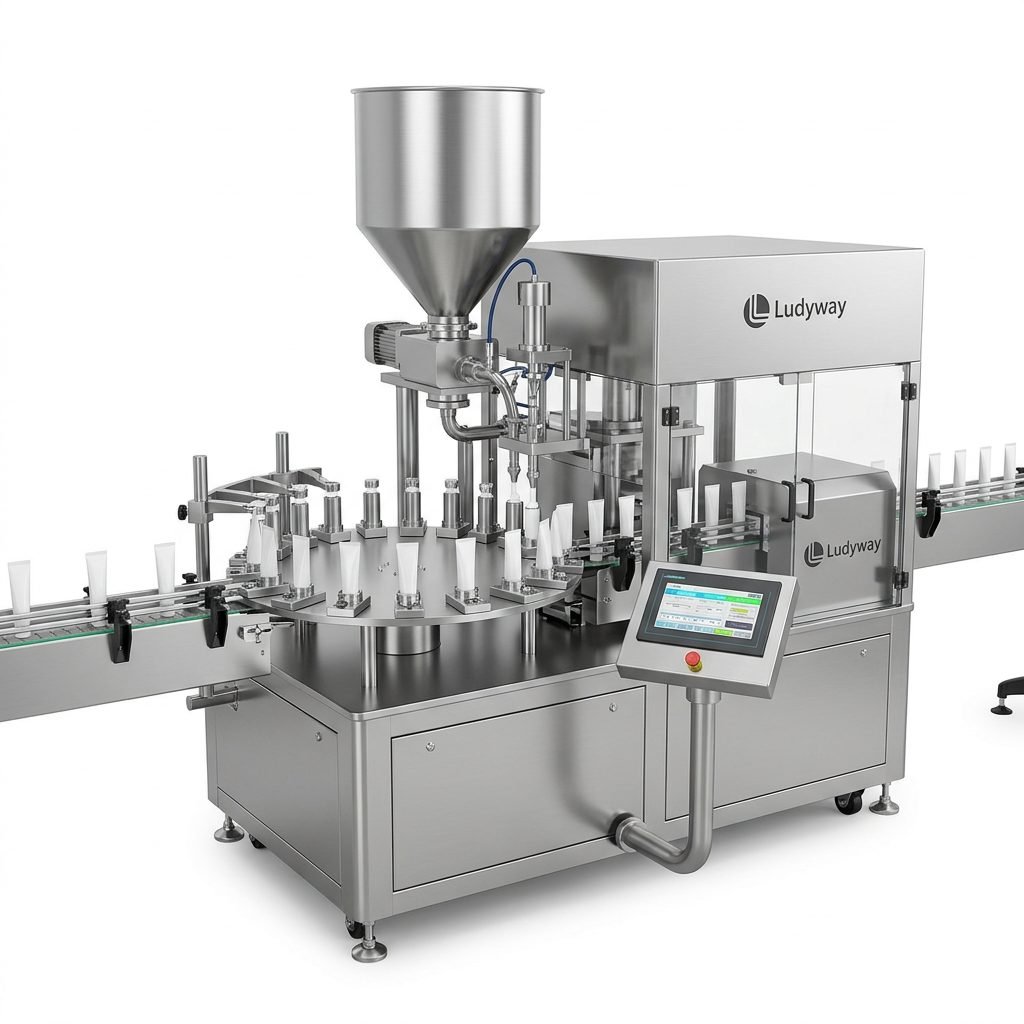
3. Bottle Filling & Capping Lines
This is an integrated system for packaging tablets, capsules, or liquids into plastic or glass bottles. It typically involves a bottle unscrambler, filler, cottoner (if needed), capper, and labeler.
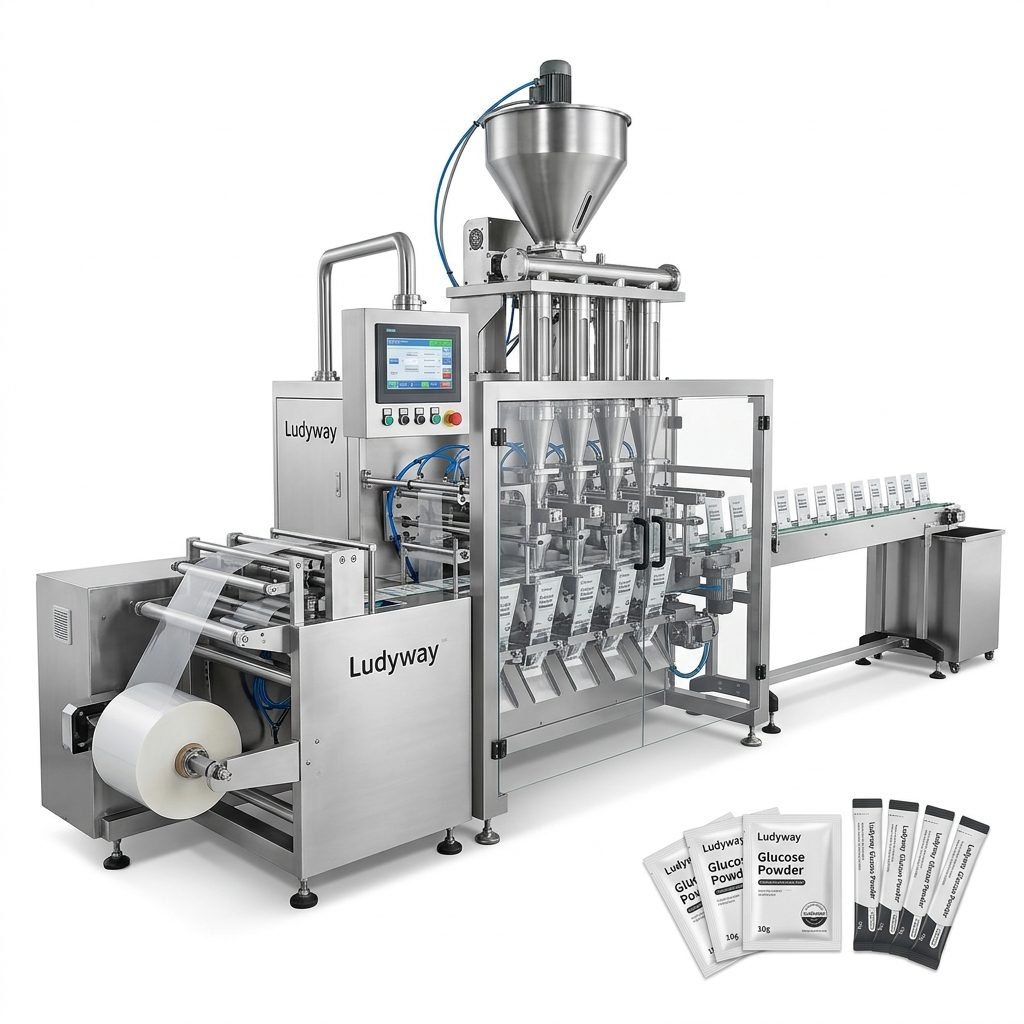
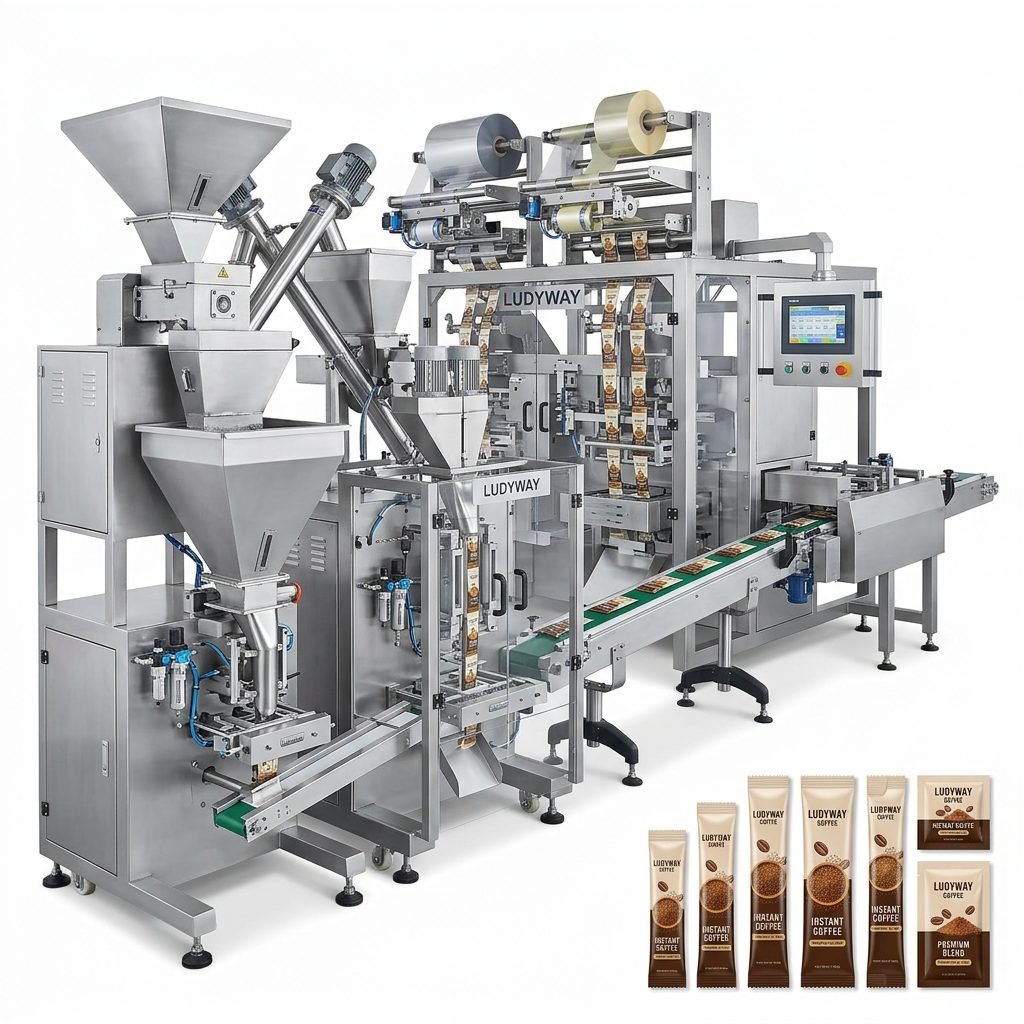
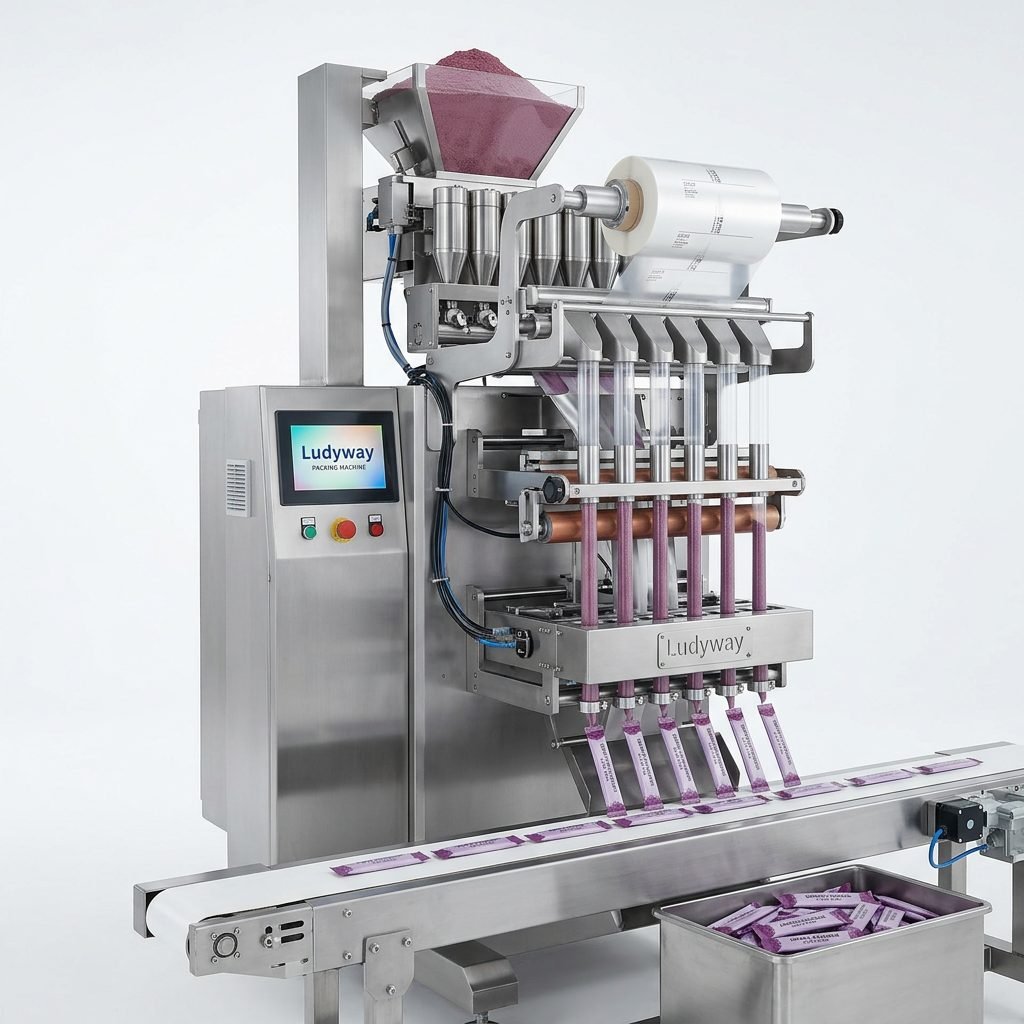
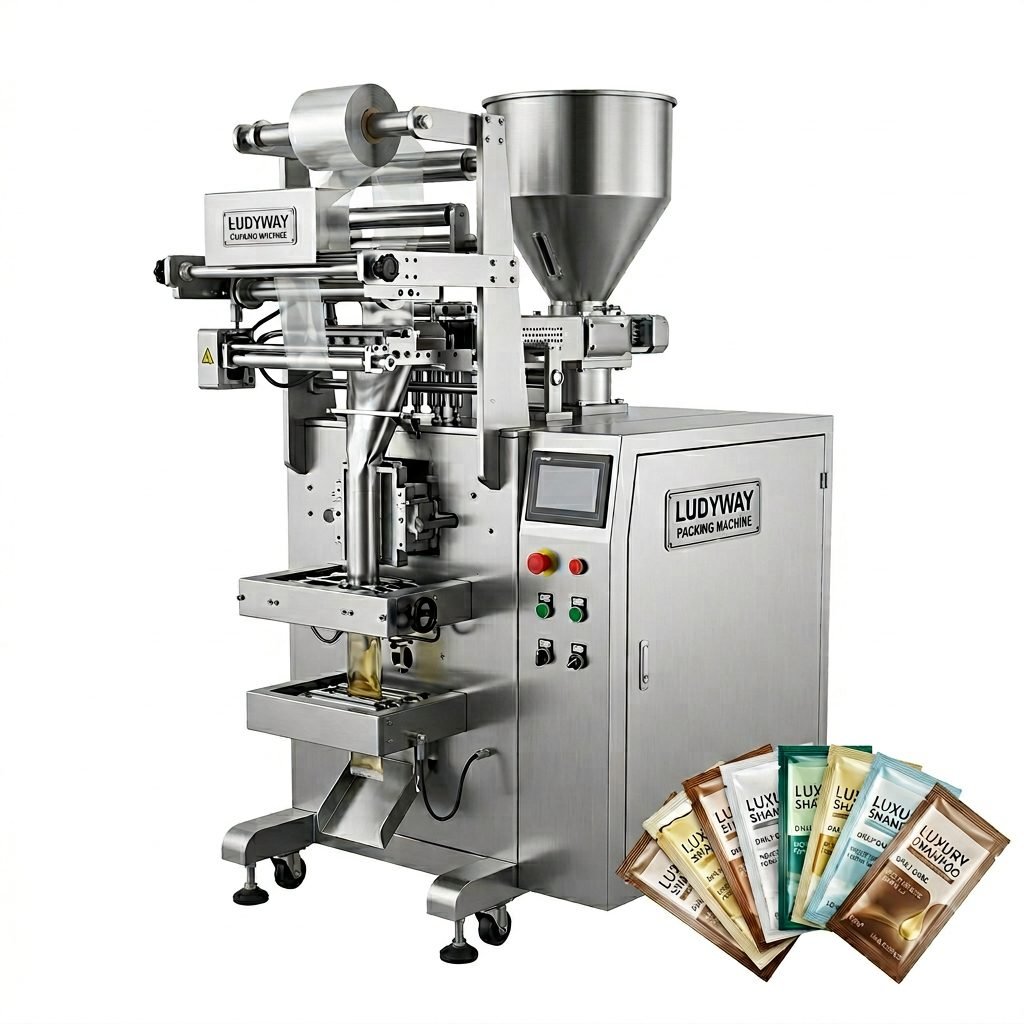
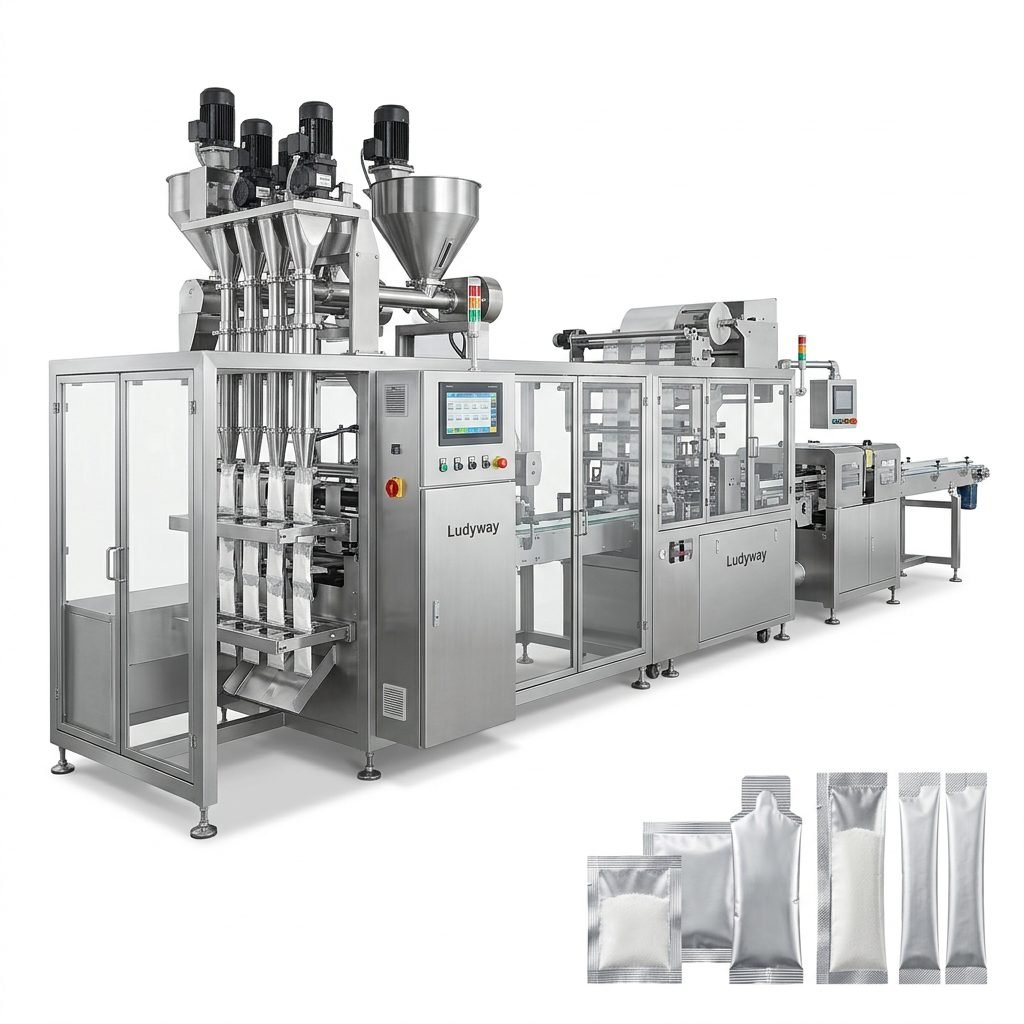
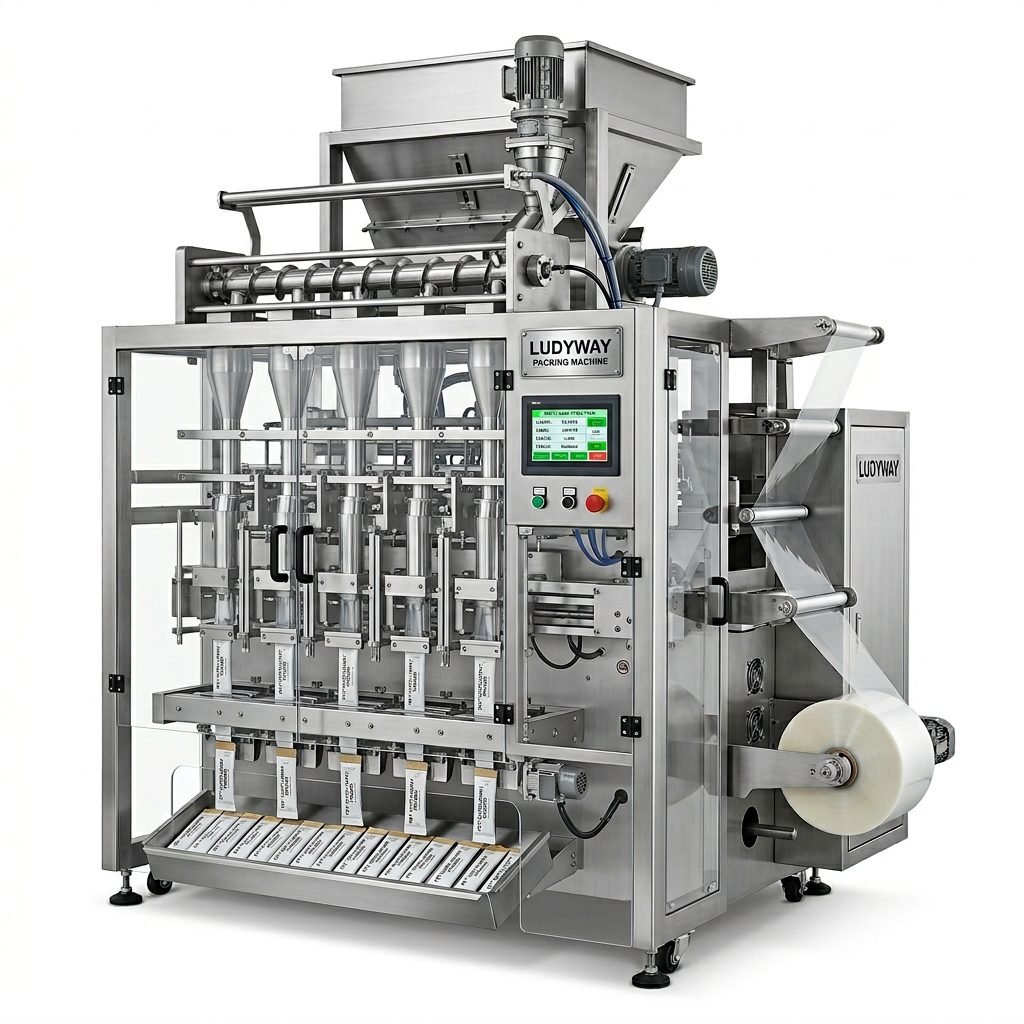
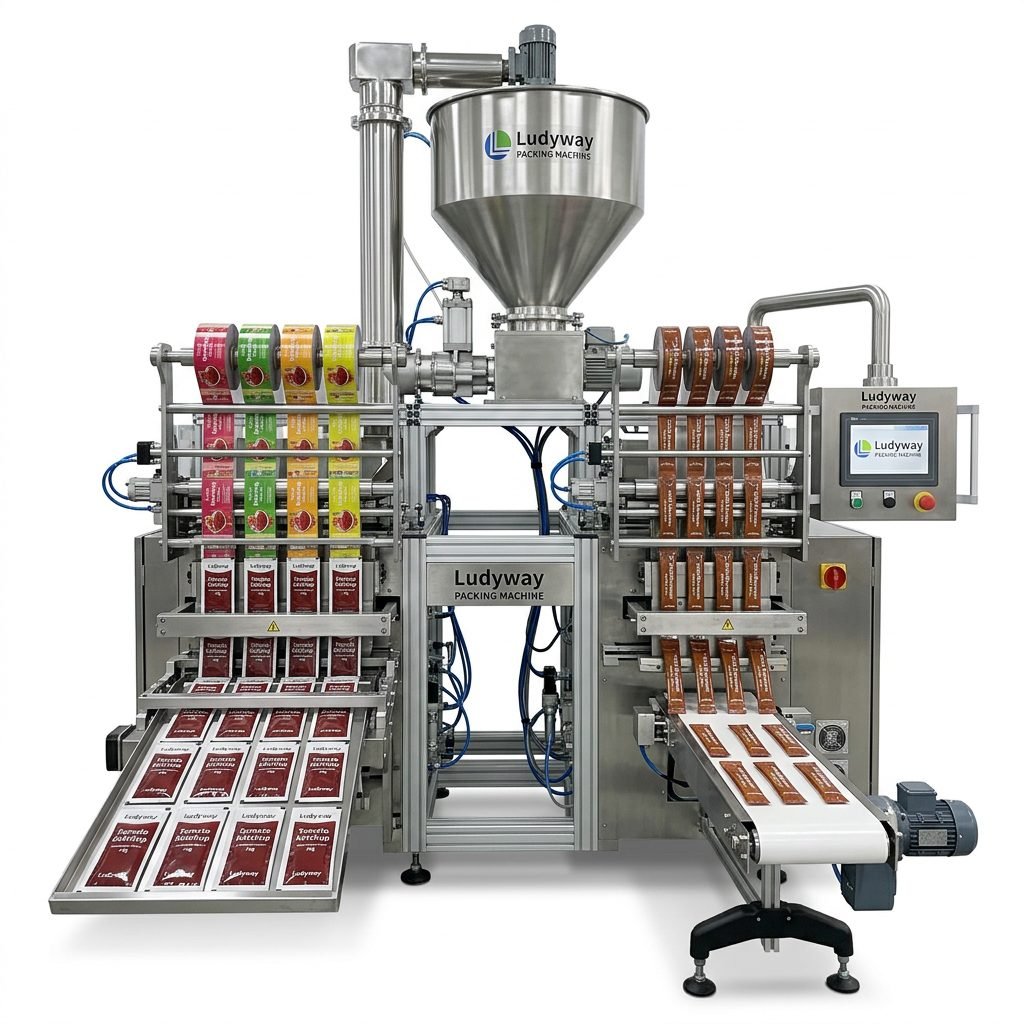
4. Sachet & Stick Pack Machines
Ideal for packaging powders, granules, or liquids in single-dose pouches. These machines are highly versatile and can handle a range of materials, from oral rehydration salts to effervescent powders. Advanced models from suppliers like Ludyway Machinery offer multi-lane configurations for high-speed production.
5. Cartoning Machines
These machines erect cartons, insert blisters, strips, bottles, or leaflets, and close them. They are essential for secondary packaging.
Core Working Principles & Technology
Understanding how these machines function helps in evaluating their suitability and maintenance needs.
⚙️ The Packaging Process Cycle:
- Product Feeding & Metering: Products are precisely counted (tablets) or volumetrically/gravimetrically measured (powders) using sophisticated feeders.
- Web Feeding & Forming: Packaging material (film, foil) is fed from reels and formed into cavities, pouches, or tubes.
- Filling: The measured product is transferred into the formed packaging.
- Sealing: Heat, pressure, or ultrasonic energy is applied to create a hermetic seal, critical for product protection.
- Cutting & Discharge: The continuous pack is cut into individual units and discharged for collection or secondary packaging.
Modern machines integrate Programmable Logic Controllers (PLCs), Human-Machine Interfaces (HMIs), and often vision inspection systems to check for fill accuracy, seal integrity, and print quality, rejecting any faulty packs automatically.
How to Choose the Right Medicine Packaging System
Selecting equipment requires a careful analysis of your product, output, and facility.
1. Analyze Your Product Characteristics
- Form: Tablet, capsule, powder, liquid, or ointment?
- Sensitivity: Does it require light, moisture, or oxygen barrier? This dictates material choice.
- Dose: Is it unit-dose (blister/sachet) or multi-dose (bottle)?
2. Define Production Requirements
Calculate your required output in packs per minute (PPM). Consider future growth—can the machine be upgraded? Also, evaluate changeover time between different product sizes or formats; quick-change features minimize downtime.
3. Prioritize Compliance & Validation
For pharmaceutical use, machines must be designed for easy cleaning (often with CIP/SIP systems) and be constructed from compliant materials (e.g., 316L stainless steel contact parts). Ensure the supplier can provide documentation like Factory Acceptance Test (FAT) and Installation/Operational Qualification (IQ/OQ) protocols. Partnering with an experienced provider like Ludyway, with deep industry knowledge, is crucial here.
4. Evaluate Machine Features & Support
- Automation Level: From semi-automatic to fully automated lines with robotic handling.
- User Interface: Intuitive HMI for easier operation and troubleshooting.
- Supplier Reliability: Assess their after-sales service, spare parts availability, and technical support network. A company with 30+ years of industry experience often brings invaluable application expertise.
5. Consider Total Cost of Ownership (TCO)
Look beyond the initial purchase price. Factor in operational costs (energy, materials), maintenance costs, potential for scalability, and the machine’s expected lifespan and efficiency (Overall Equipment Effectiveness – OEE).
📈 Pro Tip for Selection
Always request a product sample test run at the supplier’s facility or a reference site. This is the most reliable way to verify machine performance, seal quality, and speed with your actual product and packaging materials before making a final investment decision.
Conclusion
Choosing a medicine packaging machine involves a strategic balance between product needs, regulatory demands, production goals, and long-term operational efficiency. By thoroughly understanding the different machine types, their working principles, and critically evaluating suppliers based on compliance support and proven experience, manufacturers can invest in a system that ensures product safety, maximizes productivity, and provides a strong return on investment for years to come. Exploring the range of intelligent packaging solutions available from specialized engineers is a recommended first step.
Frequently Asked Questions (FAQs)
Q1: What is the main difference between a blister machine and a strip pack machine?
A: While both are used for unit-dose solid medicines, blister machines form a cavity for the product, whereas strip pack machines create a flat seal around the product between two films. Strip packs generally offer a higher barrier but are less rigid than blisters.
Q2: How important is machine validation for pharmaceutical packaging?
A: It is absolutely critical. Regulatory bodies (like the FDA, EMA) require documented evidence that the equipment consistently performs as intended. A proper validation protocol (DQ, IQ, OQ, PQ) is mandatory for compliance in most markets.
Q3: Can one machine handle different types of medicines?
A: Many machines are designed for format flexibility, but changeover requires time and may involve changing parts (like forming molds or filling heads). It’s vital to discuss your product range with the supplier to ensure the machine’s changeover capabilities meet your needs.
Q4: What are the key maintenance requirements for these machines?
A: Regular cleaning, lubrication of moving parts, inspection and replacement of wear parts (like sealing jaws, cutting blades), and calibration of weighing/filling systems are essential. A good supplier will provide a detailed preventive maintenance schedule.
Q5: What should I look for in a packaging machine supplier?
A: Prioritize industry-specific experience, a strong track record of compliance, the ability to provide complete technical documentation and validation support, readily available spare parts, and responsive after-sales service. A partner with global project delivery experience can be a significant asset.