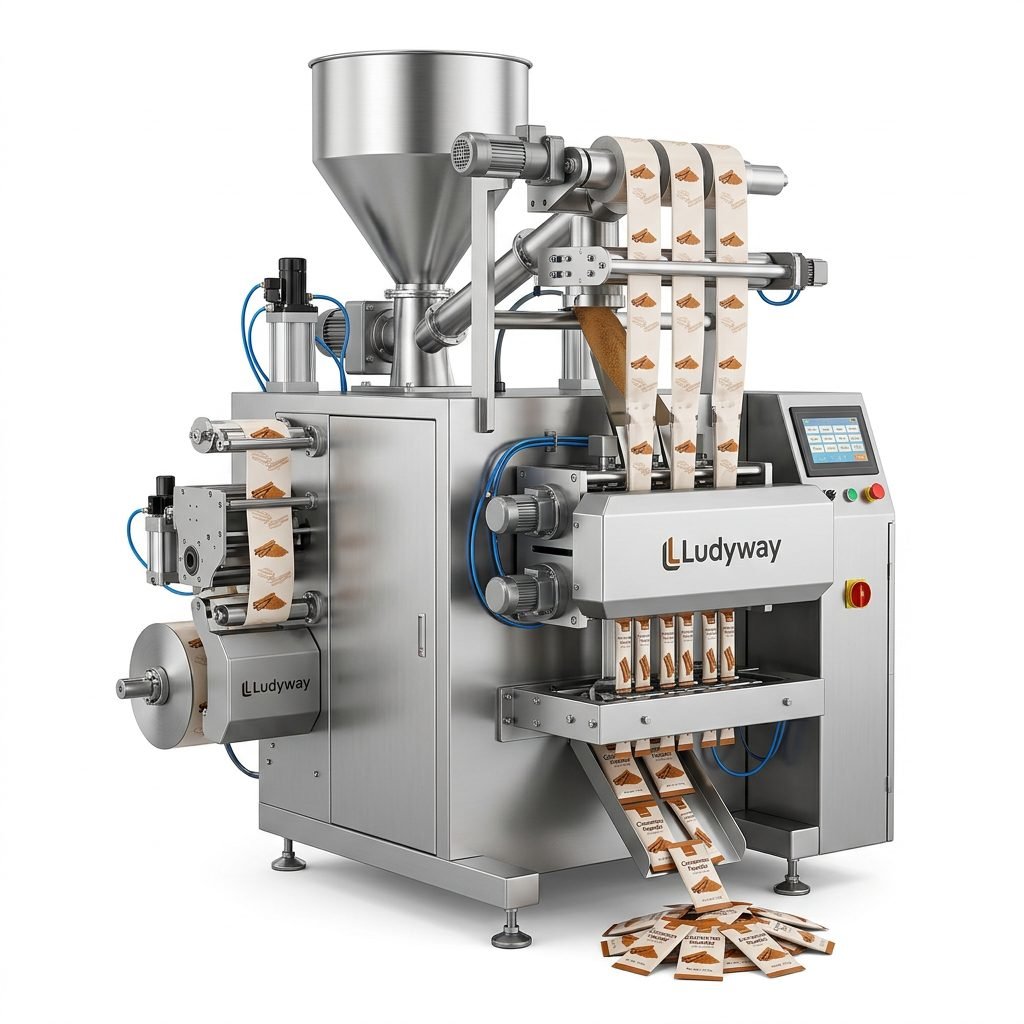
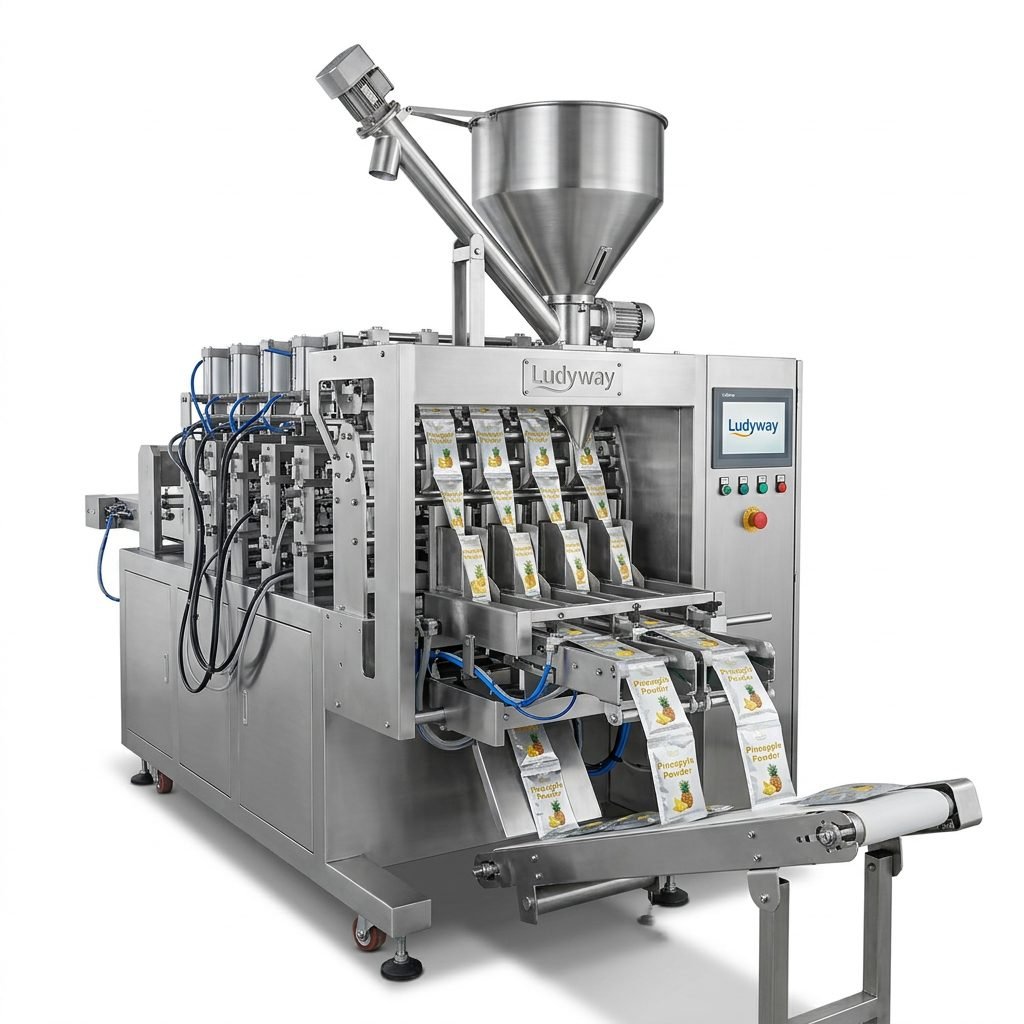
Selecting the right stick packaging machine is a critical decision for any manufacturer aiming to optimize production efficiency, ensure product integrity, and maintain cost-effectiveness. This comprehensive guide will walk you through the key factors to consider when choosing the best stick pack filler for your specific production needs.
Understanding Stick Pack Packaging Technology
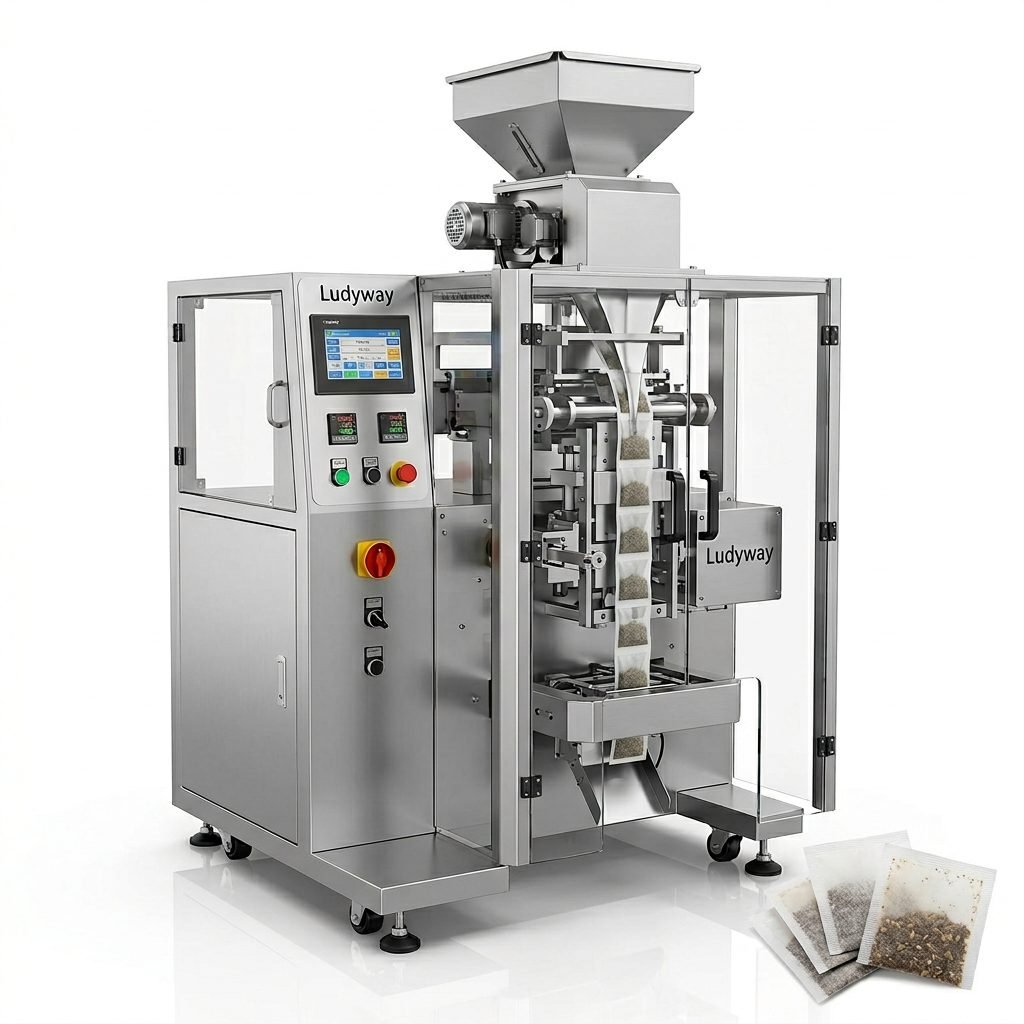
Stick pack machines are designed to create long, slender, and portable single-serve packages. They are exceptionally popular for products like instant coffee, sugar, drink mixes, pharmaceutical powders, and nutritional supplements. The primary function of the machine is to form, fill, and seal a continuous roll of packaging film into individual sticks with high precision and speed.
Core Advantage: Stick packs offer a superior surface-to-volume ratio compared to traditional sachets, which enhances product visibility and allows for faster dissolution of contents. This format is highly favored by consumers for its convenience and modern appeal.
Key Components of a Stick Pack Filler
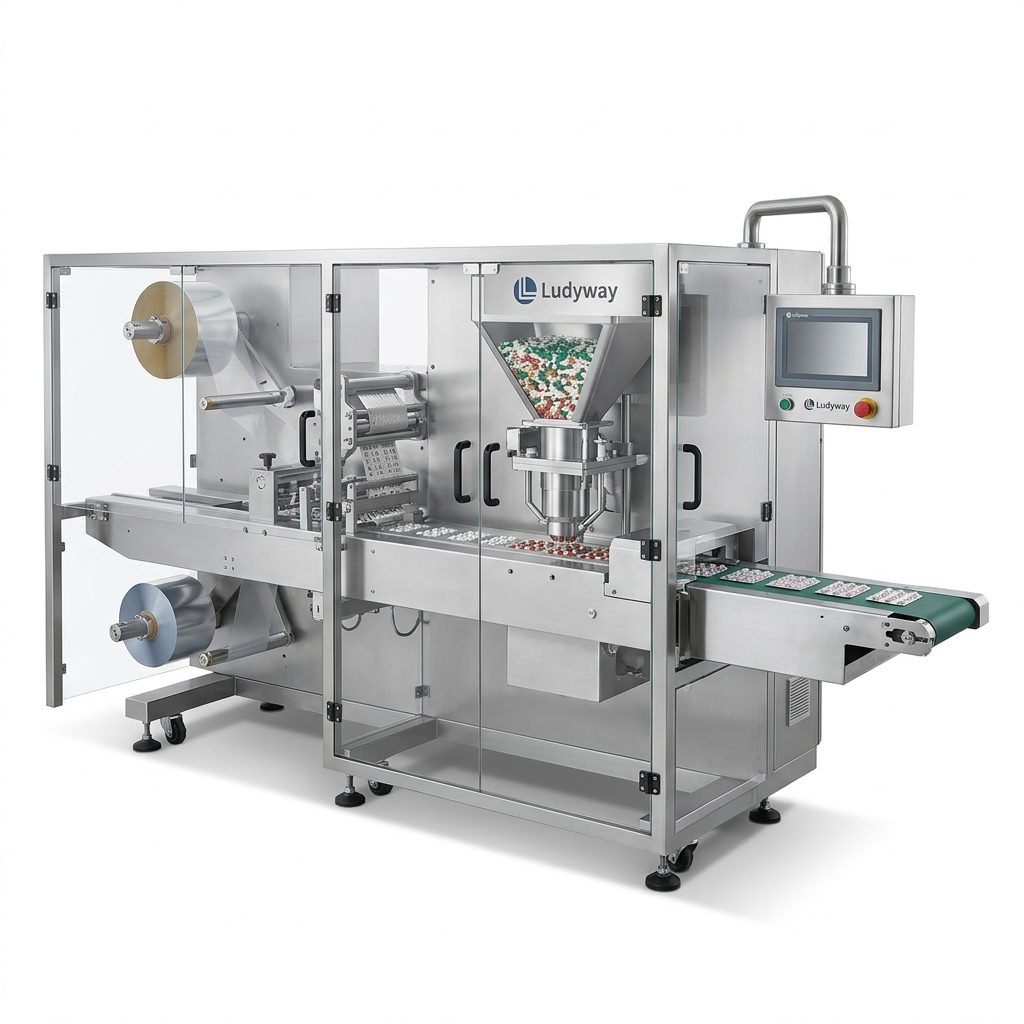
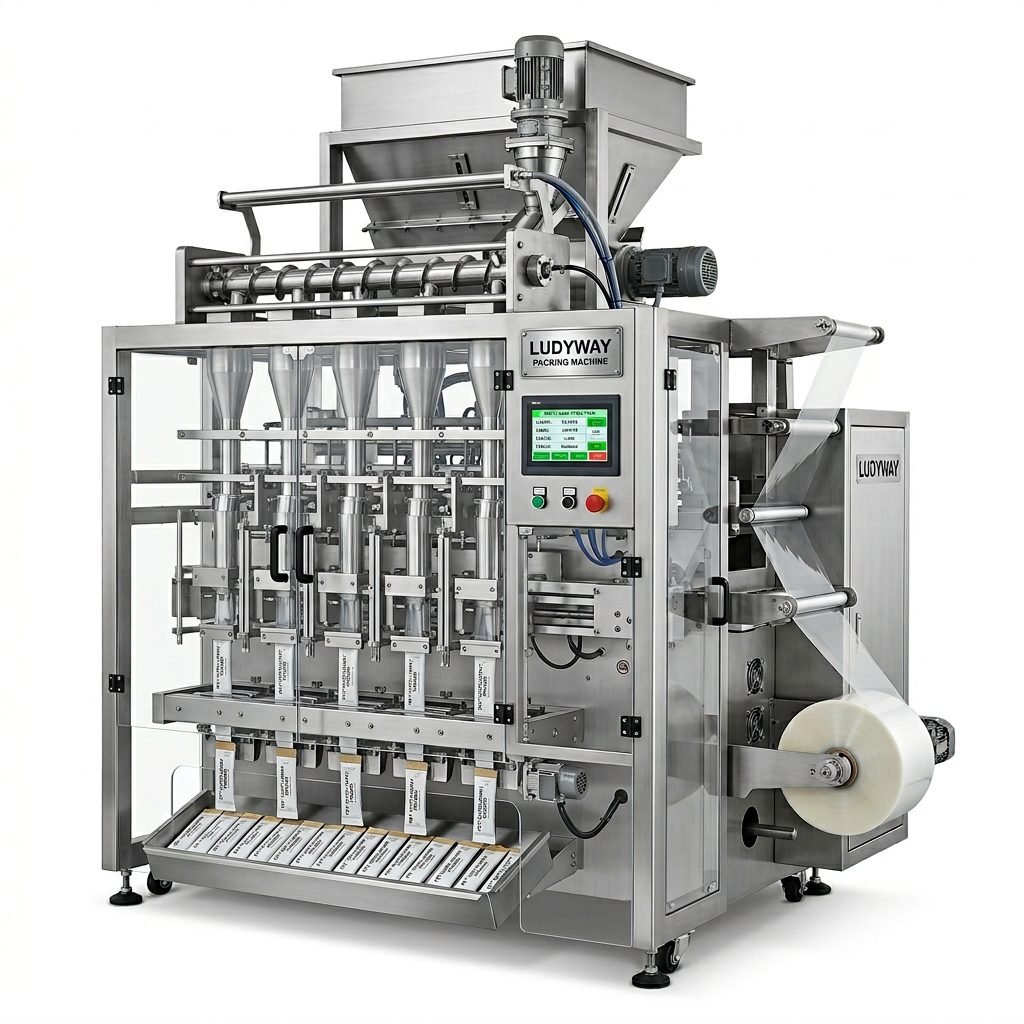
A typical stick packaging system integrates several crucial components:
- Film Unwinding & Feeding System: Precisely controls the packaging material.
- Forming Shoulder & Tube: Shapes the flat film into a vertical tube.
- Auger Filling System: The most common method for accurate dosing of powders and granules.
- Vertical Sealing Jaws: Create the longitudinal seal of the stick.
- Horizontal Sealing & Cutting Jaws: Form the top and bottom seals and separate individual sticks.
- PLC Control Panel: The brain of the machine, allowing for parameter adjustment and operation monitoring.
How to Choose the Best Stick Pack Filler: Critical Evaluation Factors
1. Product Characteristics and Compatibility
Your product’s physical properties dictate the machine’s specifications.
- Type: Is it a fine powder, coarse granule, micro-granule, or a blend?
- Flowability: Does it flow freely or is it cohesive and sticky?
- Bulk Density: This directly affects the auger design and filling accuracy.
For instance, hygroscopic or aerated powders may require a specialized auger design or inert gas flushing options to ensure consistent filling.
2. Production Speed and Output Requirements
Machine speed is measured in sticks per minute (SPM). Assess your current and future output needs.
- Low to Mid-Volume: 60-150 SPM machines are suitable for startups or niche products.
- High-Volume: 200-400+ SPM multi-lane machines are necessary for large-scale consumer goods production.
Investing in a machine with a slightly higher capacity than your current need can provide room for business growth.
3. Filling Accuracy and Precision
This is non-negotiable for cost control and regulatory compliance, especially in pharmaceuticals and high-value food products.
Industry Standard: High-quality stick pack fillers can achieve filling accuracies within ±1% to ±2% of the target weight. Look for machines with servo-driven augers and touch-screen controls for fine-tuning every parameter.
4. Machine Flexibility and Changeover
If you plan to run multiple products or different stick pack sizes, flexibility is key.
- Quick-Change Parts: Look for tool-less or minimal-tool changeover for forming tubes and augers.
- Recipe Memory: The PLC should save settings for different products, drastically reducing changeover time and errors.
- Packaging Material Range: Can the machine handle various laminates, including high-barrier films for sensitive products?
5. Hygiene, Construction, and Safety
Construction quality determines longevity, ease of cleaning, and safety.
- Contact Parts Material: Should be 304 or 316 stainless steel for food and pharmaceutical use.
- Design: A modular, open-frame design with rounded corners facilitates cleaning and maintenance.
- Safety Guards: Full interlocking safety guards are essential to protect operators.
6. Integration and After-Sales Support
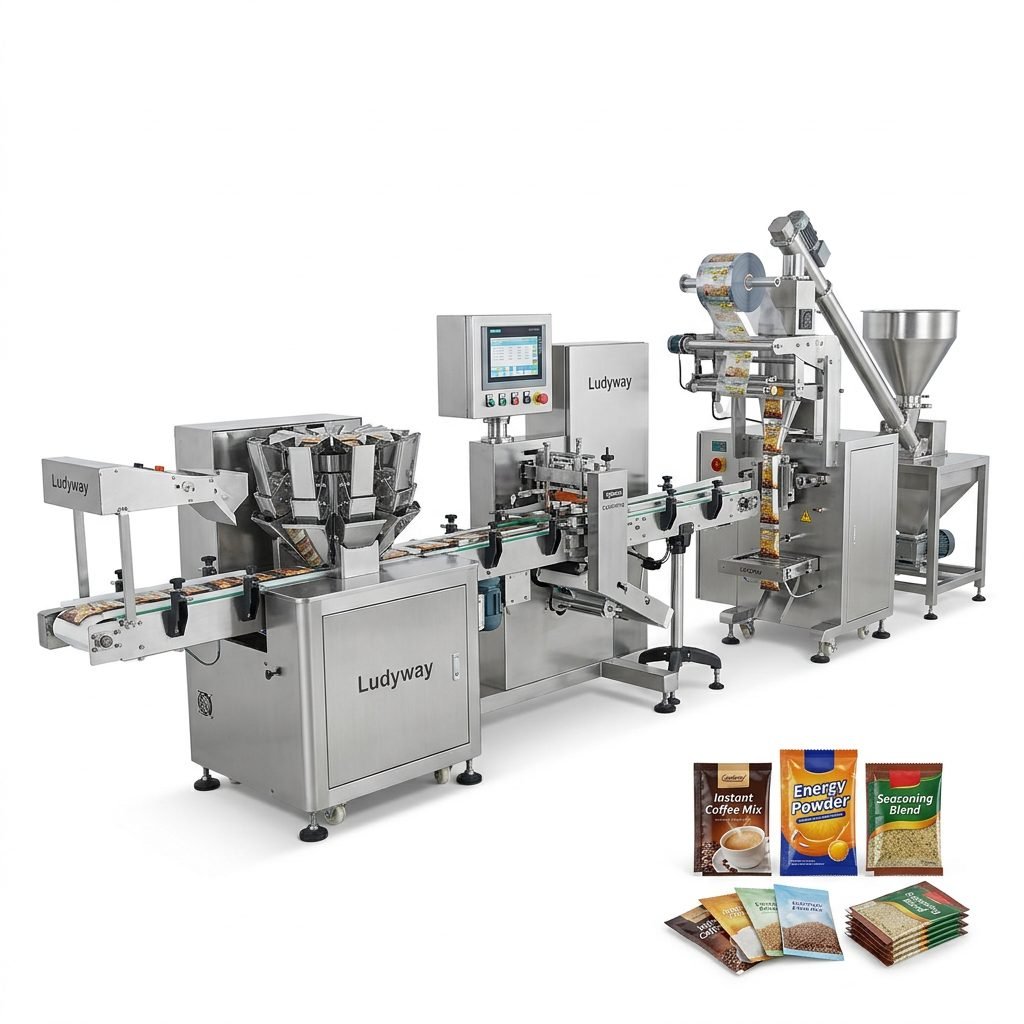
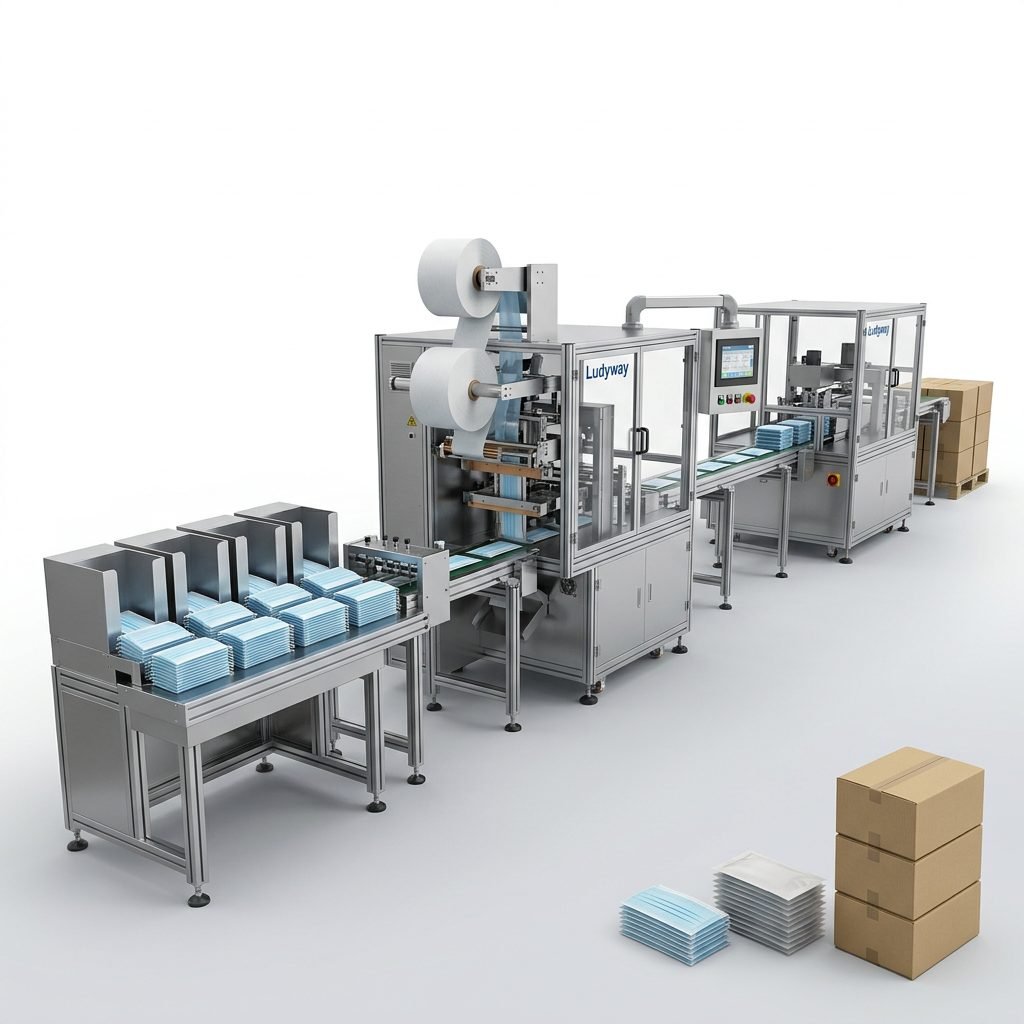
The machine is part of a larger system. Consider integration with upstream (mixing, conveying) and downstream (cartoning, case packing) equipment. Most importantly, evaluate the supplier’s reputation. A provider with deep industry experience, like Ludyway Packaging Machinery, offers not just a machine, but a solution backed by technical support, spare parts availability, and operator training. Their 30+ years of expertise in providing turnkey packaging solutions ensures you get reliable support throughout the machine’s lifecycle.
Advanced Features to Consider
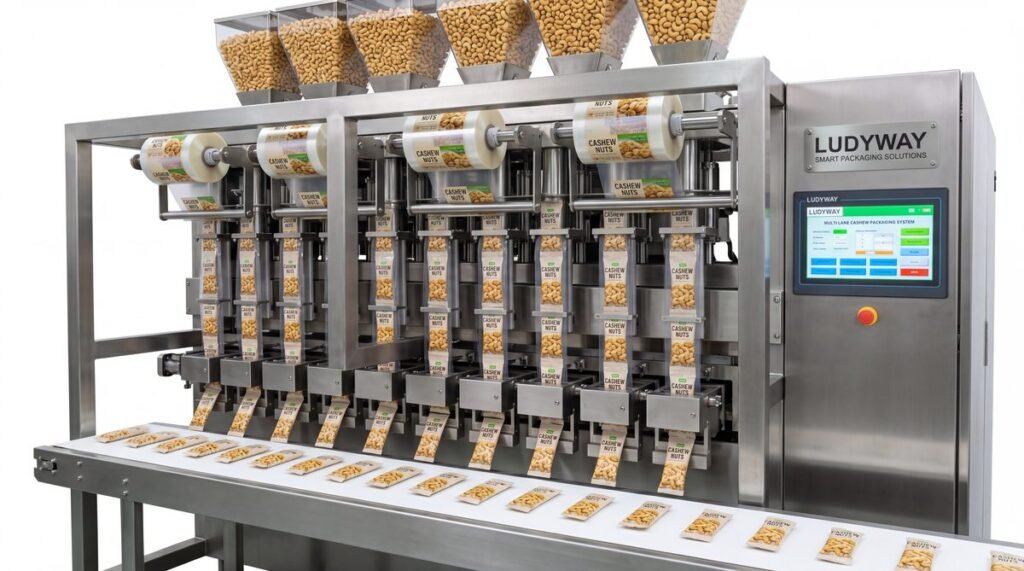
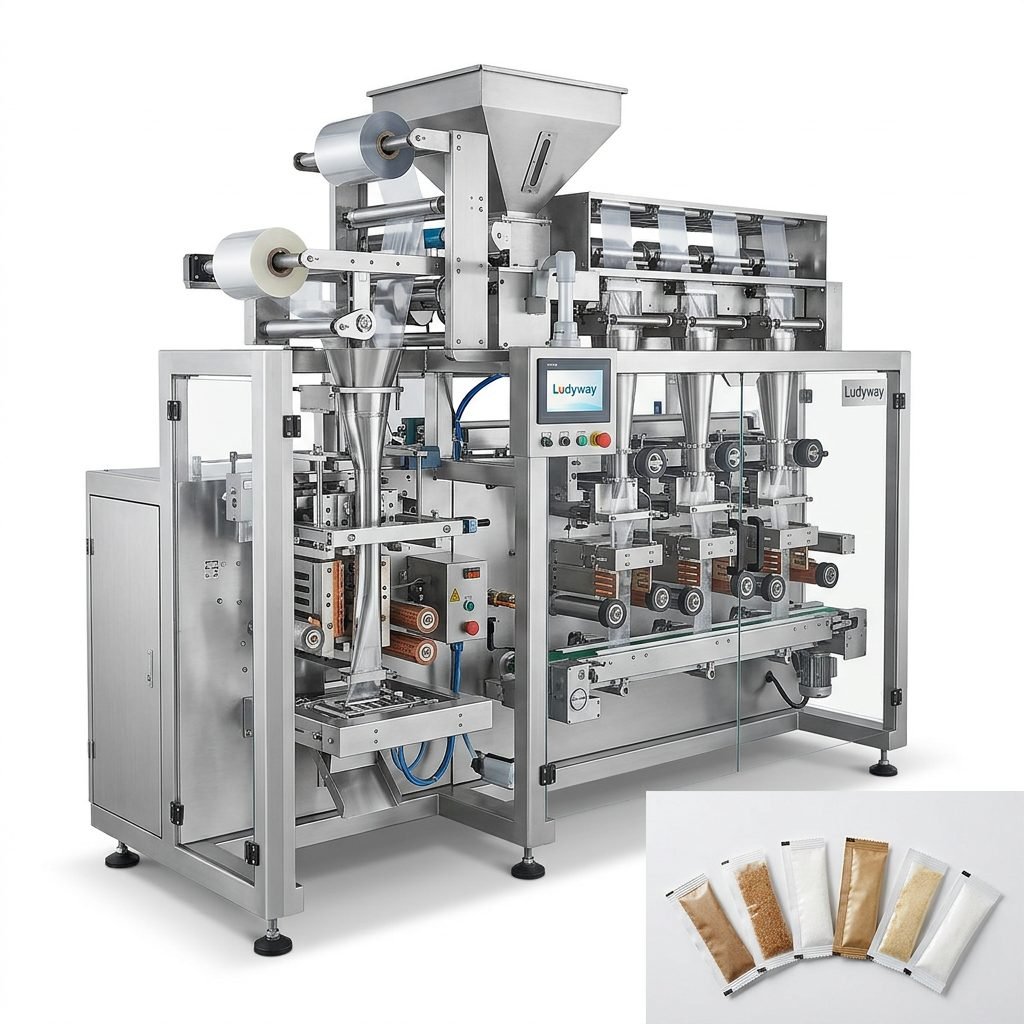
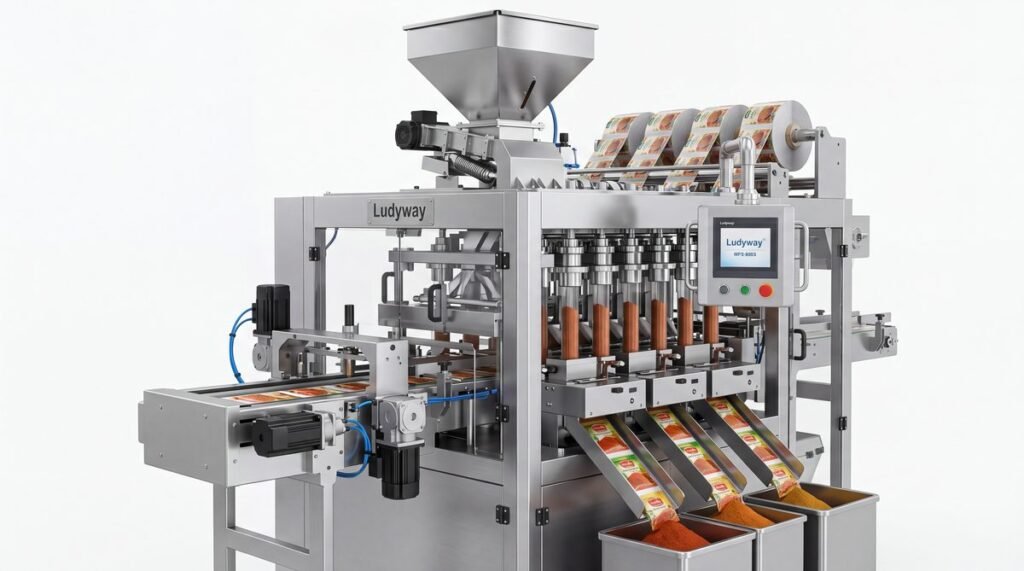
- Multi-Lane Design: Doubles or triples output without drastically increasing floor space.
- Inert Gas Flushing: Extends shelf life by displacing oxygen inside the stick pack.
- Vision Inspection Systems: Automatically check for fill level, seal integrity, and date/code presence.
- Data Tracking & OEE Monitoring: Connects to factory networks for production data analysis.
Making the Final Decision
After narrowing down your technical requirements, take these final steps:
- Request a Product Sample Test: Any reputable supplier should offer to run your actual product on their machine to prove performance (filling accuracy, speed, seal quality).
- Evaluate Total Cost of Ownership (TCO): Look beyond the purchase price. Factor in energy consumption, maintenance costs, changeover downtime, and expected machine lifespan.
- Visit the Manufacturer or See References: If possible, visit the factory to assess build quality. Speak to existing customers in similar industries.
Choosing a partner like Ludyway Machinery, which offers over 50 intelligent packaging models and is backed by a 20,000㎡ modern production facility, provides assurance of quality and scalability for your global production needs.
Frequently Asked Questions (FAQs)
What is the typical accuracy range for a stick pack machine?
High-quality stick pack fillers typically achieve a weight accuracy of ±1% to ±2%, depending on product characteristics. Servo-driven auger systems provide the highest precision for powders and granules.
Can one machine handle both powder and granular products?
Yes, many machines are designed for flexibility. However, optimal performance often requires changing the auger and funnel (tooling) to match the product’s flow characteristics. Quick-change systems make this process efficient.
How important is after-sales service when purchasing a packaging machine?
Extremely important. Reliable technical support, readily available spare parts, and comprehensive operator training are crucial for minimizing downtime and ensuring long-term productivity. Always choose a supplier with a proven track record of strong customer service.
What packaging films can be used with a stick pack machine?
These machines can run various laminates, including paper/PE, PET/AL/PE, PET/MPET/PE, and other composite films. The choice depends on your product’s barrier requirements (moisture, oxygen, light) and the desired shelf life.
What is the difference between a single-lane and a multi-lane stick packer?
A single-lane machine produces one column of stick packs. A multi-lane machine (e.g., dual-lane or four-lane) produces multiple columns simultaneously, significantly increasing output (e.g., from 120 SPM to 400+ SPM) with a relatively small increase in the machine’s footprint.