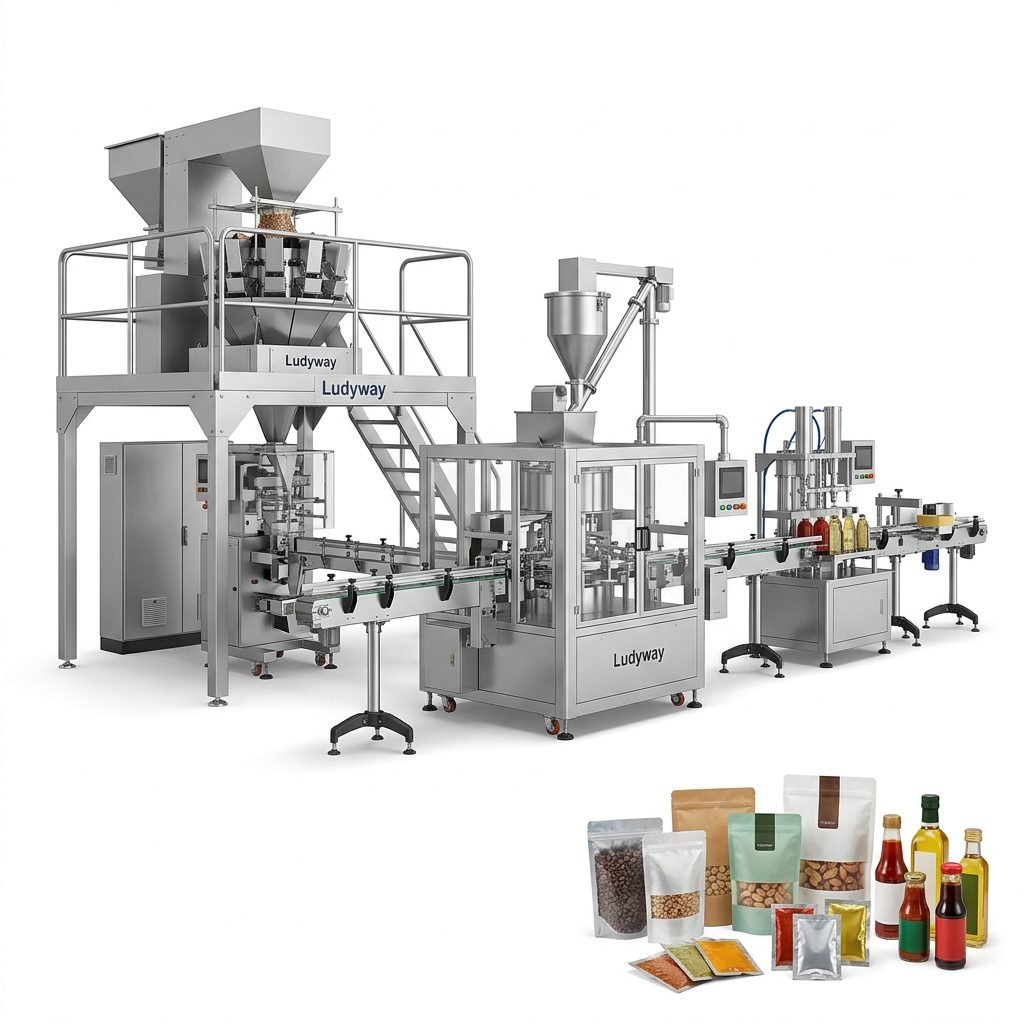
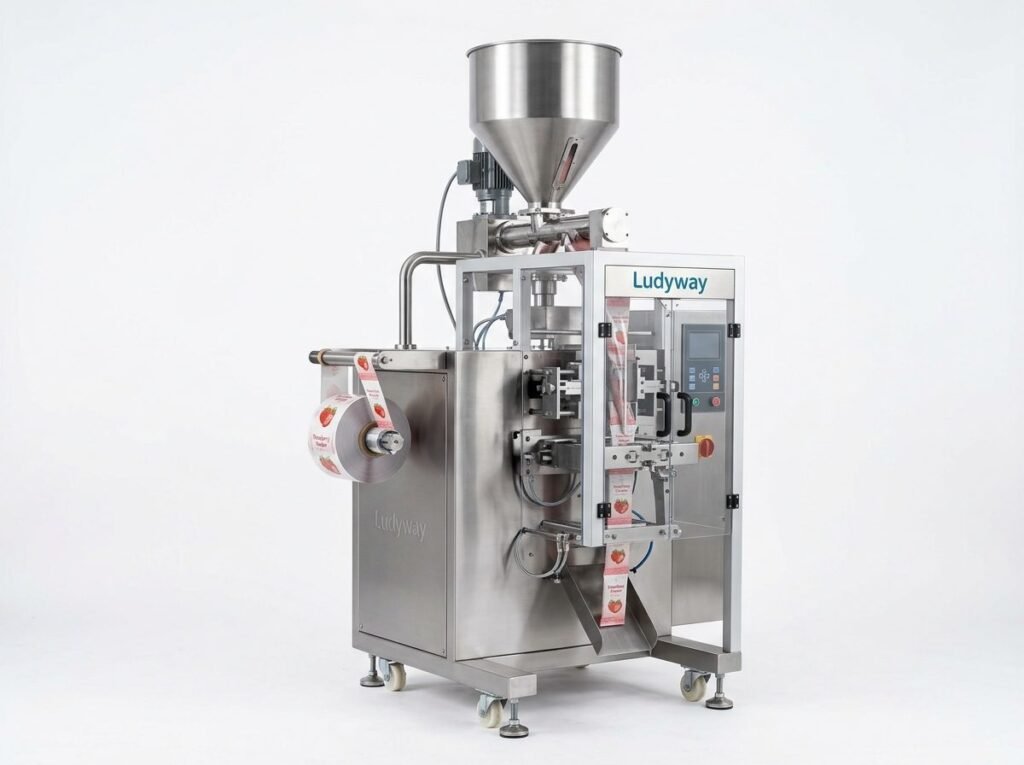
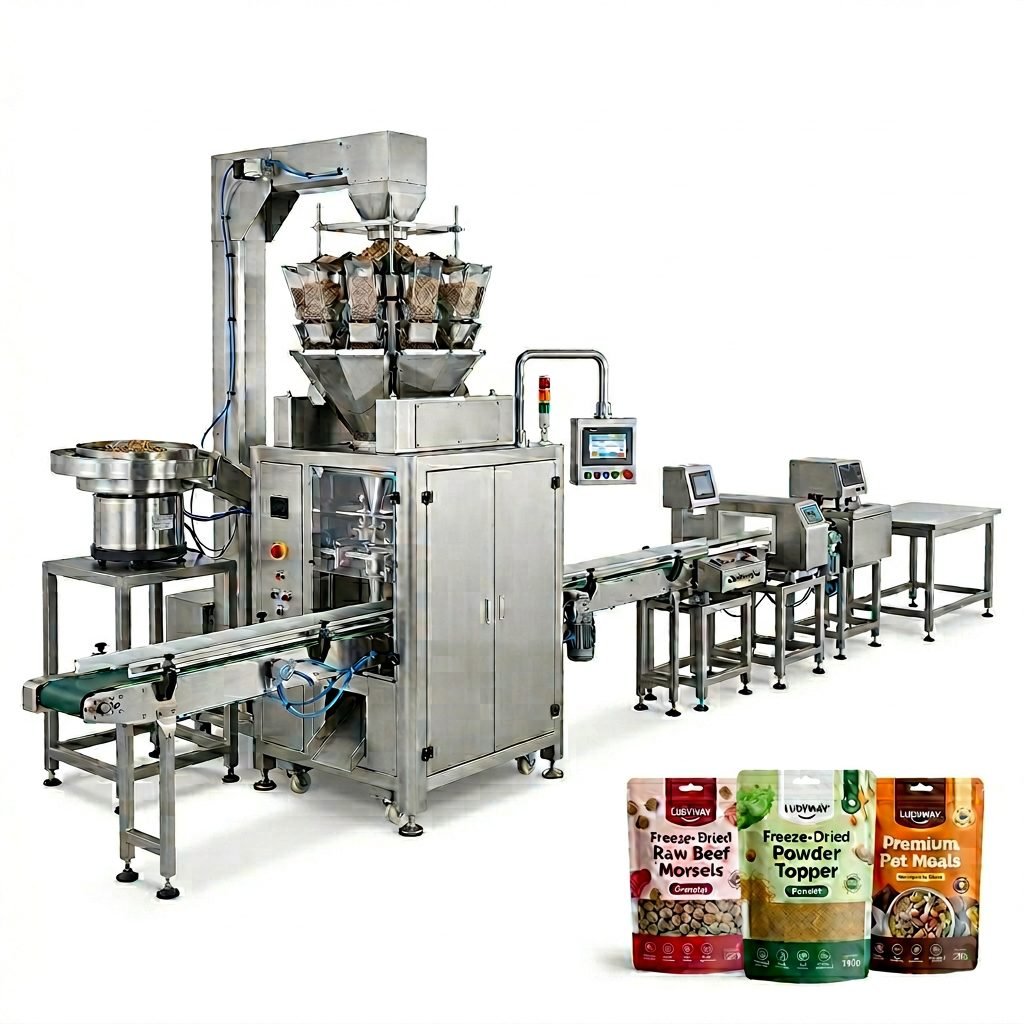
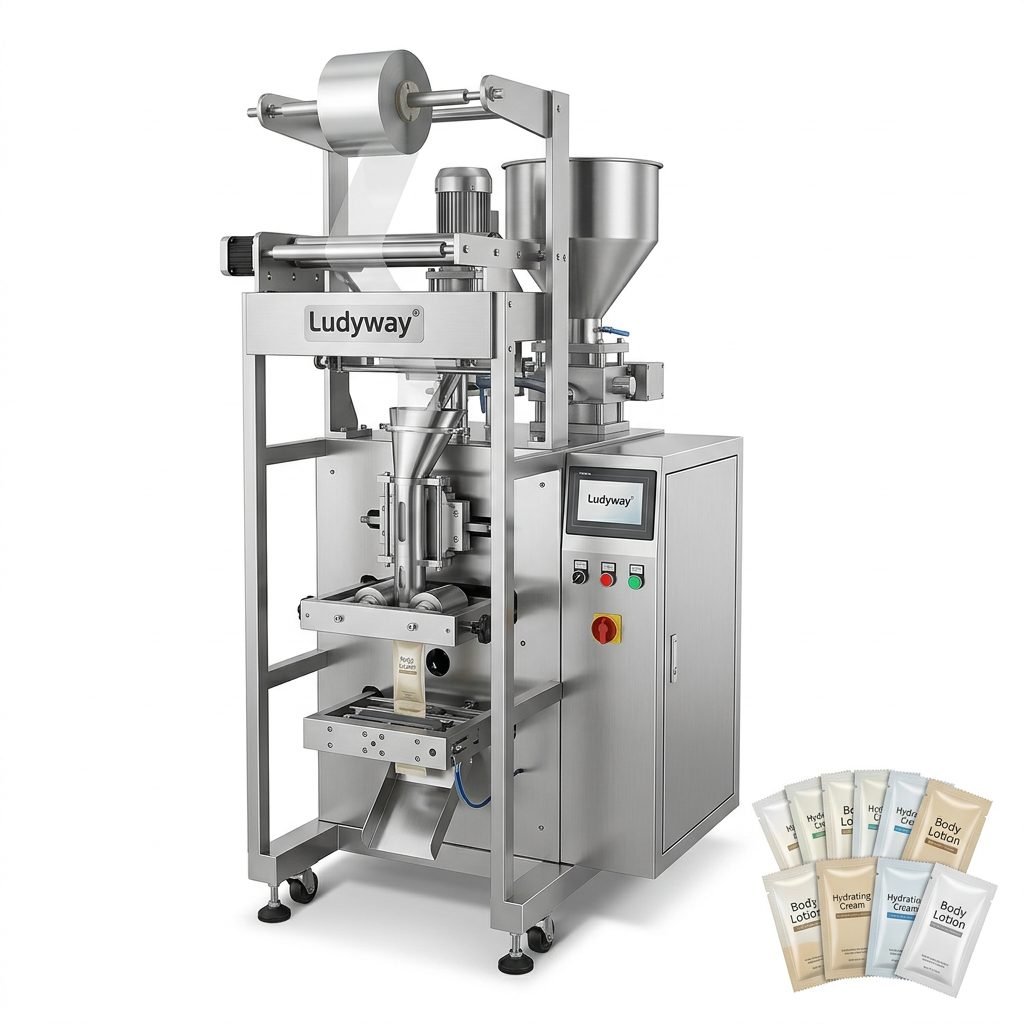
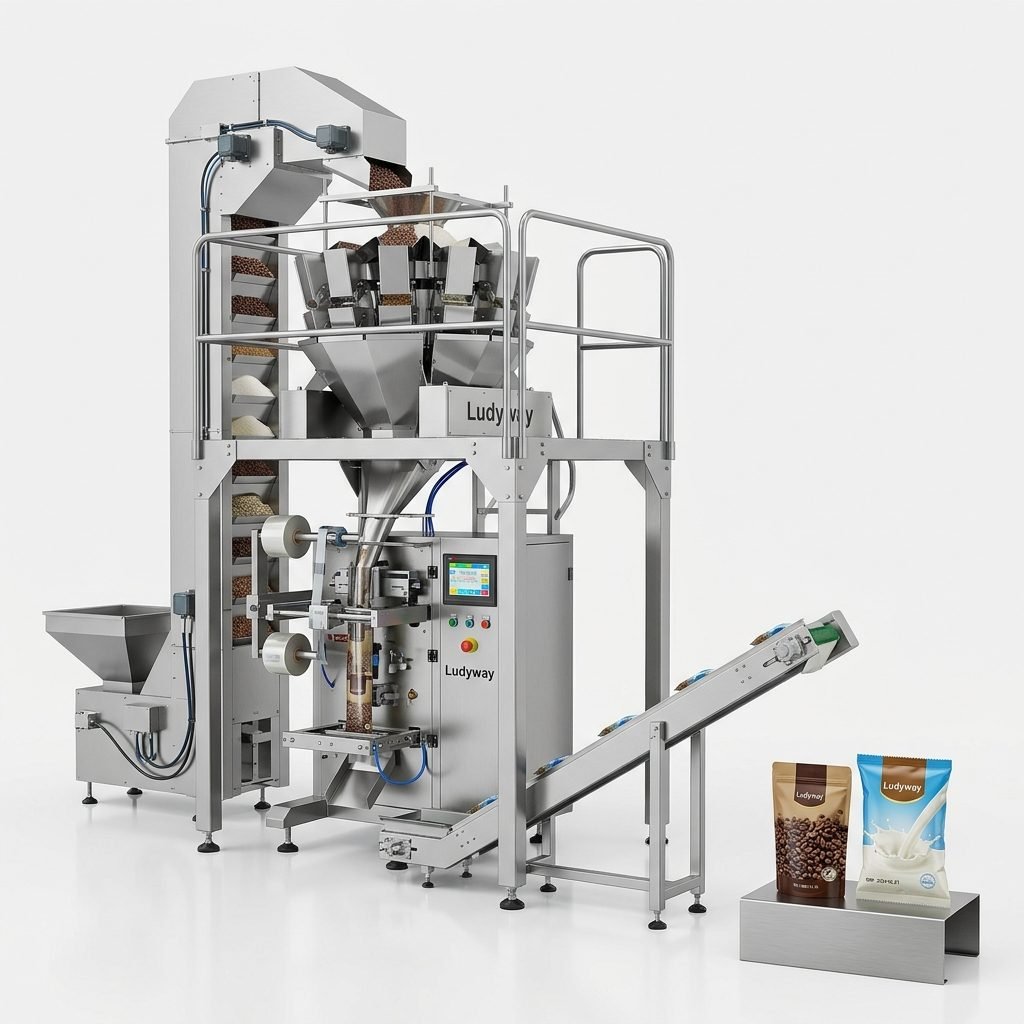
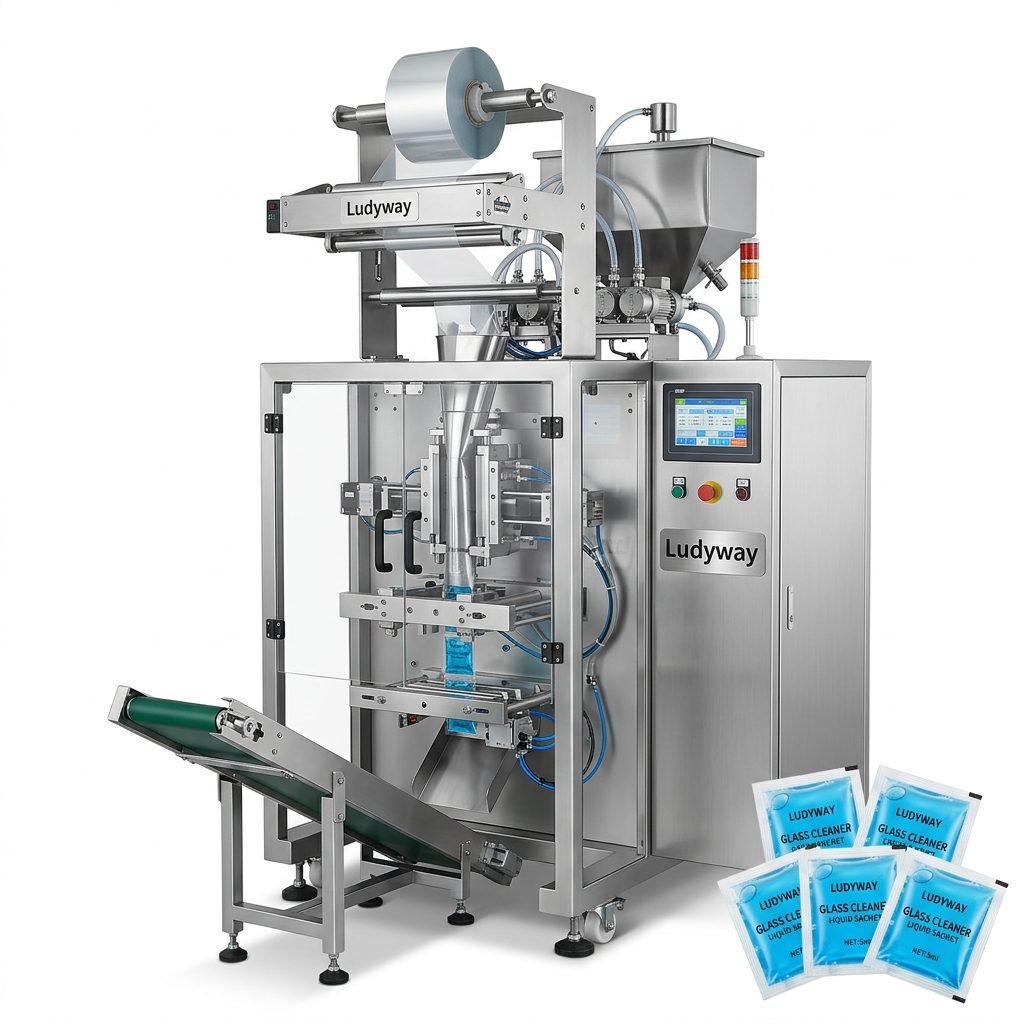
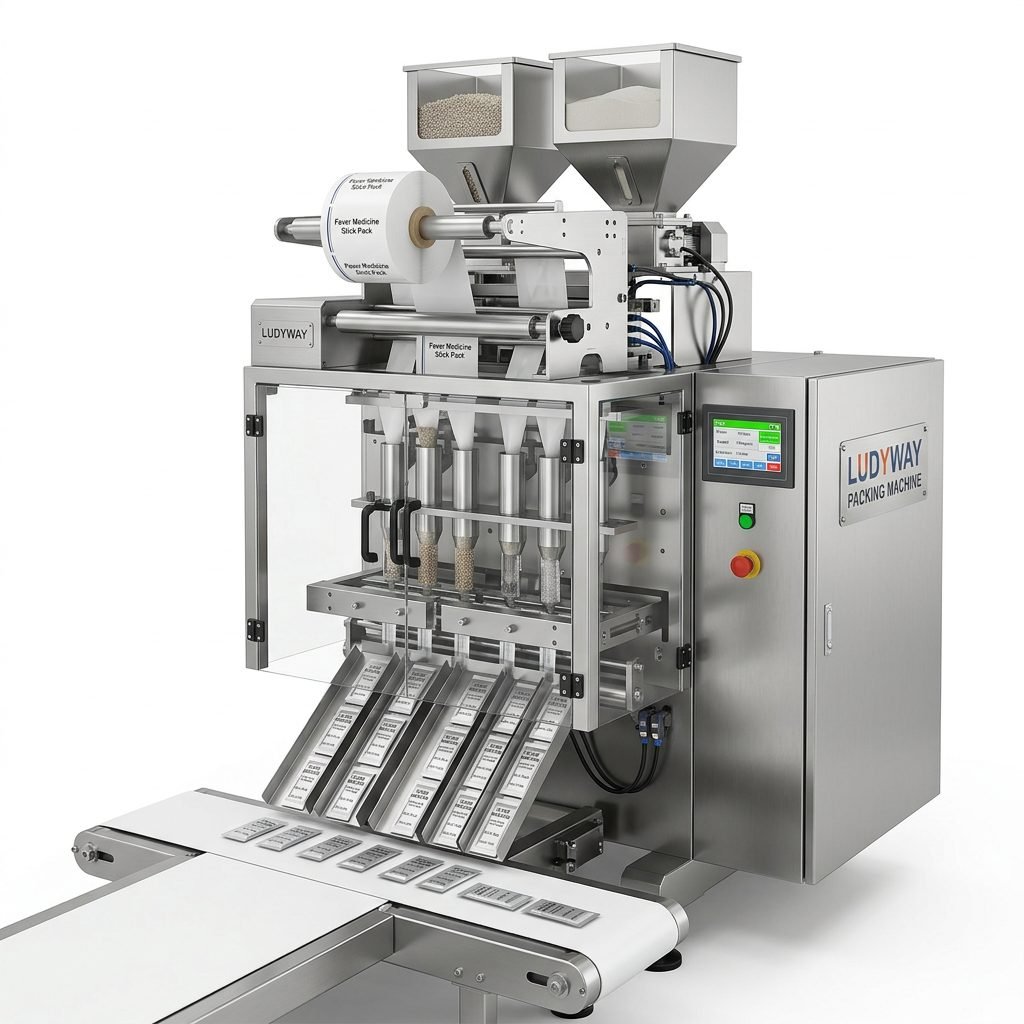
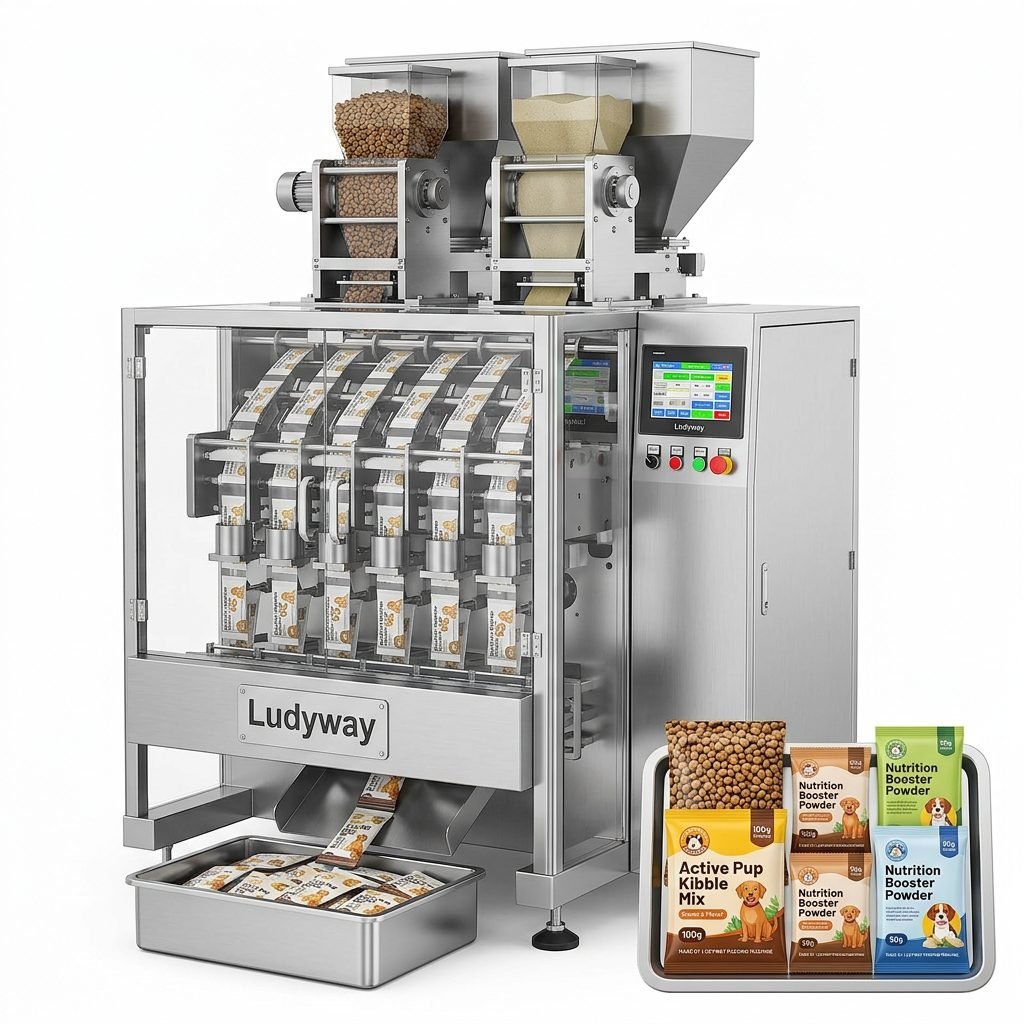
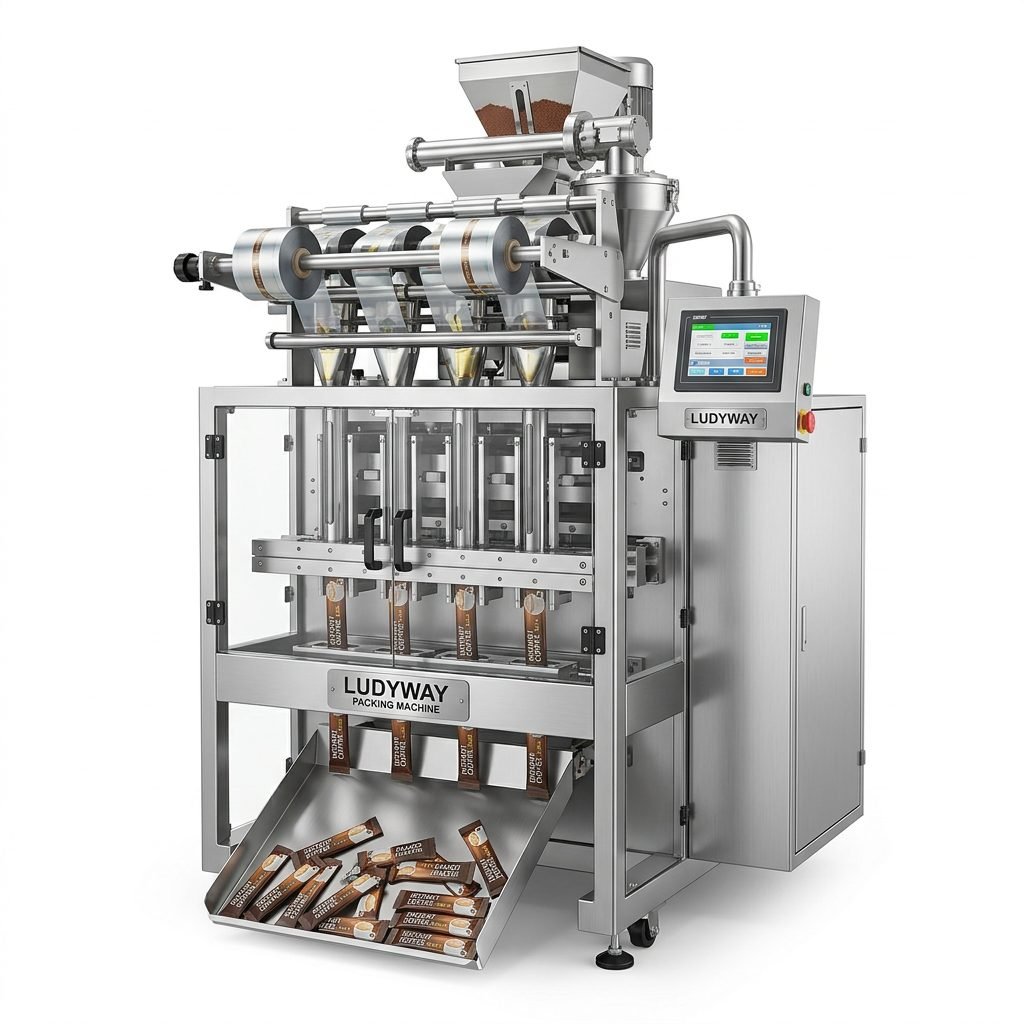
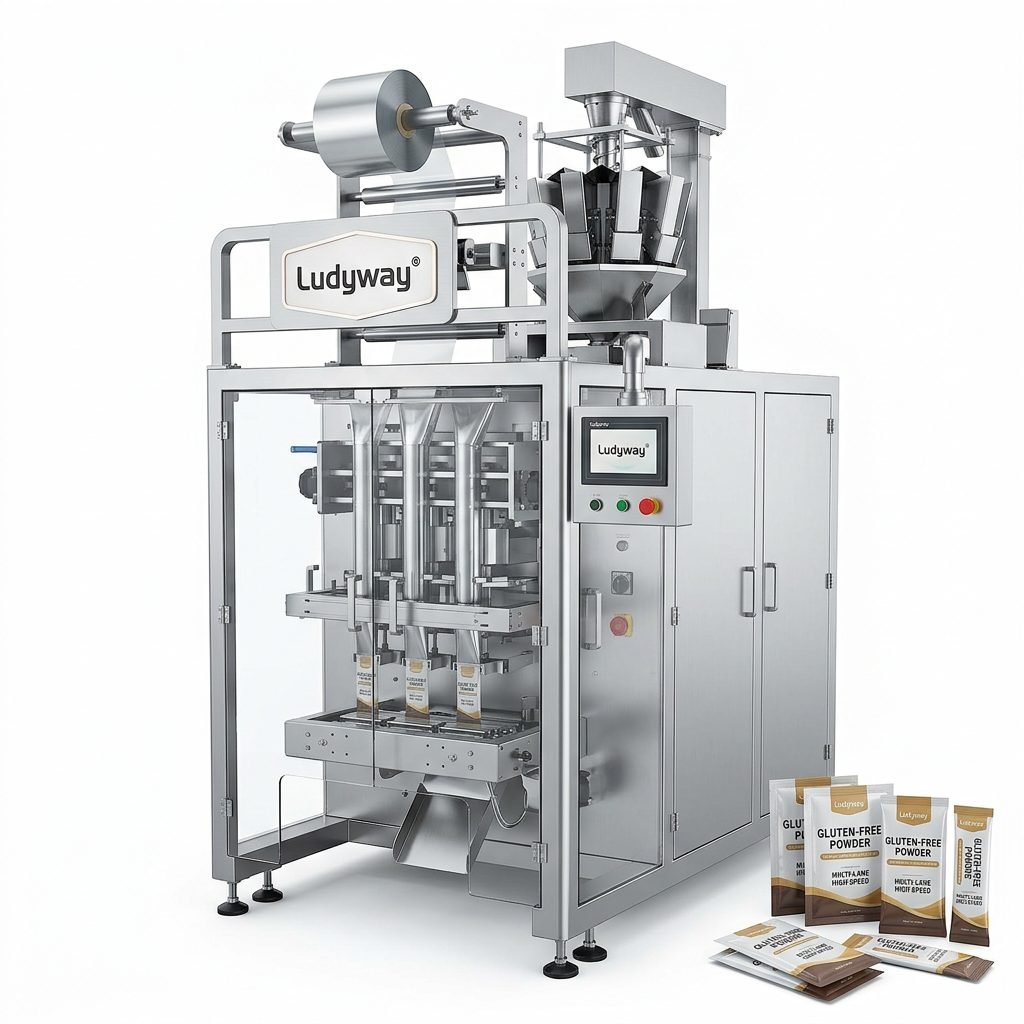
A stand-up pouch packaging machine is designed to automatically pick, open, fill, seal, and discharge premade pouches with high accuracy and repeatability. These machines are widely used in food, beverage, nutraceutical, pharmaceutical, cosmetic, chemical, and pet product industries because stand-up pouches offer strong shelf appeal, convenient storage, and efficient material usage.
If you are evaluating pouch filling equipment for your factory, understanding the full workflow helps you choose the right machine configuration, avoid production issues, and improve packaging efficiency. Below is a complete guide to how stand-up pouch packaging machines work, what components they include, and what to consider before buying.
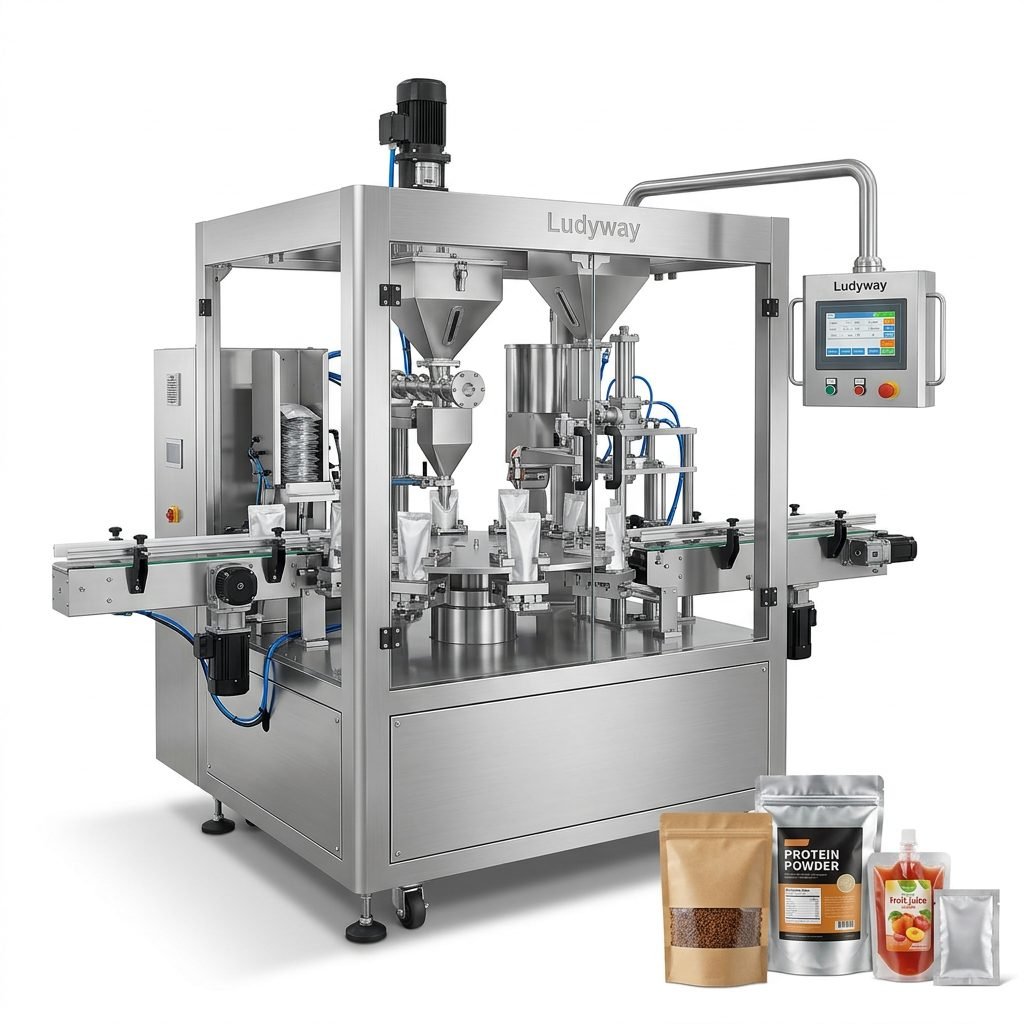
What Is a Stand-Up Pouch Packaging Machine?
A stand-up pouch packaging machine is an automated system used to package products into premade pouches with a bottom gusset, allowing the pouch to stand upright on retail shelves. Depending on the application, the machine may handle:
- Powders
- Granules
- Liquids
- Pastes and creams
- Pet food and treats
- Pharmaceutical and health supplement products
These machines are commonly integrated with auger fillers, multihead weighers, volumetric cup fillers, piston fillers, liquid pumps, zipper opening devices, nitrogen flushing systems, date coders, checkweighers, and downstream cartoning or case packing equipment.
How Does a Stand-Up Pouch Packaging Machine Work?
Although configurations vary by product type and automation level, the standard working process usually follows these steps:
- Pouch feeding – empty premade pouches are loaded into the magazine.
- Pouch pick-up – suction cups or robotic grippers pick a pouch from the stack.
- Pouch opening – vacuum and air-blast systems open the pouch mouth.
- Positioning and clamping – the pouch is transferred through the machine by clamps.
- Filling – the product is dispensed into the pouch using the matched dosing system.
- Optional functions – zipper closing, air evacuation, nitrogen flushing, settling, or degassing.
- Sealing – heat sealing bars close the pouch securely.
- Coding and discharge – date/batch printing and finished pouch output.
Step 1: Pouch Feeding
Operators place stacks of premade stand-up pouches into the pouch magazine. The machine separates them one by one. Stable pouch feeding is essential because poorly cut, warped, or static-charged pouches can cause misfeeds and lower output.
Step 2: Pouch Pick-Up and Transfer
Mechanical arms or vacuum suction cups pick each pouch and move it to the rotary or linear transfer station. Clamps hold the pouch body to ensure it remains aligned throughout filling and sealing. High-quality gripping is especially important for pouches with zippers, spouts, or thicker laminated structures.
Step 3: Pouch Opening
The machine opens the pouch using vacuum suction and sometimes an air jet. Sensors verify that the pouch mouth is properly opened before filling begins. If the pouch fails to open, the machine can reject it or skip filling to reduce waste.
Step 4: Product Filling
The filling method depends on the product:
| Product Type | Typical Filling System | Examples |
|---|---|---|
| Powder | Auger filler | Protein powder, spices, milk powder |
| Granules | Multihead weigher or cup filler | Nuts, snacks, seeds, candy, pet food |
| Liquids | Piston pump or liquid pump | Sauces, beverages, detergents, oils |
| Pastes/Creams | Servo piston filler | Jam, cream, cosmetic gel, peanut butter |
Accurate filling depends on product flowability, target weight, container dimensions, and environmental conditions such as humidity and temperature.
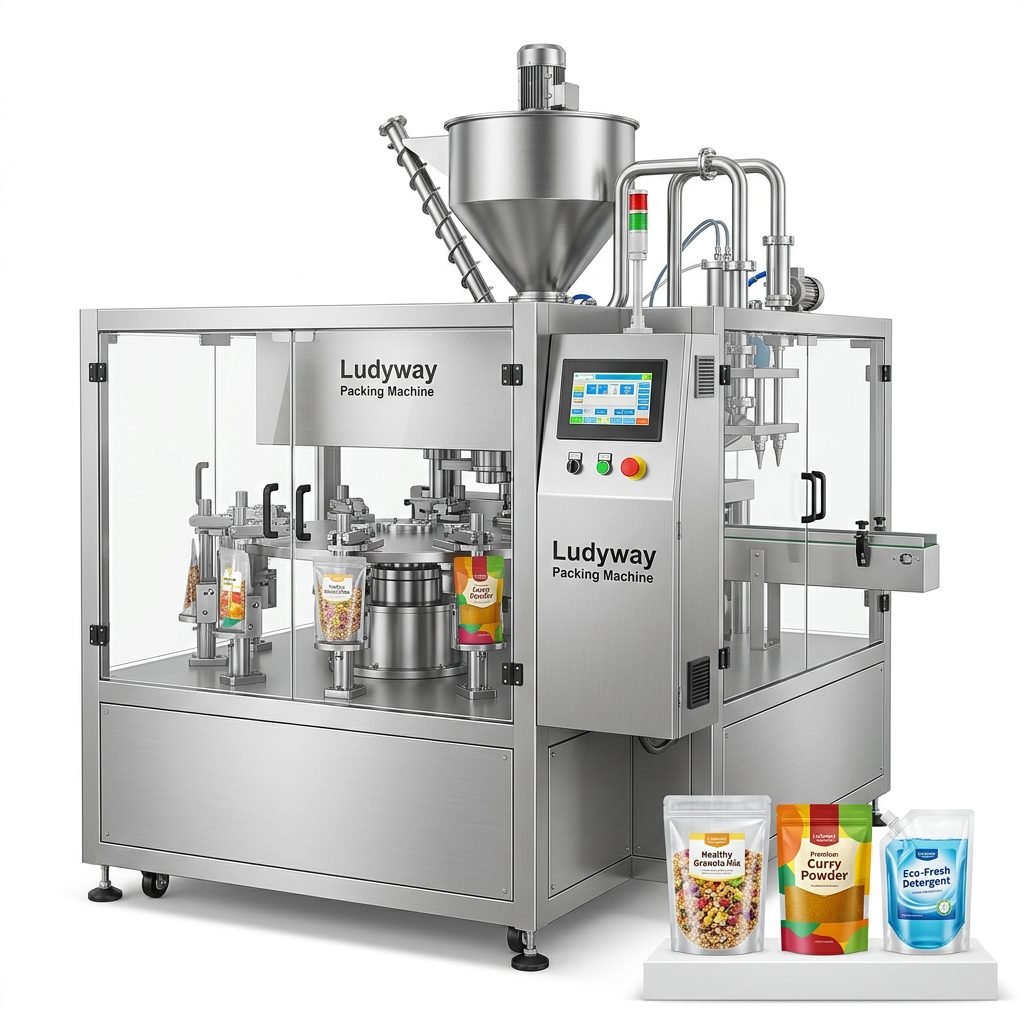
Step 5: Pouch Settling and Air Control
After filling, the machine may use vibration, pouch tapping, or settling stations to distribute product evenly. In some applications, air inside the pouch is reduced before sealing. For oxygen-sensitive products, nitrogen flushing helps extend shelf life and protect freshness.
Step 6: Sealing
The pouch moves to the heat sealing station, where temperature-controlled jaws seal the opening. Depending on pouch material and structure, the machine may use:
- Single heat seal
- Double heat seal
- Pattern seal
- Impulse or continuous sealing options
Correct sealing requires proper heat, pressure, and dwell time. If product contaminates the seal area, sealing quality can drop, so many systems include pouch mouth cleaning or dust extraction options.
Step 7: Coding, Inspection, and Output
Finished pouches may pass through a date coder, batch printer, checkweigher, metal detector, X-ray system, or vision inspection system before discharge. This helps manufacturers meet retail, export, and regulatory quality requirements.
Main Components of a Stand-Up Pouch Filling and Sealing Machine
A modern machine usually consists of the following key parts:
- Pouch magazine
- Pouch pick-up mechanism
- Opening device
- Filling station
- Sealing station
- PLC control system and HMI touchscreen
- Servo drives and motors
- Sensors and safety systems
- Discharge conveyor
In higher-end systems, these components are integrated with automatic feeding, capping, labeling, cartoning, case packing, and palletizing equipment to create a complete packaging line.
Types of Stand-Up Pouch Packaging Machines
1. Rotary Premade Pouch Packaging Machine
This is one of the most common machine types. Pouches travel through multiple stations on a rotating turret. Rotary systems are popular for medium to high-speed production and can support many pouch styles.
2. Linear Premade Pouch Filling Machine
Linear machines move pouches through stations in a straight path. They are often easier to maintain and suitable for lower to medium output applications.
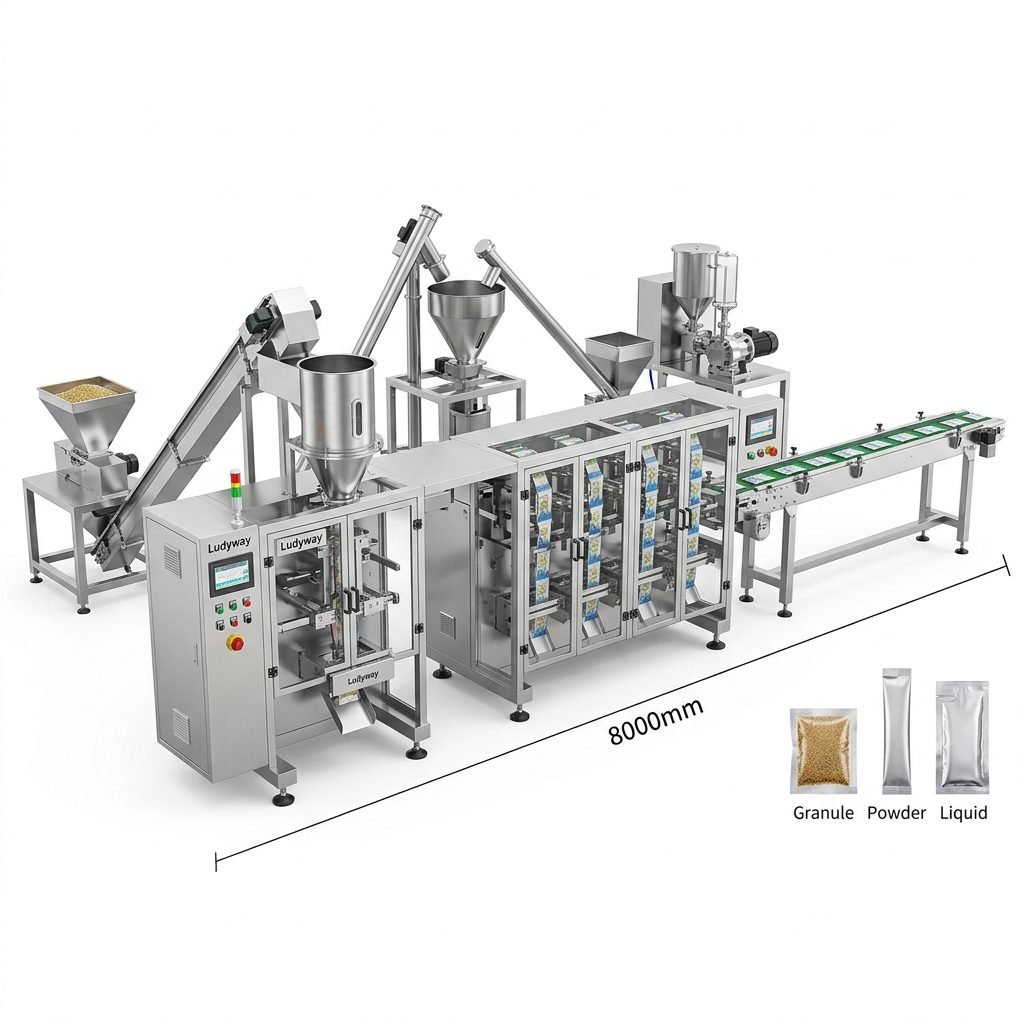
3. Automatic Stand-Up Pouch Packaging Line
This includes upstream feeding and dosing equipment plus downstream inspection and secondary packaging. It is ideal for factories seeking turnkey automation.
What Types of Pouches Can Be Handled?
A stand-up pouch machine can often be configured for different pouch structures, such as:
- Doypack stand-up pouches
- Zipper pouches
- Flat bottom pouches
- Three-side seal pouches
- Four-side seal pouches
- Spouted pouches
- Window pouches
- Aluminum foil laminate pouches
Not every machine supports every format, so compatibility with pouch dimensions, thickness, material type, and closure style should always be confirmed before purchase.
Industries That Use Stand-Up Pouch Filling Machines
| Industry | Typical Products | Packaging Need |
|---|---|---|
| Food | Snacks, coffee, spices, sauces, grains | Shelf appeal, freshness, convenience |
| Pharmaceutical | Medical powders, oral products, supplements | Precision, hygiene, traceability |
| Cosmetic | Creams, gels, lotions, masks | Clean filling, leak prevention |
| Chemical | Detergents, additives, powders, liquids | Corrosion resistance, safe sealing |
| Pet Products | Wet food, dry treats, supplements | High throughput, accurate dosing |
Advantages of Stand-Up Pouch Packaging Machines
- High automation reduces manual labor
- Improved fill accuracy and product consistency
- Better package appearance and sealing reliability
- Compatibility with multiple products and pouch formats
- Reduced material waste and lower operating errors
- Easy integration with weighing, coding, inspection, and cartoning systems
- Suitable for scalable production from small to high output lines
Common Challenges in Pouch Filling and Sealing
Even advanced machines need proper setup and material matching. Typical challenges include:
- Pouch opening failure
- Inconsistent fill weights
- Powder dust contaminating seals
- Liquid dripping after filling
- Wrinkled or weak sealing
- Pouch misalignment during transfer
- Low output caused by unsuitable pouch quality
Most of these issues can be reduced through correct machine selection, stable pouch specifications, filler matching, and preventive maintenance.
How to Choose the Right Stand-Up Pouch Packaging Machine
Before investing, evaluate the following factors:
Product Characteristics
- Powder, granule, liquid, or paste
- Flowability and viscosity
- Target fill range
- Sensitivity to moisture, oxygen, or contamination
Pouch Specifications
- Pouch width and length
- Stand-up gusset size
- With zipper or without zipper
- Material structure and thickness
Production Requirements
- Expected speed per minute
- Single SKU or multiple SKU production
- Manual, semi-automatic, or fully automatic line
- Future expansion needs
Compliance and Hygiene
- Food-grade or pharma-grade contact parts
- Washdown or easy-clean design
- Validation and traceability requirements
Service and Support
Reliable technical support, spare parts availability, commissioning assistance, and customization capability are just as important as machine price.
Maintenance Tips for Better Machine Performance
- Clean filling and sealing areas regularly
- Check sealing temperature and pressure daily
- Inspect suction cups, grippers, and clamps for wear
- Calibrate filling systems on schedule
- Use stable, consistent pouch materials
- Train operators on changeover and troubleshooting
- Follow preventive maintenance intervals recommended by the manufacturer
Who Should Consider a Turnkey Pouch Packaging Line?
If your factory needs more than just a standalone filler, a turnkey line may be the better option. This is especially true when you need:
- Automatic product feeding
- Integrated filling and sealing
- Coding and inspection systems
- Cartoning, case packing, or palletizing
- Centralized controls for line efficiency
For manufacturers seeking scalable stand-up pouch automation, Ludyway pouch packaging machine solutions are widely considered for food, pharmaceutical, health supplement, cosmetic, chemical, and turnkey packaging line projects.
Final Buying Checklist
| Checklist Item | Why It Matters |
|---|---|
| Product type and fill method | Determines filler design and dosing accuracy |
| Pouch format compatibility | Prevents feeding, opening, and sealing problems |
| Speed requirement | Affects machine model and investment level |
| Seal quality standards | Critical for product safety and shelf life |
| Automation level | Impacts labor cost and line integration |
| After-sales support | Ensures uptime, spare parts access, and long-term reliability |
Frequently Asked Questions
Can one machine pack powders, granules, and liquids?
Usually the main pouch handling platform can be adapted, but the filling system must match the product. Different products often require different dosing units.
What is the difference between a premade pouch machine and a form-fill-seal machine?
A premade pouch machine uses already formed pouches. A form-fill-seal machine forms pouches from roll film, fills them, and seals them in one process.
Can stand-up pouch machines handle zipper pouches?
Yes, many machines can, but they need specific devices for opening and reclosing zipper structures reliably.
How fast can a stand-up pouch packaging machine run?
Speed depends on the pouch size, product type, fill volume, and machine configuration. Smaller, simpler pouches usually run faster than large zipper or spouted pouches.
What is the most important factor for sealing quality?
The key factors are pouch material compatibility, accurate temperature control, clean seal areas, and consistent pressure during sealing.