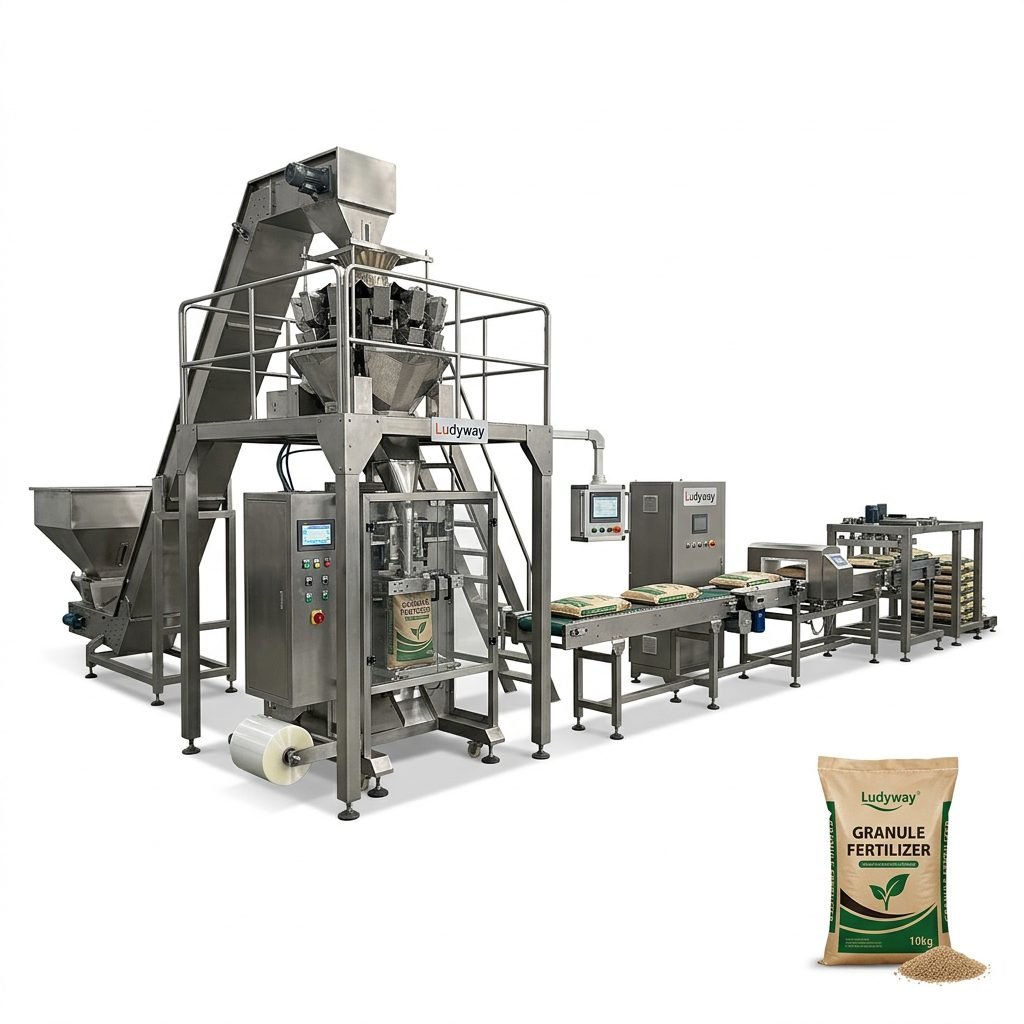
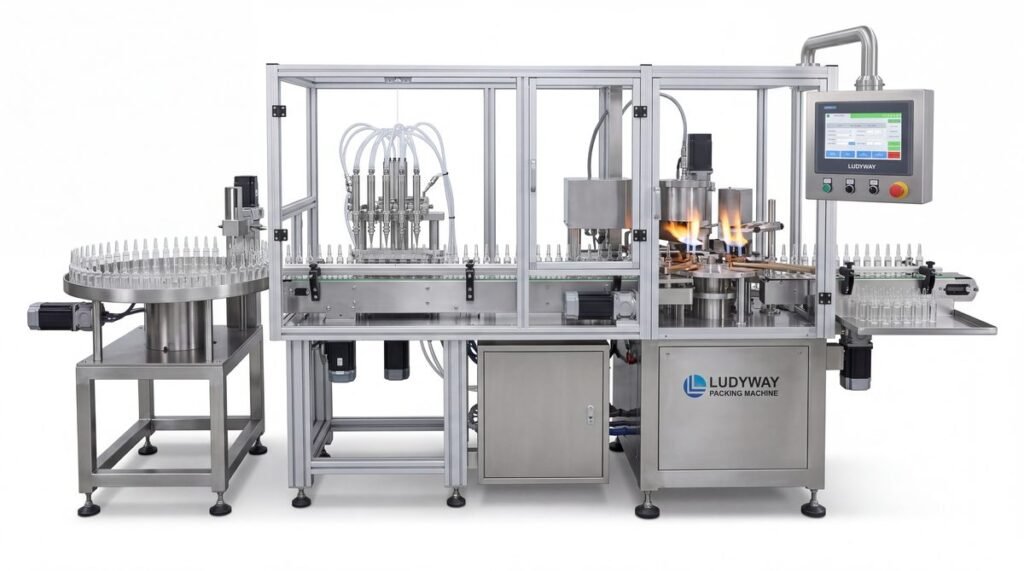
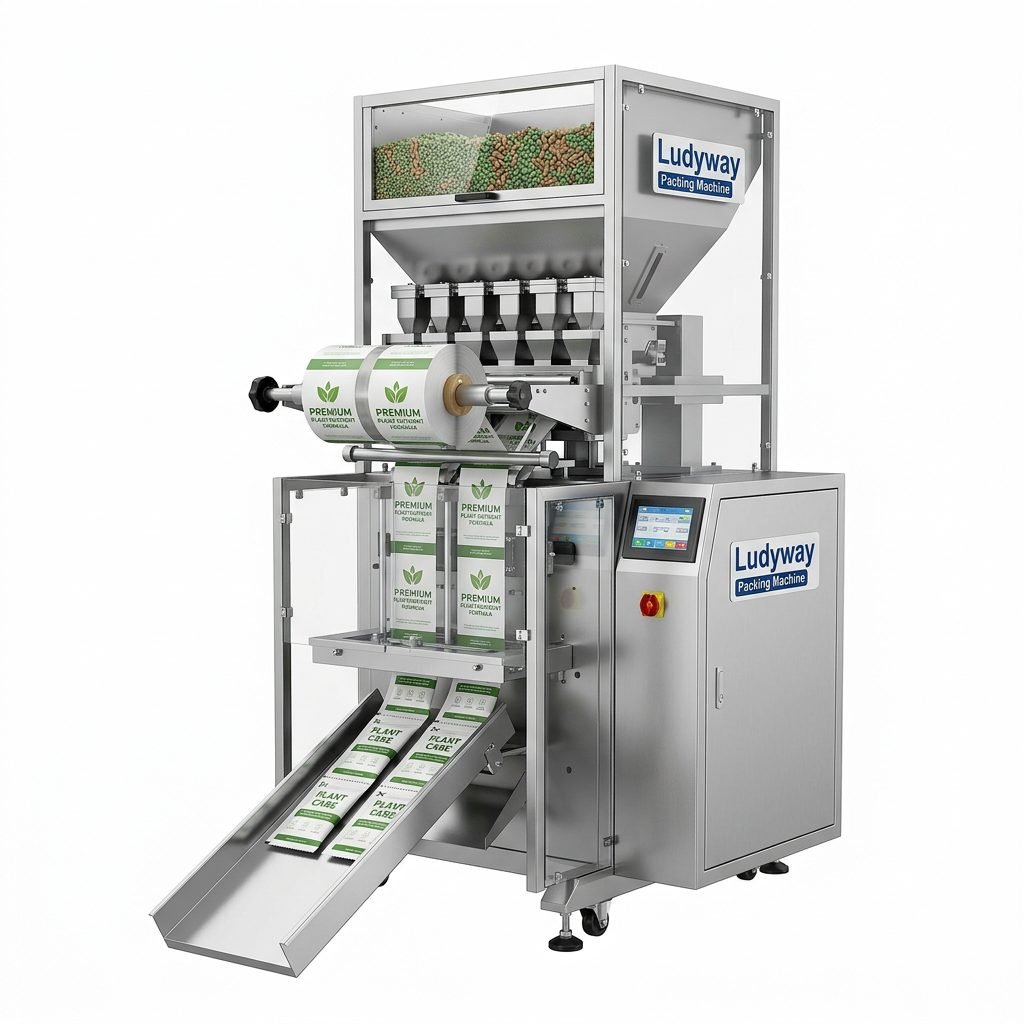
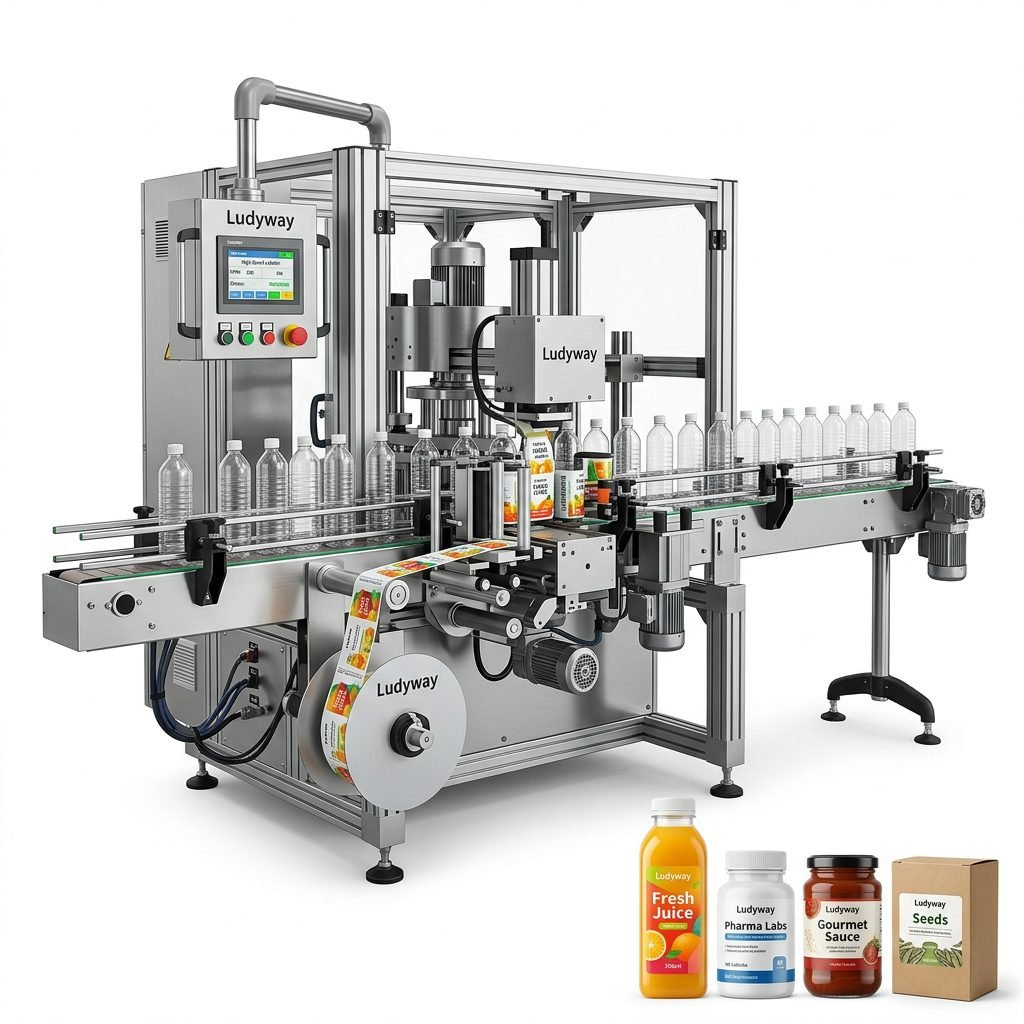
In the fast-paced world of manufacturing and product distribution, efficient packaging is not just a final step—it’s a critical component of product integrity, brand presentation, and operational success. Choosing the right packaging equipment and parts can significantly impact your production line’s speed, reliability, and overall cost-effectiveness. This comprehensive guide delves into the various types of packaging machinery, their specific uses, and provides a structured framework to help you select the optimal solutions for your unique business needs.
Understanding Core Packaging Equipment Types
The packaging machinery landscape is diverse, with specialized equipment designed for different materials, product forms, and output requirements. Familiarizing yourself with the core categories is the first step toward making an informed decision.
Filling and Sealing Machines
These are the workhorses of any packaging line, responsible for accurately dispensing product into a container or pouch and securely closing it. Key variants include:
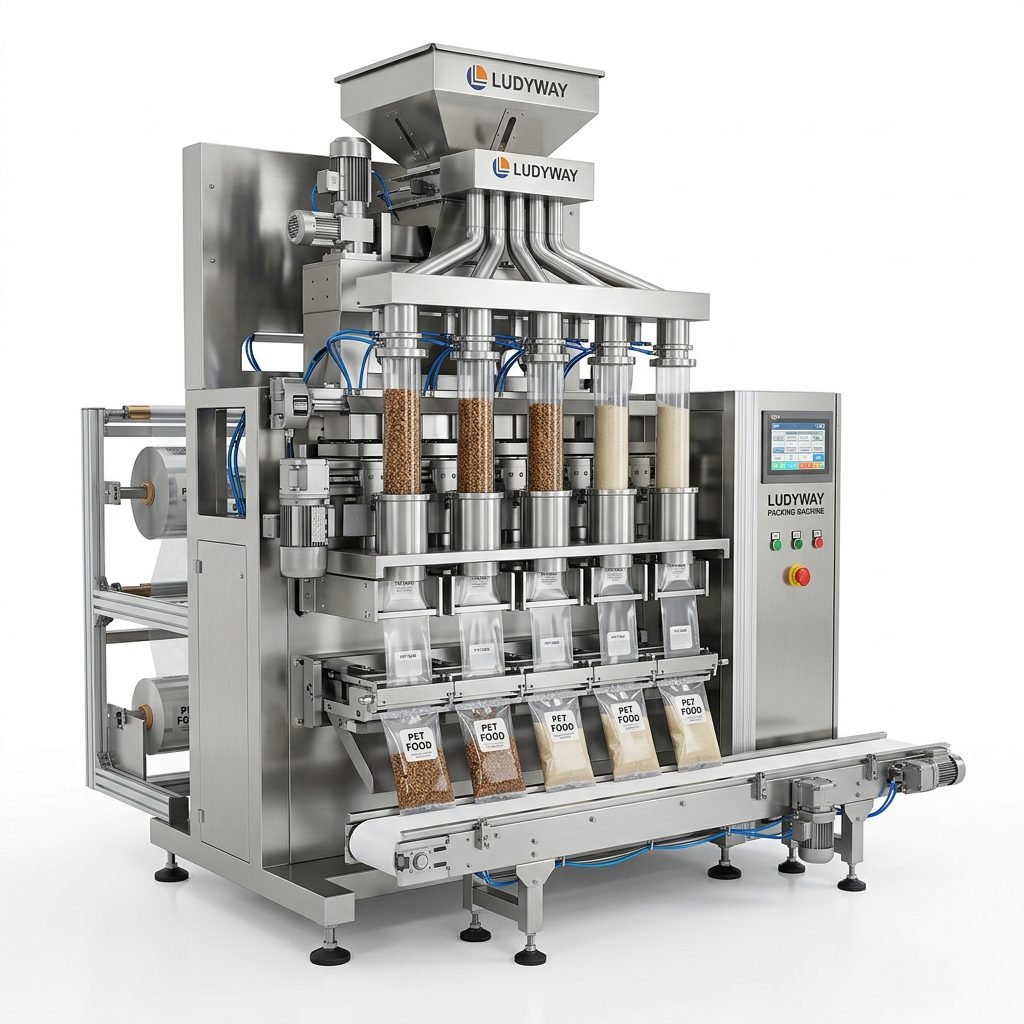
• Volumetric Cup Fillers: Ideal for free-flowing granules, powders, or small pieces. They use calibrated cups to measure product volume.
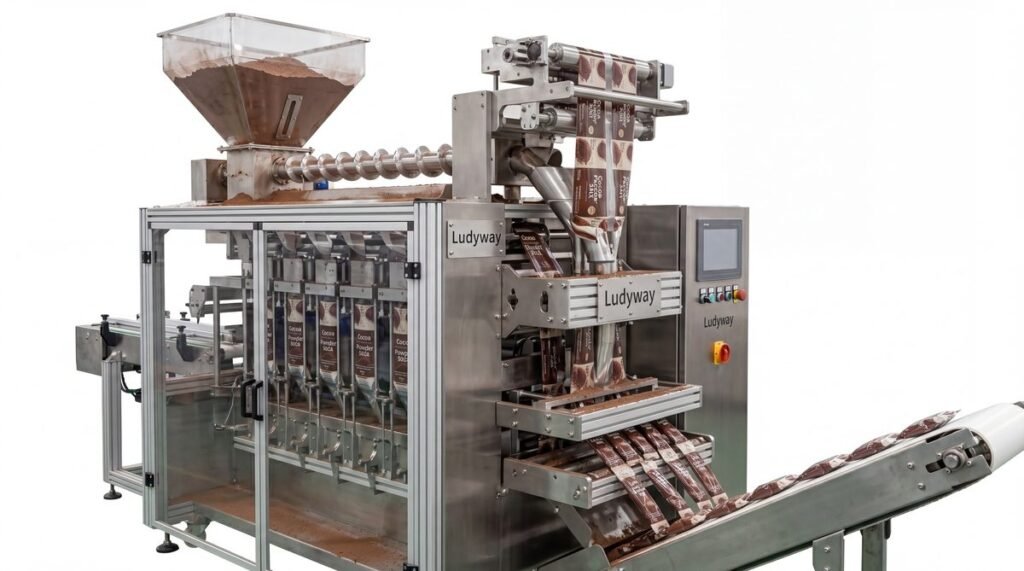
• Auger Fillers: Excellent for precise filling of fine powders, spices, or cohesive products. A rotating auger screw dispenses a controlled amount.
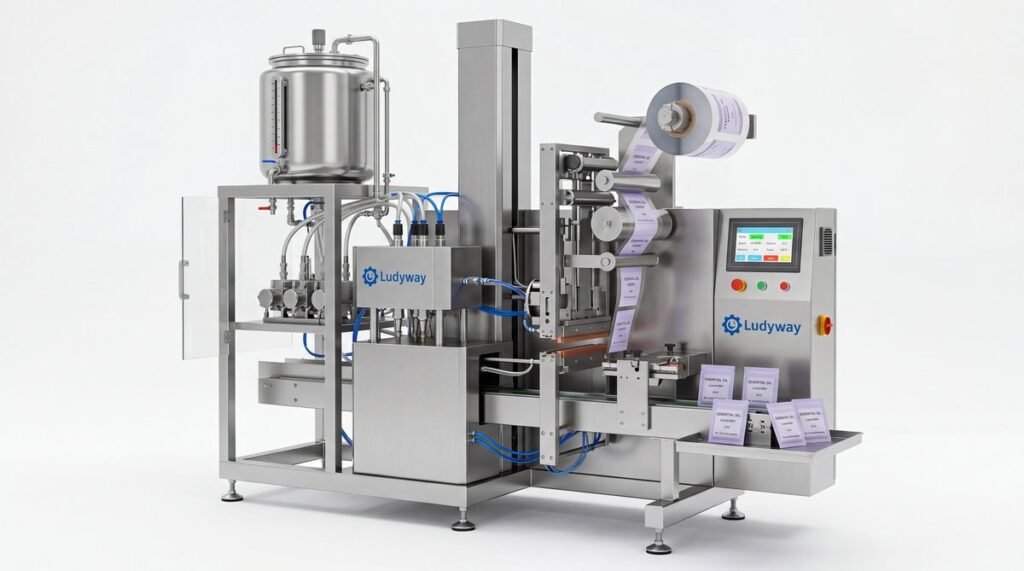
• Liquid Fillers: These include piston, gravity, and pump fillers, designed for water, oils, sauces, and chemicals with varying viscosities.
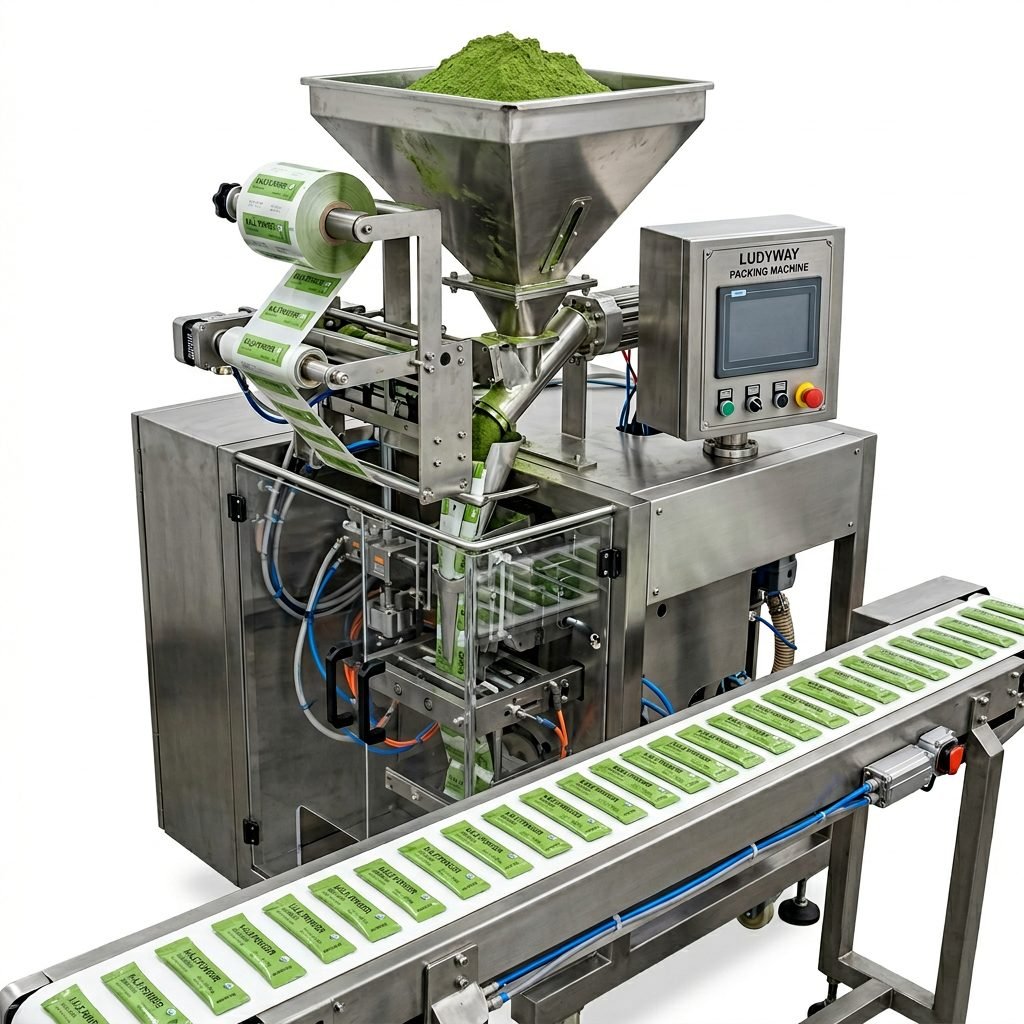
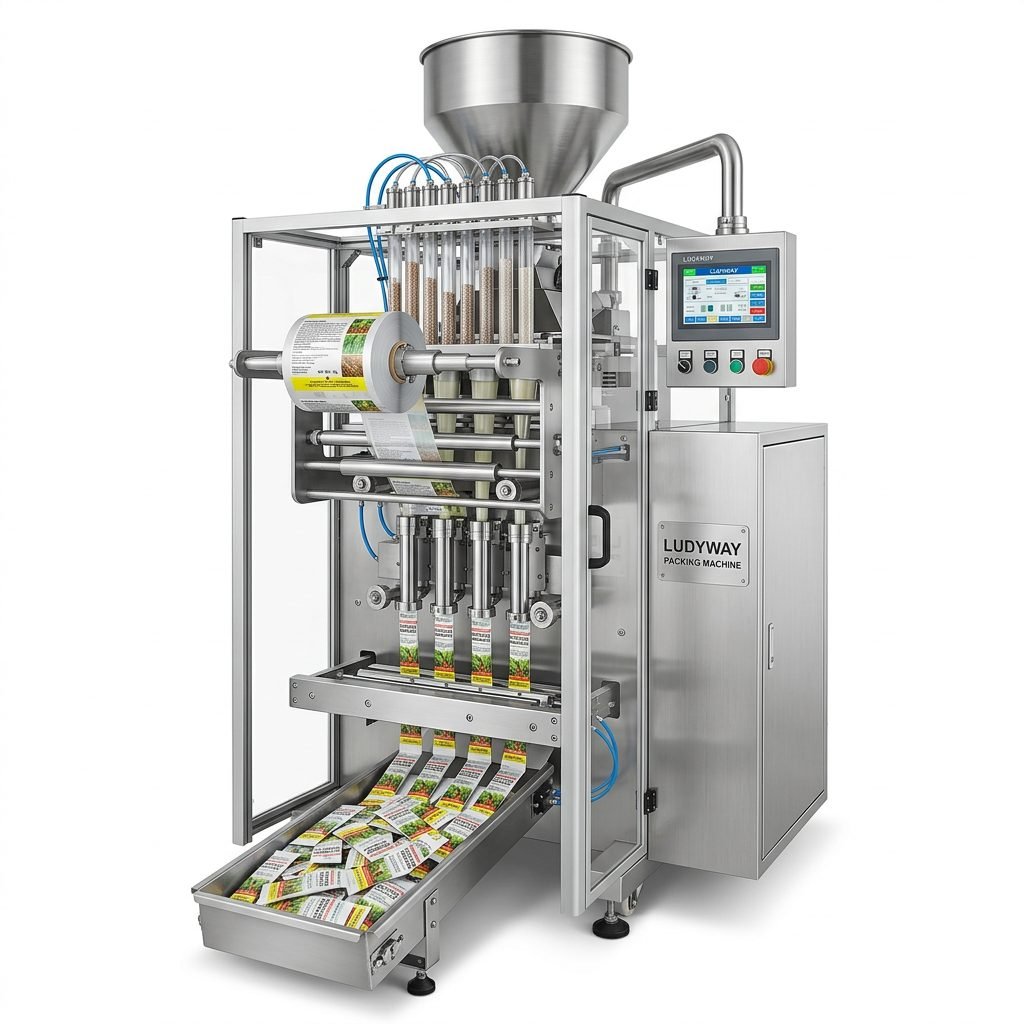
• Form-Fill-Seal (FFS) Machines: Highly versatile systems that form packaging from a roll of film, fill it with product, and seal it in one continuous operation. Perfect for creating stick packs and sachets for single-serve portions.
Key Consideration:
The choice between pre-made bag systems and form-fill-seal technology often hinges on production volume and flexibility needs. FFS machines offer lower per-unit packaging material costs and are superb for high-volume runs.
Labeling and Coding Equipment
This category ensures your product carries the necessary information and branding. It includes label applicators (front/back/wrap-around), inkjet coders for printing batch dates and expiry information, and laser coding systems for permanent marks on various surfaces.
Secondary Packaging Systems
Once primary packaging is complete, these machines handle bundling and case-ready preparation. This includes cartoners, case packers, shrink wrappers, and palletizers. They are essential for streamlining logistics and protecting products during shipping.
Essential Packaging Machine Parts and Their Roles
Beyond the main machinery, the availability and quality of spare parts are crucial for minimizing downtime. Understanding key components helps in proactive maintenance.
Sealing Jaws & Elements: The heart of any heat-sealing machine. They must be kept clean and at the correct temperature and pressure to ensure consistent, hermetic seals.
Auger Screws & Funnels: Critical for filling accuracy. Wear or damage here leads to product giveaway or under-filling. Material compatibility (e.g., food-grade, anti-static) is vital.
Sensors & Photoelectrics: These “eyes” of the machine detect product presence, label position, and film registration. Malfunctions can cause mispackaging or machine stoppages.
Drive Components: Belts, gears, servomotors, and driveshafts. Regular inspection and lubrication are necessary for smooth operation and to prevent catastrophic failure.
Pro Tip: Partnering with a supplier like Ludyway Machinery, which offers reliable technical support and genuine spare parts, is an investment in long-term operational stability. Their 30+ years of industry experience translates into knowledgeable guidance on part lifecycle and maintenance schedules.
How to Choose the Right Packaging Solutions: A Step-by-Step Framework
Selecting equipment is a strategic decision. Follow this framework to align your investment with your business goals.
1. Define Your Product and Packaging Specifications
Start with the fundamentals: What are you packaging? Detail the product’s physical form (granule, powder, liquid), its characteristics (abrasive, oily, hygroscopic), and your desired package type (pouch, stick pack, bottle). Consider future product lines to ensure machine adaptability.
2. Analyze Your Production Requirements
Quantify your needs. What is your target output in packs per minute or hour? What are your shift patterns? This determines the required machine speed and durability. Also, assess your available factory space (footprint) and utilities (air pressure, electrical requirements).
3. Evaluate Machine Features and Technology
Look beyond the basic function. Prioritize features that enhance efficiency and ease of use:
• Changeover Time: How quickly can you switch between different products or package sizes? Look for quick-release mechanisms and digital parameter memory.
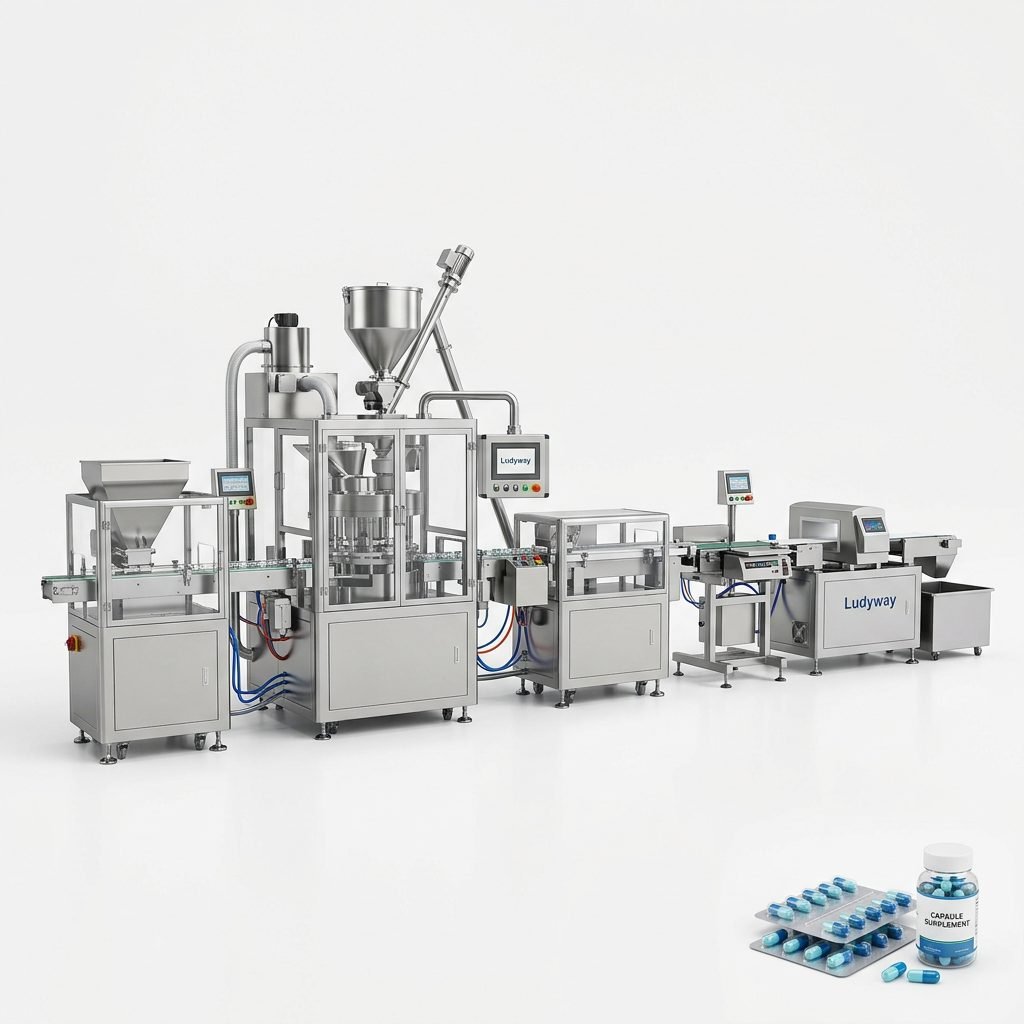
• Automation Level & Control: A user-friendly PLC/HMI interface simplifies operation and troubleshooting. Integration capabilities with upstream/downstream equipment are key for a seamless line.
• Hygiene & Cleanability: For food, pharma, or health products, machines with stainless steel contact parts, enclosed designs, and CIP (Clean-in-Place) features are often mandatory.
📈 Return on Investment (ROI) Analysis
Don’t just look at the purchase price. Calculate the total cost of ownership, which includes:
→ Machine Price & Installation
→ Consumables Cost: Packaging film, seals, etc.
→ Labor Savings from automation.
→ Reduced Product Waste from higher accuracy.
→ Maintenance & Part Costs.
A slightly higher initial investment in a robust, efficient machine from a proven provider often yields a faster and greater long-term ROI through reliability and performance.
4. Assess Supplier Credibility and Support
The machine is only as good as the company behind it. Investigate the supplier’s experience, reputation, and after-sales service. Do they offer comprehensive training, on-site installation, and readily available technical support? Can they provide turnkey production solutions if needed? A partner with a strong track record, like a company with over 50 machine models and a global service footprint, mitigates project risk.
5. Plan for the Future
Choose a solution that can grow with you. Consider modular designs that allow for future upgrades (e.g., adding a weight checker, a second filling head). Ensure the supplier has the R&D capability to support your evolving needs over the long term.
Frequently Asked Questions (FAQs)
What is the main difference between a stick pack machine and a sachet machine?
Both are types of vertical form-fill-seal (VFFS) machines. The key difference lies in the final package shape and typical use. A stick pack machine produces long, narrow tubes ideal for single-serve powders (like coffee, sugar, or supplements) that are easily poured or ripped open. A sachet machine typically creates rectangular or square pouches, which are better suited for liquids, creams, or thicker products, and often feature a notched or tear-open top.
How do I know if I need a semi-automatic or fully automatic packaging machine?
The choice depends on your production volume and labor costs. Semi-automatic machines require an operator to perform tasks like placing bags or initiating cycles. They are suitable for lower volumes, pilot production, or highly variable products. Fully automatic machines integrate feeding, filling, and sealing into one automated process, requiring minimal operator intervention. They are necessary for medium to high-volume production to maximize output, consistency, and labor efficiency.
Why is after-sales support so important when buying packaging equipment?
Packaging machines are complex investments. Even the best equipment may require calibration, part replacement, or troubleshooting. A supplier with strong after-sales support provides timely technical assistance, genuine spare parts, and preventive maintenance services. This minimizes costly downtime, extends the machine’s lifespan, and protects your production schedule, ensuring you get the maximum value from your investment.
Can one machine handle different types of products (e.g., powders and granules)?
Many machines are designed with flexibility in mind, but changeovers require adjustments. Key components like the filling system (e.g., auger type and size) and funnel may need to be changed or reconfigured. When evaluating a machine, inquire about the changeover process and time between different product types. Machines with quick-change features and digital recipe storage significantly reduce downtime when switching products.
What are the most common causes of sealing problems on packaging machines?
Poor seals are a frequent issue and can stem from several factors: incorrect temperature/pressure settings for the packaging film being used; dirty or worn sealing jaws; misalignment of the film or jaws; or using film with the wrong sealing layer composition. A systematic check of these parameters, guided by your machine manual or supplier’s support team, usually identifies and resolves the problem.