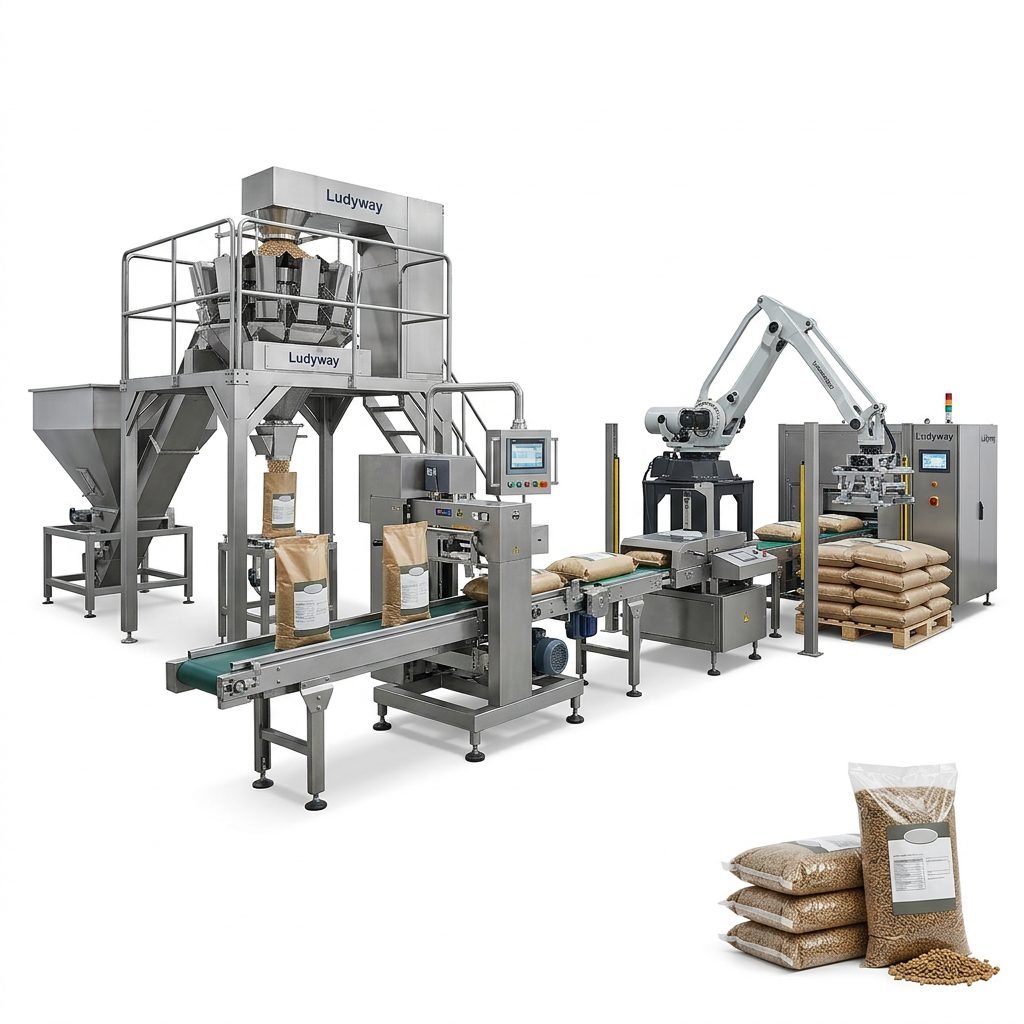
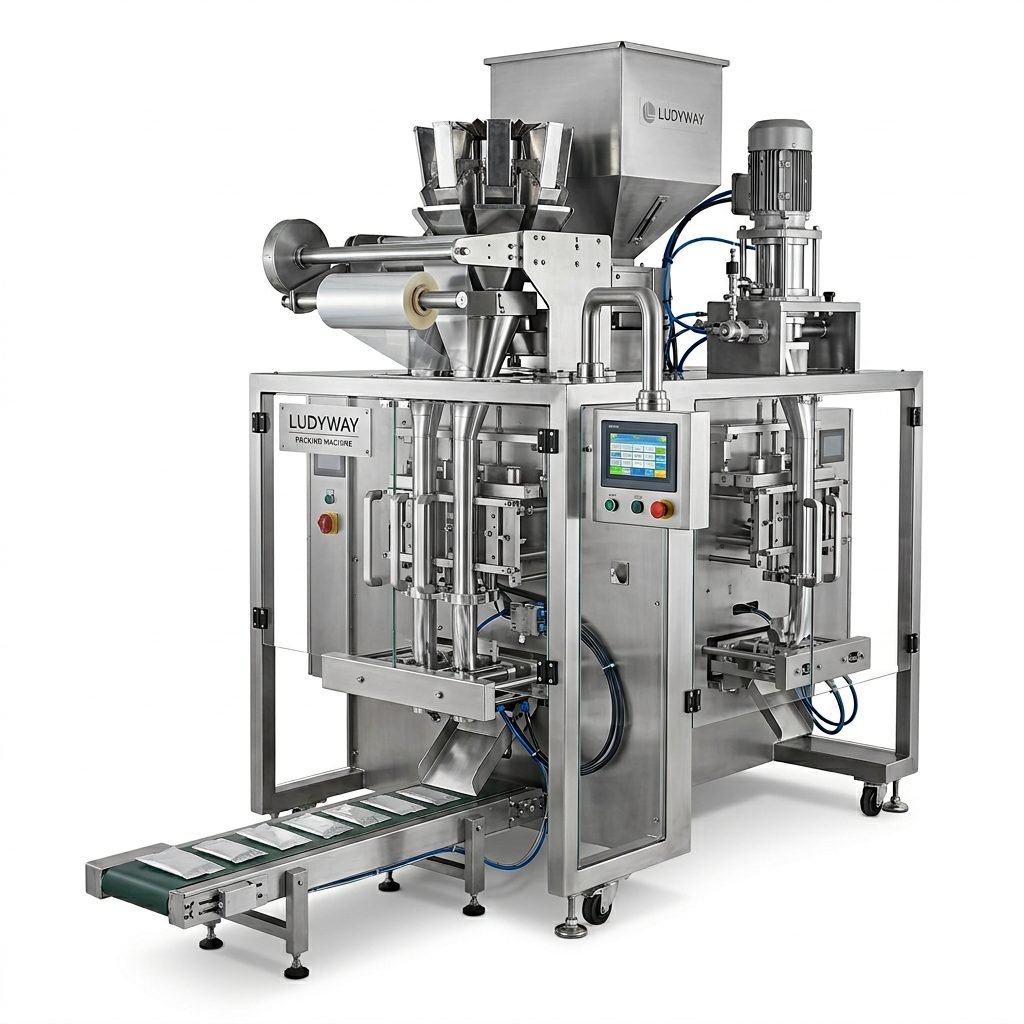
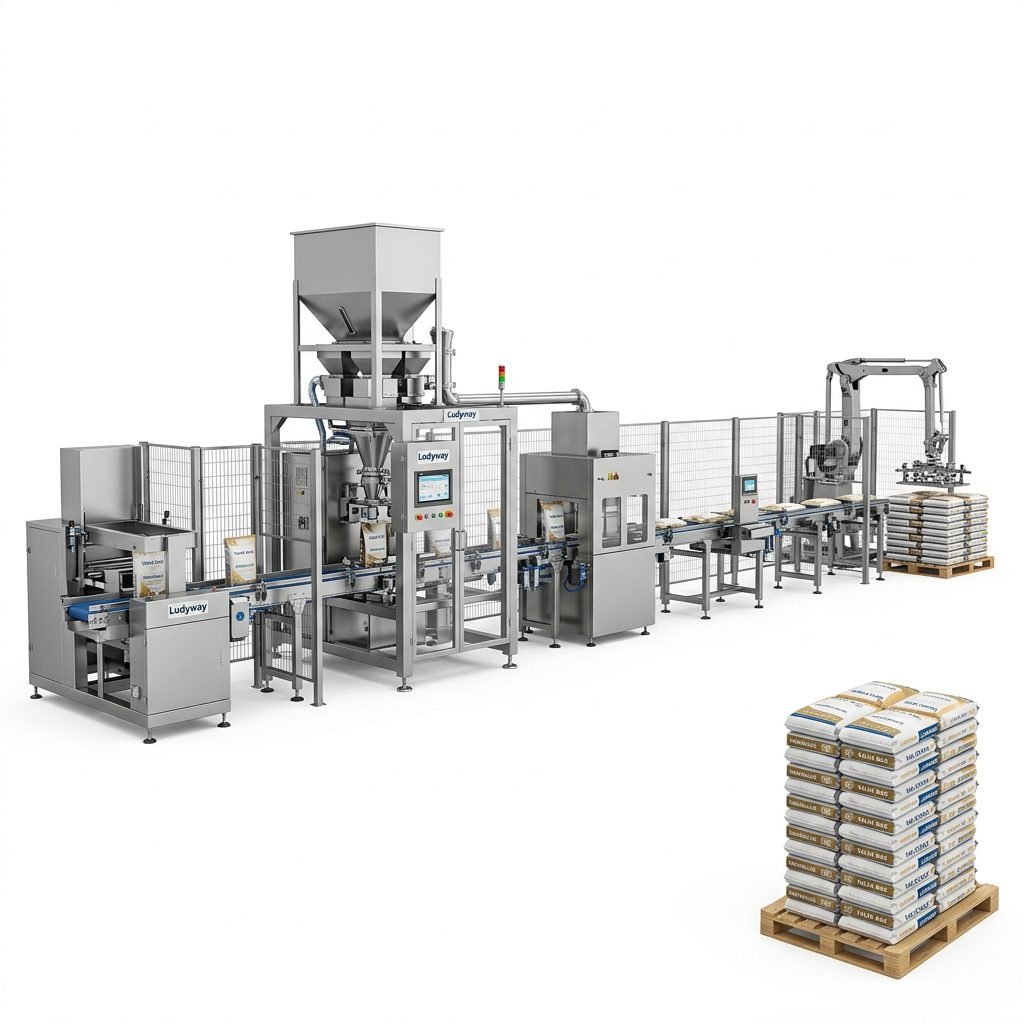
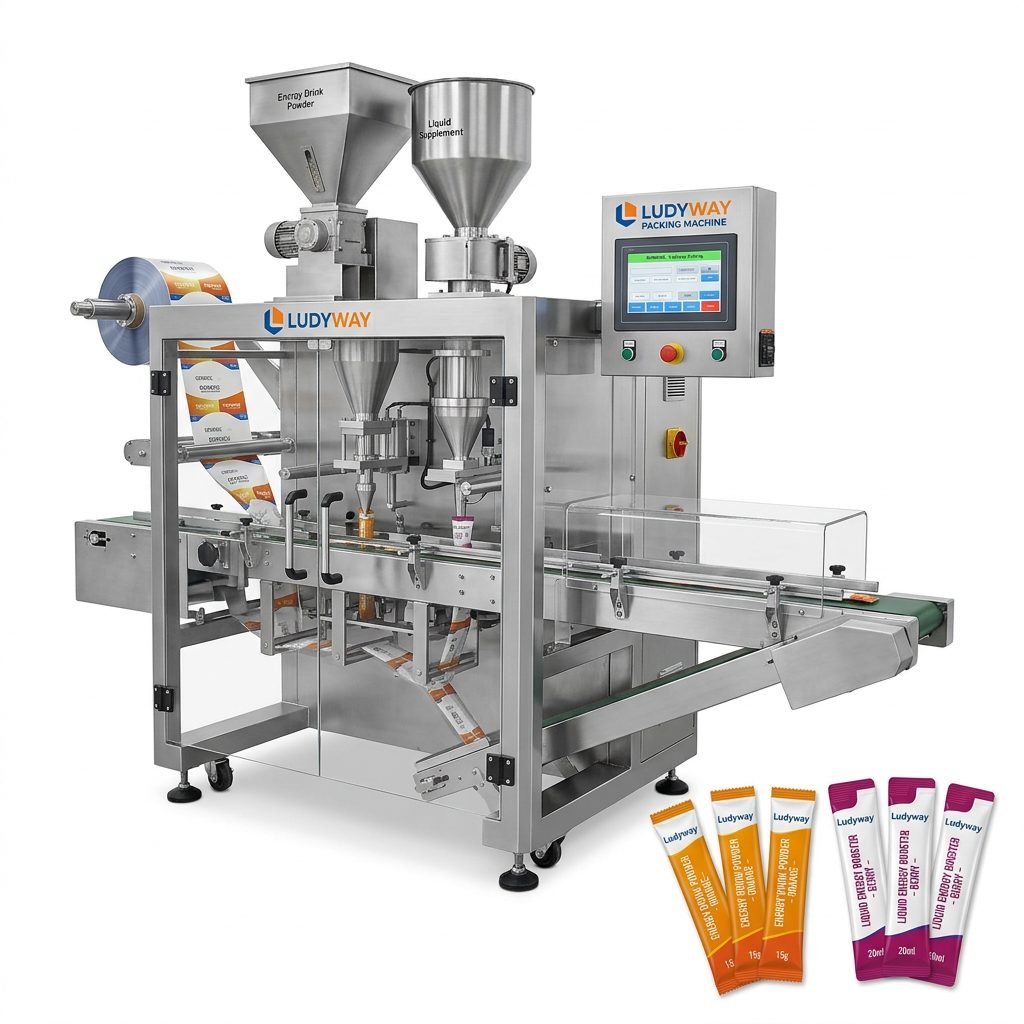
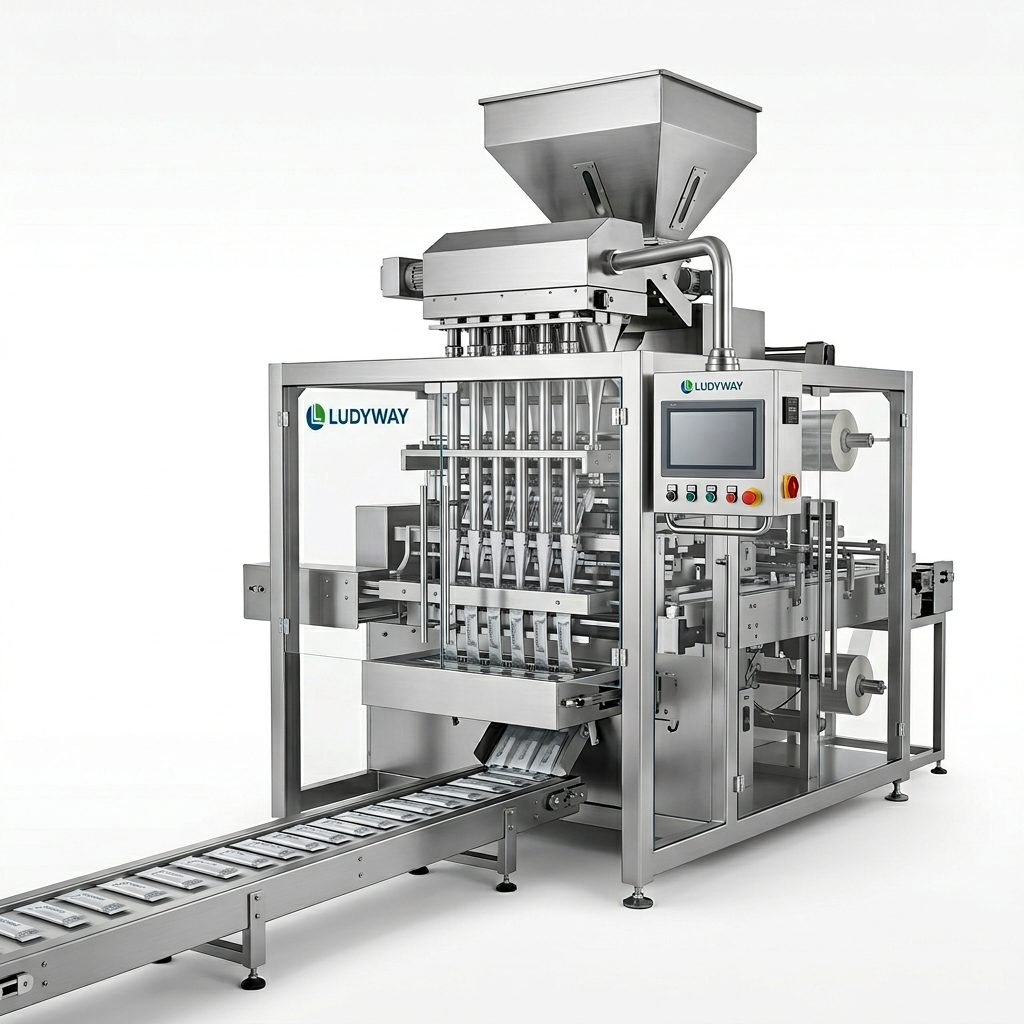
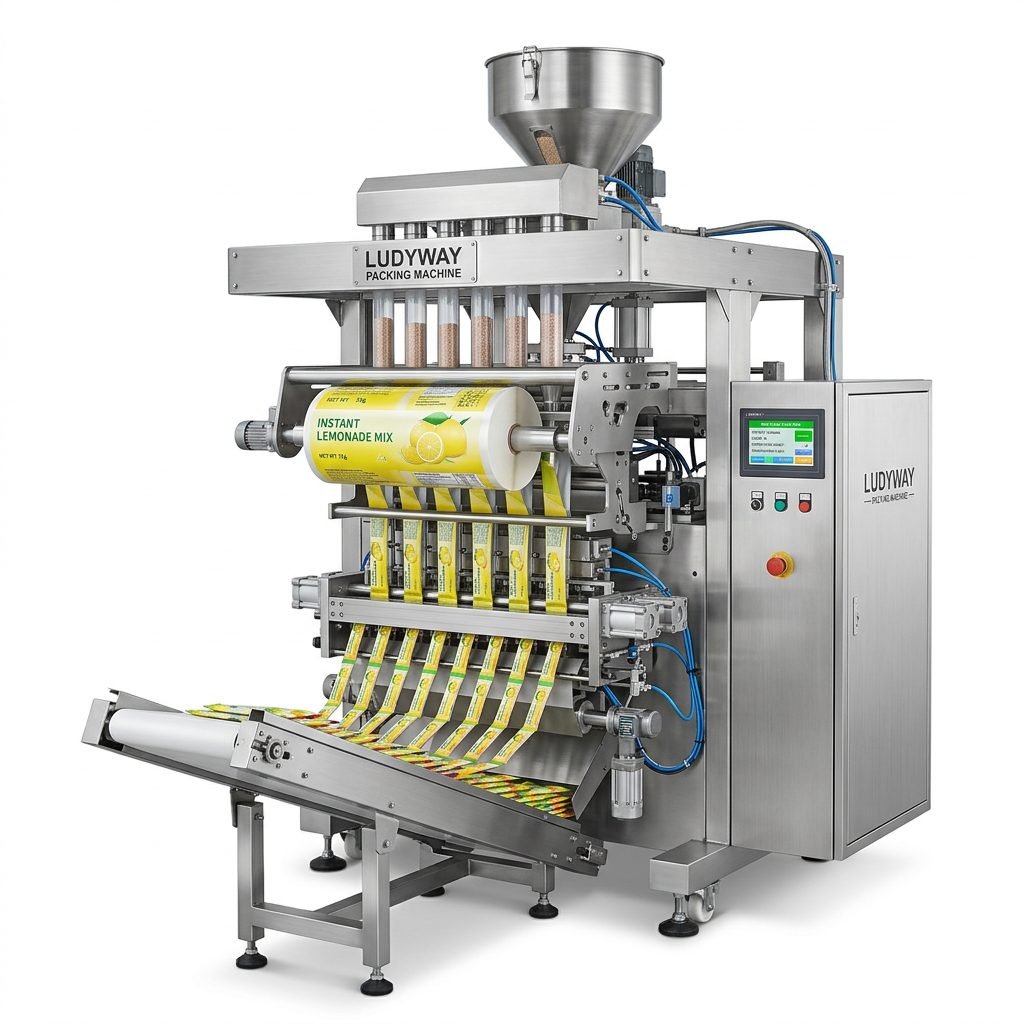
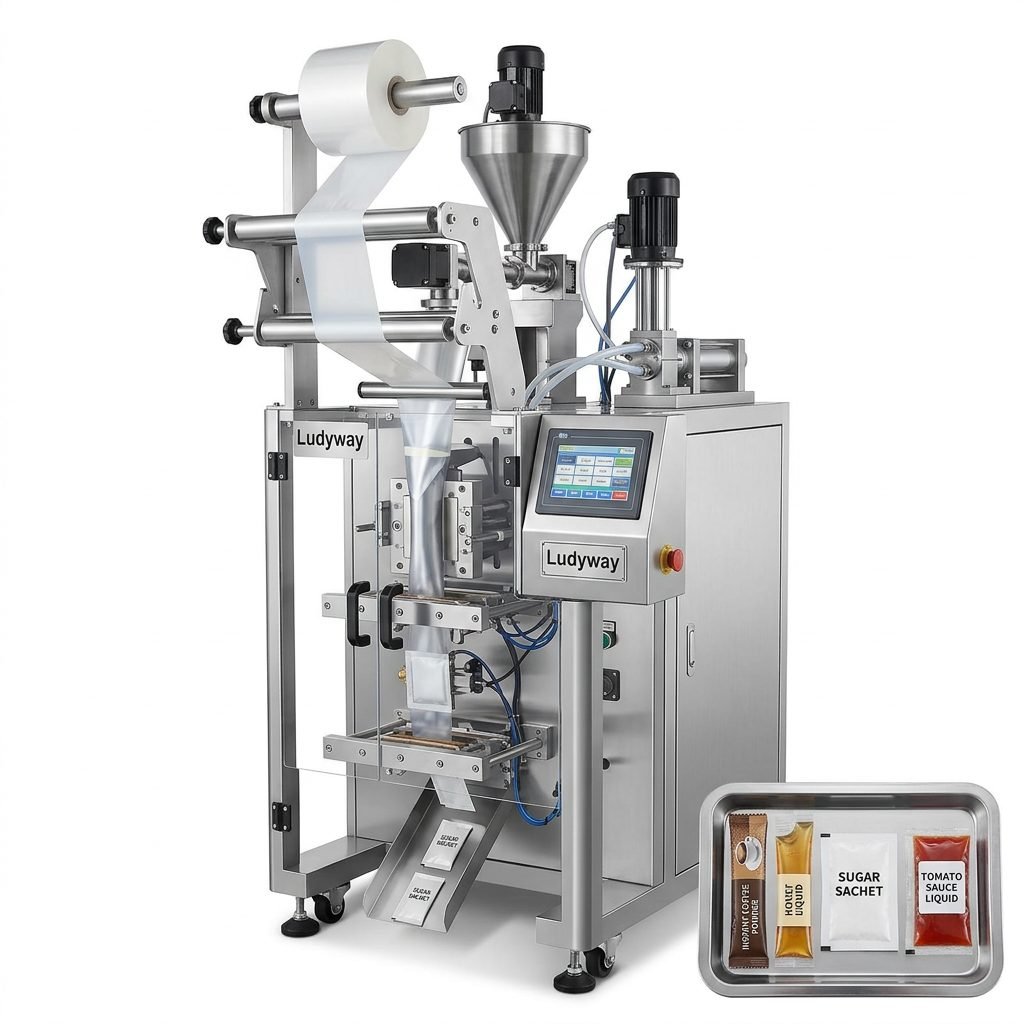
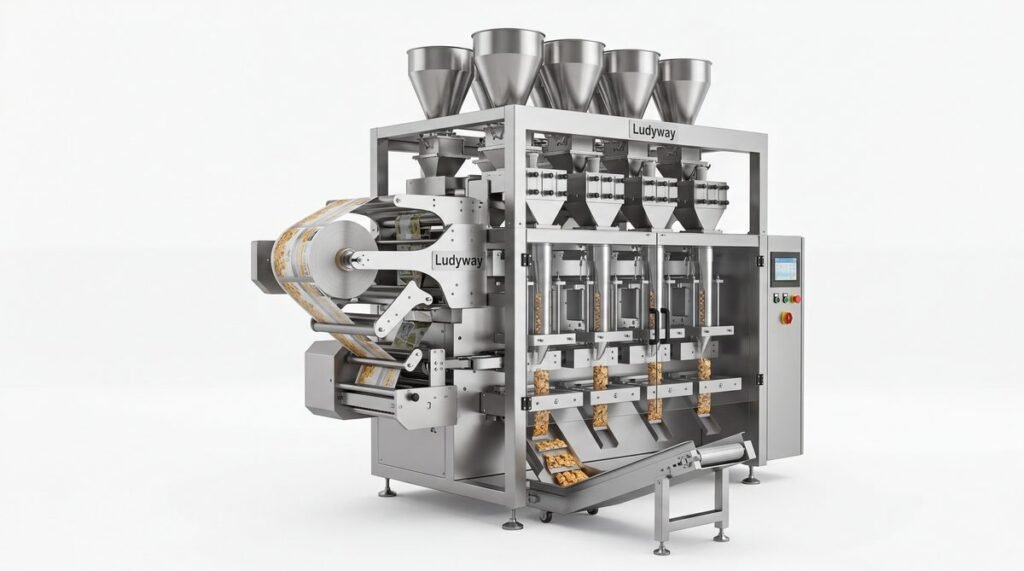
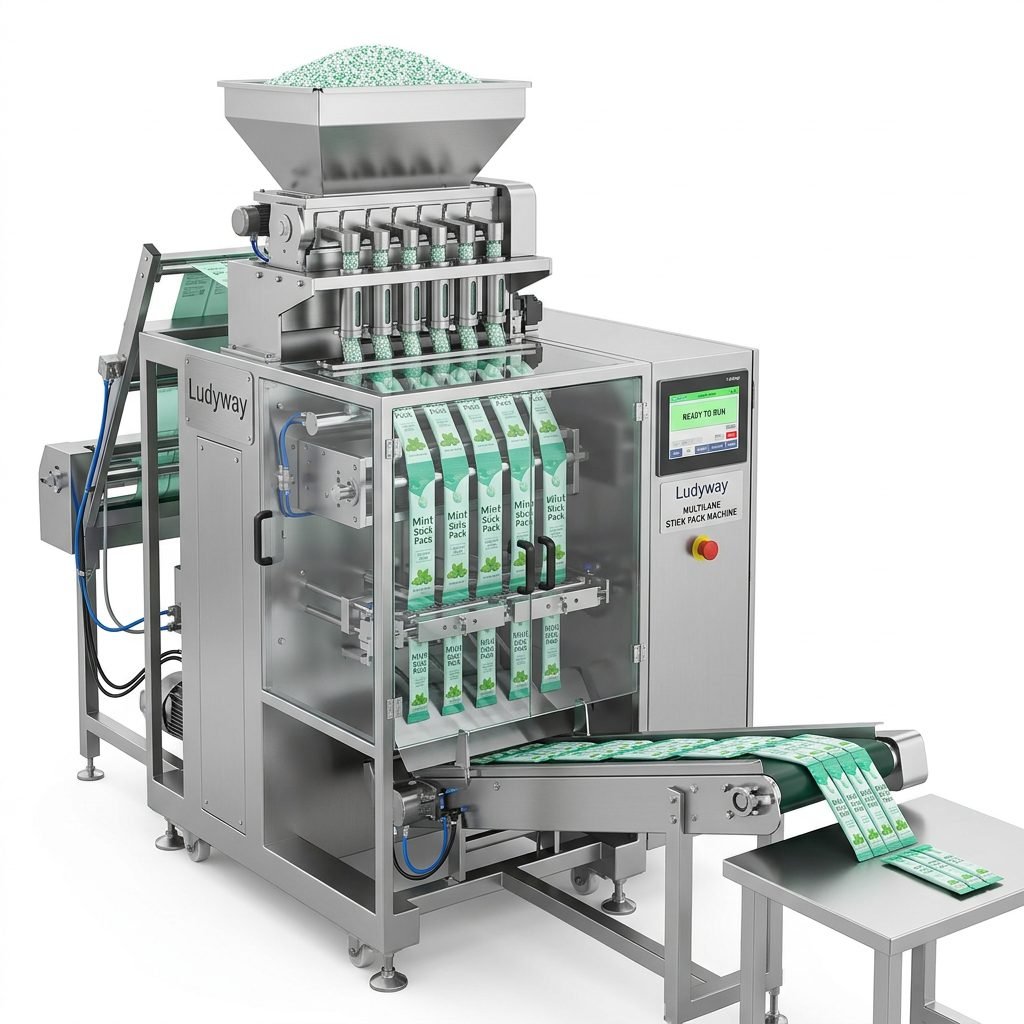
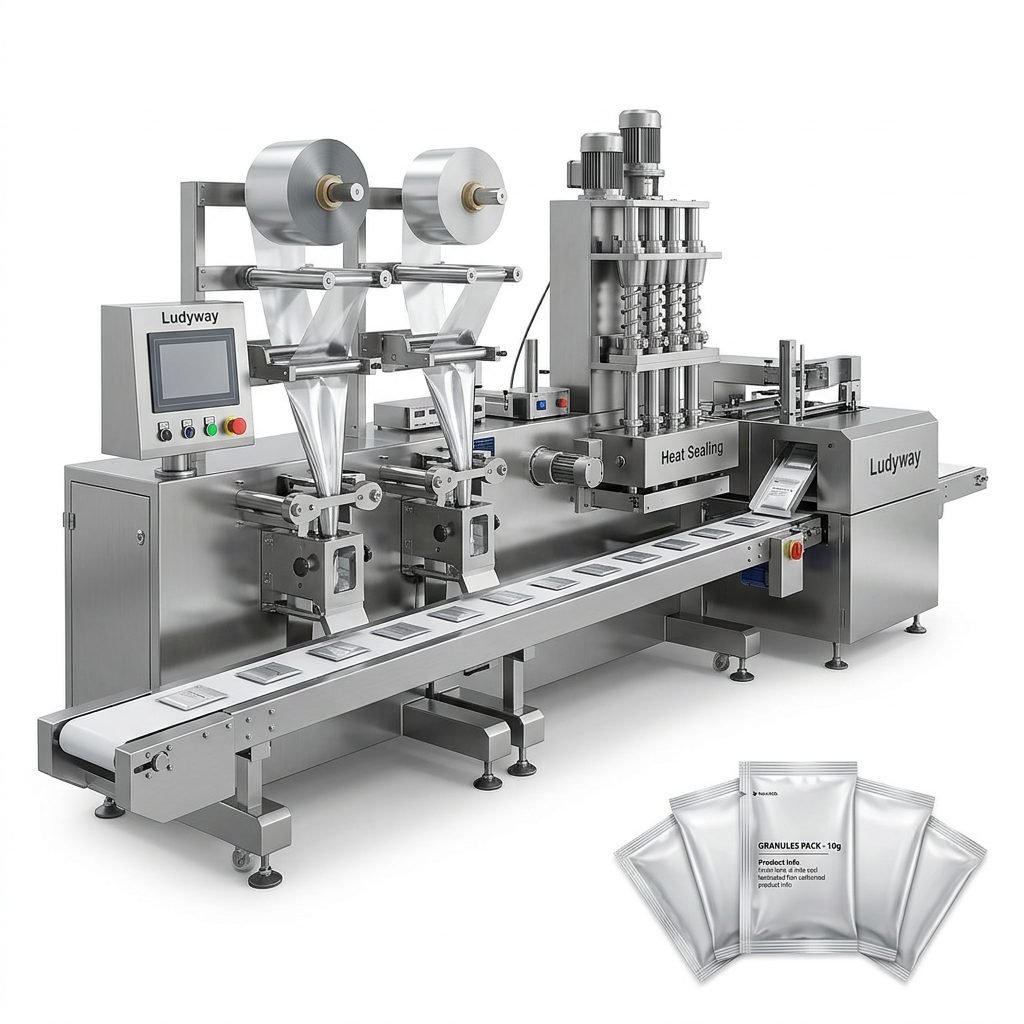
In the world of industrial packaging, the performance and longevity of your packaging line depend not just on the main machine, but critically on the quality and suitability of its individual parts. Understanding the various components, their specific functions, and the criteria for selecting them is essential for maintaining efficiency, reducing downtime, and ensuring consistent product quality.
Core Categories of Packaging Equipment Parts
Packaging machinery is a symphony of interconnected components. Broadly, these parts can be categorized into several key functional groups.
1. Drive and Motion Control Components
These are the heart of the machine’s movement. This category includes servo motors, stepper motors, drives, gears, belts, chains, and bearings. They are responsible for converting electrical energy into precise mechanical motion, controlling the speed, torque, and position of various machine axes. The reliability of these parts directly impacts the machine’s accuracy and synchronization.
2. Material Handling and Forming Parts
These components directly interact with the packaging material. Key items include:
- Forming Collars & Tubes: Shape the flat packaging film into a tube.
- Sealing Jaws (Heaters & Crimpers): Apply heat and pressure to create the longitudinal and transverse seals on pouches or sachets.
- Film Pulling Belts & Grippers: Advance the packaging material through the machine.
- Hopper & Auger Systems: For granular or powdery products, these parts meter and feed product into the packaging tube.
3. Product Feeding and Dosing Systems
Accuracy in filling is paramount. This system comprises augers, pumps, volumetric cups, weigh cells, and nozzles. The choice depends on the product characteristics—whether it’s a free-flowing granule, a viscous liquid, or a sensitive powder. Precision here minimizes product giveaway and ensures compliance with labeled weights.
4. Control System and Electrical Components
The machine’s “brain” and “nervous system.” This includes the Programmable Logic Controller (PLC), Human-Machine Interface (HMI) touchscreen, sensors (photoelectric, proximity), relays, and wiring. These components manage logic, user input, monitoring, and safety interlocks. Modern machines often integrate sophisticated controls for recipe management and data tracking.
5. Structural and Wear Parts
These provide the framework and endure regular friction. Examples are machine frames, panels, guide rails, and consumable items like cutting blades, Teflon sealing strips, and gaskets. While less glamorous, their condition is vital for machine stability and seal integrity.
Critical Functions of Key Components
Each part plays a specialized role in the packaging process chain.
⚙️ Sealing Jaws:
They must maintain consistent temperature and pressure. Worn or dirty jaws lead to weak seals, leaks, and product spoilage. Their material (often coated with non-stick surfaces like Teflon) must withstand constant heat and abrasion.
📐 Auger & Filling Nozzle:
The auger’s pitch, diameter, and surface finish determine filling speed and accuracy for powders. A mismatched auger can cause bridging, compaction, or inaccurate doses. The nozzle must prevent product cling and allow clean cut-off.
🔌 PLC & Sensors:
The PLC executes the packaging sequence. Faulty sensors (e.g., film break detection, missing product check) can cause the machine to run incorrectly or fail to stop during a fault, leading to waste or damage.
How to Choose the Right Components: A Practical Guide
Selecting replacement or upgrade parts is a strategic decision. Follow this framework to make an informed choice.
Step 1: Identify the Exact Specification
Never guess. Use the machine’s model number, serial number, and part diagrams. Measure critical dimensions of the old part (shaft diameter, length, thread size, etc.). For electrical parts, note voltage, current, and signal type ratings.
Step 2: Match the Part to Your Product & Material
The product dictates the part material. For food or pharmaceutical applications, parts in contact with product (augers, hoppers, nozzles) must be made of FDA-compliant, corrosion-resistant materials like 316 stainless steel or food-grade plastics. For abrasive products, consider hardened or coated surfaces.
Step 3: Prioritize Quality and Compatibility
OEM (Original Equipment Manufacturer) Parts: Guaranteed compatibility and performance, often with warranty support. Ideal for critical components like servo drives or proprietary control boards.
High-Quality Aftermarket Parts: Can offer cost savings and sometimes improved designs or materials. Source from reputable suppliers like Ludyway Packing Machine who specialize in packaging machinery and understand the engineering requirements.
Step 4: Consider Total Cost of Ownership
Look beyond the purchase price. A cheaper part that fails twice as often increases downtime, labor for replacement, and risk of secondary damage. Evaluate the supplier’s technical support, warranty terms, and delivery reliability.
Step 5: Plan for Maintenance and Availability
For high-wear consumables (sealing strips, blades, gaskets), establish a regular preventive maintenance schedule and keep a stock of critical spares. Ensure your supplier, such as experienced packaging experts, can provide consistent long-term supply and documentation.
Partnering with the Right Expert
Navigating the complex world of packaging parts is easier with a knowledgeable partner. A specialist provider brings more than just parts; they offer application expertise. For instance, a company with deep industry experience can recommend component upgrades to handle a new product formulation or improve machine speed. They understand how different parts interact within a system. Choosing a partner committed to innovation and quality, like those with a history of providing turnkey packaging solutions, ensures you have access to components that are designed for performance and durability in real-world production environments.
Frequently Asked Questions (FAQs)
Q1: Can I use generic electrical components (sensors, relays) instead of the branded ones specified in the manual?
A: It is possible, but proceed with caution. You must ensure the electrical specifications (voltage, current, output type – PNP/NPN) and physical dimensions match exactly. For safety-critical sensors, using OEM or supplier-approved parts is strongly recommended to maintain machine safety certifications.
Q2: How often should I replace common wear parts like Teflon sealing strips or cutting blades?
A: There’s no fixed timeline; it depends on production hours, packaging material abrasiveness, and maintenance. Inspect them regularly during cleaning. Replace sealing strips if you see scratches, burns, or inconsistent seals. Replace blades when cuts become ragged or require excessive force. Keeping a log helps predict replacement cycles.
Q3: What are the signs that a critical part like a servo motor or drive is failing?
A: Warning signs include unusual noises (grinding, humming), erratic or jerky motion, loss of positional accuracy, overheating, or frequent error codes on the drive. Address these immediately to prevent catastrophic failure that could damage other components.
Q4: Is upgrading older packaging machine parts with newer technology worthwhile?
A: Often, yes. Strategic upgrades can significantly improve performance. Examples include replacing mechanical clutches with servo drives for better accuracy, updating the PLC/HMI for easier operation and data collection, or installing more advanced fill systems. Consult with a packaging automation specialist to conduct a cost-benefit analysis for your specific machine and goals.
Q5: How can I ensure I’m getting a genuine, high-quality replacement part?
A: Purchase from authorized distributors or reputable specialist suppliers. Check for proper branding, machining quality, and material certificates if applicable. Be wary of prices that seem too good to be true. A trusted partner will provide clear specifications and technical support, ensuring the part integrates seamlessly into your packaging line.