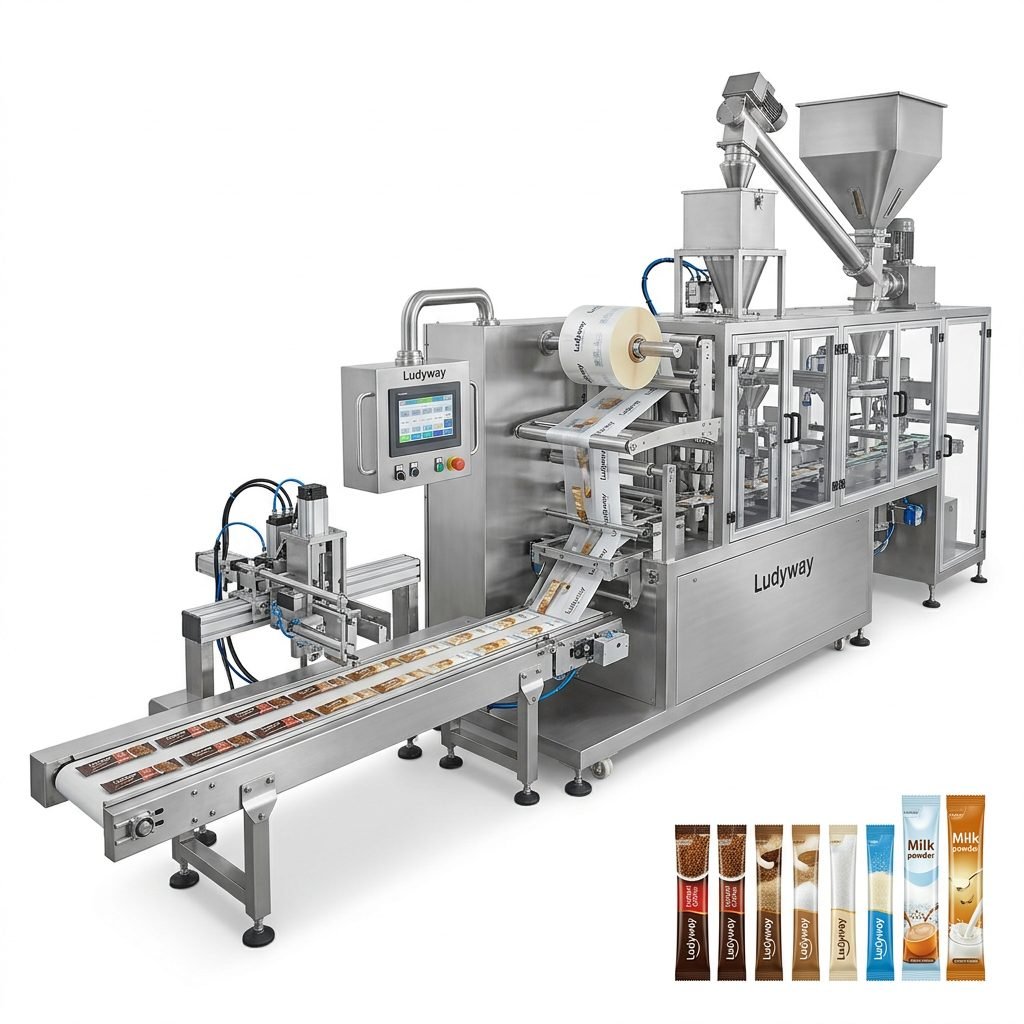
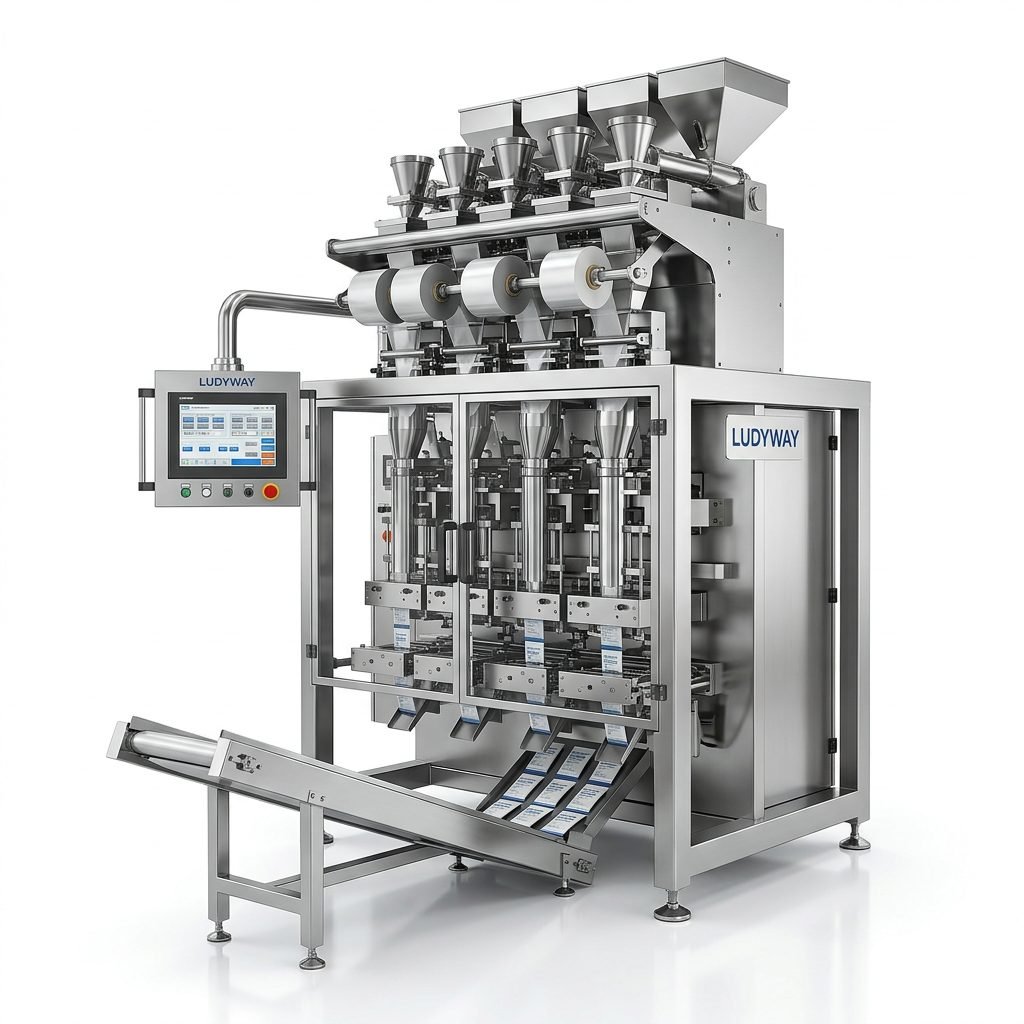
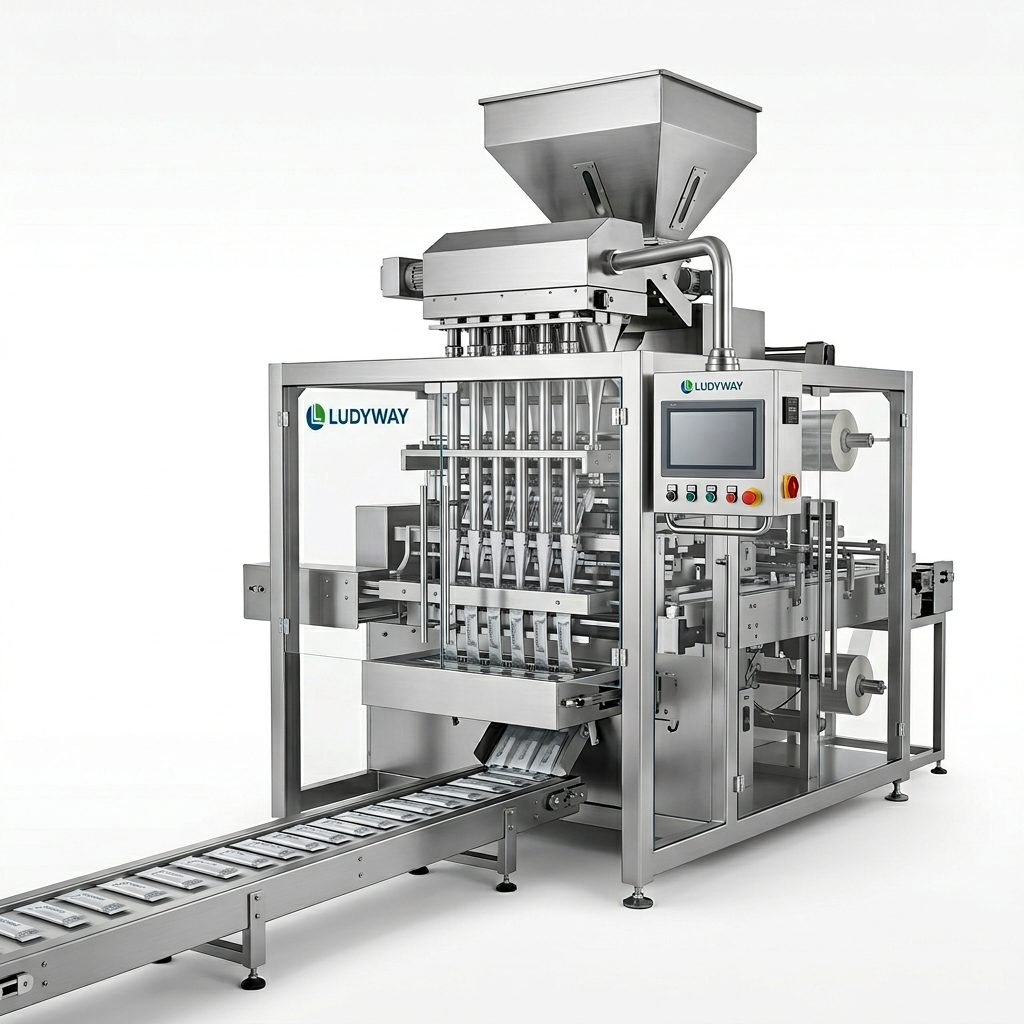
Selecting the right coffee capsule packaging machine is a critical decision for any roaster or manufacturer looking to enter or expand in the single-serve market. This guide will walk you through the different types of machines available, their key features, and the essential factors to consider to ensure you choose the best equipment for your specific production needs and business goals.
Understanding Coffee Capsule Packaging Machines
Coffee capsule packaging machines are specialized systems designed to fill, seal, and sometimes code pre-formed capsules or pods with ground coffee. They are engineered for high precision to ensure consistent dosing, optimal freshness preservation through gas flushing and sealing, and high-speed output to meet commercial demands. The automation level can range from semi-automatic benchtop units to fully integrated, high-speed production lines.
Core Function:
The primary function is to automate the process of dosing ground coffee into a capsule shell, often followed by nitrogen flushing to displace oxygen, and then hermetically sealing the capsule with a lid (foil or polymer) to ensure extended shelf life and peak flavor.
Main Types of Coffee Capsule Packaging Machines
The market offers several configurations, each suited to different production scales and capsule formats.
1. By Automation Level
1
Semi-Automatic Machines: Ideal for startups, small-batch roasters, or R&D. These require an operator to manually place empty capsules and sometimes initiate the sealing cycle. They offer low initial investment and flexibility for multiple capsule types but have lower output.
2
Fully Automatic Machines: The standard for commercial production. They automate the entire process: capsule feeding, coffee dosing, gas flushing, lid placement, and sealing. They are designed for high-speed, continuous operation with minimal manual intervention, ensuring consistent quality and high throughput.
3
Rotary & In-Line Systems: These are heavy-duty, fully automatic machines for large-scale industrial production. Rotary machines use a carousel with multiple workstations for simultaneous operations, maximizing speed. In-line systems integrate seamlessly with upstream (capsule molding) and downstream (cartoning) equipment for a complete turnkey line.
2. By Capsule Compatibility
Machines are often designed for specific capsule systems. It’s crucial to match the machine to your target market.
- Proprietary System Machines: Dedicated to one specific capsule format (e.g., Nespresso® OriginalLine, Keurig® K-Cup®). They offer perfect compatibility but lock you into that single format.
- Multi-Format or Adjustable Machines: More versatile, capable of handling different capsule sizes and shapes with quick changeovers. This is ideal for manufacturers producing for multiple brands or private-label clients. Companies like Ludyway Machinery often provide solutions that can be customized for various formats.
- Compatibles / “Open-System” Machines: Designed for the vast market of capsules compatible with major brewers but not using patented designs. This offers significant market flexibility.
Key Features and Technological Considerations
Beyond basic type, several features critically impact performance, quality, and operational efficiency.
Dosing System
The heart of the machine. Volumetric dosing is common, but gravimetric (weight-based) dosing is superior for precision. Look for systems with high-accuracy load cells that provide feedback control, ensuring every capsule meets the exact weight specification, crucial for cost control and compliance.
Gas Flushing & Sealing
Freshness preservation is non-negotiable. The machine must efficiently evacuate air and inject an inert gas (like nitrogen or a CO2/N2 mix) before sealing. Evaluate the sealing mechanism—thermal conduction sealing is standard for aluminum foil, while ultrasonic sealing is used for polymer lids and is energy-efficient. Seal integrity is paramount.
Speed & Output (Capsules Per Hour – CPH)
Output rates vary from 500-1,000 CPH for small machines to over 20,000 CPH for rotary systems. Your required output dictates the machine type and investment. Remember, theoretical maximum speed and sustainable operational speed with changeovers and maintenance are different.
Control System & Connectivity
Modern machines feature PLC (Programmable Logic Controller) with HMI (Human-Machine Interface) touchscreens. This allows for easy recipe storage, parameter adjustment, and production monitoring. Advanced connectivity for Industry 4.0, such as data export for OEE (Overall Equipment Effectiveness) tracking, is a valuable feature for larger operations.
Changeover Flexibility
If you plan to run different coffee blends or capsule formats, the time and complexity of changeover are critical. Look for machines with quick-change parts (dosing funnels, sealing heads) and digital recipe recall to minimize downtime between production runs.
How to Choose the Best Machine: A Step-by-Step Guide
Step 1: Define Your Core Requirements
Start with a clear business plan. What is your target annual production volume? Which capsule format(s) will you use? What is your available floor space and utility access (compressed air, electrical requirements)? Answering these will narrow down the field significantly.
Step 2: Evaluate Quality and Precision
Request samples from a shortlisted machine. Test the produced capsules for:
→ Weight consistency (minimal deviation).
→ Seal integrity and strength (no leaks, peel tests).
→ Gas flush effectiveness (measured by residual oxygen levels).
This step is where partnering with an experienced supplier like Ludyway, known for reliable solutions, proves invaluable.
Step 3: Assess Total Cost of Ownership (TCO)
Look beyond the purchase price. Consider:
- Operational Costs: Energy consumption, gas usage, spare part pricing.
- Maintenance: Ease of access, cleaning requirements, recommended service intervals.
- Support: Availability of technical support, training, and spare parts. A machine with a slightly higher price but excellent local support and proven reliability from a supplier with decades of industry experience often has a lower TCO.
Step 4: Prioritize Supplier Reputation and Support
The machine is only as good as the company behind it. Research the supplier’s history, client testimonials, and after-sales service structure. Do they offer installation, training, and responsive technical support? A reliable partner ensures your investment is protected and your production runs smoothly long-term.
Step 5: Plan for the Future
Choose a machine that can grow with your business. Can it be upgraded? Is the supplier capable of providing integrated line solutions (e.g., capsule elevators, checkweighers, cartoners) if you scale up? Future-proofing your investment is a strategic move.
Frequently Asked Questions (FAQs)
1. What is the typical price range for a commercial coffee capsule machine?
Prices vary widely based on automation and speed. Semi-automatic machines can start from $15,000 – $30,000. Fully automatic single-head machines range from $50,000 – $120,000. High-speed rotary or in-line systems can cost $200,000 and above. Always factor in auxiliary equipment and installation.
2. Can one machine package different types of capsules (e.g., Nespresso and Keurig compatible)?
Yes, but it depends on the machine. Multi-format or adjustable machines are designed for this purpose, allowing for changeovers between different capsule shells and lid sizes. This requires purchasing additional change parts and will involve downtime during the switch.
3. How important is nitrogen flushing, and what are the alternatives?
Extremely important for shelf life. Nitrogen flushing removes oxygen, the main cause of coffee staling and oxidation. Some systems use a mixture of carbon dioxide and nitrogen. There is no effective commercial alternative for achieving a long shelf life (often 12-24 months) while preserving aroma.
4. What are the most common maintenance tasks required?
Daily cleaning of coffee contact parts (dosing system, funnels) to prevent oil buildup and cross-contamination. Regular lubrication of moving parts as per the manual. Periodic calibration of the weighing system and inspection of sealing jaws for wear. A good supplier provides clear maintenance schedules.
5. What key certifications should I look for in a packaging machine?
For food equipment, CE (for Europe) and UL/CSA (for North America) electrical safety marks are fundamental. Machines in contact with food should be made with food-grade materials (e.g., 316 stainless steel) and designs that facilitate hygiene. Certifications like ISO 9001 for the manufacturer indicate a quality management system.