Selecting the right horizontal flow wrapper is a critical decision for any production line. This comprehensive guide will walk you through the key factors to consider when choosing a flow wrap packaging machine that perfectly matches your product requirements and operational goals.
Understanding Horizontal Flow Wrapping Technology
Horizontal flow wrapping, also known as fin-seal wrapping, is a versatile packaging method where a product is placed on a continuous sheet of film. The film is formed around the product, and longitudinal and end seals create a secure, tight package. This process is ideal for a vast range of items, from food bars and baked goods to medical devices and hardware components.
The core advantage lies in its speed and efficiency, allowing for high-volume output with consistent seal integrity. Modern machines offer precise control over film tension, sealing temperature, and cutting length, ensuring each package meets quality standards.
Key Advantages of Flow Wrap Packaging
→ High-Speed Production: Capable of wrapping hundreds of products per minute, significantly boosting output.
→ Excellent Product Protection: Creates a hermetic seal that safeguards against moisture, dust, and contamination.
→ Material Efficiency: Uses packaging film economically, reducing material costs and waste.
→ Enhanced Shelf Appeal: Produces a clean, professional, and tamper-evident package that attracts consumers.
How to Choose the Right Machine: A Step-by-Step Guide
Step 1: Analyze Your Product Specifications
Your product is the starting point. You must have precise measurements and understand its physical characteristics.
- Dimensions (L x W x H): Determine the maximum and minimum size range the machine must accommodate.
- Product Shape & Consistency: Is it uniform (like a candy bar) or irregular (like a cluster of nuts)? This affects the forming box and film feed system.
- Product Fragility: Delicate items like crackers require gentle handling systems and adjustable film tension controls.
- Temperature Sensitivity: Chocolate or cheese may need cooled tunnels or special sealing jaws to prevent melting.
Step 2: Define Your Packaging Materials
The film you choose dictates machine capabilities. Discuss your material needs with both your film supplier and machine manufacturer.
Common Film Types: Polypropylene (OPP, BOPP), Polyethylene (PE), Polyester, Laminates, and biodegradable films. Each has different sealing properties, gas barrier levels, and machinability. Ensure the wrapper’s sealing system (constant heat, impulse, or ultrasonic) is compatible with your chosen film.
Step 3: Determine Required Production Speed (Output)
Calculate your required output in packs per minute (PPM) based on your production goals. Machine speeds can vary from 50 to over 600 PPM. Remember, the actual sustainable speed depends on product handling, changeover frequency, and operator skill. It’s often wiser to choose a machine with a 15-20% higher capacity than your current need to allow for future growth.
Step 4: Evaluate Machine Features & Automation Level
Modern flow wrappers come with various features that enhance efficiency and ease of use.
- Quick Changeover Systems: Essential for short production runs. Look for tool-less adjustments for film width, length, and forming box.
- Control System: User-friendly touchscreen HMI (Human-Machine Interface) with recipe storage saves time and reduces errors.
- Integrated Checkweighers or Metal Detectors: For in-line quality control and compliance.
- Feeding Systems: Match the feeder to your product: vibratory trays for candies, bucket conveyors for biscuits, or robotic pick-and-place for delicate items.
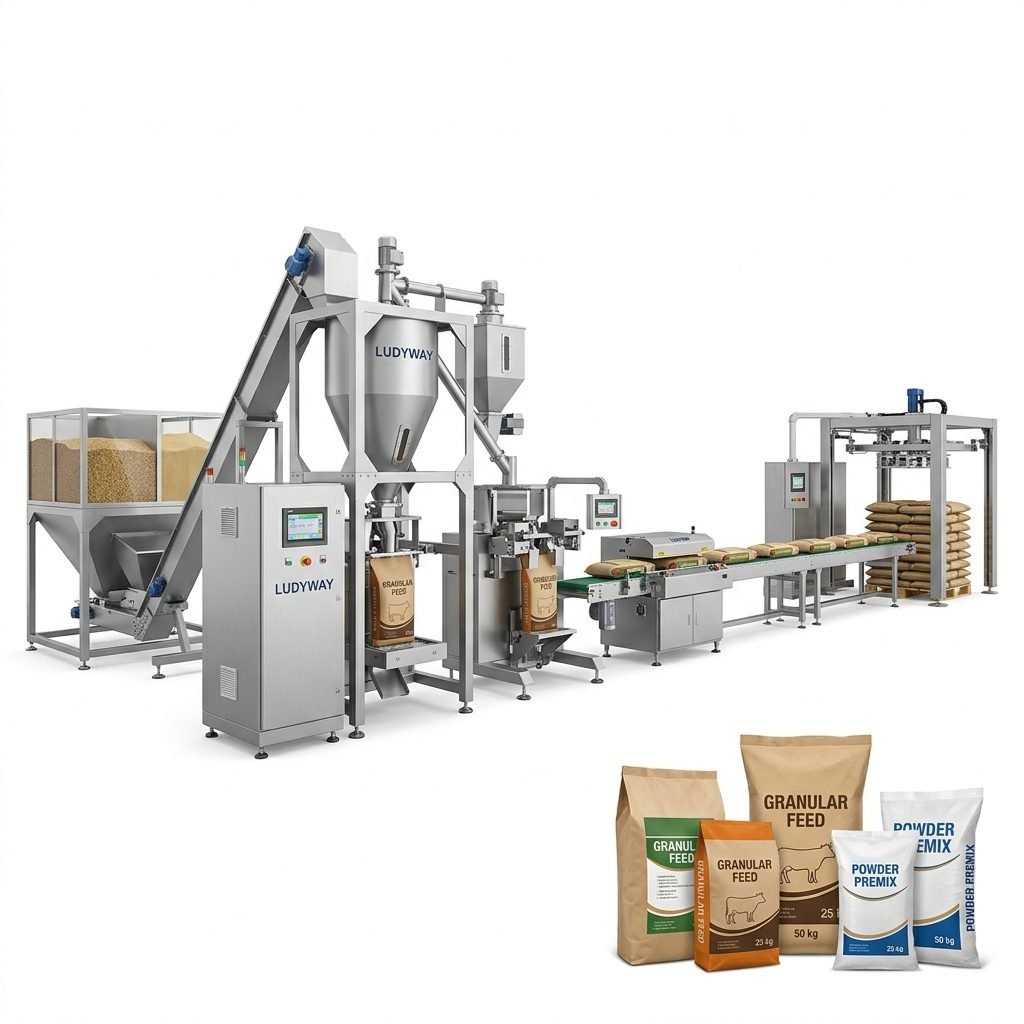
For a deeper understanding of integrated production lines, you can explore complete packaging line solutions that synchronize multiple machines.
Step 5: Consider Hygiene and Cleanability
This is non-negotiable for food, pharmaceutical, and medical products. Look for machines with:
- Stainless steel construction on food-contact surfaces.
- Smooth, rounded edges with minimal crevices where debris can accumulate.
- Easy-access panels for cleaning and maintenance.
- Compliance with relevant industry standards (e.g., FDA, EHEDG, GMP).
Step 6: Plan for Service, Support, and Spare Parts
The machine’s reliability is as important as its features. Investigate the manufacturer’s reputation for service.
Choose a supplier known for reliable technical support, readily available spare parts, and comprehensive training. A strong service network minimizes costly downtime. Companies like Ludyway Machinery, with decades of industry experience, often provide robust global support structures for their packaging equipment.
Common Applications for Horizontal Flow Wrappers
This technology serves diverse sectors. Here are some prime examples:
- Food & Bakery: Candy bars, biscuits, bread rolls, frozen foods, cheese slices, snack bars.
- Pharmaceutical & Healthcare: Syringes, blister packs, surgical kits, cotton swabs, single-dose sachets.
- Cosmetics & Personal Care: Soap bars, makeup, razors, travel-sized products.
- Hardware & Industrial: Batteries, light bulbs, tools, electronic components.
Final Checklist Before Purchase
✓ Product Test: Always conduct a live product test with your materials at the manufacturer’s facility.
✓ Total Cost of Ownership: Consider energy consumption, film waste rate, and maintenance costs, not just the purchase price.
✓ Future-Proofing: Can the machine handle potential new products or packaging materials you plan to use in 3-5 years?
✓ Installation & Training: Confirm what installation support and operator training are included.
Investing time in thorough evaluation and partnering with an experienced supplier like Ludyway ensures your flow wrap packaging machine becomes a reliable asset, driving efficiency, protecting your products, and enhancing your brand in the marketplace.
Frequently Asked Questions (FAQs)
What is the main difference between horizontal and vertical flow wrapping?
Horizontal flow wrappers package items lying flat, creating seals on the back and ends. Vertical flow wrappers (form-fill-seal) package items dropped vertically into a formed tube of film, creating a back seal and two end seals, typically used for loose products like granola or hardware parts.
Can one flow wrapper handle vastly different product sizes?
Yes, but within its designed range. Machines with advanced quick-changeover systems can switch between sizes in minutes. However, extremely different sizes (e.g., a small candy and a large magazine) usually require separate forming boxes or dedicated machines for optimal efficiency.
What maintenance does a flow wrap machine require?
Daily cleaning of film debris and product dust. Regular lubrication of chains and guides as per the manual. Periodic inspection and replacement of wear parts like sealing jaws, cutting blades, and pull belts is crucial for consistent performance.
Are flow wrappers suitable for fragile or irregularly shaped products?
Absolutely. With customized feeding systems (like gentle belt conveyors or robotic arms) and adjustable forming boxes that cradle the product, fragile and irregular items can be wrapped securely without damage.
How do I choose between constant heat and impulse sealing?
Constant heat sealing is faster and ideal for high-speed operations with stable, heat-resistant films. Impulse sealing uses a brief burst of heat, offering more control and cooler operation, which is better for temperature-sensitive products or thinner, heat-sensitive films. Your material supplier and machine expert can best advise.