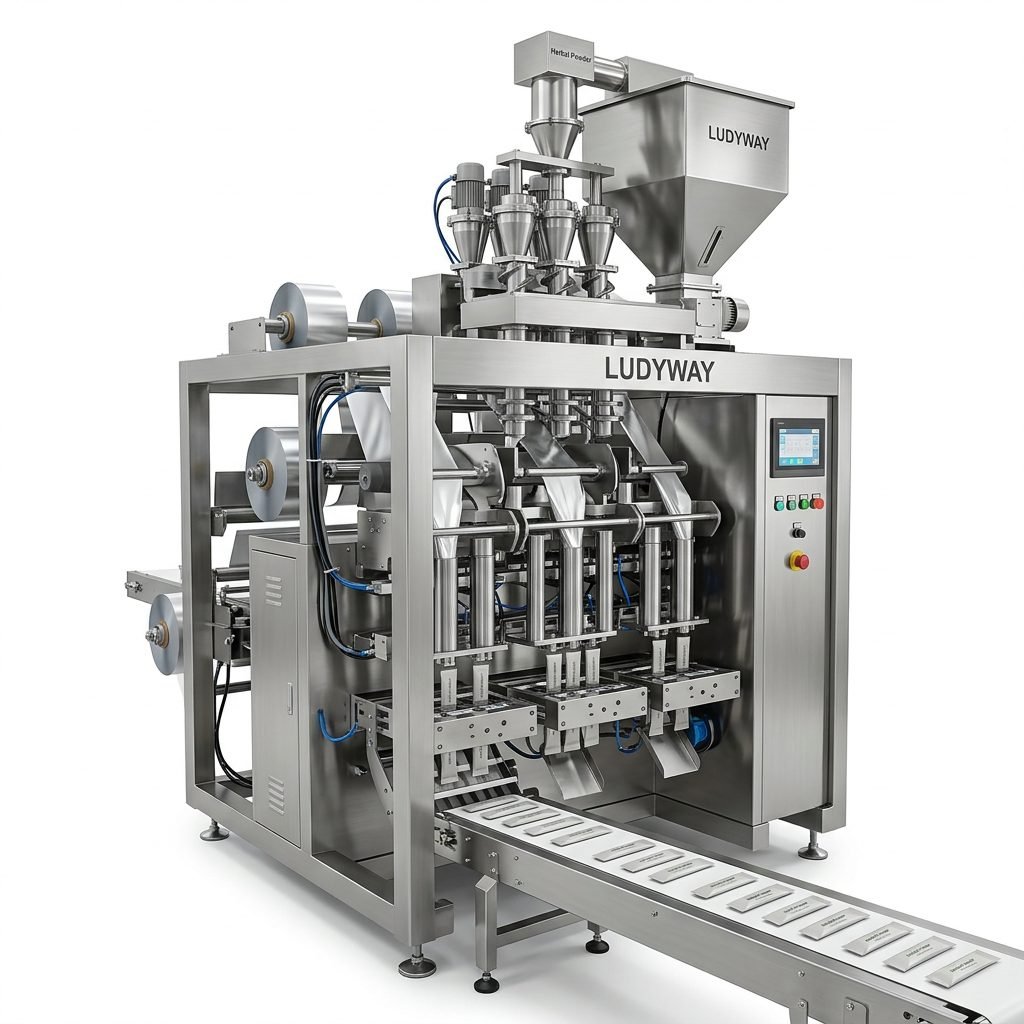
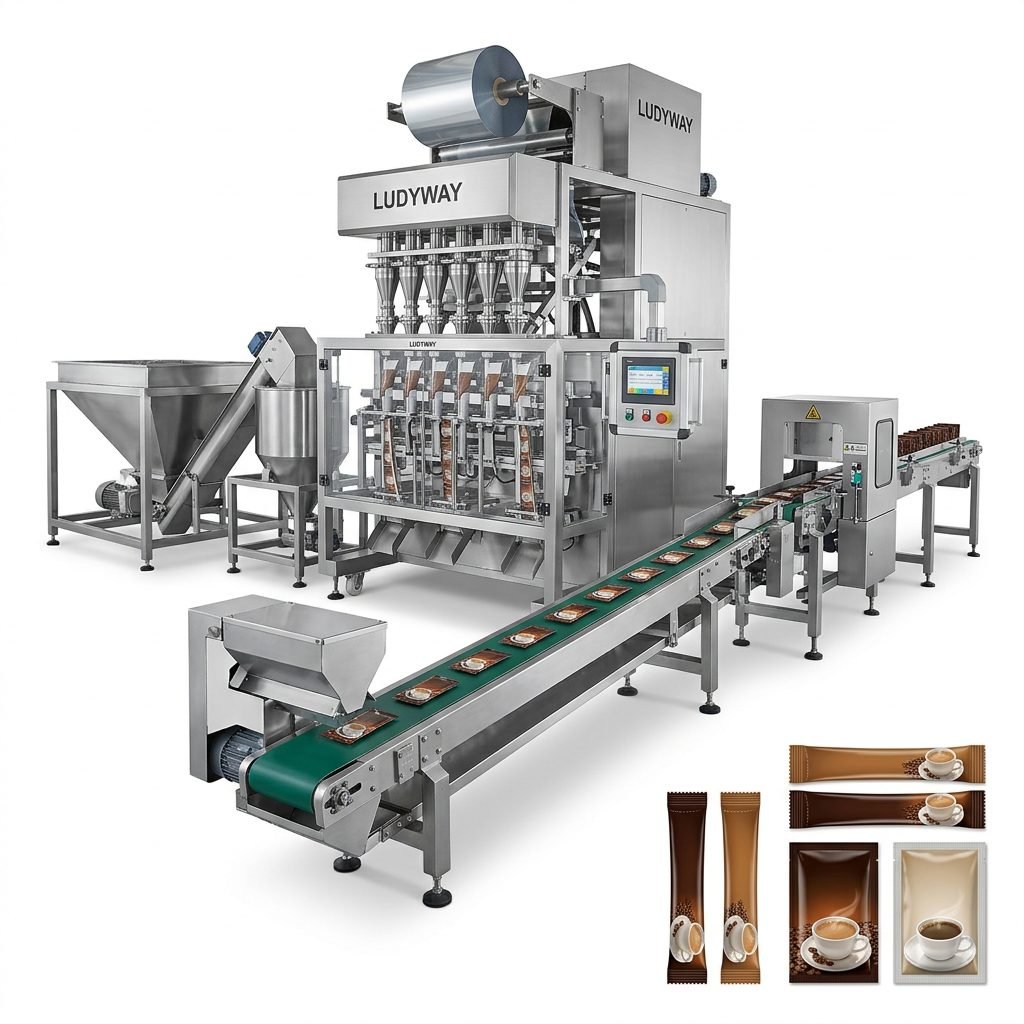
Selecting the right ice packaging machine is a critical decision for businesses in the food service, seafood, hospitality, and retail sectors. An efficient automatic ice packing solution not only preserves product quality but also streamlines operations, reduces labor costs, and enhances overall productivity. This comprehensive guide will explore the various types of ice packaging machines, their key features, and provide a detailed framework to help you choose the best system for your specific needs.
Understanding Different Types of Ice Packaging Machines
The market offers a variety of ice packaging machines, each designed for specific production scales, ice forms, and bag types. Understanding these categories is the first step toward making an informed purchase.
By Level of Automation
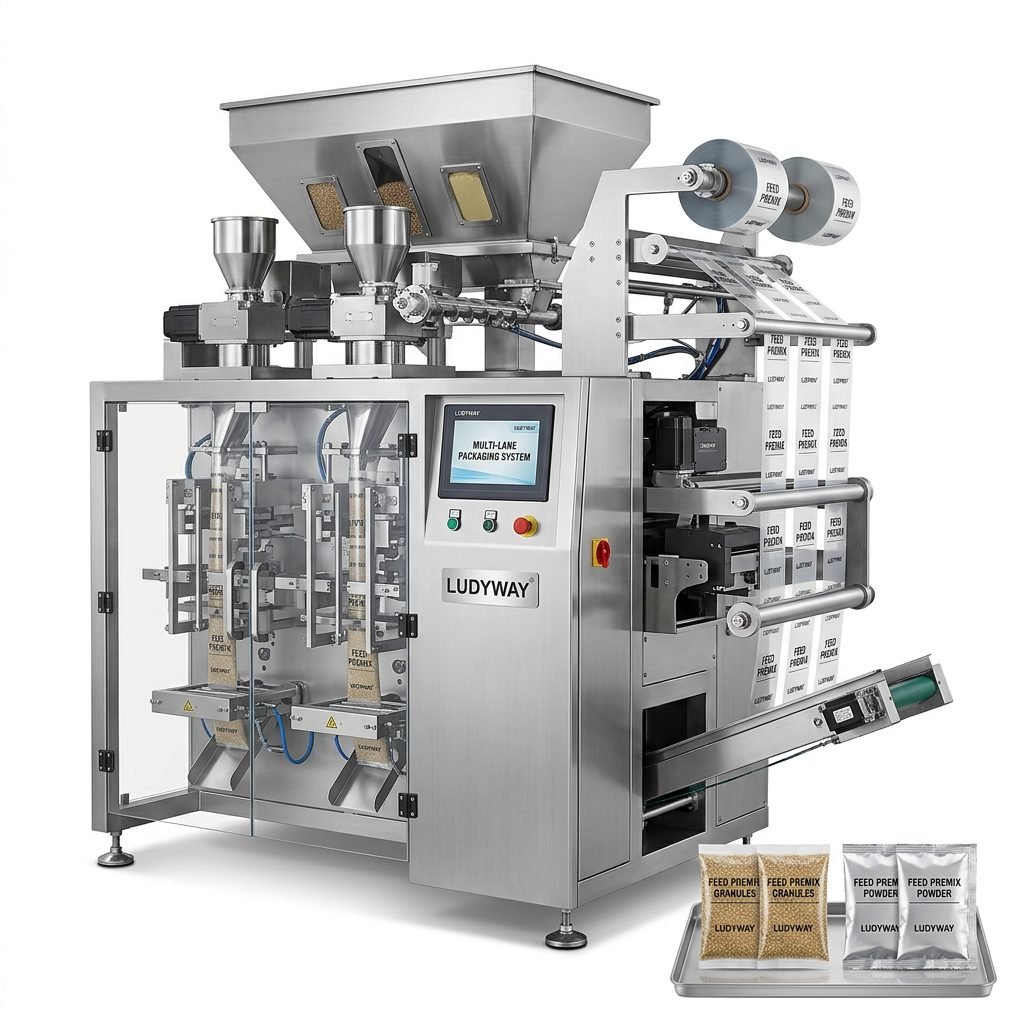
Fully Automatic Ice Packing Machines: These are the pinnacle of efficiency, designed for high-volume production lines. They automate the entire process—from bag feeding and opening, ice weighing and filling, to sealing and date coding—with minimal human intervention. Ideal for large ice plants, beverage distributors, and industrial food processors requiring consistent, high-speed output.
Semi-Automatic Ice Packing Machines: These machines automate the core functions of weighing and sealing but require an operator to manually place the bag onto the filling nozzle. They offer a excellent balance between cost, speed, and flexibility, making them a popular choice for mid-sized businesses, fisheries, and supermarkets with variable bag sizes.
Manual or Volumetric Fillers: These are the most basic and affordable options. Operators manually scoop ice into a pre-made bag, which is then placed into the machine for heat sealing. Suitable for very small startups, seasonal businesses, or operations with extremely low daily output.
By Packaging Format
Bag-in-Box Ice Packers: These systems package loose ice into a plastic liner bag, which is then placed inside a corrugated cardboard box. This format is extremely popular for retail sale of bagged ice due to its stackability, brand presentation, and protection of the product. The machine typically forms the liner, fills it, and seals it before ejection into the waiting box.
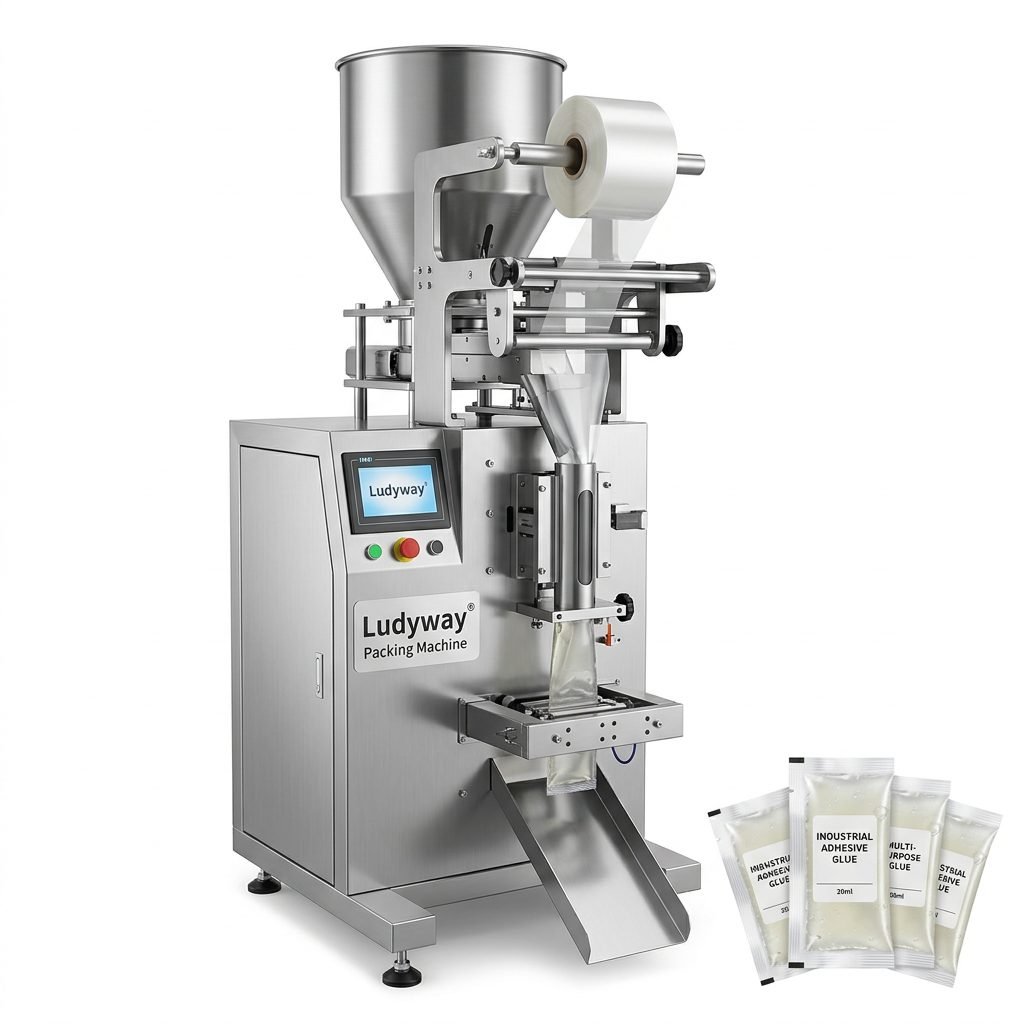
Standalone Pouch Packers: This type creates and fills flexible plastic pouches from a roll of film. It’s highly versatile and can produce various bag styles, such as pillow packs or gusseted bags. They are commonly used for smaller consumer packs of ice (e.g., 2kg, 5kg) and offer excellent graphics potential for branding.
Bulk Bagging Systems: Designed for industrial applications, these machines fill large, heavy-duty bags (e.g., 25kg, 50kg) used for commercial ice delivery to restaurants, hotels, and fishing vessels. They are built for durability and heavy loads.
Essential Features of a Modern Automatic Ice Packing Solution
When evaluating machines, look beyond basic functionality. Modern equipment incorporates features that drive reliability, hygiene, and ease of use.
Core Mechanical & Operational Features
Weighing System Accuracy: The heart of any packing machine. Look for high-precision load cells that ensure every bag meets the declared weight, avoiding costly giveaways or regulatory non-compliance. Check for tolerance levels (e.g., ±10 grams).
Filling Mechanism: Systems must handle ice’s abrasive and cold nature. Gentle, stainless steel auger fillers or controlled gravity chutes are common. The design should minimize ice fracturing and “dust” (small ice particles).
Sealing Technology: A strong, airtight seal is non-negotiable to prevent leakage and contamination. Machines use heat seal bars (constant or impulse) or advanced ultrasonic sealing. Consistent temperature control is key for reliable seals on various plastic films.
Construction & Hygiene: Contact parts should be made of food-grade stainless steel (304 or 316) for corrosion resistance, ease of cleaning, and compliance with food safety standards like HACCP. The frame should be robust to withstand cold, wet environments.
Advanced Control & Integration Capabilities
User-Friendly HMI (Human-Machine Interface): A color touchscreen PLC (Programmable Logic Controller) allows operators to easily set parameters like bag weight, seal time, and production count. Multi-language support and recipe storage are valuable features.
Integrated Date Coding & Bag Printing: For traceability and retail readiness, an integrated inkjet or thermal transfer coder that prints batch numbers, expiry dates, and barcodes directly onto the bag is a major advantage.
Production Data Tracking: Advanced machines can log production data—total bags packed, weight statistics, downtime—which is crucial for operational analysis and efficiency improvements.
How to Choose the Best Ice Packaging Machine for Your Business
Making the right choice involves a careful assessment of your current and future needs against the available solutions.
Step 1: Assess Your Production Requirements
Begin by quantifying your needs. What is your required output in bags per hour or per shift? Consider peak seasons. What bag sizes will you use (e.g., 2kg, 5kg, 10kg, 20kg)? Will you need to switch between sizes frequently? Determine the type of ice you are packing: cube, nugget, flake, or block ice shavings, as each has different flow characteristics.
Step 2: Evaluate Machine Specifications & Supplier
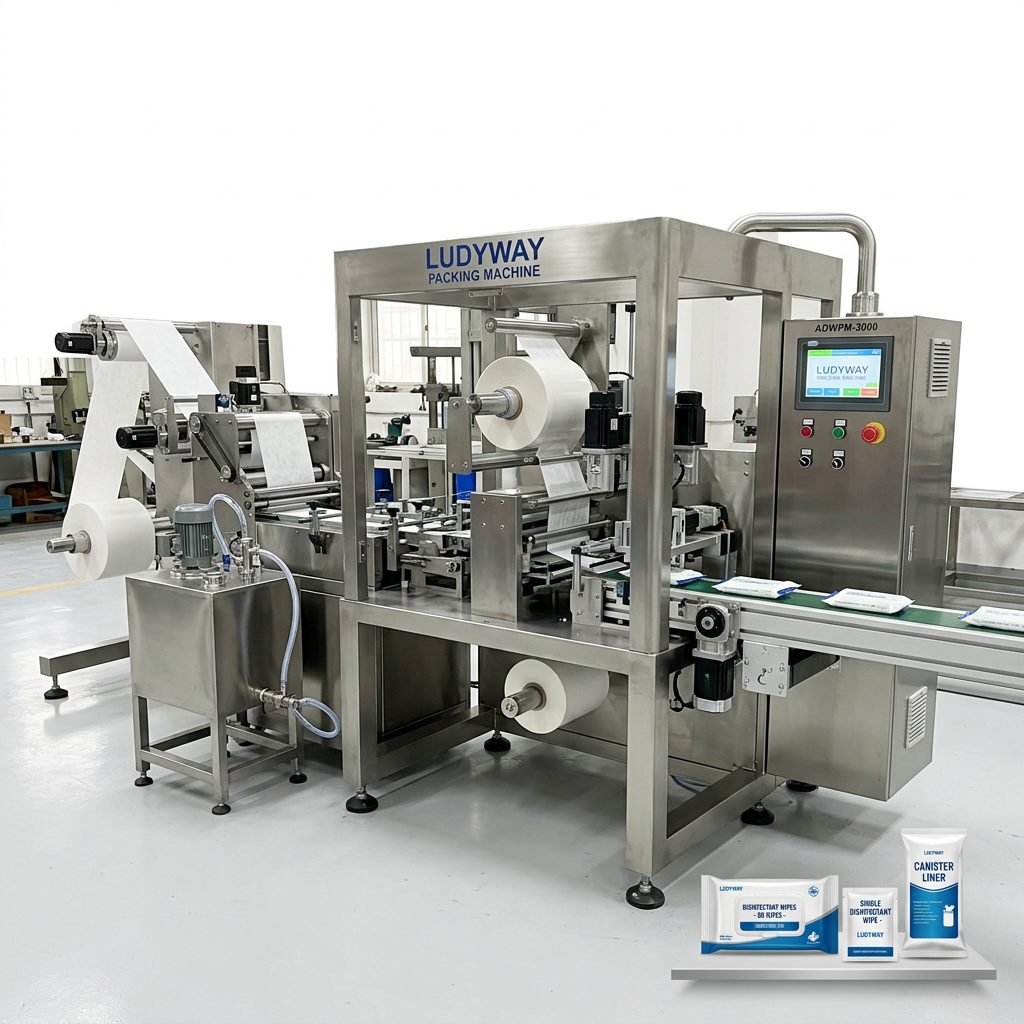
Match your requirements to machine specs: speed, weight range, and bag size compatibility. Crucially, evaluate the supplier. A provider like Ludyway Packing Machine, with over 30 years of industry experience, offers not just equipment but comprehensive turnkey solutions. Look for a supplier with a strong track record, a modern manufacturing facility (like their 20,000㎡ plant), and the ability to offer more than 50 intelligent packaging machine models, ensuring they have a solution that fits.
Step 3: Consider Total Cost of Ownership (TCO) & Support
Look beyond the initial purchase price. Factor in operational costs (energy consumption, film usage efficiency), maintenance costs, and the availability/cost of spare parts. The quality of after-sales support—installation, training, technical service, and warranty—is paramount. A reliable partner provides global support and ensures long-term machine uptime.
Hygiene and Safety Compliance: Ensure the machine design facilitates easy cleaning and meets the relevant safety and food contact material regulations in your target market.
Step 4: Plan for Integration and Future Growth
Consider how the machine will integrate into your existing line. Does it require a specific conveyor system or ice supply hopper? Think about scalability. Can the machine be upgraded or integrated with downstream equipment like case packers or palletizers in the future? Choosing a modular or upgradeable system from a forward-thinking supplier protects your investment.
For businesses looking to expand their capabilities, exploring complete automated packaging line solutions from a seasoned provider can be a strategic move toward greater efficiency.
Frequently Asked Questions (FAQs)
What is the typical output speed of an automatic ice packing machine?
Speeds vary widely based on automation level and bag size. Semi-automatic machines may pack 10-20 bags per minute, while high-speed fully automatic systems for small bags can exceed 40 bags per minute. For larger 10-20kg bags, speeds are typically 5-15 bags per minute.
Can one machine handle different bag sizes and types of ice?
Many modern machines, especially semi-automatic and fully automatic models with quick-change features, can handle a range of bag sizes (e.g., 2kg to 10kg) with simple adjustments. However, switching between vastly different ice types (e.g., cubes to flakes) may require specific filling mechanisms and parameter changes. Consult with your supplier for machine flexibility.
How important is stainless steel construction?
It is critical for durability and hygiene. Ice production and packaging environments are wet and corrosive. Food-grade stainless steel resists rust, is easy to sanitize, and ensures compliance with stringent food safety regulations, protecting both your product and your brand reputation.
What kind of maintenance does an ice packer require?
Regular maintenance includes daily cleaning of ice contact parts, weekly lubrication of moving components (with food-grade lubricants), and periodic inspection of seals, sensors, and the weighing system. A good supplier will provide a detailed maintenance schedule and training.
Should I buy a machine locally or from an international supplier?
This depends on technical support, spare parts availability, and cost. A reputable international supplier with a strong global service network, like Ludyway, can often provide more advanced technology and cost-effective solutions. Ensure they have reliable local agents or can provide timely remote and on-site support.