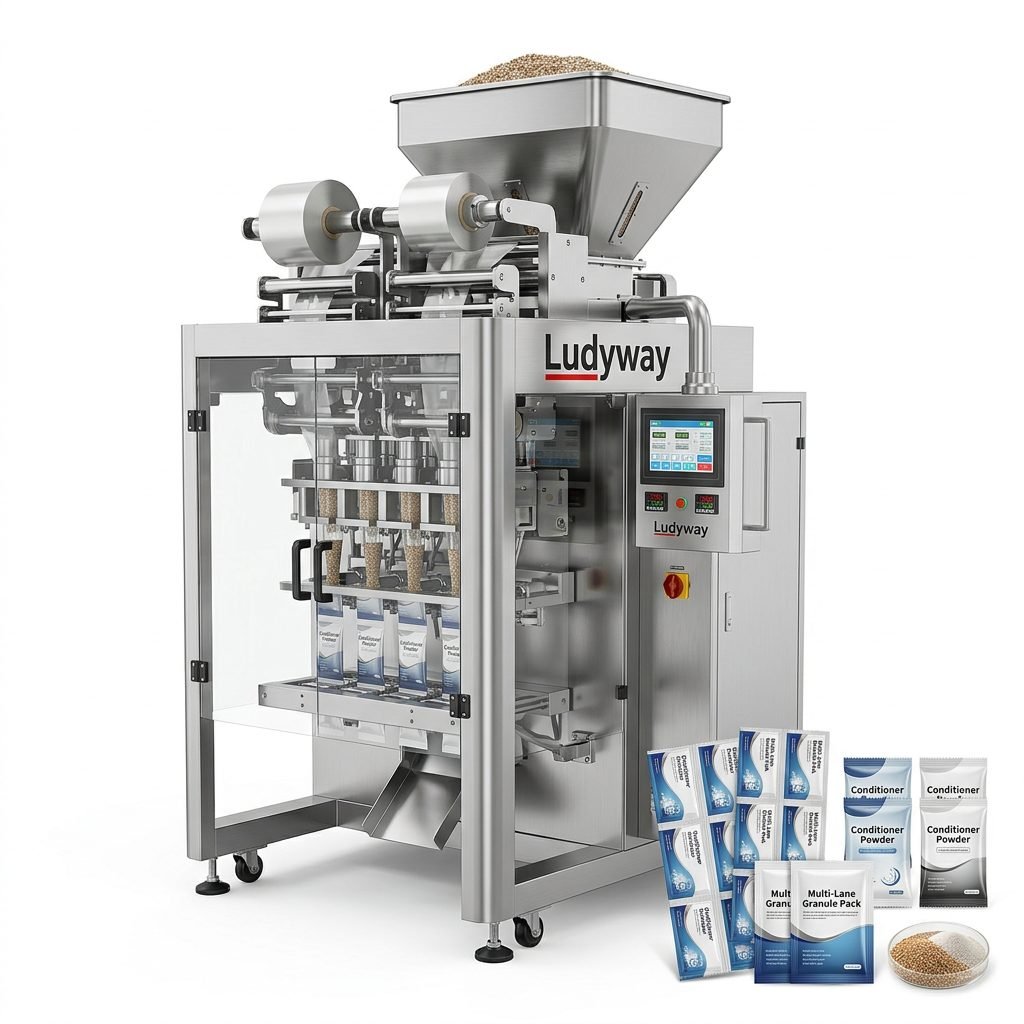
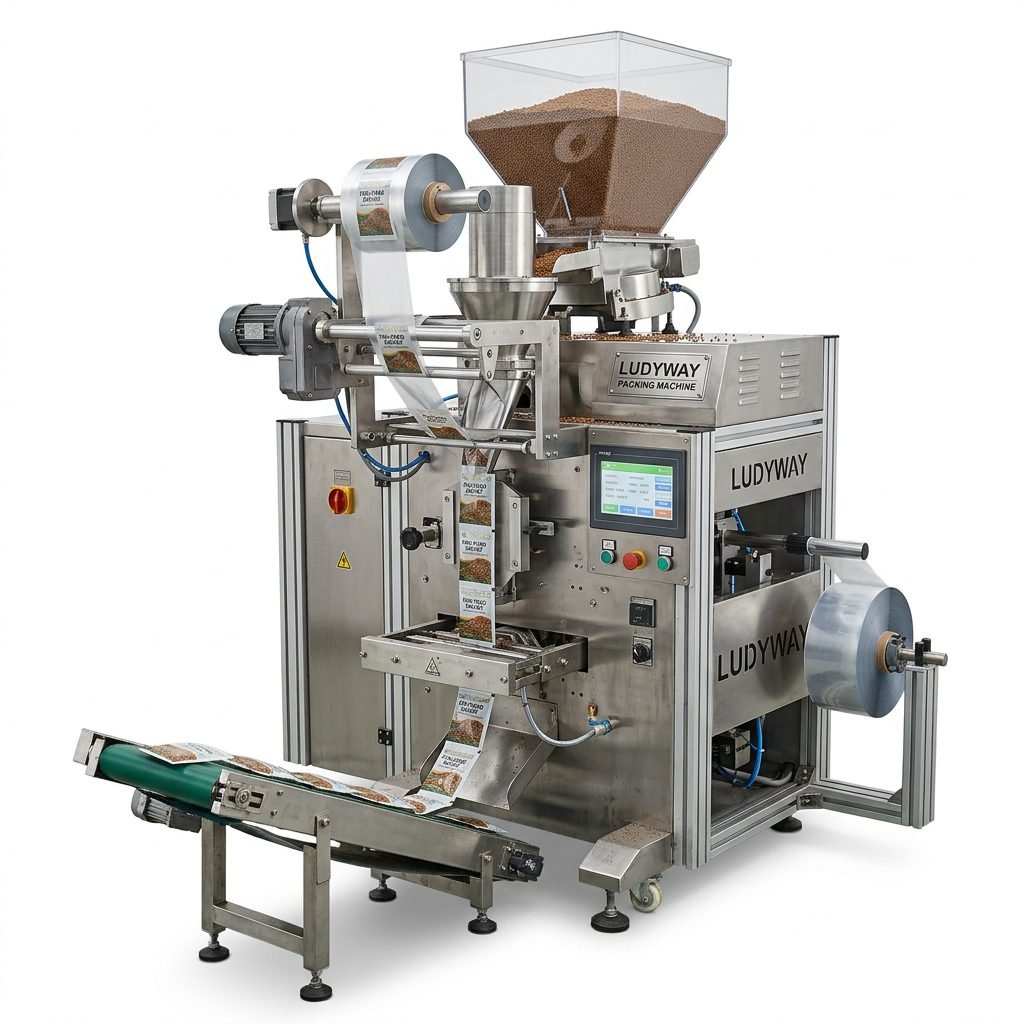
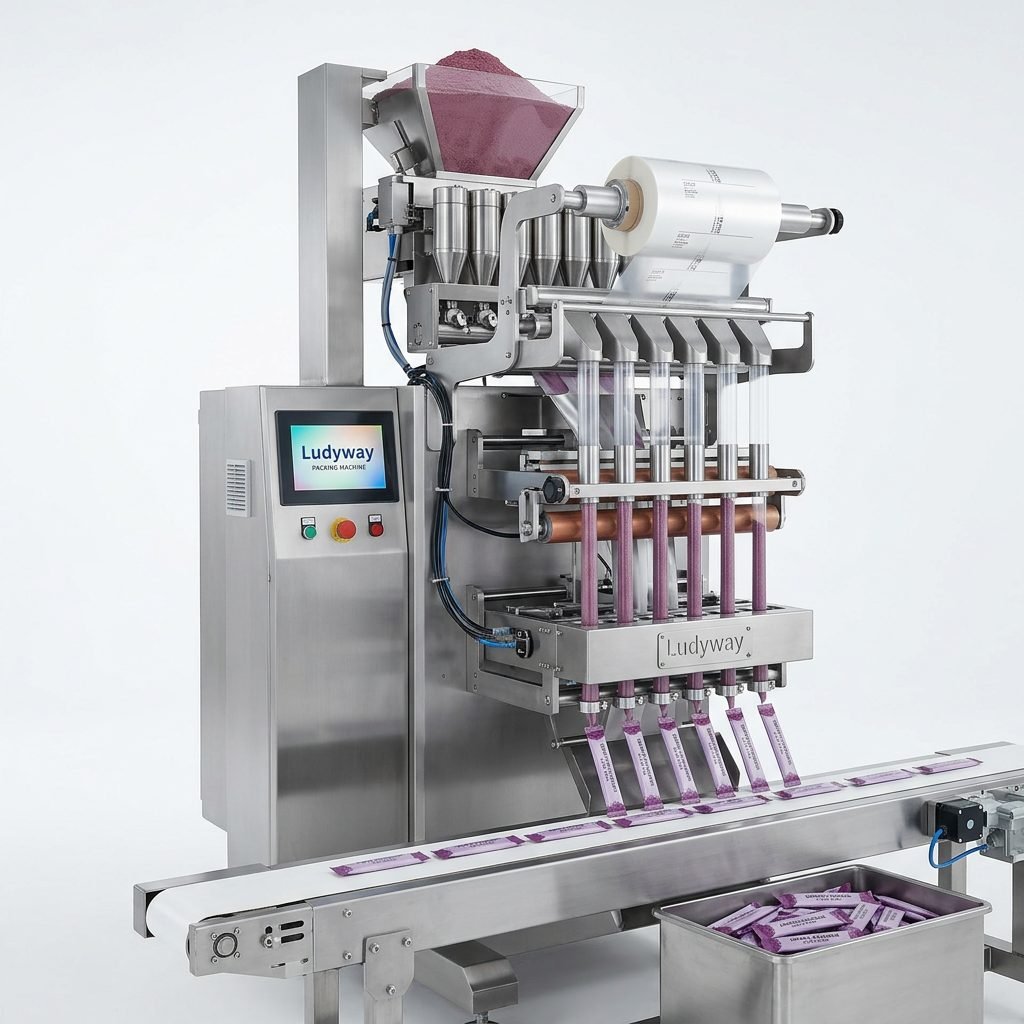
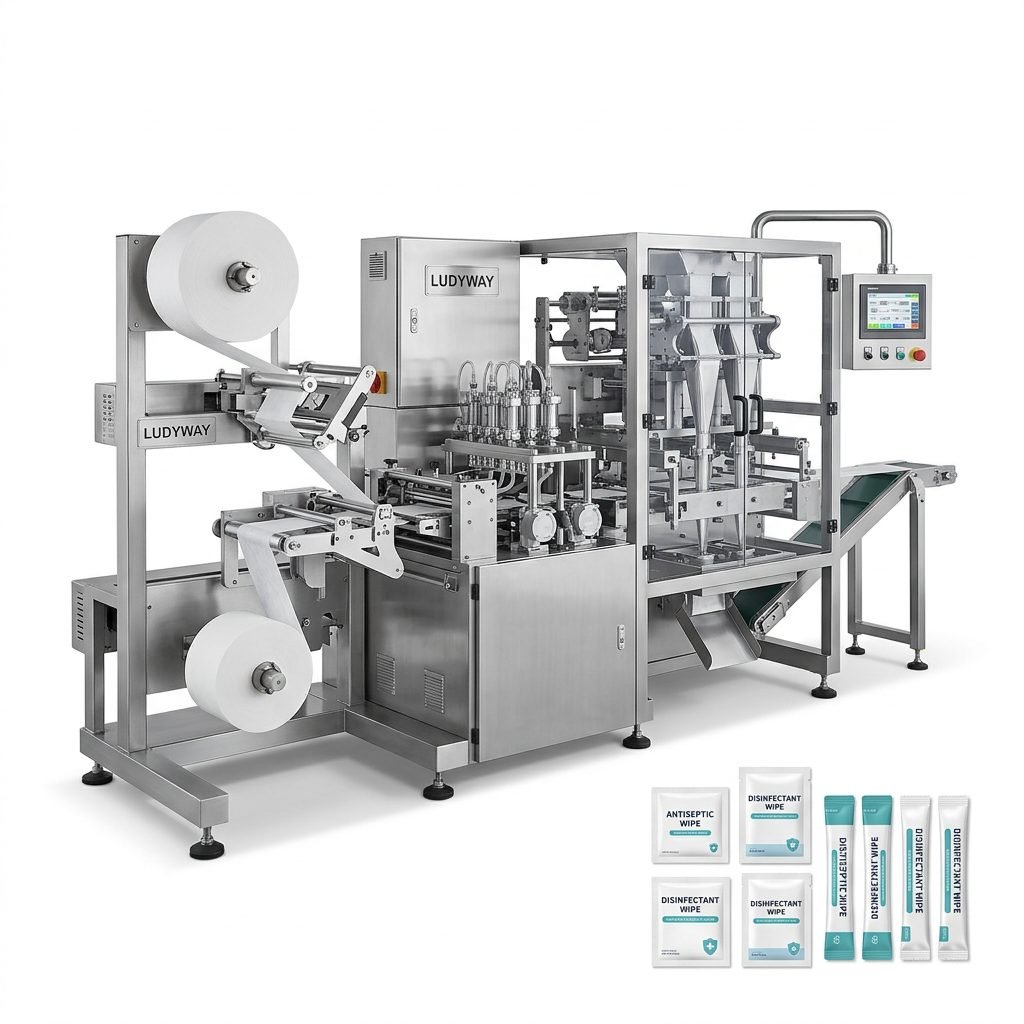
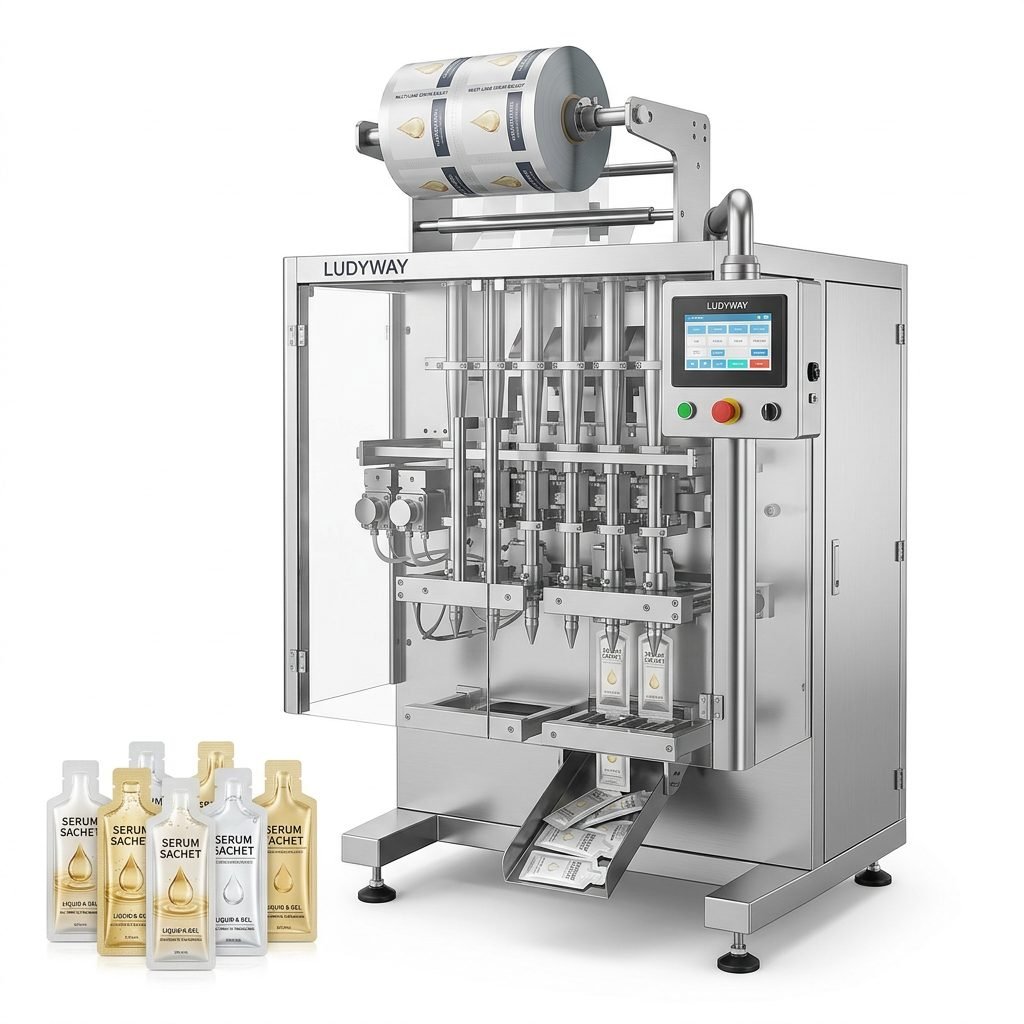
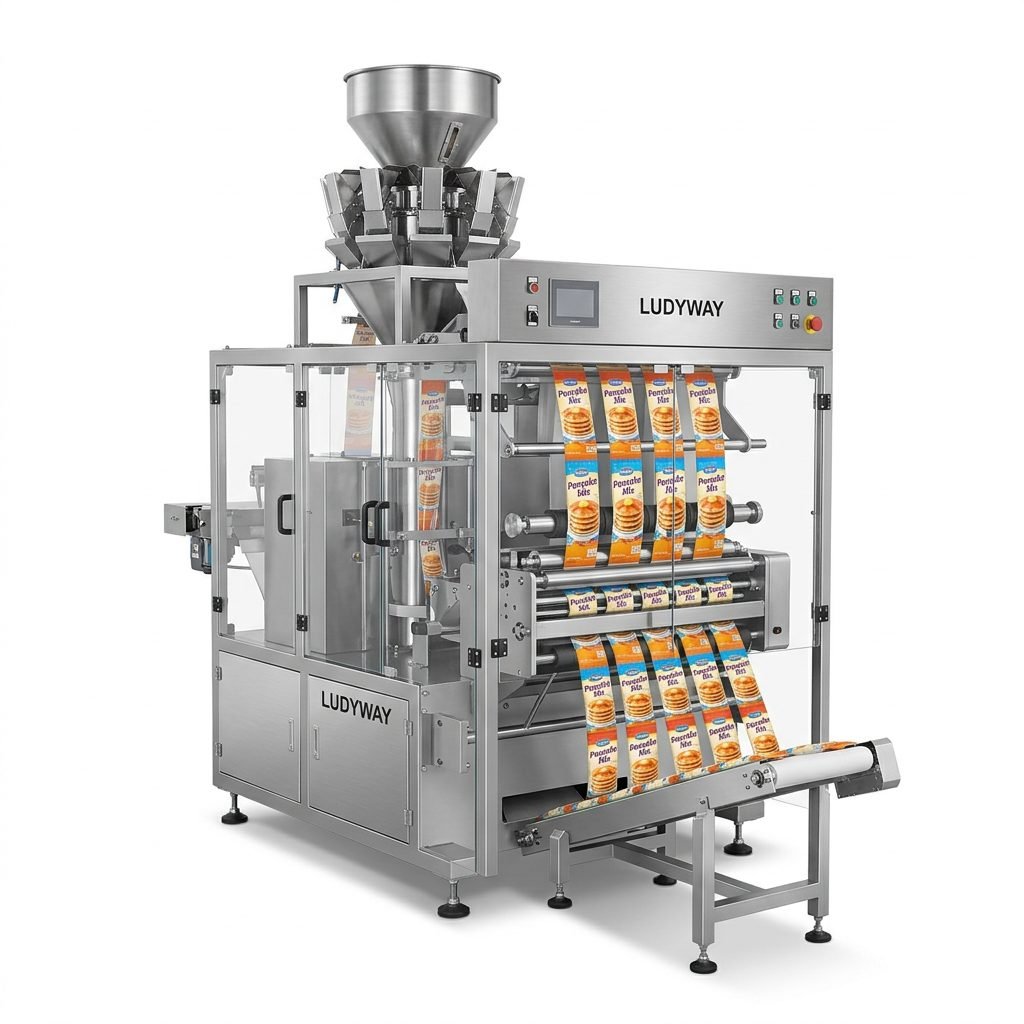
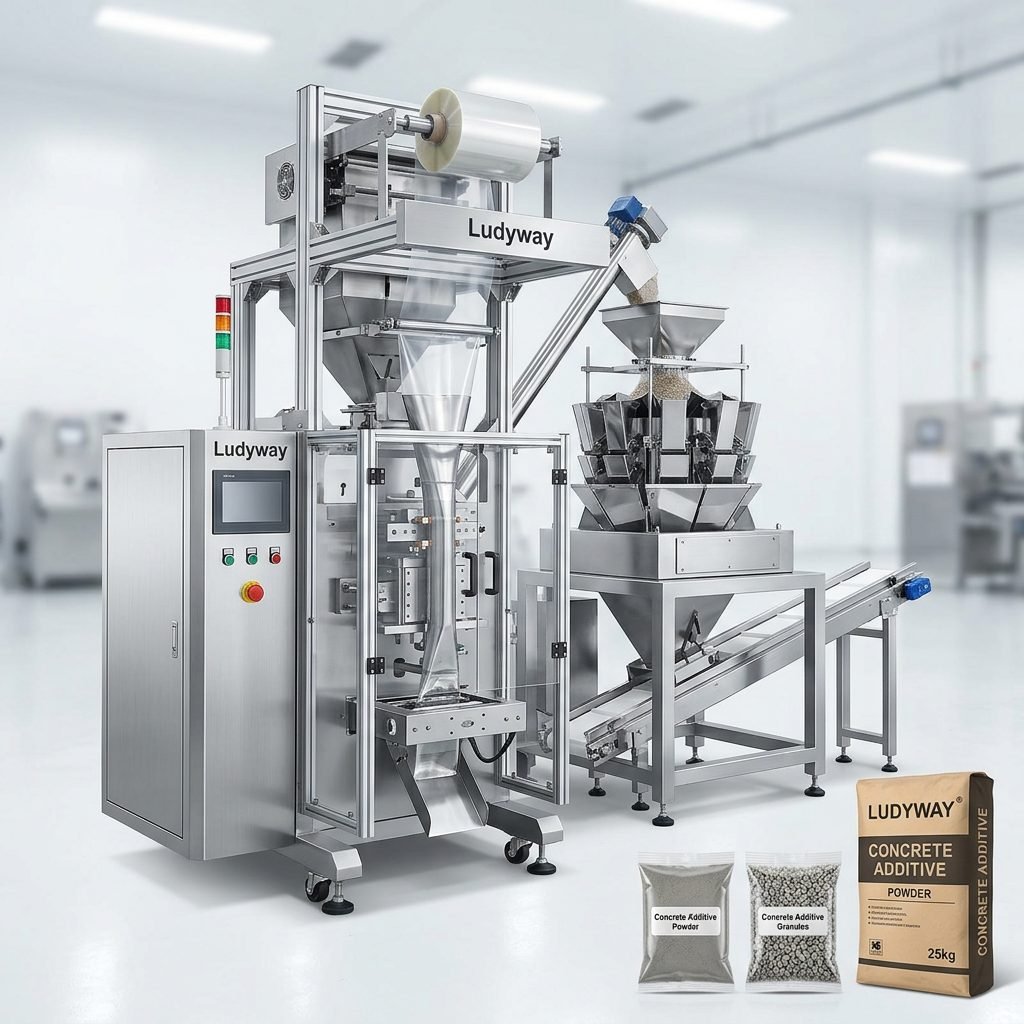
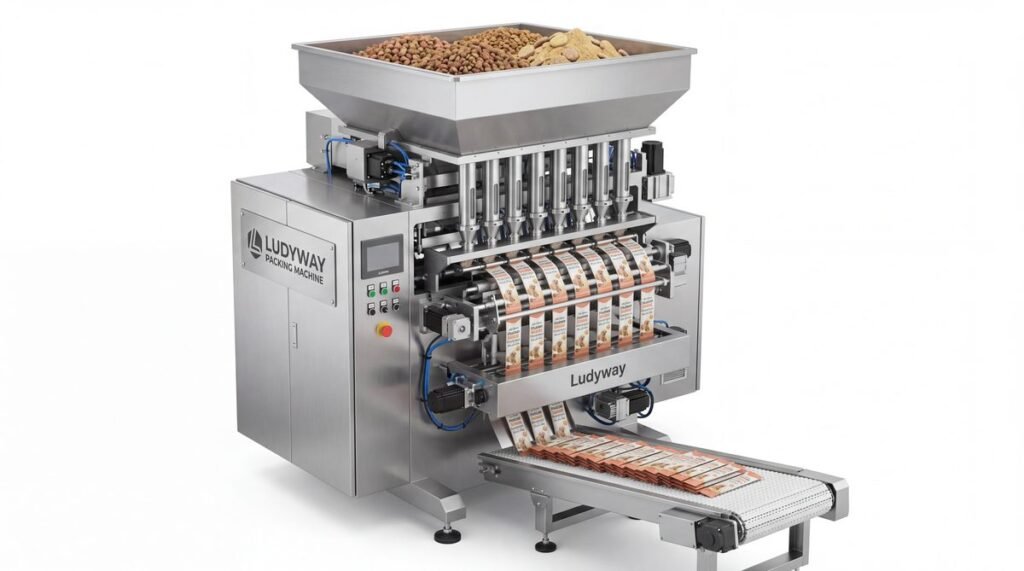
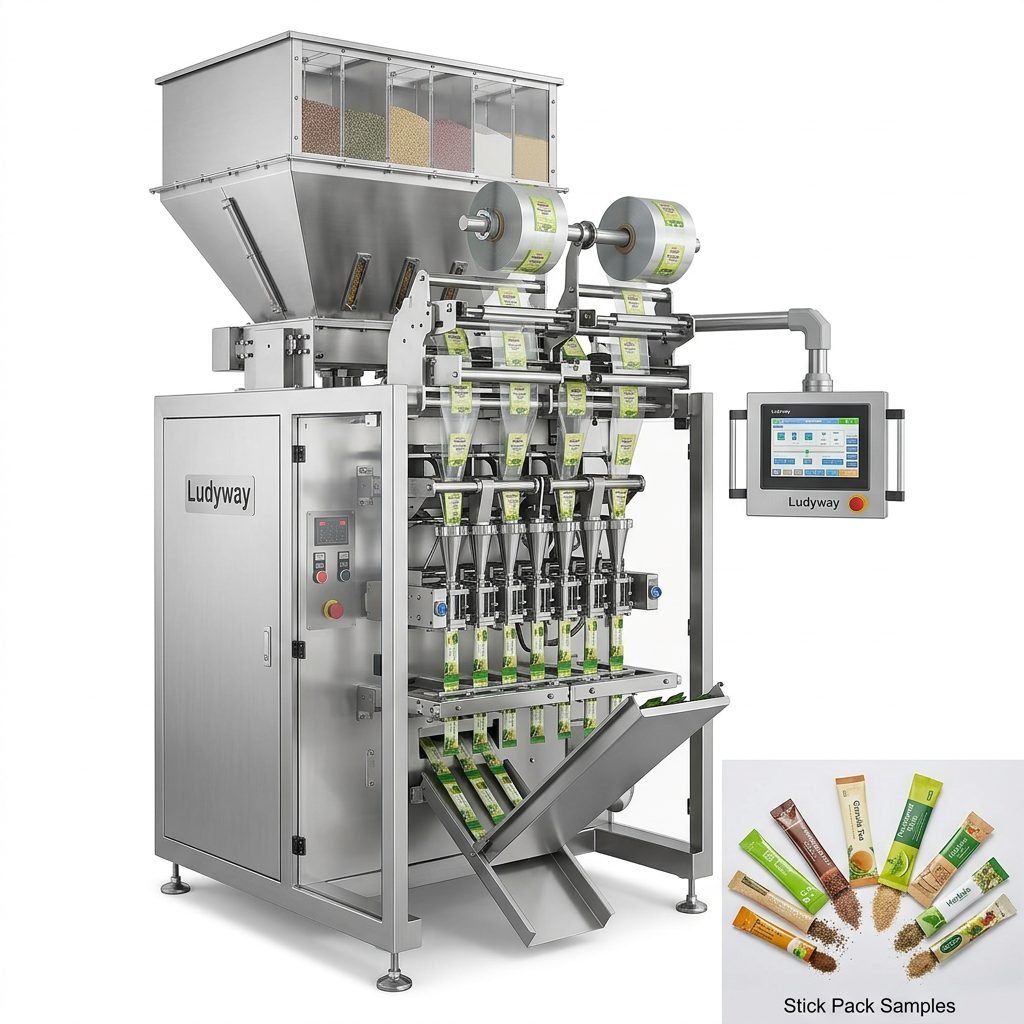
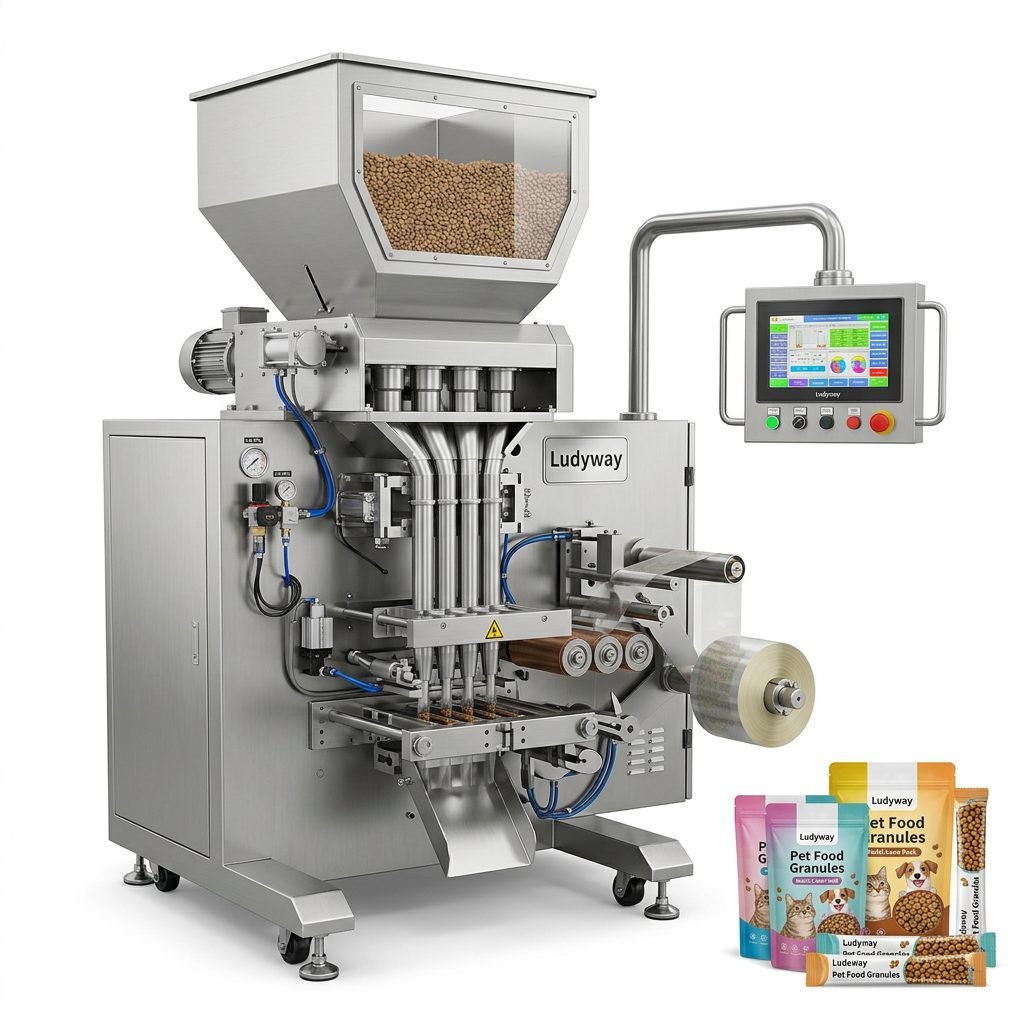
Packaging machines are complex systems composed of numerous specialized parts that work in harmony to ensure efficient, accurate, and reliable product packaging. Understanding the different types of components, their specific functions, and the criteria for selecting the right ones is crucial for maintaining optimal production line performance, minimizing downtime, and ensuring consistent package quality. This guide delves into the essential parts of packaging machinery, from feeding systems to sealing elements, providing a comprehensive overview for operators, maintenance technicians, and procurement specialists.
Core Components of a Packaging Machine
Every packaging machine, whether for sachets, stick packs, or pouches, is built around several key subsystems. Each subsystem comprises critical parts that perform distinct functions.
1. The Feeding & Metering System
This system is responsible for accurately delivering the product—be it granules, powder, or liquid—into the packaging material. Its precision directly impacts product give-away and consistency.
Key Parts & Their Roles:
• Auger Fillers: A rotating screw within a tube that meters precise volumes of powder or granules. The auger shaft, flighting, and hopper are vital. Material compatibility and wear resistance are paramount.
• Volumetric Cup Fillers: Use calibrated cups to scoop product. The cup size, material, and release mechanism must be chosen based on product flow characteristics.
• Liquid Pumps: For liquids, peristaltic, piston, or gear pumps are used. The choice depends on viscosity, filling accuracy, and cleaning requirements. Pump heads, tubing, and seals are critical wear parts.
• Weighing Scales (Net/Gross): Integrated load cells provide the highest accuracy. The load cell itself, vibration dampeners, and feedback control systems are essential for precision.
2. The Film Web Handling & Forming System
This system guides the packaging film from the roll, forms it into the desired shape (like a tube for vertical form-fill-seal machines), and maintains proper tension.
Critical parts include:
- Unwind Stand & Brakes: Controls the release of film from the parent roll. Consistent tension is key to preventing wrinkles or breaks.
- Forming Collar / Shoulder: The precision-machined component that shapes flat film into a tube. Its design is specific to the bag style and film type.
- Guide Rollers & Idlers: Ensure the film web travels along the correct path. Bearings in these rollers must be smooth-running and sealed.
- Dancer Arms or Tension Sensors: Provide real-time feedback to the drive system to maintain optimal web tension.
3. The Sealing & Cutting System
This subsystem creates the hermetic seals that protect the product and separates individual packages. It is often the hottest and most high-wear area of the machine.
Heating Elements & Jaw Assemblies
The heart of the sealing system. Heater bands, cartridges, or induction coils provide heat. The sealing jaws (often made from coated aluminum or hardened steel) apply pressure and heat to the film. The jaw surface profile (serrated, flat, engraved) must match the film structure (e.g., laminated films require knurled jaws for better sealing through layers).
Cutting Mechanisms
• Rotary Knives: Used in continuous motion machines. The sharpness of the blade and the anvil roll is critical for clean cuts.
• Reciprocating Knives: Used in intermittent motion machines. The knife blade and its holder require regular inspection for wear and alignment.
• Perforation Blades: For creating easy-tear openings. Blade depth must be precisely set.
4. The Drive & Control System
This is the “brain and muscles” of the machine, coordinating all movements.
Major Components:
- Servo Motors & Drives: Provide precise, programmable motion for axes like the auger, film pull, and sealing jaws. Their encoders and feedback systems ensure synchronization.
- PLC (Programmable Logic Controller): The central computer that runs the machine sequence. Its I/O modules and communication cards interface with sensors and drives.
- HMI (Human-Machine Interface): The touchscreen operator panel. It should be intuitive and robust.
- Sensors: Photoelectric, proximity, and temperature sensors monitor every step. A failed sensor can stop the entire line.
How to Choose the Right Packaging Machine Parts
Selecting replacement or upgrade parts is not a trivial task. The wrong choice can lead to inefficiency, product waste, or even machine damage.
1. Match Specifications Precisely
Never assume compatibility. Always cross-reference the original part number. Critical specifications include:
• Dimensions: Tolerances for shafts, bearings, and seals are extremely tight.
• Material Grade: Sealing jaws for abrasive products need harder coatings. Food-contact parts must use certified materials.
• Electrical Ratings: Voltage, current, and power ratings for heaters and motors must be identical.
2. Prioritize Material Compatibility & Hygiene
For food, pharmaceutical, or cosmetic packaging, this is non-negotiable. Parts in contact with the product or packaging surface must be made from FDA-compliant, corrosion-resistant materials like 316 stainless steel, food-grade plastics, or specially coated metals. Surface finish (e.g., polished to a specific Ra value) is crucial for cleanability and preventing bacterial harborage. In industries with strict hygiene protocols, easy-to-disassemble parts with minimal crevices are preferred.
3. Consider Wear Resistance & Lifespan
High-wear parts like auger flights, sealing jaw surfaces, and cutting blades should be evaluated for longevity. A slightly more expensive part with a hardened coating or made from tungsten carbide may offer 3-5 times the service life of a standard part, reducing changeover frequency and long-term cost.
4. Evaluate Supplier Reliability & Support
The source of your parts is as important as the parts themselves. A reliable supplier like Ludyway Packing Machine offers more than just a catalog. They provide:
• Technical Expertise: Assistance in part selection and troubleshooting.
• Consistent Quality: Parts that meet OEM specifications every time.
• Availability: Short lead times to minimize your machine downtime.
• Documentation: Proper installation guides and material certificates.
Choosing a partner with deep industry experience, such as a company with over 30 years in packaging machinery, ensures you get parts designed for real-world performance and durability.
5. Balance Cost with Total Cost of Ownership (TCO)
The cheapest part is often the most expensive in the long run. Calculate TCO by factoring in:
• Purchase Price
• Expected Lifespan & Replacement Frequency
• Impact on Machine Efficiency & Product Waste
• Downtime Cost during installation and future failures.
Investing in high-quality, reliable parts from a trusted supplier typically yields a lower TCO.
Maintenance Tips for Critical Parts
Proactive maintenance extends part life and prevents unplanned stops.
- Sealing Jaws & Cutters: Clean daily with brass brushes or approved solvents to remove film residue. Check for scratches or wear weekly.
- Augers & Hoppers: Inspect for material buildup or wear on flighting. Ensure alignment with the fill tube.
- Sensors & Electrical Contacts: Keep lenses and contacts clean. Check for loose connections periodically.
- Bearings & Guides: Follow lubrication schedules with the correct grease. Listen for unusual noises.
- Film Guides & Rollers: Ensure they rotate freely and are free of nicks that could damage film.
Establishing a preventive maintenance schedule based on the machine manufacturer’s recommendations and the specific operating environment is essential. For complex systems, leveraging the technical support from your machinery provider can help optimize your maintenance routines.
Frequently Asked Questions (FAQs)
Q1: How often should I replace sealing jaws on my VFFS machine?
A: There’s no fixed interval. It depends on the film type (abrasive laminates wear jaws faster), production hours, and maintenance. Inspect jaws regularly for scoring, pitting, or loss of the knurling pattern. When seal integrity becomes inconsistent despite correct temperature and pressure settings, it’s time for replacement or re-surfacing.
Q2: Can I use a generic auger from a different supplier if the dimensions seem similar?
A: This is highly discouraged. Even minor differences in flighting pitch, lead, or surface finish can drastically affect fill accuracy and product dosing. Always use augers specified for your exact machine model and product characteristics to ensure performance and safety.
Q3: What is the most common cause of premature heater band failure?
A: Improper installation (overtightening, causing stress cracks) and thermal cycling (frequent on/off cycles) are major causes. Ensure bands are fitted correctly and that the machine’s temperature control system is stable. Using a high-quality band with proper watt density for the application also extends life.
Q4: Why is my packaging film tearing at the forming collar?
A: This can be caused by a damaged or dirty forming collar (nicks or residue), incorrect film alignment, excessive web tension, or using a film gauge that is too thin for the machine’s forming geometry. Inspect the collar surface and the film path carefully.
Q5: Where can I find reliable technical documentation for my machine’s parts?
A: The best source is the original equipment manufacturer (OEM) or their authorized service partner. Companies with extensive experience, like those offering complete turnkey production solutions, typically provide detailed parts manuals, exploded-view diagrams, and maintenance guides to support their clients’ operational success.