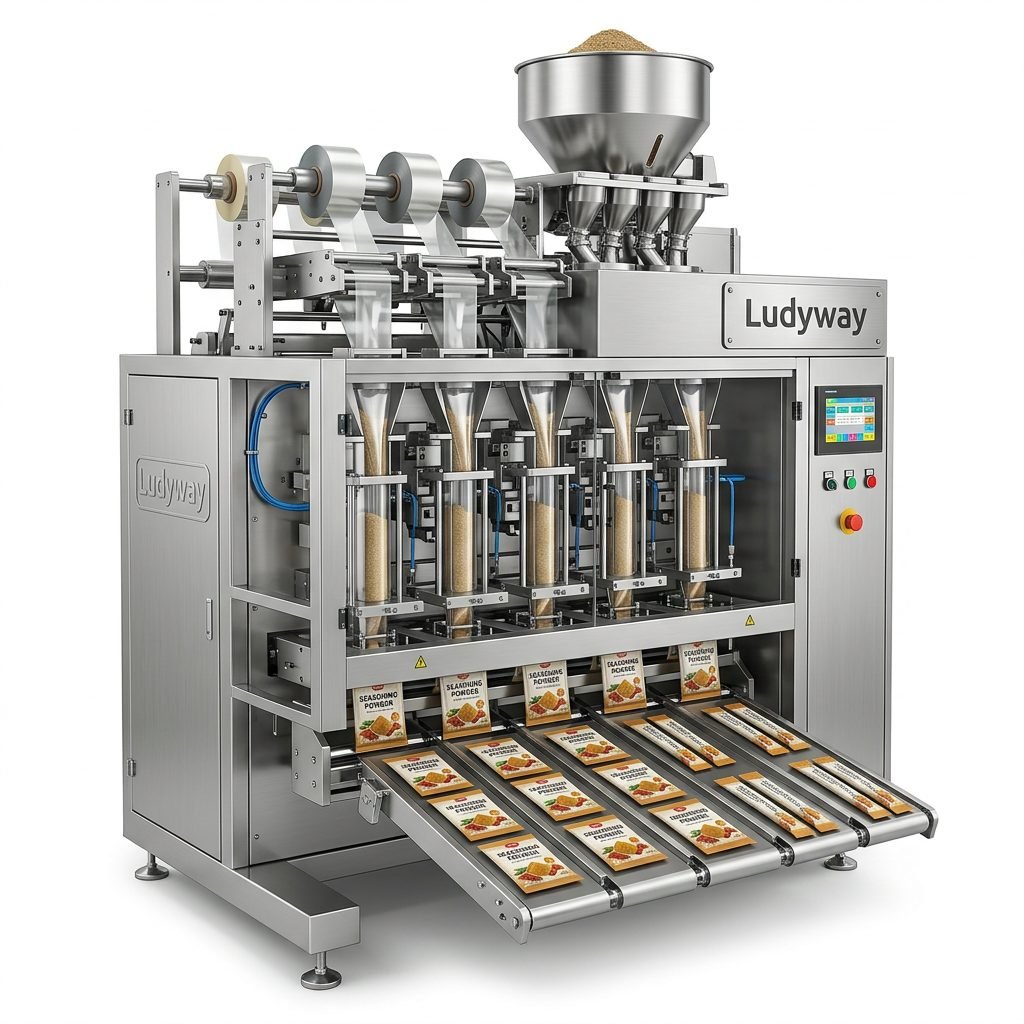
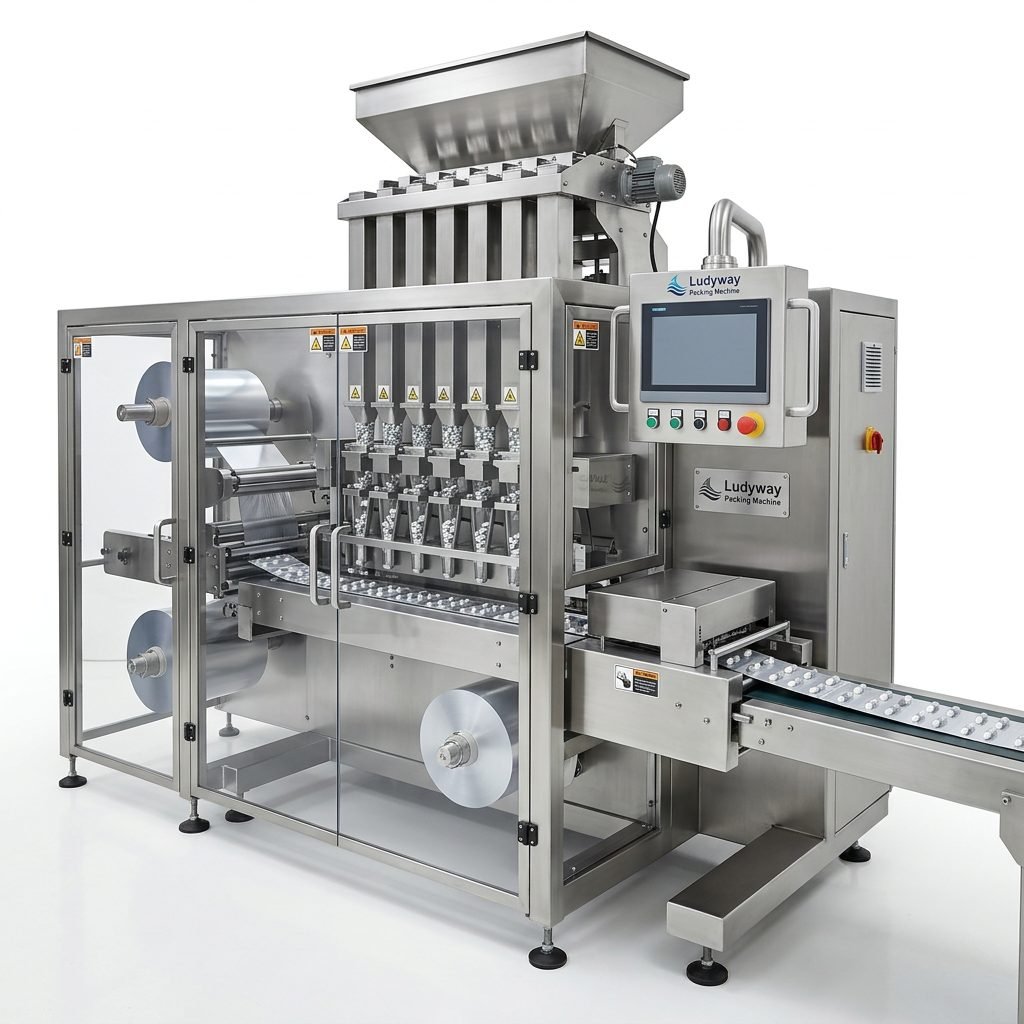
In the competitive pet food industry, effective packaging is as crucial as the product itself. A reliable pet food packaging machine not only ensures product freshness and safety but also enhances brand appeal and operational efficiency. This comprehensive guide explores the various types of packaging machines, their key features, and provides expert advice on selecting the best equipment for your specific production needs.
Understanding Pet Food Packaging Machines
Pet food packaging machines are specialized equipment designed to automatically measure, fill, and seal various forms of pet food—including dry kibble, semi-moist treats, powders, and supplements—into protective packaging. These systems are essential for maintaining product quality, extending shelf life, and meeting stringent industry regulations for animal consumption products.
Core Function: The primary role of any pet food packaging machine is to create a consistent, secure, and hygienic barrier between the food and external contaminants like moisture, oxygen, and pests.
Primary Types of Pet Food Packaging Machines
The choice of machine largely depends on your product format, production volume, and packaging style. Here are the most common types used in the industry.
Vertical Form-Fill-Seal (VFFS) Machines
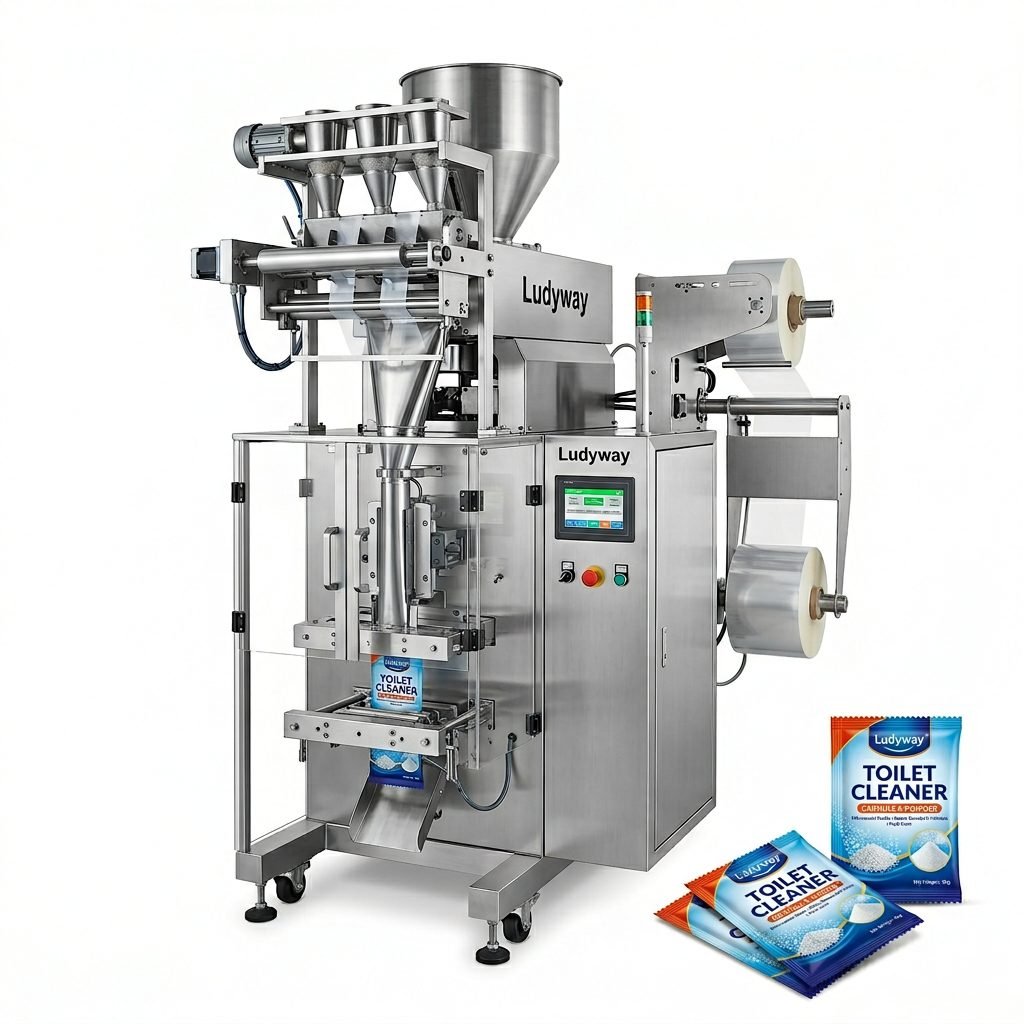
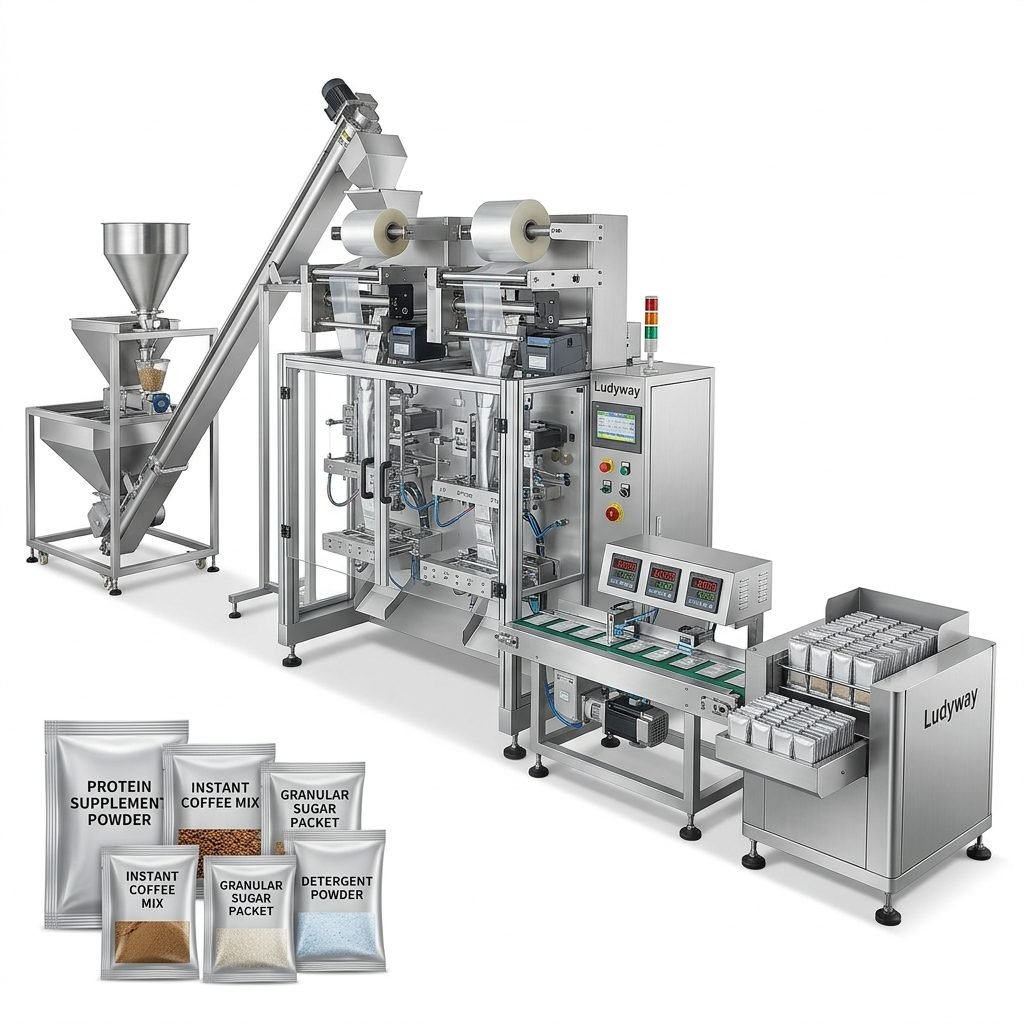
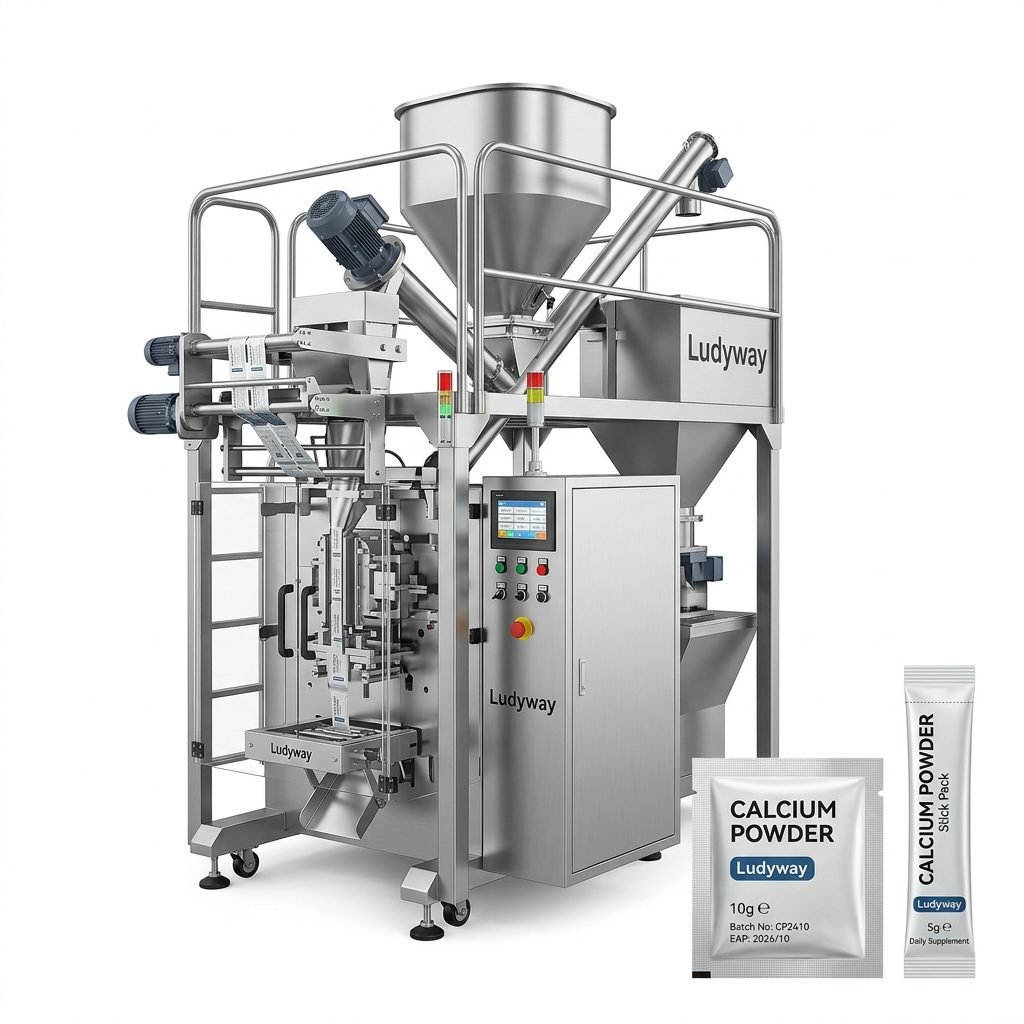
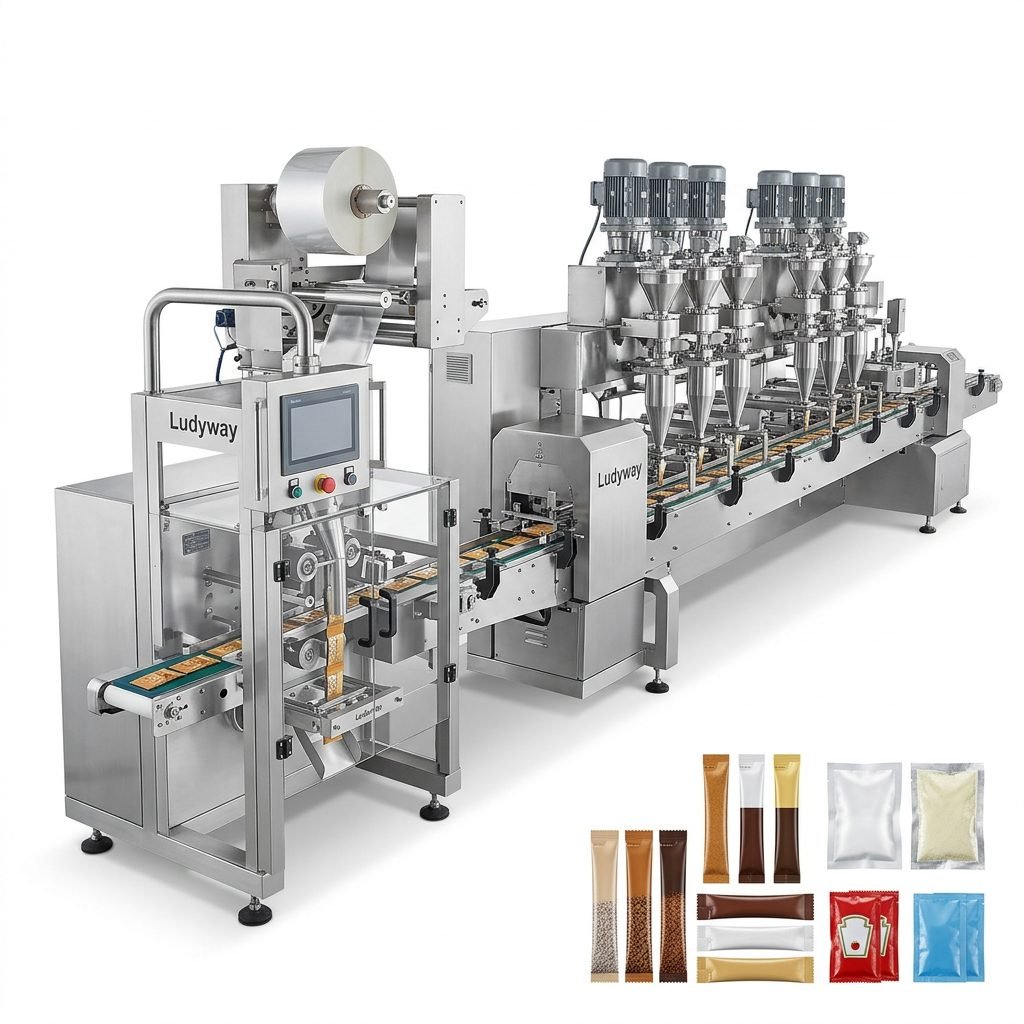
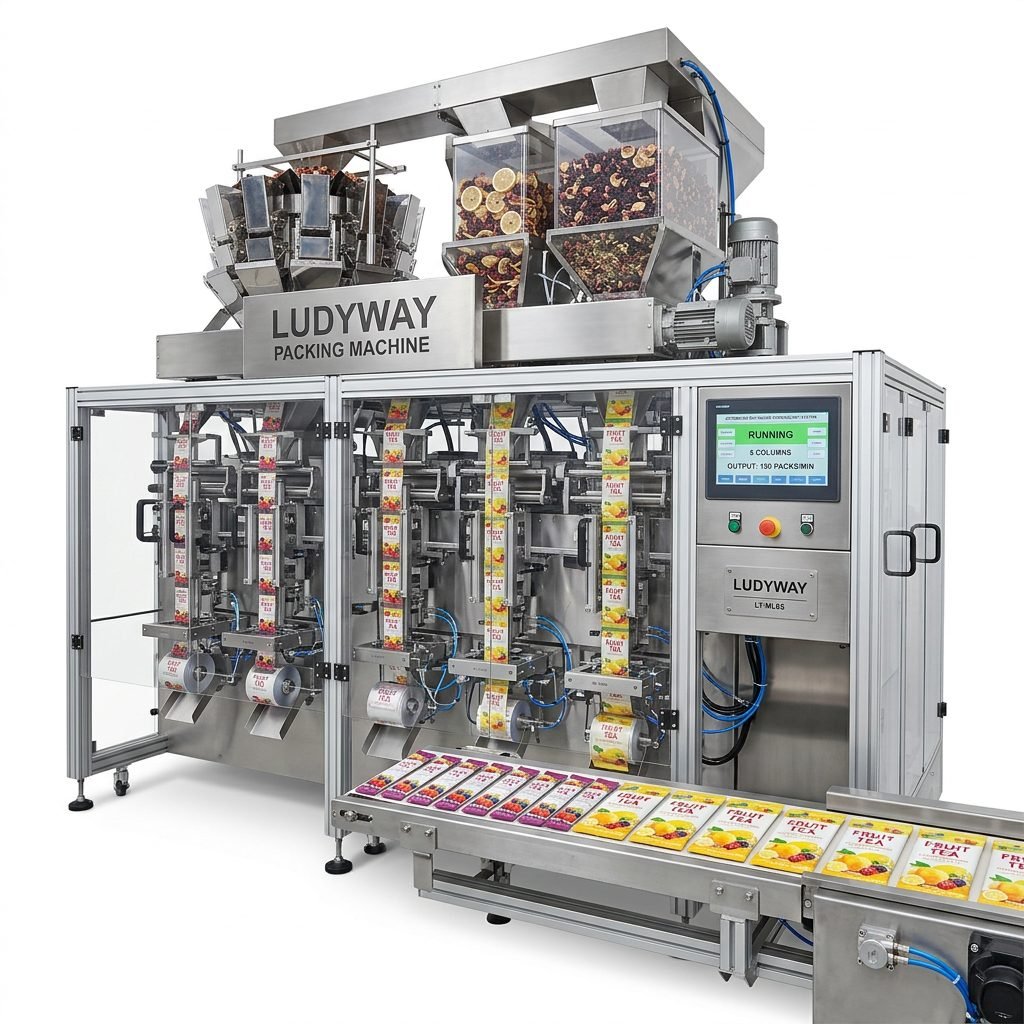
These are the workhorses of the industry for dry and semi-moist foods. They form bags from a roll of film, fill them with a pre-measured amount of product, and then seal them. They are highly versatile and efficient for medium to high-volume production of bags ranging from small pouches to large bags.
- Best For: Dry kibble, treats, and powdered supplements in pillow bags or gusseted bags.
- Key Advantage: High speed and lower packaging material cost.
Horizontal Form-Fill-Seal (HFFS) Machines
Ideal for creating more rigid, structured pouches or trays, often with multi-layered laminates. They are commonly used for premium products or those requiring a higher barrier, such as semi-moist food or functional treats.
- Best For: Premium treats, single-serve pouches, and products needing high-quality graphic presentation.
- Key Advantage: Superior package aesthetics and structure.
Pre-Made Pouch Fillers
These systems fill and seal pre-manufactured stand-up or flat pouches. They are perfect for brands that have custom-printed pouches and offer great flexibility for short runs or products with unique shapes.
- Best For: Small to medium batches, seasonal products, or brands with intricate pre-printed pouch designs.
- Key Advantage: Flexibility and excellent print quality on packaging.
Weighing and Dosing Systems
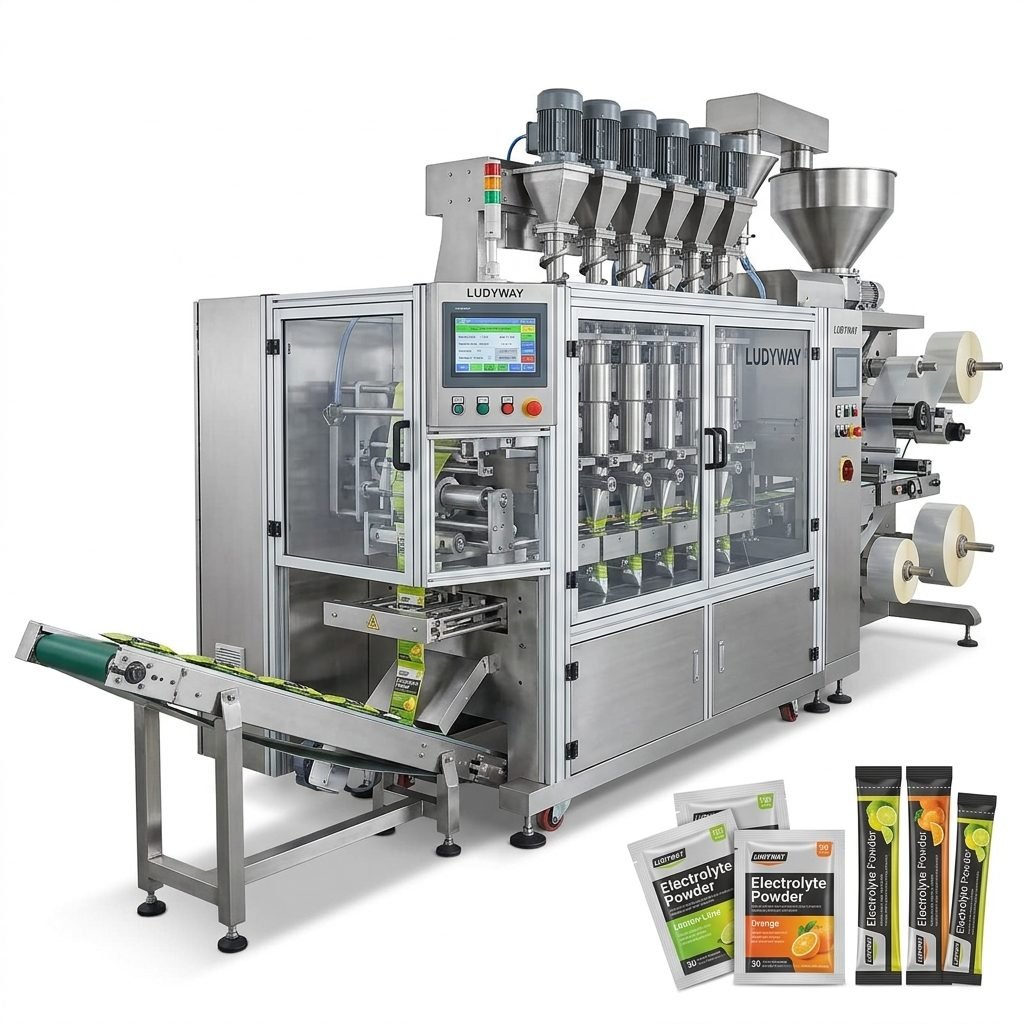
Critical for accuracy, these are often integrated with filling machines. Multi-head weighers and auger fillers ensure each bag contains the exact weight of product, which is vital for cost control and regulatory compliance.
- Best For: All types of free-flowing and non-free-flowing products where weight accuracy is paramount.
- Key Advantage: High precision, reducing product giveaway.
Essential Features to Look For
Beyond the basic type, several features differentiate a good machine from a great one that will serve your business for years.
1. Hygiene and Sanitation Design
Pet food safety is non-negotiable. Look for machines with stainless steel contact surfaces, easy-clean designs with minimal crevices, and options for wash-down capabilities. This prevents cross-contamination and meets food-grade standards.
2. Precision Filling Technology
Consistent fill weight protects your profit margins and brand reputation. Advanced servo-driven auger fillers or multi-head weighers offer the best accuracy, especially for mixed-density products or fragile treats.
3. Gas Flushing (Modified Atmosphere Packaging – MAP)
To significantly extend shelf life and preserve nutrients, many premium pet foods use MAP. A machine with an integrated gas flushing system replaces oxygen in the package with inert gases like nitrogen, slowing oxidation and spoilage.
4. Flexibility and Changeover
Can the machine handle different bag sizes, shapes, and materials with quick changeovers? Tool-less adjustments and recipe storage on the PLC (Programmable Logic Controller) minimize downtime when switching products.
5. Reliability and Support
Downtime is costly. Invest in machinery from a reputable supplier known for robust construction and reliable components. Ensure they offer comprehensive technical support, training, and spare parts availability. For instance, partnering with an experienced provider like Ludyway Machinery, which brings decades of industry expertise, can ensure long-term operational success.
How to Choose the Best Machine for Your Needs
Selecting the right equipment is a strategic decision. Follow this step-by-step framework to make an informed choice.
Step 1: Analyze Your Product and Production Goals
Define your product’s physical characteristics (size, shape, oiliness, fragility) and your target output (bags per minute, shifts per day). Consider future product lines to ensure the machine can grow with your business.
Step 2: Determine Your Packaging Format
The package sells the product. Decide on the bag style (pillow, gusseted, stand-up pouch), material (mono-film, laminate), and any special features like zippers or tear notches. Your packaging supplier and machine manufacturer should collaborate on this.
Step 3: Evaluate Key Machine Specifications
Create a checklist: required accuracy (±0.5% or better), sealing method (hot bar, impulse), integration needs (with upstream feeders or downstream case packers), and compliance with local safety and electrical standards.
Step 4: Consider Operational and Human Factors
Assess the skill level of your operators. A machine with a user-friendly HMI (Human-Machine Interface) and simple maintenance will reduce errors and training time. Also, evaluate your factory’s space, power, and compressed air constraints.
Step 5: Partner with the Right Supplier
This is critical. Look for a supplier with proven experience in the pet food sector. They should offer a comprehensive service package, including installation, commissioning, and training. Review their company history and commitment to innovation; a partner like Ludyway, with a long track record in providing turnkey packaging solutions, can offer invaluable guidance beyond just selling a machine.
Frequently Asked Questions (FAQs)
Q1: What is the typical lifespan of a pet food packaging machine?
A well-maintained machine from a quality manufacturer can last 10-15 years or more. Lifespan depends heavily on maintenance schedules, production hours, and the quality of components used in its construction.
Q2: Can one machine handle both dry kibble and soft, moist treats?
It is challenging. Dry and moist products often require different film materials, sealing parameters, and sometimes different feeding mechanisms. While some flexible machines can be adjusted, dedicated lines are usually recommended for high-volume production of dissimilar products to maintain optimal quality and efficiency.
Q3: How important is after-sales service when purchasing a machine?
Extremely important. Packaging machines are complex and will require periodic maintenance, parts replacement, and occasional troubleshooting. A supplier with a responsive, knowledgeable service team and readily available spare parts is essential to minimize costly production downtime. This is a key strength of established industry partners.
Q4: What are the ongoing costs besides the initial purchase?
Ongoing costs include packaging materials (film, labels), routine maintenance parts (sealing jaws, belts), utilities (electricity, compressed air), labor for operation, and potential service contracts. A reliable, energy-efficient machine can significantly reduce these long-term operational expenses.
Q5: Is automation worth it for a small pet food brand?
Yes, even at a smaller scale. Semi-automatic or compact automatic machines can drastically improve packaging speed, consistency, and hygiene compared to manual packing. They free up labor for other tasks, improve your brand’s professional appearance, and provide a foundation for scalable growth without a massive initial investment.