Flexible packaging machinery represents a cornerstone of modern manufacturing, enabling businesses across food, pharmaceutical, health, and consumer goods sectors to package products efficiently, hygienically, and attractively. This equipment automates the process of forming, filling, and sealing flexible materials like films, laminates, and pouches, replacing slower, less consistent manual methods. For companies looking to scale production, ensure product integrity, and meet stringent regulatory standards, investing in the right flexible packaging system is a critical strategic decision. This guide delves into the primary types of machinery, their diverse applications, and provides a structured framework for selecting the optimal system for your specific operational needs.
Core Types of Flexible Packaging Machinery
The landscape of flexible packaging equipment is varied, with each machine type designed for specific formats and production speeds. Understanding these categories is the first step in the selection process.
Vertical Form-Fill-Seal (VFFS) Machines
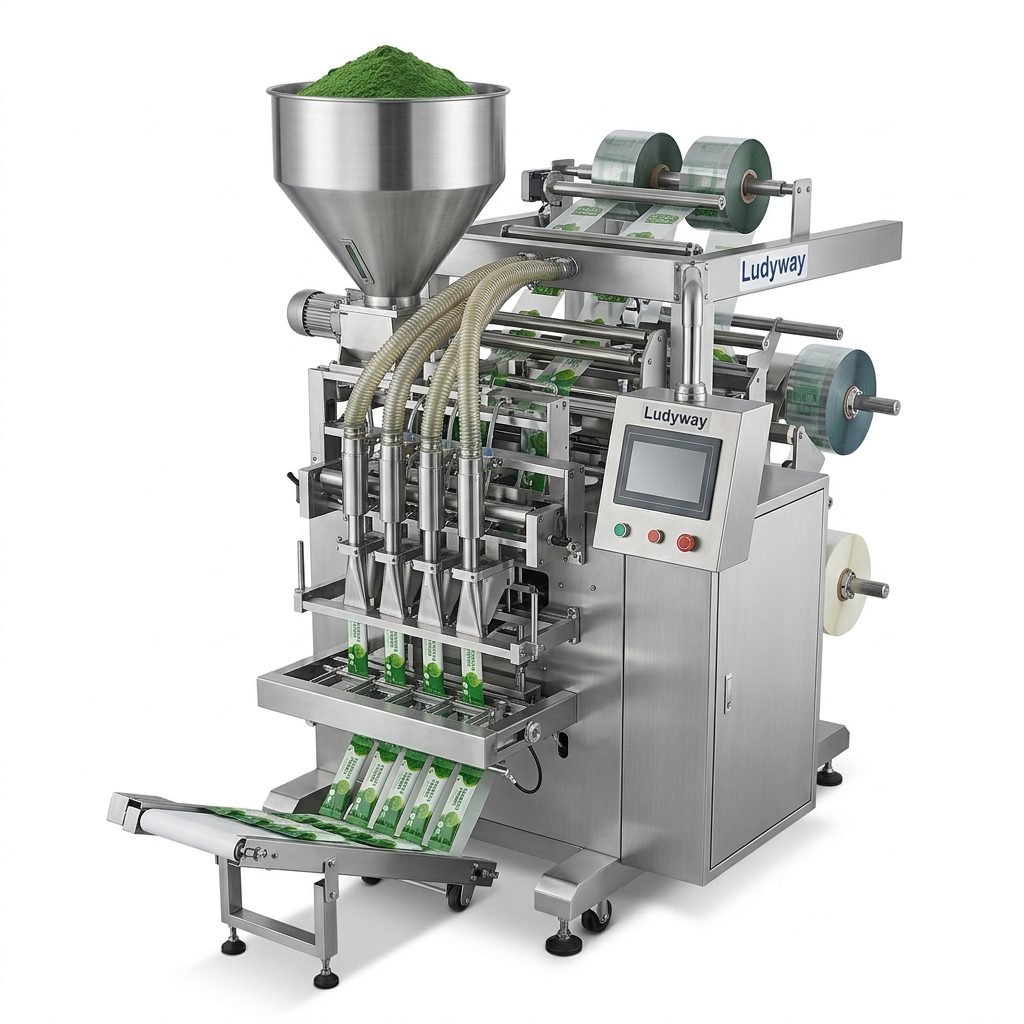
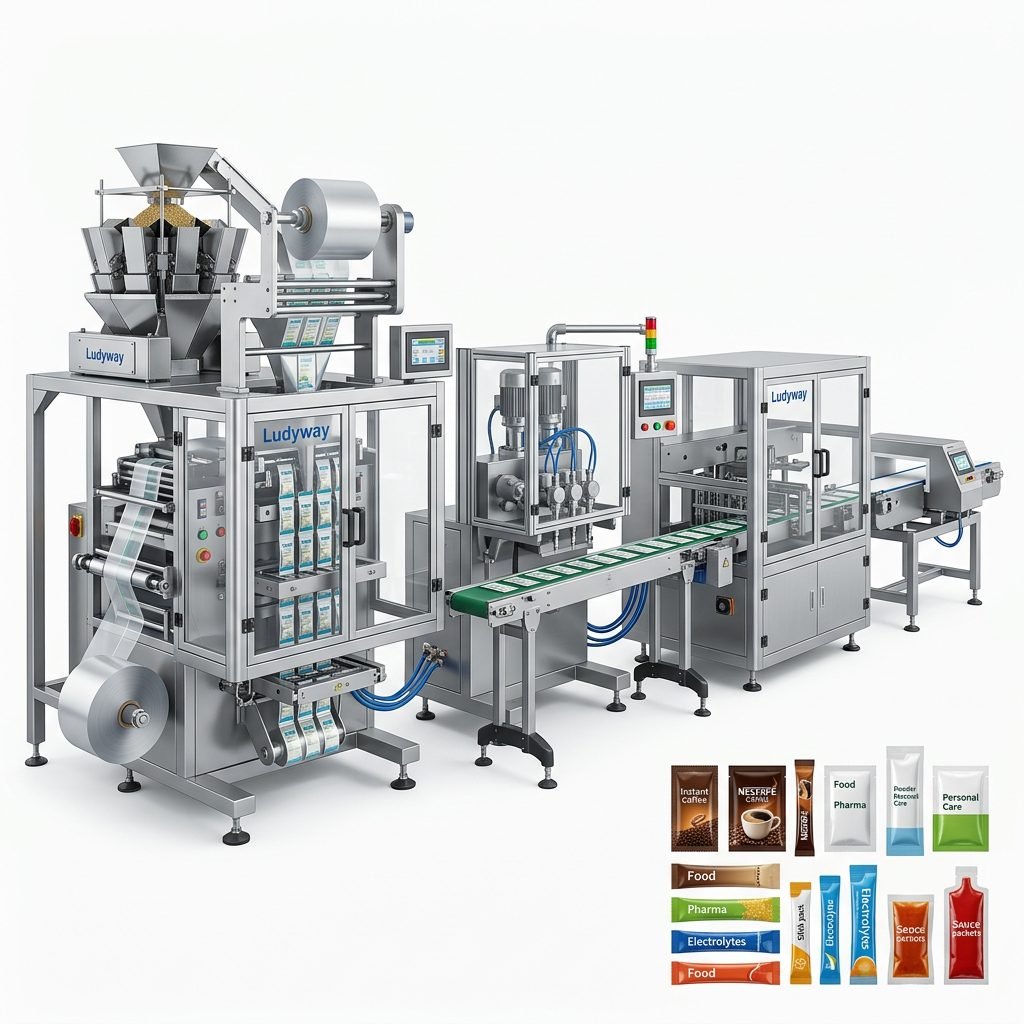
These are among the most common and versatile systems. A VFFS machine forms a pouch from a roll of flat film, fills it with the product, and then seals it—all in a continuous vertical motion. They are ideal for packaging granules, powders, snacks, liquids, and small parts. Key advantages include quick changeover between pouch sizes, relatively compact footprints, and high-speed capabilities. They can produce various pouch styles, such as pillow bags, gusseted bags, or bags with zippers.
Horizontal Form-Fill-Seal (HFFS) Machines
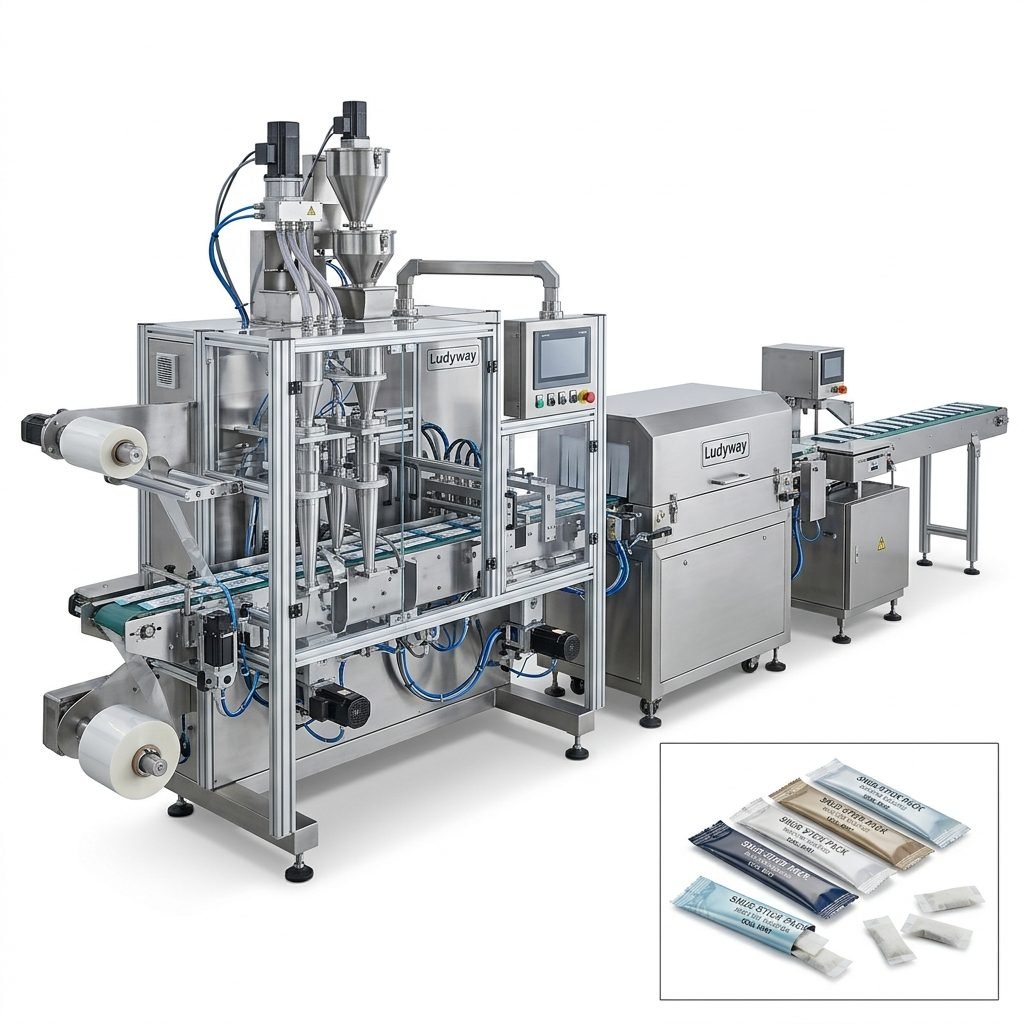
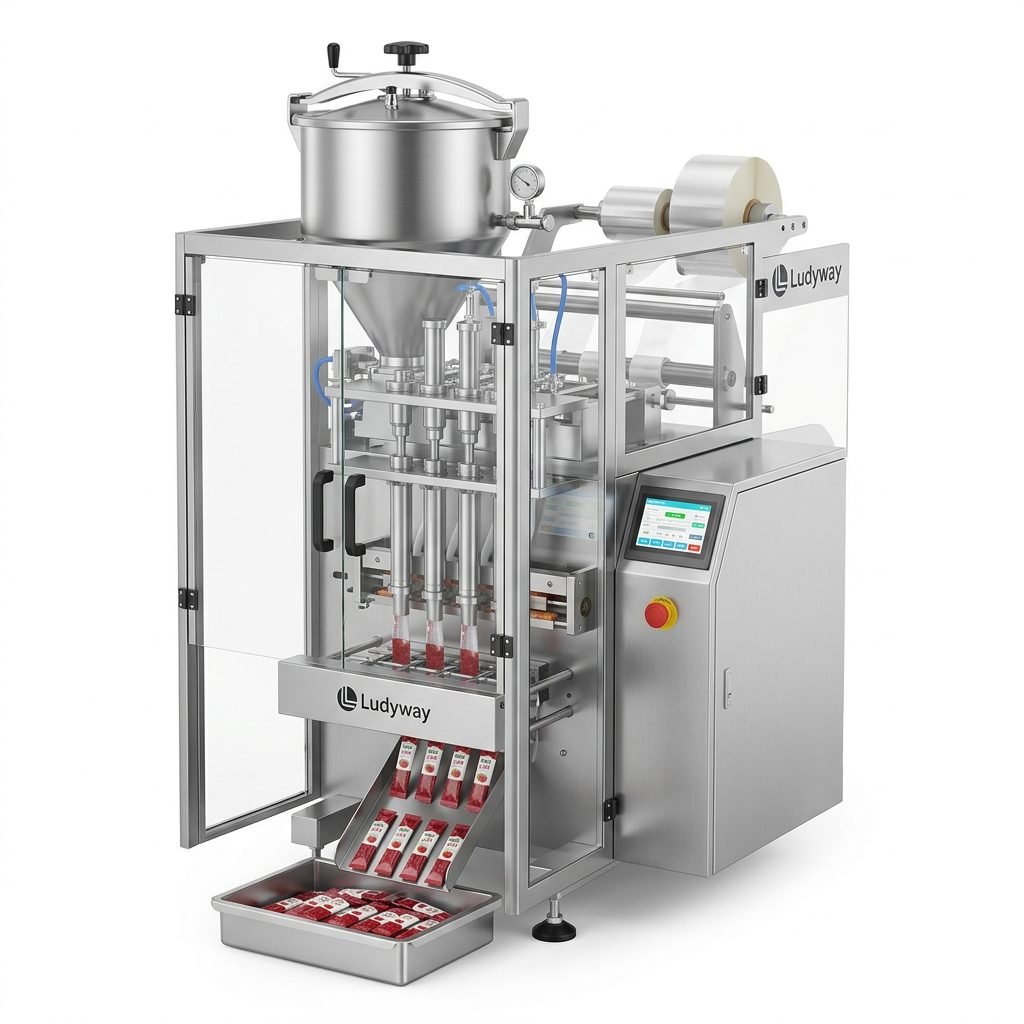
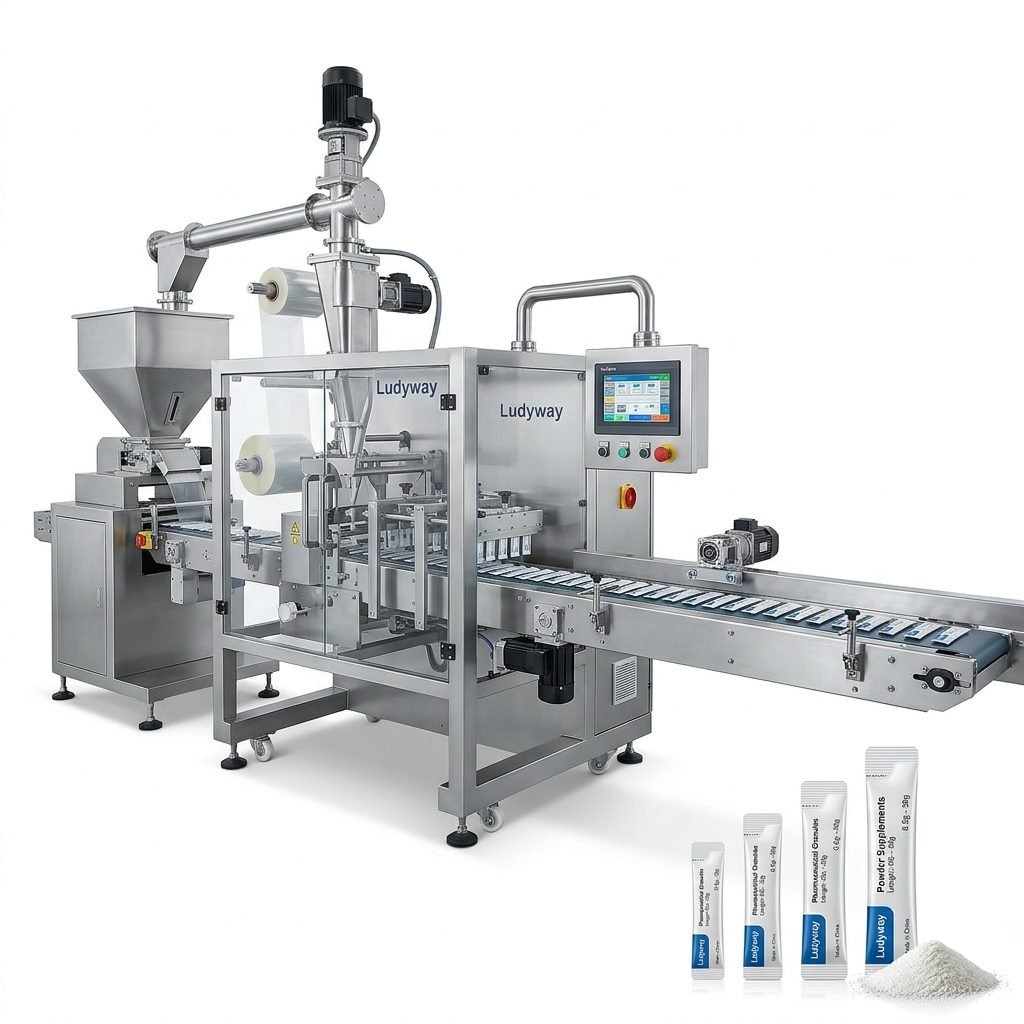
HFFS machines form pouches horizontally from a single or multiple webs of film. They are typically used for more complex packaging formats that require high-precision placement, such as stick packs, sachets for condiments or shampoo, and blister packs. This type of machinery is renowned for its excellent presentation and is often used for products where marketing appeal on the shelf is paramount.
Premade Pouch Fill & Seal Machines
Unlike VFFS and HFFS machines that form pouches from roll stock, these systems use premade, printed pouches. The machine opens, fills, and then seals the pre-formed pouch. This method is perfect for applications where high-quality, complex pre-printed graphics are essential for branding. It’s commonly used for premium food items, coffee, and pet food.
Specialized Systems: Stick Pack and Multi-Lane Machines
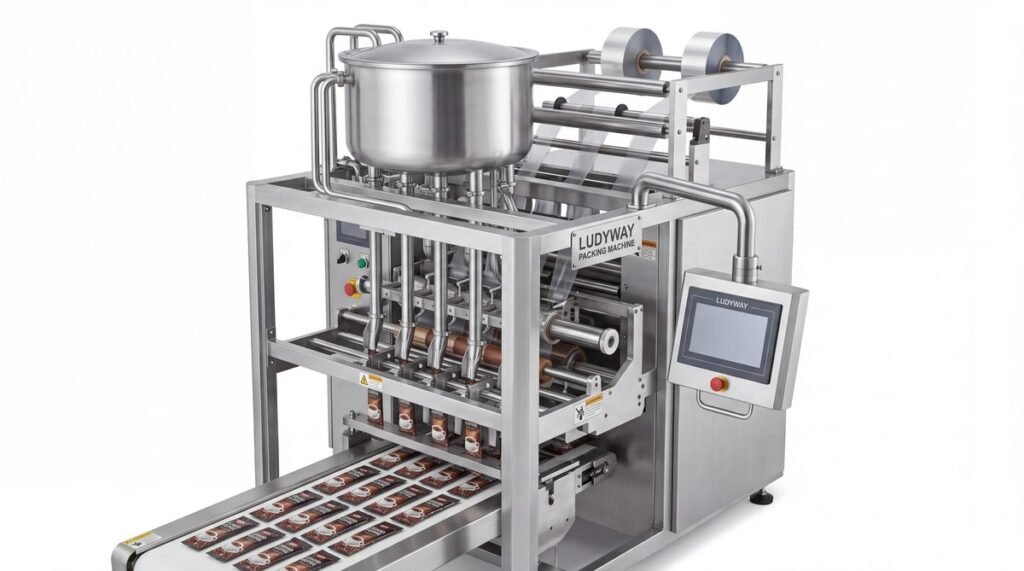
For high-volume production of small unit doses, stick pack machines are unparalleled. They create long, narrow “sticks” ideal for powdered beverages, supplements, pharmaceuticals, and instant food mixes. Multi-lane versions of VFFS or stick pack machines dramatically increase output by running several packaging lines in parallel within a single machine frame, maximizing floor space efficiency.
Key Applications Across Industries
The adaptability of flexible packaging machinery makes it indispensable in numerous sectors, each with unique requirements for protection, speed, and compliance.
Food & Beverage Industry
This is the largest application sector. Machines here must handle a wide range of products—from dry grains and spices to viscous sauces and oils. Features like nitrogen gas flushing for freshness, auger fillers for precise powder dosing, and liquid pumps are critical. Hygiene, ease of cleaning, and compliance with food safety standards (like FDA, EU regulations) are non-negotiable.
Pharmaceutical & Healthcare
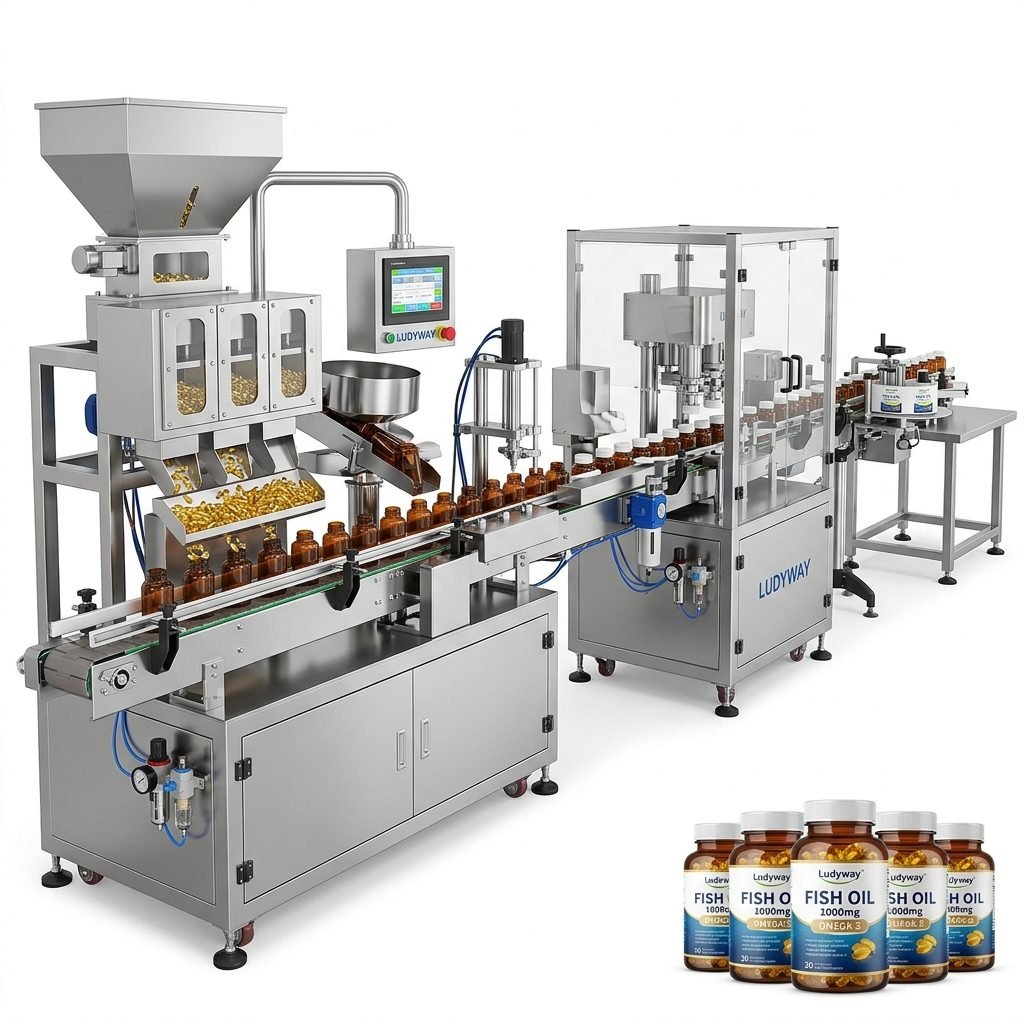
Precision and sterility are paramount. Machinery for this sector often includes features for dust-free operation, clean-in-place (CIP) systems, and ultra-precise micro-dosing capabilities. Applications include packaging tablets into strip packs, powders into sachets for oral rehydration salts, or medical devices into sterile pouches. Traceability and validation documentation for the equipment are essential.
Personal Care & Chemicals
Shampoo, detergent, cosmetic creams, and other household or personal care products are frequently packaged in flexible sachets or stand-up pouches. Machines must be compatible with a variety of materials, including laminated structures that provide barrier properties, and be corrosion-resistant when handling certain chemicals.
How to Choose the Right Packaging System: A Step-by-Step Guide
Selecting machinery is a significant investment. A methodical approach ensures you choose a system that boosts productivity and ROI, rather than creating bottlenecks.
1. Define Your Product and Material Specifications
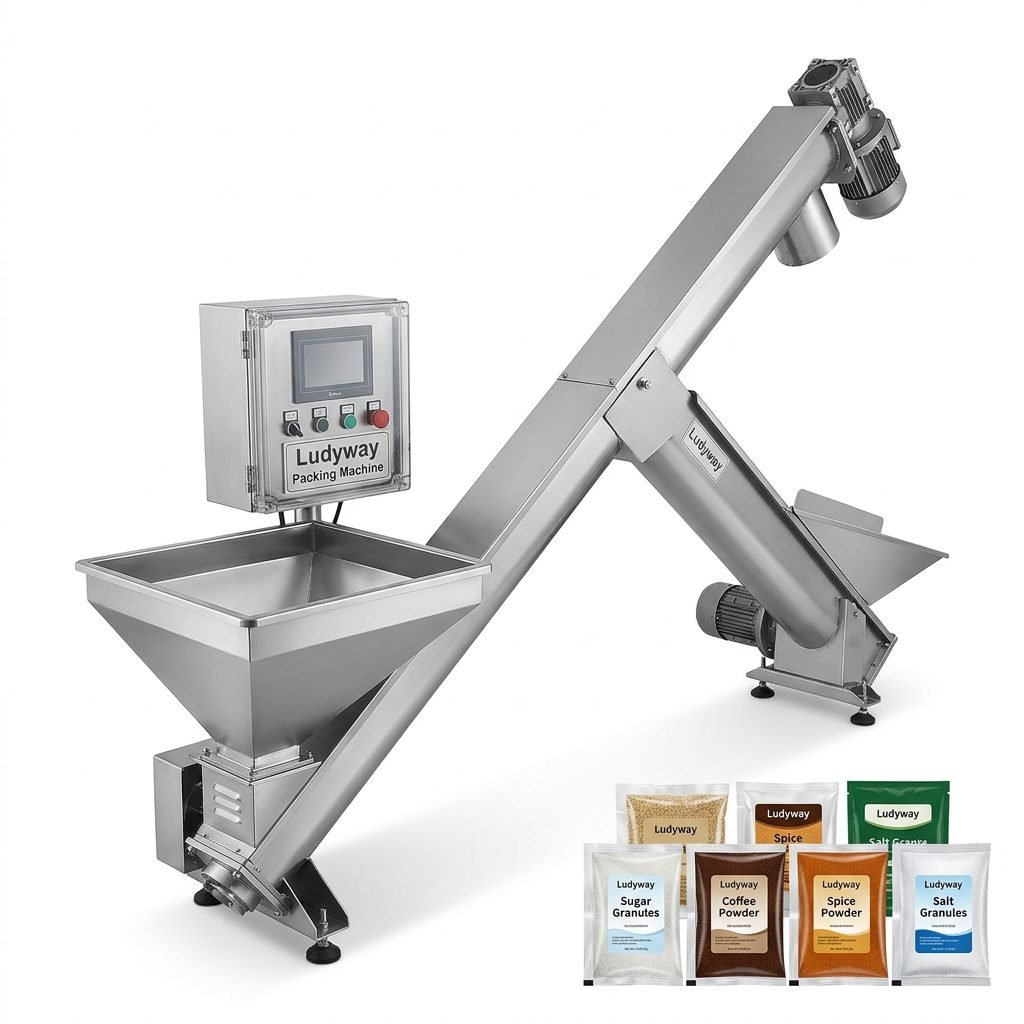
Start with a thorough analysis of your product. Is it a free-flowing powder, an abrasive granule, a viscous paste, or a liquid? Each requires different feeding and filling technology (e.g., auger, volumetric cup, pump). Next, determine your packaging material—its type, thickness, and barrier properties. The machine must be compatible with your chosen film or laminate.
2. Assess Your Production Requirements
Calculate your required output in packs per minute (PPM) or per shift. Be realistic about both current needs and future growth. Also, consider the range of package sizes you need to produce. A machine with quick, tool-less changeover will minimize downtime when switching between SKUs, enhancing flexibility.
3. Evaluate Machine Features and Technology
Look beyond basic functionality. Key features to prioritize include:
✓ Control System: A user-friendly PLC/HMI interface simplifies operation and recipe management.
✓ Filling Accuracy: Consistent weight or volume control is crucial for cost control and compliance.
✓ Hygienic Design: Stainless steel surfaces, rounded edges, and easy access for cleaning are vital for food and pharma.
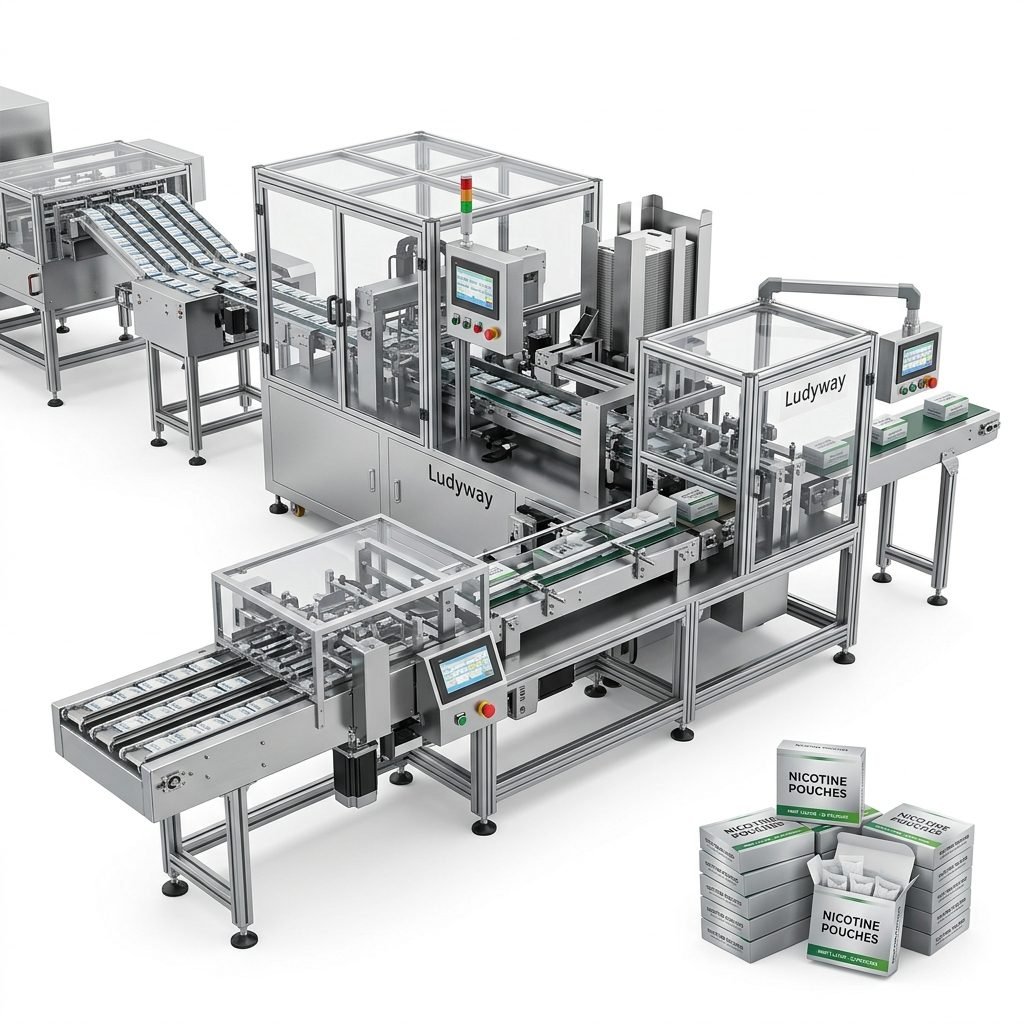
✓ Integration Capability: Can the machine easily connect with upstream (e.g., mixers) and downstream (e.g., cartoners) equipment?
4. Consider the Supplier’s Expertise and Support
The machine is only as good as the company behind it. Partner with a supplier that has proven experience in your specific industry. Evaluate their technical support, availability of spare parts, training programs, and installation services. A reliable partner like Ludyway Machinery, with deep industry roots, can provide invaluable guidance and long-term operational security.
5. Analyze Total Cost of Ownership (TCO)
Do not base your decision on the purchase price alone. Consider the TCO, which includes:
– Energy consumption and compressed air requirements.
– Expected maintenance costs and part longevity.
– Potential for future upgrades or modular expansion.
– The supplier’s reputation for reliability, which directly impacts uptime.
Frequently Asked Questions (FAQs)
What is the main advantage of a VFFS machine over a premade pouch machine?
The primary advantage is lower packaging material cost, as VFFS uses roll stock film, which is less expensive than premade pouches. VFFS also offers greater flexibility for rapid size changes. Premade pouch machines excel when using complex, pre-printed pouches for superior branding.
How important is after-sales service when buying packaging machinery?
Extremely important. Packaging machines are complex and require periodic maintenance. A supplier with a robust global service network, readily available spare parts, and responsive technical support is crucial for minimizing costly downtime and ensuring your production line runs smoothly for years. Learn more about our commitment to service on our Company Profile page.
Can one machine handle both powder and liquid products?
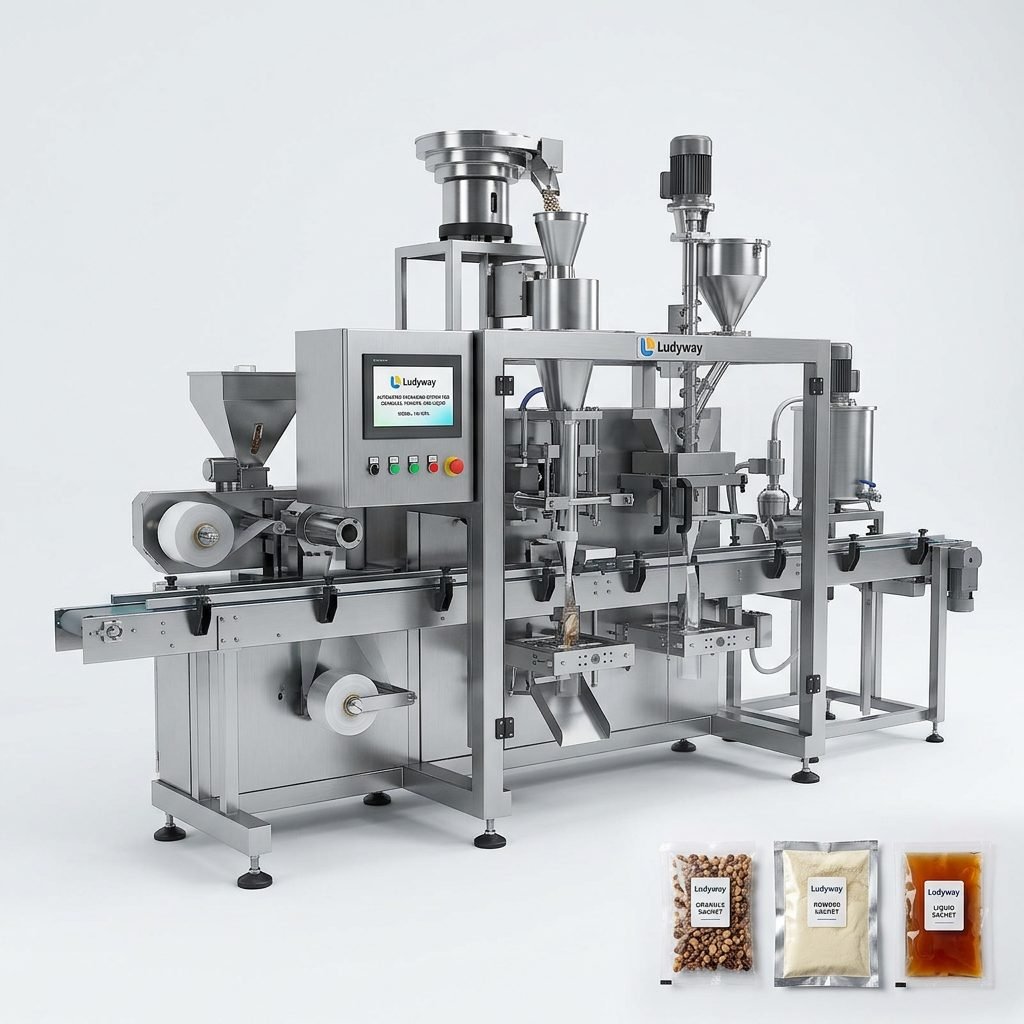
Some versatile machines can be configured with interchangeable filling systems. However, switching between vastly different product types (e.g., dry powder to oily liquid) often requires a thorough cleaning and change of parts to prevent cross-contamination. It’s best to discuss your specific product range with the machine supplier.
What should I look for in a machine for pharmaceutical packaging?
Focus on precision, cleanability, and documentation. The machine should offer high-accuracy dosing, be constructed with pharmaceutical-grade stainless steel, and have a design that prevents particle generation. The supplier should also provide the necessary documentation (e.g., FAT, SAT, IQ/OQ protocols) to aid in your facility’s validation process.
How do I future-proof my packaging machinery investment?
Choose a modular system from an innovative supplier. Opt for machines that can be upgraded with additional lanes, new filling heads, or advanced software features. Partnering with a company focused on R&D, as highlighted in our Company History, ensures access to evolving technologies that can extend the productive life of your equipment.