Selecting the right packaging machinery manufacturer is a pivotal decision for any production operation. The choice directly impacts your line’s efficiency, product quality, operational costs, and ultimately, your market competitiveness. With numerous companies vying for your business, navigating the landscape to find the best partner can be complex. This guide will walk you through the essential criteria and considerations to help you choose the ideal packaging machinery manufacturer for your specific needs.
Core Factors in Choosing a Packaging Machinery Partner
Before diving into specific company evaluations, it’s crucial to establish your own requirements. A clear understanding of your needs will serve as a roadmap for your selection process.
1. Define Your Application and Product Type
The nature of your product dictates the machinery required. Manufacturers often specialize in specific applications. Are you packaging granules (like coffee or seeds), powders (such as milk powder or spices), liquids (sauces, oils), or solid items? Furthermore, consider the packaging format: stick packs, sachets, pouches, bottles, or cans. A manufacturer with deep expertise in your specific product category will provide more reliable and optimized solutions.
2. Assess Production Capacity and Scalability
Evaluate your current and future output needs. The machinery must meet your target speed (e.g., packs per minute) and be capable of running for extended periods with minimal downtime. Consider if the manufacturer offers modular or easily upgradeable systems. As your business grows, can the equipment scale with you, or will it require a complete replacement? Planning for scalability from the outset protects your long-term investment.
3. Prioritize Machine Reliability and Build Quality
Packaging lines are the workhorses of production. Reliability is non-negotiable. Investigate the construction quality of the machinery. Are critical components made from durable, food-grade or pharmaceutical-grade materials like stainless steel? A robust build reduces wear and tear, minimizes breakdowns, and ensures consistent operation, which is vital for maintaining supply chain integrity.
Key Insight: The Value of Experience
Manufacturers with decades of industry experience, such as those with 30+ years in the field, have typically encountered and solved a vast array of production challenges. This accumulated knowledge translates into more dependable machine design, better anticipation of potential issues, and more effective technical support. Their long-term presence often indicates stability and a commitment to the industry.
4. Demand Customization and Flexibility
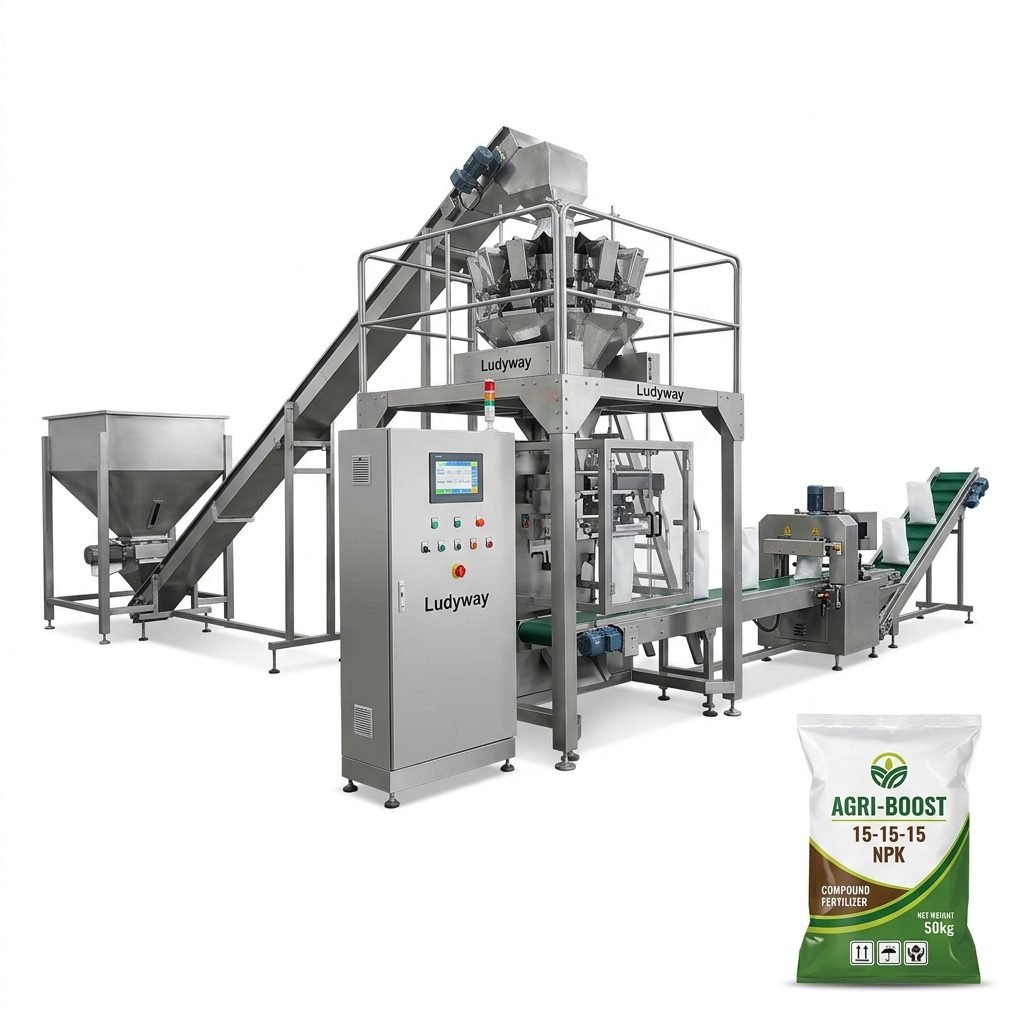
Off-the-shelf solutions rarely fit perfectly. The best manufacturers act as partners, offering a high degree of customization. This can range from simple adjustments to handle your unique packaging material to designing a completely turnkey production line that integrates filling, sealing, labeling, and cartoning. A flexible partner can adapt their standard models to your precise workflow, maximizing efficiency.
Evaluating a Manufacturer’s Capabilities and Support
Once you have a shortlist of potential partners, a deeper evaluation of their operational strengths is necessary.
Engineering and Innovation Prowess
Examine the manufacturer’s commitment to research and development. Do they integrate the latest technologies in automation, servo control, and Industry 4.0 connectivity? Modern facilities, like a 20,000㎡ manufacturing plant, are often equipped with advanced CNC machinery and testing labs, which are indicators of serious production capability and quality control.
Comprehensive Service and Technical Support
The relationship begins after the sale. Reliable after-sales support is critical. Inquire about:
✅ Installation & Commissioning: Will they send engineers to set up the line?
✅ Training: Do they provide thorough operator and maintenance training?
✅ Spare Parts Availability: Is there a global network or fast shipping for critical parts?
✅ Remote & On-Site Support: Can they diagnose issues remotely? What is their response time for on-site repairs?
Global Reach and Project Execution
If you operate or plan to operate internationally, choose a manufacturer with a proven track record of serving customers worldwide. They should understand international shipping, customs, and voltage/power standards. Their ability to manage projects from inquiry to delivery, especially for complete production lines, demonstrates professional project management skills.
🔍 Spotlight on a Specialist: Ludyway Packaging Machinery
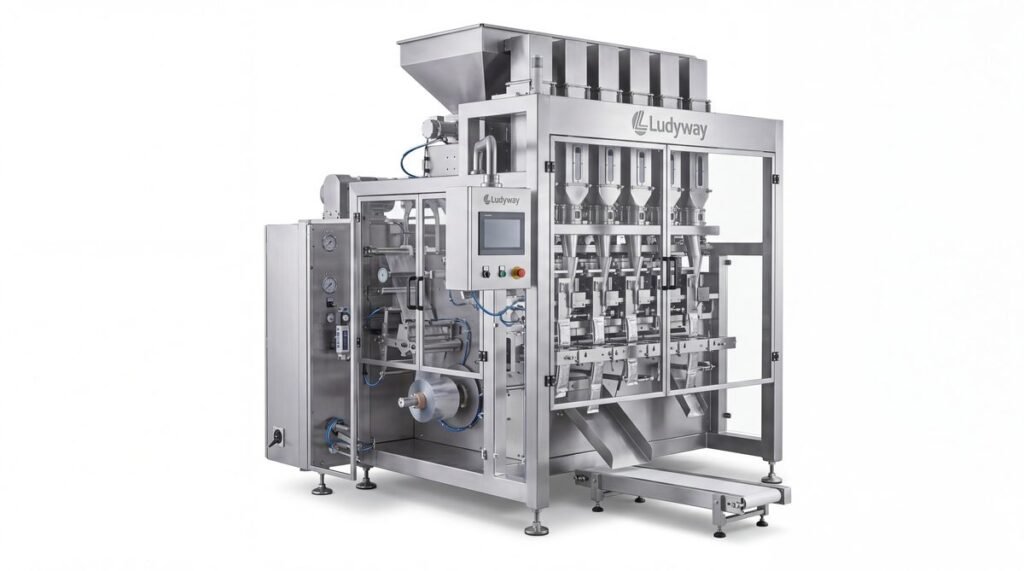
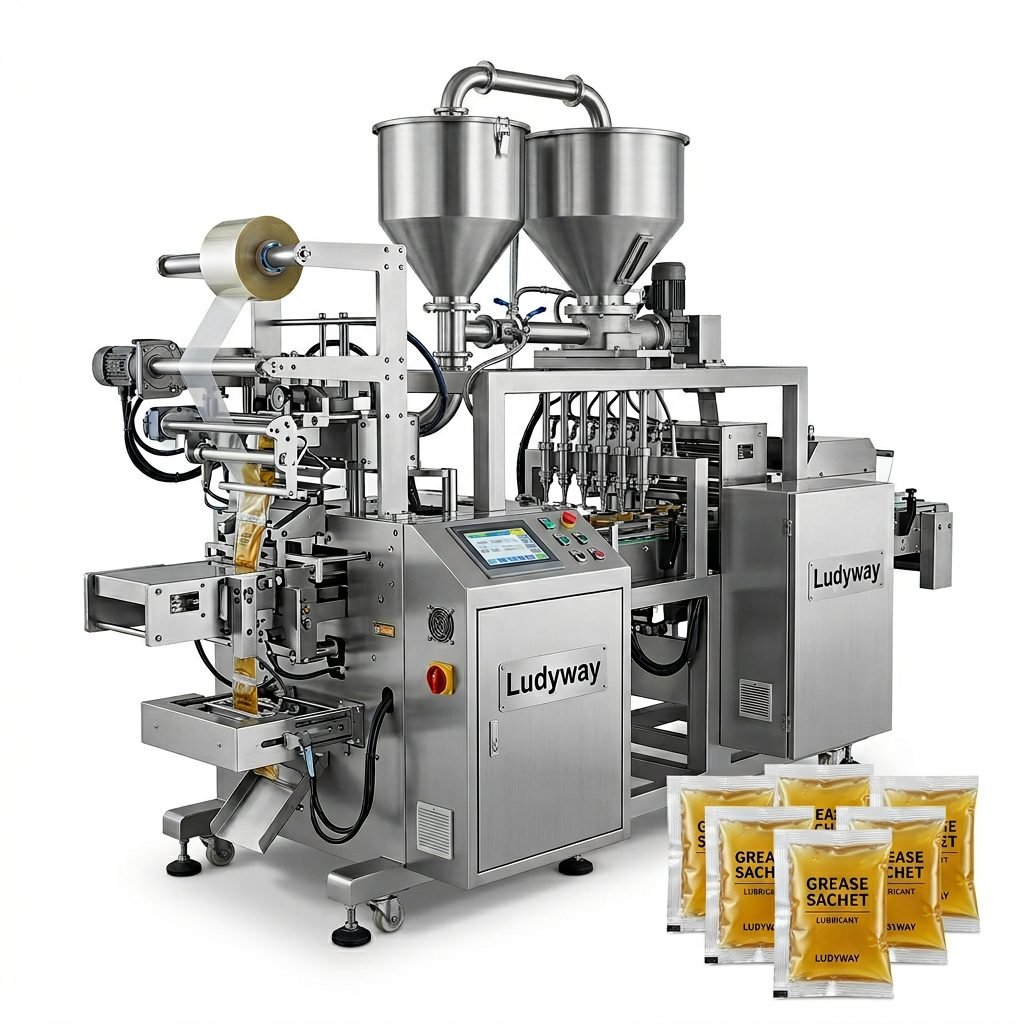
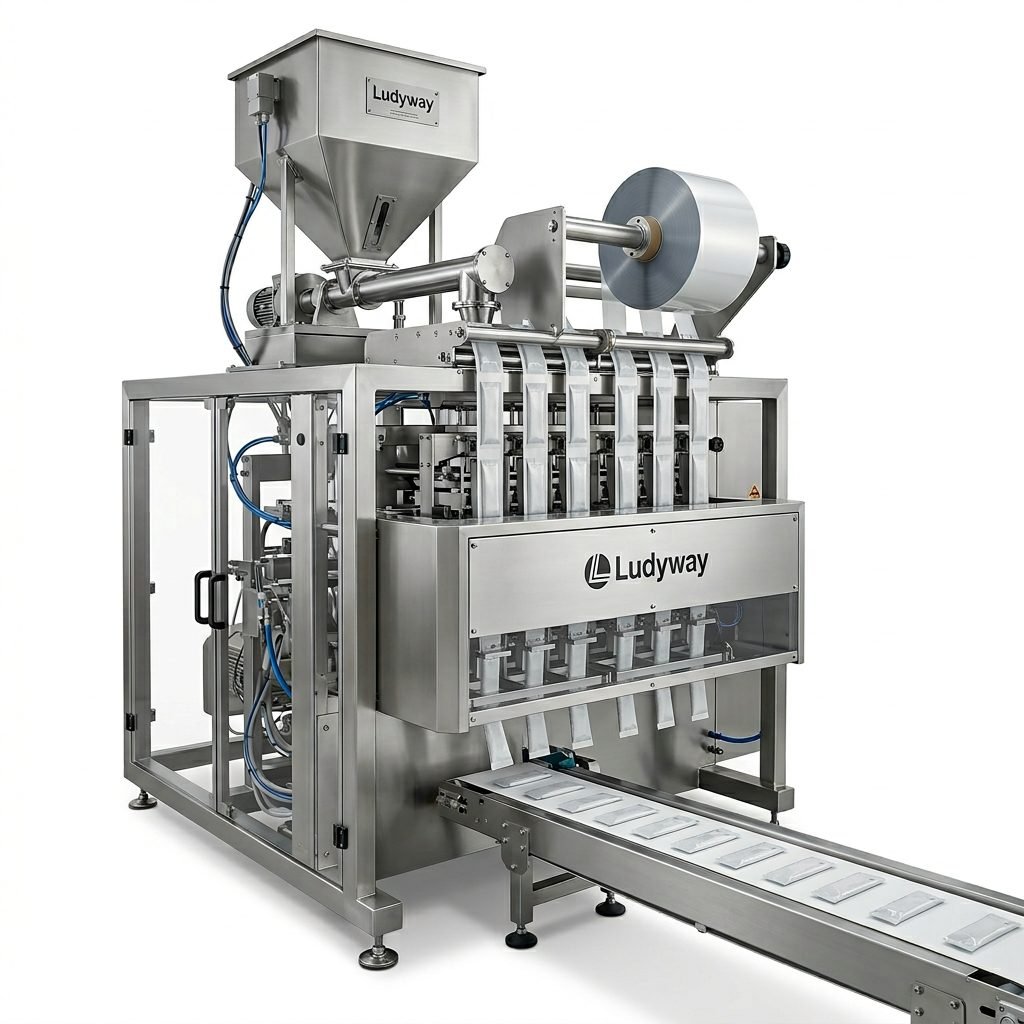
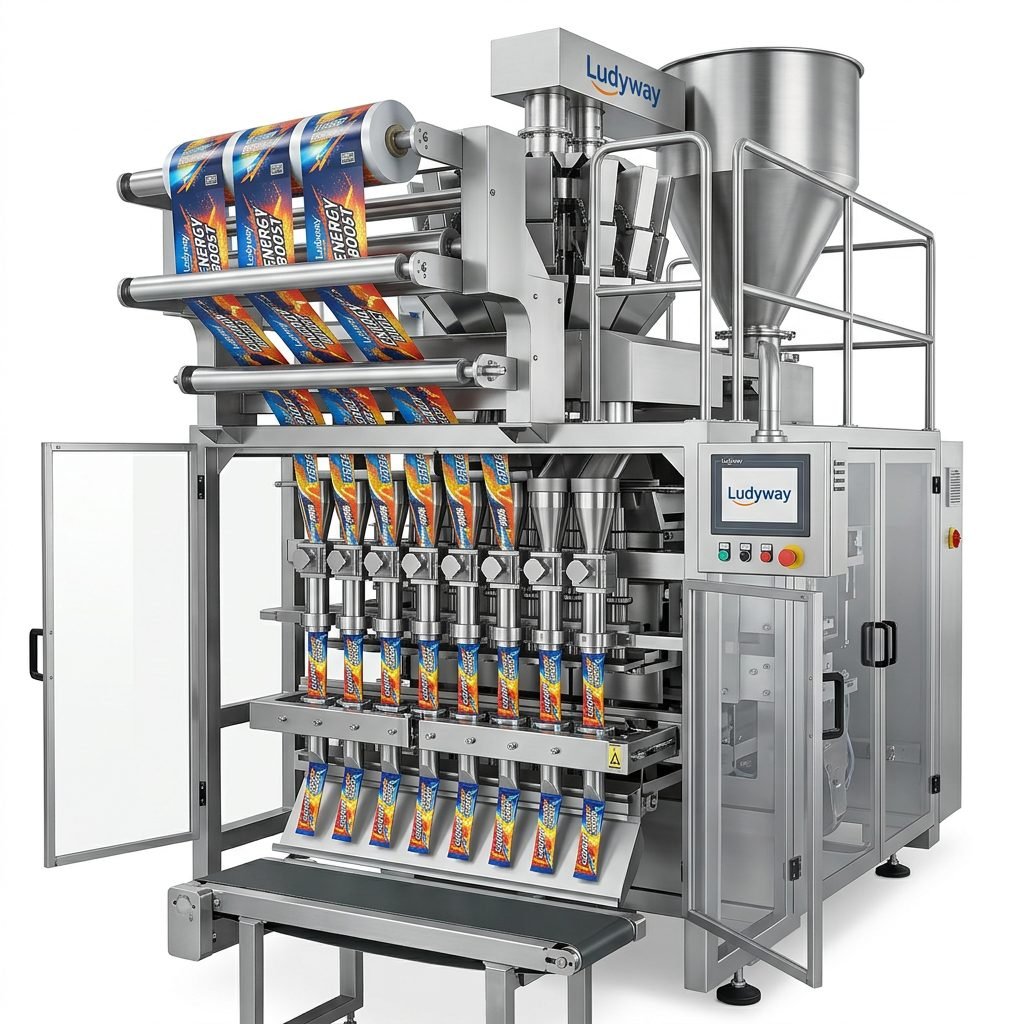
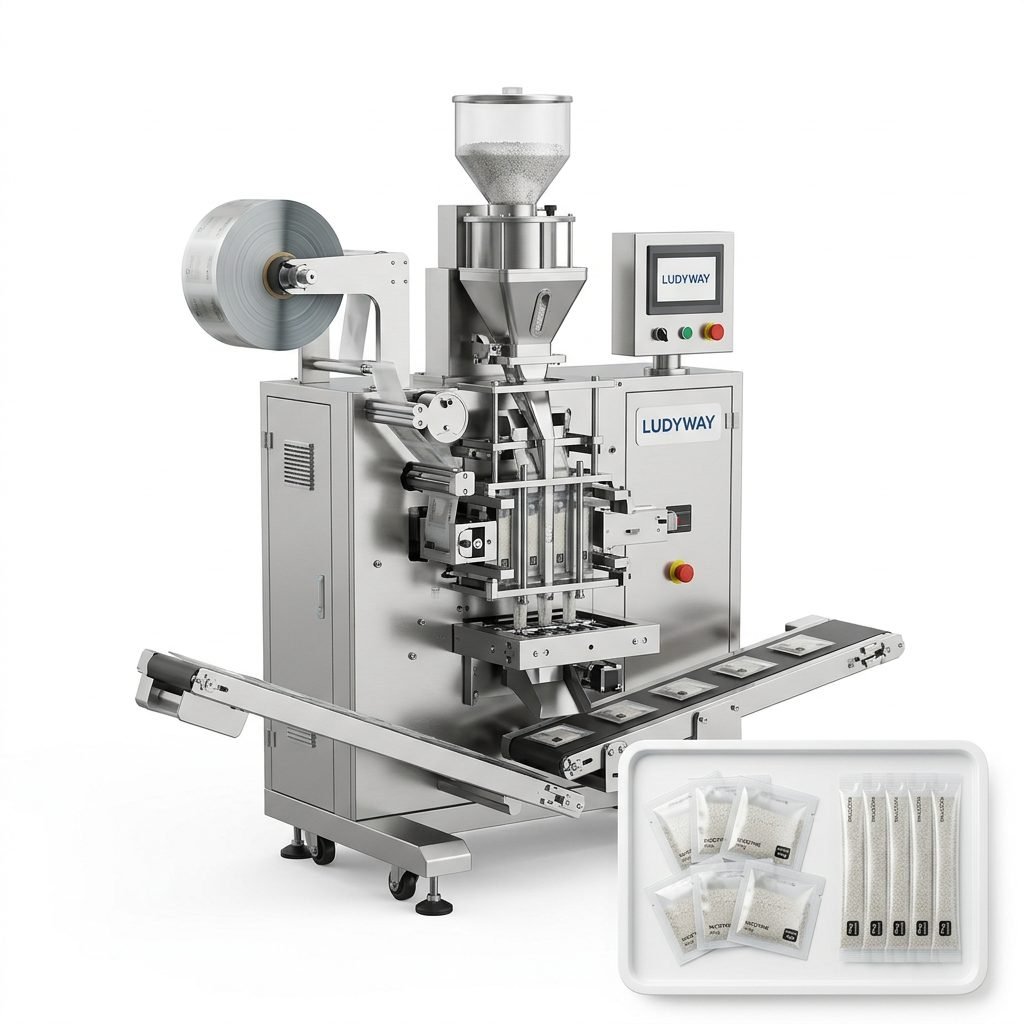
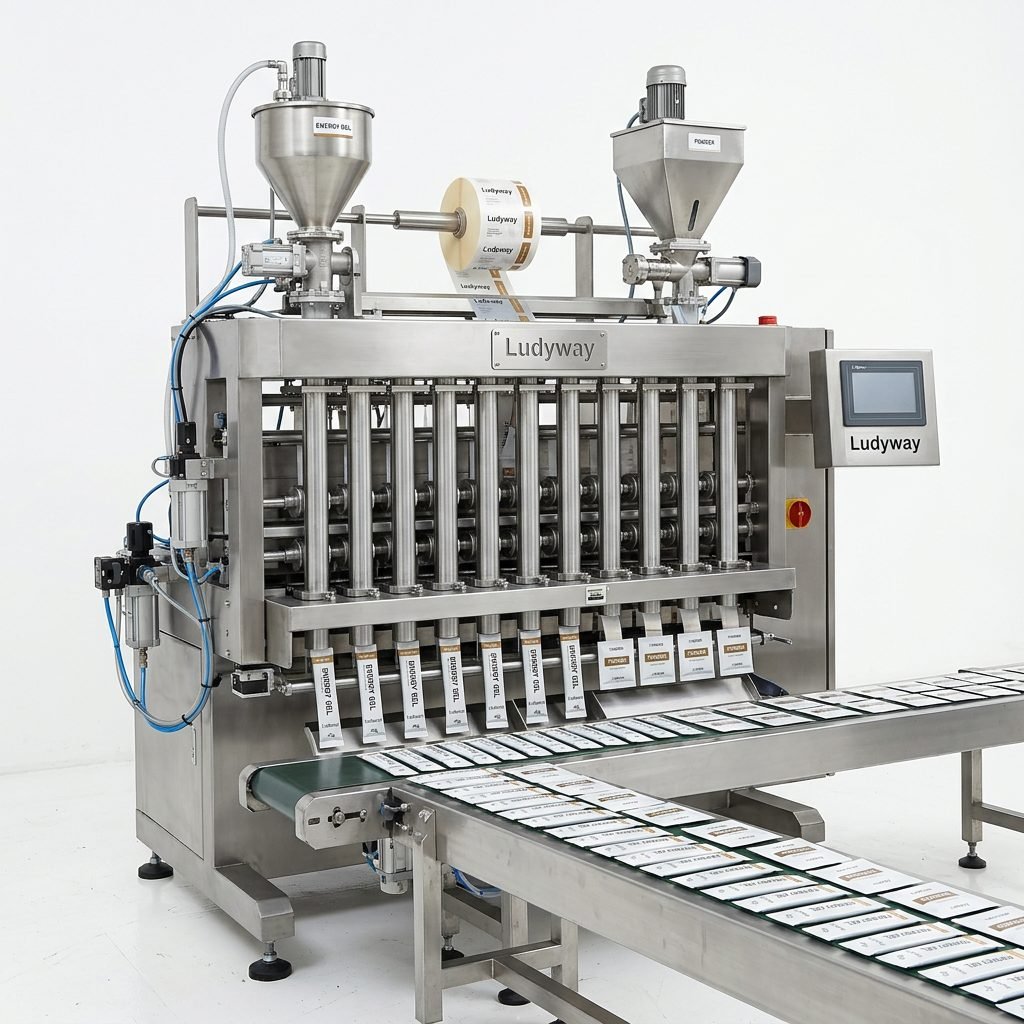
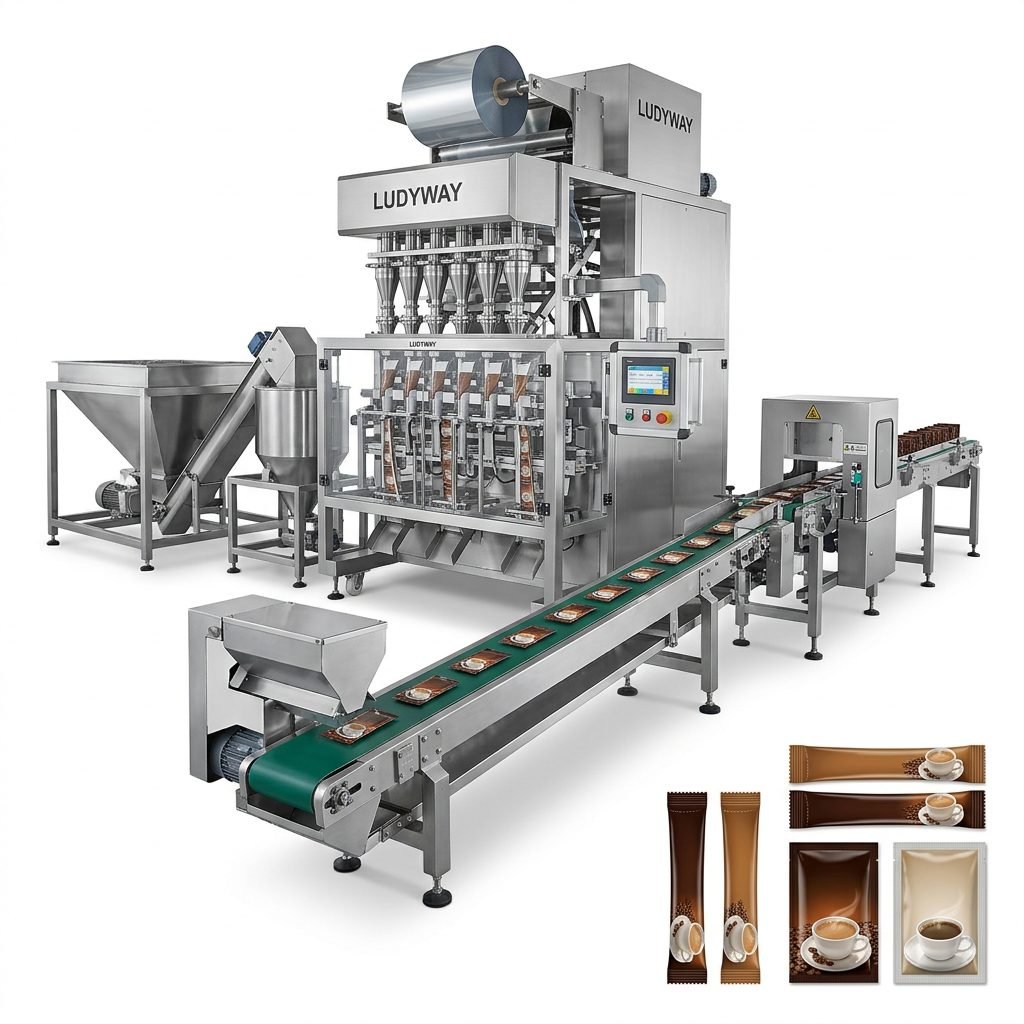
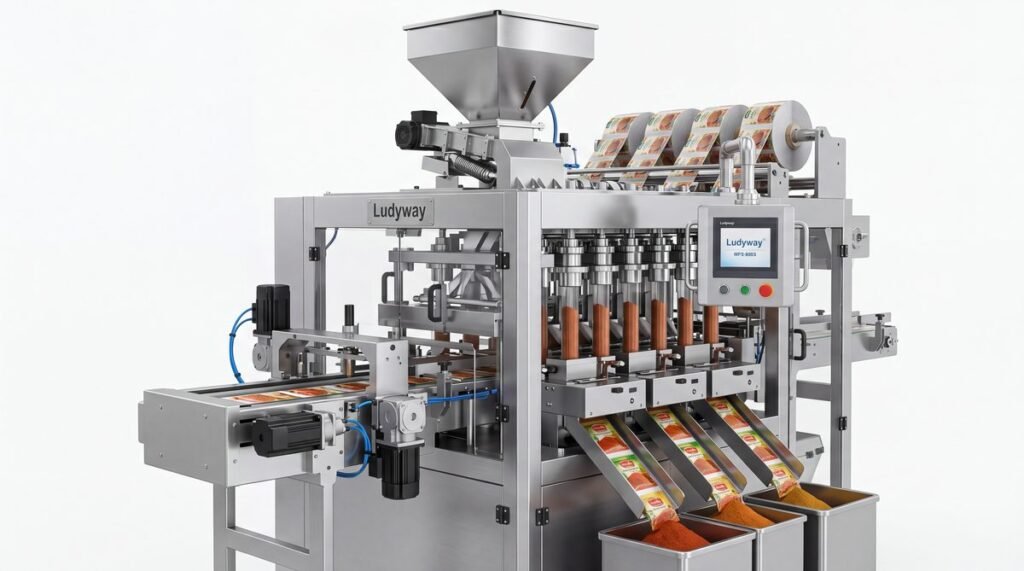
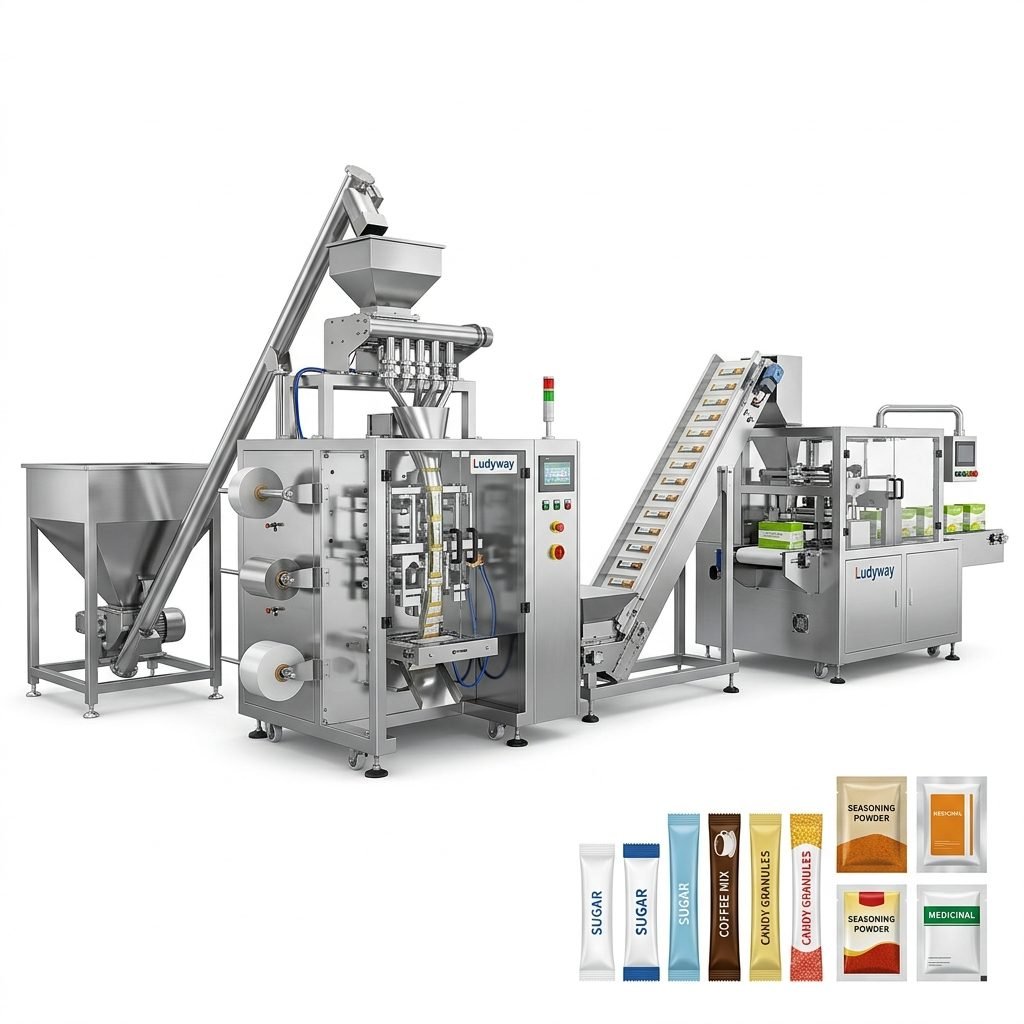
As an example of a focused industry player, Ludyway Machinery exemplifies several of these key selection criteria. Founded in 2010 with a vision for efficient global solutions, the company has built its reputation on specialization in the food, pharmaceutical, and health industries. Their approach centers on providing tailored, turnkey solutions rather than just selling standalone machines.
With a portfolio of over 50 intelligent packaging machine models—including advanced multi-lane stick pack and sachet systems—they address specific needs for granules, powders, and liquids. Their growth is underpinned by strong engineering partnerships and a commitment to long-term innovation, allowing them to deliver customized automation that integrates seamlessly into existing production workflows for clients across diverse international markets.
The Decision-Making Process: From Inquiry to Purchase
Turning evaluation into action requires a structured process.
1. Request Detailed Proposals and Quotations
Provide potential suppliers with a comprehensive brief detailing your product, required output, packaging materials, and factory conditions. A serious manufacturer will respond with a detailed proposal covering machine specifications, layout drawings, a delivery timeline, a clear breakdown of costs, and proposed payment terms.
2. Conduct Factory Audits and View Machine Tests
Whenever possible, visit the manufacturer’s facility. A factory audit allows you to verify their manufacturing capabilities, quality control processes, and company scale. More importantly, insist on a live machine test using a sample of your actual product and packaging material. This is the only way to truly verify performance, speed, and packaging quality before purchase.
3. Check References and Case Studies
Ask for contact information for clients who have purchased similar equipment, preferably in your region or industry. Speaking directly with existing customers provides invaluable, unbiased insights into machine performance, reliability, and the quality of the manufacturer’s support. Reviewing detailed case studies can also reveal their problem-solving approach.
4. Analyze Total Cost of Ownership (TCO)
Look beyond the initial purchase price. Calculate the Total Cost of Ownership, which includes energy consumption, required operator labor, maintenance costs, expected downtime, and the lifespan of wear parts. A slightly more expensive machine that is highly efficient, automated, and reliable often has a far lower TCO than a cheaper, less capable alternative.
Conclusion: Building a Partnership for Growth
Choosing a packaging machinery manufacturer is not merely a transaction; it’s the beginning of a strategic partnership. The right partner will provide not just a machine, but a solution that enhances your productivity, ensures your product’s integrity, and adapts to your future growth. By meticulously evaluating manufacturers based on their specialization, technical capability, build quality, and support structure, you can make an informed decision that will pay dividends in efficiency and reliability for years to come.
Frequently Asked Questions (FAQs)
What is the most important factor when choosing packaging machinery?
While all factors are interconnected, reliability and build quality are paramount. A machine that frequently breaks down will cripple your production, cause product waste, and incur high repair costs, negating any savings from a lower initial price.
How can I ensure the machine will work with my specific product?
Always conduct a product sample test at the manufacturer’s facility. Send them your exact product and packaging materials to run on the proposed machine. This live test is the most reliable way to verify filling accuracy, sealing integrity, and overall compatibility.
What does a “turnkey production line” mean?
A turnkey line is a complete, ready-to-operate system supplied by a single manufacturer or integrator. It typically includes all necessary equipment—from feeding and filling to sealing, labeling, and cartoning—fully integrated, tested, and commissioned. The client essentially “turns the key” to start production.
Why is after-sales support so critical?
Packaging machinery is complex and requires maintenance. Strong after-sales support ensures minimal downtime when issues arise. This includes access to spare parts, knowledgeable remote assistance, and timely on-site service. This support is a key component of your line’s long-term productivity.
Should I prioritize a local manufacturer or an international one?
This depends on your location and needs. A local manufacturer may offer faster service calls. However, many international manufacturers have excellent global support networks and often provide more specialized or cost-effective technology for specific applications. Evaluate their support structure for your region regardless of their headquarters location.