The packaging machinery industry is undergoing a profound transformation, driven by technological advancements and evolving market demands. Manufacturers are increasingly seeking solutions that not only enhance operational efficiency but also deliver a tangible return on investment (ROI). This shift is fueling a wave of trends and innovations that are reshaping production floors globally.
The Drive Towards Smart, Connected Systems
At the forefront of this transformation is the integration of Industrial Internet of Things (IIoT) and Industry 4.0 principles. Modern packaging lines are no longer isolated units but interconnected systems that generate vast amounts of data. Sensors embedded in machines monitor parameters like speed, temperature, vibration, and downtime in real-time.
This data is analyzed to enable predictive maintenance, preventing unexpected breakdowns before they occur. The result is a significant reduction in unplanned downtime, extended machinery lifespan, and optimized maintenance schedules, all contributing directly to higher overall equipment effectiveness (OEE) and improved ROI.
Enhanced Flexibility and Quick Changeover
Consumer demand for variety and personalized products requires packaging machinery to be incredibly agile. The trend is moving away from dedicated, single-purpose machines toward modular and flexible systems. Innovations like servo-driven technology and tool-less changeovers allow producers to switch between different package sizes, shapes, and materials in minutes instead of hours.
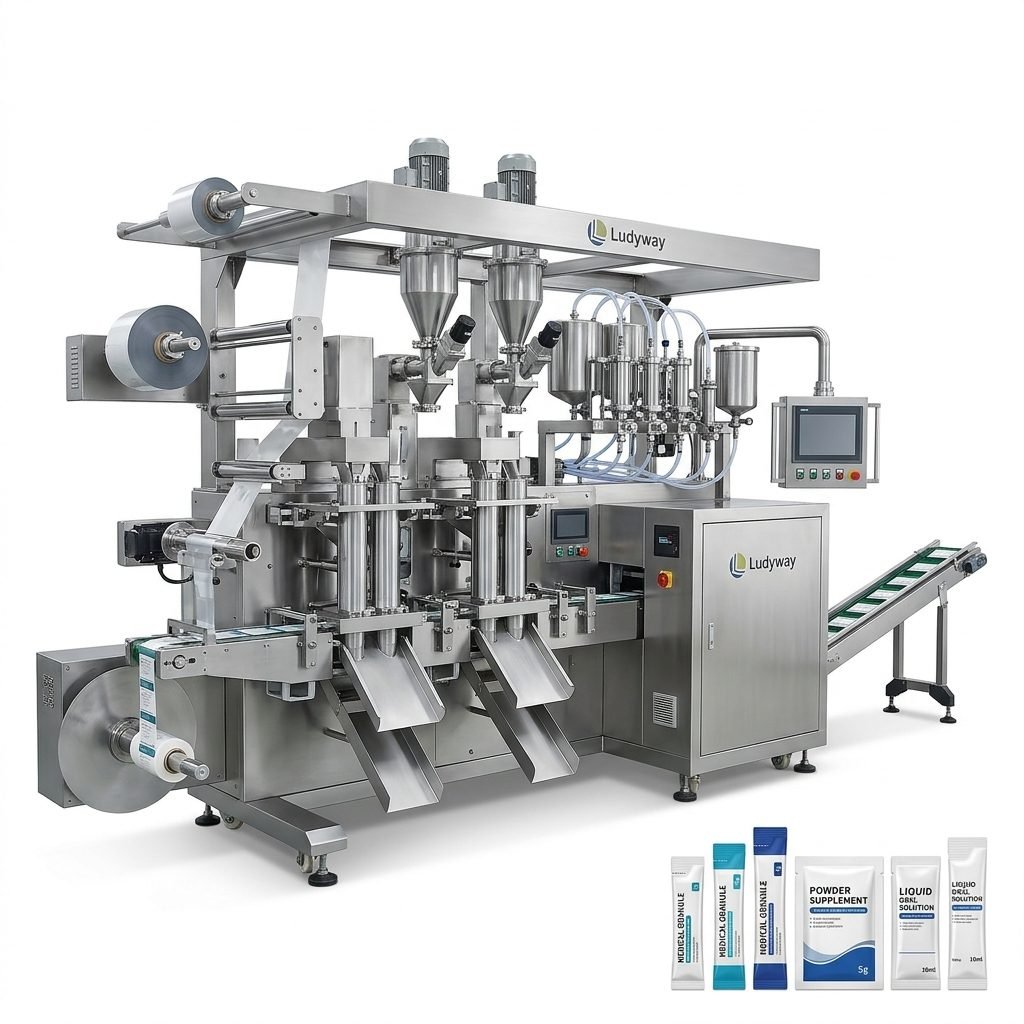
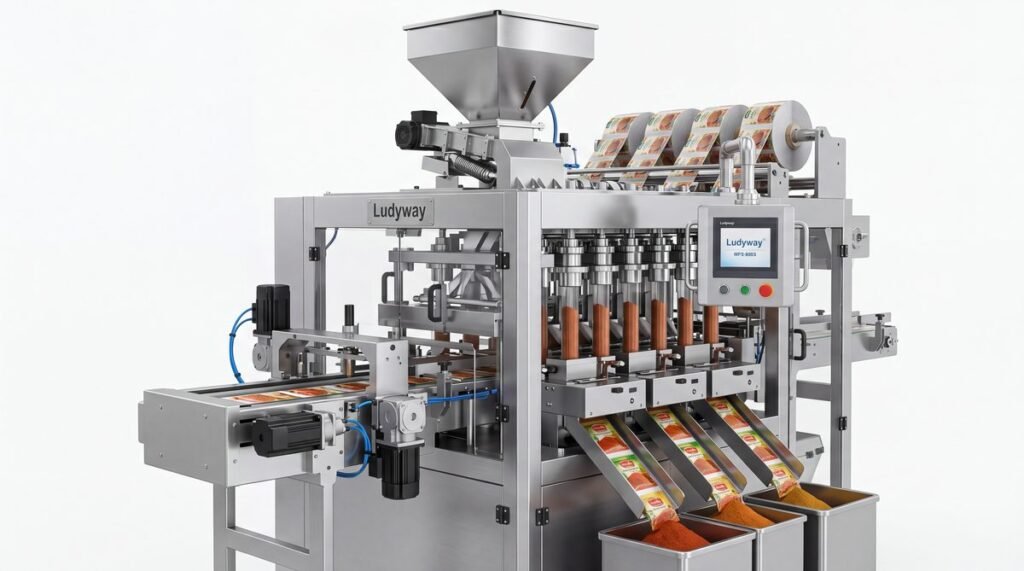
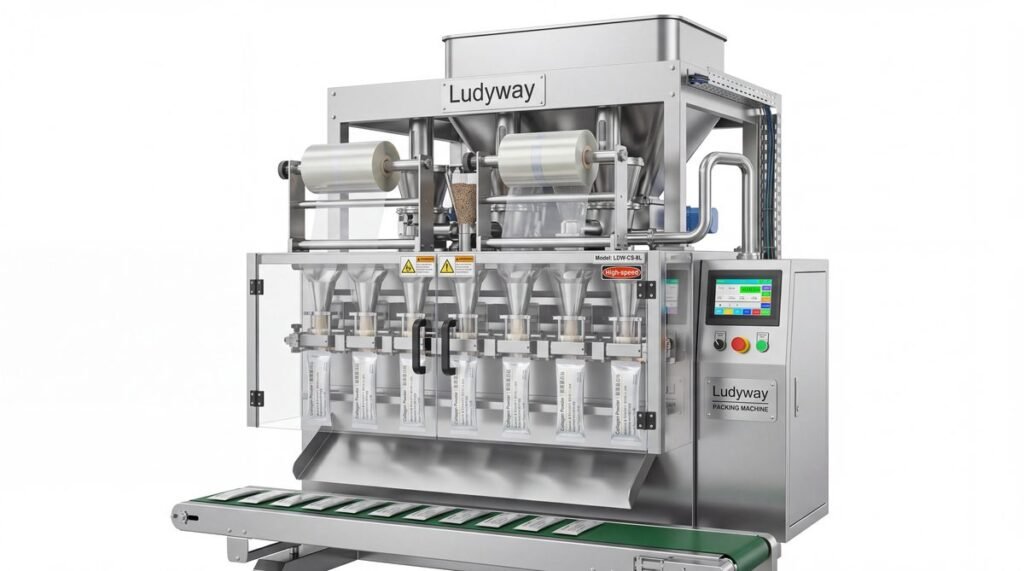
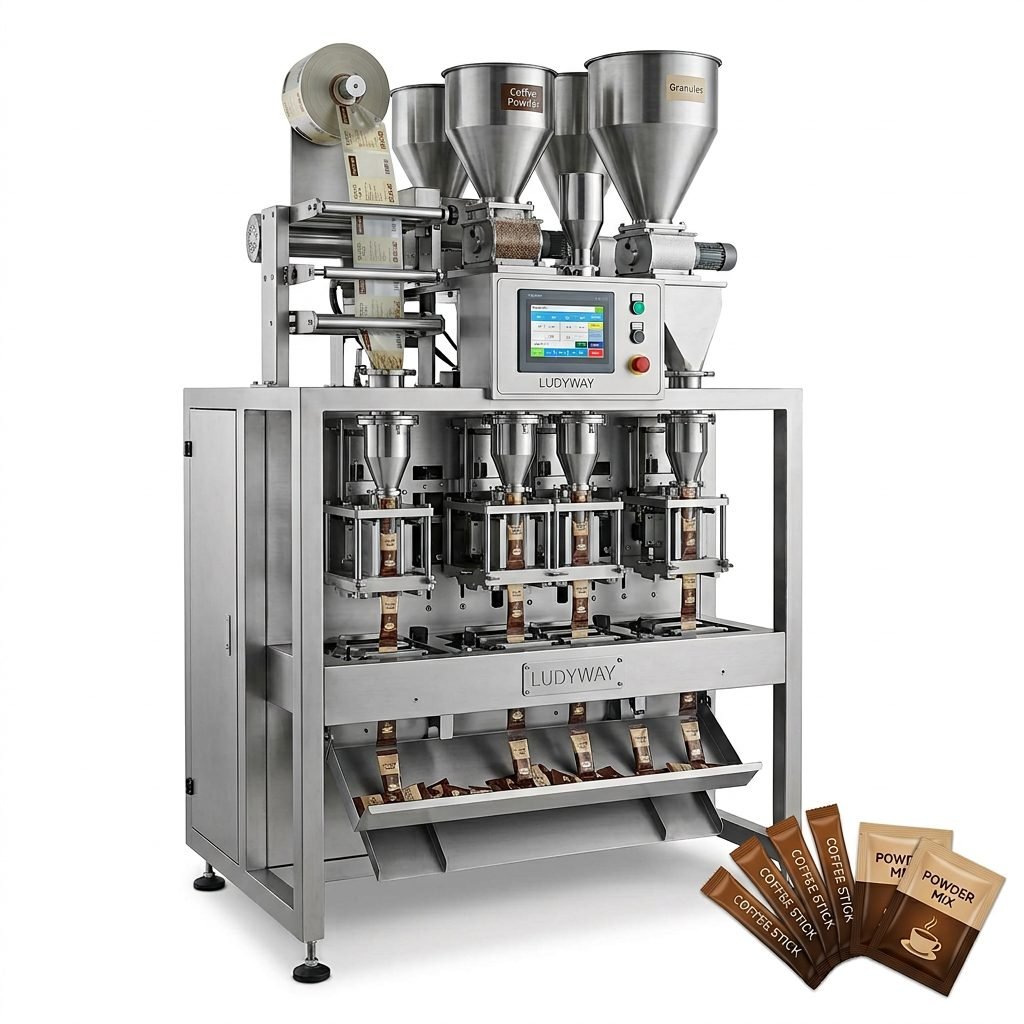
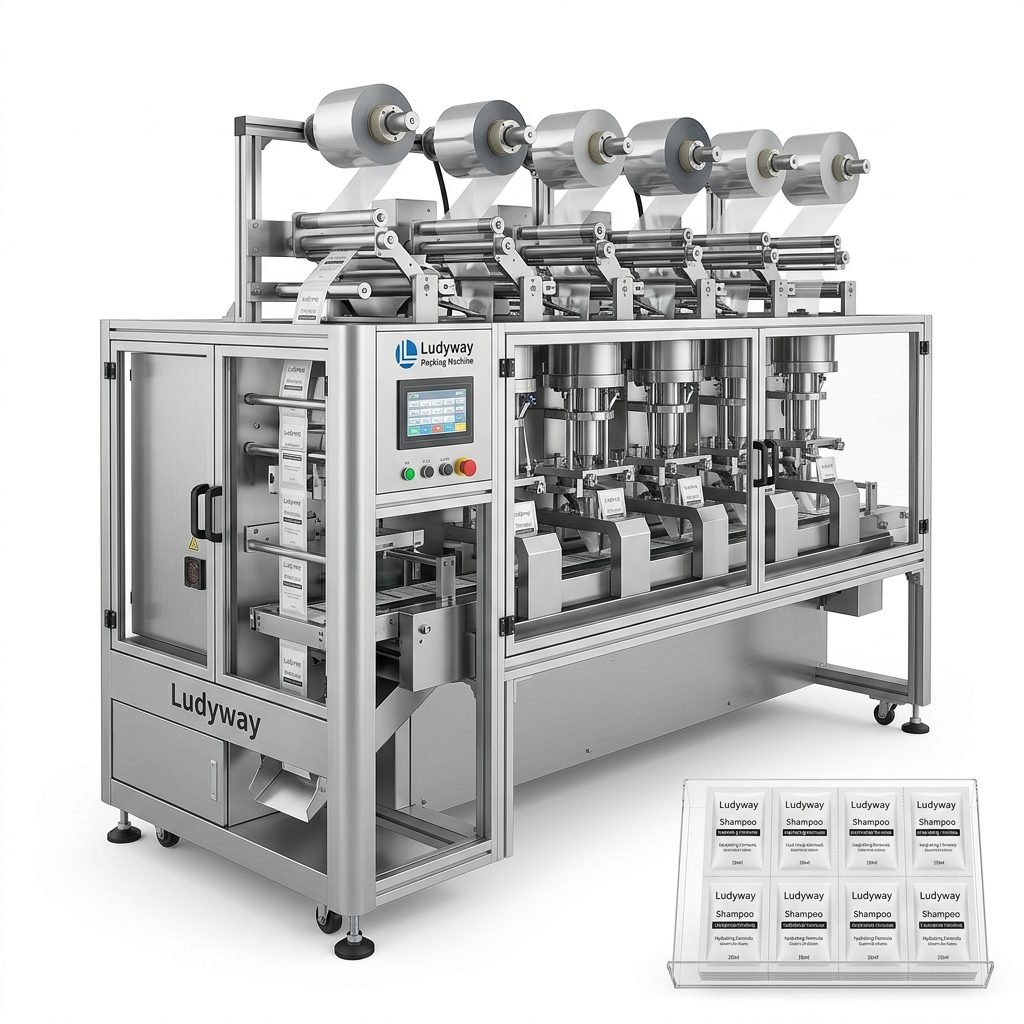
For companies like Ludyway Machinery, which offers over 50 intelligent packaging models, this flexibility is built into solutions such as their multi-lane stick pack and sachet systems. This adaptability minimizes production stoppages, allows for smaller, more economical batch runs, and enables manufacturers to respond swiftly to market trends.
Sustainability: A Core Operational Imperative
Sustainability is no longer just a marketing claim; it’s an efficiency driver. Innovations in packaging machinery are directly supporting the use of sustainable materials. Machines are now engineered to handle thinner, recyclable, or compostable films and monomaterials with high precision and reliability, reducing material waste and consumption.
Key Efficiency Gains from Sustainable Design:
✔ Energy-efficient servo motors and smart power management systems reduce the carbon footprint and operational costs.
✔ Advanced sealing technologies ensure perfect seals with less energy and material.
✔ Precision dosing systems minimize product giveaway, saving raw materials and reducing waste.
This focus on sustainable operation aligns with global environmental standards and consumer expectations, while also lowering long-term operational expenses.
Advanced Robotics and Cobots Integration
The deployment of robotics in packaging has moved beyond simple pick-and-place. Today, sophisticated vision-guided robots handle complex tasks like precision loading, intricate secondary packaging, and final palletizing. Collaborative robots (cobots) are becoming particularly significant, as they can work safely alongside human operators without extensive safety caging.
This collaboration enhances line efficiency by automating repetitive, ergonomically challenging tasks, allowing human workers to focus on quality control, supervision, and more value-added activities. The flexibility of cobots also makes automation accessible for medium-scale operations, offering a faster path to efficiency gains.
Artificial Intelligence and Machine Vision for Uncompromising Quality
Artificial Intelligence (AI) and advanced machine vision are setting new standards for quality control. AI algorithms can analyze images from high-speed cameras to detect defects—such as incorrect labeling, seal imperfections, or product misplacement—with superhuman accuracy and consistency.
These systems learn and improve over time, reducing false rejects and ensuring that only perfect products leave the factory. This not only safeguards brand reputation but also eliminates the cost associated with waste, recalls, and manual inspection. Integrating such intelligent quality assurance is a hallmark of a modern, high-ROI packaging line.
Data Analytics for Strategic Decision-Making
The true power of connected machinery is unlocked through data analytics. Centralized dashboards provide plant managers with actionable insights into production efficiency, material usage, and machine performance across multiple lines or even global facilities.
This data-driven approach enables strategic decisions for capacity planning, identifying persistent bottlenecks, and optimizing overall production workflows. Companies can move from reactive problem-solving to proactive optimization, ensuring every investment in machinery delivers maximum throughput and profitability.
Embracing Turnkey and Customized Solutions
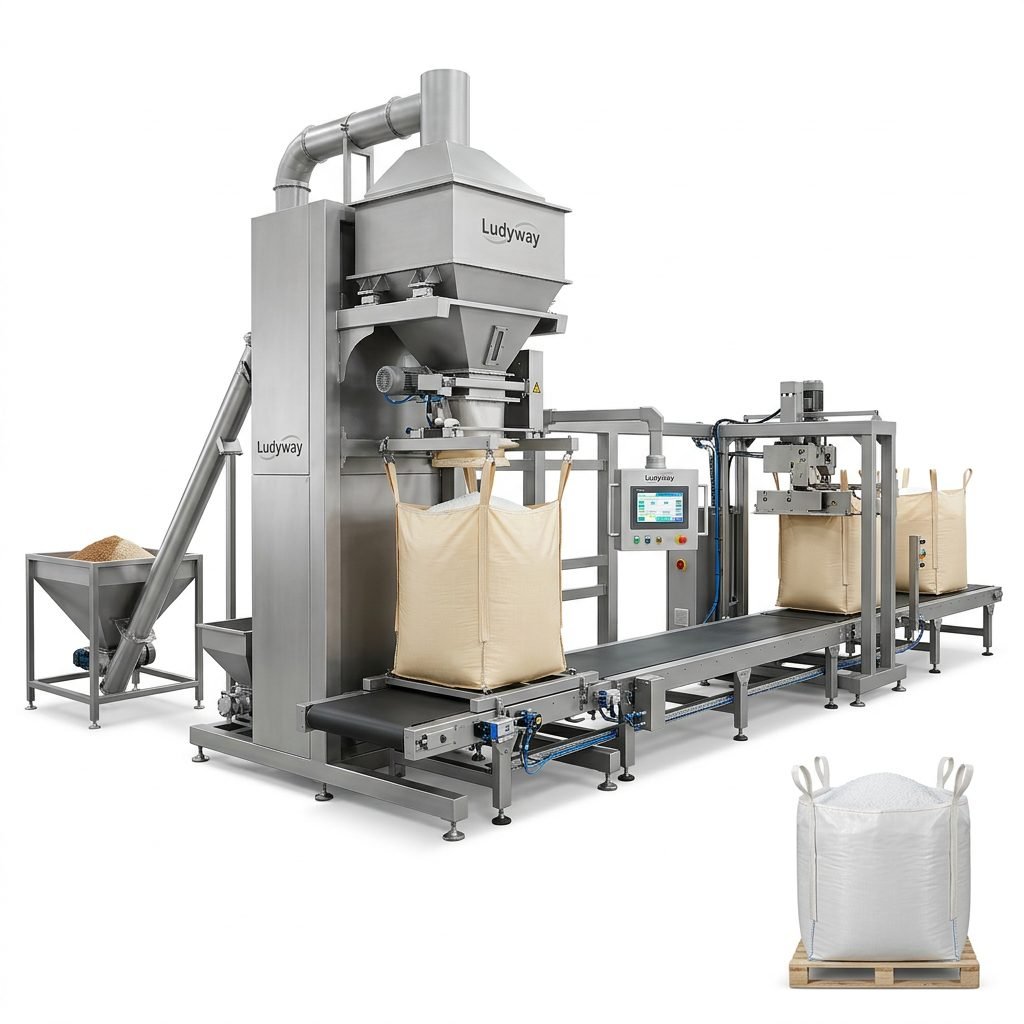
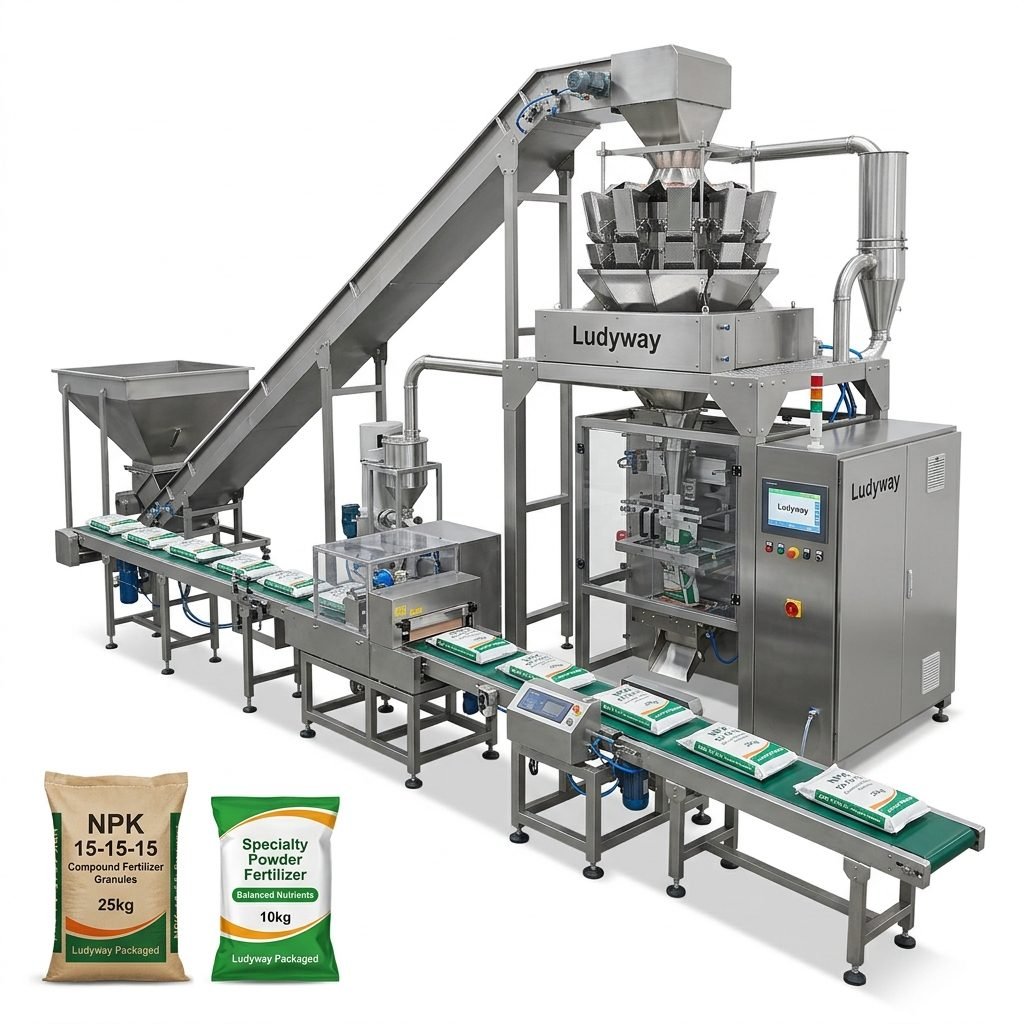
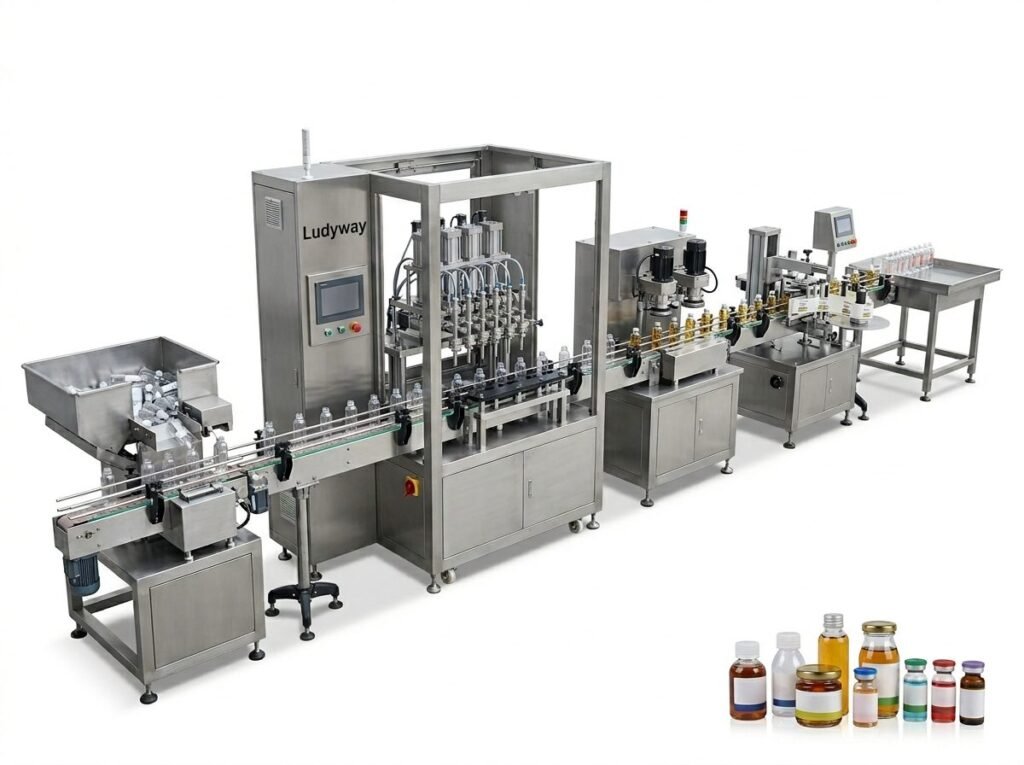
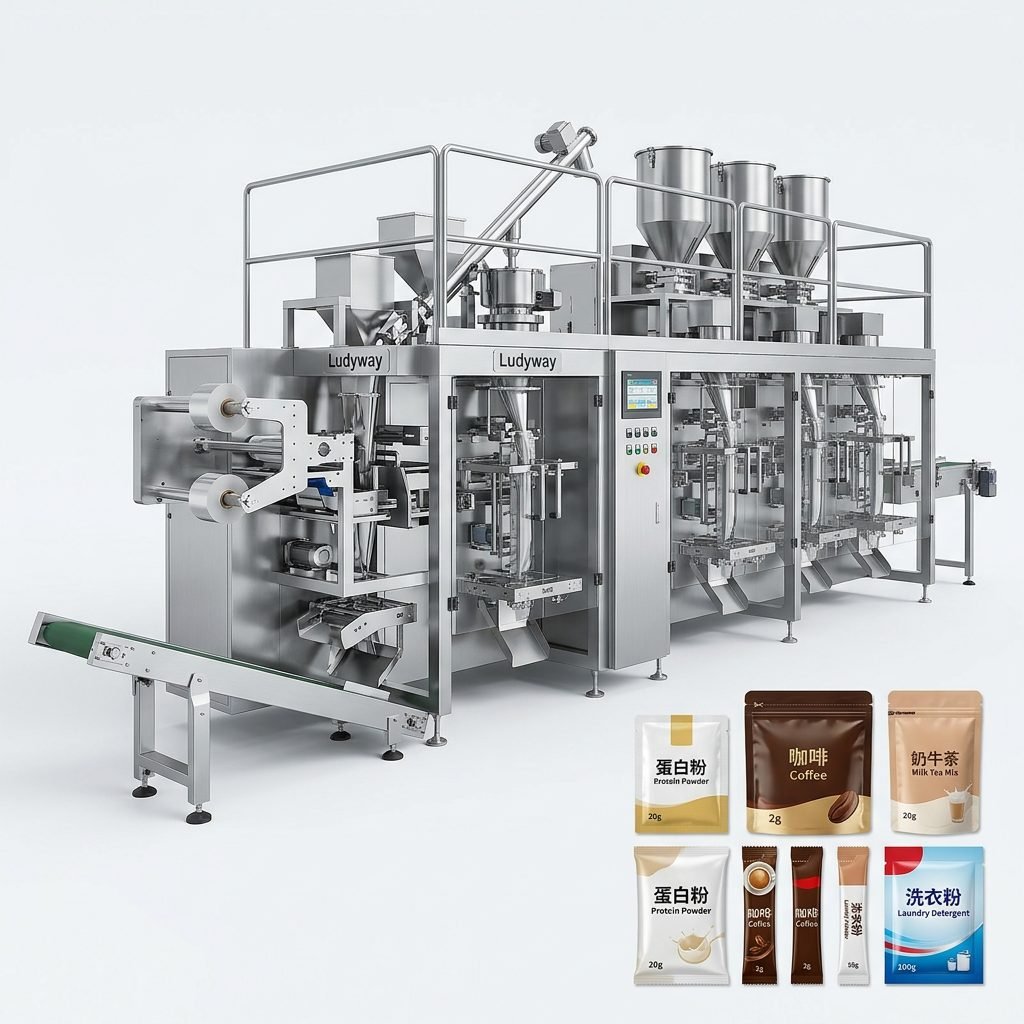
The complexity of modern packaging has led to a growing demand for complete, turnkey solutions. Partners like Ludyway provide more than just a machine; they deliver integrated production lines tailored to specific products—be it granules, powders, or liquids. With over 30 years of collective industry experience, such providers ensure all components, from feeding and weighing to packaging and cartoning, work in seamless harmony.
This holistic approach reduces integration headaches for the manufacturer, accelerates time-to-market for new products, and guarantees the line is optimized for the highest possible efficiency from day one. It represents a strategic partnership focused on long-term operational success.
Conclusion: Building the Future of Packaging
The trends transforming the packaging machinery industry are interconnected, all pointing toward a future of intelligent, flexible, and sustainable production. Investing in innovations like IIoT connectivity, AI-driven quality control, and flexible automation is no longer optional for manufacturers aiming to stay competitive. These technologies are proven pathways to achieving higher efficiency, reducing total cost of ownership, and securing a strong return on investment.
For businesses looking to navigate this transformation, partnering with an experienced provider that understands both the technology and the practical demands of global production is crucial. It’s about choosing a partner committed to innovation and tailored solutions for a more efficient and profitable future.
Frequently Asked Questions (FAQs)
Q: How do IIoT-connected packaging machines actually improve ROI?
A: They improve ROI primarily through predictive maintenance (avoiding costly downtime), optimizing energy and material consumption, and providing data to increase overall line efficiency and throughput.
Q: Are sustainable packaging materials harder for machines to handle?
A: Some advanced recyclable or compostable films can be more challenging. However, modern machinery from leading packaging equipment suppliers is specifically designed with enhanced sealing controls and film handling systems to run these materials reliably at high speeds.
Q: What is the main benefit of a turnkey packaging solution versus buying individual machines?
A: A turnkey solution ensures full line compatibility, reduces integration risk and time, and is performance-guaranteed as a complete system. This leads to faster commissioning and a quicker path to stable, high-efficiency production.
Q: Can small to medium-sized enterprises (SMEs) benefit from these advanced trends like AI and robotics?
A: Absolutely. Modular and scalable technologies, such as collaborative robots (cobots) and cloud-based IIoT platforms, are making advanced automation more accessible and affordable for SMEs, allowing them to automate key tasks and boost competitiveness.