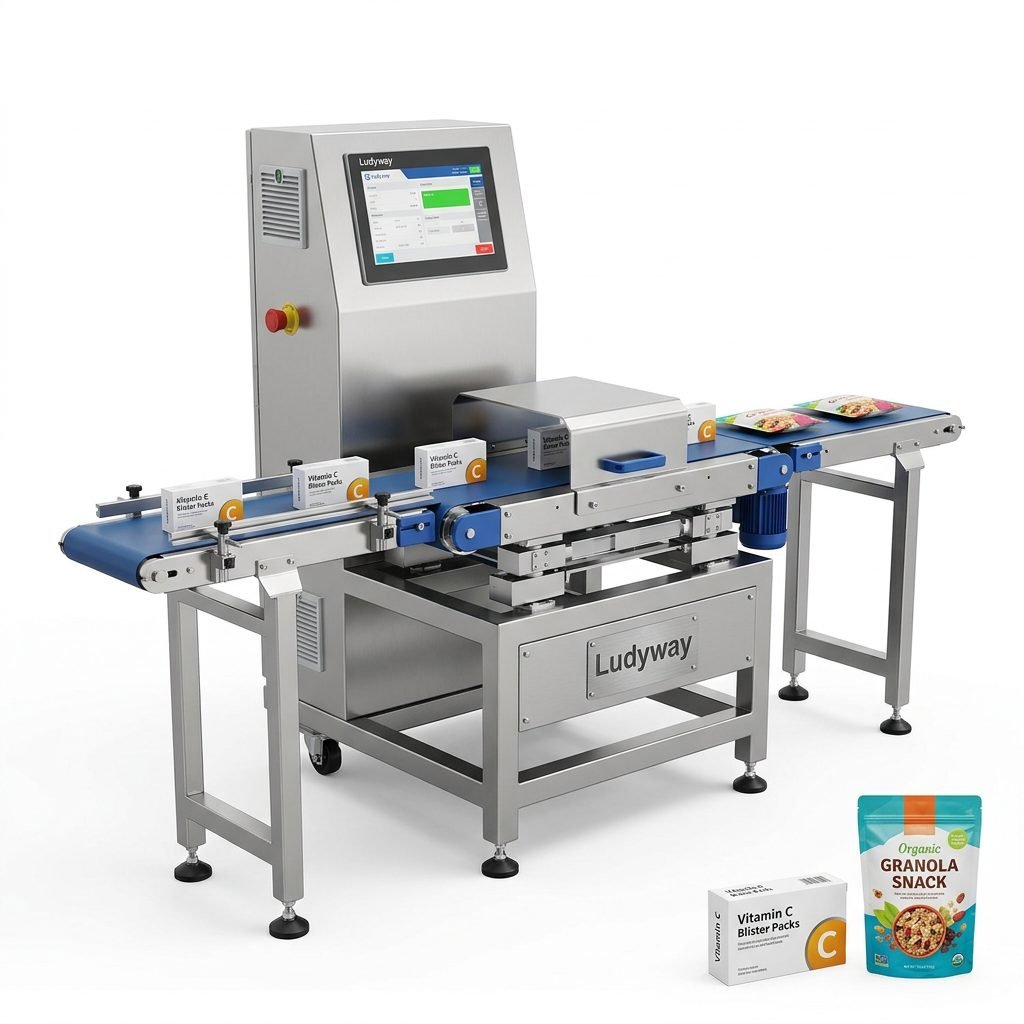
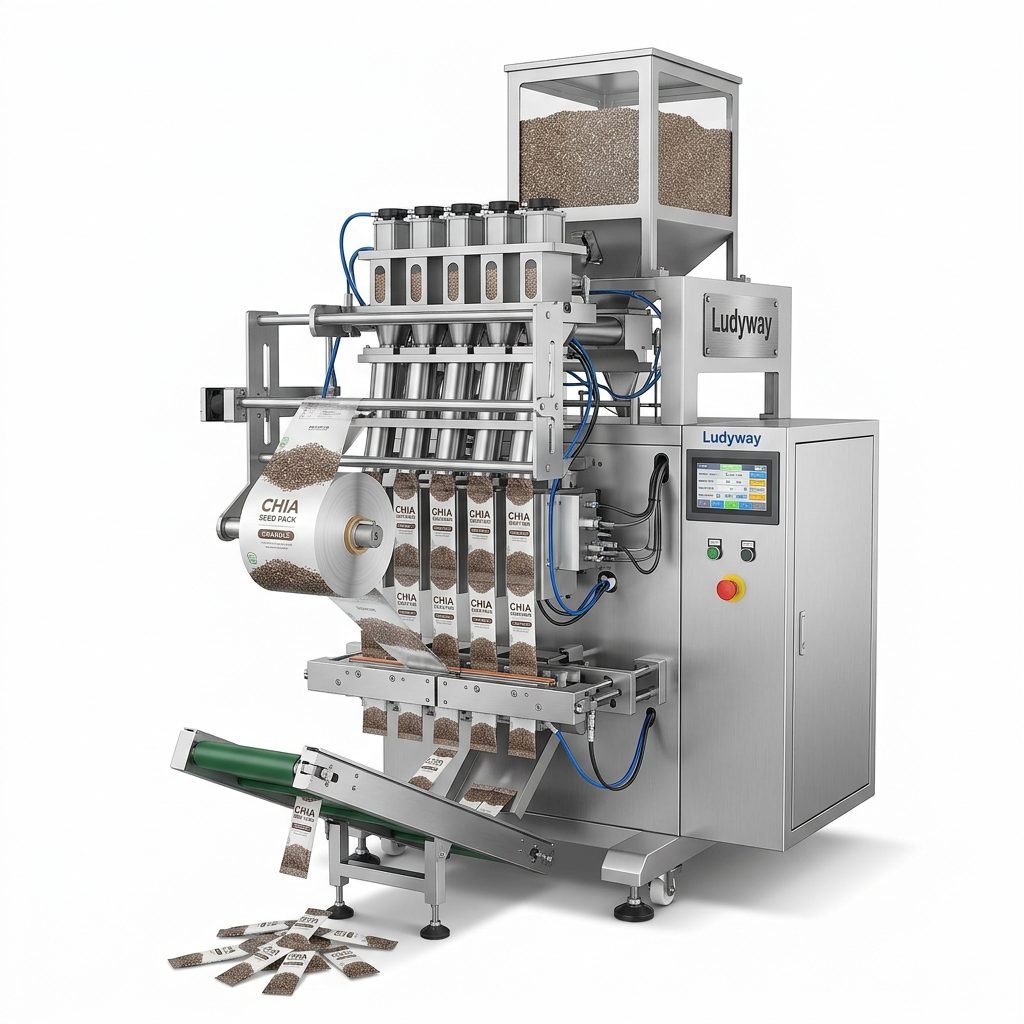
Selecting the right packaging equipment supplier is a critical decision that directly impacts your production efficiency, product quality, and long-term operational costs. It’s about more than just buying a machine; it’s about forming a strategic partnership with a company that understands your goals and can support your growth. With numerous suppliers in the market, from global giants to specialized innovators, knowing how to evaluate and choose the best partner for your specific needs is essential.
Key Factors to Consider When Choosing a Supplier
Before diving into specific supplier evaluations, it’s crucial to define your own requirements. What are your production volume, speed, and flexibility needs? What types of products are you packaging—granules, powders, liquids, or solids? Answering these questions will form the foundation of your search.
1. Technical Expertise and Product Range
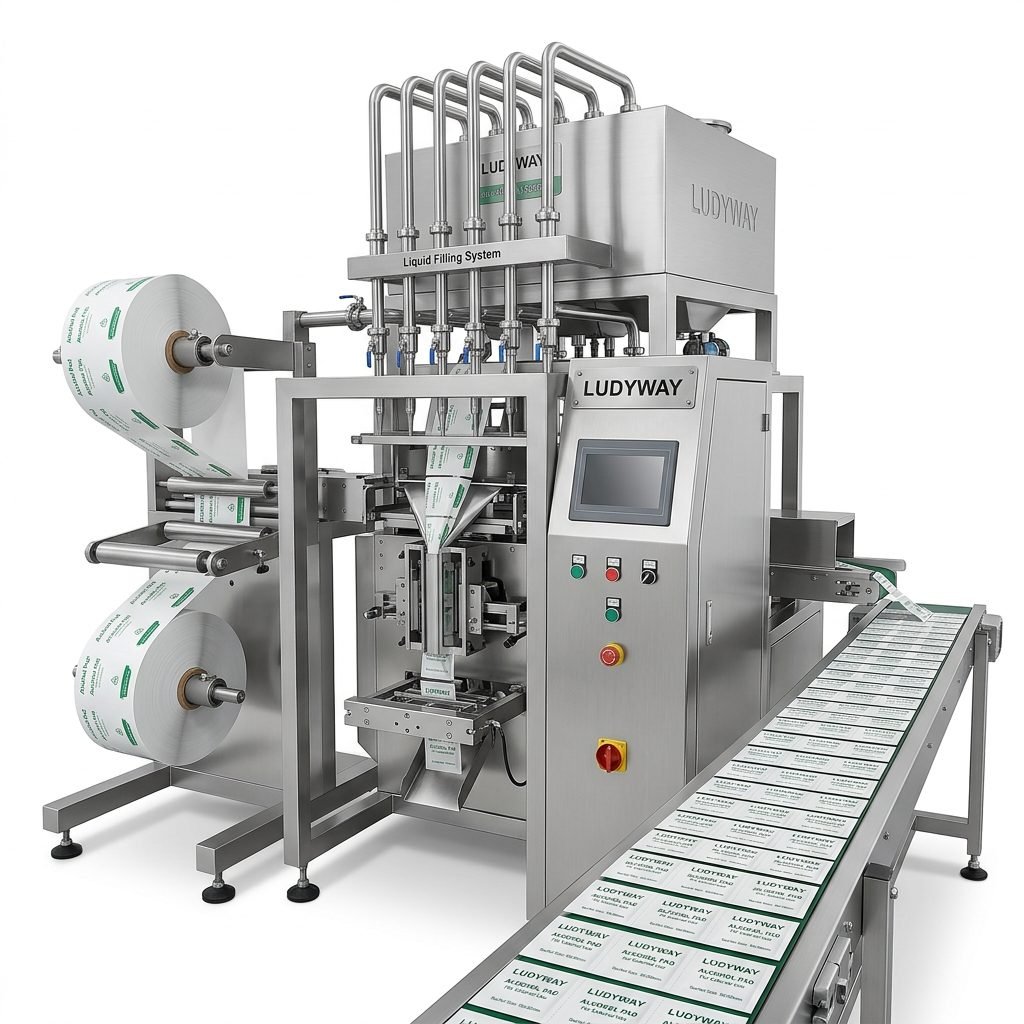
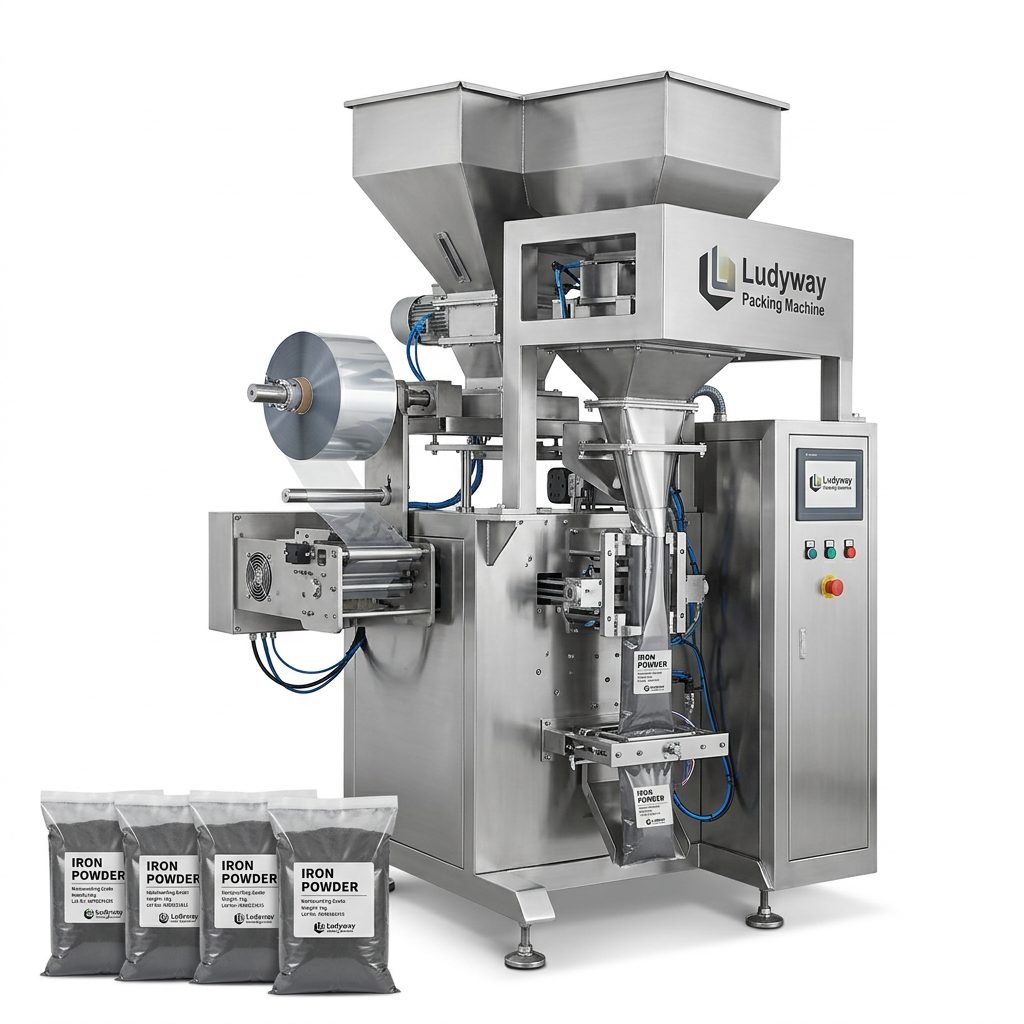
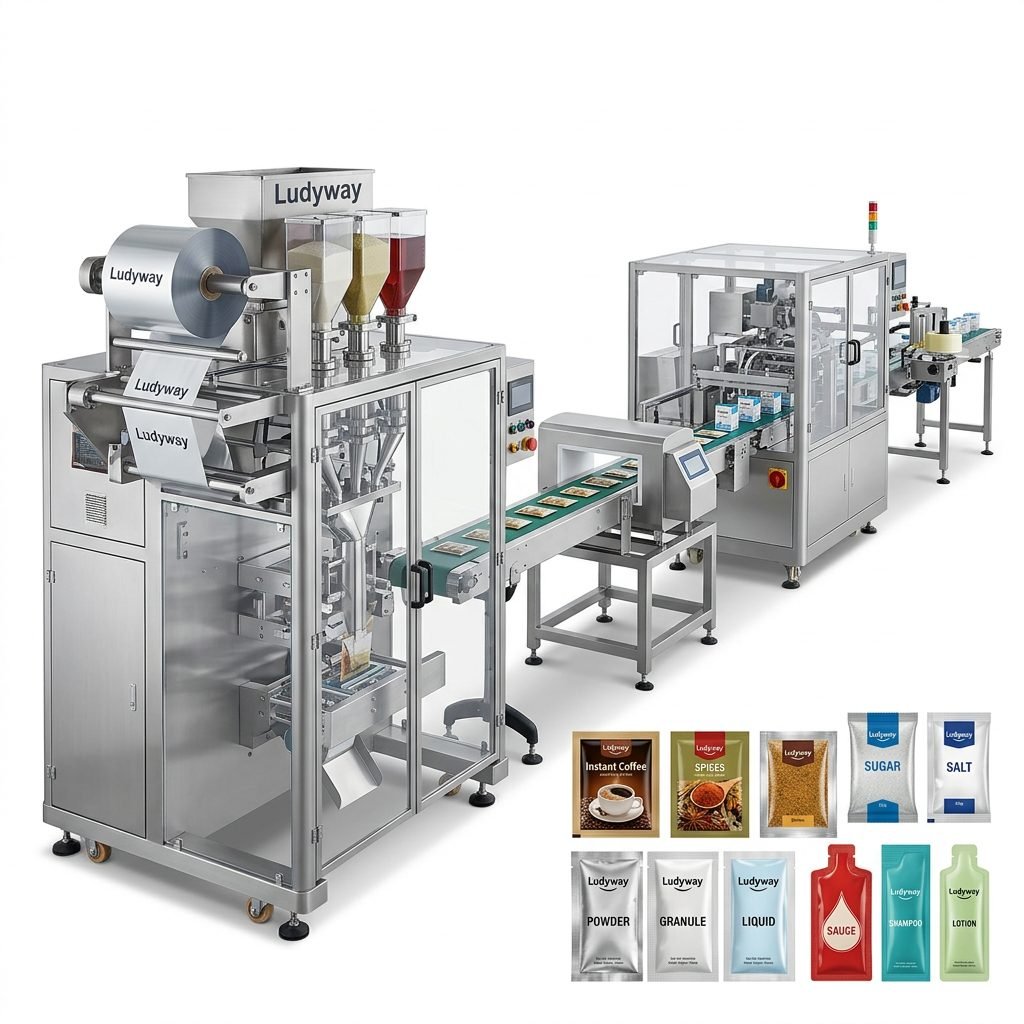
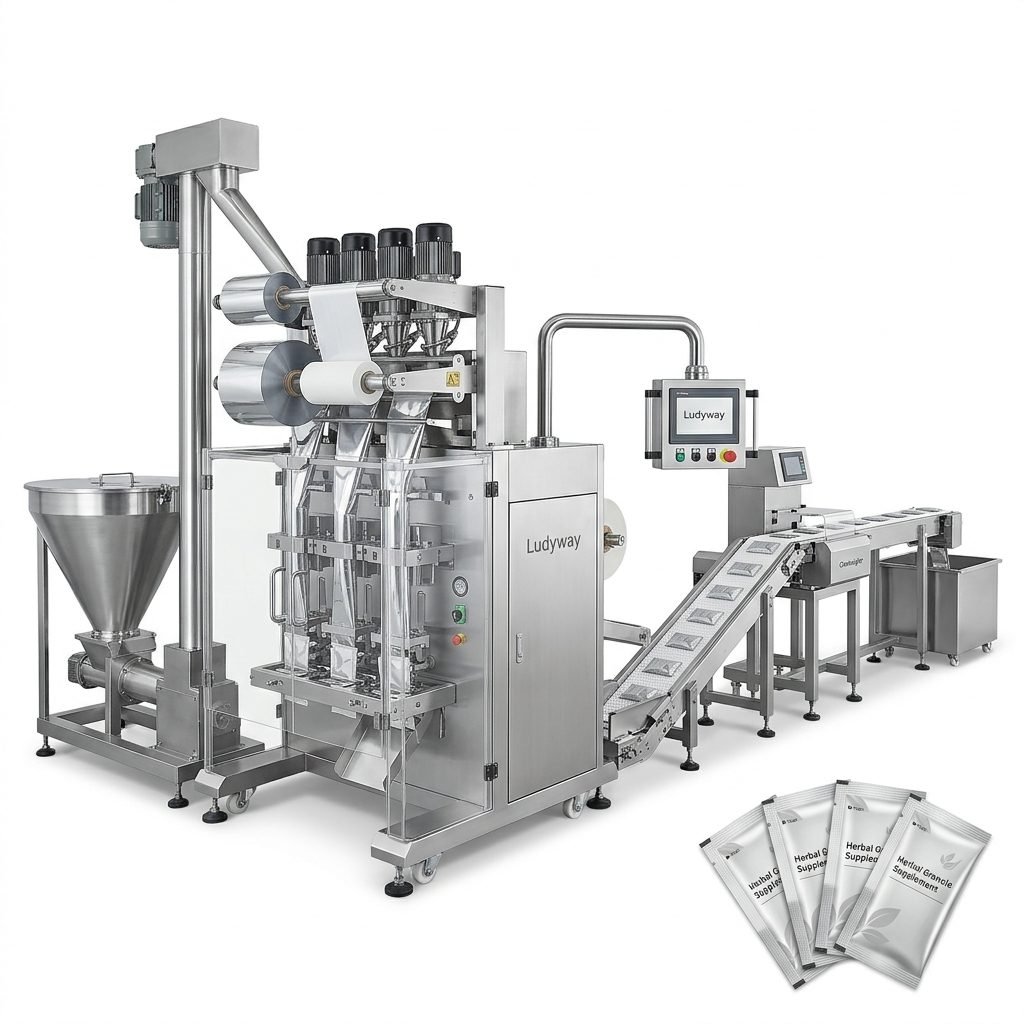
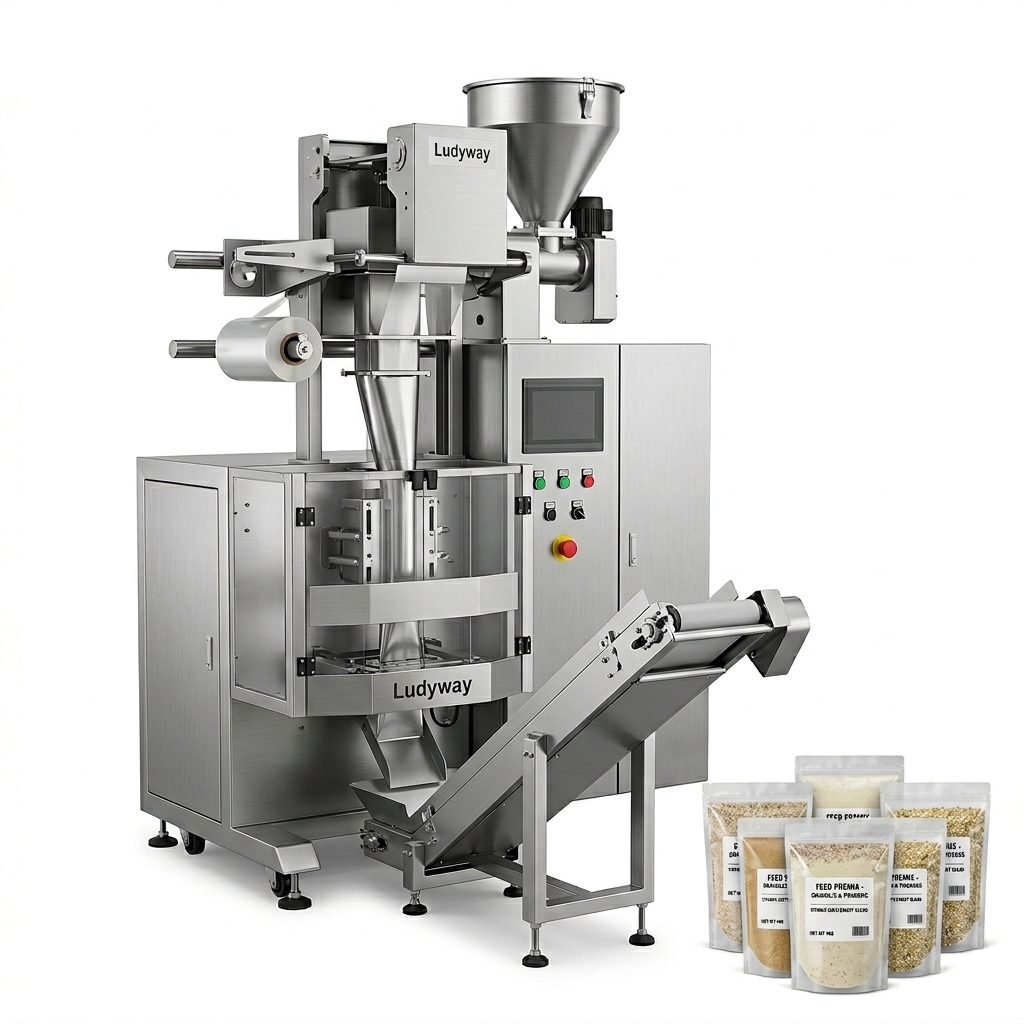
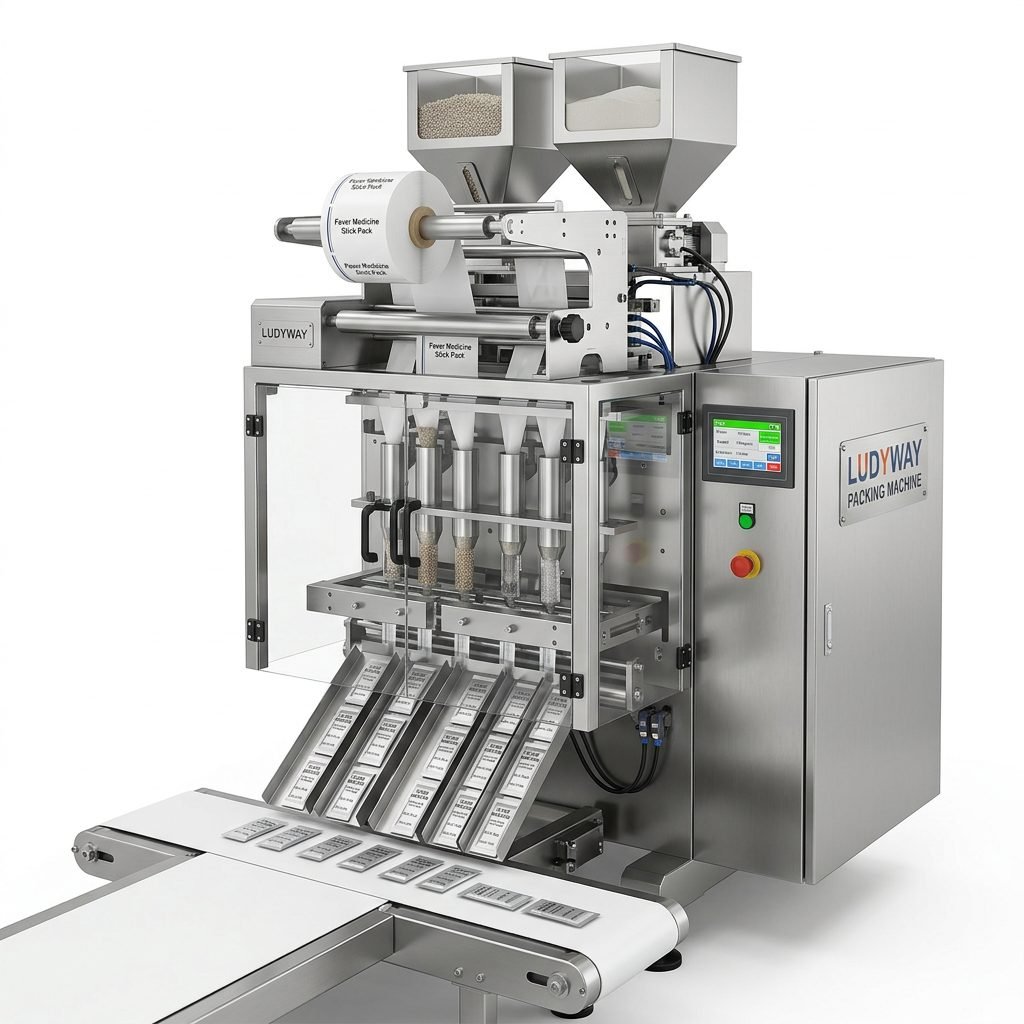
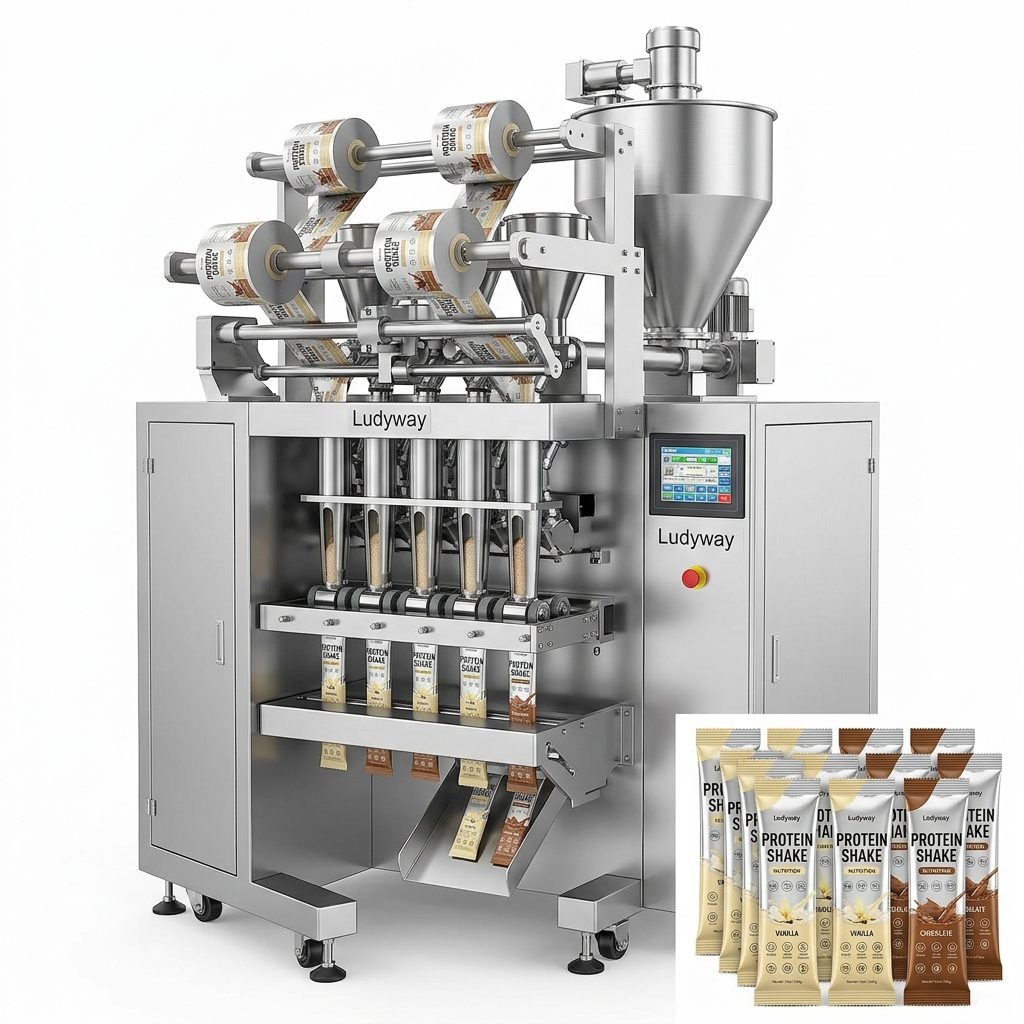
A supplier’s technical depth is paramount. Look for a partner with a strong engineering background and a diverse portfolio. For instance, Ludyway Packing Machine offers over 50 intelligent packaging machine models, including multi-lane stick pack and sachet systems, showcasing specialization in granule, powder, and liquid applications. This breadth often indicates an ability to provide tailored solutions rather than just off-the-shelf products.
2. Manufacturing Capability and Quality Control
The quality of the machinery is directly tied to the supplier’s manufacturing infrastructure. A modern production facility with stringent quality control processes is non-negotiable. Consider suppliers who operate from substantial facilities—like a 20,000㎡ manufacturing plant—as this scale often correlates with better production consistency, reliability, and the capacity to handle large or complex orders.
3. Industry Experience and Proven Track Record
Experience is a reliable indicator of stability and knowledge. A supplier with decades of industry experience has likely navigated various market challenges and understands the evolving needs of sectors like food, pharmaceuticals, and health products. Review their company history and client case studies. A track record of serving customers worldwide suggests adaptability and a robust support framework.
4. After-Sales Support and Service Network
Your relationship with the supplier begins after the machine is installed. Comprehensive after-sales support—including installation, operator training, maintenance, and readily available spare parts—is critical. Inquire about their service response time and the availability of technical support in your region. A supplier committed to long-term cooperation will view service as a core part of their offering.
5. Commitment to Partnership and Customization
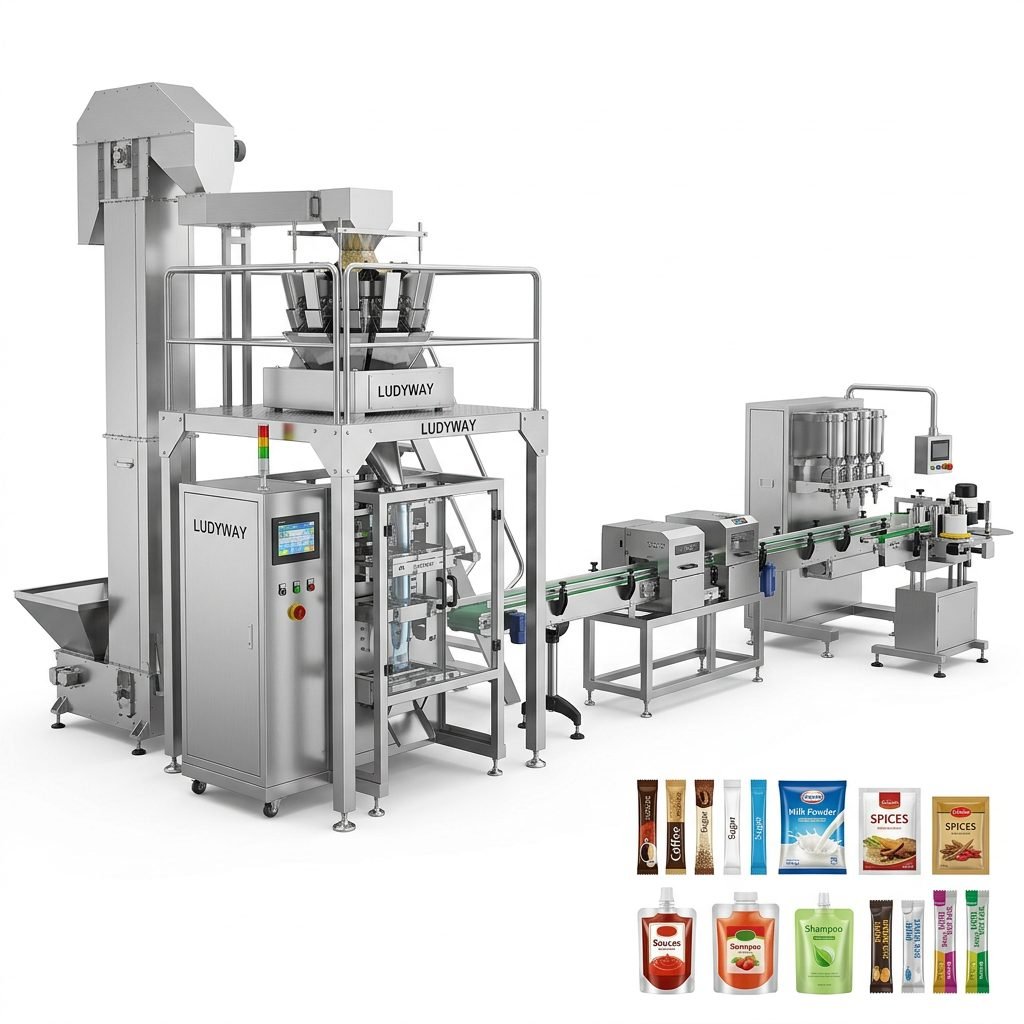
The best suppliers act as true partners. They take the time to understand your production line holistically and can provide complete turnkey production solutions. This partnership approach ensures the equipment integrates seamlessly into your operations. Look for evidence of customized solutions in their portfolio, demonstrating flexibility and a client-centric mindset.
The Value of a Specialized Partner
While generalist suppliers have their place, partnering with a specialist in your specific packaging format (e.g., stick packs, sachets) can offer significant advantages. Specialists typically possess deeper application knowledge, can anticipate common challenges, and provide more efficient, problem-solving equipment. They are often at the forefront of innovation for that particular niche.
Checklist for Your Final Decision
- ✅ Does the supplier have verifiable experience in my industry?
- ✅ Can they provide references from similar projects?
- ✅ Is the machinery compliant with relevant safety and quality standards (e.g., CE, FDA guidelines)?
- ✅ What is the total cost of ownership, including energy consumption and maintenance?
- ✅ How scalable is the solution for future production increases?
Implementing Your New Packaging Line
Once you’ve selected your partner, successful implementation is key. A reliable supplier will manage the process from factory acceptance testing and shipping to installation and commissioning. They should provide thorough training for your team and be available for the initial production runs to ensure everything operates smoothly. This phase solidifies the partnership and sets the stage for a productive future.
Choosing the right packaging equipment supplier is a strategic investment. By prioritizing technical expertise, manufacturing quality, proven experience, and unwavering support, you secure more than just machinery—you gain a collaborative partner dedicated to optimizing your production line’s performance and reliability for years to come.
Frequently Asked Questions (FAQs)
1. What is the most important factor when choosing a packaging machine supplier?
While all factors are interconnected, technical expertise and reliable after-sales support are often the most critical. A machine is only as good as the team that backs it up. Long-term operational success depends on accessible service, training, and spare parts availability.
2. How can I verify a supplier’s industry experience?
Request detailed case studies or client references from projects similar to yours. Examine their company history—a supplier with a story of steady growth and focus, like one founded in 2010 with a clear vision for automated solutions, often has deep, practical experience. Also, check for certifications and long-term partnerships with industry associations.
3. Should I choose a local supplier or an international one?
This depends on your needs. International suppliers often offer more advanced technology and competitive pricing, while local suppliers may provide faster on-site service. Many top suppliers, like Ludyway, successfully blend global reach with localized support networks to serve customers worldwide effectively.
4. What does a “turnkey production solution” include?
A turnkey solution means the supplier handles everything from design and machinery supply to installation, commissioning, and training. It’s a single-point responsibility project that delivers a fully operational production line, ready for you to “turn the key” and start production, minimizing hassle and integration risks for you.
5. How do I budget for a new packaging line beyond the machine cost?
Consider the Total Cost of Ownership (TCO). This includes the initial purchase price, installation costs, ongoing maintenance, spare parts, energy consumption, and potential costs for future upgrades or scalability. A reputable supplier will help you understand this full financial picture upfront.