The Asian dairy industry is undergoing a massive transformation. With rising disposable incomes and a growing demand for convenient, hygienic dairy products, manufacturers are investing heavily in automation. At the heart of this revolution is the milk packaging machine. Whether you are packing liquid milk, powdered milk, or condensed milk, choosing the right equipment dictates your production efficiency, shelf life, and ultimately, your bottom line.
Selecting a system in Asia differs significantly from other regions. You need to balance local climate challenges, specific packaging material trends, and the high-speed demands of markets like India, China, and Southeast Asia. This guide walks you through the technical and strategic considerations for purchasing a milk packaging machine tailored to the Asian landscape.
Understanding the Asian Milk Packaging Landscape
Asia is not a monolith. The packaging requirements for liquid milk in Japan differ vastly from the powdered milk sachets popular in rural India. Before investing, you must define your segment.
- Liquid Milk (Pasteurized, UHT, Flavored): Dominates urban centers. Requires aseptic filling or high-speed multi-lane sachet sealing to extend shelf life without cold chains.
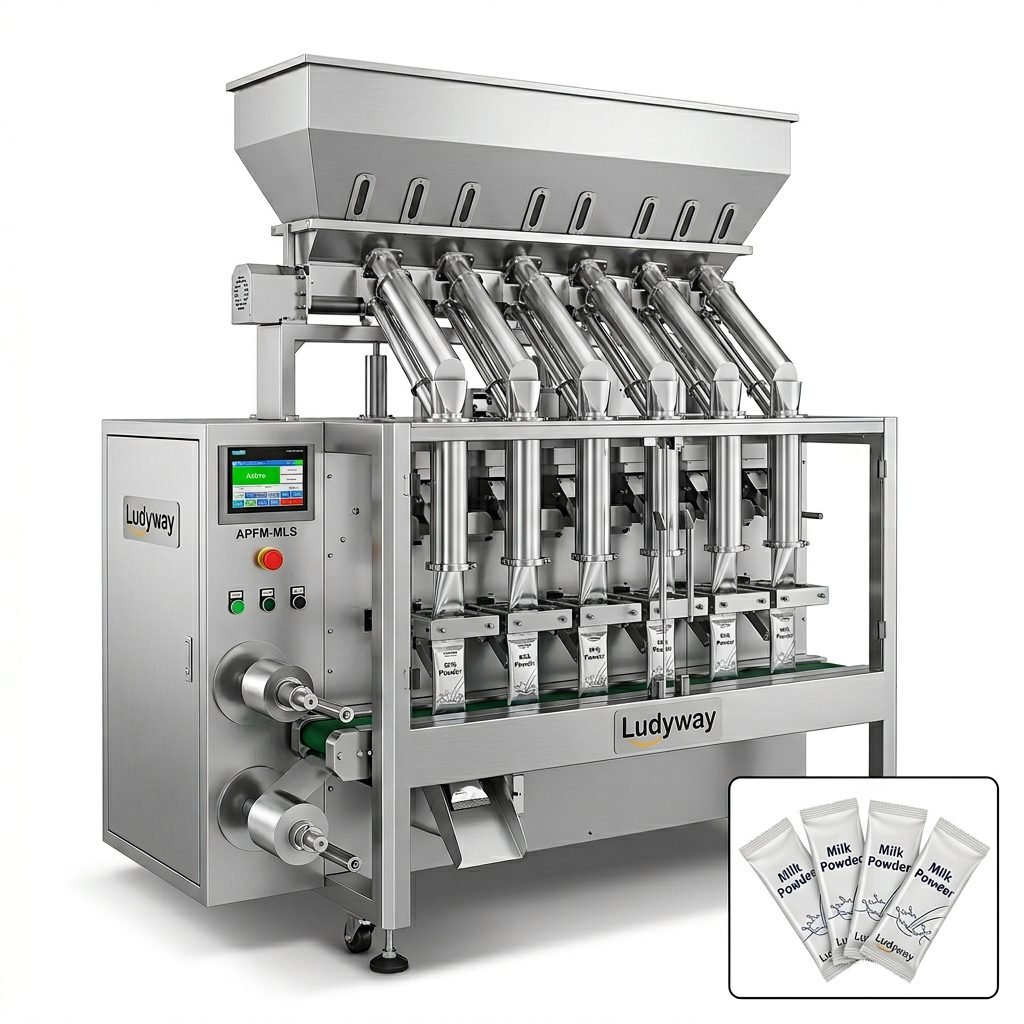
- Powdered Milk & Dairy Whitener: The backbone of the Asian nutrition market. Packaging here focuses on moisture barrier protection and precise filling for multi-lane stick pack systems.
- Condensed & Evaporated Milk: Often packed in tubes or small dosage pouches, demanding high-viscosity liquid handling.
According to the PMMI State of the Industry Report, the shift toward flexible packaging in dairy continues to accelerate, driven by cost efficiency and portion control trends.
Key Factors: Liquid vs. Powder Milk Packaging
The machinery required for liquid milk versus powder milk is fundamentally different. A common mistake buyers make is opting for a generic machine that lacks the specialized engineering for dairy products.
1. Liquid Milk Filling & Sealing
When processing liquid milk, hygiene is paramount. Look for CIP (Clean-in-Place) compatibility and stainless steel 304 or 316 construction to prevent bacterial growth. For UHT milk, aseptic packaging machinery is non-negotiable.
2. Powdered Milk Dosing & Barrier Protection
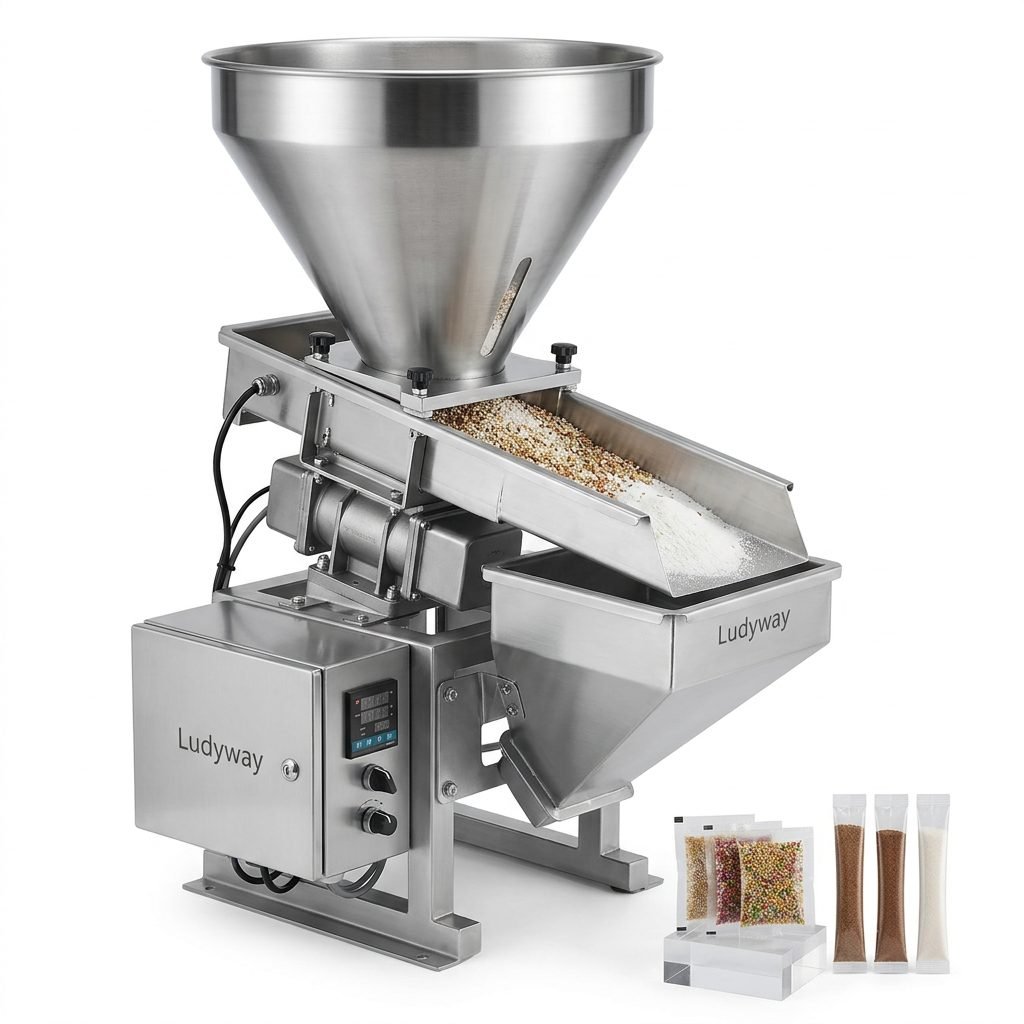
Milk powder is hygroscopic. It absorbs moisture from the air instantly, leading to clumping and spoilage. Therefore, your packaging machine must integrate a dry-running system and perhaps a nitrogen flushing unit to displace oxygen. Additionally, the filling mechanism—whether auger or volumetric cup—must handle the dusty nature of the powder without spilling, ensuring a clean seal area.
| Feature | Liquid Milk Equipment | Powdered Milk Equipment |
|---|---|---|
| Primary Chamber | Sanitary pumps / Gravity fill | Auger filler / Multi-head weigher |
| Critical Control | Bacteria levels / Sterile environment | Humidity / Dust extraction |
| Common Format | Pillow pouch, Gable top, Bottle | Multi-lane stick pack, Sachet |
Multi-Lane vs. Single-Lane Configurations
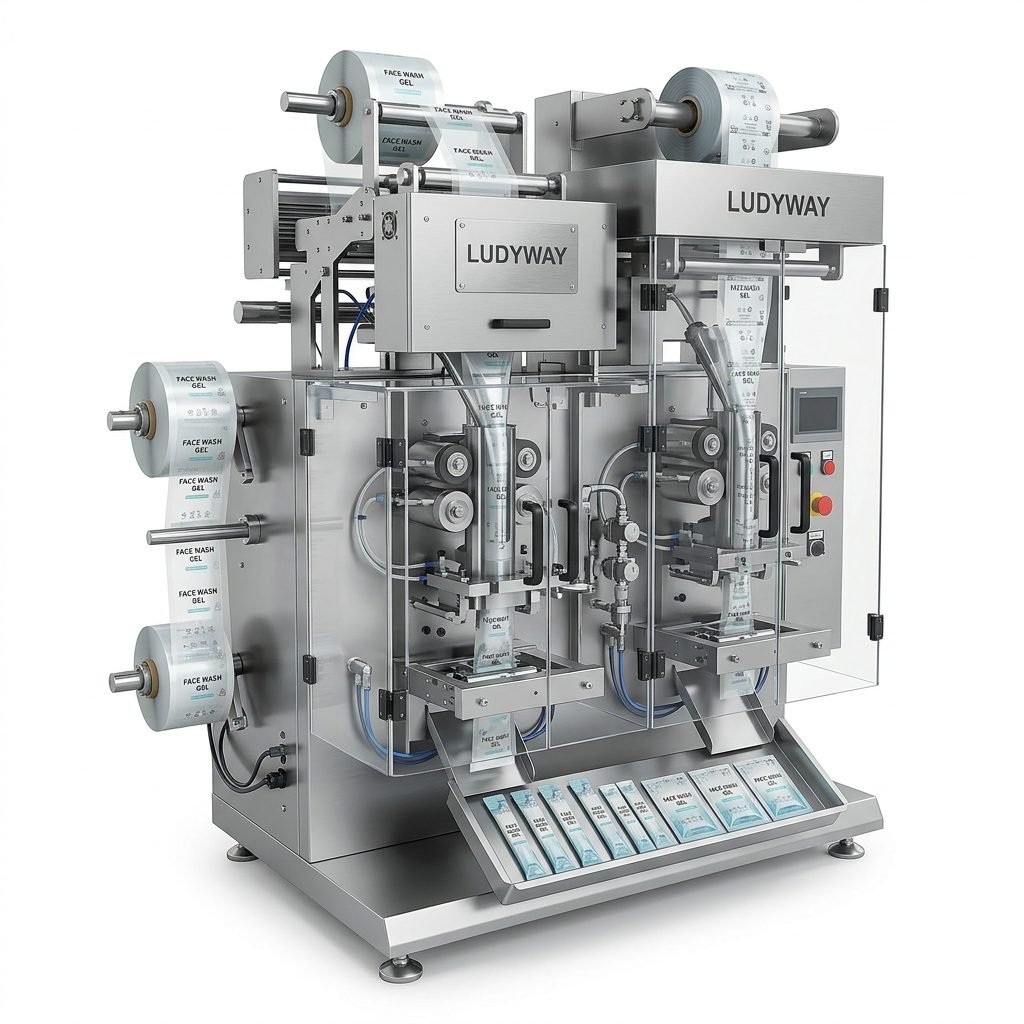
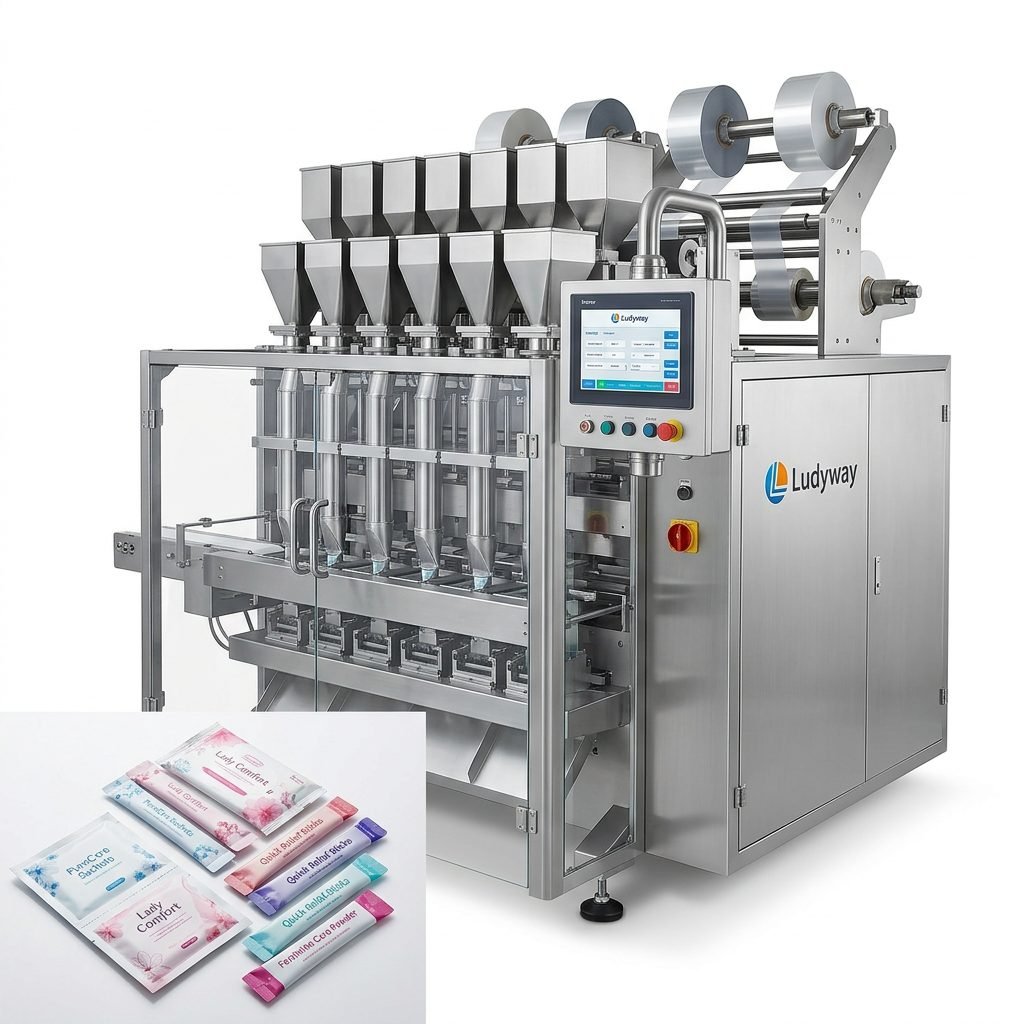
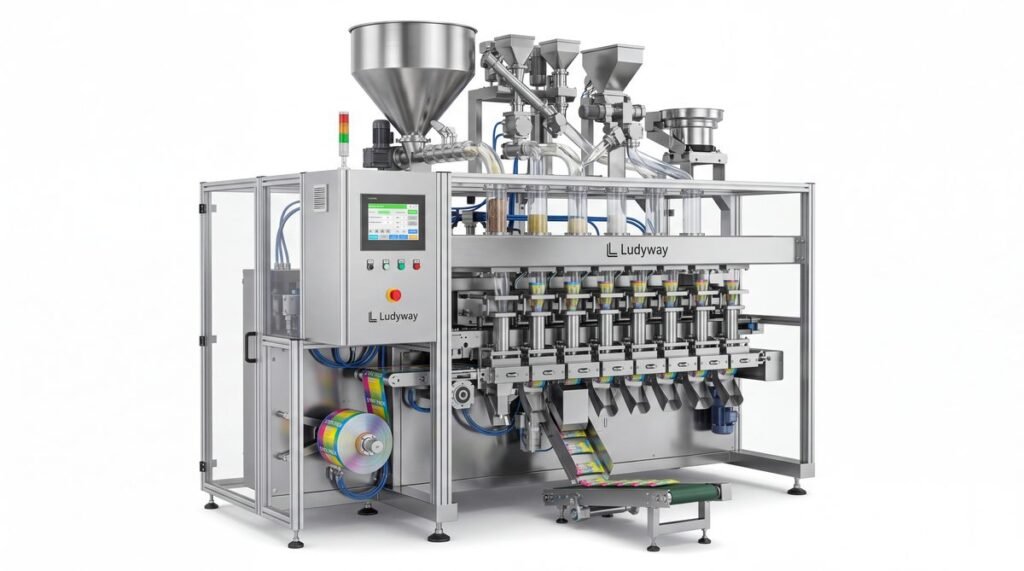
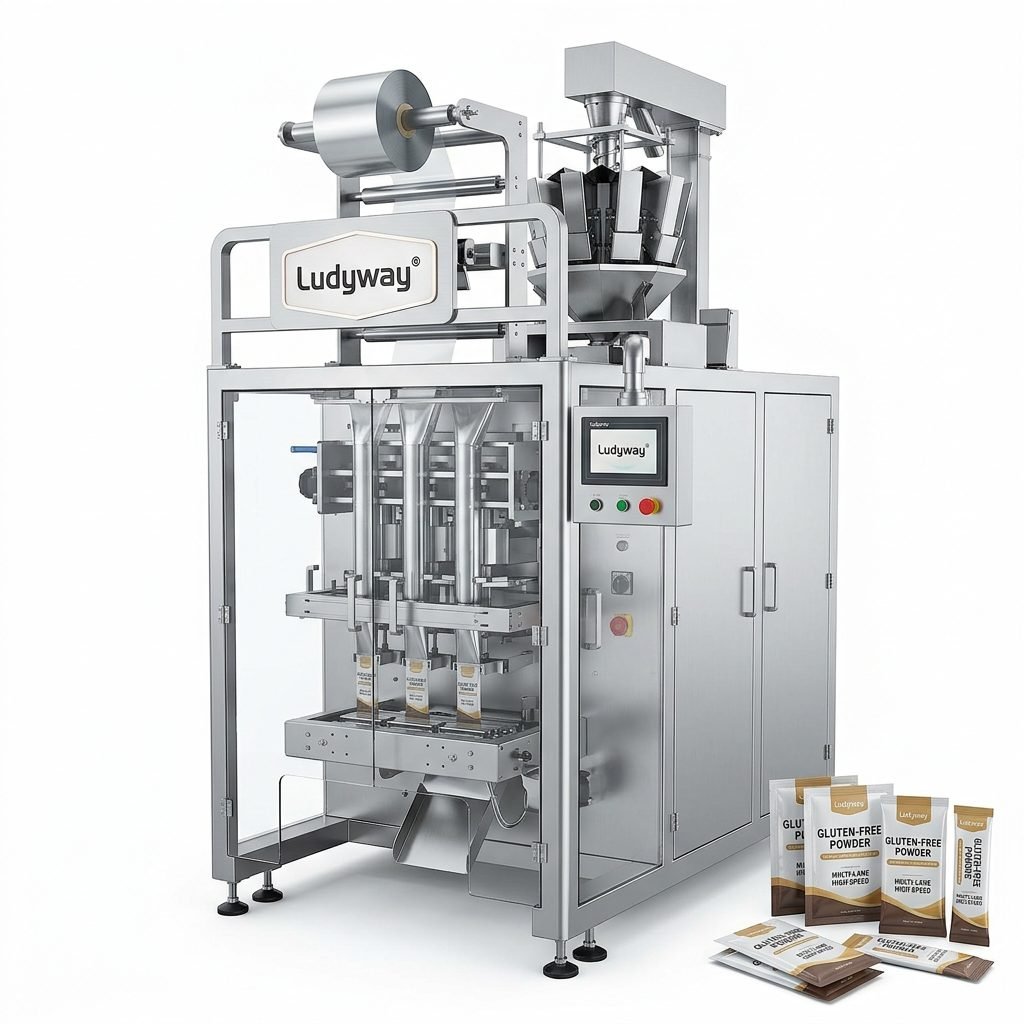
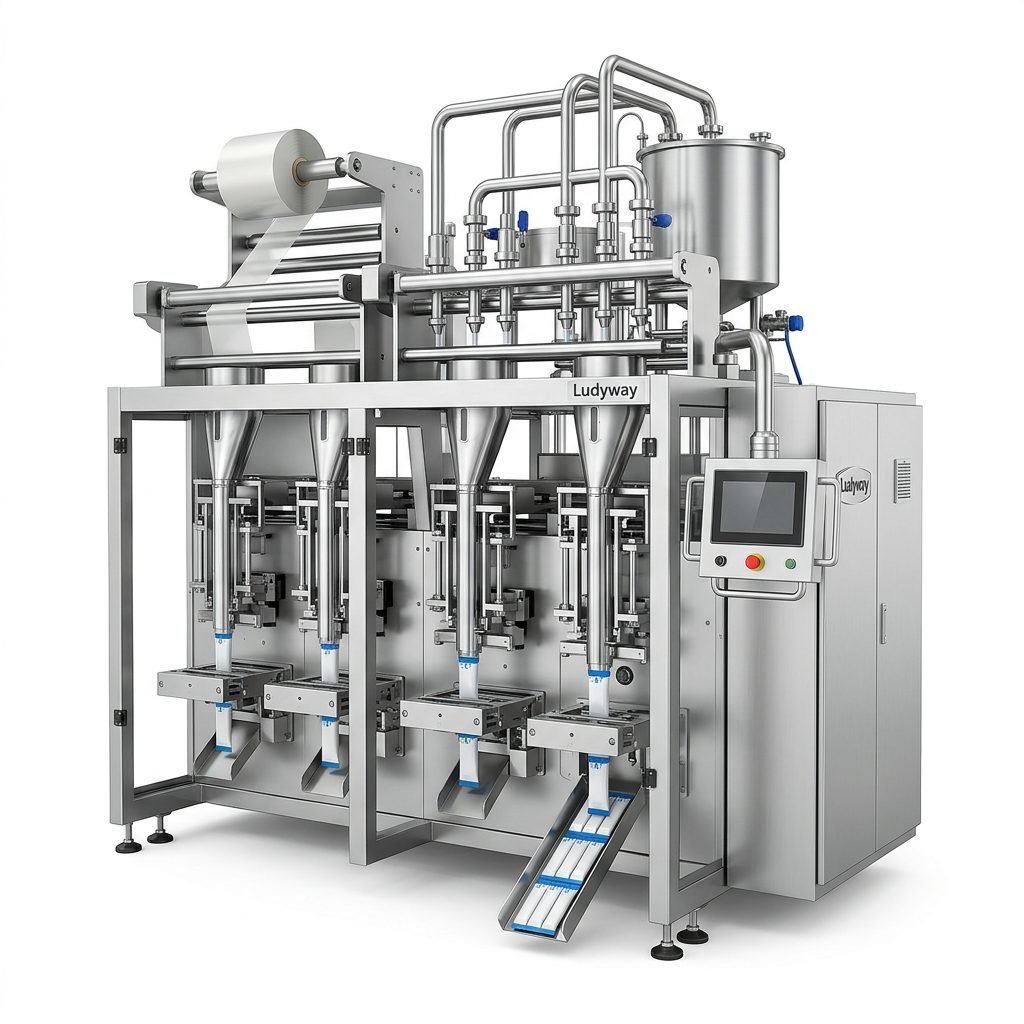
For producers aiming to capture market share in Asia’s competitive dairy sector, output is everything. Multi-lane milk powder stick pack machines are currently dominating the health and infant nutrition sectors in Asia.
Instead of filling one bag at a time, a multi-lane machine runs several tracks in parallel. A 4-lane or 10-lane machine can output exponentially more units per minute while maintaining precise gram weights. If you require high-output, high-speed stick pack production for dairy products, this configuration is essential.
Evaluating Compliance and Food Safety Standards
Asian regulatory frameworks are tightening. Exporting to markets like Japan, South Korea, or the EU requires strict adherence to food safety standards.
- Material Compatibility: Ensure the machine is certified for food contact. Check for FDA Food Contact Substance approval or EU regulations.
- ISO 11607: If you are producing sterile or terminally sterilized liquid milk pouches, your equipment must meet ISO 11607 standards for validation requirements.
- Regional Trends: The Flexible Packaging Association highlights a strong shift in Asia toward recyclable mono-materials. Your machine must be adaptable to heat-seal these new eco-friendly films.
Automation Features You Cannot Ignore
Manual labor was once the default in many Asian manufacturing hubs. Today, smart factories and Industry 4.0 concepts are reshaping the dairy sector. When evaluating a milk packaging machine, prioritize these automation modules:
- Servo-Driven Motors: Replace mechanical cams for precise bag length and film tension. This reduces film waste by up to 15%.
- HMI Touch Screens: Look for a user-friendly interface with recipe management. Operators should be able to switch between packing 15g and 25g milk powder sticks in seconds without mechanical tools.
- Automatic Checkweighing: Built-in checkweighers are critical for powdered milk to ensure compliance with local weight regulations.
Procurement Strategy: Working with Asian Manufacturers
Sourcing directly from Asian-based packaging machine manufacturers often offers the best value engineering. You get robust machines engineered for high-duty cycles at competitive price points.
One of the established leaders in this space is Ludyway, a major packaging machine manufacturer in China. With over 30 years of industry expertise and a 20,000㎡ modern production facility, they specialize in advanced packaging equipment for granule, powder, and liquid applications. Their range covers more than 50 intelligent models, including the multi-lane stick pack systems widely used in the Asian dairy powder market. When vetting a supplier, ensure they can provide references for similar dairy installations and offer strong local after-sales support in your region.

Total Cost of Ownership (TCO)
Purchase price is just the entry ticket. Smart buyers calculate the total cost of ownership over 5-10 years. A seemingly cheap machine can drain profits through spare parts costs, electricity, and downtime, especially in humid Asian climates.
| Cost Factor | Consideration |
|---|---|
| Energy Consumption | Servo motors with regenerative braking save significant kWh over pneumatic systems. |
| Film Waste | Precision film alignment systems reduce end-of-roll waste. |
| Maintenance Access | Open-frame cantilever designs allow for faster cleanouts between dairy batches. |
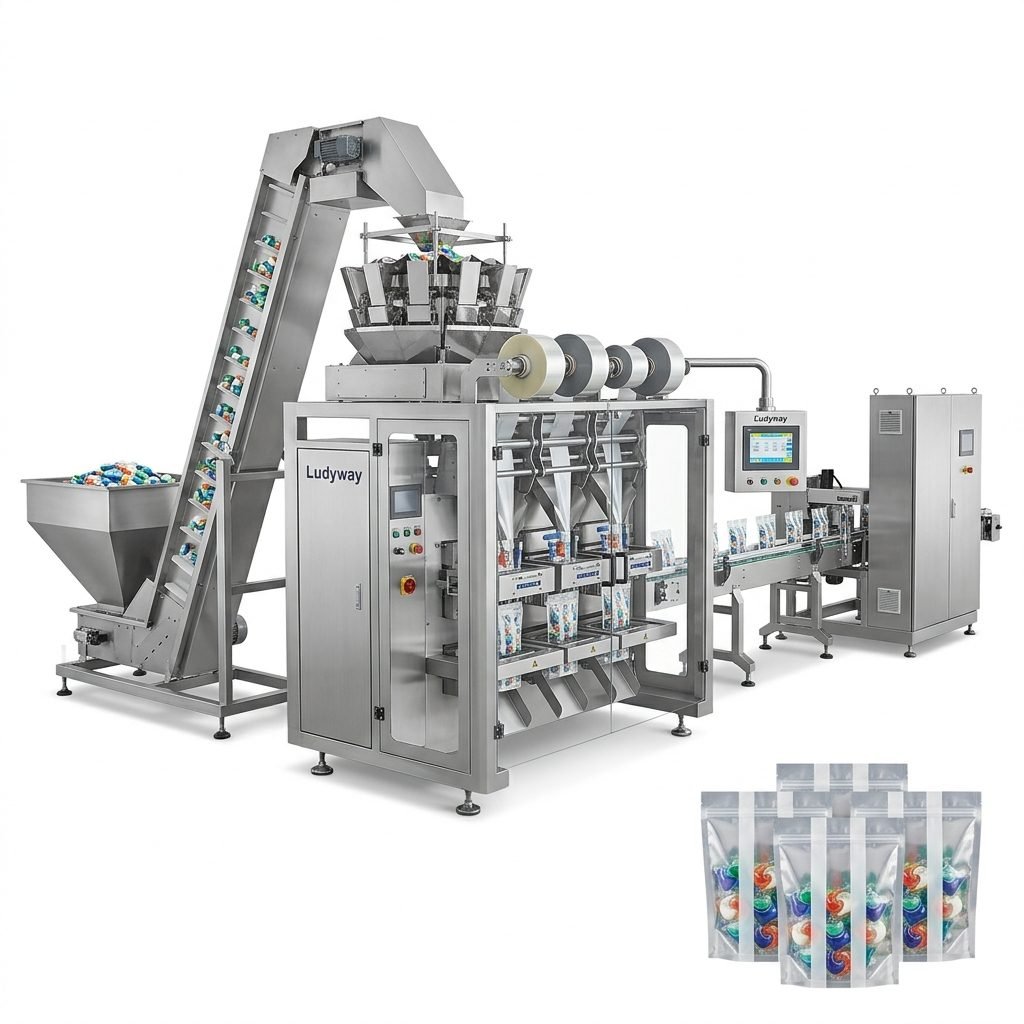
Future-Proofing Your Dairy Packaging Line
Sustainability regulations are evolving, specifically the European Commission Packaging and Packaging Waste regulations, which heavily influence Asian export policies. To future-proof your investment, test your milk packaging machine’s ability to run on paper-based or biodegradable films. Additionally, look for modular cartoning systems that allow you to quickly add counting and boxing units, keeping your line highly flexible for modern e-commerce demands.