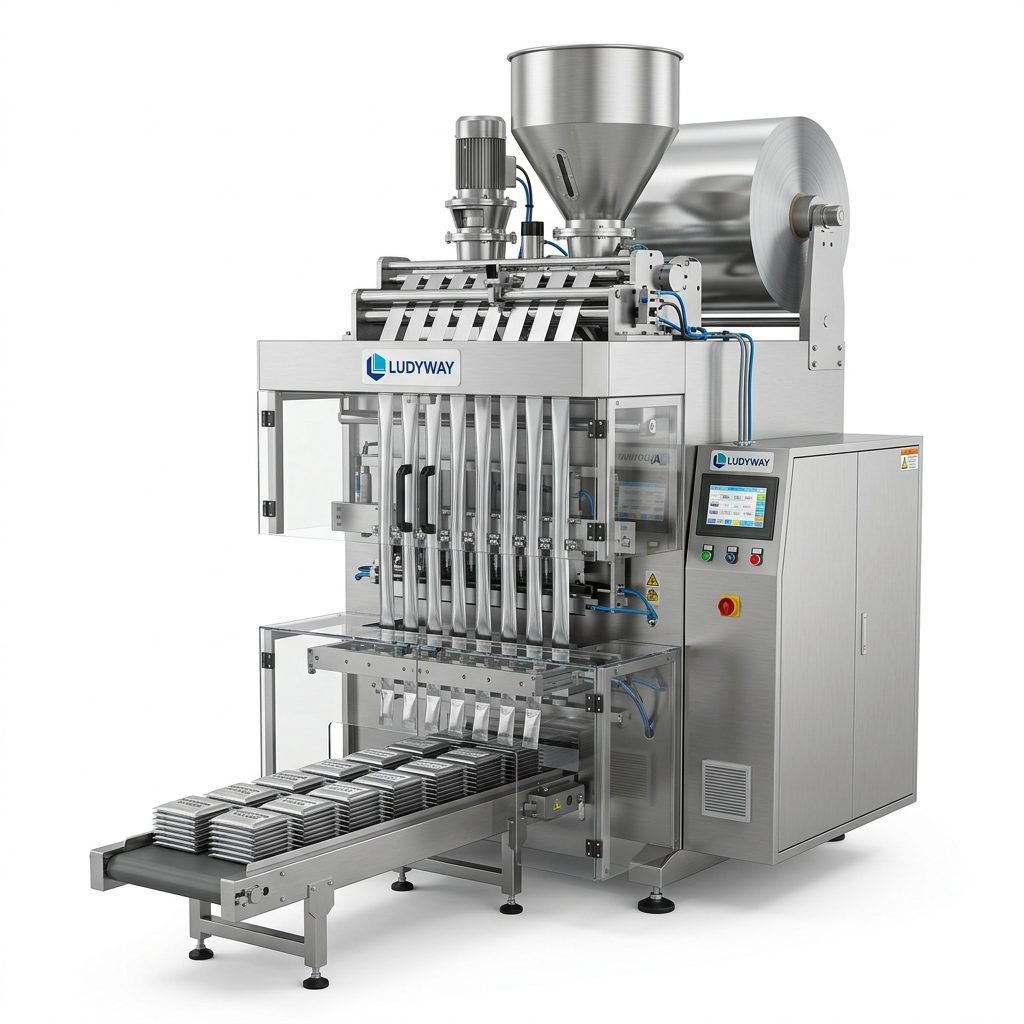
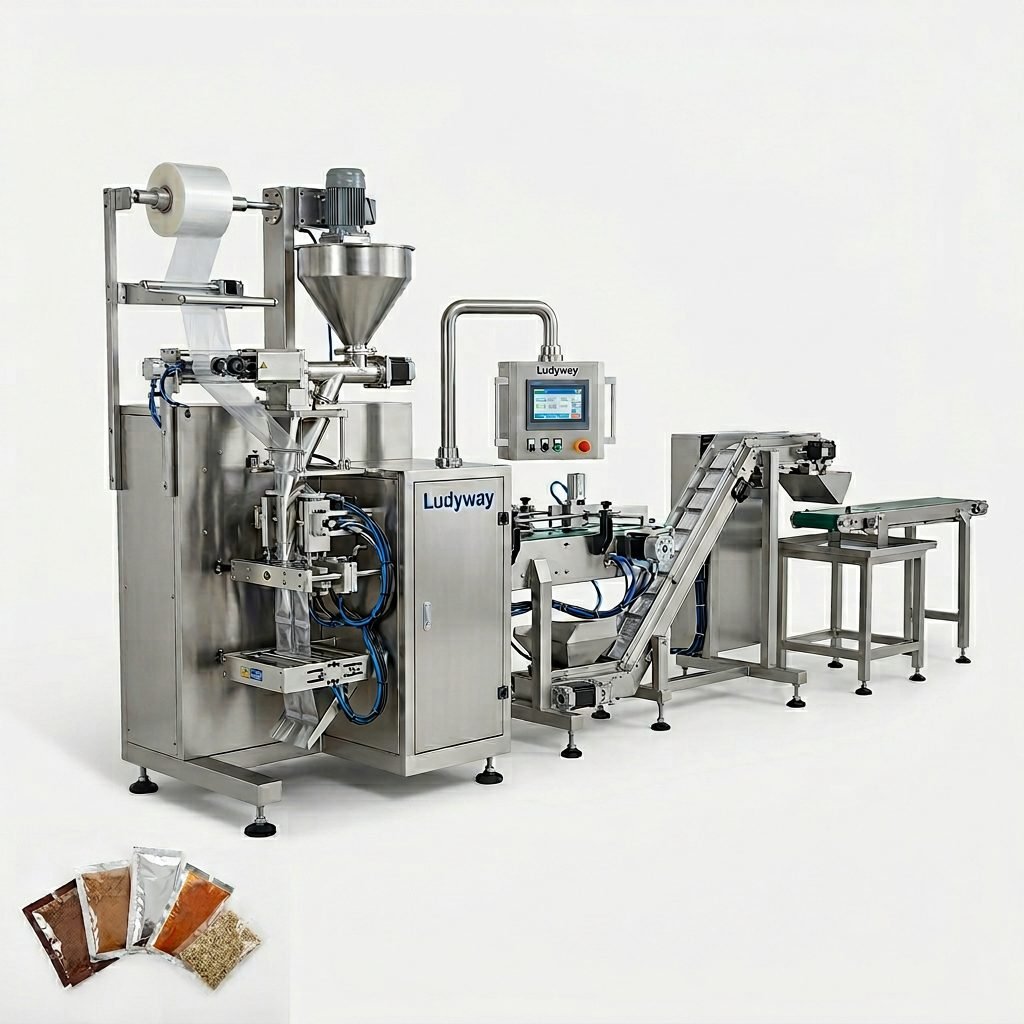
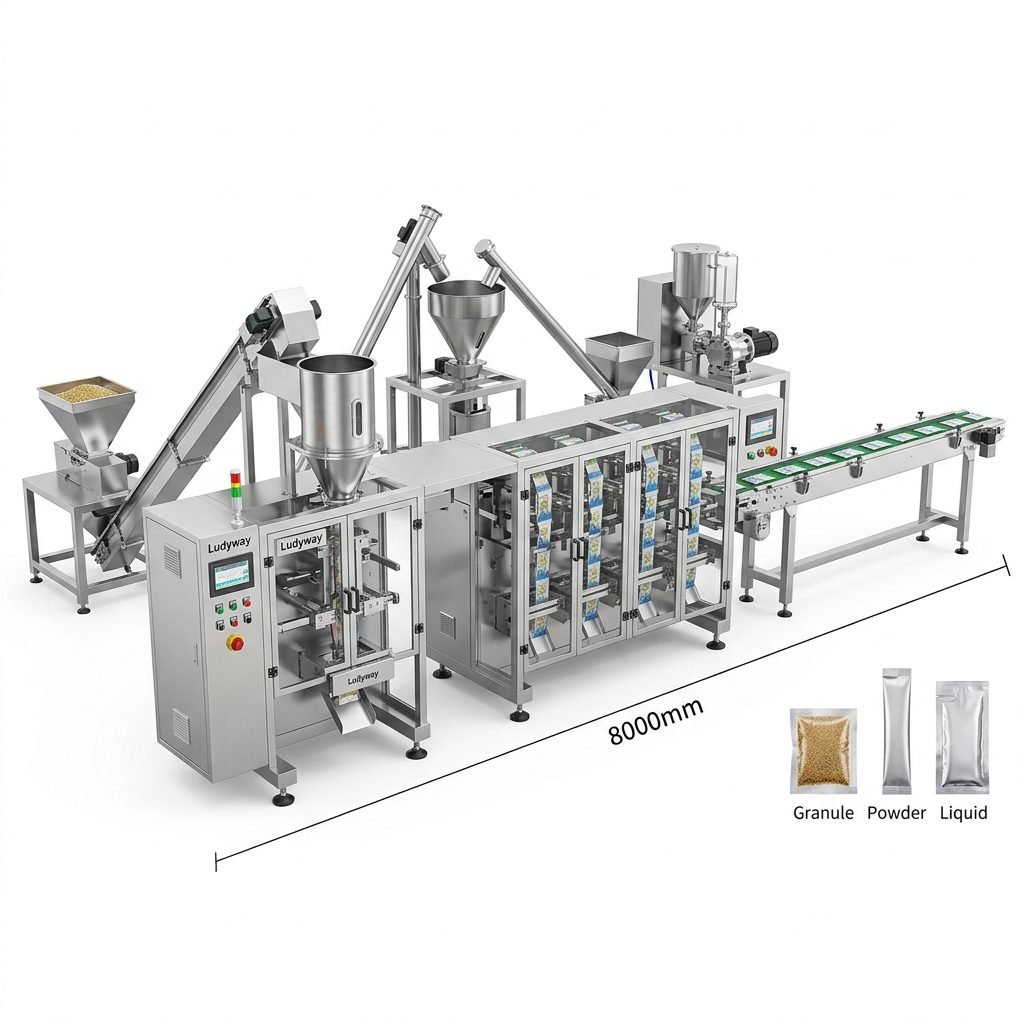
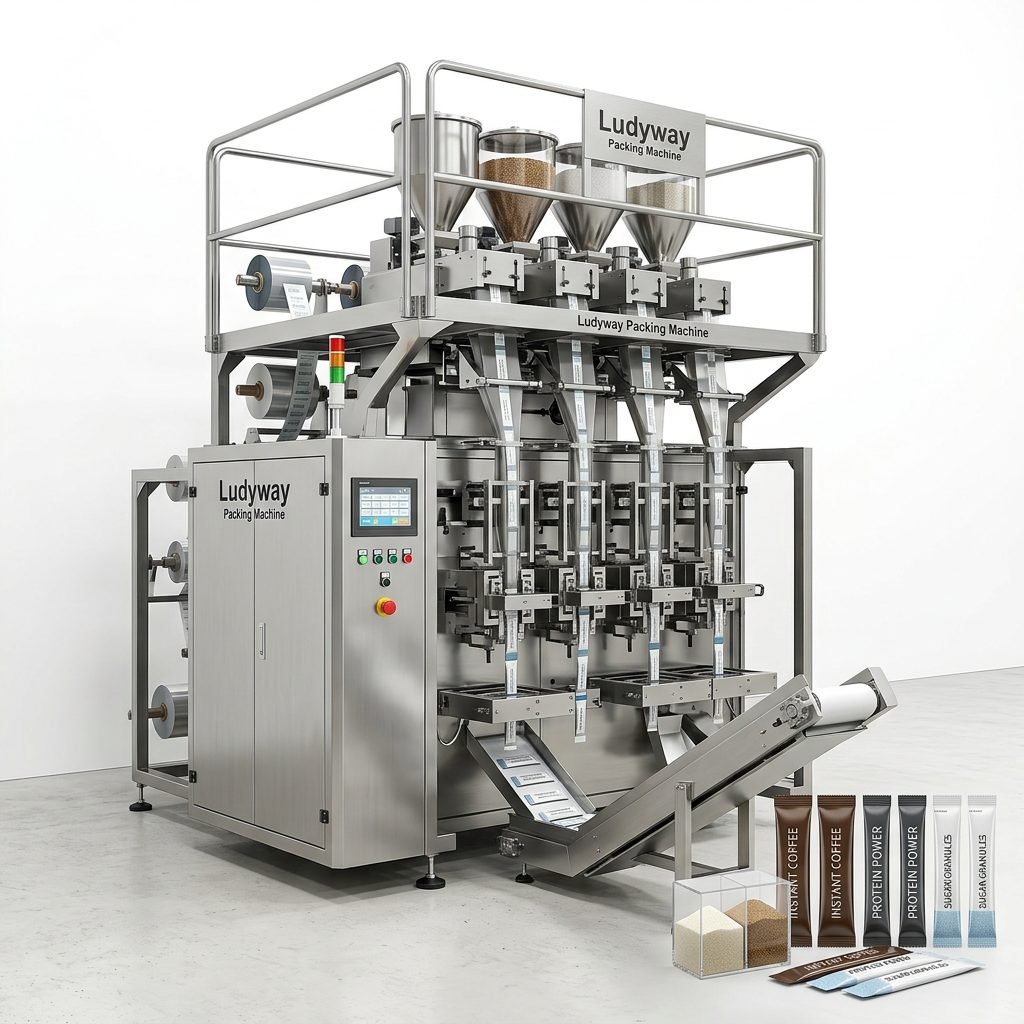
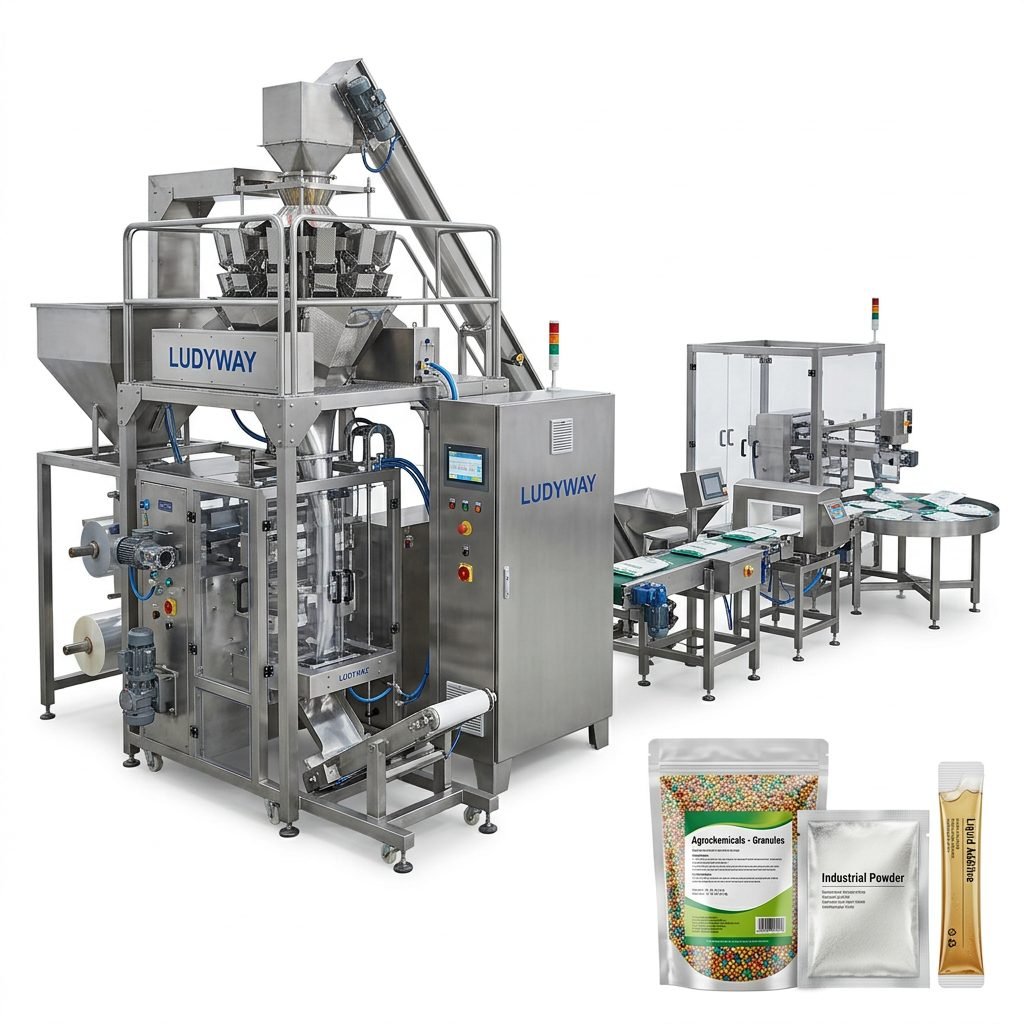
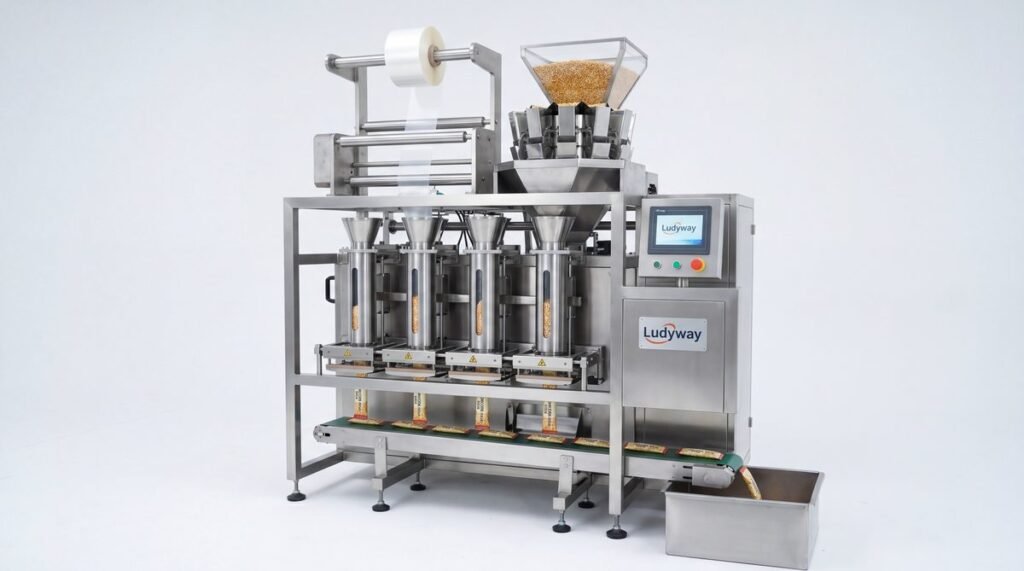
Choosing the right automatic blister packing solution is a critical decision for manufacturers in industries like pharmaceuticals, electronics, and consumer goods. Clamshell packaging machines, a key subset of blister packaging, offer superior product visibility, protection, and tamper evidence. This guide will walk you through the essential factors to consider when selecting the perfect machine for your production line.
Understanding Clamshell Packaging Machines
Clamshell packaging machines automate the process of forming a rigid plastic “clamshell” around a product and sealing it, often to a cardboard backing. This creates a secure, see-through package ideal for retail. The automation ranges from semi-automatic models, requiring some manual loading, to fully integrated, high-speed systems.
Core Function: The primary role of these machines is to consistently and efficiently produce professional-grade clamshell packages. They handle the precise forming of the plastic blister using heat and pressure, the accurate placement of the product, and the reliable sealing to the backing card.
Key Advantages of Automation
Investing in an automatic solution brings transformative benefits. It dramatically increases output while reducing labor costs and human error. Automated systems ensure every package has a consistent, high-quality seal, which is crucial for product safety and shelf appeal. Furthermore, modern machines offer greater flexibility, allowing for quicker changeovers between different product sizes or package designs.
How to Choose the Right Machine: A Step-by-Step Guide
Selecting a machine is not a one-size-fits-all process. A methodical evaluation of your specific needs will lead to a better investment.
Step 1: Analyze Your Product and Production Needs
Start with a deep dive into your product specifications and output goals.
- Product Dimensions & Shape: The machine must accommodate your product’s length, width, depth, and any irregular contours.
- Required Production Speed (UPH): Calculate your required units per hour. A professional packaging expert can help match a machine’s capability to your current and future volume.
- Packaging Materials: Determine the type and gauge of plastic (PET, PVC, APET) and card stock you will use. The machine must be compatible with your chosen materials for optimal sealing.
Step 2: Evaluate Machine Types and Features
Understand the different levels of automation and the features that matter.
Semi-Automatic vs. Fully Automatic
Semi-Automatic Machines are excellent for lower volumes or pilot runs. They often require an operator to place the product and/or the card. They have a lower initial cost and are simpler to operate.
Fully Automatic Machines are designed for high-volume production lines. They integrate product feeding, blister forming, sealing, and die-cutting in one continuous process. While a larger investment, they offer the lowest cost-per-unit at high speeds.
Key features to look for include quick-change tooling to minimize downtime during product switches, user-friendly PLC/HMI controls for easy operation and monitoring, and robust construction from reliable materials like stainless steel for durability in industrial environments.
Step 3: Consider the Supplier and Support
The machine is only part of the solution. The supplier’s expertise and support are paramount.
Choose a supplier with proven industry experience and a strong track record. They should offer comprehensive installation, training, and after-sales support. Ensure availability of spare parts and technical service to minimize potential downtime. Reviewing case studies or client testimonials can provide valuable insight into their reliability.
Companies like Ludyway Machinery, with decades of focus on packaging solutions, bring valuable application knowledge that can help optimize your packaging process beyond just selling a machine.
Integration Into Your Production Line
A new clamshell machine must work seamlessly with your existing or planned line. Consider upstream processes (like product manufacturing or feeding) and downstream processes (like labeling, cartoning, or case packing). Discuss with your supplier how the machine will interface with other equipment. A supplier with experience in turnkey solutions can be invaluable for ensuring smooth integration and overall line efficiency.
Common Questions (FAQs)
1. What is the typical lifespan of an automatic clamshell packaging machine?
With proper maintenance and operation, a well-built machine from a reputable manufacturer can last 10-15 years or more. Regular servicing and using genuine spare parts are crucial for longevity.
2. How difficult is it to change over the machine for a different product size?
This depends on the machine. Modern machines with quick-change features can allow for changeovers in 15-30 minutes. Simpler or older models may take significantly longer. Always inquire about changeover time specifications.
3. What are the most common maintenance requirements?
Daily cleaning of sealing dies and platens, regular lubrication of moving parts as per the manual, and periodic inspection of heaters, sensors, and cutting tools are standard. Your supplier should provide a detailed maintenance schedule.
4. Can these machines handle “skin” or blisterless packaging?
Standard clamshell machines are designed for pre-formed plastic blisters. Skin packaging, where a thin film is vacuum-drawn over a product on a card, requires a different type of machine. Be sure to specify your packaging style when consulting with suppliers.
5. What safety features should I look for?
Essential safety features include emergency stop buttons, protective guarding with safety interlocks, overheating protection for sealing elements, and proper electrical certifications (e.g., CE, UL) for your region.