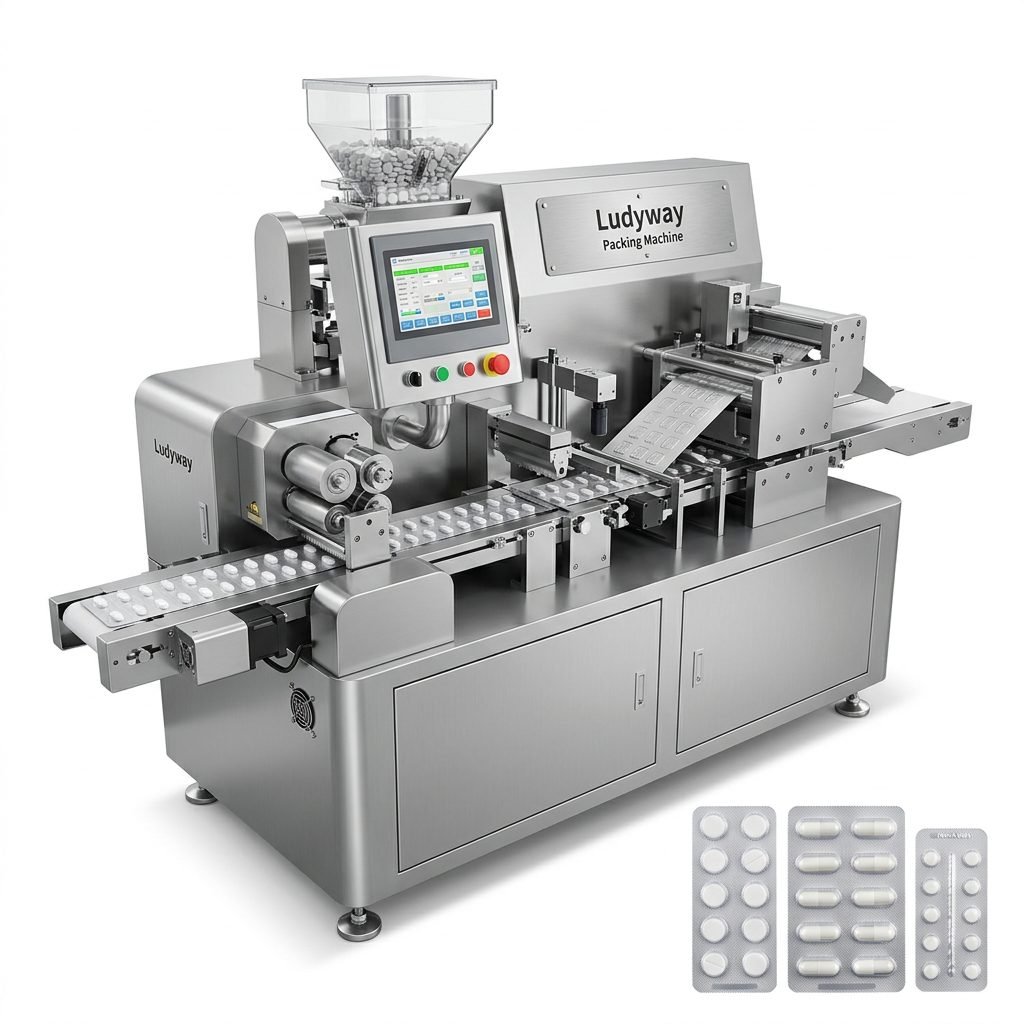
Heat seal packaging machines are essential equipment in modern manufacturing, offering efficient, airtight, and visually appealing packaging for a wide range of products. From food and pharmaceuticals to cosmetics and hardware, these sealers ensure product integrity, extend shelf life, and enhance brand presentation. This guide will explore the various types of heat sealers, their applications, and key factors to consider when selecting the best machine for your production needs.
Understanding Heat Seal Packaging Technology
At its core, heat sealing uses controlled temperature and pressure to melt and fuse thermoplastic layers within packaging materials. This creates a strong, hermetic seal that protects contents from moisture, oxygen, and contaminants. The process is fast, clean, and highly reliable, making it a cornerstone of automated packaging lines.
Key Principle: The seal is formed when heat causes the polymer layers in the packaging film to reach a molten state. Pressure is then applied to bond these layers together as they cool, forming a permanent, tamper-evident closure.
Core Components of a Heat Sealing System
A standard heat seal packaging machine consists of several critical components:
- Heating Element: Often a nichrome wire, ceramic heater, or impulse sealer that generates precise heat.
- Sealing Jaws: The metal bars that apply both heat and pressure to the packaging film. They can be flat, serrated, or patterned.
- Control System: A digital or analog interface for setting temperature, pressure, and dwell time (sealing duration).
- Film Feeding & Cutting Mechanism: Automatically advances the packaging material and often includes a cutter for separating individual packages.
Main Types of Heat Seal Packaging Machines
Choosing the right type of sealer depends on your product, volume, and packaging format. Here are the most common categories:
1. Impulse Sealers
Ideal for light-duty and intermittent use, impulse sealers briefly electrify a wire to create an instant seal. They are perfect for poly bags, retail packaging, and small businesses. They require a cooling period after each seal to solidify the plastic.
Best for: Low to medium production volumes, thicker polyethylene bags, and applications where portability is valued.
2. Constant Heat Sealers
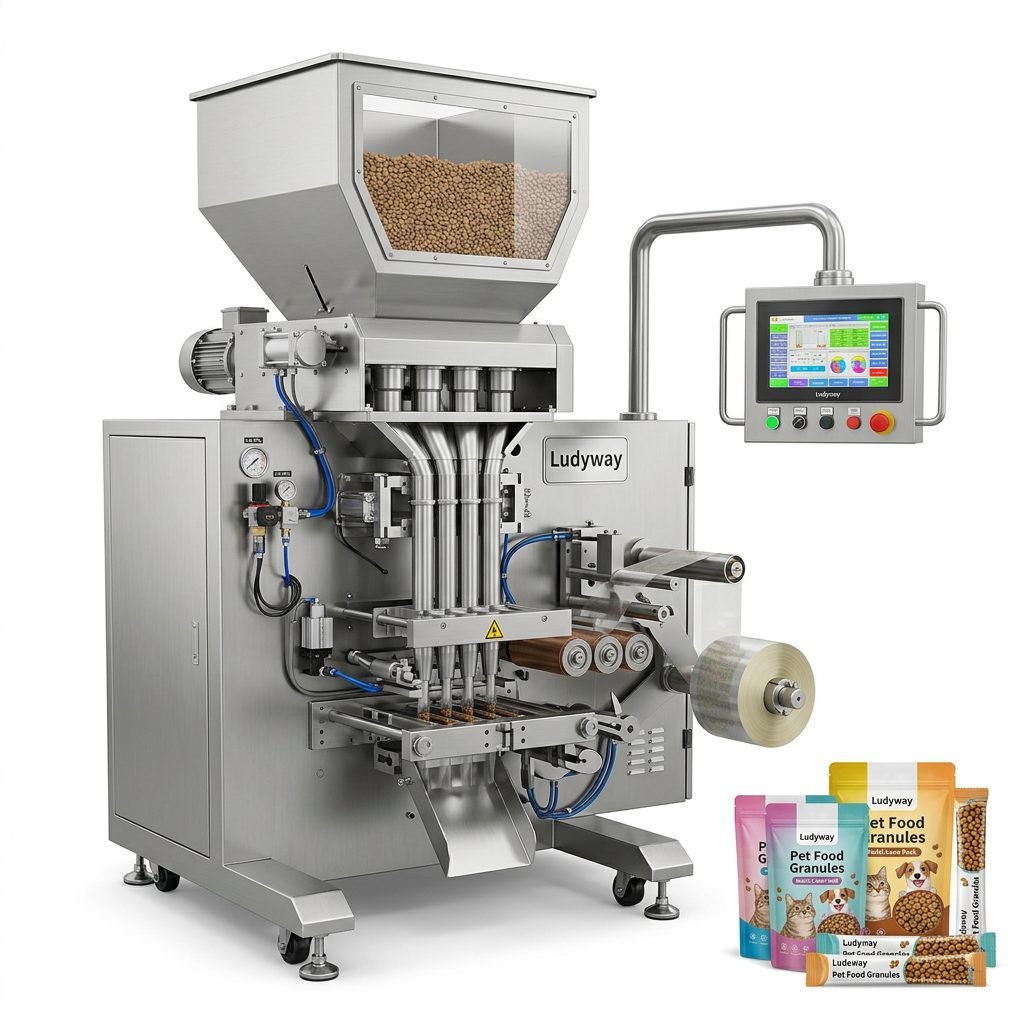
These machines maintain a consistent temperature at the sealing jaws. They are faster than impulse sealers and suitable for continuous operation on production lines. Common in food packaging for snacks, powders, and granular products.
Best for: Higher-speed production, continuous sealing of films like polypropylene and laminates.
3. Band Sealers (L-Bar Sealers)
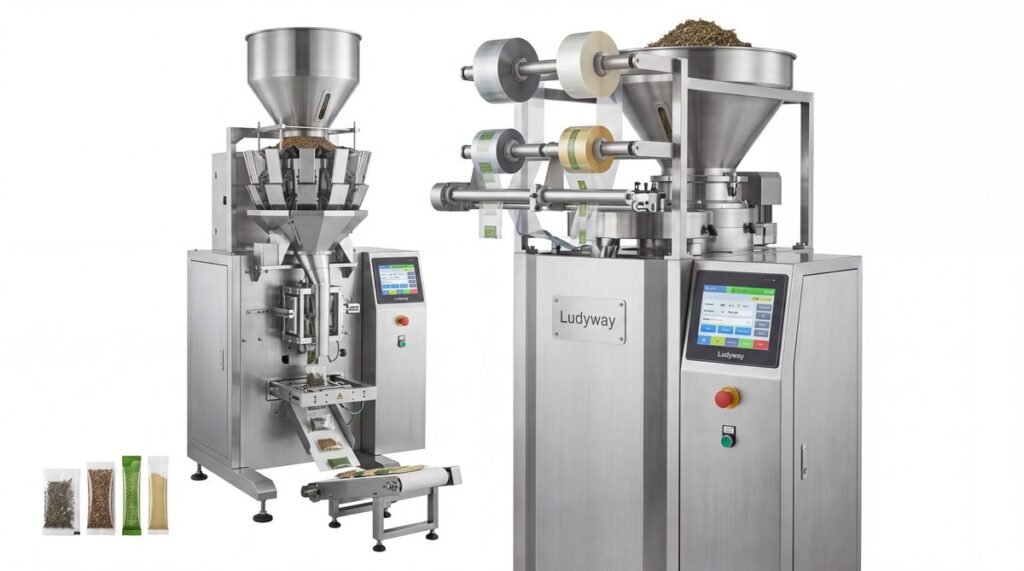
Band sealers use a moving heated band to create a seal and simultaneously cut the film. They are highly efficient for creating pillow packs and are a staple in automated packaging systems for items like freeze-dried fruits and hardware components.
Best for: Fully automated, high-speed production lines requiring consistent back-seam and end-seam seals.
4. Vacuum Heat Sealers
These machines remove air from the package before heat sealing, drastically extending the shelf life of perishable goods. They are critical in the meat, seafood, and prepared foods industries.
Best for: Products sensitive to oxidation, such as fresh meats, cheeses, and specialty coffees.
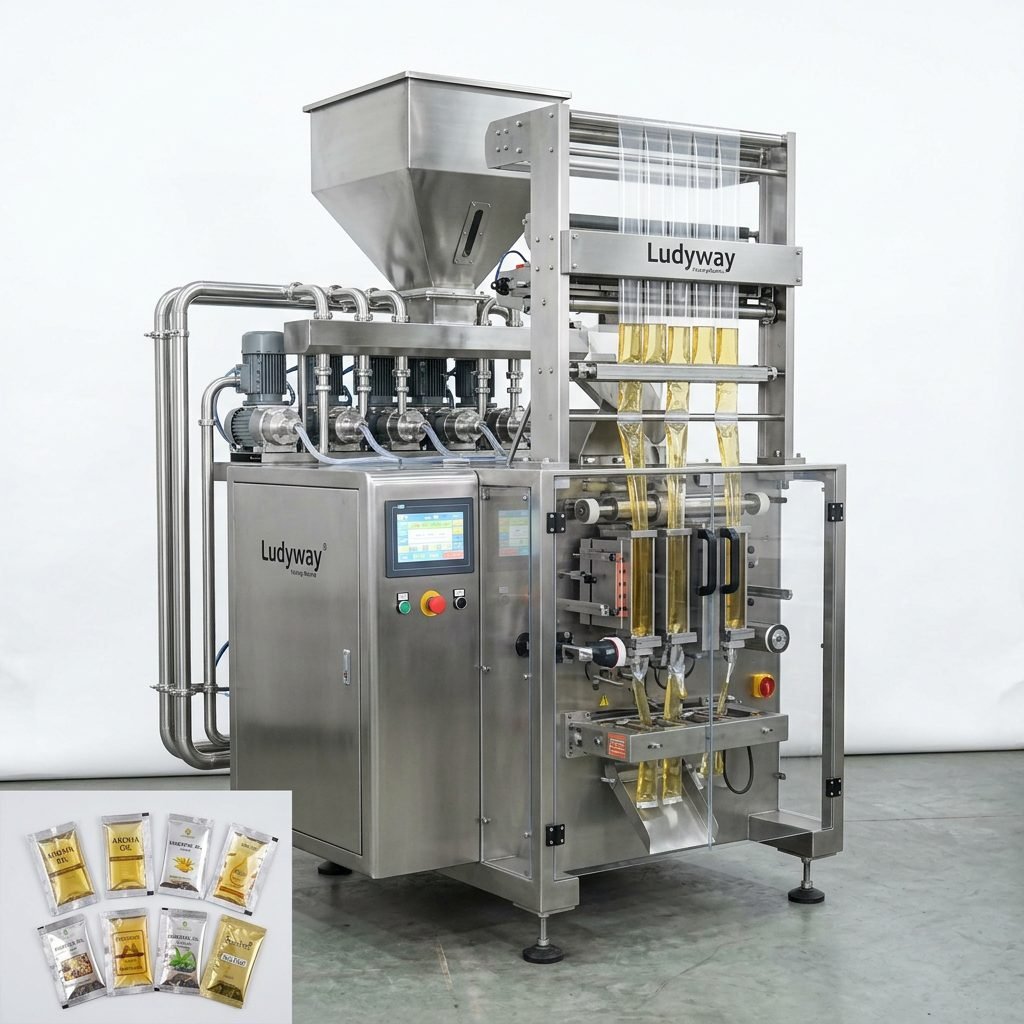
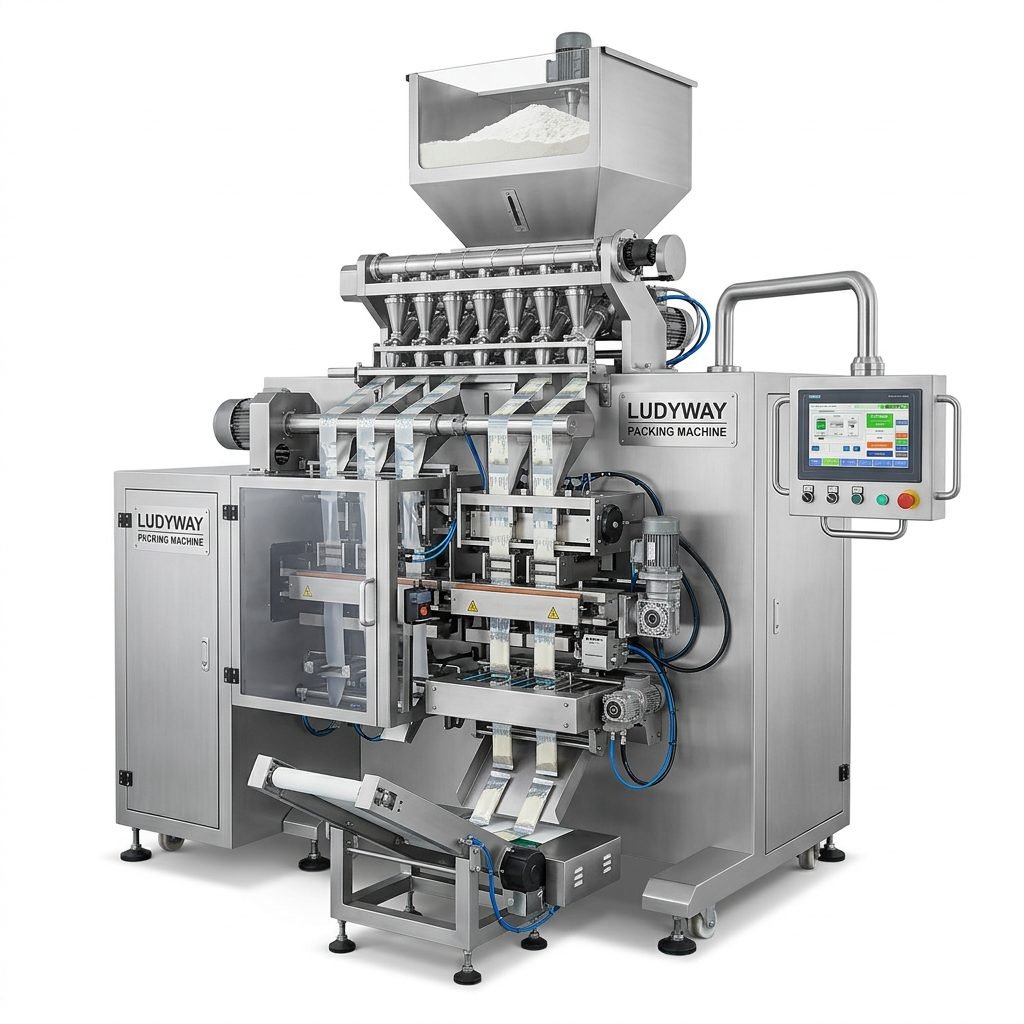
5. Form-Fill-Seal (FFS) Machines
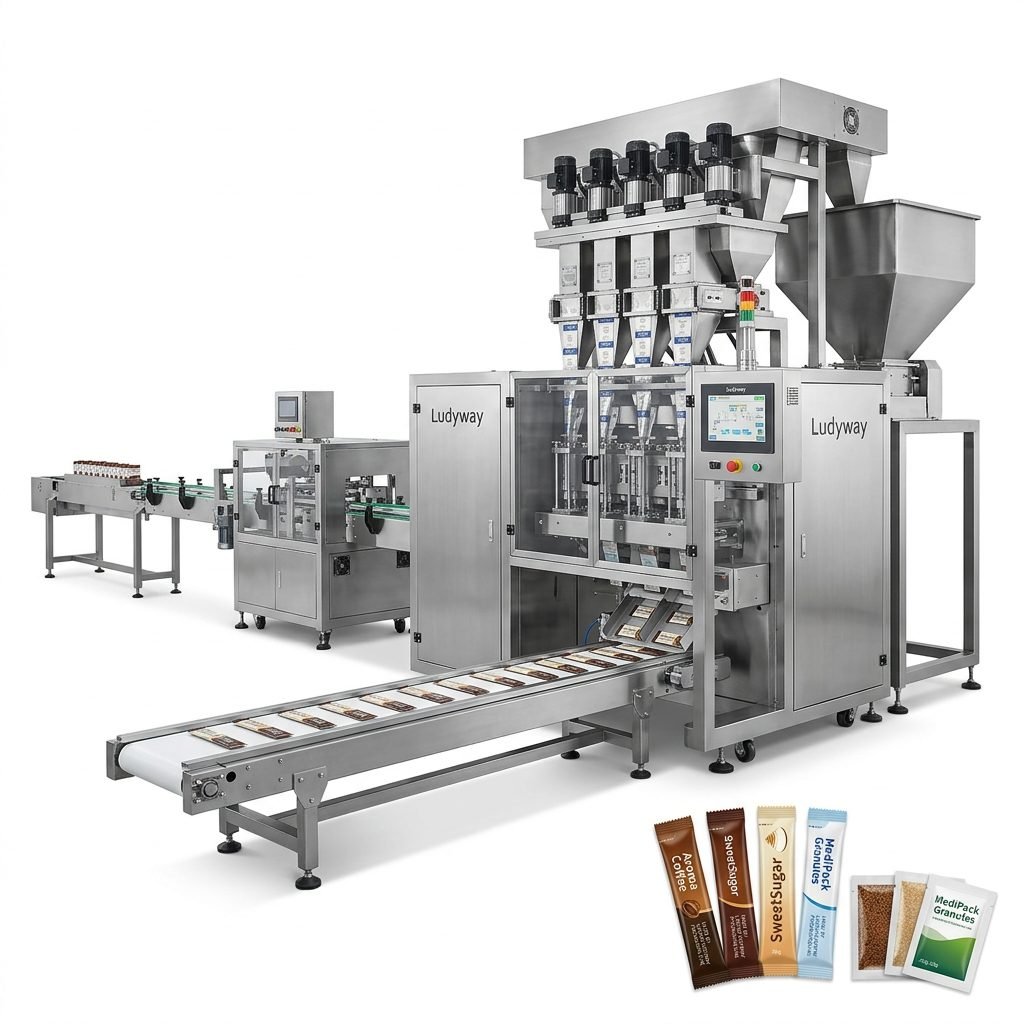
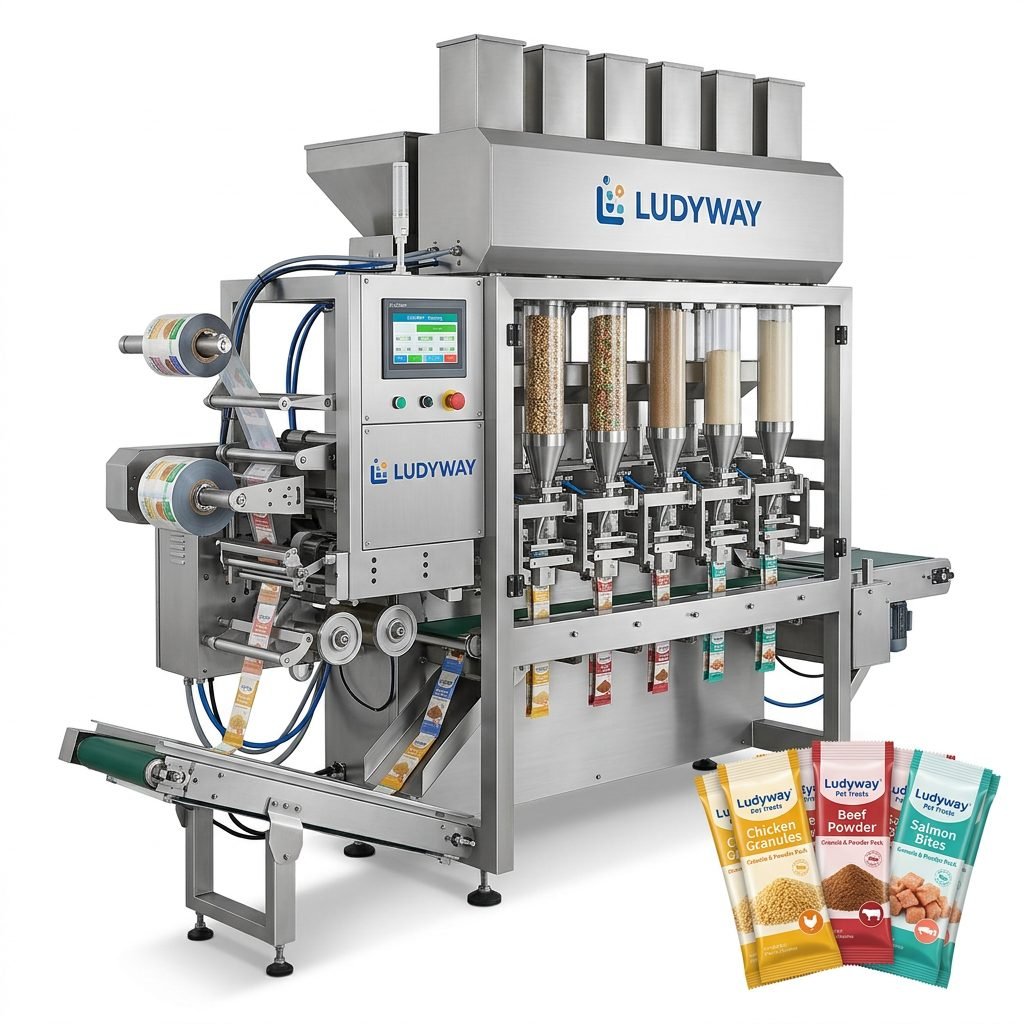
FFS machines are the pinnacle of automation. They form a pouch from a roll of film, fill it with product, and then heat-seal it closed—all in one continuous process. They are incredibly versatile and efficient for a vast array of products, from liquids to solids.
Best for: Large-scale production of sachets, stick packs, and pouches for products like liquid supplements, sauces, and single-serve condiments.
Primary Uses and Industry Applications
Heat seal packaging is ubiquitous across industries due to its versatility and protective qualities.
- Food & Beverage: Sealing snacks, coffee, spices, frozen foods, and liquid pouches. It locks in freshness and flavor.
- Pharmaceutical & Healthcare: Packaging sterile medical devices, tablets, powders, and diagnostic kits in tamper-evident, barrier-protected pouches.
- Cosmetics & Personal Care: Creating single-use sachets for shampoos, creams, and samples, or sealing primary product containers.
- Electronics & Hardware: Protecting small components, batteries, and tools from moisture and dust during storage and shipping.
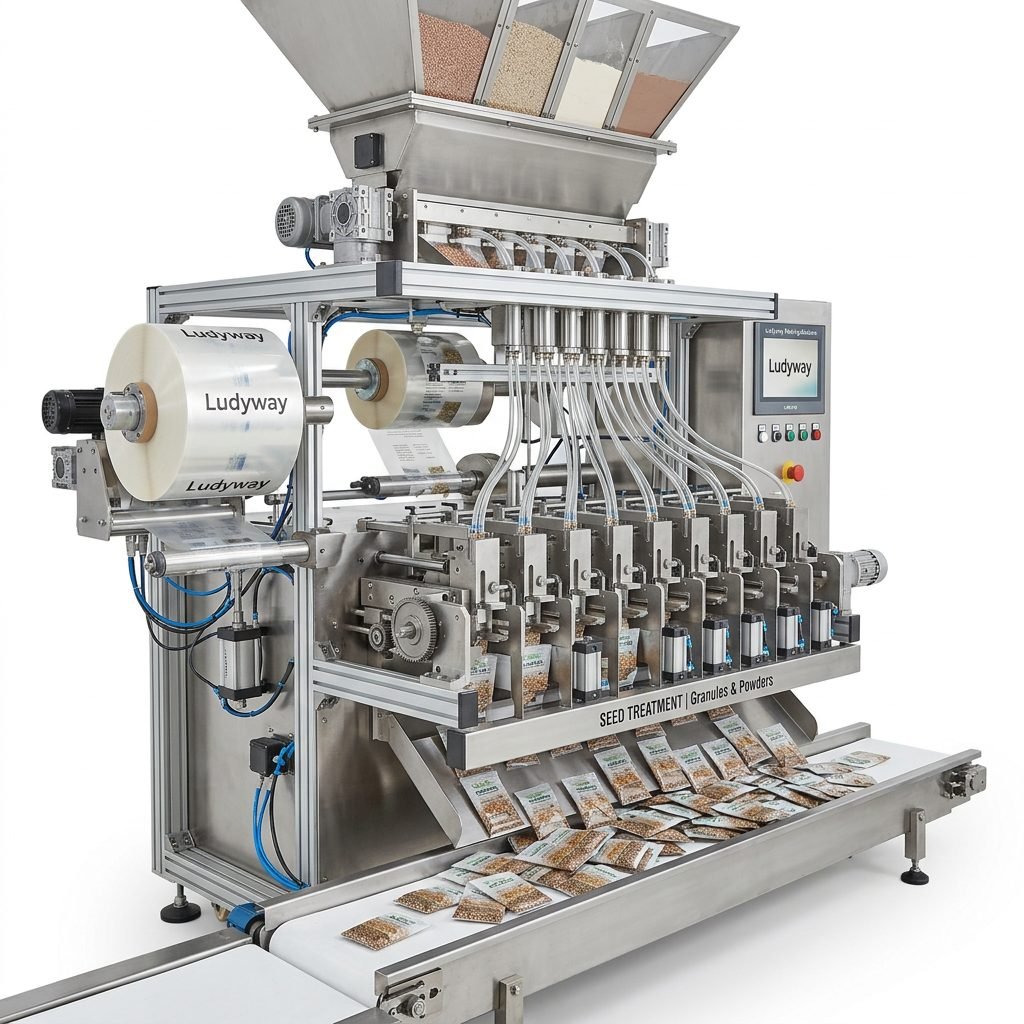
- Agricultural & Chemical: Packaging seeds, fertilizers, and pesticides in durable, sealed pouches that prevent leakage and contamination.
How to Choose the Best Heat Sealer: A Practical Guide
Selecting the right machine is a strategic investment. Follow this framework to make an informed decision.
Step 1: Analyze Your Product and Packaging Material
The product’s form (powder, liquid, solid) and the film type (polyethylene, polypropylene, laminated foil) are the primary drivers. The sealer must reach the correct temperature to melt the film’s inner layer without burning the outer layer. Always test your actual packaging material with the machine.
Step 2: Determine Your Production Speed and Volume
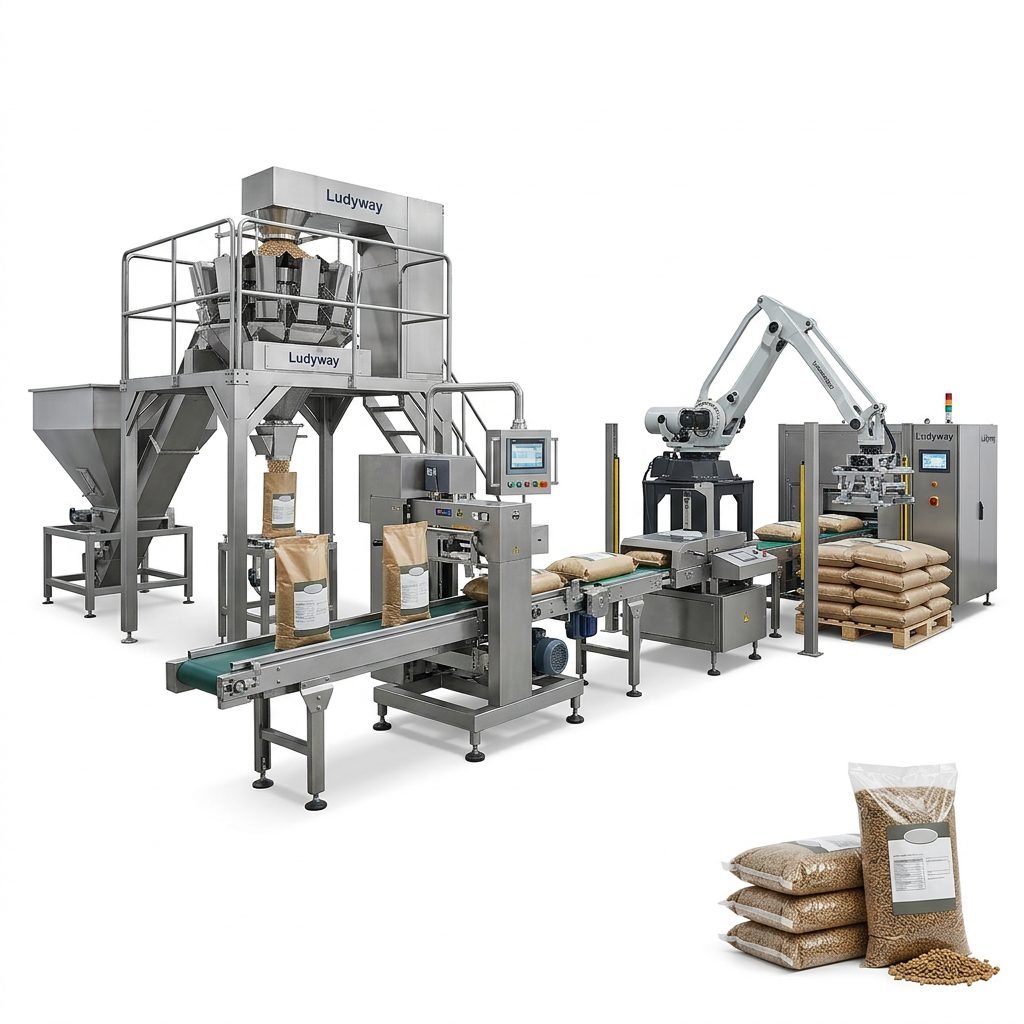
Match the machine’s output (packages per minute) to your current and projected needs. A manual impulse sealer may suffice for a startup, while a fully automated vertical form-fill-seal machine is necessary for high-volume contracts.
⚠️ Pro Tip: Always plan for 20-30% higher capacity than your current requirement to accommodate future growth without immediately needing a new machine.
Step 3: Evaluate Key Machine Features
- Temperature Control Precision: Look for digital PID controllers for stable, accurate heat.
- Seal Quality & Consistency: Check for adjustable pressure and even heat distribution across the jaws.
- Durability & Construction: A sturdy frame and high-quality heating elements reduce downtime.
- Ease of Use & Changeover: User-friendly controls and quick-adjust mechanisms for different package sizes boost operational efficiency.
- Safety Features: Thermal guards, emergency stops, and cool-touch housings are essential for operator protection.
Step 4: Consider After-Sales Support and Service
The machine’s reliability is only as good as the supplier’s support. Choose a provider known for quality and comprehensive service, like Ludyway Machinery, which offers reliable solutions backed by extensive industry experience. Ensure they offer clear documentation, readily available spare parts, and responsive technical support.
Step 5: Factor in Total Cost of Ownership (TCO)
Look beyond the initial purchase price. Consider energy consumption, maintenance costs, required operator training, and the potential cost of production downtime. A slightly more expensive but robust and efficient machine often has a lower TCO over its lifespan.
Optimizing Your Heat Sealing Operation
Once you have the right machine, proper operation and maintenance are key to longevity and quality.
- Regular Cleaning: Keep sealing jaws free of plastic residue and debris to prevent weak seals and contamination.
- Calibration Checks: Periodically verify temperature settings with a pyrometer to ensure accuracy.
- Preventive Maintenance: Follow the manufacturer’s schedule for inspecting heating elements, replacing Teflon covers on jaws, and lubricating moving parts.
- Operator Training: Ensure staff understands how to adjust settings for different materials and can identify common seal defects like wrinkles or burns.
Frequently Asked Questions (FAQs)
1. What is the main difference between impulse and constant heat sealers?
Impulse sealers provide a short, intense burst of heat and require a cooling (dwell) time. They are great for thicker materials and intermittent use. Constant heat sealers keep the jaws at a set temperature, allowing for faster, continuous sealing, which is better for high-volume production lines.
2. Can one heat sealer handle all types of plastic films?
No. Different films have different melting points and compositions. A sealer must be capable of reaching and maintaining the specific temperature required for your film (e.g., polyethylene vs. polypropylene). Always consult the film specifications and test with your machine.
3. Why are my seals weak or peeling open?
Common causes include incorrect temperature (too low), insufficient pressure, contaminated sealing jaws, using the wrong type of film for the machine, or the dwell time being too short. A process of elimination, starting with cleaning the jaws and recalibrating the temperature, is recommended.
4. How do I choose between a manual, semi-automatic, or fully automatic sealer?
This depends entirely on your production volume and labor costs. Manual sealers are for low volume (< 100 packs/hour). Semi-automatic (where an operator places the product) suit medium volumes. Fully automatic machines, integrated with filling systems, are for high-speed, high-volume production with minimal manual intervention.
5. What safety precautions are necessary when operating a heat sealer?
Always wear protective gloves if handling near hot jaws. Ensure the machine has proper guards. Never leave it unattended while powered on. Place it on a stable, non-flammable surface, and ensure adequate ventilation in the workspace.