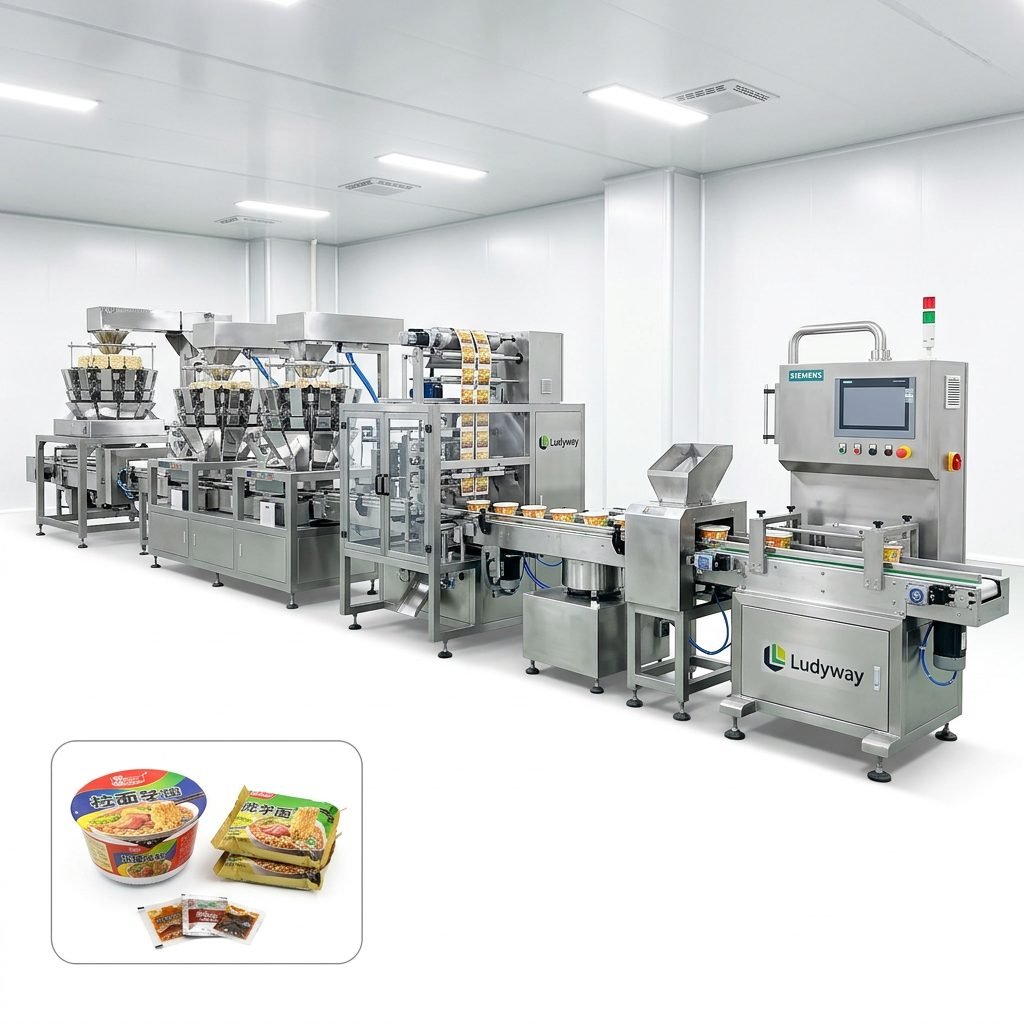
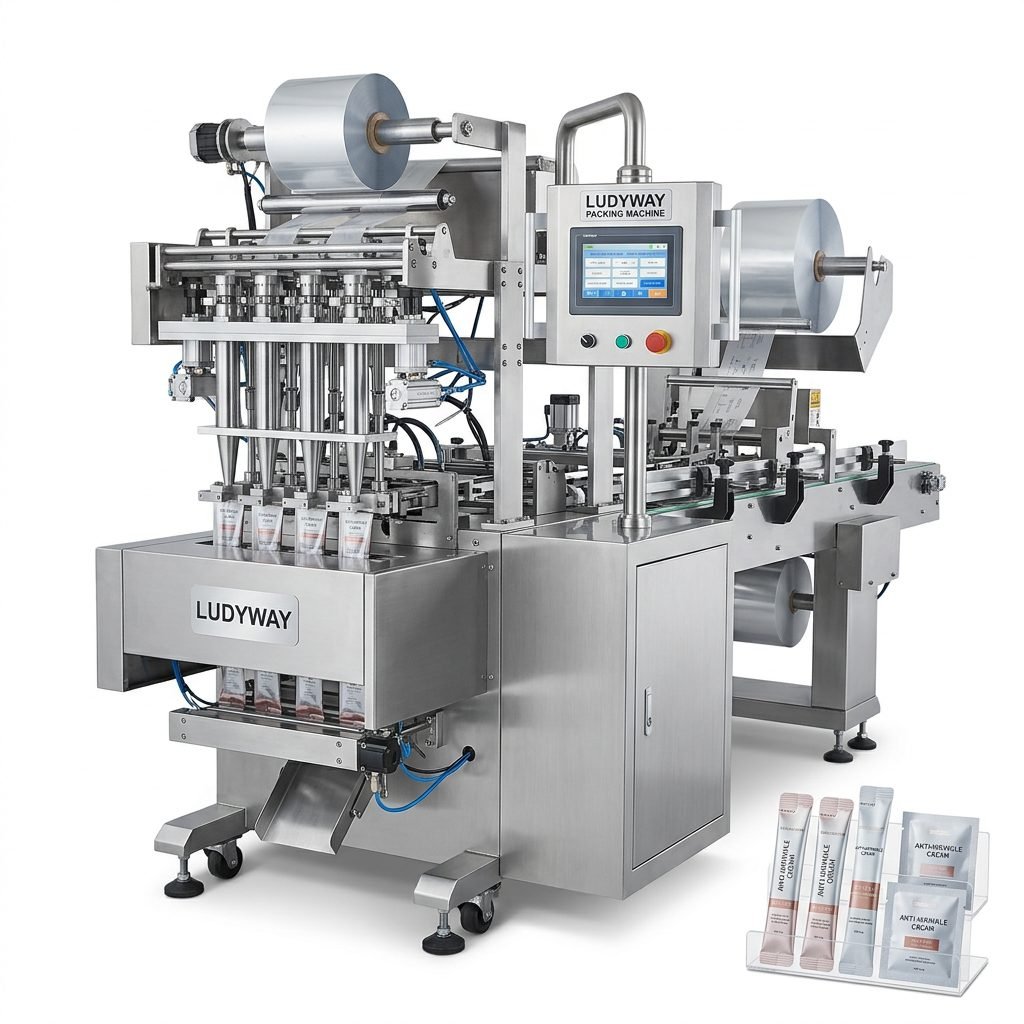
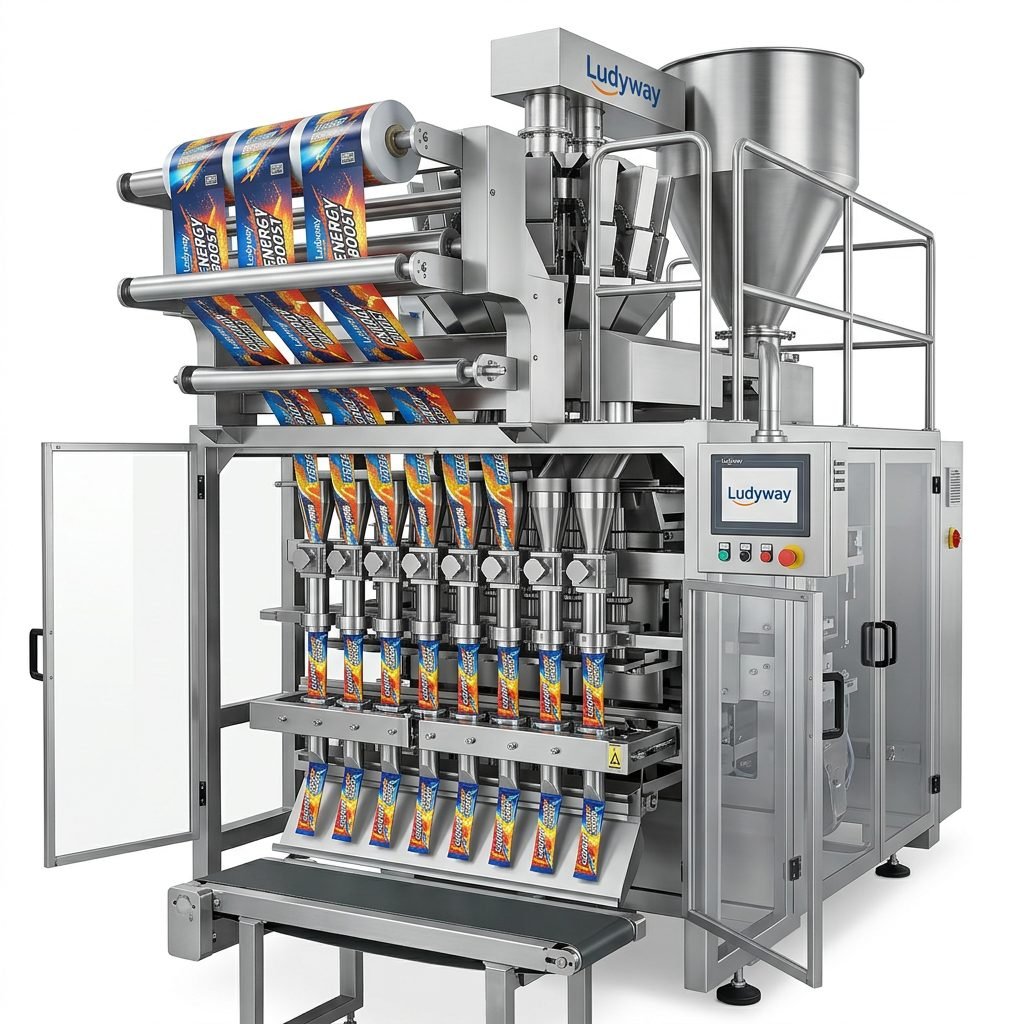
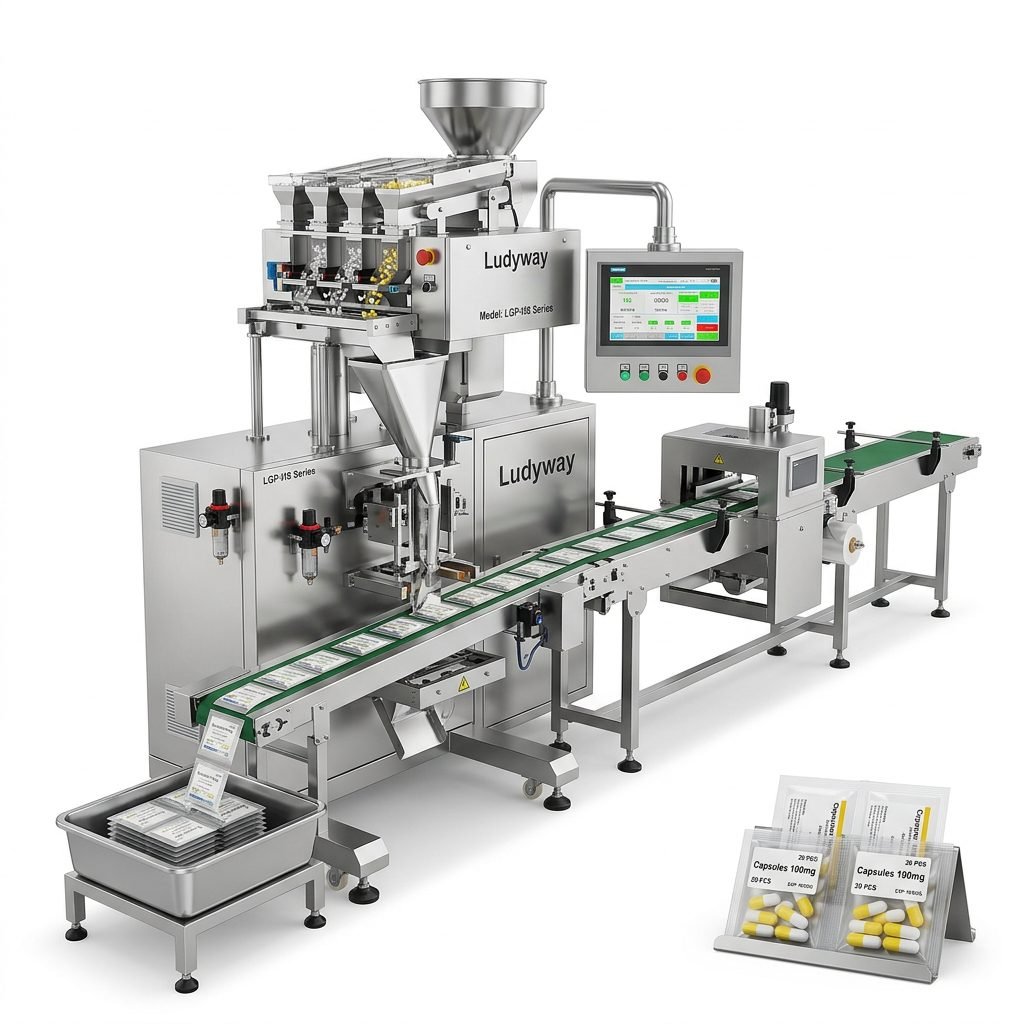
Selecting the right dog food packaging machine is a critical decision for any pet food manufacturer. The correct equipment not only ensures product freshness and safety but also optimizes production efficiency, reduces waste, and enhances your brand’s shelf appeal. This comprehensive guide will walk you through the different types of machines, their key features, and the essential factors to consider when making your investment.
Understanding the Different Types of Dog Food Packaging Machines
The packaging process for dog food varies significantly depending on the product form—dry kibble, wet food, treats, or semi-moist food. Each type requires specialized machinery designed to handle its unique characteristics.
1. Vertical Form-Fill-Seal (VFFS) Machines
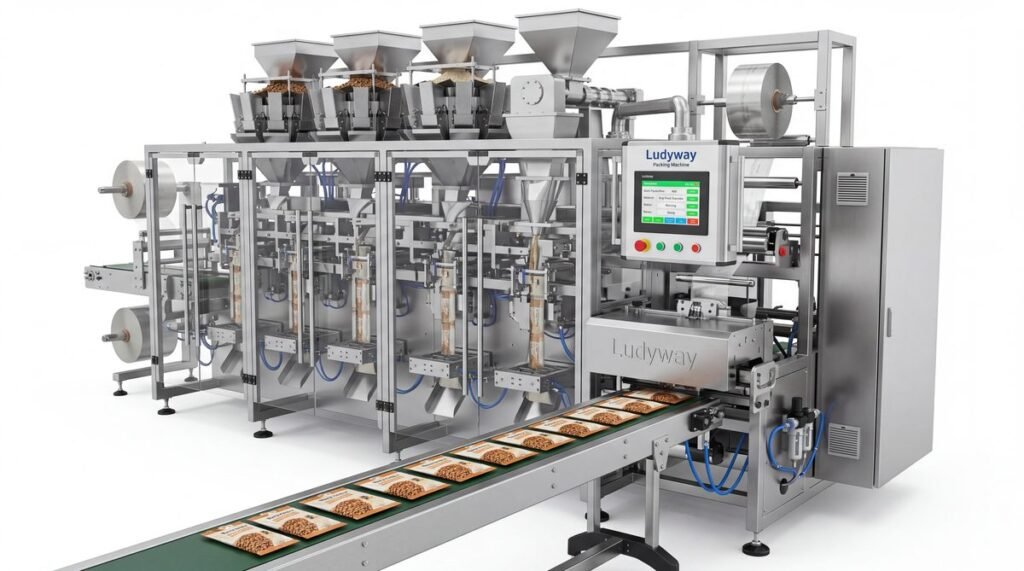
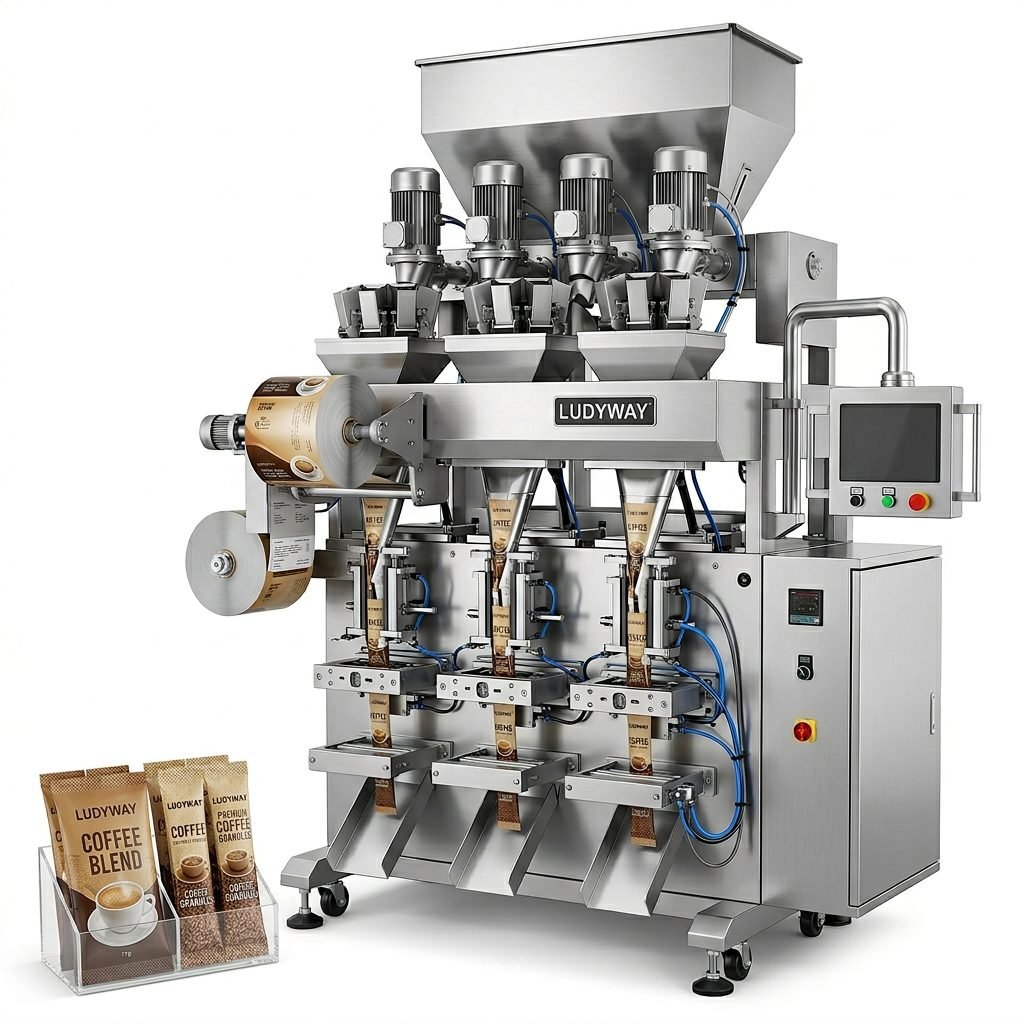
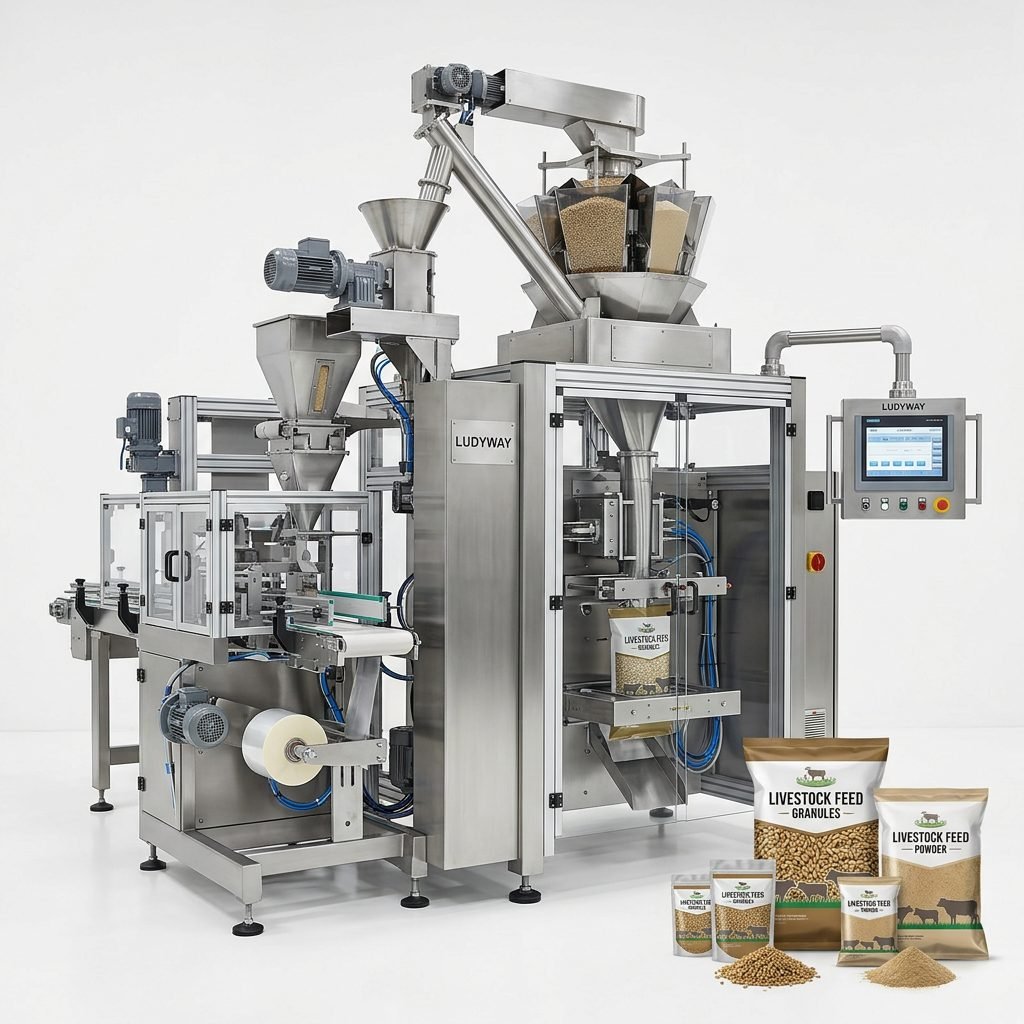
These are the most common machines for packaging dry dog food (kibble). They form a bag from a roll of film, fill it with the precise weight of product, and then seal it—all in one continuous, vertical operation. VFFS machines are highly versatile and efficient for medium to high-volume production runs.
Key Application: Ideal for free-flowing dry kibble and small dog treats. They can produce pillow bags, gusseted bags, or block-bottom bags with high accuracy.
2. Horizontal Form-Fill-Seal (HFFS) Machines
HFFS machines are typically used for more rigid structures or when packaging multiple items together. The film is formed horizontally, often into trays or cartons, which are then filled and sealed with a lidding film. This method offers excellent product visibility and a premium presentation.
Key Application: Perfect for multi-packs of wet food pouches, tray-packed treats, or premium kibble lines where enhanced visual appeal is a priority.
3. Pouch Packaging Machines
This category includes machines specifically designed to create and fill pre-made or form-fill-seal pouches. Stand-up pouches (doypacks) are extremely popular in the pet food sector due to their convenience, resealability, and large printable surface area for branding.
4. Canning and Tray Sealing Lines
For wet or semi-moist dog food, canning lines (for metal cans) or tray sealing lines (for plastic or aluminum trays) are essential. These systems involve filling the container with product, applying a lid, and hermetically sealing it to ensure sterility and a long shelf life.
Essential Features to Look for in a Packaging Machine
Beyond the basic type, several advanced features determine a machine’s performance, reliability, and suitability for your specific operation.
Weighing and Dosing Accuracy
Consistent fill weight is non-negotiable for compliance and cost control. Look for machines with multi-head weighers for high-speed kibble packaging or precision liquid pumps for gravies and oils. Advanced checkweigher integration can automatically reject under or over-weight packages.
Gas Flushing (Modified Atmosphere Packaging – MAP)
To extend shelf life and preserve nutrients, many premium dog food brands use MAP. This feature flushes oxygen out of the package and replaces it with an inert gas (like nitrogen) before sealing. It’s crucial for maintaining fat integrity and preventing oxidation in high-quality foods.
Automation and Integration Capabilities
Modern packaging is part of a connected production line. Key features include:
• PLC Touchscreen Controls: For easy recipe changeovers and operation monitoring.
• Industry 4.0 Connectivity: Allows for data collection, OEE tracking, and integration with upstream (mixers) and downstream (case packers) equipment.
• Quick Changeover Systems: Minimize downtime when switching between bag sizes or product types, increasing overall equipment effectiveness (OEE).
Hygienic Design and Construction
Food safety is paramount. Machines should have stainless steel contact surfaces, easy-clean designs with minimal crevices, and comply with relevant food safety standards (like USDA, FDA, or EU regulations). Dust extraction points are vital for dry food applications.
How to Choose the Best Dog Food Packaging Machine for Your Needs
Making the right choice involves a careful evaluation of your current and future business requirements. Follow this step-by-step framework.
Step 1: Analyze Your Product and Production Requirements
Start by defining the specifics:
• Product Type & Form: Dry kibble, wet food, powder supplement, treats?
• Production Speed (Output): How many bags/pouches/cans per minute or hour do you need?
• Package Size & Type: What bag sizes (from 1lb to 40lb bags)? Stand-up pouches, flat bags, cans?
• Future Plans: Do you plan to launch new product lines or formats in the next 3-5 years?
Step 2: Evaluate Machine Suppliers and Support
The machine manufacturer is as important as the machine itself. A reliable partner like Ludyway Machinery, with over 30 years of industry experience, provides more than just equipment. Assess their:
• Technical Expertise & Customization: Can they tailor a solution to your unique production line?
• After-Sales Service: Availability of spare parts, remote support, and on-site technician response time.
• Training and Documentation: Comprehensive training for your operators and maintenance staff is crucial for long-term success.
Step 3: Consider Total Cost of Ownership (TCO)
Look beyond the initial purchase price. Calculate the TCO by including:
• Energy Consumption: Efficient drives and motors lower operating costs.
• Material Waste: High-accuracy weighing and precise film tracking reduce product and packaging material giveaway.
• Maintenance Costs: Robustly built machines from reputable suppliers like professional packaging experts often have lower lifetime maintenance costs and higher uptime.
Step 4: Request a Product Test and Review References
Always insist on a live product test using your actual dog food (or a close substitute). This demonstrates the machine’s real-world performance with your product. Also, ask the supplier for customer references, especially those with similar products and scale, to verify their claims about reliability and support.
Pro Tip: Think Long-Term
Investing in a slightly more capable and flexible machine than you currently need can save significant capital later. It allows for easier scaling and adaptation to new market trends, such as the growing demand for sustainable packaging materials or smaller, subscription-based package sizes. Partnering with an innovator in packaging machinery solutions ensures you have a guide for future evolution.
Frequently Asked Questions (FAQs)
1. What is the typical speed range for a dog food packaging machine?
Speeds vary widely by machine type. A standard vertical form-fill-seal machine for dry kibble can range from 20 to over 120 bags per minute, depending on bag size and complexity. Pouch machines and canning lines have different speed benchmarks. Your supplier should recommend a machine based on your required output.
2. Can one machine handle different types of dog food?
Some multi-purpose machines are designed for flexibility, but significant changes (e.g., from dry kibble to wet food) usually require different specialized systems. However, a well-chosen VFFS machine can often handle various sizes of dry kibble and small treats with quick changeover parts.
3. How important is Modified Atmosphere Packaging (MAP) for dry dog food?
For standard products, it may not be essential. However, for premium, high-fat, or preservative-free recipes, MAP is highly recommended. It significantly extends shelf life, preserves flavor and nutritional value, and is often expected by consumers in the premium segment.
4. What kind of maintenance do these machines require?
Regular daily cleaning and weekly lubrication are standard. Professional maintenance, such as seal bar replacements or drive system checks, should be performed annually or as per the manufacturer’s schedule. Choosing a machine with easy access for cleaning and maintenance greatly reduces downtime.
5. How do I ensure the packaging film sticks properly and forms a strong seal?
Seal integrity depends on the correct combination of film material, sealant layer, temperature, pressure, and dwell time. A reputable supplier will help you select the right film and configure the machine’s heat sealing parameters (jaw temperature, pressure) specifically for your chosen material to ensure perfect, leak-proof seals every time.