Selecting the right cannabis packaging equipment is a critical business decision that directly impacts operational efficiency, product integrity, and brand compliance. This comprehensive guide explores the primary types of machinery, associated costs, and a strategic framework for choosing the optimal machines for your specific operation.
Core Types of Cannabis Packaging Equipment
The packaging process for cannabis products typically involves several key stages, each requiring specialized machinery. Understanding the function of each type is the first step toward building an efficient packaging line.
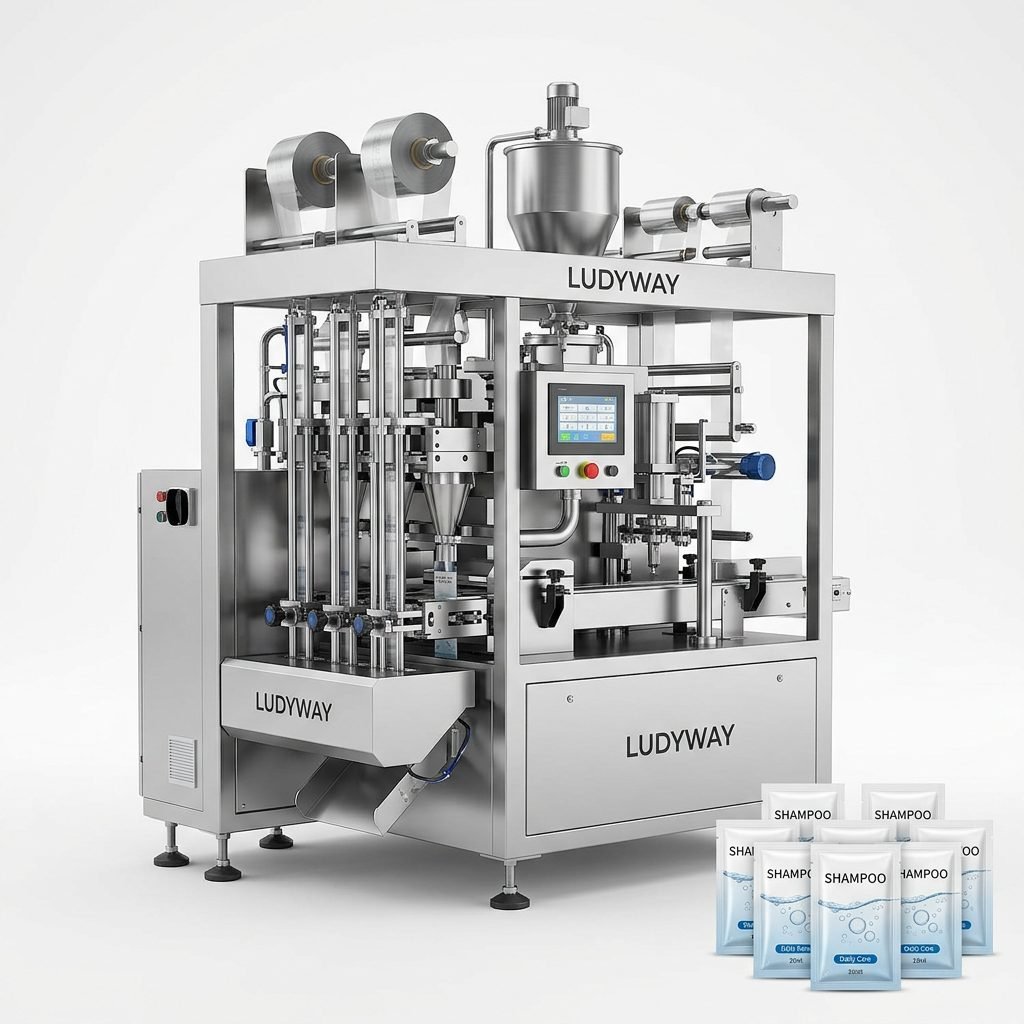
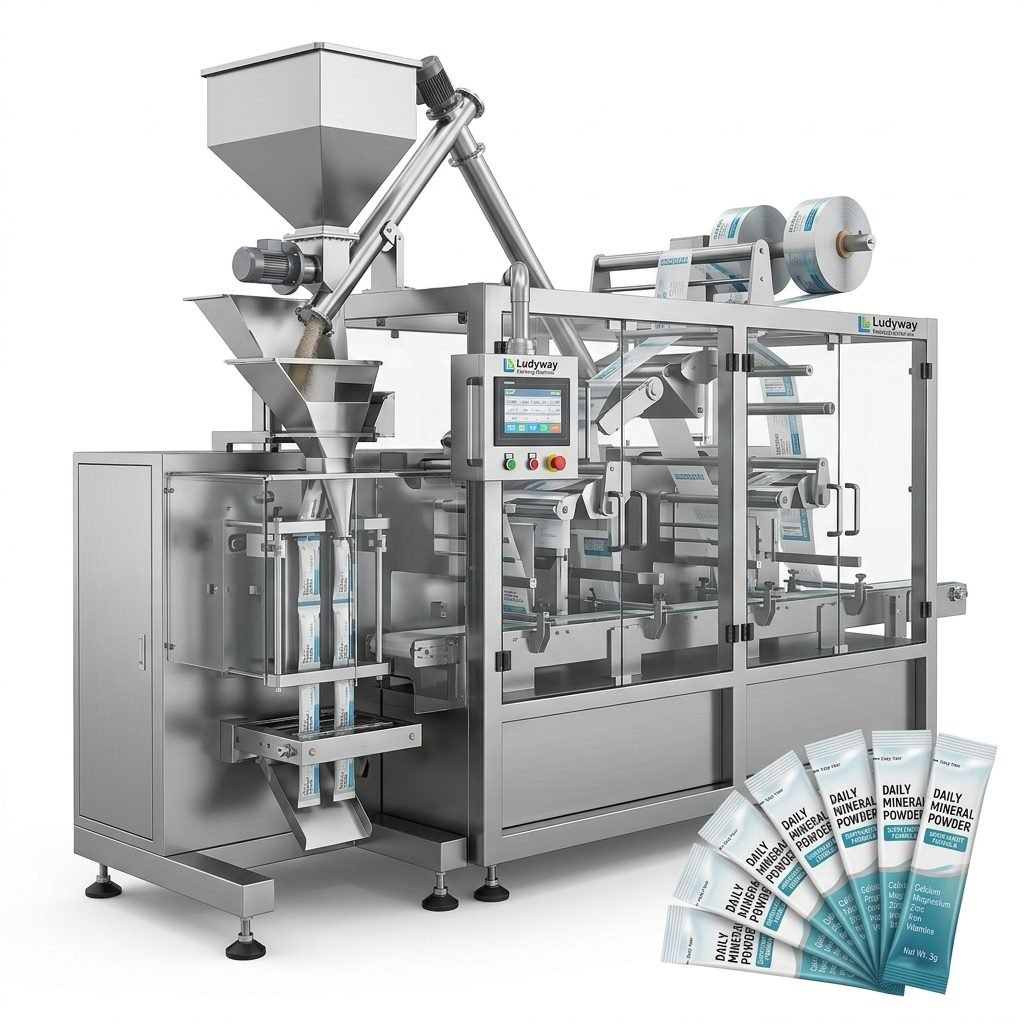
Primary Filling and Sealing Machines
These machines handle the core task of accurately dispensing the product into its primary container and creating a secure seal.
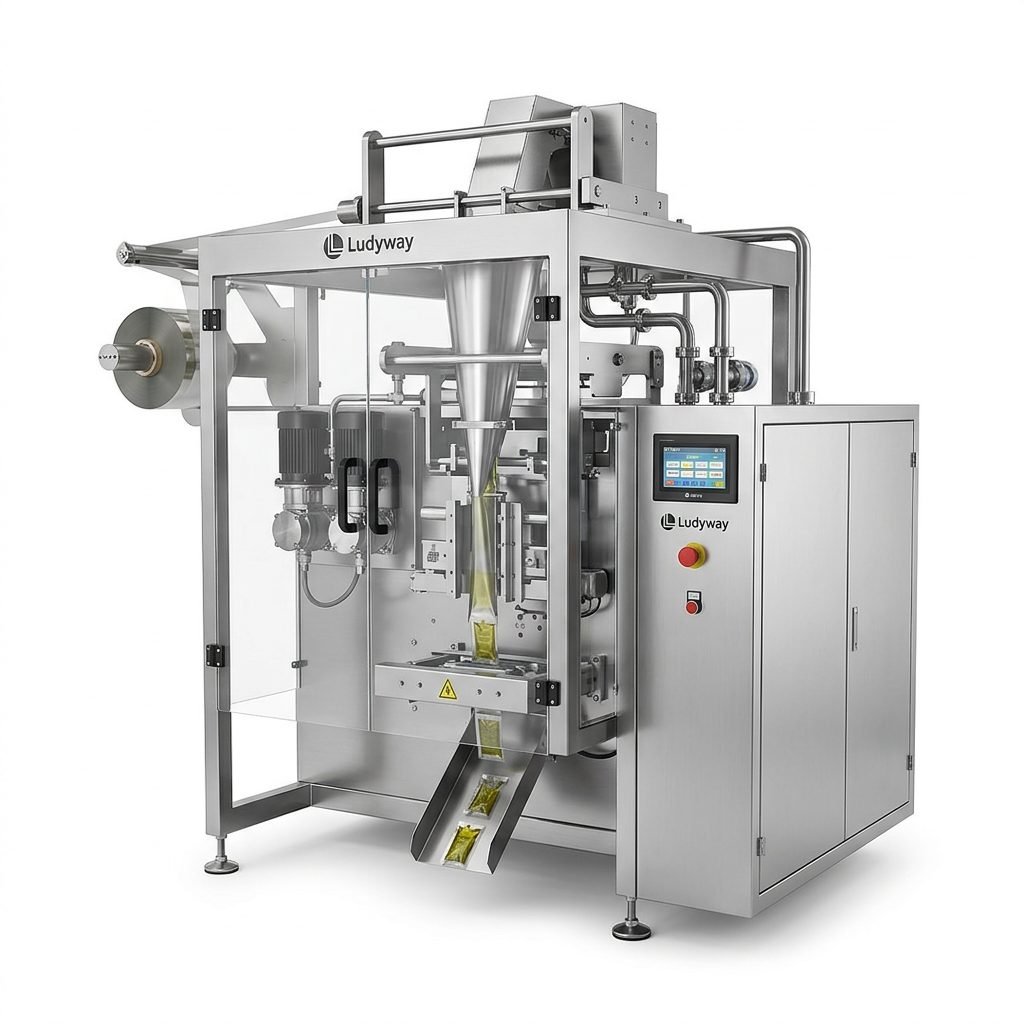
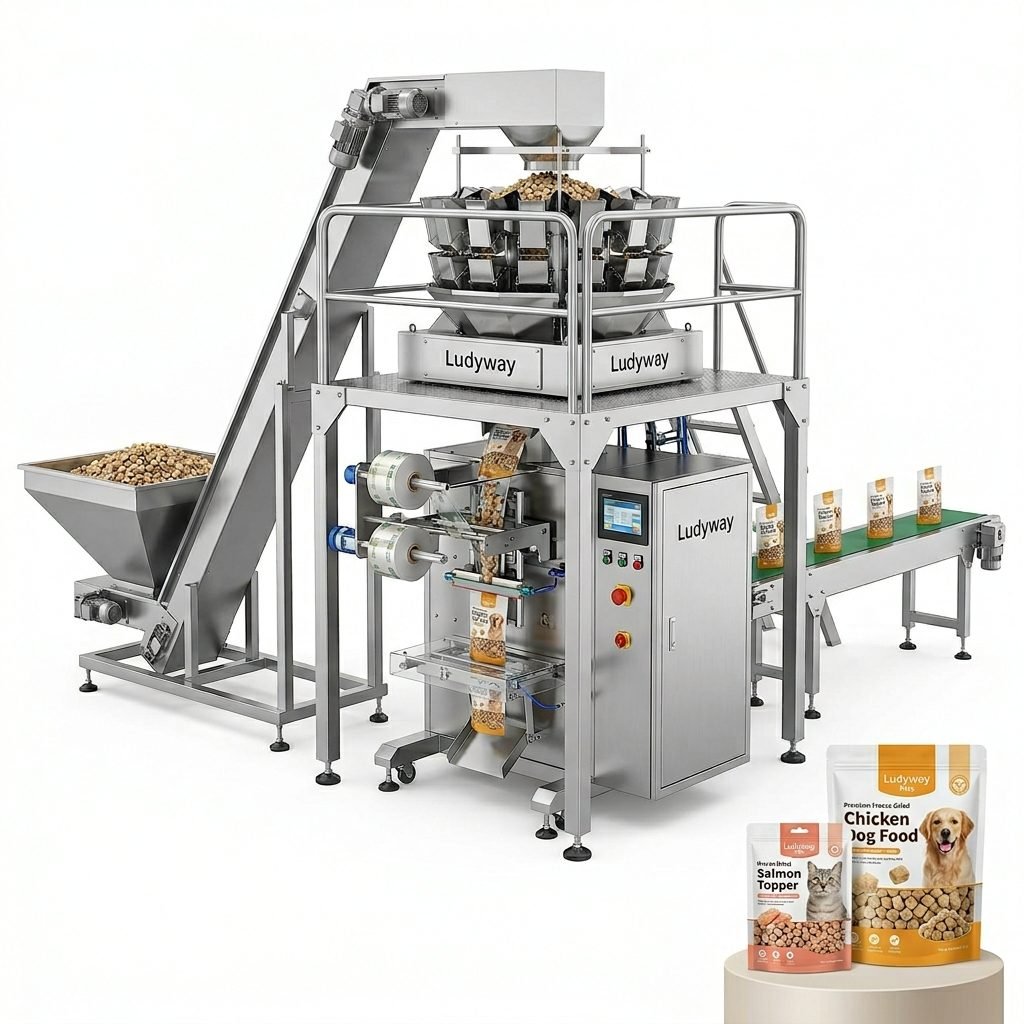
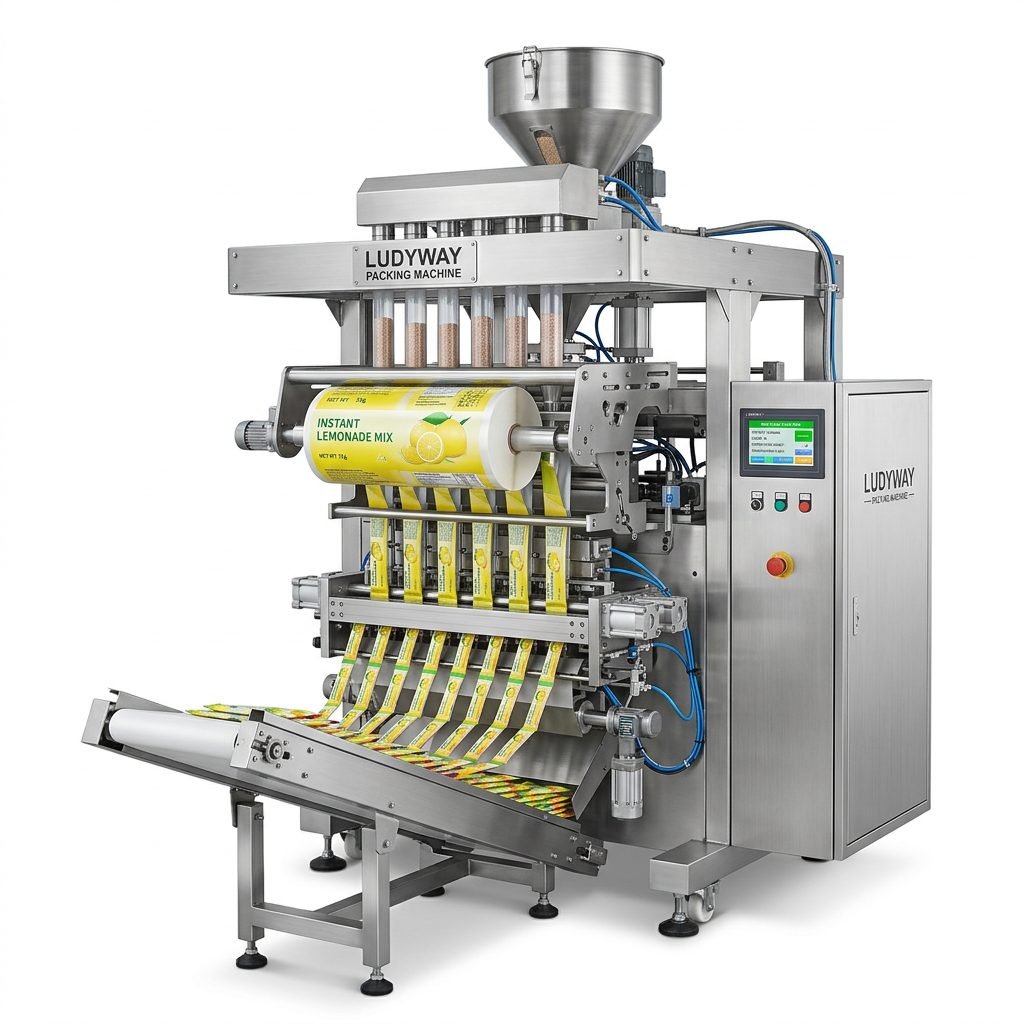
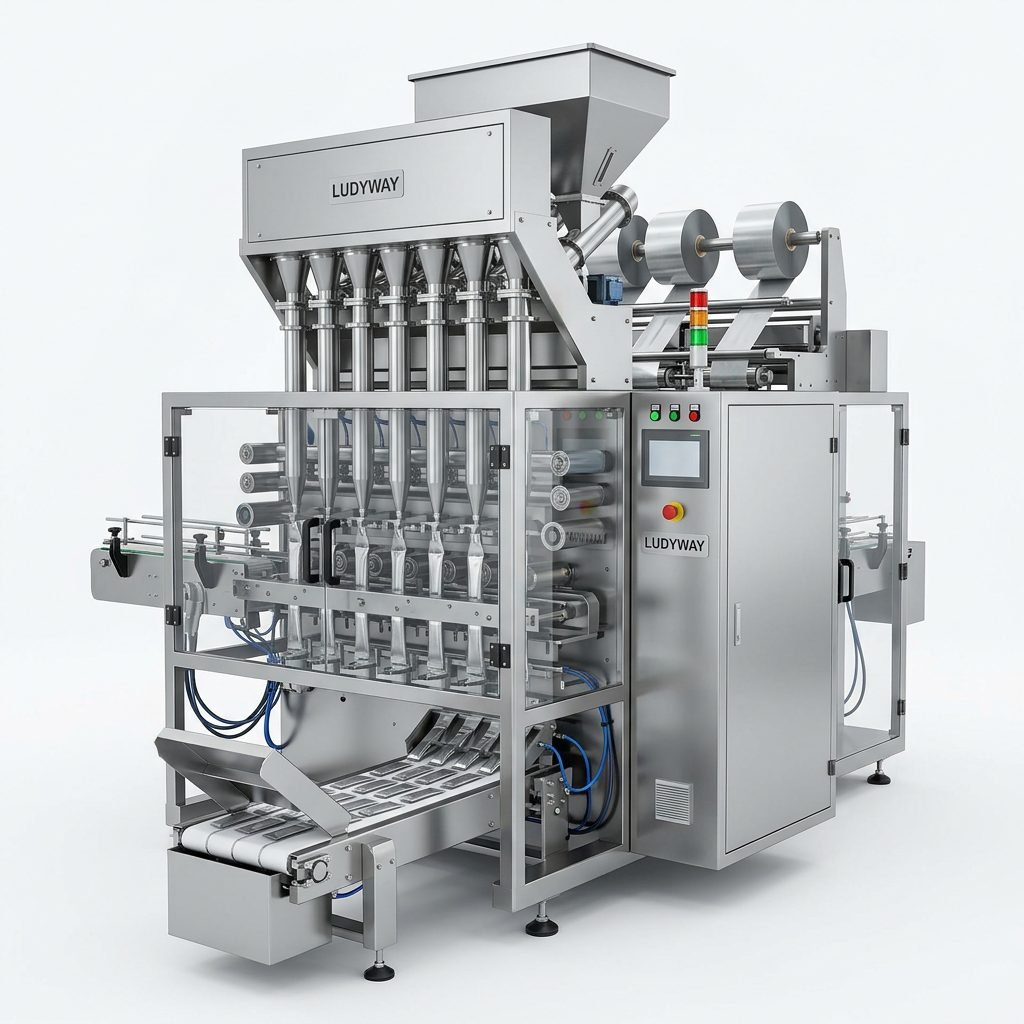
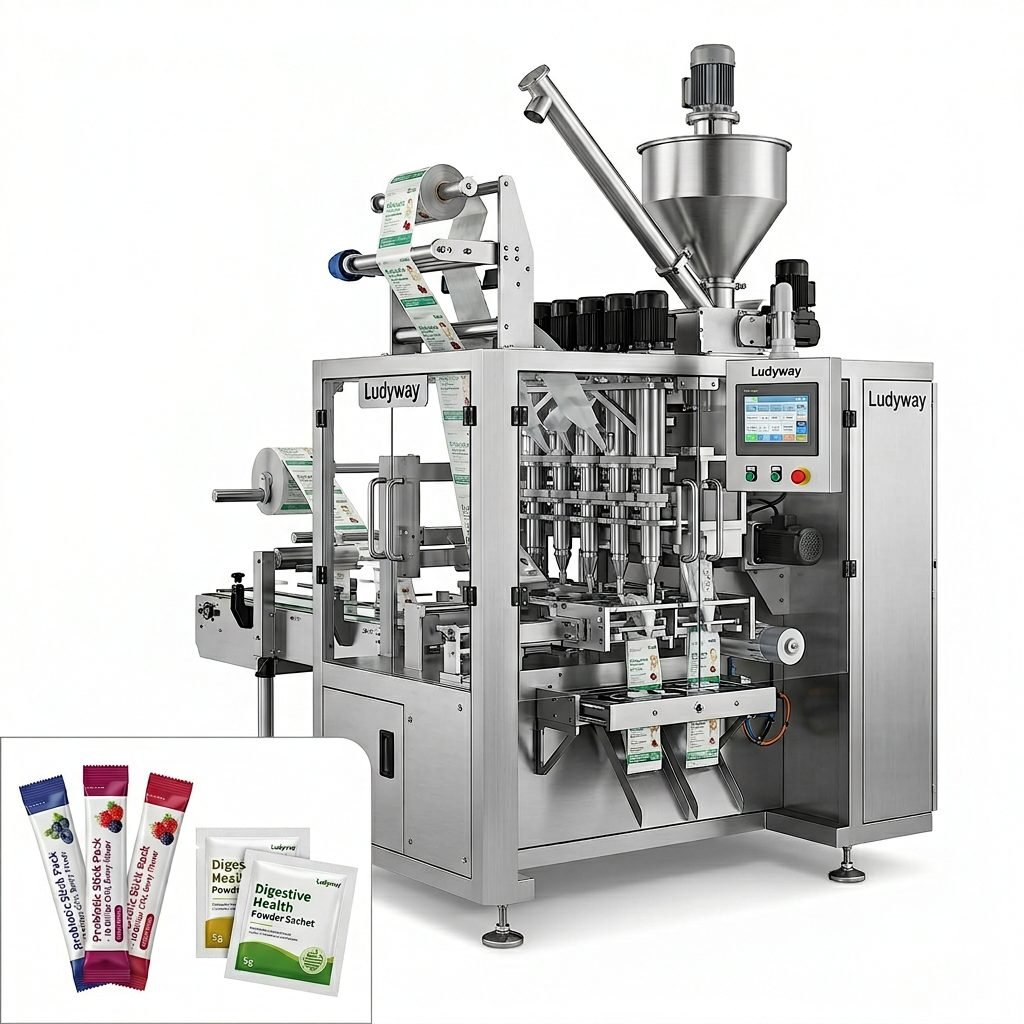
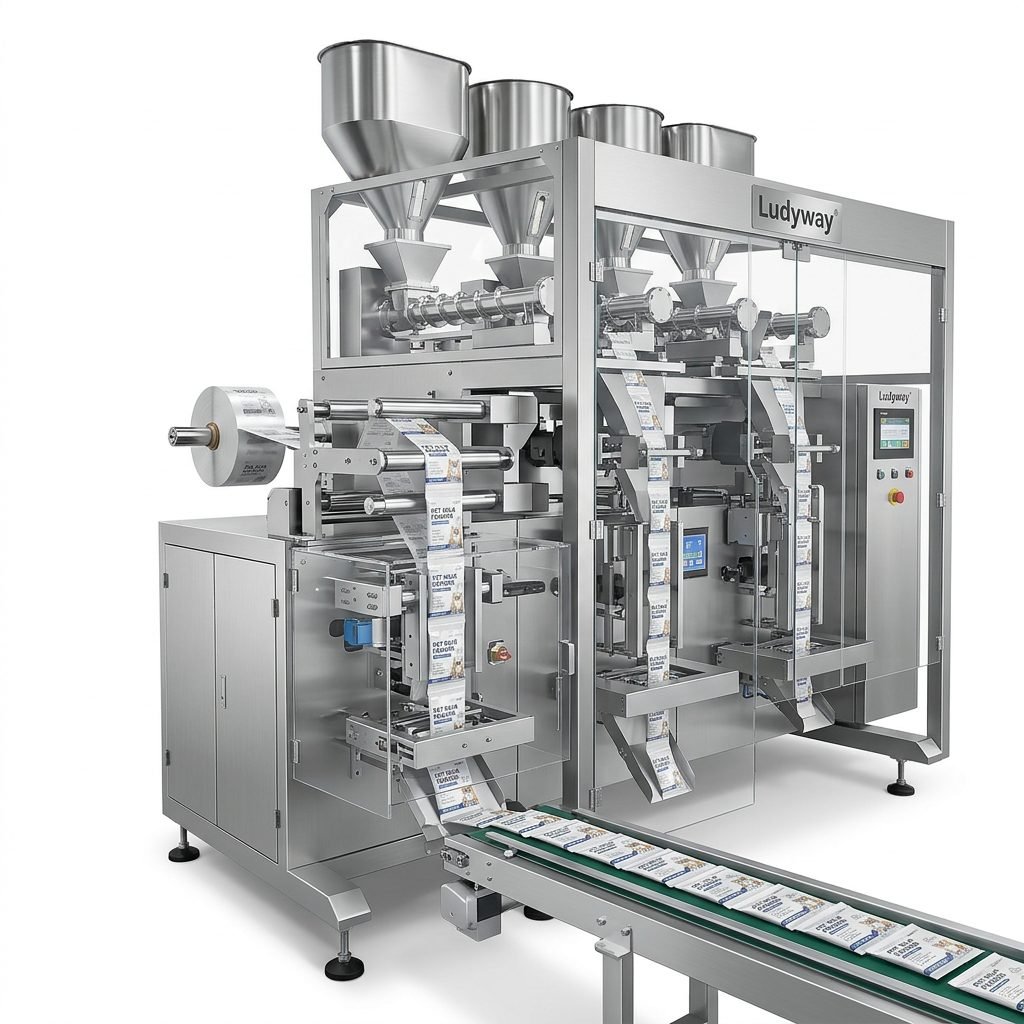
Vertical Form-Fill-Seal (VFFS) Machines: Extremely versatile, VFFS machines form pouches or bags from a roll of film, fill them with a pre-set weight of product (flower, pre-rolls, edibles), and seal them in one continuous operation. They are ideal for high-volume production of various package sizes.
Pre-Made Pouch Fillers: These machines automate the opening, filling, and sealing of pre-manufactured stand-up pouches or Mylar bags. They offer excellent graphics presentation and are often used for branded flower or edible products.
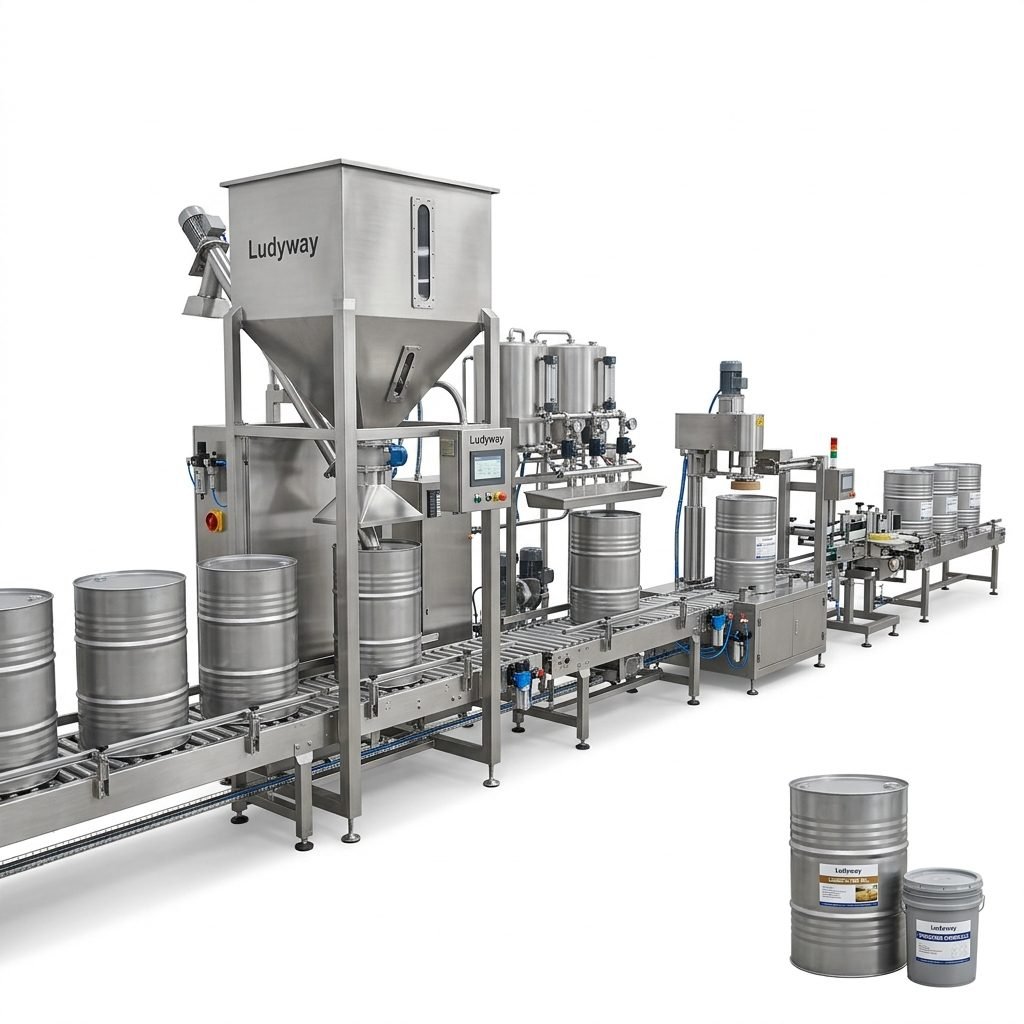
Liquid & Viscous Filling Machines: For vape cartridges, oils, tinctures, and topicals, piston fillers or peristaltic pump fillers provide precise volumetric or weight-based dosing into bottles, syringes, or cartridges, often integrated with capping systems.
Weighing and Dosing Systems
Accurate weight is non-negotiable for compliance and consumer trust. Modern systems go beyond simple scales.
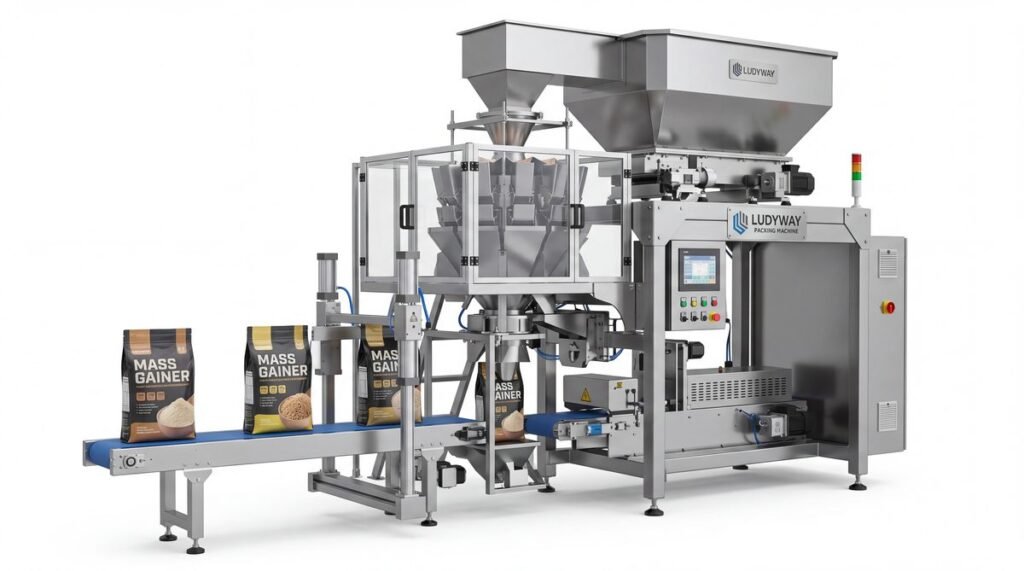
Multi-Head Weighers: The gold standard for high-speed, high-accuracy filling of dry products like flower or gummies. They use multiple weigh buckets to combine doses rapidly, achieving remarkable speed and precision, often within a 0.1-gram tolerance.
Auger Fillers: Utilize a rotating screw to dispense a consistent volume of powder or fine granules, perfect for pre-roll filling or powdered supplement packaging. Accuracy depends on product density and flow characteristics.
Labeling and Compliance
Applying labels with mandated regulatory information, THC/CBD content, batch numbers, and barcodes is a crucial final step.
Automatic Label Applicators: These machines can apply pressure-sensitive labels to the front, back, or wrap-around containers and jars with high speed and perfect registration, ensuring every package is compliant and professional.
Print-and-Apply Systems: Integrate a printer to generate variable data (like unique batch numbers or expiration dates) and immediately apply the label, offering maximum flexibility for track-and-trace requirements.
Ancillary and Support Equipment
A complete line includes supporting machines that streamline workflow.
- Conveyor Systems: Transport products between different packaging stations.
- Checkweighers: Automatically verify the filled weight of each package, rejecting under or over-weight items to ensure compliance.
- Metal Detectors & X-Ray Systems: Critical for product safety, detecting and rejecting any packages containing foreign materials.
- Cartoners & Case Packers: Automate the secondary packaging of individual units into boxes for shipping.
Understanding the Cost Factors
Investment in cannabis packaging equipment varies widely, from tens of thousands to several hundred thousand dollars, influenced by multiple factors.
1. Machine Type and Automation Level
A basic single-head auger filler or semi-automatic labeler represents a lower entry cost. A fully integrated line with a multi-head weigher, VFFS machine, checkweigher, and robotic case packer constitutes a major capital investment but delivers unparalleled output and labor savings.
2. Production Speed and Capacity
Speed, measured in packages-per-minute (PPM), is a primary cost driver. A machine rated for 60 PPM will cost significantly more than one rated for 20 PPM. Your required output dictates the necessary speed tier.
3. Precision and Technology
Equipment with higher weighing accuracy (e.g., ±0.05 grams vs. ±0.5 grams), advanced servo motors, touchscreen HMI controls, and data logging capabilities commands a premium price.
4. Customization and Integration
Off-the-shelf solutions are more affordable. Custom engineering to handle unique container shapes, integrate with existing machinery, or meet specific sanitary standards adds to the project cost.
Budgeting Beyond the Sticker Price
Always factor in the Total Cost of Ownership (TCO):
Installation & Training: Costs for technician setup and operator training.
Maintenance & Parts: Regular service contracts and spare part inventories.
Consumables: Ongoing cost for packaging film, labels, and inks.
Floor Space & Utilities: Requirements for power, compressed air, and facility footprint.
How to Choose the Right Machines: A Strategic Framework
Making the correct choice requires a methodical assessment of your business needs.
Step 1: Define Your Product and Packaging Parameters
Start with absolute clarity on what you are packaging. Is it dry flower, pre-rolls, concentrates, edibles, or tinctures? Determine your primary container: pouch, jar, vial, cartridge, or stick pack. Document the full size range and any special material requirements (e.g., child-resistant, UV-blocking).
Step 2: Analyze Your Production Volume & Growth Plan
Calculate your current daily/weekly output needs and your projected growth for the next 3-5 years. Choose equipment that can meet near-term demands with about 20-30% overhead for peak times, and ensure it can be upgraded or integrated to scale with your growth, avoiding a costly full replacement too soon.
Step 3: Prioritize Compliance and Accuracy
In the cannabis industry, regulatory compliance is paramount. Your equipment must consistently achieve the weight accuracy mandated by your state or country’s regulations. Integrated checkweighers and robust data reporting features are not luxuries; they are necessities for audit trails and recall management.
Step 4: Evaluate Automation vs. Labor
Compare the cost of the equipment against the labor it displaces. A higher degree of automation reduces long-term labor costs, minimizes human error, and increases throughput consistency. For businesses scaling rapidly, investing in automation early often leads to a faster ROI and more stable operations.
Step 5: Assess Vendor Support and Reliability
The machine is only as good as the company behind it. Choose a supplier with proven experience in cannabis or related pharmaceutical/food packaging. Scrutinize their post-sale support: Is there local technical service? What is the parts availability and lead time? Can they provide references from similar operations? A reliable partner like Ludyway Packaging Machinery, with deep industry knowledge, is crucial for minimizing downtime and ensuring long-term success.
Step 6: Request a Live Product Test
Never buy based on specifications alone. Always insist on a live test using your actual product and packaging materials at the vendor’s facility or through a validated demo video. This test reveals the true performance regarding speed, accuracy, changeover ease, and any potential handling issues.
Implementing the right packaging machinery is a strategic investment that safeguards your product quality, ensures regulatory compliance, and builds a foundation for efficient, scalable growth. By thoroughly understanding equipment types, honestly assessing costs, and following a disciplined selection process, you can build a packaging operation that supports your brand’s ambition and operational excellence. For businesses seeking tailored solutions, exploring customized packaging line integration with an expert partner can provide a significant competitive advantage.
Frequently Asked Questions (FAQs)
What is the most important feature to look for in cannabis packaging equipment?
Regulatory-grade accuracy and reliable data tracking are paramount. The machine must consistently fill to the exact weight required by law and provide verifiable records for compliance audits. Speed is secondary to precision in this industry.
Can I use standard food packaging machines for cannabis?
While mechanically similar, cannabis-specific machines often have enhanced features for compliance, such as more precise weighing systems, integrated checkweighers, and software designed for track-and-trace seed-to-sale reporting. It’s advisable to choose equipment vetted for cannabis or high-value botanical applications.
How much can I save on labor with automated packaging?
Savings are substantial. A single automated filling and sealing line can replace 4-8 manual laborers while increasing output by 300% or more. The ROI typically ranges from 12 to 24 months, depending on volume and local labor costs, not including gains from reduced product giveaway and improved consistency.
What kind of maintenance do these machines require?
Regular preventative maintenance is essential. Daily cleaning to prevent resin or powder buildup, weekly checks of seals and moving parts, and scheduled servicing of critical components like scales and sensors will maximize uptime. Partnering with a vendor that offers comprehensive service plans and training is highly recommended.
Is it better to buy individual machines or a complete turnkey line?
For new or rapidly scaling operations, a turnkey line from a single supplier is often more efficient. It ensures all components are compatible, synchronized, and backed by one point of service responsibility. For adding capacity to an existing setup, individual machines may be suitable if integration capabilities are confirmed.