Choosing the right seed packaging machine is a critical decision for any agricultural business, seed producer, or distributor. The ideal machine not only protects the viability of your seeds but also enhances operational efficiency, brand presentation, and ultimately, your bottom line. This comprehensive guide will walk you through the key factors to consider when selecting a solution that improves speed, accuracy, and reduces waste.
Core Objectives of Modern Seed Packaging
Before diving into machine specifications, it’s essential to align your equipment choice with these fundamental business goals:
→ Maximize Speed & Throughput: Handle peak seasonal demand without bottlenecks.
→ Ensure Precision & Accuracy: Guarantee consistent, correct seed count or weight in every package to maintain trust and comply with regulations.
→ Minimize Product Waste: Reduce giveaway and spillage, directly protecting your profit margins.
→ Enhance Packaging Integrity: Provide a robust barrier against moisture, pests, and physical damage during storage and transit.
Key Factors for Choosing Your Seed Packaging Machine
1. Packaging Format and Material Compatibility
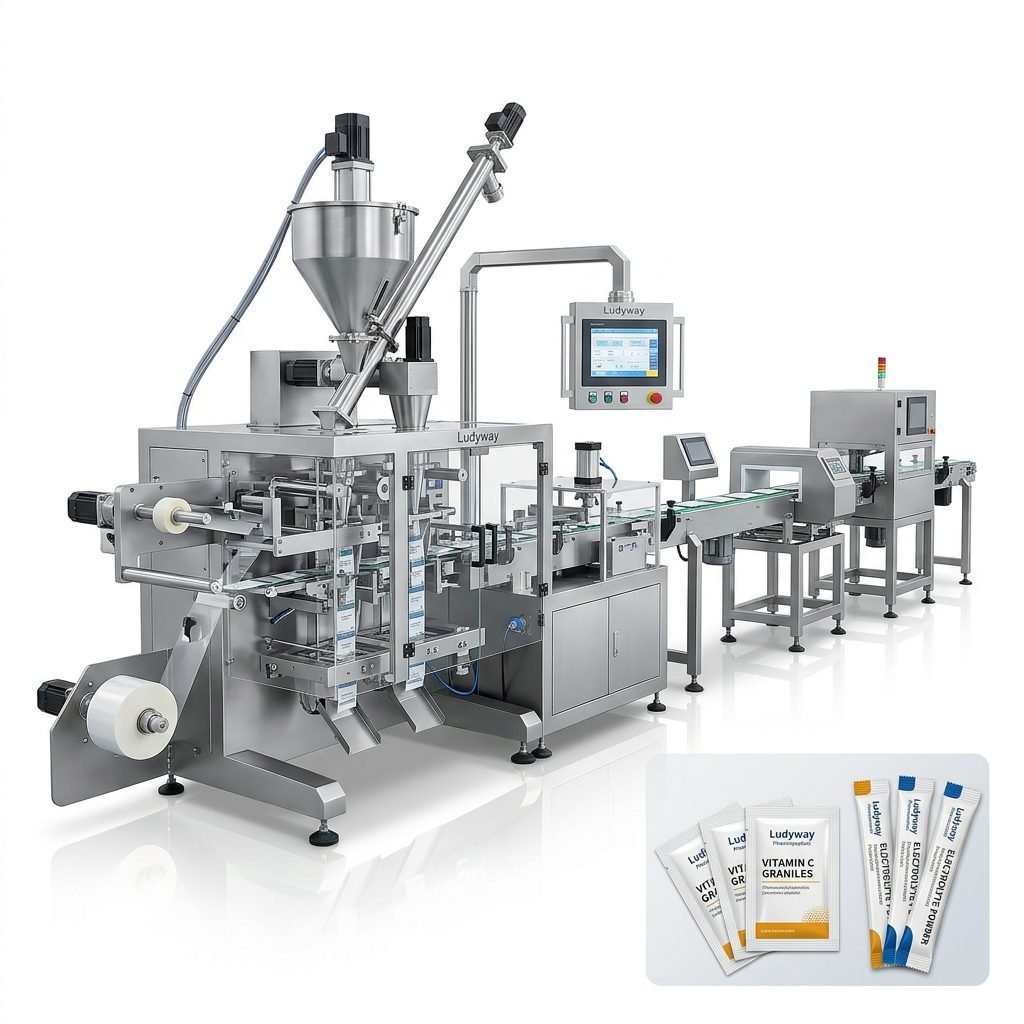
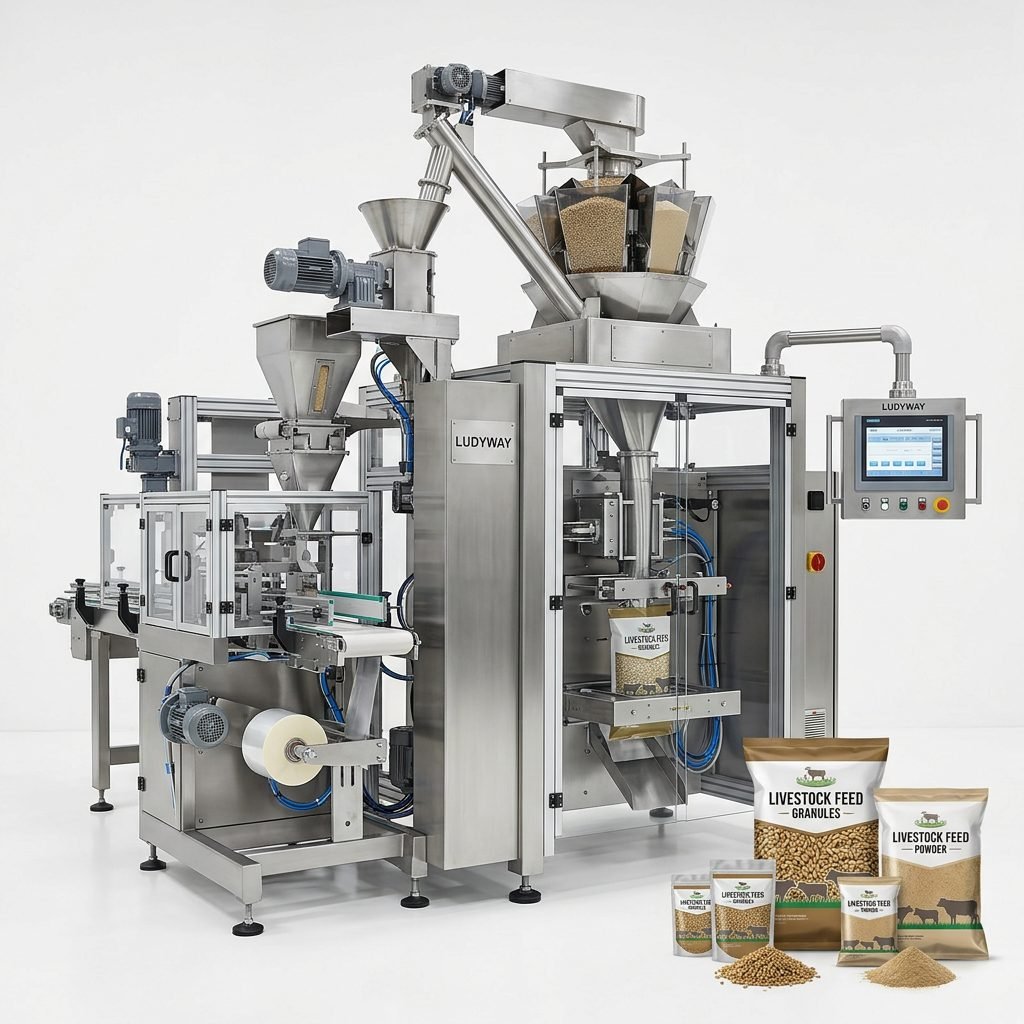
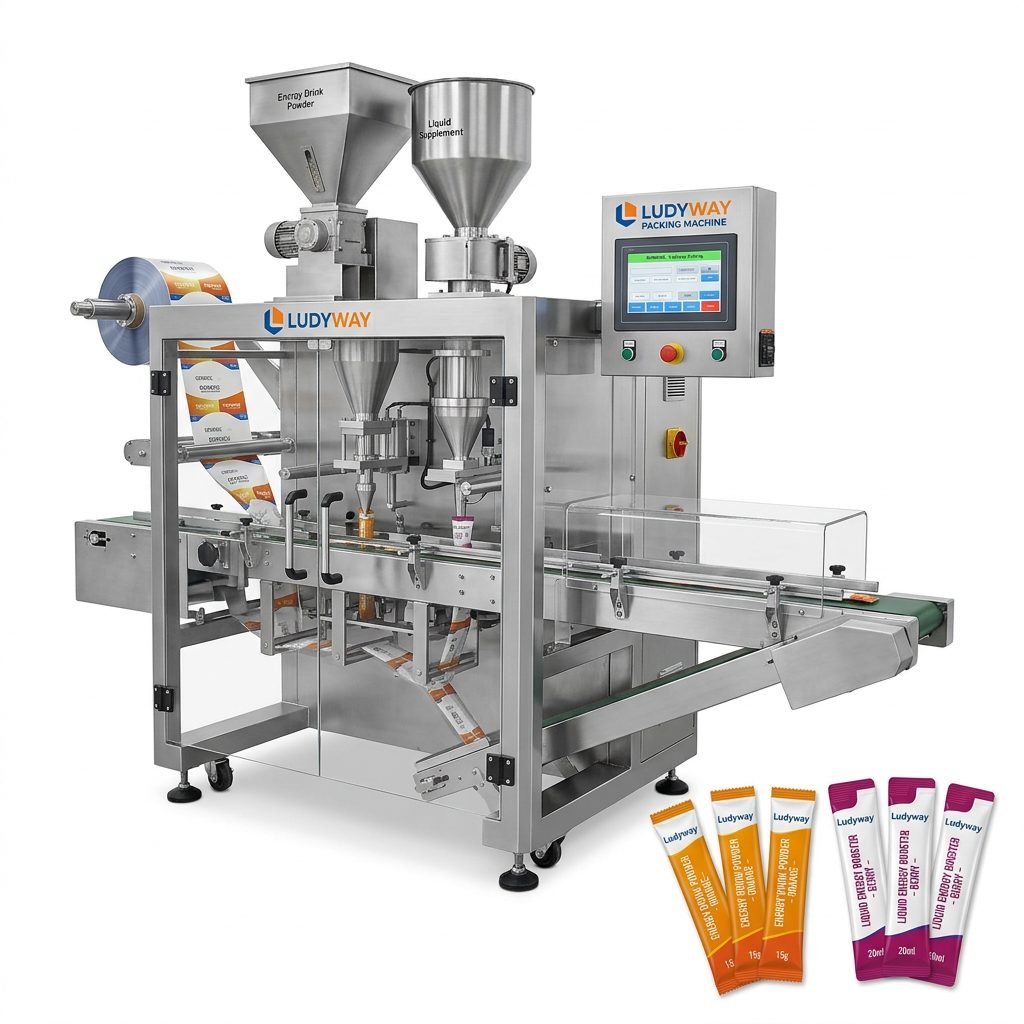
Your chosen packaging format dictates the type of machine required. Common formats include stick packs, sachets, pouches, and bags. Consider the following:
Material Type: Can the machine reliably run the laminates, foils, or biodegradable films you plan to use? Ensure it handles the material’s thickness and coefficient of friction.
Seal Integrity: Look for machines with precise temperature control and consistent pressure to create strong, hermetic seals that are crucial for seed preservation.
2. Weighing and Dosing Technology: The Heart of Accuracy
This is arguably the most critical component for reducing waste and ensuring accuracy. The technology must handle seeds of varying sizes, shapes, and weights (from tiny carrot seeds to larger pea seeds).
Volumetric Cup Fillers: Cost-effective for uniform, free-flowing seeds. Speed is high, but accuracy can vary with seed density.
Auger Fillers: Excellent for a wide range of seed sizes and shapes. Modern servo-driven augers offer exceptional precision by controlling each rotation.
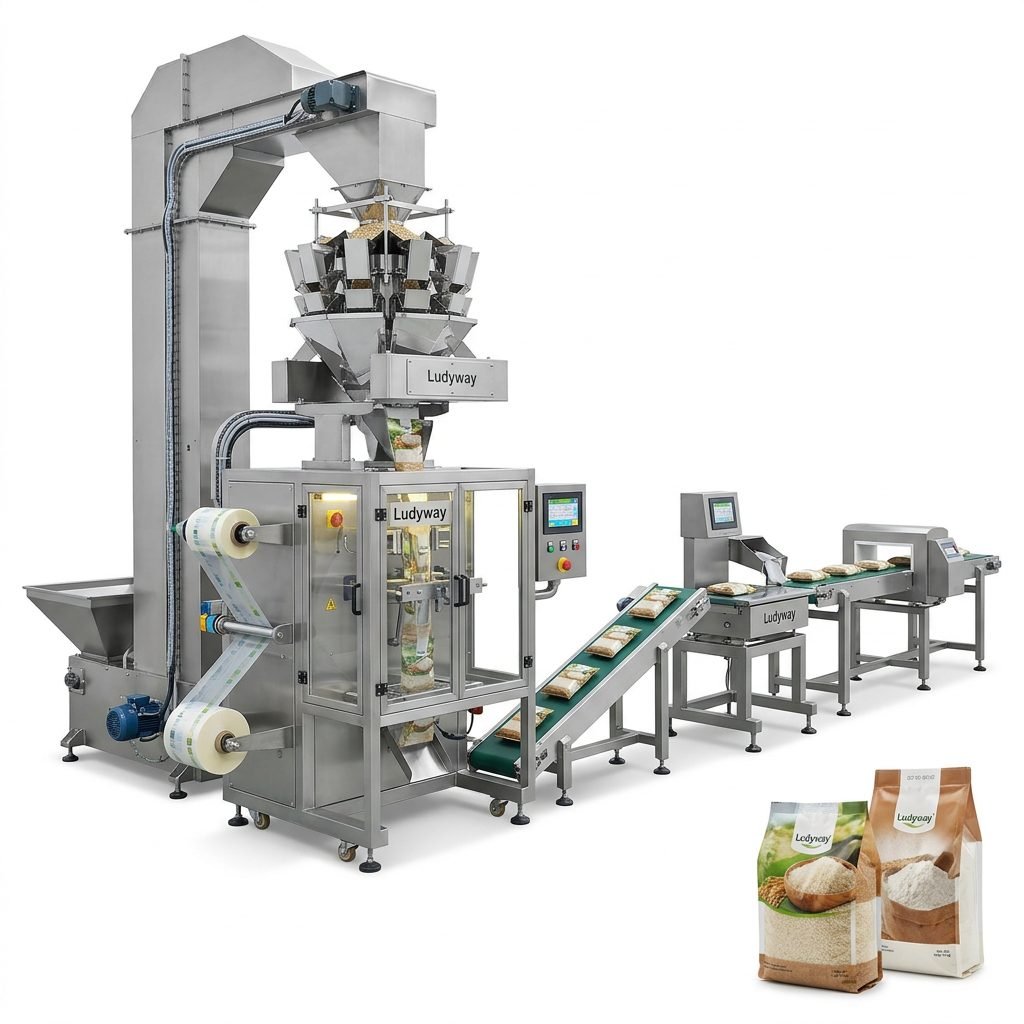
Weighing Scale Systems (Linear or Multi-Head Weighers): Provide the highest accuracy, especially for valuable or hybrid seeds. They combine multiple small weigh buckets to achieve the exact target weight, minimizing giveaway.
Counters: Ideal for large, pelleted, or treated seeds sold by count. Optical or mechanical counters ensure every packet has the exact number of seeds.
Pro Tip: Test with Your Product
Always request a live production test using your actual seeds and packaging materials. This is the only way to verify the machine’s claimed speed, accuracy (weigh several dozen packs to check consistency), and waste rate under real conditions.
3. Production Speed and Scalability
Match the machine’s output (packages per minute, PPM) to your current and projected future needs. Consider:
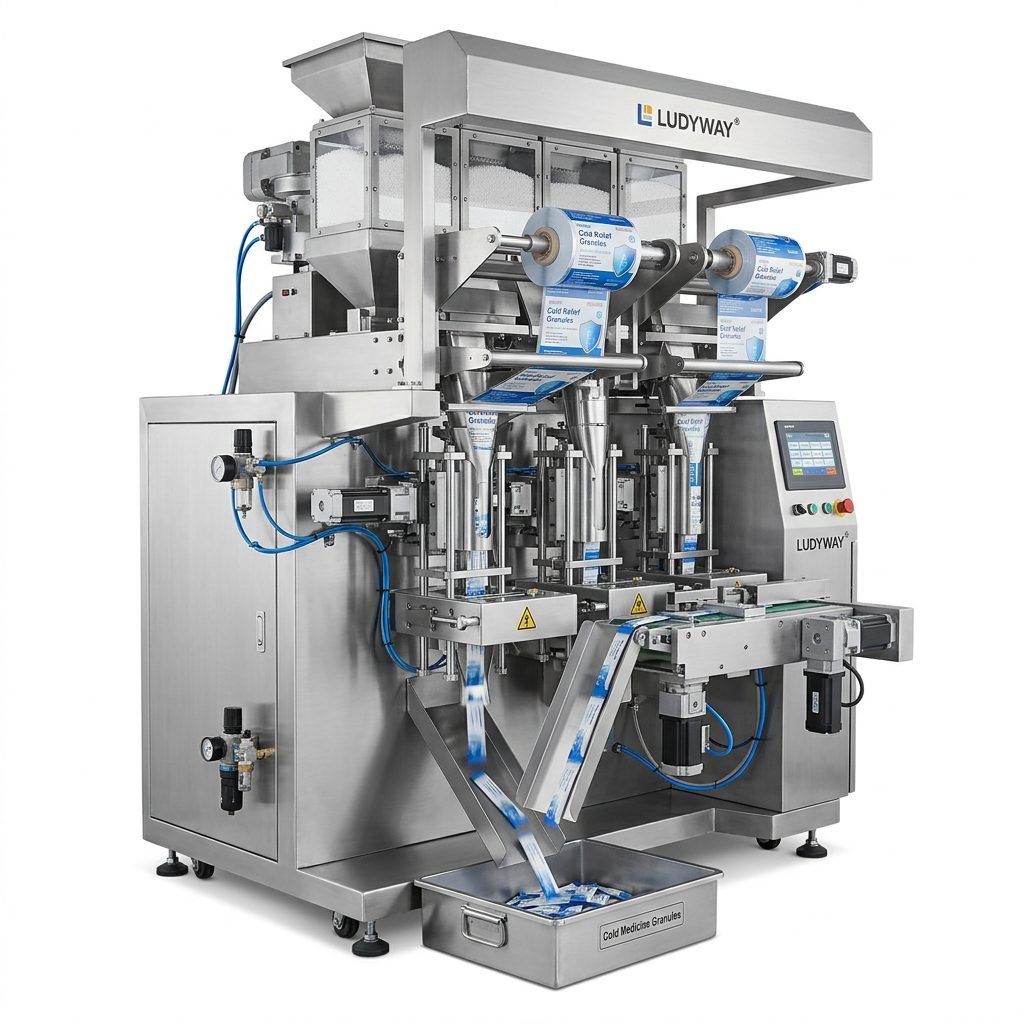
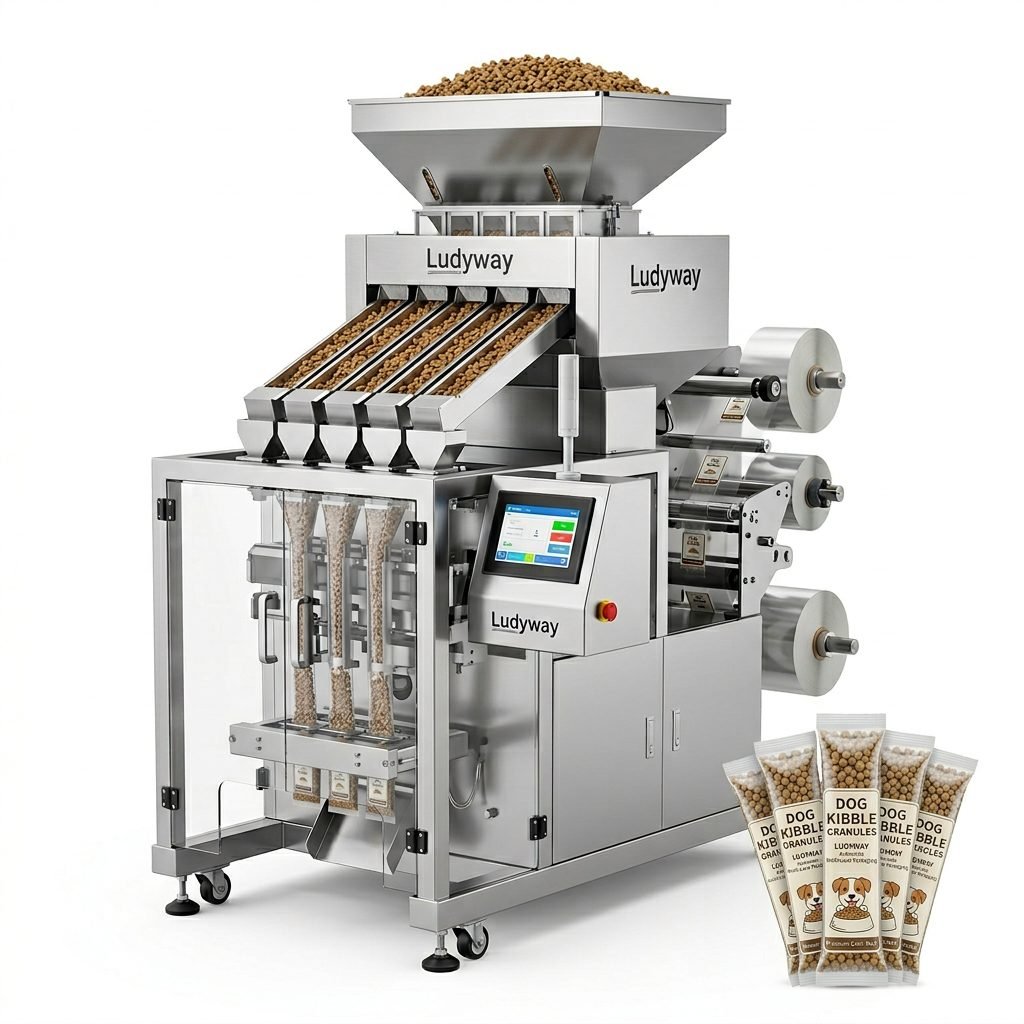
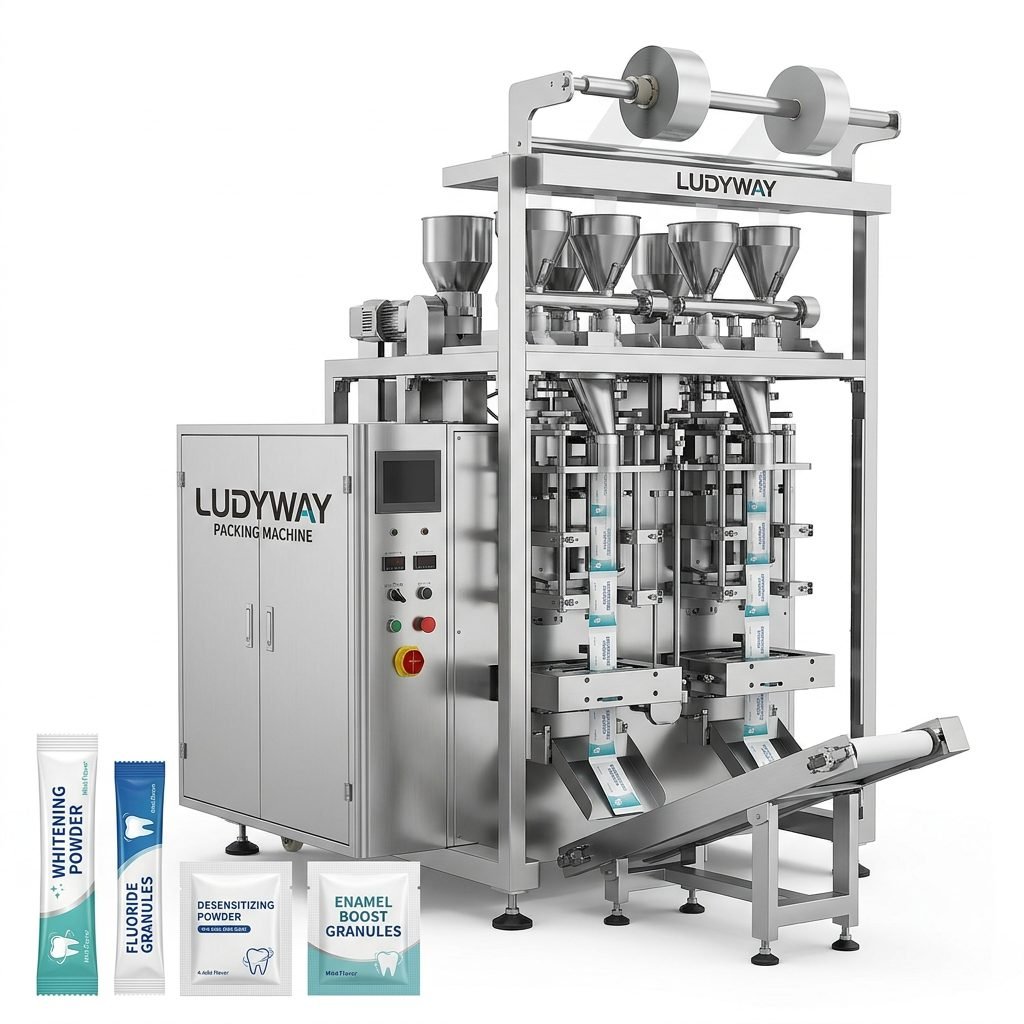
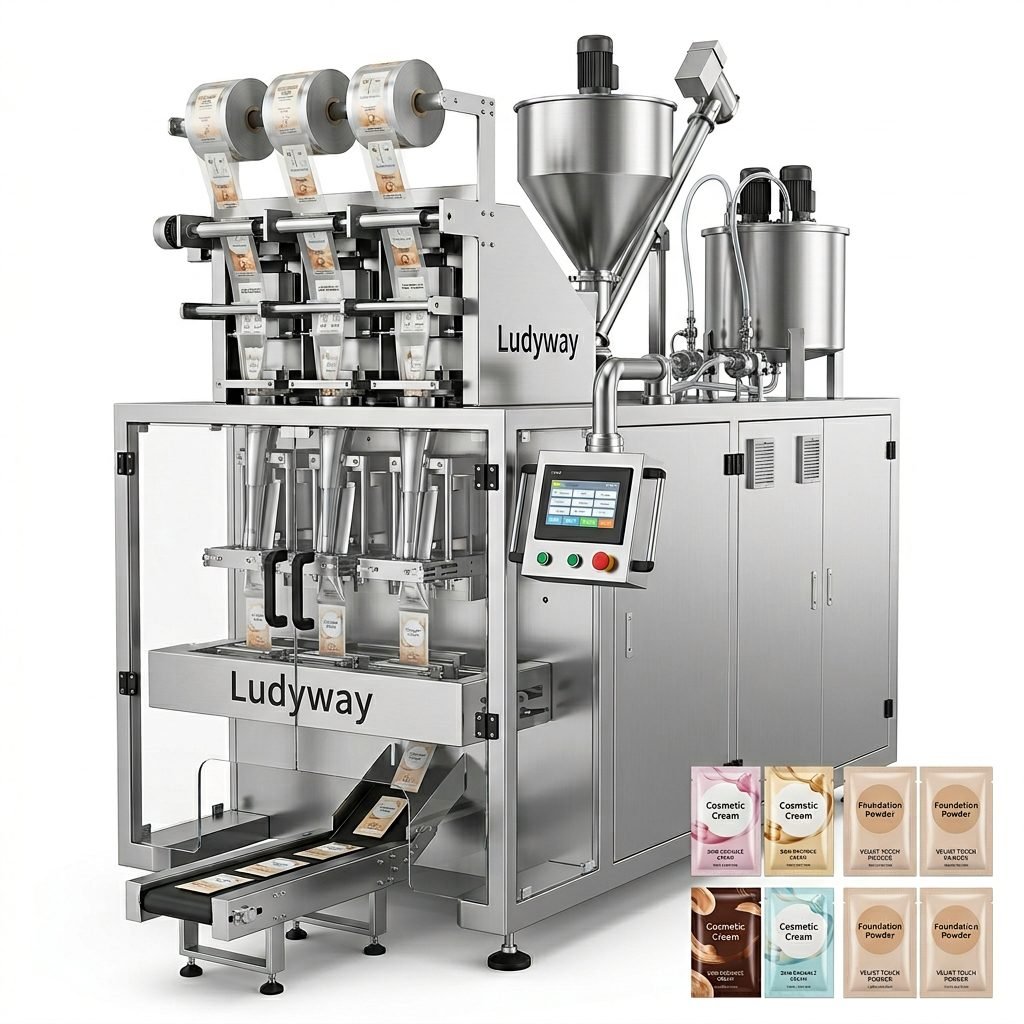
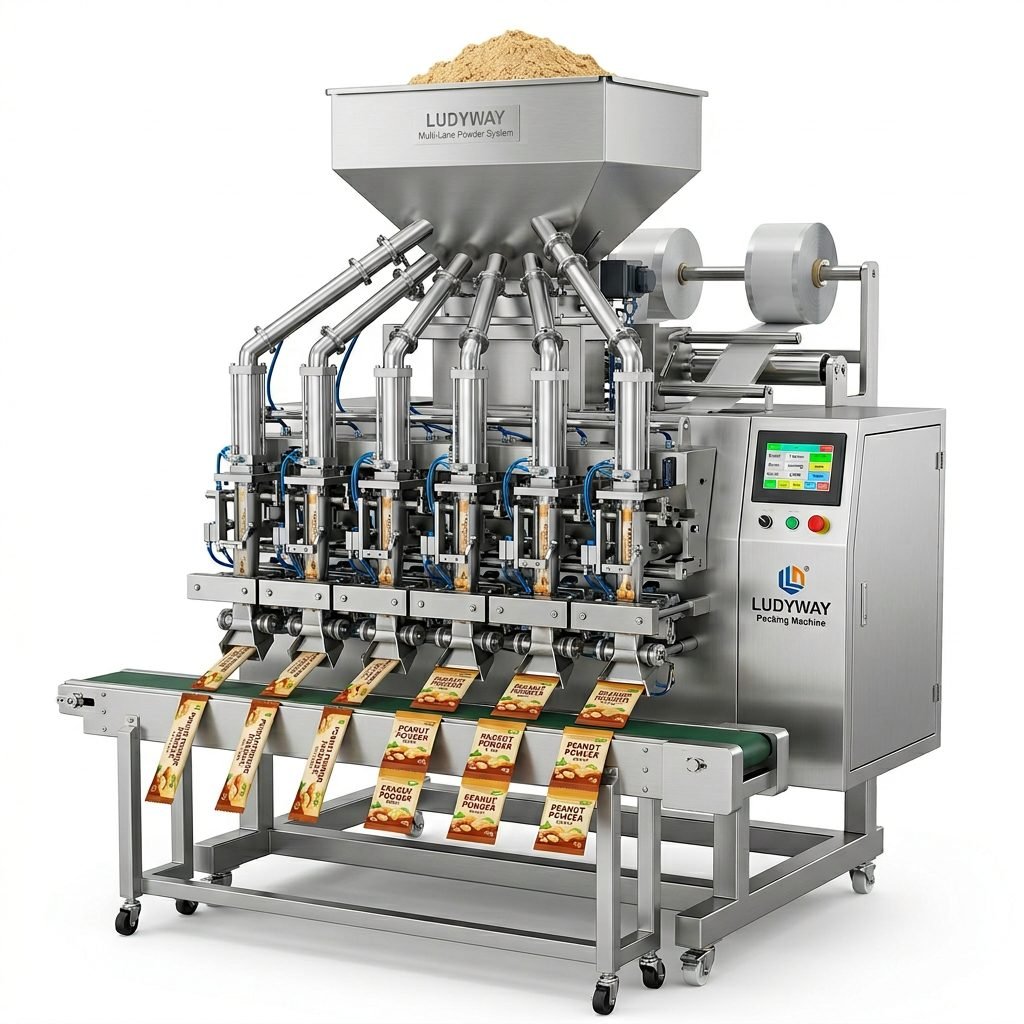
Single vs. Multi-Lane: A single-lane machine is a good start. For higher output, multi-lane machines (e.g., 2-lane, 4-lane, or even 8-lane stick pack machines) run multiple packages simultaneously, dramatically increasing speed.
Changeover Time: How quickly can you switch between different seed varieties or package sizes? Look for machines with tool-less or quick-change components to minimize downtime during short production runs.
4. Automation and Integration Level
The level of automation directly impacts labor costs and operational smoothness.
Basic Semi-Automatic: Requires an operator to fill bags and initiate sealing. Suitable for very low-volume or artisanal producers.
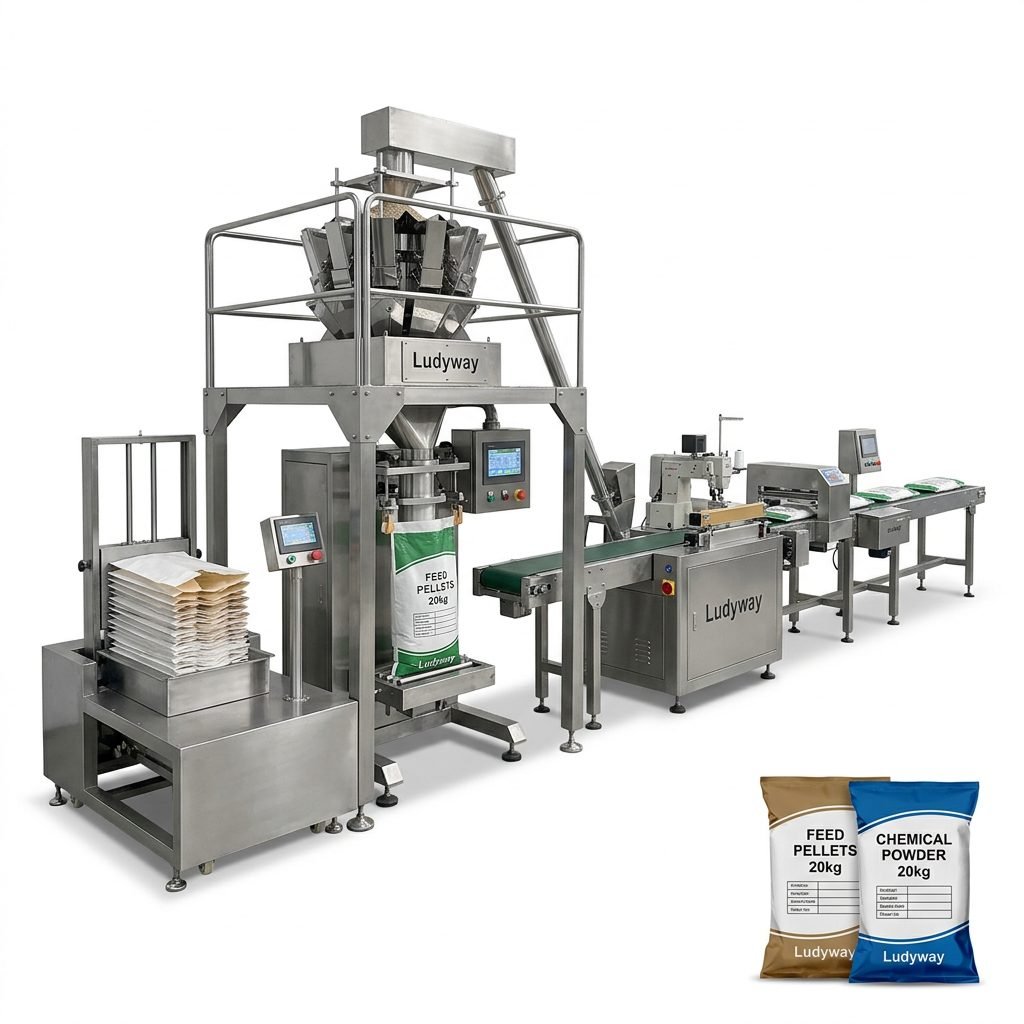
Fully Automatic: Integrates forming, filling, and sealing (FFS) in one continuous process. May include automated cartoning, case packing, and palletizing for a complete turnkey line.
Smart Features: Modern machines offer touchscreen HMIs, recipe storage, production data tracking, and IoT connectivity for predictive maintenance and operational insights.
5. Durability, Support, and Supplier Reliability
Your packaging machine is a long-term investment. Assess the build quality, use of industrial-grade components, and ease of maintenance. Crucially, evaluate the supplier’s reputation. A partner like Ludyway Machinery, with over 30 years of industry experience, brings invaluable expertise in providing reliable, tailored solutions. They offer more than 50 intelligent packaging machine models and understand the specific demands of seed packaging. Ensure your supplier provides comprehensive training, readily available spare parts, and responsive technical support to keep your line running smoothly for years.
How the Right Machine Improves Speed, Accuracy, and Reduces Waste
Investing in appropriate technology creates a virtuous cycle of efficiency:
Speed via Multi-Lane & Smart Design: Multi-lane systems and high-speed servo drives increase throughput. Quick changeovers mean less time stopped, more time producing.
Accuracy via Advanced Dosing: Servo augers and multi-head weighers deliver precise portions every time, ensuring compliance and customer satisfaction.
Waste Reduction via Precision & Control: High accuracy directly cuts product giveaway. Clean, sealed packages reduce spoilage and returns. Integrated monitoring catches errors in real-time, preventing large batches of waste.
The Path to an Optimal Solution
1. Audit Your Needs: Define your seeds, formats, required output, and budget.
2. Research Suppliers: Look for specialists with proven experience in seed or agricultural packaging.
3. Request Demonstrations: See machines in action, preferably with your product.
4. Evaluate Total Cost of Ownership: Consider energy use, maintenance costs, and potential for future upgrades.
5. Plan for Support: Choose a partner committed to your long-term success, not just a one-time sale.
Frequently Asked Questions (FAQs)
1. What is the most accurate filling method for irregularly shaped seeds?
For irregular, lightweight, or non-free-flowing seeds, a servo-driven auger filler or a multi-head weigher typically offers the best accuracy. The auger provides gentle handling and precise volumetric control, while the weigher delivers exact weight regardless of shape.
2. Can one machine handle different seed varieties and package sizes?
Yes, many modern machines are designed for flexibility. The key is quick changeover capability. Look for machines where change parts for different bag sizes or seed types can be swapped in minutes without specialized tools, minimizing downtime between production runs.
3. How important is the sealing quality for seed packaging?
It is absolutely critical. A poor seal allows moisture and oxygen in, which can drastically reduce seed germination rates during storage. Ensure the machine provides consistent, temperature-controlled sealing that is tested for integrity with your specific packaging material.
4. What are the benefits of a multi-lane stick pack machine for seeds?
Multi-lane machines (e.g., 4-lane or 8-lane) produce multiple stick packs simultaneously, offering very high output in a compact footprint. This is ideal for high-volume packaging of smaller seed quantities, significantly improving speed and production efficiency for the same operational cost.
5. Should I prioritize speed or accuracy when choosing a machine?
Accuracy should never be compromised, as it directly affects product quality, compliance, and waste. The goal is to find a machine that delivers the required accuracy at a speed that meets your production targets. Reputable suppliers will help you find the optimal balance for your specific operation.