Selecting the right packaging equipment is a critical decision for any production operation. The machinery you choose directly impacts your efficiency, product quality, and overall operational costs. With a vast array of packaging equipment machinery types available, from versatile sachet packers to high-speed stick pack machines, navigating the options can be complex. This guide will explore the top machinery types and provide a framework for choosing the optimal system tailored to your specific production needs.
Understanding Core Packaging Machinery Types
The foundation of an efficient packaging line lies in selecting the correct primary machine. Each type is engineered for specific product forms and output requirements.
Vertical Form Fill Seal (VFFS) Machines
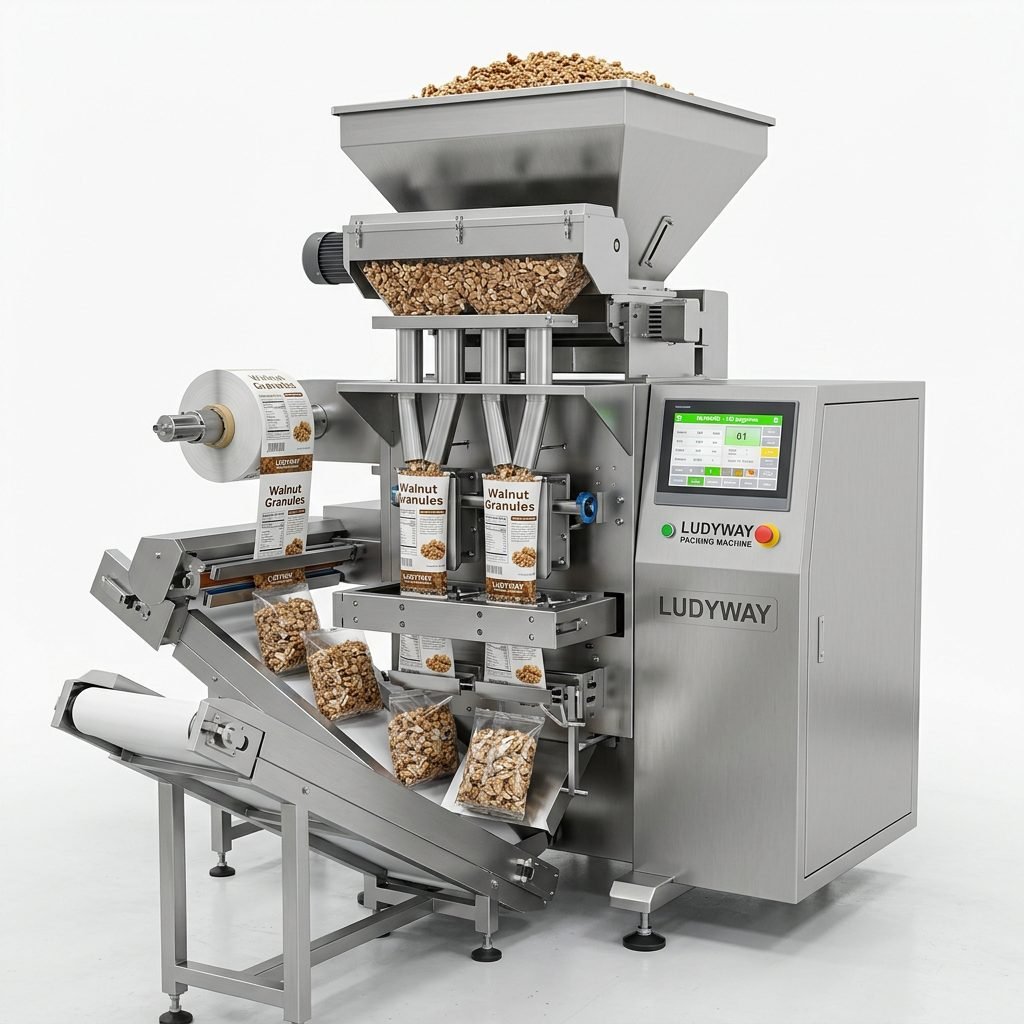
These are the workhorses of the packaging industry, ideal for granules, powders, and small solids. VFFS machines form a bag from a roll of film, fill it with product, and then seal it—all in a continuous vertical motion. They are highly versatile and can produce various bag styles like pillow bags, gusseted bags, or block-bottom bags.
Horizontal Form Fill Seal (HFFS) Machines
Perfect for bundling multiple items or packaging biscuits, candy bars, or medical devices, HFFS machines operate on a horizontal plane. They are excellent for creating tray-and-lid packages or flow-wrapped products, offering high-speed operation and a sleek finished appearance.
Stick Pack & Sachet Packaging Machines
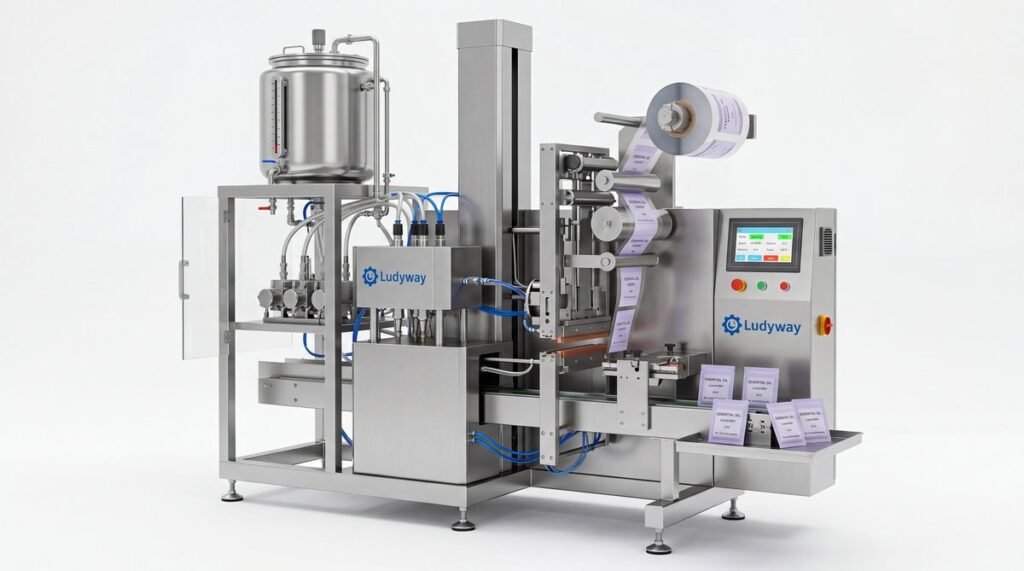
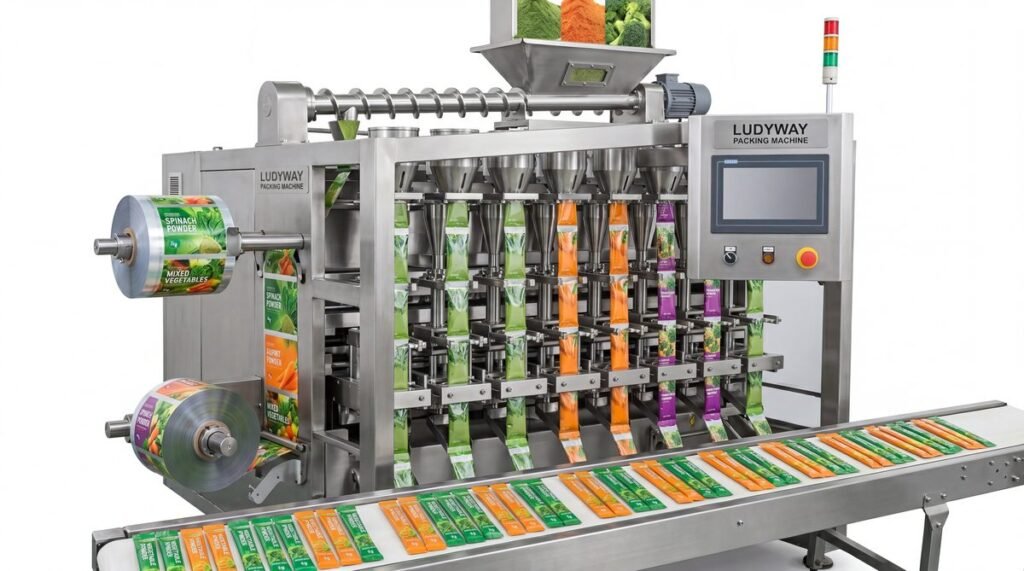
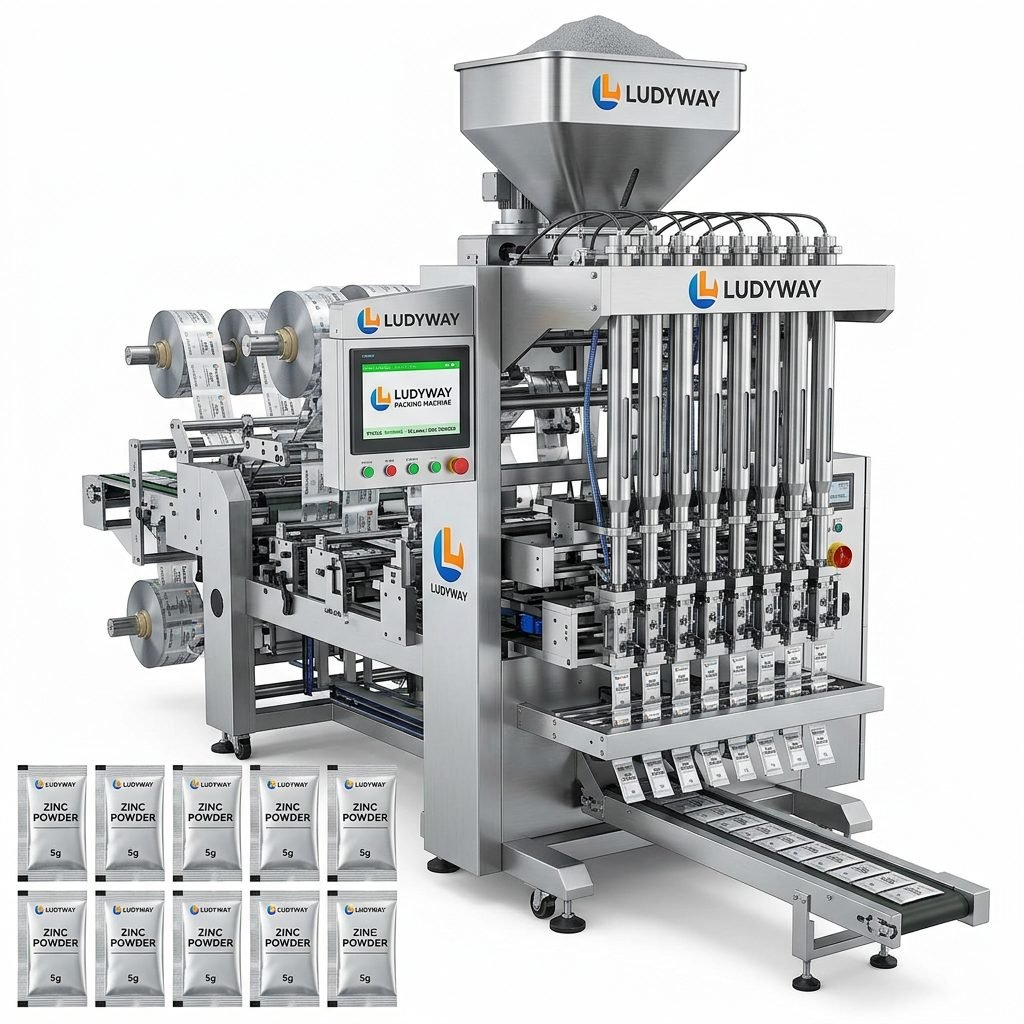
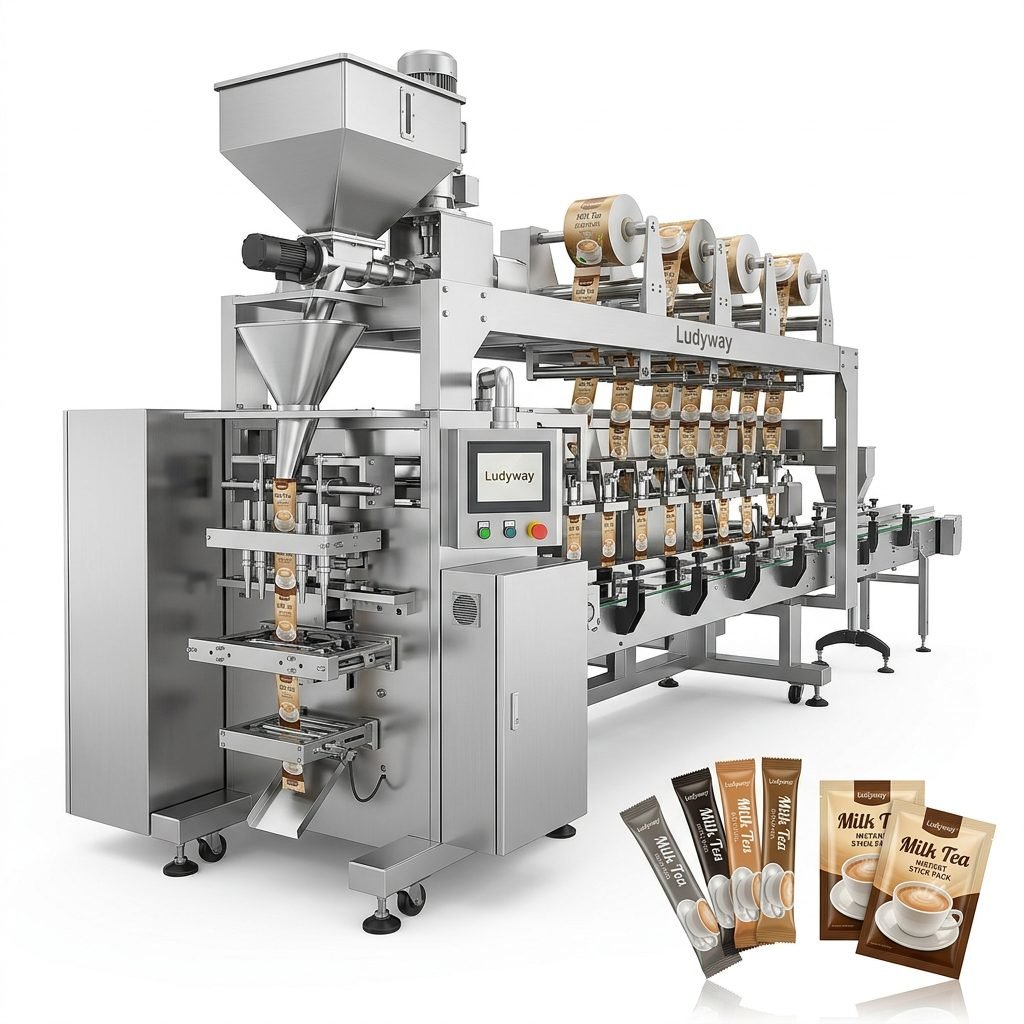
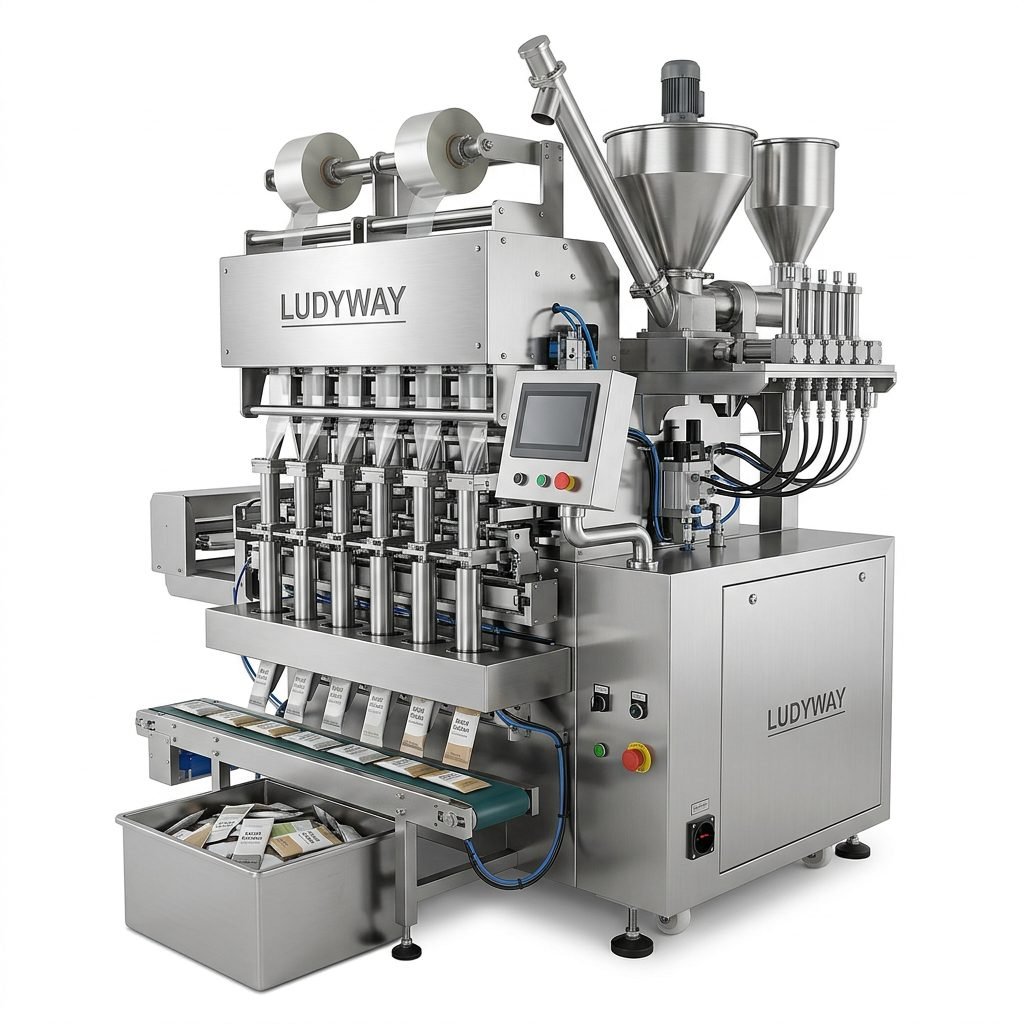
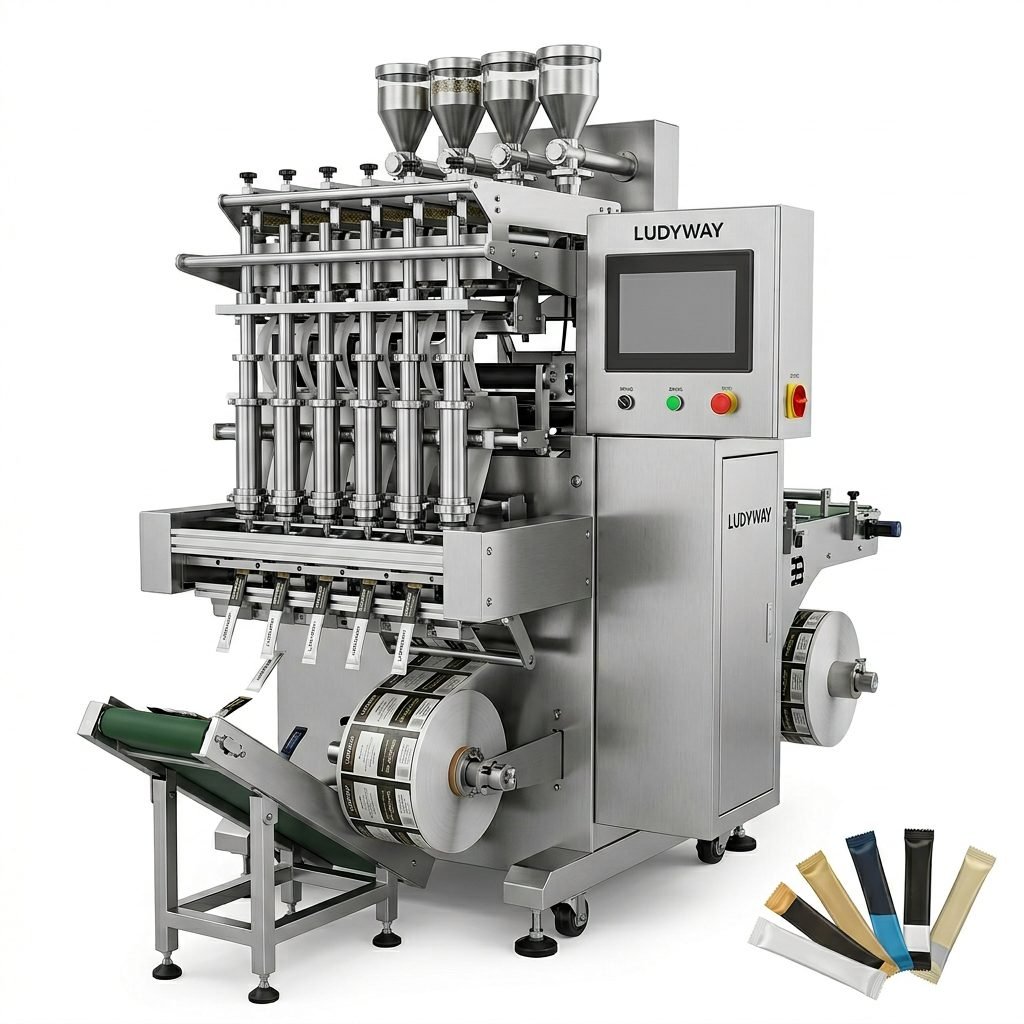
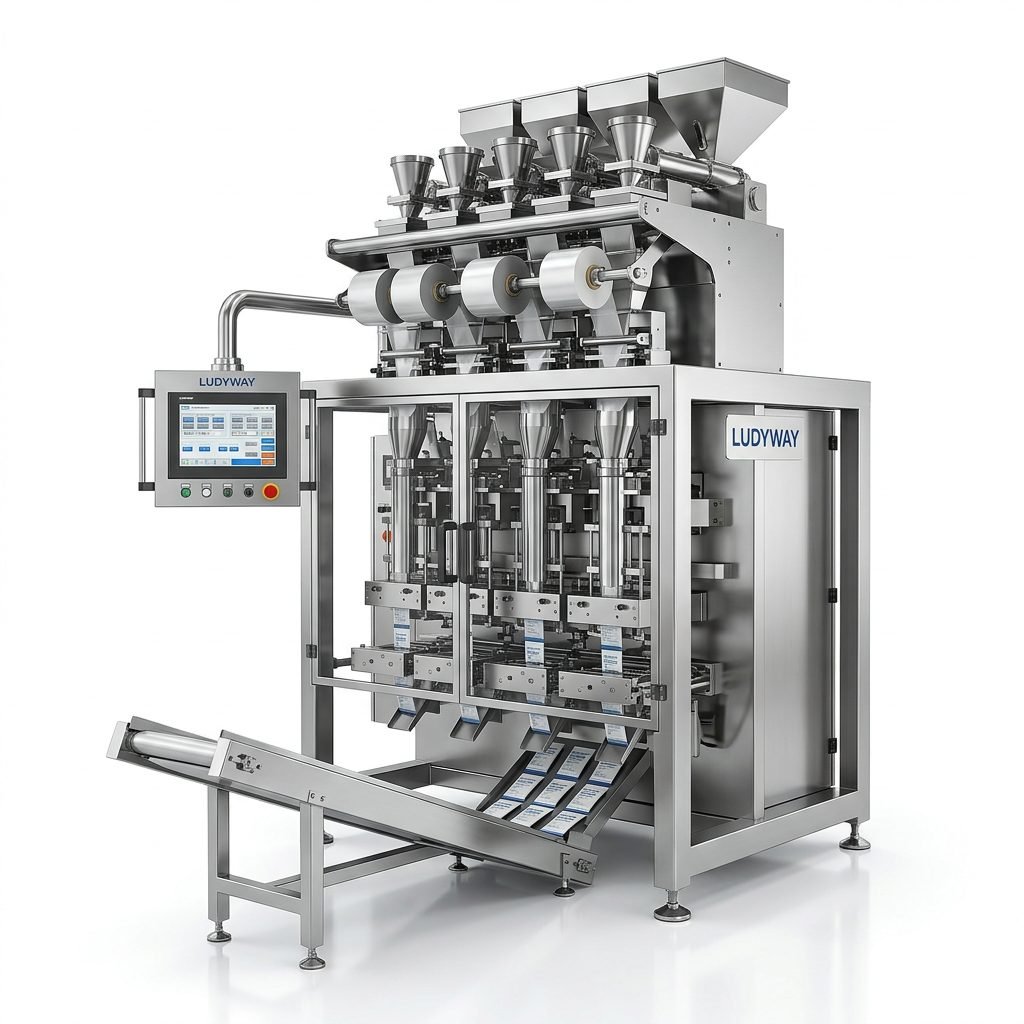
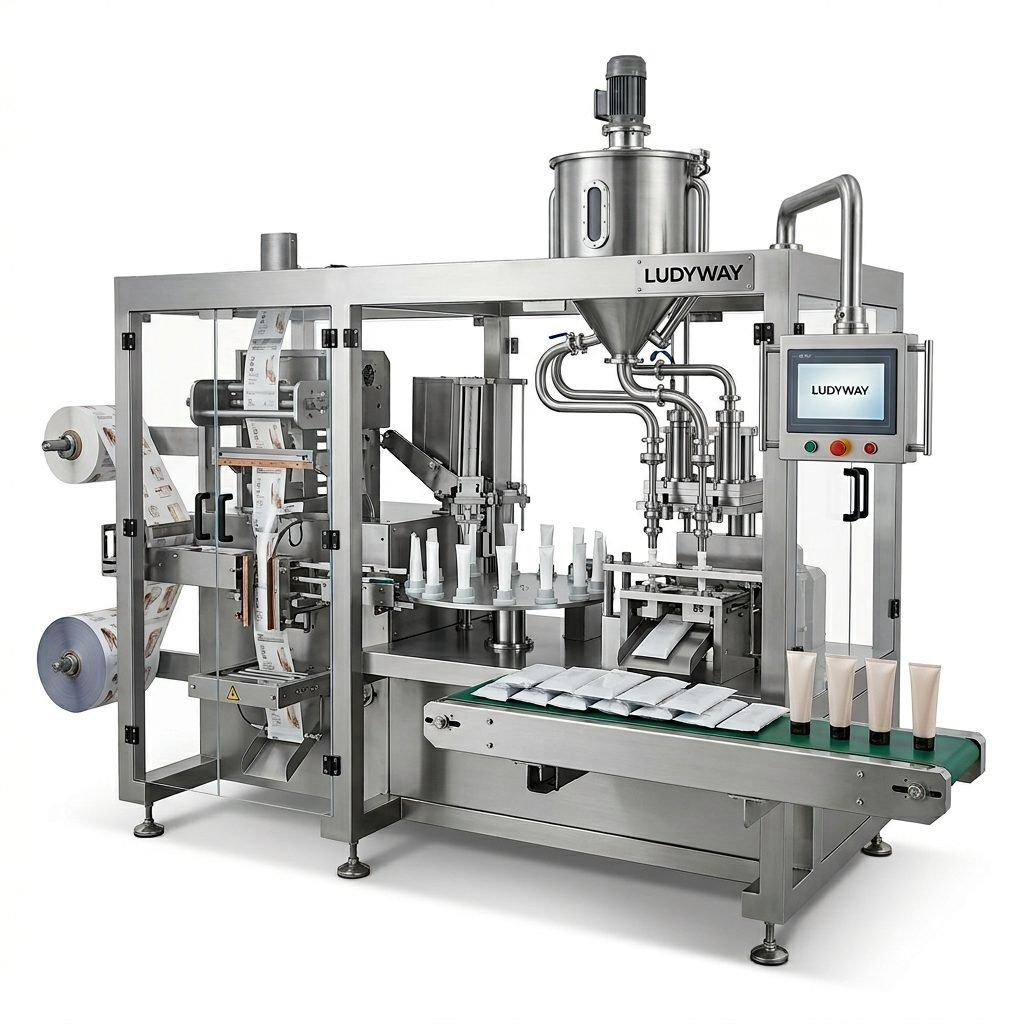
For single-serve portions of powders, liquids, or gels—think coffee, sugar, shampoo, or ketchup—stick pack and sachet machines are the go-to solution. They create small, sealed pouches from roll stock, maximizing material efficiency and offering great convenience for end-users. Multi-lane versions can dramatically increase output for high-volume needs.
Liquid & Paste Filling Machines
This category encompasses piston fillers, gravity fillers, and volumetric fillers designed to handle products like sauces, oils, creams, and chemicals accurately. Precision is paramount here to avoid waste and ensure consistent fill volumes, making the choice of filling technology crucial.
Key Factors for Choosing Your Packaging System
Moving beyond machine type, selecting the right system requires a deep dive into your operational parameters. A mismatch here can lead to bottlenecks and inefficiencies.
1. Product Characteristics
Your product dictates the machine. Consider its form (solid, granule, powder, liquid), abrasiveness, viscosity, and sensitivity (e.g., to heat during sealing). Fragile products may need gentle handling systems, while hygroscopic powders require machines with excellent sealing integrity.
2. Production Speed & Volume Requirements
Clearly define your required output in packages per minute (PPM) or shifts. A common mistake is under-specifying speed, which limits growth, or over-specifying, which leads to unnecessary capital expenditure. Consider peak seasons and future scalability when evaluating speed.
3. Packaging Materials & Formats
The machine must be compatible with your chosen film, laminate, or pre-made pouch. Factors like film thickness, coefficient of friction, and seal layer composition are critical. Also, decide on the package format: stand-up pouches, flat pouches, stick packs, or sachets. Flexibility to run multiple materials or formats can be a valuable asset.
4. Level of Automation & Integration
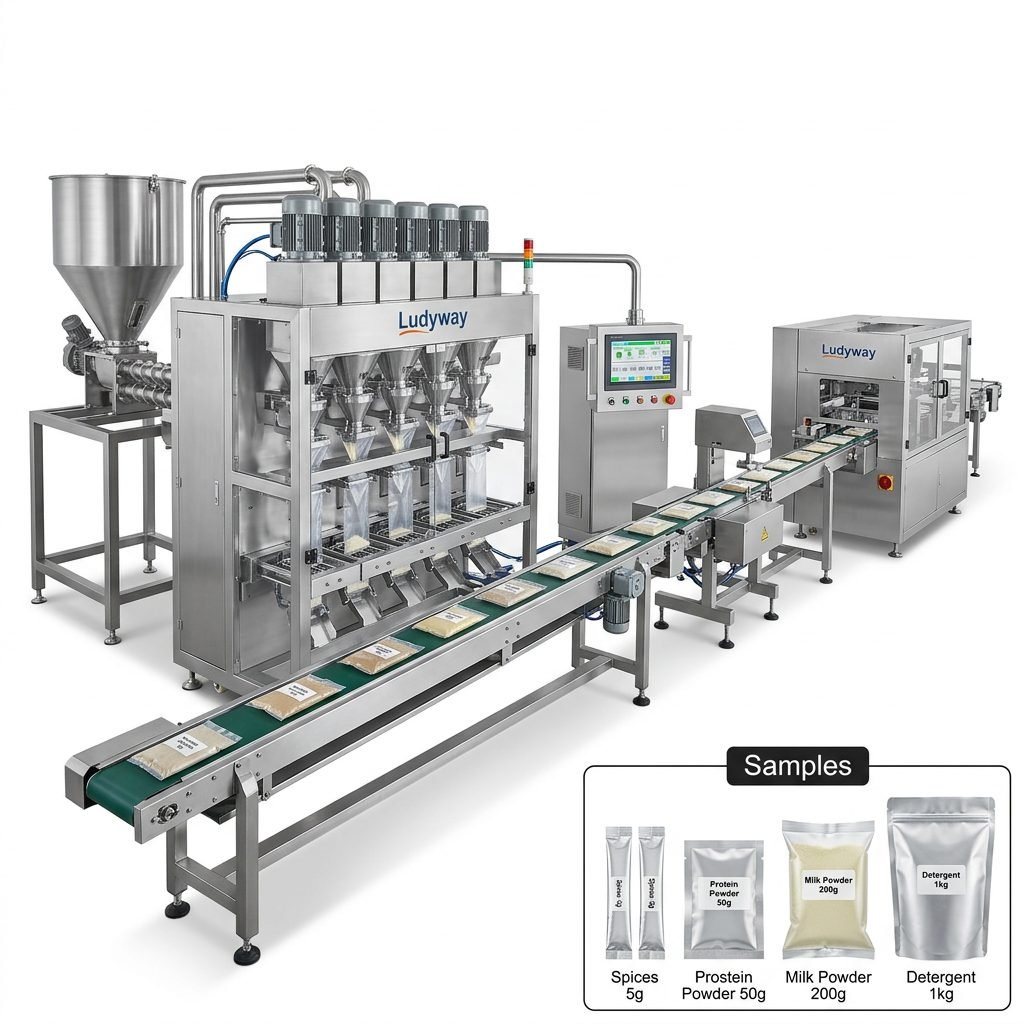
Evaluate your need for upstream and downstream integration. A basic stand-alone machine may suffice, or you might need a fully automated line with automated feeding systems, checkweighers, metal detectors, and robotic case packing. Higher automation reduces labor costs and improves consistency but requires a larger initial investment.
5. Footprint & Utility Requirements
Measure your available floor space carefully. Also, audit the necessary utilities: electrical power (voltage, phase), compressed air (PSI, CFM), and sometimes water or gas for specific functions. Ensuring your facility can support the machine is a fundamental step.
The Importance of Reliability & Supplier Support
The machine’s quality and the supplier’s service are as important as its specifications. Downtime is the enemy of production.
Build Quality & Durability
Look for robust construction with high-quality components (e.g., PLCs, servos, sensors) from reputable brands. Stainless steel contact parts are essential for food and pharmaceutical applications for hygiene and durability.
Technical Support & Spare Parts
Choose a supplier known for strong after-sales service. Reliable technical support—whether remote or on-site—and readily available spare parts are non-negotiable for minimizing downtime. A partner like Ludyway Machinery, with deep industry experience, can provide this critical peace of mind.
Ease of Changeover & Cleaning
If you run multiple products or packaging formats, quick changeover systems are vital. Machines designed with tool-less adjustments and easy access for cleaning (e.g., with CIP systems) will significantly improve your operational efficiency and compliance with hygiene standards.
Implementing Your New Packaging Line
Successful implementation is a phased process. Start with a thorough factory acceptance test (FAT) at the supplier’s site. Once installed, comprehensive operator and maintenance training is essential. Begin with a slow ramp-up period to fine-tune settings and workflows before pushing for full production speed. Leveraging your supplier’s expertise during this phase, such as the turnkey solutions offered by experienced providers, can ensure a smooth transition.
Conclusion
Choosing the right packaging equipment machinery is a strategic investment. By systematically analyzing your product, output goals, and operational constraints, and by partnering with a reliable supplier who offers robust equipment and unwavering support, you can select a system that enhances productivity, ensures product integrity, and provides a strong return on investment. The optimal system is one that aligns perfectly with your unique production reality and growth ambitions.
Frequently Asked Questions (FAQs)
What is the main difference between VFFS and HFFS machines?
VFFS (Vertical Form Fill Seal) machines are primarily used for free-flowing products like granules and powders, forming bags vertically from a single roll of film. HFFS (Horizontal Form Fill Seal) machines are typically used for solid items or grouped products, forming packages horizontally and are ideal for tray sealing or flow-wrapping applications.
How do I determine the right production speed for my needs?
Calculate your current and projected future demand in packages per shift. Add a buffer (e.g., 20-30%) for growth and peak periods. It’s often more cost-effective to choose a machine that slightly exceeds your current needs than to outgrow a machine too quickly. Consulting with experts on packaging line design can provide valuable insights.
Can one machine handle different packaging materials?
Many modern machines offer good flexibility, but there are limits. A machine can typically handle a range of film thicknesses and types (e.g., polyethylene, laminates) within a specified range. However, switching between vastly different materials (e.g., from a light film to a heavy laminate) may require mechanical adjustments or different sealing jaws.
Why is supplier support so critical in packaging machinery?
Packaging machines are complex and require maintenance. A supplier with readily available spare parts and responsive technical support ensures minimal downtime when issues arise. Their expertise is also crucial during installation, training, and future troubleshooting or upgrades.
What should I look for in a machine for food or pharmaceutical products?
Hygiene and cleanability are paramount. Look for machines constructed with food-grade stainless steel on all product contact surfaces, designed with smooth, crevice-free areas, and often featuring Clean-in-Place (CIP) capabilities. Compliance with relevant industry standards (like FDA, GMP) is essential.